Posted originally on May 1, 2025 by Martin Armstrong
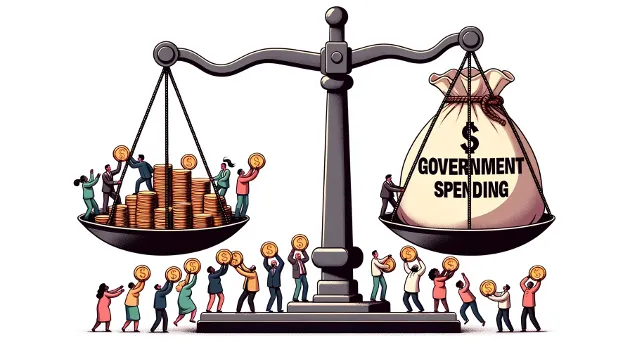
Washington state is multiplying taxes for mega corporations in a move to cover its widening budget deficit. The state is expected to face a $12 to $16 billion shortfall over the next four years, according to the Office of Financial Management. The deficit should come as no surprise as state spending has ballooned by 40% in the past four years alone.
Under HB 2081, the state’s Business and Occupation (B&O) tax will be revised to raise the “Advanced Computing Surcharge.” Corporations earning over $25 billion globally will see their tax rate spike from 1.22% to 7.5%, with the maximum payment expanding from $9 million to $75 million. More specifically, the state is looking to shake down big tech companies like Microsoft and Amazon to compensate for its excessive spending.
Companies earning over $5 million annually will face a tax hike from 1.75% to 2.1%. The state has also implemented a temporary 0.5% B&O surcharge from January 1, 20216 to December 31, 2030, for companies earning over $250 million in Washington taxable income.
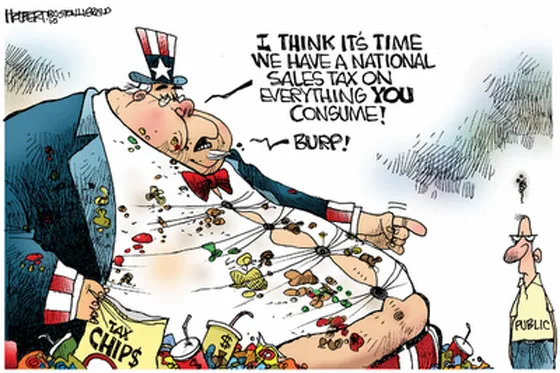
The state requires more revenue, and targeting corporations is merely the beginning. Senate Bill 5814 will raise the state sales tax from 6.5% to 10.6%. Digital automated services were previously exempt from this tax, but beginning in October, tech companies will be required to pay. The state hopes to collect $2.9 billion from this measure alone.
Yet, the state still requires more revenue. Senate Bill 5813 will restructure the capital gains tax to create a new top tier for gains over $1 million. In addition to the 7% base tax, the state has implemented an additional 2.9% surtax. The state expects to generate $321.6 million from this additional fee.
Per usual, fees will be passed on to the consumers.
Naturally, the decision-makers are failing to address the problem—excessive spending. Tax revenue has already increased by 34% or $18 billion since 2019. Politicians passed a number of social programs without proper funding. The child care subsidy expansion passed in 2021, but it took four years to amass the $300 million required. State-funded pre-K expansion also passed in 2021, but the $214 million has not been fully paid. Washington’s tort liability payout account has been operating at a deficit for multiple years, requiring $1 billion to simply move out of the red. What about the Rainy-Day Fund? Democrats used the $2.3 billion revenue to pay for more social programs.
Washington implemented a freeze on non-essential spending in December. Some believe that the state needs to implement a wealth tax, as Democrat lawmakers seek every option to fix the deficit that does not include spending cuts.
Washington managed to spiral into a massive debt in a short amount of time. Governor Inslee approved of incorporating an additional $2 billion into the $69.8 billion operating budget back in March. Eight months later, the Office of Financial Management declared that there was a serious problem and the state could face a deficit of $10 to $12 billion, revising that figure to $16 billion a month later.
The state was operating at a $14 billion surplus three years ago before politicians ramped up their spending by 40%. State taxes have increased by 99% in the past decade, while state spending has risen by 114% in the same time period. It is always the responsibility of the people to pay for government’s fiscal mismanagement.
Posted originally on May 1, 2025 by Martin Armstrong
The Commerce Department’s Bureau of Economic Analysis (BEA) released its first estimate for US GDP in Q1, a 0.3% decline annually.
The decline was mainly due to a sharp 41% uptick in imports as they are subtracted when calculating the final GDP figure. Pharmaceutical goods, medicines and vitamins, computers and parts drove imports in the first quarter.
Government spending decreased significantly as well by 1.4%, with federal expenditures down 5.1%. National defense spending declined by 8%, while non-defense spending decreased by 1%. State and local government spending posted its slowest growth since Q2 of 2022 at 0.8%. Government-driven spending is one of the main components of GDP calculations, but a reduction in government-driven spending in an economy should be viewed positively.
There was a notable rise in business investment at 21.9% as capital is flowing to the US. This is a noteworthy difference, following a 5.6% decline in the fourth quarter of 2024. Nonresidential investment rose 9.8% in the first three months of the year, led by a 22.5% rise in equipment spending.
Consumer spending grew by 1.8%; services led spending with a 2.4% uptick, followed by goods at 0.5%. Personal savings as a percentage of income reached 4%, down from last year’s posting of 5.4%. Disposable personal income reached 2.7%.
ADP released its jobs report for April, anticipating a 62,000 uptick in private sector hirings. This should come as no surprise as thousands were laid off from their public sector positions. However, the figure is below estimates of 115,000 and sharply down from March’s 155,000 figure. “Unease is the word of the day. Employers are trying to reconcile policy and consumer uncertainty with a run of mostly positive economic data,” said ADP chief economist Nela Richardson. “It can be difficult to make hiring decisions in such an environment.” The Labor Department’s nonfarm payroll report is expected to show a 130,000 uptick, well beneath March’s 228,000 posting.
The April 2025 Consumer Price Index (CPI) will be released on May 13, a week after the next Federal Open Market Committee meeting. March posted a core inflation rate of 2.8% on an annual basis, down from February’s 3.1% figure and the lowest noted since March 2021.
Trump’s tariff policy is not to blame for the current state of the economy. War, inflation, debt, poor government policy, and collapsing confidence predate Trump. The Fed’s policy is not to blame either as their policy is almost irrelevant in the grand scheme.
Socrates warned of a massive global shift in 2015 as the sovereign debt crisis cycle turned and public confidence began to decline. The computer identified 2020.05 (May 2020) as a major Economic Confidence Model (ECM) turning point, and needless to say, 2020 was certainly a turning point in every aspect of the global economy. The stagflation we see now began, globally, post-pandemic. Once confidence breaks, stagflation is guaranteed to follow.
Posted originally on Apr 30, 2025 by Martin Armstrong
Russia has finally ejected all Ukrainian troops from the Kursk region who invaded on orders of NATO/EU last August 6th, ending the most significant incursion into Russian territory since World War II. This has certainly removed Kursk as a pawn in peace negotiations, which Zelensky refused to accept when he met at the White House in a desperate effort to embarrass Trump into keeping the funding for Ukraine’s war against Russia.
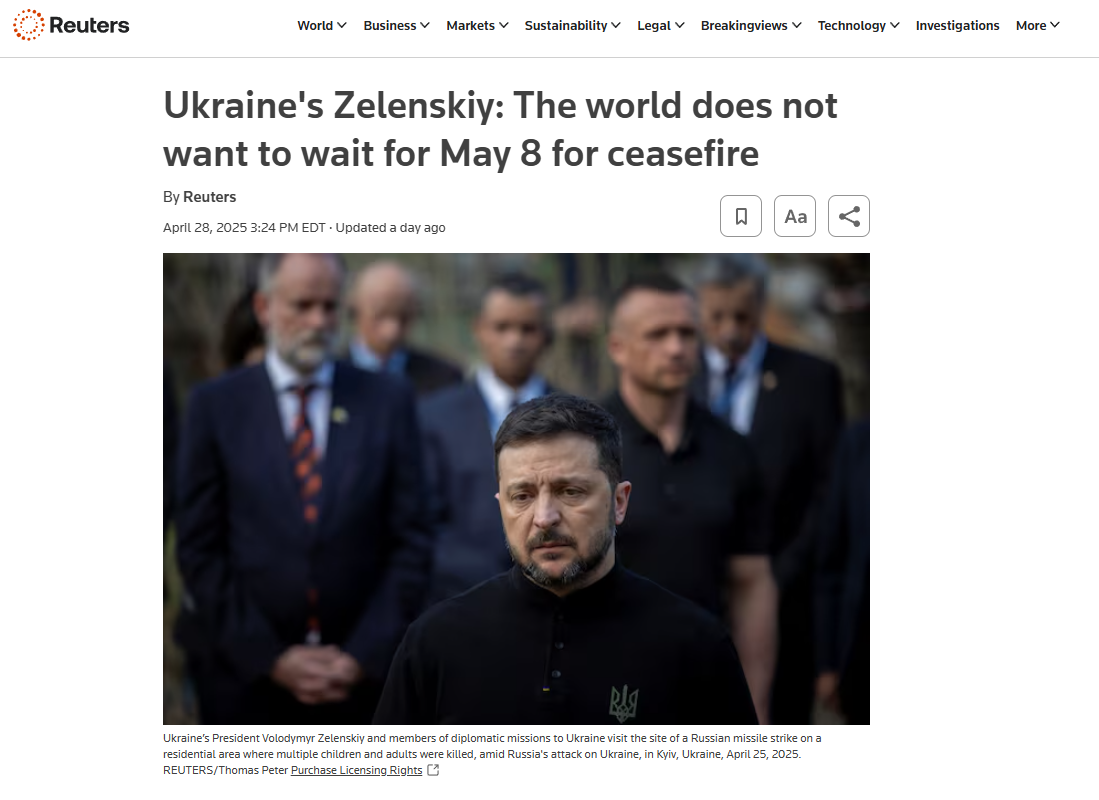
Reuters reported that Zelensky said the world did not want to wait until May 8 for Putin’s announced ceasefire in the more than three-year-old war, only for it to be in effect for a few days.
“For some reason, everyone is supposed to wait for May 8 and only then have a cease-fire to ensure calm for Putin during the parade,” Zelensky said in his nightly video address.
Yet in that same address to Ukraine, he hinted at an attack in Moscow on the Victory Day Parade. He said that his Ukrainian generals were choosing “Russia’s pain points.” And then he makes a frank allusion to the attack on Red Square on May 9th. Now they are worried that their parade is in question, and they are right to worry. But we must worry that this war continues. They must end the war, Zelensky declared.
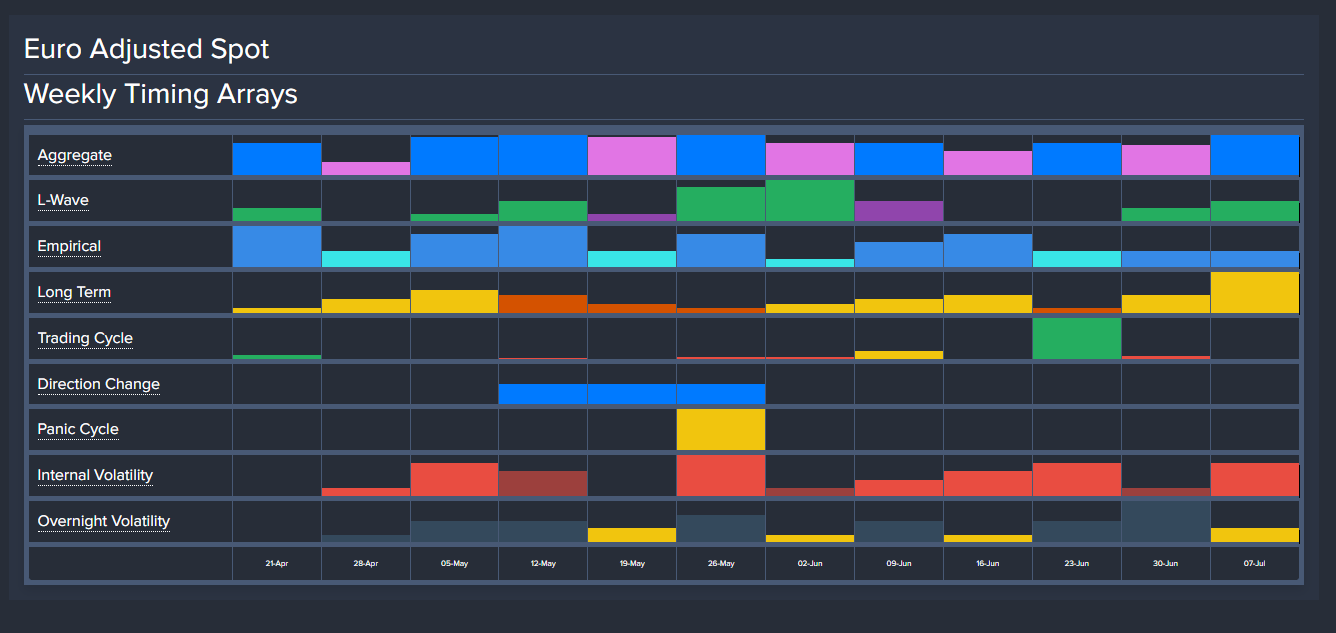
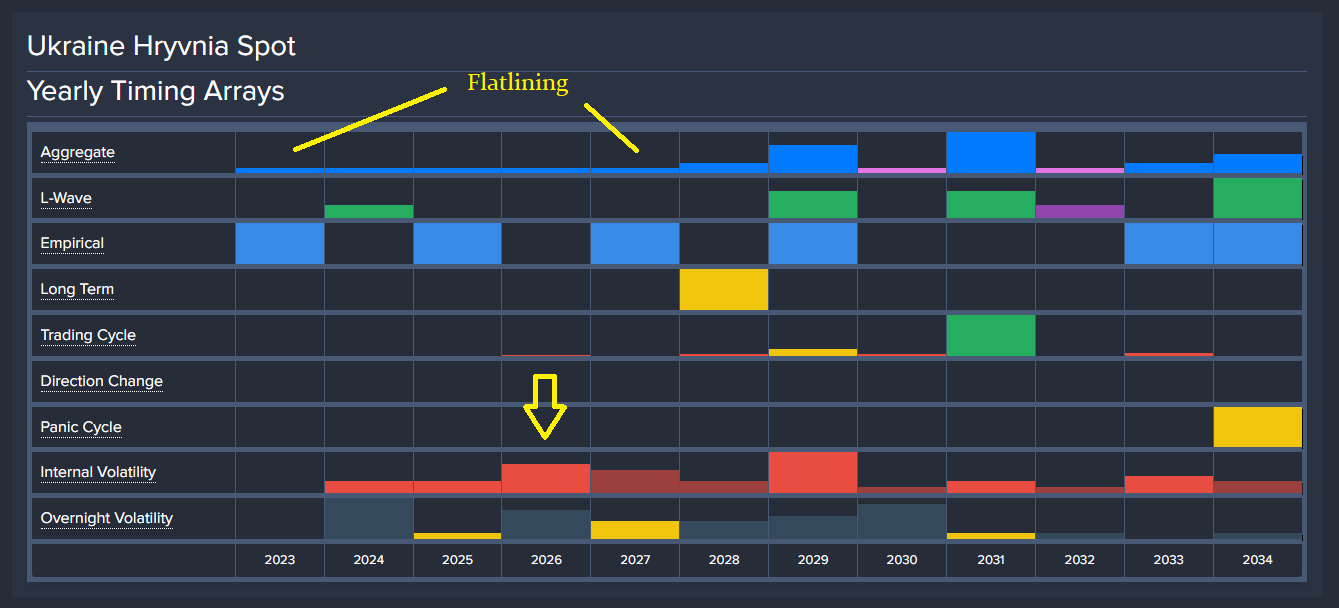
We definitely see volatility rising the week of May 5th and from the week of May 12th into the end of the month remain as key targets. Our computer has warned that Ukraine would NEVER win this war with Russia, and NATO has played them for fools, sacrificing them to reduce the military strength of Russia so they can move in for the kill.
Boris Johnson flew to Kiev 3 days before the signing of the rare minerals deal was supposed to take place in Liev. Johnson told Zelensky to go to the White House to try to embarrass Trump into funding the war. Zelensky refused a ceasefire, claiming that the Ukrainian people did not want one. That is not what I have heard from sources in Ukraine. Now Zelensky suddenly claims that, after his troops lost in Kursk, the world does not want to wait until May 8th for a ceasefire because he is losing?
“It’s amazing what comes out through emotion, and I have determined that President Zelenskyy [sic] is not ready for Peace if America is involved.”
Trump wrote on Truth Social.
Zelensky knows nothing about war and has been a Neocon plant to order Ukraine to fight to the last Ukrainian. His arrogance has cost over 1 million lives among Ukrainians, and over 8 million have fled to Europe, and most will never return.
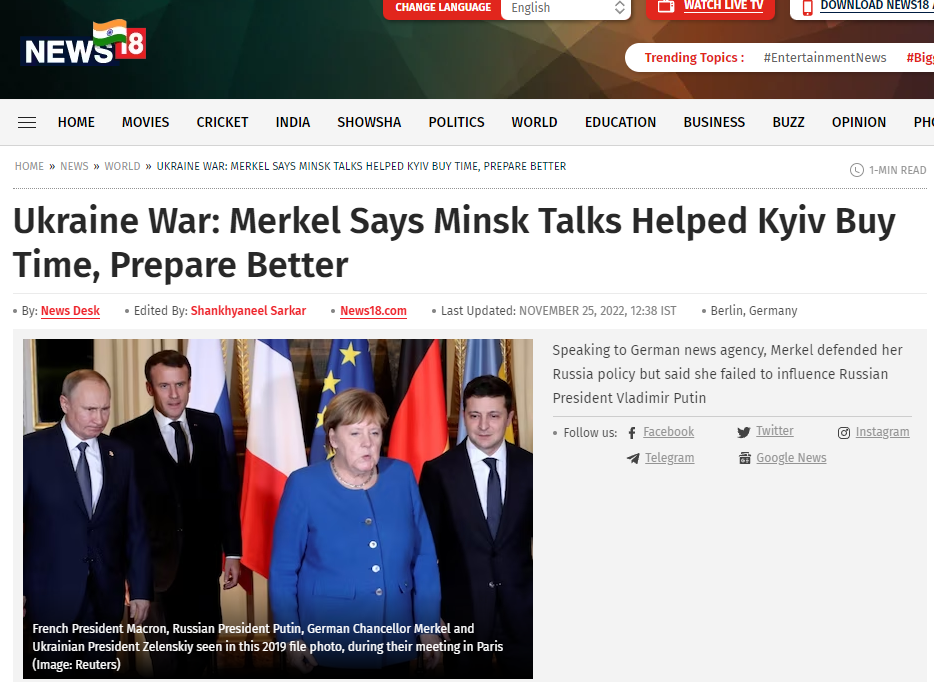
The day after Moscow announced the completion of the Kursk operation, President Vladimir Putin declared a unilateral three-day ceasefire to mark the 80th anniversary of the Soviet Union’s and its allies’ victory in World War II, Russian Foreign Minister Sergey Lavrov emphasized that international recognition of Crimea, the Donetsk and Lugansk People’s Republics, as well as the Kherson and Zaporozhye regions as part of Russia, is a non-negotiable condition for any settlement. There was the Minsk Agreement that Europe signed in bad faith, only to allow Ukraine time to raise an army. They now have 1.1 million dead Ukrainians’ blood on their hands, and they do not have a problem sleeping at night.
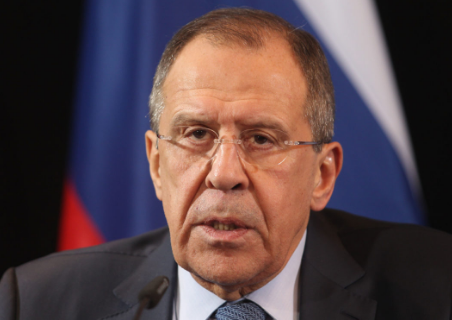
Foreign Minister Sergei Lavrov made it clear on Monday, April 28, that Moscow would accept nothing less than a total victory. Lavrov insisted that the Russian Federation will not negotiate unless Ukraine recognizes that the original regions that were supposed to be allowed to separate under the Minsk Agreement after a vote, including Crimea, Donetsk, Luhansk, Kherson and Zaporizhia, now belong to Russia. “The international recognition of Crimea, Sevastopol, Donetsk, Luhansk, Kherson and Zaporizhia regions as part of Russia is an imperative,” Lavrov said, emphasizing that Ukraine must legally acknowledge these regions as Russian territory. This seems to be reasonable after the false negotiations by Europe over the Minsk Agreement. But Russia must now realize that Europe cannot be trusted, and any peace deal would NEVER mean that there will still not be war after Europe builds its European army.
NATO’s INVOLVEMENT IN UKRAINE
NATO conducted military exercises in Ukraine between 2000 and 2010 in advance of the start of the civil war as part of its partnership programs aimed at enhancing cooperation and interoperability with non-member states. Key exercises and initiatives during this period include:
1. Partnership for Peace (PfP) Program
Ukraine joined NATO’s PfP program in 1994, which facilitated joint training and exercises. These activities continued into the 2000s, focusing on peacekeeping, disaster response, and military interoperability.
2. Exercise Sea Breeze
An annual naval exercise co-hosted by the U.S. and Ukraine in the Black Sea since 1997.
Conducted throughout the 2000–2010 period, involving NATO allies and regional partners to enhance maritime security and coordination.
3. Exercise Rapid Trident
A land-based exercise focused on peacekeeping and interoperability.
While later iterations became more prominent post-2010, initial drills began in the mid-2000s as part of the PfP framework.
4. Exercise Cooperative Partner
Air force exercises aimed at improving compatibility with NATO standards.
Held in Ukraine during the mid-2000s, involving aerial maneuvers and joint training.
5. NATO-Ukraine Action Plan (2002)
This formalized deeper cooperation, leading to increased joint exercises and defense reforms in Ukraine.
Exercises often emphasized peacekeeping, counterterrorism, and crisis management.
6. Annual National Program (ANP)
Under the NATO-Ukraine Commission (established 1997), Ukraine implemented defense reforms and hosted NATO-linked training events.
These exercises were part of NATO’s broader effort to build trust and capability with Ukraine, though full membership was not on the table at the time. The 2008 Bucharest Summit later affirmed Ukraine’s eventual NATO membership prospects. In summary, NATO-Ukraine military exercises during this decade were regular and multifaceted, reinforcing Ukraine’s gradual alignment with Western defense structures in preparation for war with Russia.
Finland’s Prime Minister has shown herself to be a staunch supporter of Zelensky to the detriment of her people.
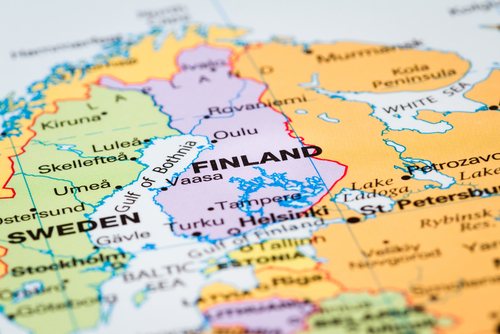
Now that Sweden has surrendered its neutrality, which protected its people through two world wars, they have joined NATO and even sent planes to Poland. This has led the Kremlin to expand its military bases along the Finnish border in response to Sweden and Finland’s decision to join NATO. As you can see from the map, it’s not very far from Finland to St. Petersburg in Russia. Sweden and Finland have now placed their populations in the Kremlin’s crosshairs for joining the NATO alliance.
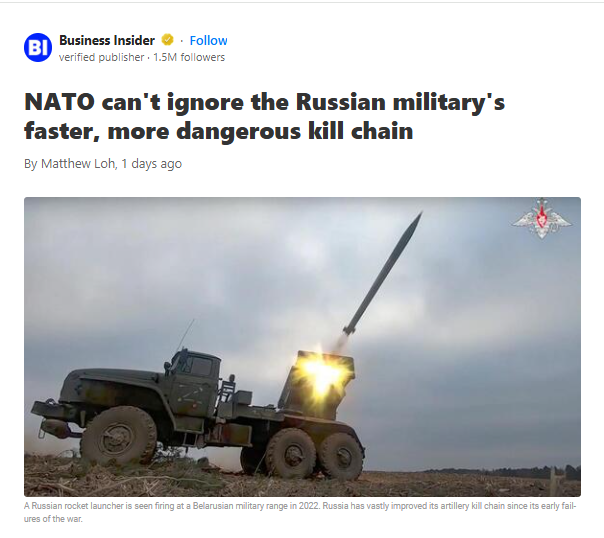
Russia is reportedly expanding its army bases on the border with Finland and rapidly expanding its military as it prepares for a potential clash with NATO. Russia’s kill chain, defined as how quickly the army moves from finding a target to firing on it, is now far more responsive than that of NATO’s capability.
Then, on the other side of the world, the risk of war during May also exists between Pakistan and India, two lifelong enemies. On top of all of this, Pakistan says India is preparing to strike in 36 hours, if not days.
The Federal Reserve is nearly done completing its revamp of its Washington, DC, headquarters with a price tag of $2.5 billion. The luxurious facility has come under intense scrutiny as many believe they are borrowing from public funds while already operating in a deficit. Yet, these funds will not be added to national debt calculations.
The Federal Reserve operates on a self-funding mechanism, allegedly, using revenue it generates from interest on government securities and other services such as payment processing. Yet, that interest is generated from public funds. However, the Federal Reserve does not need approval from Congress to finance internal costs as it manages to bypass the federal budget.
The national debt is calculated based on congressionally authorized borrowing. Since no Treasury securities were issued, these costs remain off-budget and outside final calculations. The Federal Reserve operated independently, and as such, it can build a massive new facility equipped with garden terraces, elaborate water sculptures, ceiling skylights, and a private elevator system to transport board members to the newly designed VIP dining suite.
There are several special lending programs budgeted through the Fed that will not be included in the national debt. For example, the central bank purchased $500 billion in short-term debt from local and state governments during COVID to push cash into the system. Loans provided through the Main Street Lending Program and the Money Market Mutual Fund Liquidity Facility (MMLF) are not factored. The Fed maintains some monetary policy tools absent of congressional approval, like discount window loans and overnight reverse repurchase agreements.
Foreign central banks may exchange their treasuries for dollars, which does not pull from public funds. The FedNow Instant Payment system for banks also operates independently, as does the Consumer Financial Protection Bureau (CFPB) that funds around $630 million annually.
The Fed has a $7.4 trillion asset portfolio that is not congressional appropriations. Any losses are considered deferred assets on the central bank’s balance sheet. Now, the Fed differs from other central banks, such as the Bank of Japan or the European Central Bank, which rely more on shareholder capital and government-backed reserves. The 12 regional Federal Reserve banks operate as quasi-private institutions with elected board members, whereas the ECB and BoJ operate as public entities.
The Fed returns around 90% of its net income to the US Treasury despite the current negative press. The new headquarters may be excessive, but it is paramount for the Fed to remain independent from the federal government. Politicians should not drive fiscal policy, as all confidence in the system would be lost. A central bank like Turkey’s, which is completely politically controlled, faces ongoing currency crises and inflation because politicians only want to patch up the short term to ensure they win the next election. Congress should have no say in the Fed’s budget – period.
Posted originally on Apr 29, 2025 by Martin Armstrong
German Finance Minister Jörg Kukies is urging the European Union to force nations to drastically increase aid to Ukraine under an emergency clause. This emergency clause acts as a loophole that could allow Brussels to surpass defense investment parameters.
Kukies penned a letter on April 24, 2025, to Brussels to state that the “changing environment in Ukraine “requires a significant build-up of defense capabilities with a major impact on its public finances.” This clause would force EU members to spend up to 1.5% of GDP on Ukraine for the next four years. Kukies also would like the European Commission to consider expanding what constitute as “defense” spending, as it “adequately reflects the multiple threats to security in Europe” and considering “in particular dual-use expenditure.”
Incoming chancellor Friedrich Merz has already agreed to spend €1 trillion on Ukraine’s military and infrastructure. Germany is not “leading” Europe as many believe. Rather, it is dragging the entire continent into the grave. This is not about helping Ukraine. This is about creating the next perpetual conflict to justify more government power, more taxation, and the further erosion of individual liberty.
The German government believes it has the funds to shell out. Yet, other EU members have not masked their hesitancy to sink into debt at the expense of Ukraine. When Foreign Policy Chief Neocon Kaja Kallas attempted to bend the bloc’s hand to increase spending, a few southern European nations like Italy and Spain shouted that they did not want to excessively increase their debt. Spanish Finance Minister Carlos Cuerpo touched on a point that caused Brussels to shudder. If Europe believes it is acting as a solid consolatory force, then why not consolidate the debt?
Spain proposed a temporary special purpose vehicle (SPV) that would restructure defense debt from national balance sheets by issuing joint European debts through bonds or a similar vehicle. EU and non-EU nations could fund the SPV with a shared repayment obligation. Brussels is still considering the proposal, but rest assured that the top economies in the EU will not want to share the debt obligation. The entire premise of the euro robbed lower GDP nations through a failure to consolidate debt, and nations like Germany refused to forgive their multiplied debt after they adopted the euro because every nation will put itself first. It was a fantasy to believe that a continent could erase its borders and operate as one.
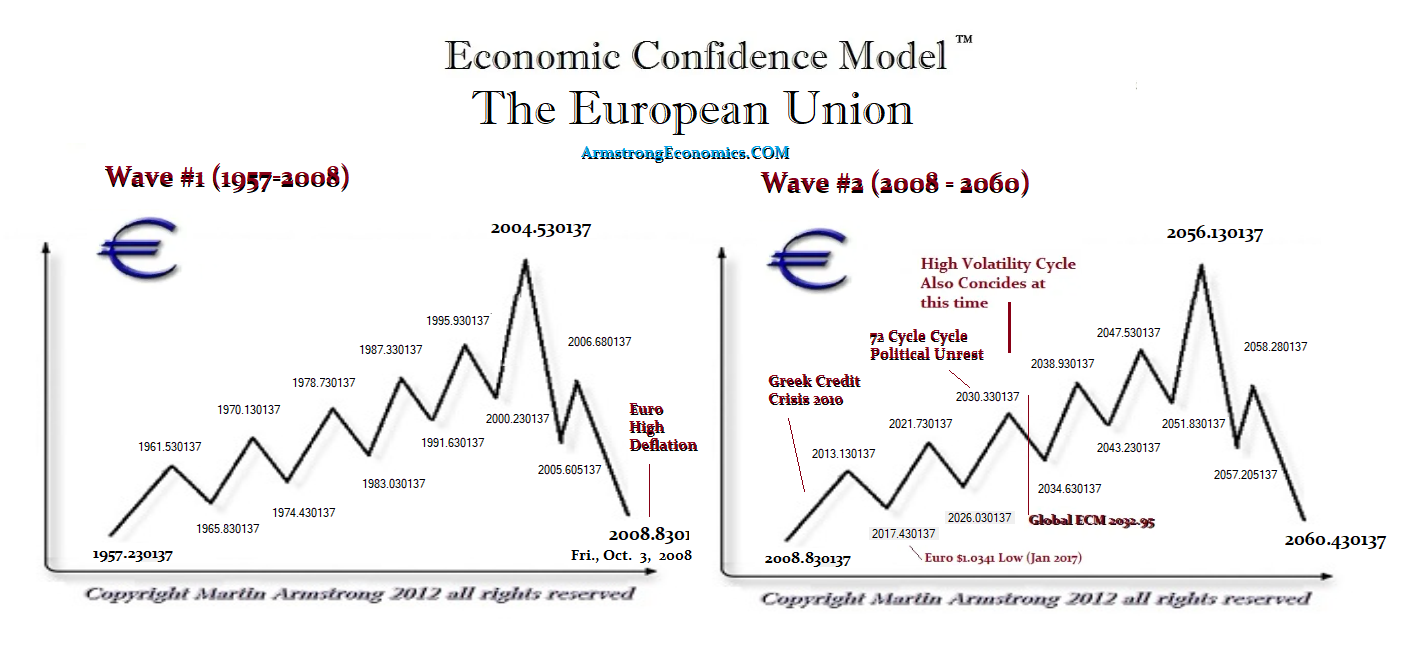
The computer has warned that Europe is at risk of a depression. The EU is collapsing under its own weight. The unelected authoritarian regime in the EU is working to destabilize Europe to fight Russia, and member nations must stand idle and watch their nations spiral into debt to spur on a war that was never their battle to fight.
I have created this site to help people have fun in the kitchen. I write about enjoying life both in and out of my kitchen. Life is short! Make the most of it and enjoy!
This is a library of News Events not reported by the Main Stream Media documenting & connecting the dots on How the Obama Marxist Liberal agenda is destroying America










 Centinel2012