When Russia Was Our Ally Before 1917


Posted originally on Aug 17, 2025 by Martin Armstrong |  
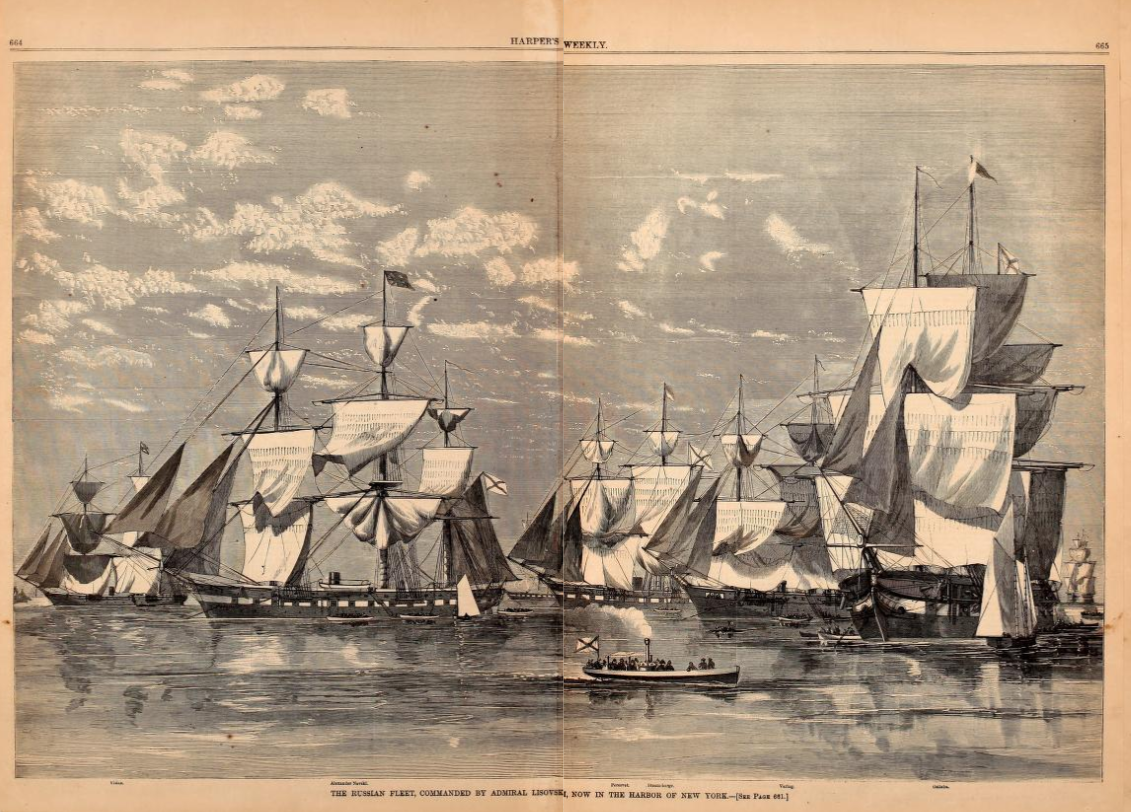
1863_Harper_s_weekly Russian Ships

QUESTION: I am a history buff myself. I have never heard that Russia came to the aid of the United States during the Civil War to protect us from the British and the French. What is your source for such a statement?

FC
Galbraith Great Crash PNG

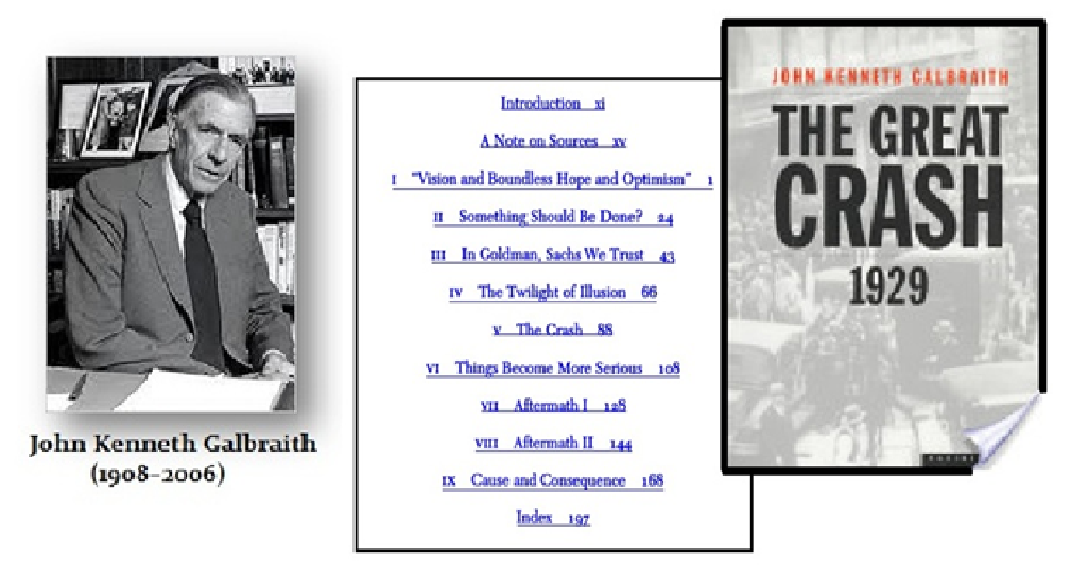
ANSWER: I learned in high school that they do not teach what goes against their agenda. I had to read The Great Crash by Galbraith, which omitted the fact that Europe defaulted on its debt in 1931, including Britain, the Commonwealth, and that included Canada. Galbraith was a socialist who blamed corporations for omitting the actions of the government.
1931 NYSE Banking Crisis listing shares

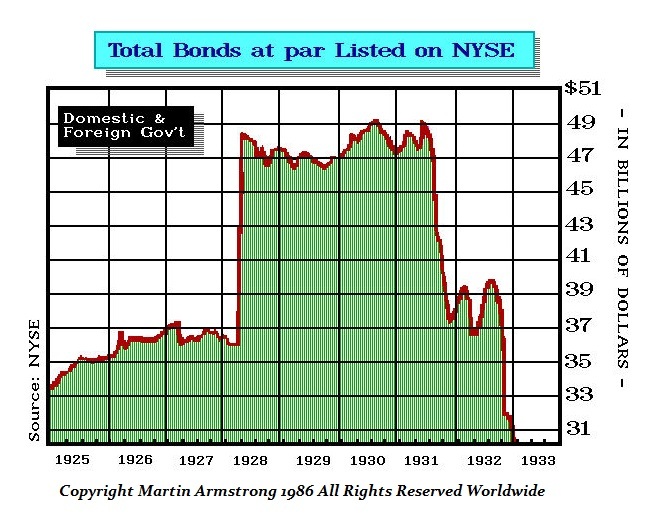
Foreign bonds were sold in small denominations to mom-and-pop investors and were listed on the NYSE. This is a chart of the bond collapse in 1931, just on the NYSE. This was no small minor omission. The stock market tanks the risk. But wipe out the bond market, and that is what causes the depression rather than a recession. It was estimated that the average American investor held as much as $10 billion dollars in foreign bonds in 1929. In today’s dollars, that was close to $200 billion. This is what really wiped out 9,000 banks, and the average person who did not lose on the stock market lost on bonds.
Mellon Gentlemen Prefer Bonds C

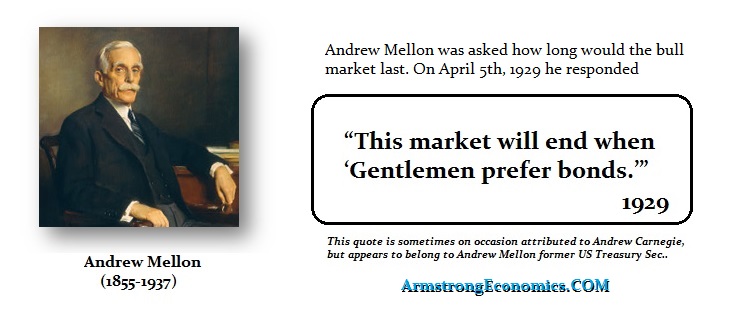
During the Great Depression, losses in foreign bonds and stocks were both catastrophic, but they differed in timing, scale, and recovery.  Sovereign bond defaults were triggered by trade collapse, currency crises, and the global credit freeze. Of course, there was Andrew Mellon’s famous quote about bonds, which they turned into blonds for the movies.

The scale of losses on sovereign bonds was staggering – we’re talking 70% average losses on sovereign bonds – not corporate. When a corporation goes bankrupt, assets are sold and creditors are repaid. When a government defaults, you get nothing. Germany and Latin America were disasters. The UK/Canada eventually honored their debts but defaulted in gold.

Canada did not technically default legally on its sovereign debt on October 19th, 1931. Still, it did suspend gold payments on its external debt obligations following the UK’s abandonment of the gold standard on September 21, 1931, due to the Great Depression. Now, here is the kicker. After a long period of negotiation and economic adjustment, Canada finally resumed payments on its external debts. However, they really defaulted. On May 1, 1933, Canada resumed service on its external debts, but in Canadian dollars rather than in gold or foreign currency. They followed Roosevelt’s lead. In March 1933, that is when the banking crisis peaked. Roosevelt declared the bank holiday on March 6th. Then, on April 5, 1933, with Executive Order 6102. That is when he confiscated private gold, and on April 20th, 1933, he formally suspended the gold standard. Canada saw that and did the same, defaulting on the promise to repay in gold and swapped it to the Canadian dollar only.

I stumbled upon Herbert Hoover’s Memoirs in an antique book store in London. It opened my eyes to the fact that they selectively teach propaganda. They were teaching Socialism and Keynesian Economics, the business cycle was not definitive, so the government can manipulate us as they desire. After that experience, my study has never even been TRUST BUT VERIFY; it was converted to QUESTION EVERYTHING AND THEN VERIFY.
Harper_s_weekly Oct 17 1863

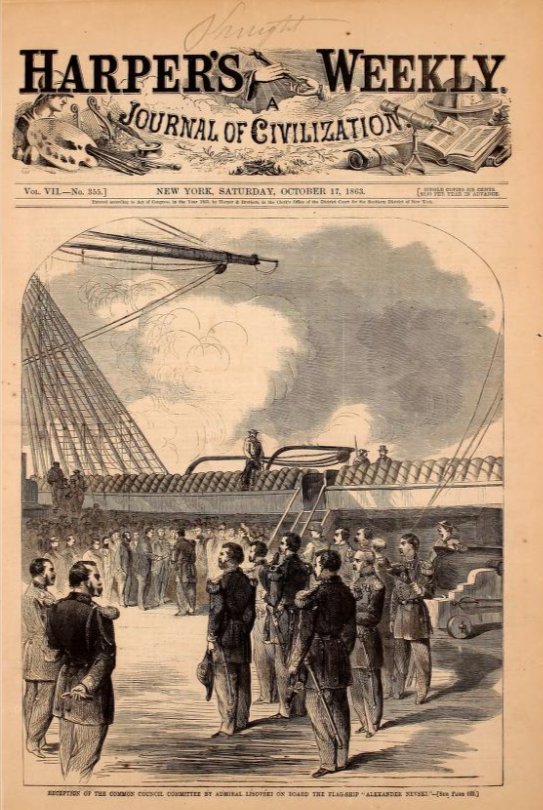
This is the issue of Harper’s Weekly from October 17th, 1863. I have verified this account that Russia protected the Union forces of the United States against the British and French, who claimed to be neutral, but covertly were supporting the Confederates.
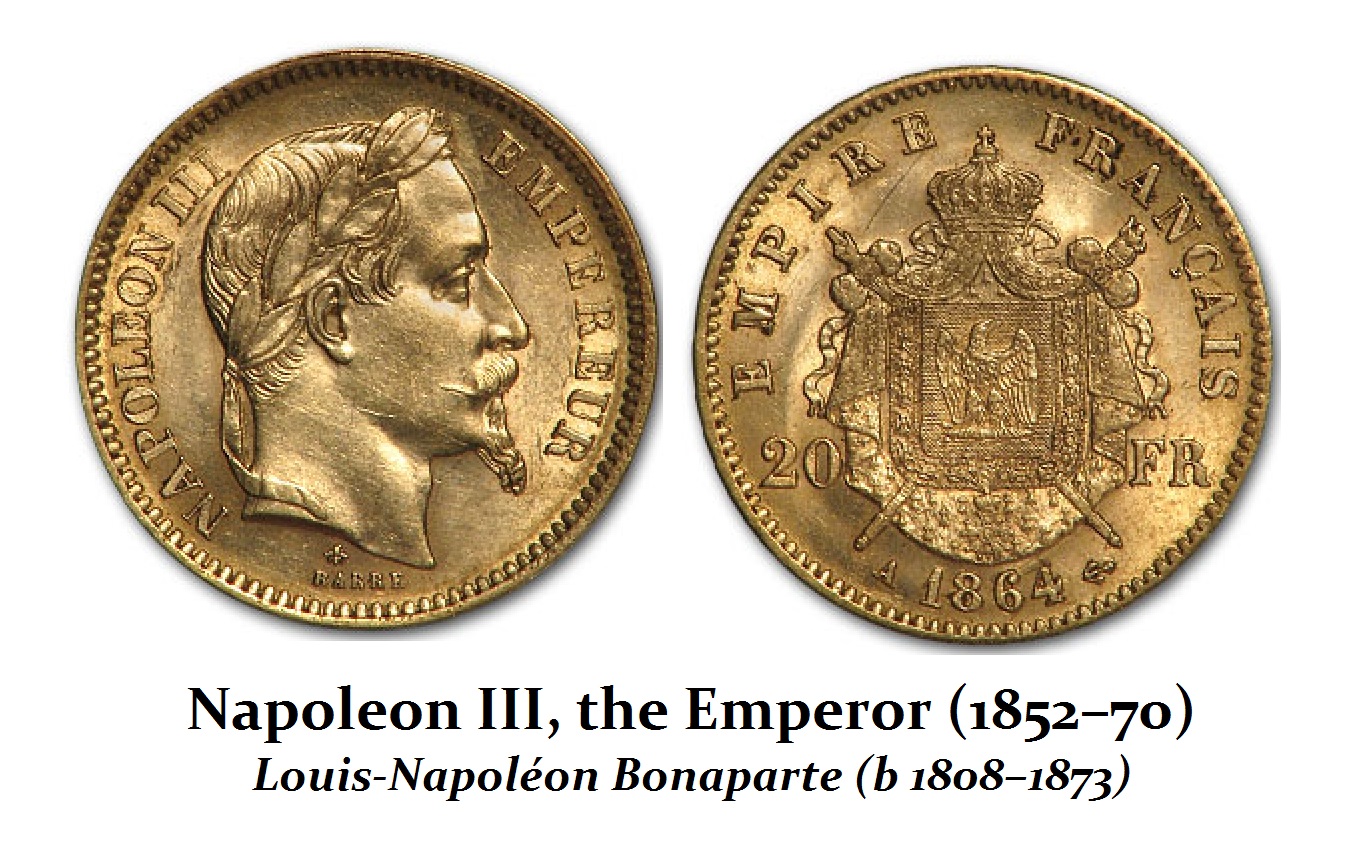
1864 Napoleon III

Emperor personally favored the Confederacy, hoping to secure Southern cotton for French textile mills and establish a French-aligned buffer state to protect his imperial ambitions in Mexico. France refused to recognize the Confederacy without British cooperation, which never materialized. Napoleon III did propose a joint mediation with Britain and Russia in 1862, including a six-month armistice and opening Southern ports. The Union angrily rejected this, viewing it as pro-Confederate interference by the French.

Like the EU pretending not to be involved in the Ukraine war, France was allowing the Confederacy to purchase weapons and warships. The French ministers did object to Napoleon III and went as far as the French government initially blocked the ironclad CSS Stonewall. By the time it made it to America, the war was over. Napoleon’s Mexican campaign (1861–1867) was aimed at exploiting the U.S. division by installing Maximilian I as emperor. Confederate independence would have shielded this venture from Union retaliation.

Britain declared neutrality in May 1861. It did recognize the Confederacy as a separate belligerent, granting it the right to contract loans and use blockades, but did not recognize it as a sovereign nation. This angered the Union. Aristocrats and conservative elites such as Chancellor William Gladstone did sympathize with the Confederacy, seeing parallels with Southern plantation society and even old scores for the American Revolution.

Working-class Britons, particularly in textile regions, largely opposed slavery despite economic hardship from the “cotton famine.” Lincoln praised Lancashire workers for refusing Confederate cotton, which was on religious grounds.

British private firms smuggled arms, luxuries, and supplies into Southern ports in exchange for cotton and tobacco. Then there was the warship construction carried out in the British shipyards. They constructed the CSS Alabama, leading to the post-war Alabama Claims, where Britain paid the US $15.5 million for damages for that action.

Then there was the Trent Affair of 1861. That was a near-war crisis that erupted when the U.S. Navy seized Confederate diplomats from a British ship. Britain demanded their release, and Lincoln complied to avoid war.

By 1863, France and Britain found alternative cotton sources (e.g., India, Egypt). However, the Union threatened war if Europe recognized the Confederacy. That even put Canada and the Caribbean colonies all at risk. Lincoln’s Emancipation Proclamation (1863) solidified moral opposition to the Confederacy. That followed Tsar Alexander II, who freed the Russian serfs through the Emancipation Manifesto, signed on  March 3, 1861, and was publicly announced on March 5, 1861. President Abraham Lincoln issued the Emancipation Proclamation on January 1, 1863, declaring, “that all persons held as slaves” within the rebellious areas “are, and henceforward shall be free.”  The fact that Russia took that action first was what led to pressure on Lincoln for the Emancipation Proclamation, as well as the start of the war, which took place about one month later on April 12, 1861.

Post-War Repercussions were profound. The U.S. forced France to withdraw from Mexico (1867), leading to Maximilian’s execution. Britain paid reparations for warship damage.
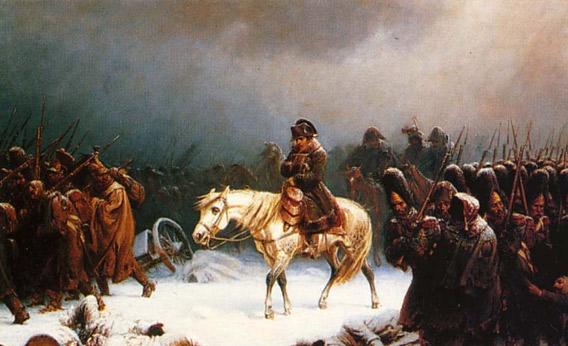
Napoleon1812 Russia

Our enemies were really Britain and France during the early 19th century. Of course, there were the Napoleonic Wars, and Napoleon even attempted to invade Russia. Clearly, France and Russia were direct enemies (e.g., Napoleon’s disastrous invasion of Russia in 1812). Then you had the never-ending Britain vs. France, who to this day still harbor resentment for being each other’s primary enemy throughout the wars.
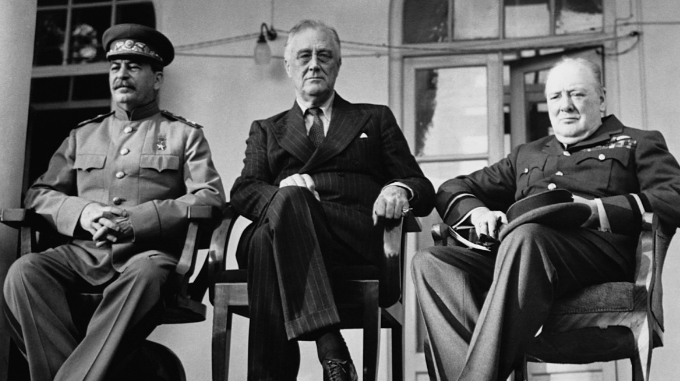
Leaders_FDR Churchill Stalin

Britain & Russia were allies against Napoleonic France as part of the coalitions. That was no different from Stalin joining the Allies against Germany.

Nonetheless, the Post-Napoleonic Era & The Holy Alliance (Post-1815) saw Russia’s role under Tsar Alexander I, became the dominant conservative power in Europe, leading the Holy Alliance (with Austria and Prussia) to suppress liberal revolutions. Britain’s stance under Castlereagh and later Canning distanced itself from the Holy Alliance’s interventionist policies. While not directly fighting Russia, Britain often diplomatically opposed Russia’s attempts to dominate European politics and suppress revolutions, seeing it as a threat to the balance of power and British interests. It was a quasi-proxy war again.

Then there was the Eastern Question & The Crimean War (1853-1856). That core conflict remains the most significant example of direct Anglo-French opposition to Russia. What is often overlooked is that although the “official” position of the US in the Crimean War was neutral, the United States supported Russia during the 1863 Crimean War, allowing some 30 American surgeons to “volunteer” to serve in the Russian military. Russia lost that war to the alliance of Britain, France, and the Ottoman Empire. Then Russia faced yet another challenge a few years later. In 1863, there was an uprising in the regions of the former Polish-Lithuanian Commonwealth under Russian domination. That became a guerrilla war against Russia, and they responded by crushing the rebellion and even punishing the nobility by confiscating their lands. The immediate outcome of the 1863 was a devastating military defeat, followed by ruthless repression, the complete elimination of any vestige of autonomy, and the onset of an intense and systematic decades-long campaign of hating Russians thereafter. This was no doubt a residual from the century before, when Sweden made its most significant attempt to invade Russia during the Great Northern War (1700-1721), specifically in the years 1707-1709.

The Polish-Lithuanian Commonwealth was a major theater of war for much of the conflict. Swedish King Charles XII invaded and spent years campaigning there. Charles XII forced the Polish nobility to depose their elected king, Augustus II (Elector of Saxony), and install a Swedish puppet, Stanisław Leszczyński (1704). Russia responded, seeking to expand its influence at the expense of the declining Ottoman Empire, particularly aiming for control over the Black Sea straits and protection of Orthodox Christians in Ottoman territories who were being persecuted.

Anglo-French formed a stiff opposition to Russia for its wealth. Britain feared Russian expansion would threaten its Mediterranean routes (especially to India) and the European balance of power. France, under Napoleon III, sought to revive French prestige, protect Catholic interests in the Ottoman Empire (countering Russia’s Orthodox claims), and challenge Russian power. Thus, Britain and France formed a military alliance with the Ottoman Empire and fought a major war against Russia in the Crimea. The war ended with a Russian defeat.

All of this produced a prolonged strategic rivalry and espionage contest centered on Central Asia and South Asia (Afghanistan, Persia, Tibet). Britain was obsessed with protecting its “jewel in the crown,” India, from any perceived Russian threat of invasion or influence. While it rarely resulted in direct war between the two empires, it involved intense diplomatic maneuvering, proxy conflicts, and military expeditions. France was not a major player in this specific rivalry.

The Franco-Russian rapprochement came after Germany’s defeat of France in 1871 and the subsequent formation of the Triple Alliance (Germany, Austria-Hungary, Italy). France at that time actively sought an ally against the German threat. This led to the Franco-Russian Alliance (1894), a fundamental shift aligning France and Russia against the German-led bloc. As you can see, this was like a bunch of cross-dressers switching sides.

Anglo-Russian tensions continued, keeping Anglo-Russian relations in opposition. However, facing the rising power of Germany, Britain also began to realize that the wealth of Russia might be set aside, given the increasing threat from Germany. This eventually led to the Anglo-Russian Entente (1907), settling colonial disputes in Central Asia and aligning Britain with France and Russia in the Triple Entente against the Triple Alliance.

Consequently, Britain and France were absolutely opposed to Russia at many key points and only tolerated the Russians when they needed help against Germany. Britain maintained a deep strategic rivalry with Russia throughout the century due to concerns over India and Asia. Meanwhile, Britain often diplomatically opposed Russia’s conservative dominance in Europe early in the century. The balance of power shifted dramatically in the last decade of the 19th century. The rise of Germany drove former rivals France and Russia into a formal alliance (1894), and Britain later joined them in the Triple Entente (1907), setting the stage for World War I.

As you can see, there were periods of cooperation early against Napoleon between Britain and Russia. Still, a complete reversal of alliances unfolded when the glimmer of Russia’s wealth caught their eye, and they did not need their support.
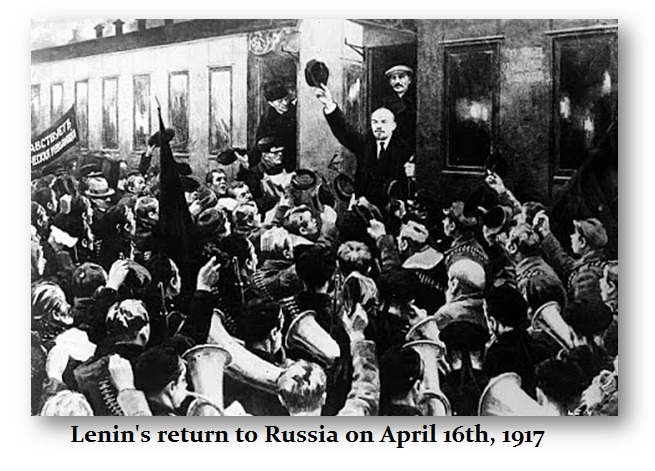
Lenin Valdimir Returns to Russia

By 1917, Germany faced a two-front war against the Allies. They decided that if they could orchestrate a Russian withdrawal, it would allow Germany to concentrate forces on the Western Front. German officials viewed Lenin as a “plague bacillus” to infect Russia from within, aiming to trigger internal collapse and end Russia’s war participation. The idea was hatched by the German Foreign Secretary Richard von Kühlmann and General Erich Ludendorff. Alexander Parvus (a Russian-German businessman and former socialist) proposed the scheme to the German Foreign Office, drafting a 23-page revolutionary roadmap and securing initial funding of 2 million marks for Bolshevik propaganda.

On April 9th, 1917, Lenin and 31 revolutionaries departed Zurich on a German-chartered train. The group crossed Germany in a “sealed” carriage with extraterritorial status (marked by chalk lines), avoiding passport checks. Non-Bolsheviks were included to pretend there was no intentional German collaboration or plot to create the Russian Revolution. The German High Command prioritized the train, even delaying Crown Prince Wilhelm’s transport. Officers escorted the group to the Baltic Sea, from where they proceeded via Sweden and Finland. The trip concluded at Petrograd’s Finland Station on April 16th, 1917.
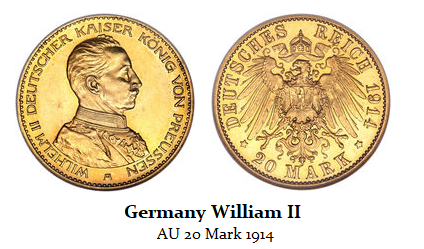
1914 William II AU 20 Mark

Germany funneled over 50 million marks to the Bolsheviks from 1917 to 1918 to fund the revolution (2.5 million 20-mark gold coins at 1/4 ounce of gold; about $2.125 billion today). This financed Pravda (Bolshevik newspaper), arms smuggling, and propaganda to undermine the Russian Provisional Government. Acting as a middleman, Parvus facilitated German funds and border logistics (e.g., bribing Finnish guards). Lenin, distrusting Parvus, later excluded him from Soviet politics. In the end, it was Germany that funded the Russian Communist Revolution to keep them out of the war.
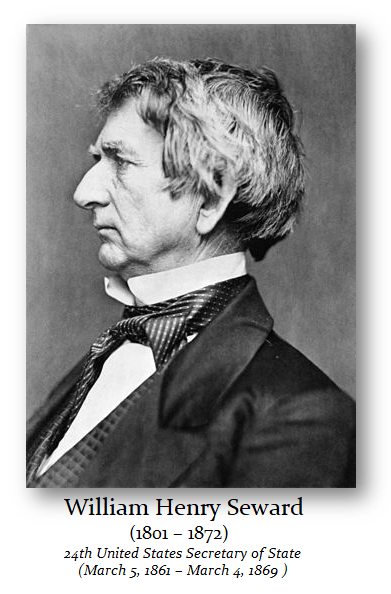
Seward William Henry

The United States purchased Alaska from Russia in 1867. The treaty was signed on March 30th, 1867. It was officially transferred on October 18th, 1867, for  $7.2 million (about 2 cents per acre). Russia was struggling to maintain its distant colony after the costly Crimean War (1853–1856). There was also the fear that the British would just seize the territory, adding it to Canada. Selling to the U.S. was preferable.

At the time, their main commerce was the fur trade, which had declined, and Russia saw little potential for future development. Secretary of State William H. Seward believed in Manifest Destiny, meaning that the U.S. must expand its territory across North America to counter the British. Securing the Pacific Northwest and gaining a foothold near Asia for trade/military influence was a key point that Seward maintained. He did suspect riches in fish, timber, fur, and minerals. Gold was eventually discovered, but not until the 1890s. The main strategy was to prevent British dominance in the region.
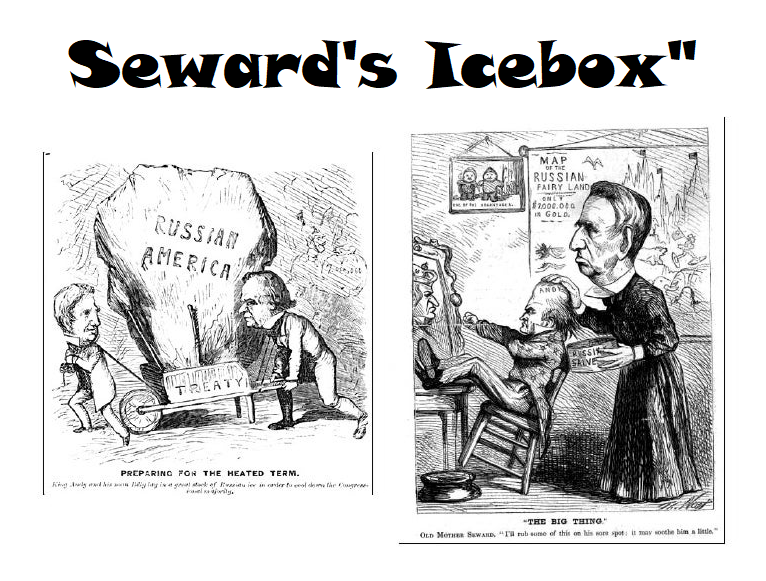
Sewards Icebox

Steward was mocked. They called it “Seward’s Folly” or “Seward’s Icebox,” with critics calling Alaska a worthless frozen wasteland. That perception did not change until after gold was discovered in the 1890s, followed by oil discoveries proving it was of immense value compared to the Louisiana Purchase. Eventually, Alaska became a U.S. territory in 1912 and the 49th state in 1959. This was another act where the United States helped Russia in our warm relations against the European powers pre-1917.

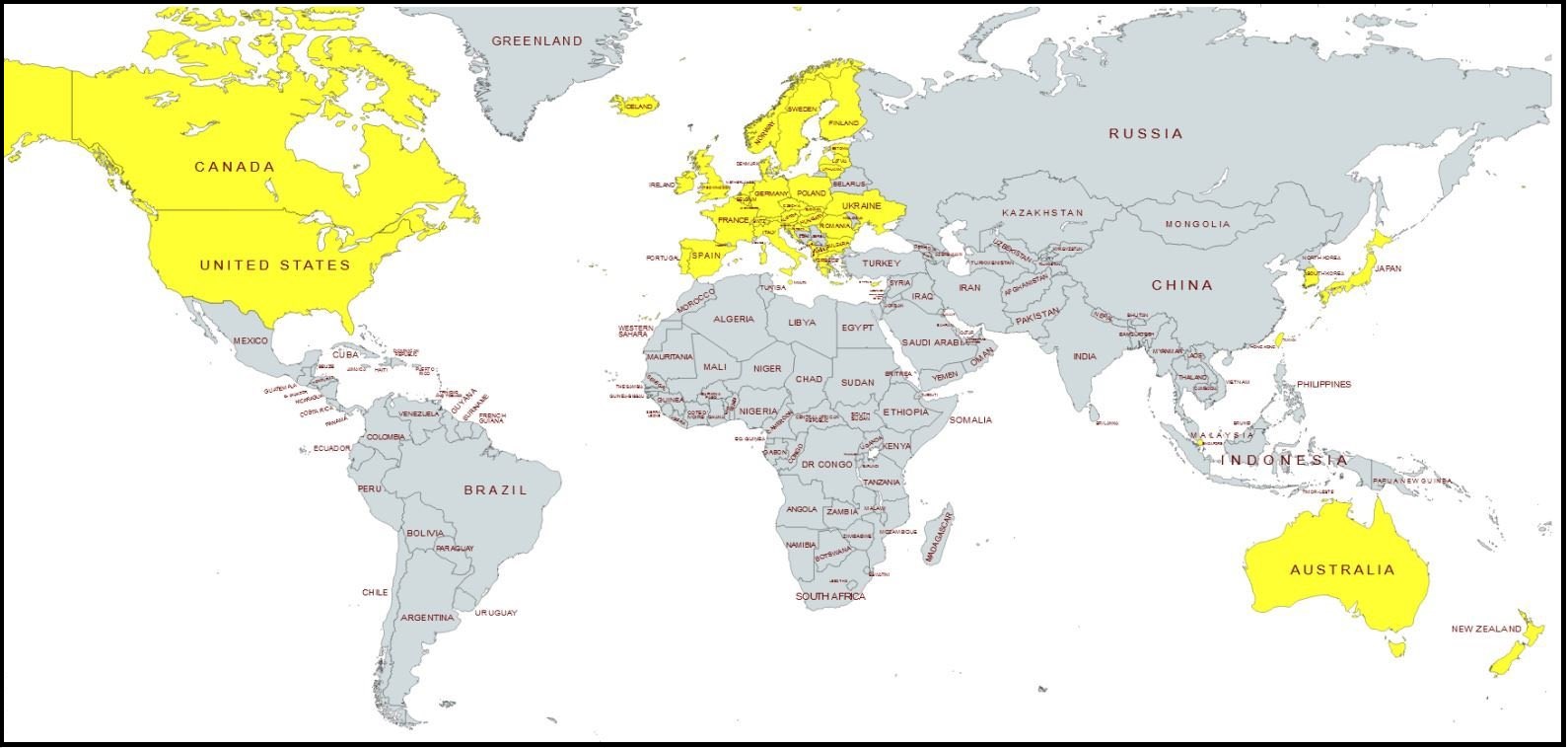
US Russia vs Britain France

While the US and Russia were actually strategic partners with significant cooperation and friendship (most notably during the American Civil War and the sale of Alaska), and became cobelligerents in WWI for a brief period in 1917 after the Tsar was overthrown, they were never formal allies bound by a mutual defense treaty before the 1917 Revolutions. Their relationship was characterized by positive diplomacy, mutual interests at key junctures, and the absence of major conflict, but not a committed alliance. The deep ideological divide and differing geopolitical priorities prevented a formal alliance structure.

Our Neocons hate Russians as a people simply because the Germans funded the Revolution, and the Russian people have been the victims. Naturally, the polls in Russia show that only the elderly miss the Communist days when the state just took care of them and they did not have to make any decisions. Among the 60+ generation, approximately 58% of Russians regret the collapse of the Soviet Union, with many indicating a preference for the economic stability and social security associated with that period. The younger generations (18-24) are less likely to express a desire to return to communism, with polls coming in at most 20%. Our Neocons are generally 70+ in age. Like the older Russians, they too have refused to accept that anything has changed. This is the generation pushing us toward World War III simply because they hated communists, who no longer exist.
Trump Tries to Cut the Baby in Two – Open Your Eyes


Posted originally on Aug 16, 2025 by Martin Armstrong |  

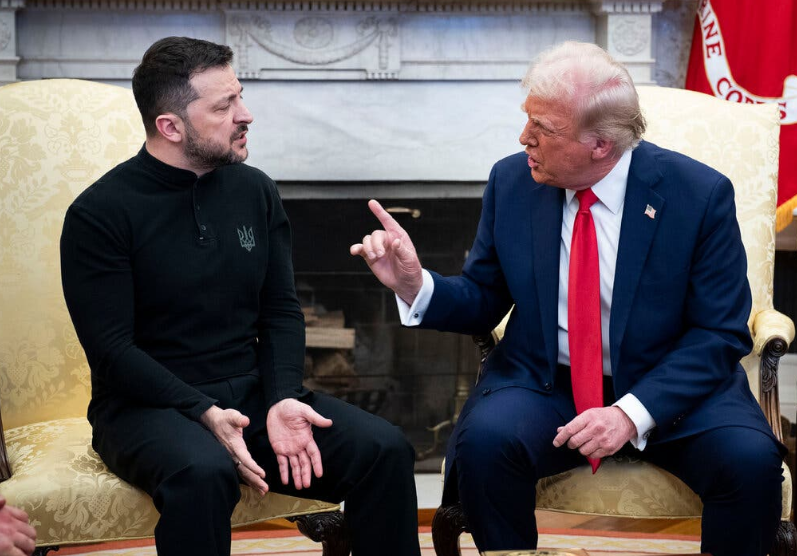
Zelensky Trump scolding him

Trump is trying to deal with the DEVIL – Zelensky, NATO, EU, UK, and the Neocons who tried even to assassinate him to achieve their lifelong goal of conquering Russia and China for world domination under their Bible (Wolfowitz Doctrine) that they accuse Putin of. My sources are renowned. Some heads of state have even asked me if I could tell them about something that not even the CIA could access.

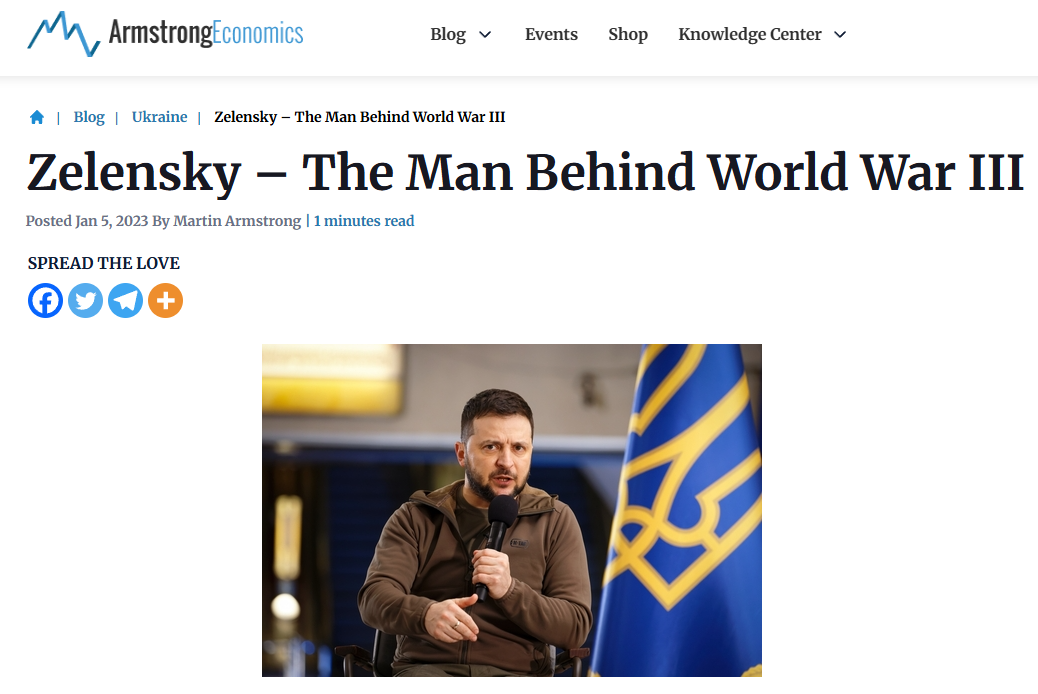
2023 Zelensky_The_Man_Behind_World_War_III_Armstrong_Economics

I published on January 5th, 2023, that Zelensky was “The Man Behind World War III.” As I have said many times, I had two employees in Ukraine, one on each side. The one from Donetsk translated the movie The Forecaster into Russian to appear on Russian TV for Marcus Vetter. My sources in Kiev at the time of Zelensky’s election informed me that the election was rigged and that there was no way he won. I was told he was selected to create war with Russia after promising to end the war and seek peace when the death toll among Ukrainians was only 130,000 instead of over one million today, with over 8 million fleeing the country, vowing not to return.

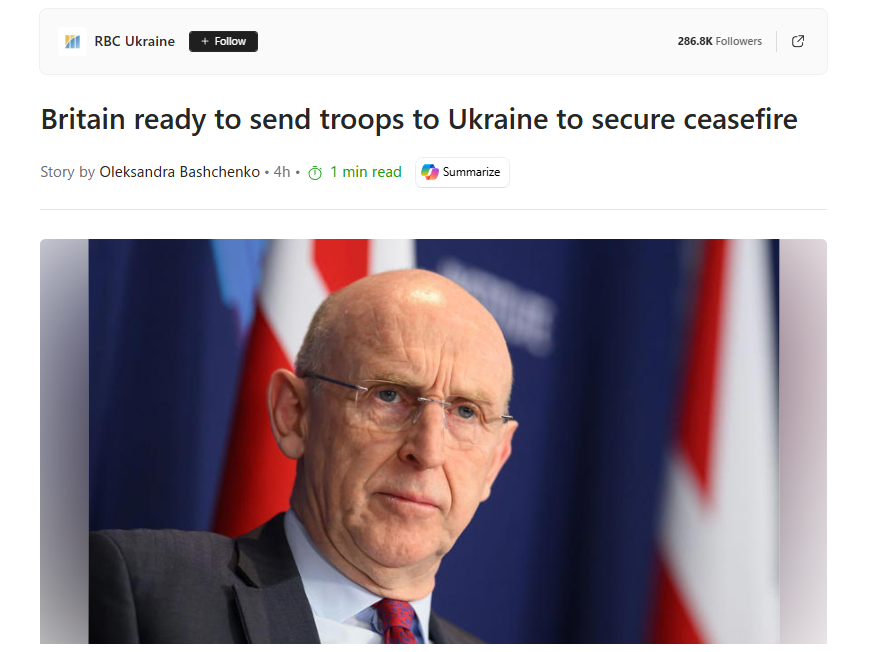
UK to Sent Troops to Ukraine

My sources say that Trump’s proposal to Zelensky was an attempt to cut the baby in half. He is offering NATO guarantees, without NATO membership. Personally, Zelensky MUST BE REMOVED, or there will NEVER be any way to prevent World War III. The UK is eager to send troops pretending they are peacekeepers, and this is a setup to claim that Russia violated the agreement, so let’s invade Russia, which has ALWAYS been their endgame.

EU vs Russia

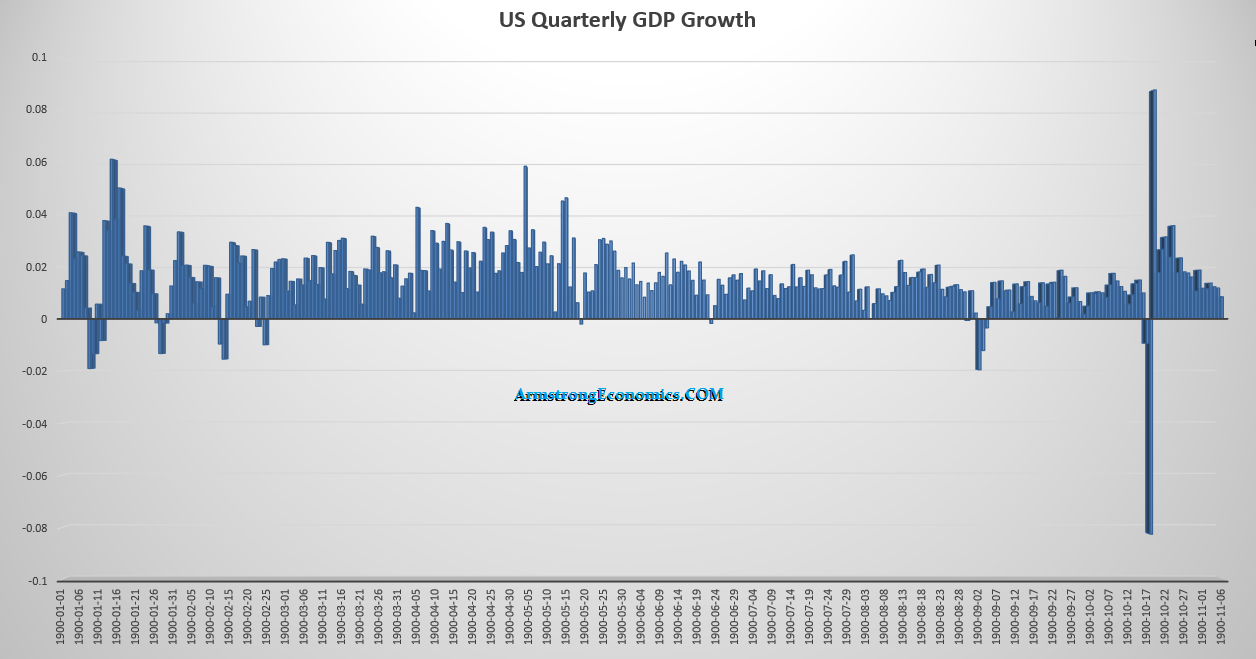
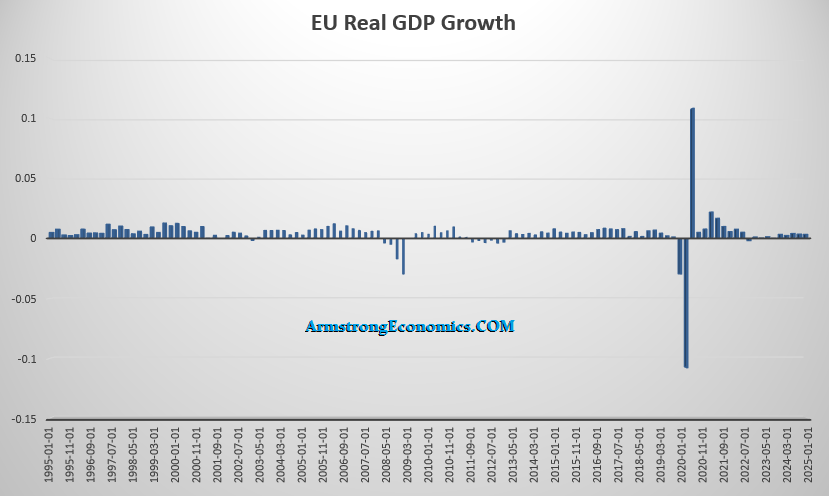
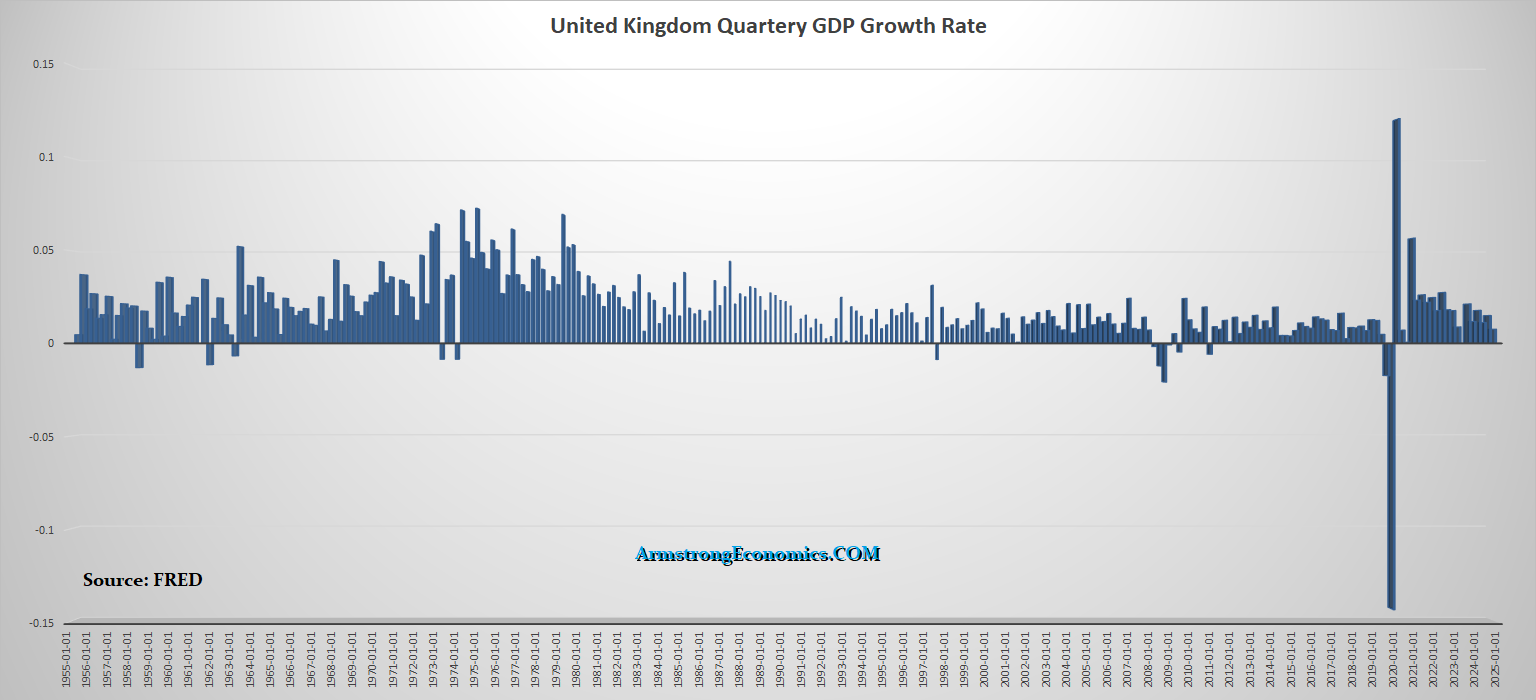
Compare the GDP charts below. All the fake analysts who keep screaming de-dollarization focused on US debt are blind to what is taking place outside the USA. The US economy is holding up the entire world. The EU and Britain are collapsing. Look at what Marxism has done to Europe. It may have been like light beer, fewer calories, but drink too much and you still die from liver failure. The socialist agenda in the UK is destroying its future since Starmer took office. There is NO HOPE for Europe surviving. They need this war as a distraction ot else the herds of their oppressed economic slaves will suddenly wake up when all the promises of pensions fail to materialize. There is a local Venezuelan who had to come here to stay with his family. The government pays his retirement, but it will buy at best a cup of coffee. He would starve to death thanks to “socialism,” and the same is unfolding in Europe.

COMPARE THE GDP GROWTH, AND THIS IS ALL FRED STATISTICS SO IT IS A CONSISTENT SOURCE!

We will deal with this at the Upcoming WEC in November

US GDP Q 5 1 25
German GDP 1991 2024
EU_GDP Q 5 1 25
British UK GDP Q 8 16 25

Armstrong on Russian TV


Posted Aug 16, 2025 by Martin Armstrong |  

As for those who think I should not be on RT, go pick up your gun, send your children there or grandchildren there as well to die, and try building a nuclear air raid shelter in your basement and see if you can even get anti-radiation pills they reserve just for government officials and the families of the NEOCONS. Somebody has to show that all Americans do NOT support endless wars. If you are a warmonger, put your life on the line instead of others. I lost most of my high school friends to Vietnam. What did they die for? The right to have a strip club?

Economic Ties = PEACE

ECONOMIC SANCTIONS = WAR

There is no war when Everyone is Fat & Happy

BRICS and Ukraine


Posted originally on CTH on August 16, 2025 | Sundance 

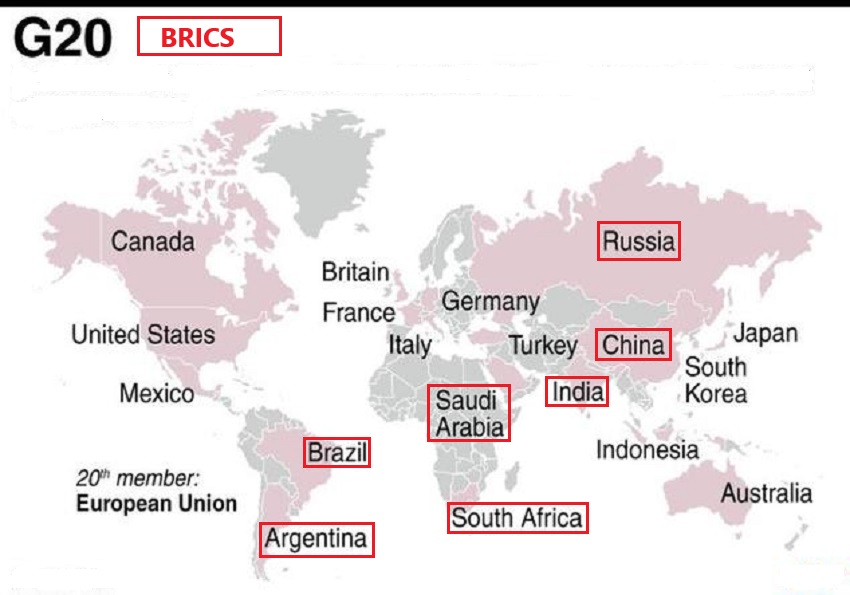
The BRICS economic partnership was formed during the Obama administration.  Brazil, Russia, India, China and South Africa (BRICS) watched U.S. President Obama subcontract U.S. trade policy to the U.S. Chamber of Commerce and Wall Street.

In the aftermath of the 2007 economic crisis, created by Congress and banking interests, the BRICS group identified two central points of ‘western’ financial influence that concerned them.

Following the financial crisis, the relationships around the World Bank (WB), International Monetary Fund (IMF), EU central banks and various multinational institutions and multinational corporations, merged even closer with the government.

The priorities of the Davos and World Economic Forum (WEF) crowd were now virtually indistinguishable from many national governments.  We are almost twenty years downstream from that inflection point, and we are seeing the outcomes.

The WEF essentially flipped the traditional record of ‘fascism’.  Instead of government telling corporations how to operate, the modern version was now corporate assemblies giving direct instructions to installed politicians for government policy.

Put another way, multinational corporations are telling government officials what to do. Think of “The Great Reset” or “Build Back Better” or climate change (Paris Treaty), as recent examples.  Worse yet, western governments are doing exactly what the WEF has told them to do.

This corporate control of government is exactly what the BRICS assembly foresaw when they assembled.  When multinational corporations run the policy of western government, there is going to be a problem.  In the bigger picture, the BRICS assembly are essentially leaders who do not want corporations and multinational banks running their government.

As a result, if you really boil it down, what you find is the BRICS group oppose the WEF business model.

BRICS are not against capitalism in its original form per se’.  Rather the BRICS assembly was/is against corporatism controlling the outcome of government policy.

The leaders of Brazil, Russia, India, China and South Africa joined together in order to make sure their subset of economic power put government back at the top of the control/power dynamic, and multinational corporations under them.  This is their essential commonality.

President Obama, and the people around him from Hyde Park, were/are domestically focused ideologues.  Much has been written about them, and we will not repeat.  However, the lesser emphasized point of the Obama era is how issues that touched on foreign policy were subcontracted to others.

Foreign policy was not a central focus for the Chicago team.  Giving Hillary Clinton the Dept of State really was not considered a concession.  The Obama group were laser focused on fundamental change inside the United States.

The Obama network’s aspirations were to reduce the geopolitical status of the U.S on the world stage, through the same approach the anti-colonialists would seek to break up the British colonial power structures.   This is an important reference point often missed.

Hillary Clinton could essentially manage the State Dept as she wanted, as long as the overarching intent of the Obama policy was maintained.  Spreading the wealth, diminishing global U.S influence, and raising up the rest of the world was the only objective of Obama foreign policy Clinton was expected to maintain.

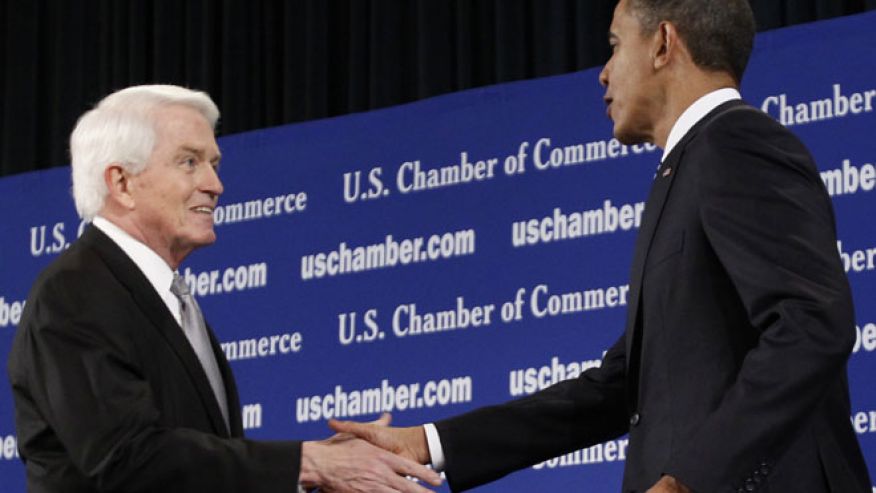
President Obama took that outlook toward U.S. strategic trade interests.  This is why President Obama subcontracted trade policy to the President of the U.S. Chamber of Commerce, Tom Donohue (pictured above).

During President Obama’s terms in office, the U.S. CoC, the lobbying entity of Wall Street, literally was in charge of trade policy.  The U.S. CoC wrote the language, the actual terms and conditions of U.S. government trade policy.

At the time when the U.S. CoC was permitted to do this, the Transpacific Partnership (TPP) trade deal was being written.  The U.S. Chamber of Commerce was literally writing the language in the TPP and negotiating with the other nations involved.  Put another way, the policy arm of multinational Wall Street corporations was writing trade agreements.

Can you see how the corporations were positioned to support globalism?

On the Atlantic side, the Transatlantic Trade and Investment Partnership (TTIP) was also coming once TPP was finished.  It was not the U.S. government negotiating these terms, it was Wall Street and the Multinational Corporate and Financial establishment, via the Chamber of Commerce, writing these deals.   See the problem?

The leaders within BRICS could see the future of what this meant.  Everything is about the economics.  There are trillions at stake.

The Word Economic Forum, the assembly of the multinational corporations and banks in control of economics and trade, would now be dictating policy to NATO, the European Union, Central Banks, the International Monetary Fund, World Bank and eventually the World Trade Organization (WTO).

The BRICS nations could see that corporations would be in control of western government finance and trade, and as a consequence, when those same multinationals approached them for trade negotiations, the size of influence of the corporations could be too massive to fight.

BRICS assembled in 2009 to unite, defend and combat this problem.  This was their core mission, their commonality.

When President Trump was elected, for the first time since their assembly, BRICS saw a U.S. President with a completely different agenda.  Donald Trump was not in favor of multinational corporations running and influencing government.  Ideologically, as an economic nationalist, Trump was of the same mindset as the BRICS group.  WATCH (1 minute):

When President Trump took office, he literally tore up the TPP trade agreement that Tom Donohue had established; he kicked the U.S. Chamber of Commerce out of government, and he established his own trade negotiating teams to put government back in charge of trade policy.

President Trump took us out of TPP, withdrew from the Paris Climate Treaty, dropped TTIP, triggered NAFTA renegotiations, initiated tariffs against our economic adversaries (impacting multinationals), and told NATO to start preparing to take care of themselves.  President Trump was the first economic nationalist president in modern history.

Commerce Secretary Wilbur Ross, U.S. Trade Representative Robert Lighthizer, Treasury Secretary Steven Mnuchin and White House Trade and Economic Advisor Peter Navarro took over from the U.S. Chamber of Commerce.

Trump established the economic and trade goals, the team worked the granular details, and ultimately Trump made the decisions, yes or no.  After Trump took this approach, the BRICS group essentially stopped pushing against the dollarization of global commerce.

With the United States through President Trump now confronting the WEF, NATO, the EU and all the multinationals (often called globalists), the BRICS team could pause their mission for a dollar alternative.

Factually, BRICS didn’t even generate much momentum during President Trump’s first term, because the U.S. trade and economic policy known as ‘America First‘, was essentially in alignment with a more nationalistic BRICS mission.

Unfortunately, it was the scale of the WEF, EU, NATO and multinational opposition to President Trump that eventually won the political battle.

All the multinational corporations, including Big Tech and ideological globalists in media, aligned to remove President Trump.  That was the scale of his opposition, and COVID-19 represented the tool they could use.

In the aftermath of the 2020 election, literally just days after the election, the BRICS group was back on the phone planning to start meetings again in 2021 on the sidelines of the G20 summit.  The BRICS group came back together during Biden because the multinationals were back in control and dedollarization became a goal again.

For obvious reasons, part of the BRICS agenda is to create a trade currency that is not the dollar.  The western sanctions against Russia showed them the risk.

In many very direct ways, what we saw come out of the Russia -vs- Ukraine crisis is a geopolitical battle between the outlook of BRICS (economic nationalists) and the NATO, EU, World Economic Forum, multinational corporate assembly, i.e. economic globalists.  Despite the sanctions, China and India continued purchasing Russian energy products in support.

At stake in the Ukraine battle is the modern structure of the global economy and international politics.  This is why we saw the people behind Joe Biden, Samantha Power, USAID, along with NATO, the EU and all of the affiliates under the control of the World Economic Forum going so hard against Russia.

EXAMPLE: India would not denounce Russia during the United Nations Security Council vote.  Biden retaliated.

  • The Biden administration is looking whether to apply or waive sanctions on India for its purchase of the S-400 Triumf missile defense system from Russia, under Countering America’s Adversaries Through Sanctions Act (CAATSA)
  • Lu’s remarks came as India drew criticism from US lawmakers, both Republicans and Democrats, at a hearing on the “US relationship with India” for being among 35 nations that abstained Wednesday from a UN vote to rebuke Russia’s invasion. (LINK)

We already know which side of this geopolitical battle corporate media, Big Tech, Hollywood and the social media control officer’s support, unbridled globalism.

However, President Trump won reelection, and with that outcome the end of the Ukraine conflict, combined with an unraveling of the sanctions against Russia, becomes an objective.  Not so much to support Russia, but more to weaken the BRICS effort for a dollar alternative.

Keep in mind, these are the ‘trillions at stake’ elements.  President Trump restraining the World Economic Forum influence, diminishing the role of corporatism in global government, and simultaneously supporting economic nationalism.

All of those interests are not going to give up their position without a fight.  Ukraine represents a very significant frontline in this battle.  At the end of this high-stakes conflict, is the image we have been using to highlight the WEF’s preferred global outcome.

‘Subtle’, Like a Brick Through a Window


Posted originally on CTH on August 16, 2025 | Sundance

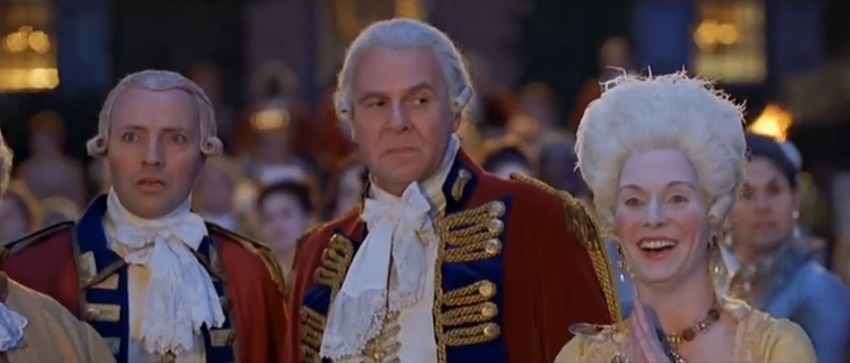
Comrades, I am sure Russian Federation President Vladimir Putin and President Donald Trump had a good snicker over the optics presented.  “Subtle”, like a brick through a window. Good stuff.

.

The EU/NATO folks most certainly smiled like the lady in the ‘fireworks’ picture.  However, the CIA/5-Eyes watched the remainder of the performance, not amused.

Following Debrief by President Trump, Zelenskyy Coming to Washington DC Monday


Posted originally on CTH on August 16, 2025 | Sundance 

After speaking with President Trump about the summit with Russian President Vladimir Putin, Ukraine President Volodymyr Zelenskyy provides the following statement via Twitter:

[Volodymyr Zelensky via Twitter] – “We had a long and substantive conversation with POTUS. We started with one-on-one talks before inviting European leaders to join us. This call lasted for more than an hour and a half, including about an hour of our bilateral conversation with President Trump.

Ukraine reaffirms its readiness to work with maximum effort to achieve peace. President Trump informed about his meeting with the Russian leader and the main points of their discussion. It is important that America’s strength has an impact on the development of the situation.

We support President Trump’s proposal for a trilateral meeting between Ukraine, the USA, and Russia. Ukraine emphasizes that key issues can be discussed at the level of leaders, and a trilateral format is suitable for this.

On Monday, I will meet with President Trump in Washington, D.C., to discuss all of the details regarding ending the killing and the war. I am grateful for the invitation.

It is important that Europeans are involved at every stage to ensure reliable security guarantees together with America. We also discussed positive signals from the American side regarding participation in guaranteeing Ukraine’s security. We continue to coordinate our positions with all partners. I thank everyone who is helping. [link]

[ALSO] “A long, substantive conversation with President Trump, initially one-on-one, and then also with the participation of European leaders. In total, we spoke for more than an hour and a half, approximately one hour with President Trump.

Ukraine once again confirms its readiness to work as productively as possible for the sake of peace. President Trump informed me about his meeting with the Russian leader, about the main points of the conversation. It is important that America’s strength influences the development of the situation.

We support President Trump’s proposal for a trilateral meeting between Ukraine, America, and Russia. Ukraine emphasizes: key issues can be discussed at the level of leaders, and the trilateral format is suitable for this.

All details regarding the cessation of killings, the end of the war, I plan to discuss with President Trump in Washington on Monday. I am grateful for the invitation.

It is important that Europeans are involved at all stages to ensure reliable security guarantees together with America. We discussed positive signals from the American side regarding participation in guaranteeing Ukraine’s security. We continue to coordinate our positions with all partners. Thank you to everyone who is helping!” [link]

BRIAN GLENN: We’re On The Ground In Alaska, Surrounded By Hundreds Of Reporters From Across The Globe. Trump And Putin Meet Tonight. A Deal May Be In Reach


Posted originally on Rumble By Bannon’s War Room on: August 15, 2025

PETER SCHWEIZER And ERIC EGGERS: The Same Russian Company Tied To Iran’s Nuclear Reactors Was Paying The Clintons While Securing U.S. Uranium


Posted originally on Rumble By Bannon’s War Room on: August 15, 2025

Faddis On Zelenskyy: “He Needs To Accept That He Will Not Get All Of His Territory Back”


Posted originally on Rumble By Bannon’s War Room on: August 13, 2025

Zelenskyy, Germany, France, Britain, Italy, Poland, Finland, the E.U. and NATO Coordinate Pressure Campaign Against President Trump


Posted originally on CTH on August 13, 2025 | Sundance

Today the leaders from Germany, France, Britain, Italy, Poland, Finland, the E.U. and NATO will be holding a conference call with President Trump and Vice President Vance to give instructions in advance of the Trump-Putin summit.

None of the European leaders were invited to the Alaska summit, yet all of the European leaders want to tell President Trump what to do at the summit with President Vladimir Putin.  Because, of course they do…

EUROPE – […] The Europeans recognize that they can only do so much to influence a president who often veers off-script and likes nothing more than to declare a deal.

But on Ukraine recently they have met with some success, for example, by persuading Trump to allow them to transfer U.S. weapons to Ukraine and purchase replacements for themselves.

And in recent days, especially after a meeting with Vice President JD Vance in Britain over the weekend, they have found the U.S. administration receptive to some of their red lines.

After that meeting, Vance, in a television interview, endorsed at least one European position — that the current line of contact and positioning of Ukrainian and Russian troops should be the starting point of any talks — rejecting a Russian demand that Ukraine first surrender its entire eastern Donbas area.

Ahead of Wednesday’s call some Europeans expressed guarded optimism, especially with Trump seeming to lower expectations of securing a deal in Alaska.

[…] Wednesday’s call with Trump caps a flurry of meetings and statements organized by the Europeans since the Alaska summit was announced, all of which have provided a strong endorsement of Kyiv’s position.

Wednesday’s virtual summit hosted by Germany will include the leaders of France, Britain, Italy, Poland, Finland, the E.U. and NATO. The Europeans will meet first with Zelensky before Trump and Vance are expected to join the call.

[…] NATO Secretary General Mark Rutte has suggested a deal could involve acknowledging de facto Russian control of some of Ukraine’s regions, without Kyiv officially ceding them.

If Trump’s meeting with Putin advances to “full-scale negotiations,” Rutte said Sunday, territory would “have to be on the table,” as would security guarantees for Ukraine. Rutte said talks should recognize “that Ukraine decides on its own future,” with “no limitations” on its military or on NATO’s posture in Eastern Europe.

Freezing the current front lines would leave about one-fifth of Ukraine’s territory in Russian hands. Ukraine, meanwhile, has little leverage for a land swap, holding a small toehold in Russia’s western Kursk region since a faltering offensive last year.

“Europeans can say what they want, but in the end, Ukraine and Russia will have to agree,” said a third European official. “It’s unlikely there’s a peace deal now where Putin says, okay, I’m going to withdraw from all of Ukraine.” (read more)