Posted originally on CTH on June 14, 2026 | Sundance |
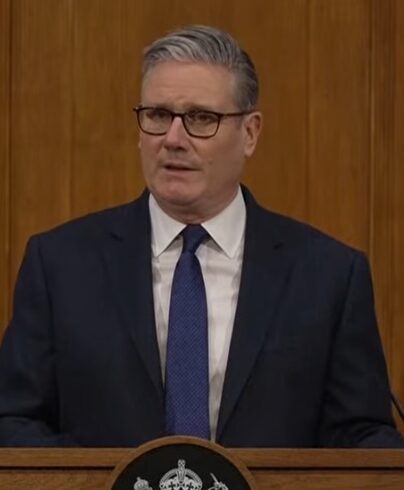
For those who have been paying attention, for the past several days the U.K. political discussion has centered around major political embarrassment for Prime Minister Keir Starmer following the very public resignation of most of the British defense cabinet members, including the Minister of Defense.
The cited reason for the chaos is Starmer’s unwillingness to support or fund the U.K military, leaving their resources in a critical state of depletion. Starmer has delivered grand prose to NATO about leading military operations in Ukraine, the Arctic Circle and the Strait of Hormuz. However, in reality they have few working ships, only one working carrier, no training equipment and they have to shout “BANG” during military exercises because they don’t have the money for blank ammunition in their weapons. The state of the U.K. military is now a well-known embarrassment.
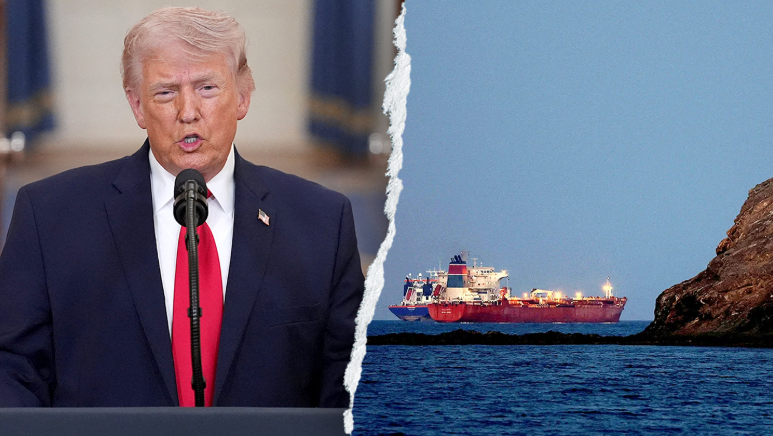
Following the resignation of almost all the British military leadership, Starmer was facing serious political ridicule. Then, last night, in what can only be honestly described as a transparent political optic, Starmer staged the seizing of a “Russian shadow fleet” oil tanker, which he bragged about on the X platform – complete with cinematography to showcase the boldness of the operation.
Posted originally on CTH on June 14, 2026 | Sundance
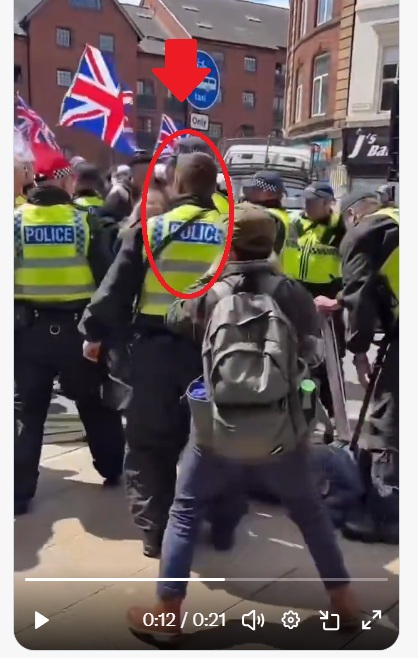
A highly disturbing video out from yesterday’s “Raise the Colors” protest in Sheffield city center, shows police engaged in physical confrontations with protestors. During one viral video, an aggressive police officer (center of still image below) grabs the young man with the flag on his shoulders and throws him violently into a steel and concrete bollard on the sidewalk.
The video shared on X platform (below) is very disturbing. The force of the body slam into the bollard appears to show the protestors head hitting the steel, which is significantly bent after the blow when the protester hits the ground.
The officer who slammed the man into the bollard seems to immediately notice something terrible, as do the officers who quickly rush in to surround the victim. The aggressive police officer then begins to back away as other police tend to the medical condition of the man on the sidewalk.
Given the force of the blow, as reflected in the bending of the bollard, there are now fast spreading rumors on the X platform that the protester was killed. Again, the status of the victim is unknown as no official statement has been made by Sheffield police or local authorities.
Let us hope this young unnamed protestor was not killed by the blow.
Crispis Attucks was the first man killed at the Boston Tea Party protest.
The U.K is a tinderbox of anger and frustration with the combination of migrant violence against the population and the unwillingness of police to address the issue. The protests in Sheffield and throughout the U.K come as an outcome of several recent, very violent migrant attacks in Northern Ireland and the U.K.
The police response has been to aggressively confront the protestors, and the political response has been to call native British people ‘racist’ for being concerned about the migrant violence.
Posted originally on CTH on June 14, 2026 | Sundance
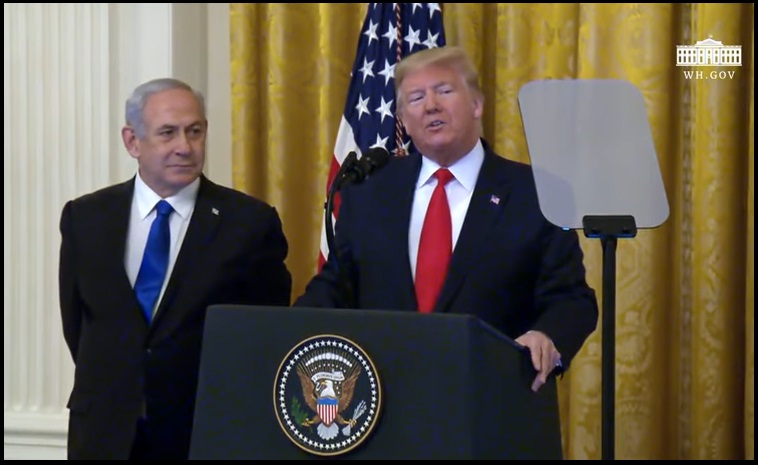
It is a little obvious from the tone of the Truth Social reports, that President Trump is more than a little frustrated that Israel continues strikes into Lebanon which pose a potential disruption to the negotiated terms with Iran.
[TRUTH SOCIAL] – “This morning’s attack on Beirut should not have happened, particularly on a special day when we are so close to a Peace Deal with Iran. Israel has the right to defend itself against threats, but the attack it was responding to was very small and meaningless, nobody was hurt, injured, or killed, and should not disrupt this important process. We are very close to a Deal that will bring peace to the region, including to Lebanon, and all sides should stand down. There should be no more attacks by Israel anywhere in Lebanon, but there should also be no more attacks by any other party, including Hezbollah, against Israel. This could be the beginning of a long and beautiful peace — Let’s not blow it! Thank you for your attention to this matter.”
Several DC journalists have reportedly been in contact with President Trump and are sending reports on the X platform about the nature of their discussions with him.
Via Matthew Boyle, “In the last few hours, POTUS has told the Israelis to “STAND DOWN” and has also called the Israeli Prime Minister and scolded him asking him: “WHAT THE F*CK ARE YOU DOING?” (And called a reporter to reveal that right after). Serious people in Washington growing very very frustrated with the Israelis right now and these are very pro-Israel people who are annoyed with Netanyahu. Moment of truth for the Israelis in the U.S.-Israel relationship coming up when Trump signs the deal with Iran. If Netanyahu does ANYTHING to jeopardize the president’s success it could seriously undermine Israel in the U.S. in a manner hitherto unimaginable.”
Via Trey Yingst, “Spoke with President Trump. He says the deal with Iran is expected to be signed in the next 2-3 hours. President Trump said he asked Israeli Prime Minister Netanyahu “what the fu*k are you doing?” on a call after the Israeli strikes against Beirut. He told Netanyahu not to conduct additional strikes. The President told me he will ask Iran not to respond with missile fire toward Israel.”
Posted originally on CTH on June 14, 2026 | Sundance
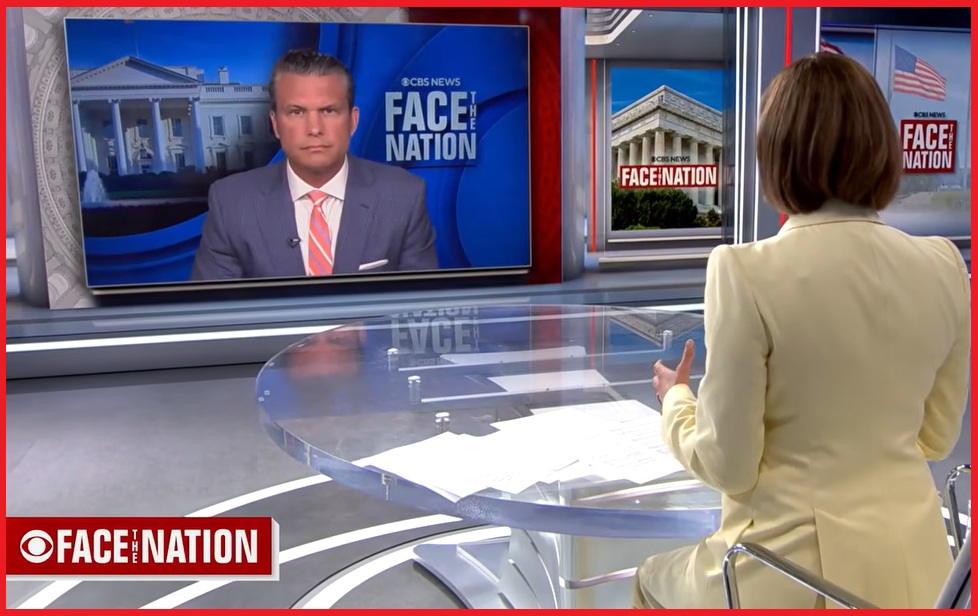
Secretary of War Pete Hegseth appears on CBS Face the Nation as Margaret Brennan recovers from Kirsten Welker stealing all her glory in last week Trump’s interview.
Determined to put herself back in the running for Best Dramatic Acting in a Live Recorded Political Event, Mrs. Brennan takes pearl clutching to new levels and reaches deep into her narrative pretending skills to make today the penultimate end of the world media day for the future of all mankind.
Yes America, it’s a serious challenge to the teeth bearing Welker approach last weekend; however, but Brennan takes a deep breath, tries to ignore concerns about soccer games distracting her audience, and rises to the moment. Video and Transcript Below:
[Transcript] – MARGARET BRENNAN: This morning, the Israeli Defense Force conducted strikes in Lebanon on Beirut’s southern suburbs to target the Iranian-backed Hezbollah leadership. The IDF called it retaliation for strikes on Israel. CBS has learned the potential US-Iran truce includes a vague reference to ending the fighting in Lebanon, which may not be enough for Iran’s leaders. And Iran’s failure to cut off support for its proxy force, Hezbollah, may not be enough for America’s partner, Israel. For the latest, we begin this morning with Secretary of Defense Hegseth, who joins us from Tennessee. Mr. Secretary, welcome to Face the Nation.
DEFENSE SECRETARY PETE HEGSETH: Good morning, Margaret. Thank you.
MARGARET BRENNAN: So, did the Hezbollah Israel strikes disrupt any of the plans to have this memorandum signed today. Are we on track for a Sunday signing?
SEC.HEGSETH : From all I know, we are on track. It’s not a matter of if, it’s a matter of when. There’s logistics involved into how these things happen. Ultimately, obviously, we’re attuned to what’s happening with Hezbollah firing rockets into northern Israel, which they need to stop doing, and Iran needs to encourage them to stop doing that in very adamant ways, and Israel was very measured in its response, understanding that a deal is on- is- we’re on the verge of a deal. So, I don’t expect that to disrupt. I also accept- expect more robust talks there. The negotiations business is not really mine, but I think those talks will continue, and if Iran wants this to hold, they need to- they need to pull back Hezbollah, no doubt.
MARGARET BRENNAN: So, this memorandum would be an extension of the ceasefire, as you said, with a promise to keep talking. Given how clear President Trump has been that he wants to end combat, will the US troops come back home? Will those two aircraft carriers be pulled back?
SEC. HEGSETH: Well, what- Margaret, what I would say the president’s been most clear about is that Iran will never have a nuclear weapon, never. Full stop. And this deal, as we talk about aspects of the deal, some of which have come up publicly, are totally wrong. It is- it’s performance-based. No money released to Iran until they perform. There’s no trust and verify. There’s no trust here and we’re going to verify everything. Nuclear material will be destroyed and removed. The nuclear program will be dismantled. The straits will be open. No tolling. This is- this is not a- the JCPOA was a path to a bomb, what this deal will be, will be a wall to a bomb, and that was the objective from the beginning, very clear from the beginning. So, as far as our military posture, we’ll maintain what we need to. The blockade has been a devastating success for us and impact on the Iranians.
MARGARET BRENNAN: So–
SEC. HEGSETH: So think of- think of this chain of events, militarily, just for a second. You had 45 days of overwhelming combat, which Iran could not manage, and their navy’s gone, air force gone, air defenses. Then it led to a blockade, which was impenetrable now–
MARGARET BRENNAN: Yeah.
SEC. HEGSETH: –for a couple of months. And then you had the underground project Freedom, which allowed, now 125 million barrels of oil to transit the straits, showing that we control the straits. And then we did two more days of bombing because they weren’t really–
MARGARET BRENNAN: Yeah.
SEC. HEGSETH: –coming to the table. So, it’s been military pressure and strength from President Trump that’s compelled Iran to this deal, which will be performance-based when it’s signed.
MARGARET BRENNAN: Right? But we’re not at that deal yet. We’re not even at the memorandum, that’s what we’re waiting to be- waiting on being signed today. The US and Israeli militaries, no doubt, did devastate the conventional military, as you are arguing there, but the IRGC terrorist-controlled regime, they control this country. They would be pocketing the financial benefits of being able to sell the oil if the blockade ends, as you just indicated. They didn’t capitulate, they are negotiating. So, how do you reassure allies who are in the region and say they still feel they are at risk? Are you keeping the force posture in place through the 60 days of negotiations and beyond?
SEC. HEGSETH: Oh, we’ll make sure the military option is there. And that’s the- that’s the big difference between this and JCPOA, and the way Obama did it. Obama, they begged Iran for a deal, and we bombed Iran, and then put in a blockade, and then ran ships through, and then have re- restarted when necessary to ensure that they come to the table for a great deal, so our military posture will be whatever it needs to be to ensure they’re compelled over the 60 days through the memorable memorandum of understanding that they live up to what they said they would do. The document says Iran will never have a nuclear weapon, won’t seek one, won’t buy one, won’t have one–
MARGARET BRENNAN: JCPOA said that too–
SEC. HEGSETH: They’ll be negotiations to make that final. But they didn’t have the threat of military force the way that we do, that Iran respects in a very way that their regime is more devastated- more devastating, excuse me, more devastated than it’s ever been in its 47 years–
MARGARET BRENNAN: Okay.
SEC. HEGSETH: –and that’s why they’re at the table. So the huge difference is we did this from a position of strength, President Trump led with military might, that military might will stay as long as necessary. You know, if the blockade comes off, then you, you pull back, and you allow shipping to flow, just like Iran needs to allow–
MARGARET BRENNAN: Okay.
SEC. HEGSETH: –shipping to go through the straits. But we can snap that blockade back at any point, and they can’t do anything about it, and Iran knows that. And that’s why we have the leverage in these talks, and we hope they’ll go well.
MARGARET BRENNAN: Okay, well as I understand it, the first part of this deal would involve the clearing and reopening of the Strait of Hormuz. How quickly will the US blockade on Iran end? How quickly will they be able to sell their oil?
SEC. HEGSETH: Immediately, is what the President has said, and that will be our expectation of the Iranians, is that–
MARGARET BRENNAN: So tomorrow, you’ll end the blockade if they sign it today?
(CROSSTALK)
SEC. HEGSETH:–it’s not us that is the problem here. So, when it- again, it’s performance-based, Margaret, so we’re not going to- unlike Obama, President Trump is smart about these things, he’s not going to just give it away. So, ultimately the blockade will stay as the strait opens, and then the blockade will open, and then the straits open, and if that takes 30 days to fully mature, or two weeks to fully mature, but it will start immediately, as the President has said. And by the way, I think your viewers need to remember Project Freedom never stopped, and we’ve run 125 million barrels of oil through the straits, and Iran couldn’t do anything about it. How many ships from Iran have transit our blockade? Zero, zero. We have controlled the straits this entire time. This–
MARGARET BRENNAN: Right, you’re going to negotiate with them to re–
(CROSSTALK)
SEC. HEGSETH: –immediately and gradually.
MARGARET BRENNAN: –to reopen it. So, okay, you’re saying immediately, but Secretary Rubio had said the U.S. would help to clear mines from the Strait of Hormuz. You just used 30 days as, like a period of time. Can you clear the mines and remove the security threats in the Strait within 30 days?
SEC. HEGSETH: We can do any of those things within 30 days in a permissive environment–
MARGARET BRENNAN: So, we can–
SEC. HEGSETH: –so the ball is in Iran’s court at some level–
(CROSSTALK)
MARGARET BRENNAN: So, we would get back to pre-war shipping?
SEC. HEGSETH: We are doing things I can’t- we’re already talking, we’re already doing things I can’t talk about on this program, and- and that to ensure that safe passage happens as quickly as possible, so we’re all over this. We know exactly what the dynamics are. Iran probably doesn’t, because they can’t see and sense their capabilities around the strait, especially these last couple nights were very devastating for them as far as their ability to understand what’s going through the strait. So, if they have capabilities and can do it, great. If not, if international partners who have said they want to step up, want to step up and contribute, great. But once this deal is signed, our expectation is that Iran will stop shooting, you know, drones at commercial shipping.
MARGARET BRENNAN: Yeah.
SEC. HEGSETH: It’s been them shooting at shipping the entire time.
MARGARET BRENNAN: Yeah, they did that just on Friday, and in fact, a drone collided with an Apache helicopter last week. They fired drones into Bahrain. They fired missiles at a U.S. base in Jordan just a few days ago. They still have the capacity to hurt our friends and partners–
SEC. HEGSETH: And that’s why you have to deal with these folks with strength and not just ask them at the table. And it’s the military strength that compelled them to this point, where they’re making a deal, which will be great for the security of the United States of America. And that’s why this is such a big moment, and only President Trump’s strength and clarity of mission to say ‘no nuclear weapon’ will ensure that now and underneath the MOU, the terms are set that are performance-based for Iran to ensure that they never get a nuclear weapon. That’s what’s critical.
MARGARET BRENNAN: Okay, so once the 60 days of negotiations, and I know that could be extended, start, that’s when the nuclear program gets dealt with. President Trump posted on social media Saturday that quote, “At the appropriate time, when all is calm, we will go in and get the nuclear dust.” That’s how he refers to the highly enriched uranium under the bombed sites. He said, “we’ll downblend and destroy it, whether in Iran or the U.S.” Is the goal- is the plan to have the UN do all of that?
SEC. HEGSETH: I don’t think the UN’s been really effective in anything here. We’ll handle it as we need to–
(CROSSTALK)
MARGARET BRENNAN: The weapons inspectors in the IAEA?
SEC. HEGSETH: Ultimately, that could be part of it. This is- what the reality is, is President- President Trump has already set back Iran’s nuclear program in devastating ways, from Midnight Hammer to this- to this campaign, to ways that we know how much- how far back we’ve set them. We’re watching that material as we have this entire time, and any arrangement, as I said from the outside of the program, will be performance and metrics based. You’ll have inspections, you’ll have oversight, whether they’re U.S., whether they’re international, but it will be a throttle set by the United States through our negotiators with the military and strength as the guarantor of this. If Iran does not want to comply, then they can deal with the War Department again, which we’d rather not have to do, and President Trump would rather not have to do, but we know- they know the type of devastating effects that have occurred on their military and on their air defenses and on their capabilities. They don’t want that again. And so, when we restruck twice- don’t- don’t discount how important it was that we were willing to show we will restart this and we will set you back even further. And that was part of the reason why Iran came to the table, and we’re going to finish this initial MOU to set the clock, so that’s the- that’s the umbrella here–
MARGARET BRENNAN: Okay.
SEC. HEGSETH: –is we’ll work with you to remove that material, or you’ll downblend that material, but you’re not going to have any of that material, and anything you do get will be based on oversight and performance. And Iran understands that, and that’s why I think ultimately this is something that can and will succeed.
MARGARET BRENNAN: Well, those are really important details that still have to be negotiated. When I understood what you just said, there you said the IAEA could be involved. We have reported here at CBS that American military planners had discussed contingencies with U.S. forces and the Department of Energy working together to secure their nuclear materials. Are you saying that at the negotiating table, the United States is going to say the U.S. military has to go in and clean up the nuclear dust?
SEC. HEGSETH: Well, I’m, I’m not going to say on a Sunday morning television program what we will or will not do in any context. We’ll have all options on the table, and that’s what we’ve said to President Trump and the American people, and the world, and the Iranians, from the begin- beginning. The entirety of the might of the U.S. War Department is prepared to ensure Iran never has a nuclear weapon. We can do it the Midnight Hammer way, we can do it the Epic Fur- Fury way, if we need to. Ultimately, Iran will need to destroy it and remove it, downblend it, and we will be involved, whether physically or otherwise, to ensure that that happens, could be the U.S. military.
SEC. HEGSETH: could be another option. I think our negotiators, our world-class negotiators, are going to have a lot of options. The US military is good at these types of things, so is the Energy Department, and so working with the Iranians to ensure it’s destroyed and removed and their program is dismantled will be center.
MARGARET BRENNAN: Well, it’s a- it’s an important point for those who are members of the U.S. military to understand whether you are saying ground troops would be involved in cleaning up nuclear dust.
SEC. HEGSETH: That- you’re saying that, you’re trying to put words in my mouth–
MARGARET BRENNAN:–No, I am asking you.
SEC. HEGSETH: –to create a headline. What I’m saying is we have- we have plans, no, we have plans for everything, and should the president need, you know, a compel option, we have compel options, and many different types of compel options. But right now we’ve set the conditions for 60 days to ensure that that material is downblended, destroyed, or removed, whatever the president decides is in the best interest of the United States of America, and the War Department is there to support that effort.
MARGARET BRENNAN: Let me ask you about Venezuela, because there was also big news within the past few days. President Trump said the U.S. military killed Niño Guerrero, the leader of the Venezuelan gang Tren de Aragua, or TdA, in an airstrike earlier this week. He had been indicted in the Southern District of New York for many crimes. I’m wondering, why go with a strike option. Why not snatch and grab him and make him face justice in a US court, like you did with Nicolás Maduro?
SEC. HEGSETH: I was going to say we did that. We’ve shown we can do that when we did it with Nicolás Maduro, and because of that, it created the conditions where, in partnership with the Venezuelan government, this is a huge deal. I mean, they invited our military in because they have a fair- foreign terrorist organization on their soil in Tren de Aragua, the founder and leader, and we were able to identify where he was and kill him, just like we would kill al-Qaeda or ISIS, and we did in the Middle East. We treat these foreign terrorist organizations the same way, just like we do with drug boats when we identify they’re run by those FTOs. So that’s a great development. I mean, think about that. President Trump had the foresight to seize Maduro, change the relationship. We have a totally different energy dynamic around the world. By the way, the way energy flows today, the straits will be nowhere near as relevant one to two years from now, because of the foresight of President Trump. He’s made us energy independent at home, we’re export- net exporter. Now, Venezuela, through our partnerships, now we’re killing foreign terrorist leaders who have terrorized the American people. The amount of drugs and gangs that came–
MARGARET BREANNAN: –Yeah, energy- energy prices are pretty high right now–
SEC. HEGSETH: –huge deal–
MARGARET BRENNAN: So, I don’t know that the independence is helping people at the pump–
SEC. HEGSETH: –they are coming down and you’ve seen it. They are.
MARGARET BRENNAN. We’ll talk about that later in the program, but I want to come back to the Venezuela point, given that the U.S. military just carried out this operation, should Americans understand that the US will remain militarily involved in Venezuela? Should they expect similar operations in places like Ecuador and Guatemala, where the US is working with their government?
SEC. HEGSETH: Yes, they should. It’s called the Americas Counter Cartel Coalition, A3C, and we’re forming it with partner governments all around Central and South America to go after, defeat, and destroy foreign terrorist organizations, drug cartels. And all those countries you named are stepping up to work on partnerships with the United States, where we work with their governments and their militaries with their special capabilities and our special capabilities to hunt terrorist networks in our own hemisphere, just like we showed we were very good at with ISIS and al-Qaeda in the Middle East for 20 years. It’s an incredible reinforcement of the Monroe Doctrine, now the Donroe Doctrine. We’re taking back control of our hemisphere and ensuring the poisoning and attacks on the American people end. So, it’s- it’s a beautiful, it’s a beautiful military thing to behold, other countries coming to us to work with us, and we’re going to take full advantage of it.
MARGARET BRENNAN: Let me ask you, before you go, about what is going on with U.S. munitions and stockpiles. Here, Ukraine’s President Zelenskyy was on this program a few weeks ago. He made a plea, not just for more interceptors, but for the ability to produce them, for friendly governments to be able to produce patriots, some Republican lawmakers support this idea. Do you?
SEC. HEGSETH: Nobody makes better and more munitions than the United States of America, and we are open to co-production wherever we can. And because of this administration, we’re supercharging our arsenal of freedom, building more, building faster, opening up the Pentagon, ripping through the Pentagon bureaucracy to force industry to move faster so–
MARGARET BRENNAN: –but there are- a crisis–
SEC. HEGSETH: –our stockpiles are strong and they will only get stronger in the future–
MARGARET BRENNAN: –there is a crisis with those stockpiles right now in fact an industry–
SEC. HEGSETH: –no there’s not–
MARGARET BRENNAN: –you have testified to it in front of Congress.
SEC. HEGSETH:That is a manufactured story that the media wants to pedal. And ultimately, we are our stockpiles are great, and they’ll only get stronger because of the way this president has–
MARGARET BRENNAN: –You testified under oath that it would take years to rebuild those–
SEC. HEGSETH: –if anything it was the Biden administration that gave away munitions to the- you don’t have to read back to me what I, what I testified, I speculated some munitions take more time than others. We’ve got lots of them, we’re building more than ever before. The Biden administration gave away hundreds of billions to Ukraine, and so President Trump had to refill, and he has, and we have in real time.
MARGARET BRENNAN: So, the answer to Zelenskyy’s request is a no or a yes?
SEC. HEGSETH: Ultimately, we’ve worked with them, and Ukraine is buying munitions that Europe pays for, and it’s great to see Europe finally step up and pay for those.
MARGARET BRENNAN: Okay. Well, he was asking for the ability to produce, but I’ll leave it there for today. Secretary Hegseth thank you for joining us.
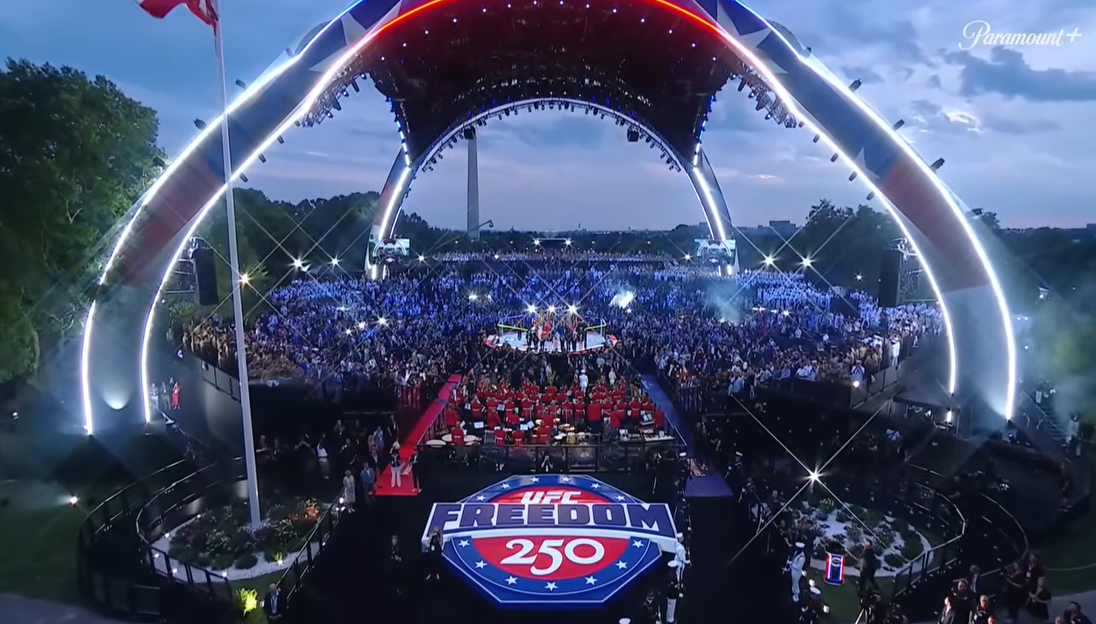
An incredible evening of patriotism that is purely American at the White House as President Trump and the UFC organization participate in the UFC Freedom 250 celebration.
It was completely over the top American. The UFC octagon created at the White House for the event. Highlight of the opening ceremony below.
Posted originally on CTH on June 15, 2026 | Sundance
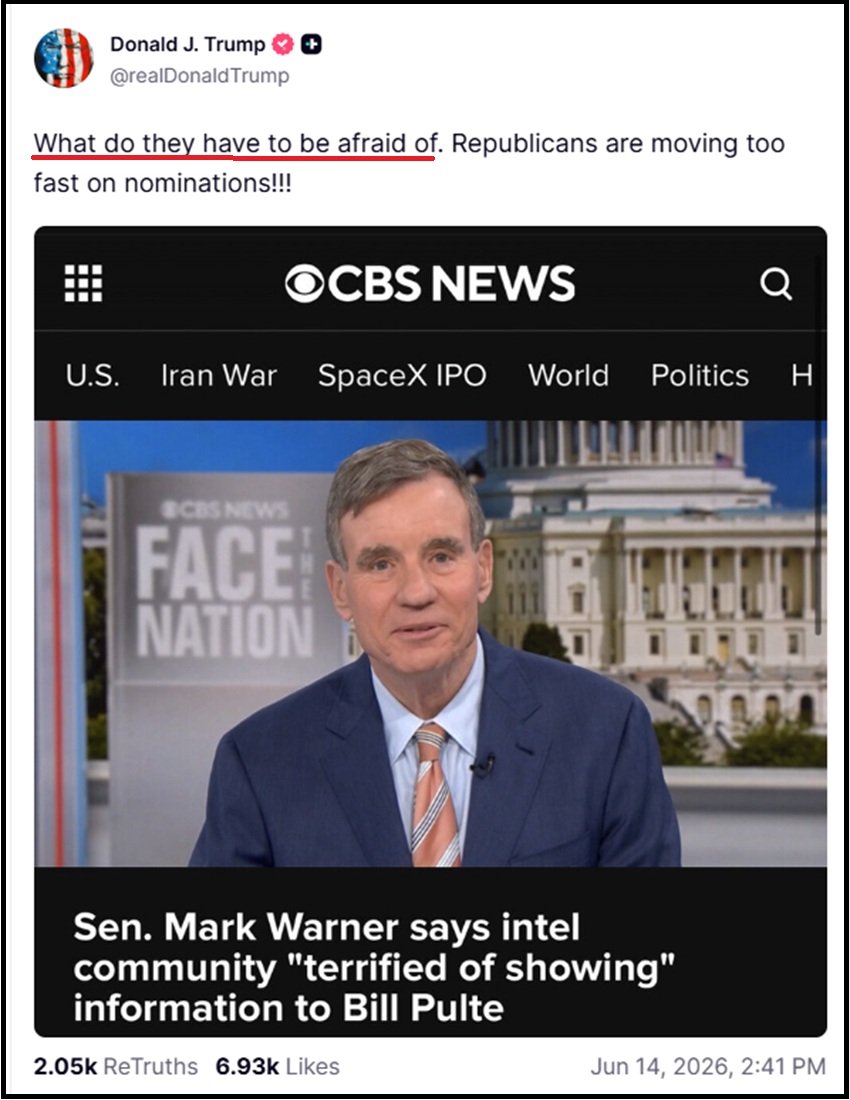
There comes a certain point when you just have to listen to the corrupt deep state operatives within the Intelligence Community openly state the nature of their activity.
Yes, I have laid it out for multiple years. Yes, people have not grasped how Machiavellian the network is. Yes, the DC denial and media obfuscation is rampant. However, just listen to them and they will eventually tell you exactly how weaponized the United States intelligence system is. This is a quote:
…“Well, my fear is not so much the damage [Pulte] could do on Section 702, which has a full audit trail. If he misuses that, we’ll figure it out but having him exposed where he doesn’t even have a security clearance to all our nation’s classified programs, out of ignorance, he might give away information. I’ve had heads of our intelligence communities say to us they’re terrified of showing him information. I’ve had foreign governments express huge concern.“
Obviously, playing the role of guardian for the system, Margaret Brennan doesn’t immediately ask, who are these “heads of our intelligence communities?” or “who are these foreign governments?” Likely for the same reason HPSCI member Elise Stefanik never pressed the rogue political operation issue with FBI Director James Comey on March 20, 2017.
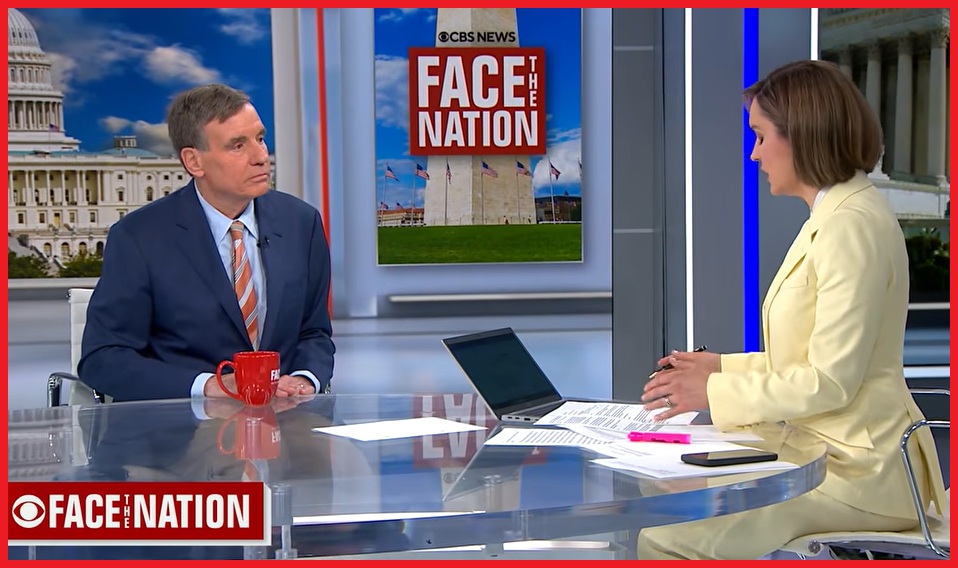
[FULL Transcript] – MARGARET BRENNAN: We’re joined now by the top Democrat on the Intelligence Committee, Virginia Senator Mark Warner. It’s good to have you here.
ENATOR MARK WARNER: Thank you, Margaret.
MARGARET BRENNAN: As you heard from the Secretary, a lot of these very important details have to still be negotiated. What do you think, though, of the emerging ceasefire and agreement, because you favored diplomacy?
SEN. WARNER: Listen, if the President can declare victory, so be it. You heard Pete Hegseth’s pitch. Let’s look at the real facts. 107 days into Donald Trump’s war of choice, can anyone make the case that we, or our allies, are in a better spot than before this war? The regime’s leadership is more radical than ever. The ability for us to get the enriched uranium out, I believe, will require troops on the ground, which I don’t think America wants to do. The idea that we have a 60 day additional negotiation, where does that lead? We’ll be here 60 days, still won’t have access to it. Clearly, after Hegseth had said, “We’ve destroyed all their capabilities,” they still have plenty of missiles and thousands of drones, and the idea that the strait is suddenly going to be magically reopened. Look at the gas prices, they went from $2.80 to $4.20 and I believe they’ll go up more because the overall world reserves have all come down. How is that better for America or better for our allies?
MARGARET BRENNAN: Well, it’s- there are a lot of details in here that, like I said, still have to be negotiated, and when we look at Congress’s role in terms of peeling back some of these sanctions, this was hugely controversial during the Obama administration. Do you think ultimately that whatever is hammered out by Steve Witkoff and Jared Kushner and JD Vance, the Vice President, will come up for approval? Do you get any say?
SEN. WARNER: Well, first of all, the idea that these three gentlemen that have very little background in terms of negotiations or the technical nature of nuclear negotiations going against a hardened Iranian team that’s been doing this for decades. I wish we had some of our experts at the table as well, but I’m not sure any of this will be coming before Congress, and it should. I mean, if the President wanted to start this war, a war of choice, there was no imminent threat from Iran. Come to the Congress, come to the people, and lay out the case. He has not, and we have not done the kind of oversight that is required.
MARGARET BRENNAN: Yeah.
SEN. WARNER: We are slowly moving along and getting additional Republicans to say stop on the War Powers Act, but Congress has failed miserably.
MARGARET BRENNAN: I- before I move on to other things, I just want to put a fine point on the U.S. intelligence assessment was not that Iran was creating a nuclear weapon, but that they wanted the possibility to make one in the future. Given what they have, the nuclear dust, the dirty bomb in the desert scenario, does that still worry you? How concerned should Americans be?
SEN. WARNER: Yes, I’m still worried. And for all his critique of JCPOA, we had international observers, we actually had an alliance there that included the Europeans, and Russia and China were all signatories. Now it is America going alone or going with Israel only, and that does not make us safer. And again, I will be happy to come back on the show and eat my words if the Iranians over the next 60 days give up that enriched uranium.
MARGARET BRENNAN: Yeah, well, we’ll watch for whatever happens next. I want to ask you about surveillance here and the lapse of a key authority. On Thursday, the President did appoint Jay Clayton, he said, who will be the next Director of National Intelligence, instead of Bill Pulte, to who I know you oppose–
SEN. WARNER: Not only I oppose–
MARGARET BRENNAN: Yeah–
SEN. WARNER: –but all of the Republican senators who will know anything about national security opposed as well.
MARGARET BRENNAN: Yes, there are some pretty colorful statements, but Clayton is the current US attorney for the Southern District of New York, a former SEC chair. How quickly can he move into the role? I mean, he doesn’t necessarily have the kind of extensive national security background that–
(CROSSTALK)
SEN. WARNER: Law enforcement, he was head of the SEC, and as Southern District of New York, that’s where we pursue a lot of our terrorists. I know Jay. I think he’s got the right temperament. I’ve got a lot of questions, like who won the election in 2020, so he at least acknowledges that truthfulness. But remember, Margaret, this was totally caused by Donald Trump.
MARGARET BRENNAN: Well–
SEN. WARNER: He could have nominated Jay Clayton a week ago–
MARGARET BRENNAN: Yeah.
SEN. WARNER: –and we wouldn’t have gone dark.
MARGARET BRENNAN: This is an extraordinary series of events that we have to take more time to talk about on the other side of the break. Let me take it, and we’ll finish it. We’ll be right back.
(ANNOUNCEMENTS)
MARGARET BRENNAN: Welcome back to Face the Nation. We return to our conversation now with Senator Mark Warner. Before the break, Senator, we were talking about the next Director of National Intelligence. The hearing for Jay Clayton is next week, this Wednesday, right? How quickly can he get confirmed, and what does that do in terms of blocking Bill Pulte from ever taking the job?
SEN. WARNER: Well, I’ve got questions for Jay, like, want to make sure that he’s going to maintain the integrity of our elections, not try to pull the things that Miss Gabbard did, where she was interfering in domestic election activities with the seizure of the ballots in Fulton County. My hope is, if we can get unanimous consent, we could even get him confirmed this week. I would hope that the President would then say to Tulsi Gabbard, who is going to stay till the end of the month, stay at least until Clayton is confirmed, or allow the number two to stay.
MARGARET BRENNAN: That’s a shocking statement from you, because you are a huge critic of Tulsi Gabbard.
(CROSSTALK)
SEN. WARNER: I am a huge critic.
MARGARET BRENNAN: How much damage could Bill Pulte actually do in a matter of days?
SEN. WARNER: Well, my fear is not so much the damage he could do on Section 702, which has a full audit trail. If he misuses that, we’ll figure it out, but having him exposed where he doesn’t even have a security clearance to all our nation’s classified programs, out of ignorance, he might give away information. I’ve had heads of our intelligence communities say to us they’re terrified of showing him information. I’ve had foreign governments express huge concern. The one thing we know about Bill Pulte is ¹he will do whatever Donald Trump says. He was able to weaponize private mortgage insurance information, giving them the keys to the 18 intelligence agencies would be a disaster and a national security threat.
[¹NOTE: So, the DNI should NOT DO whatever the President of the United States tells him or her?]
MARGARET BRENNAN: So, I’m understanding you will withhold your vote to reauthorize FISA based on this.
SEN. WARNER: Listen, we have to get FISA reauthorized. We were on a glide path–
(CROSSTALK)
MARGARET BRENNAN: This is a warrantless surveillance tool. ²This is a foreigner concern abroad.
SEN. WARNER: ²Foreigners listening in on foreigners talking to foreigners abroad. None of this needed to happen if Donald Trump had- he didn’t even come out in support of this tool until about six weeks ago. If he put forward Clayton or somebody else six weeks ago, if he would have done even Jay Clayton a few days earlier. I actually think Donald Trump wants this tool to expire because he would then try to blame Democrats if, God forbid, if anything happens. And the remarkable thing on this is normally we come on here and it’s Democrats versus Republicans–
[NOTE: Nonsense. The term “702” specifically and uniquely is applied to Americans with constitutional protection. “702” has nothing to do with intercepting or investigating foreigners – Nothing at all. Foreigners are not protected by the Constitution!]
MARGARET BRENNAN: Yeah.
SEN. WARNER: –this one is not. My Republican colleagues have worked hand in glove. If there is something that happens, God forbid, the responsibility lies with one man, Donald Trump.
MARGARET BRENNAN: That is a tremendous statement that you think the president actually wants this tool to not be accessible. I mean, it’s the congressional authorization expired on Friday. Your Republican counterpart, Senator Tom Cotton, described the consequences as severe, potentially fatal, considering all the mass gatherings in America right now. How vulnerable is the US right now? Have Google and Verizon and the rest said, if you come and ask me for information, I won’t hand it over?
SEN. WARNER: What has happened is those investigations that have already started continue.
MARGARET BRENNAN: Okay.
SEN. WARNER: Our ability to continue to listen to bad guys talking to bad guys abroad continues. The question is whether you can start new actions, and we are now, and I’ve not gotten a report yet whether the telcos and the Googles are going to continue to adhere or whether, because they don’t have the indemnification, they’ll stop participating. We don’t have, I don’t- as of Sunday morning, I don’t have an answer on that. I hope the Justice Department would use all the tools they can to try to encourage them to continue this program, for what will be, whether we like it now or not, a short-term lapse.
MARGARET BRENNAN: But Democrats are using their leverage here with FISA to force the president to change his nominees. He did that, so why do we have a Democrat standing up, and for example, blocking unanimous consent in regard to reauthorizing even a short-term surveillance too? This seems to be national security risk of huge proportion.
SEN. WARNER: National security risk caused because Donald Trump did not put forward Clayton or anyone else that was legitimate until the clock had run out. There is no question. If you got any of my Republican colleagues here, they would agree this was a White House-created problem. And finally, somebody got to Trump and said, “You got to put a rational person in, not this guy who’s not even got a national security clearance.” We will get Clayton, I hope, confirmed as quickly as possible. We will then move very quickly to get FISA reauthorized. In the interim, I hope the telcos will continue to cooperate with the government.
MARGARET BRENNAN: Senator Mark Warner, thank you for your time today.
Posted originally on CTH on June 13, 2026 | Sundance
President Trump announces a deadly strike on the leadership of the Tren de Aragua criminal gang with support from the interim Venezuela government.
TRUTH SOCIAL – “At my direction, the United States Southern Command delivered a swift and lethal kinetic strike to successfully execute Niño Guerrero, the infamous leader of Tren De Aragua, one of the most bloodthirsty Terrorist Organizations on Planet Earth. Before I returned to office, Joe Biden opened our Southern Border to millions of Illegal Criminals, and allowed this foreign army to rape, maim, and murder American Citizens with total impunity. During my Campaign, I pledged to expel these monsters from our Country, and bring Justice to the families of those they slaughtered, including the precious 12-year-old Jocelyn Nungaray, 22-year-old Laken Reilly, and countless other beautiful souls. With this action, the United States Military has brought retribution for them, their families, and their loved ones.
Early in my Administration, I delivered on my promise to designate Tren de Aragua as a Foreign Terrorist Organization, deport thousands of evil criminals, and wage war against the Cartels, who have long been waging war against our Citizens, while weak leaders left America helpless and defensive. This action was coordinated closely with our friends in Venezuela, with whom we are working very well. As a result, Tren de Aragua terrorists no longer have safe haven in Venezuela or anywhere else and, under my leadership, we will find these vicious murderers and drugs lords anytime, anyplace, and send them to the depths of hell where they belong. GOD BLESS AMERICA!”
Venezuela’s government released a statement confirmed its participation in the operation and revealed it took place in the southeastern state of Bolivar. “During the operation, clashes occurred with members of criminal groups, resulting in the death of Héctor Rusthenford Guerrero Flores, alias ‘Niño Guerrero,’ the leader of one of these criminal organizations,” according to the statement. (source)
Posted originally on CTH on June 13, 2026 | Sundance |
Many of you will likely remember December 29, 2019, when Secretary Pompeo, Joint Chief’s Mark Milley and Secretary Mark Esper flew to Mar-a-Lago to inform President Trump about military strikes they had just conducted in Northern Syria and Iraq. {SEE HERE}
At the time of the strike, President Trump was negotiating the exit of U.S. troops from Afghanistan and even having direct talks with the Taliban which was proclaimed as controversial by the traditional war machine elements in DC. The action by Pompeo, Milley and Esper did not align with the moment based on Trump’s ongoing effort.
President Trump made no comments about the strike they carried out, nor did President Trump post anything about the events. In fact, President Trump made Pompeo, Milley and Esper stand at the podium and inform the media and public.
CTH said at the time nothing about this made sense. Our suspicion was that Pompeo, Milley and Esper had acted unilaterally without approval. Events later on indicated our suspicion was accurate.
One month later we were in beginning of SARS-CoV-2, which we now accept in hindsight was a U.S. military and intelligence operation utilizing a virus created in a Wuhan, China biological lab. The global response to the virus was a combined military and intelligence operation.
The most excessive ‘western’ reactions to the virus were carried out by New Zealand, Australia, the U.K and Canada, all five-eyes countries. The November 2020 election result was specifically an outcome of the virus and fraudulent mail-in ballots.
It’s also worth remembering that in 2016 the Trump-Russia collusion material originated from the U.K via former intelligence operative Christopher Steele and the Fusion GPS network in the U.S.
That’s the context for last week Mike Pompeo paying tribute to his old friend in British intelligence who worked with him as CIA Director following the 2016 election of President Trump.
Mike Pompeo– Within hours of being announced as the nominee to be the U.S. Director of the CIA, I received a hand-delivered message on MI6 stationery congratulating me on my nomination. It was signed simply “C” in green ink. Legendary. I shared it with my son and even he thought I was now cool!
More than that, this note, from Sir Alex Younger, Chief of the Secret Intelligence Service of the United Kingdom, confirmed what I already believed: the work that the CIA and MI6 did together mattered, that the partnership was critical, and that two leaders focused on the mission could save lives and provide tools for our nations to deter our adversaries.
Alex’s passing this week brought back so many memories of our time in service together. He flew to Langley to see me the day I was confirmed. We brought our two senior teams together in the UK to plan and coordinate and build in the first several weeks of my time on duty: making clear to them all that this relationship was more than special – it was critical for the security of our two countries.” (read more)
Posted originally on CTH on June 13, 2026 | Sundance |
President Trump has announced a deal with Iran that takes away the nuclear option. According to the Truth Social announcement, the signing of the agreement is scheduled for tomorrow (Sunday).
PRESIDENT TRUMP – “Barack Hussein Obama’s Deal with Iran, the JCPOA, was an easy, beautiful, smooth road to a Nuclear Weapon, which Iran would have had six years ago, and would have used long before now. My Agreement with Iran is the exact opposite, A WALL TO NO NUCLEAR WEAPON! In fact, they no longer want a Nuclear Weapon, nor will they have one, either through purchase, development, or any other form of procurement.
The Deal is scheduled to get signed tomorrow, and immediately after it is signed, the Hormuz Strait is OPEN TO ALL. Our relationship with Iran is a much different and better one than previous Administrations have had. Unlike Obama’s Hundreds of Billions of Dollars in payments to them, including 1.7 Billion Dollars in green, cold cash, no money will exchange hands.”
“At the appropriate time, when all is calm, we will go in and get the Nuclear Dust, buried deep under the powerful sunken granite mountains, thanks to our beautiful B-2 Bombers and their brilliant pilots, and downblend and destroy it, whether in Iran, or the United States. We look forward to working with Iran, and the entire Middle East, long into the future. Hopefully, this process will all work out quickly, easily, and smoothly. If it doesn’t, we have the ultimate alternative, hopefully never to be used again! Thank you for your attention to this matter!!!”
The Prime Minister’s Office: President Trump spoke this evening with Prime Minister Netanyahu regarding the emerging memorandum of understanding (MOU) with Iran to enter into negotiations.
Even though Israel is not a party to the memorandum of understanding, the Prime Minister expressed his appreciation for President Trump’s commitment that the final agreement at the conclusion of negotiations will include the removal of enriched material, the dismantling of enrichment infrastructure, limits on missile production, and the cessation of Iran’s support for its terrorist proxies in the region. [SOURCE]
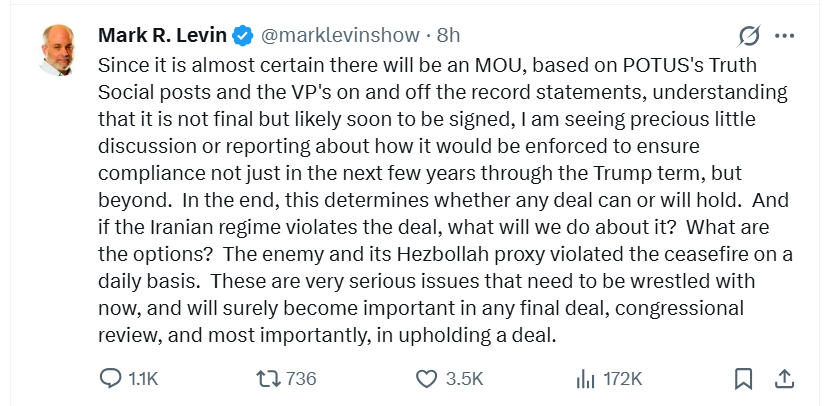
Judging by the reactions from the social media accounts of the Israel-first influencers including Mark Levin, Laura Loomer and Lee Smith, they are generally not too happy about the deal as outlined.
I have created this site to help people have fun in the kitchen. I write about enjoying life both in and out of my kitchen. Life is short! Make the most of it and enjoy!
This is a library of News Events not reported by the Main Stream Media documenting & connecting the dots on How the Obama Marxist Liberal agenda is destroying America






 Centinel2012