Posted originally on Apr 18, 2025 by Martin Armstrong
QUESTION: How come nobody in Trump’s team can not explain to Trump that the Trade War with China will push the rates up?
It looks very logical to me that if you are aggressive to China, they will continue to sell off bonds, and the sale of USA bonds will push rates higher. If they would start talking peace and honor the One China Policy, they will simply stop selling bonds, and rates would stay lower.
Peace means we all collaborate, and hostility will finally expose the fact that the FED is not controlling the rates, but markets do.
Is this correct logic?
Regards, GD
ANSWER: I’m not entirely sure. What seems like common sense to me looks like Nobel Prize-winning logic to others. Perhaps because they are just domestic and cannot see the international aspects or how we are all connected, I have encountered strange forecasts from some analysts. However, I can understand it because they are purely domestic and never consider anything outside their own country.
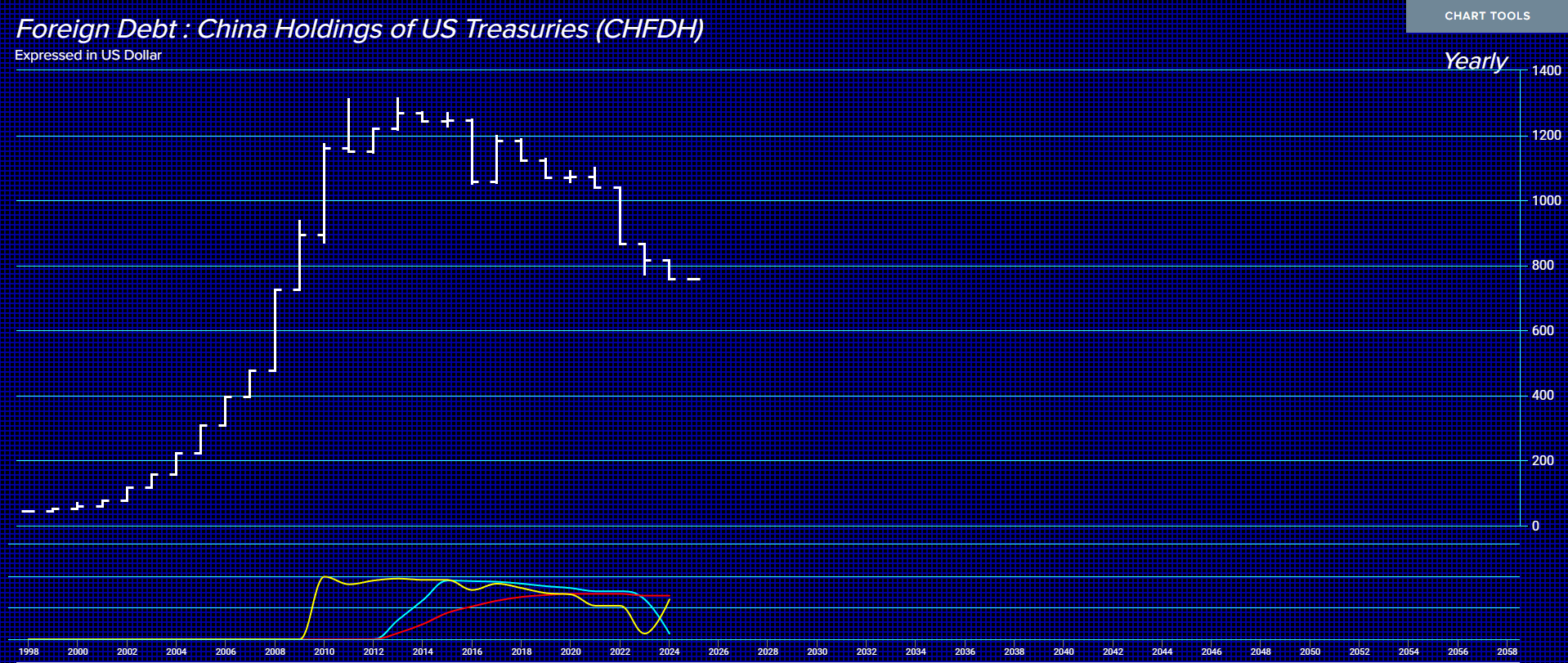
Both China and Japan have been selling US debt, but this was before the tariffs were imposed. Their economies are declining, and they need to bring cash home. In the case of Japan, this is while the Biden Administration was threatening China with sanctions if they helped Russia. One Socrates, we also have all the countries holding US debt. You can look at the trends and see what I am talking about. Yes, selling US debt will send long-term rates higher which the Fed cannot prevent. Trump’s thinking that he can fire Powell and lower rates for politics is without any historical backing.
There is absolutely ZERO evidence that lowering interest rates will EVER stimulate the economy. Trump is dead wrong on this. The ECB went NEGATIVE in 2014, and it still did not reverse the economic decline of Europe, and it made it worse, undermining pensions and banks. Trump is a borrower, not a lender. He has to step back and objectively look at history.
This trade war will cause STAGFLATION, and Trump seems to be taking us in that direction, all on his misguided views that somehow China is to blame for us losing manufacturing. I have experience with multinational companies and have reorganized many. It is the Democratic propaganda that companies move solely because they can get cheaper labor. That is just socialist propaganda.
I even warned a company in Germany that when the Berlin Wall fell, they rushed to open a plant there on this stupid theory of cheaper labor. After one year, they apologized for not listening to me. They bought into the theory that they were Germans so that they would have the same work ethic. They admitted that it took nearly 3 East Germans to do the same work as one West German.
Companies move due to regulations and taxation. I helped some get into North Macedonia, which gave them a 25-year guarantee of no tax increases. I put Japanese companies in Britain that needed skilled labor, vs Germany or France, because the cost of regulation was 40% more on the same salary in Germany vs Britain.
Perhaps because I have dealt with international issues, it’s just common sense to me and our global readers. I sent a letter last week to the Secretary of the Treasury, and I just texted someone else about the tariffs on China. There will be shortages in goods, and that alone will drive prices higher, even without the tariffs.
The Crimean War, from 1853 to 1856, in what is now called Ukraine, halted grain shipments from that region, and wheat prices nearly doubled in the USA due to the war in Crimea. There was a crash in 1856 when the war ended.
Posted originally on Apr 18, 2025 by Martin Armstrong
While the press bashes Trump over the tariffs and trade war, they continue to ignore the facts and will always take the opposite position from Trump. If Trump said he wanted everyone to live an extra 5 years to help the economy because of declining birth rates, the Press would advocate mass suicide like Jim Jones’ Jonestown, just to prevent anything Trump does.
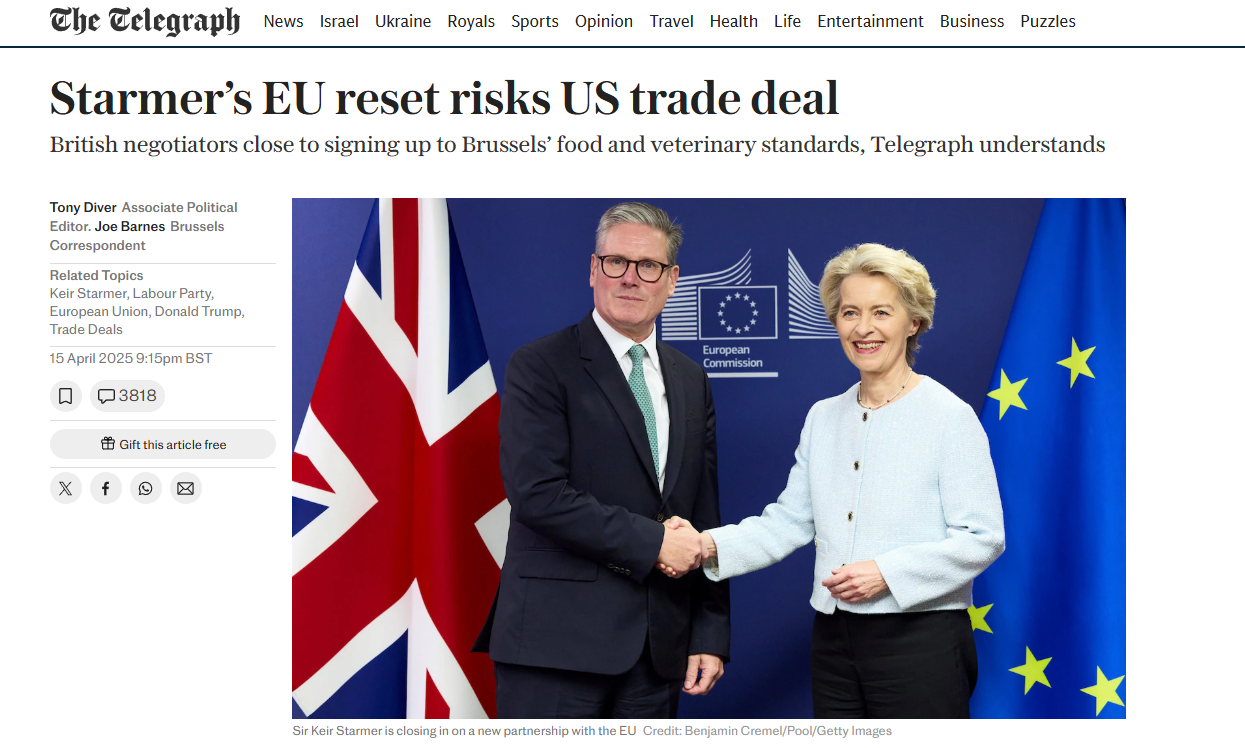
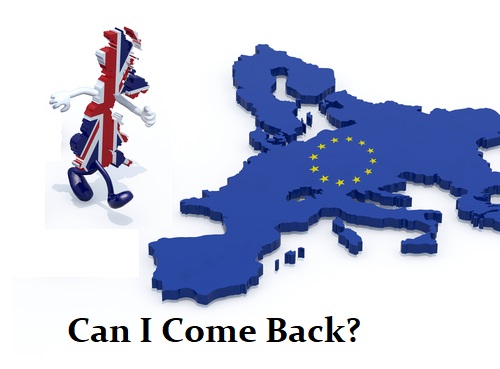
Starmer, the good Marxist follower, wants to reverse BREXIT, but knows that would be difficult. So he wants to join in trade and adopt all the regulations that the EU imposes, that has suppressed their economy from ever growing. As I have said, out of every $10 spent by consumers globally, the EU accounts for only $1.20 – a fraction of America, despite having 450 million people compared to the USA’s 330 million.
Even on a purely economic basis, Starmer is turning his back on the USA, which has a consumer market more than twice the size, for more regulations that will reduce trade with the USA. This is clearly not an economic decision – this is a Marxist political decision. Starmer is fulfilling our long-term forecasts. This year was a Directional Change, and next year is a Panic Cycle.
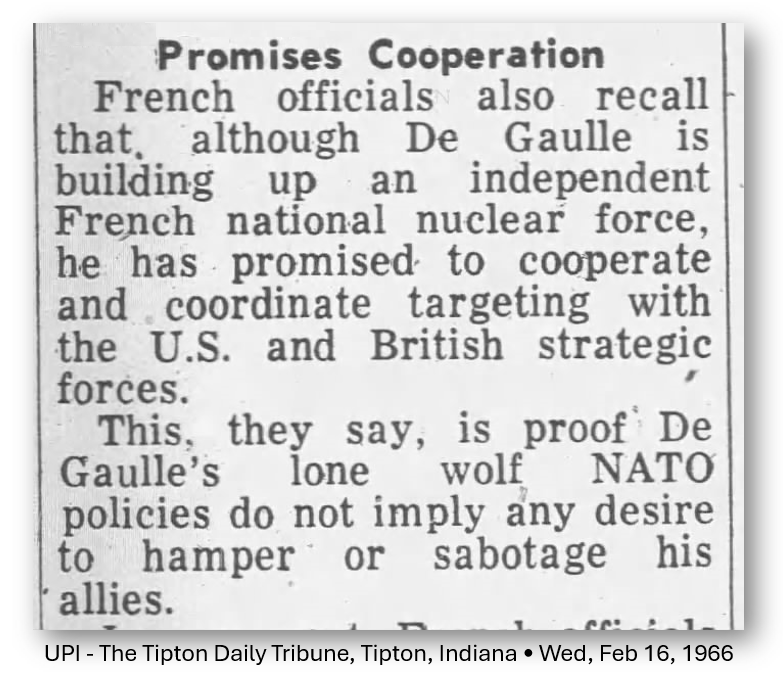
Europe has historically been the most hostile when it comes to trade. They cling to Marxism, and when they can’t justify tariffs, they regulate against allowing American products in. When Charles de Gaulle in 1966 said no American/NATO nukes in France, and he ordered all American military personnel to leave France, they asked if that applied to the dead Americans buried there to free France. This has been the position of the French elites. They still view the world as speaking French if Napoleon had won. They have not gotten over that.
To this day, Macron is the most hostile, and he wants France to replace the United States, offering their nuclear power to shield Europe from Russia. This is why Macron was the first to say he wanted to send troops into Ukraine, knowing that would start World War III.
The European Union (EU) does not impose a blanket ban on all food and veterinary products from the United States. However, it does enforce strict regulations that can result in restrictions or prohibitions on specific products that do not meet EU standards. Key points include:
Hormone-Treated Beef: The EU prohibits beef from cattle treated with growth-promoting hormones, a common practice in the U.S. This has been a longstanding trade dispute.
Chlorine-Washed Poultry: The EU bans poultry treated with antimicrobial rinses (e.g., chlorine washes), favoring stricter farm-to-table hygiene controls instead.
GMOs (Genetically Modified Organisms): The EU requires rigorous authorization and labeling for GMO products, limiting some U.S. agricultural exports unless approved.
Ractopamine in Pork: The EU prohibits meat from animals treated with ractopamine, a feed additive used in the U.S. to promote lean muscle growth.
Veterinary Medicines: Restrictions apply to certain antibiotics and hormones used in livestock for non-therapeutic purposes, aligning with the EU’s precautionary principle and emphasis on animal welfare.
Mutual Recognition Agreements (MRAs): Since 2019, some veterinary products are covered by MRAs, easing trade for compliant products. However, U.S. exporters must still meet EU standards.
These measures reflect differences in regulatory philosophies that are used in reality as trade barriers. The EU prioritizes its regulations, knowing that there are different standards internationally. Trade negotiations (e.g., TTIP) have sought to bridge these gaps but with limited success. The restrictions are not actually becoming outright bans by requiring compliance with EU rules, which are stringent to prevent trade that pretends it is not the goal.
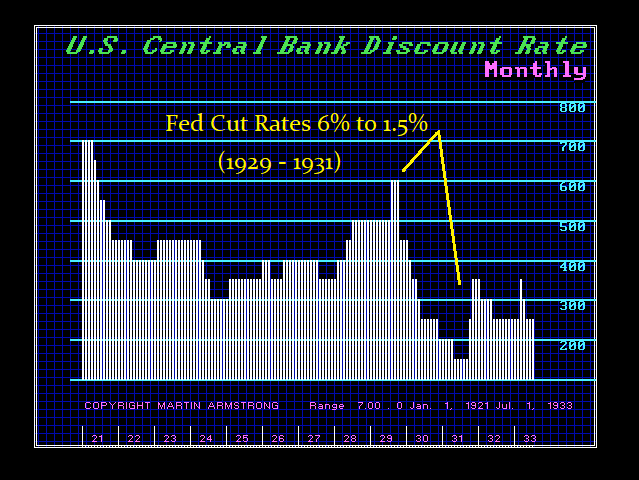
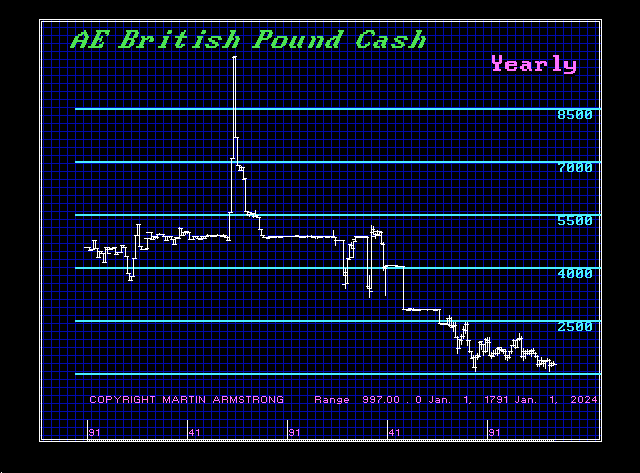
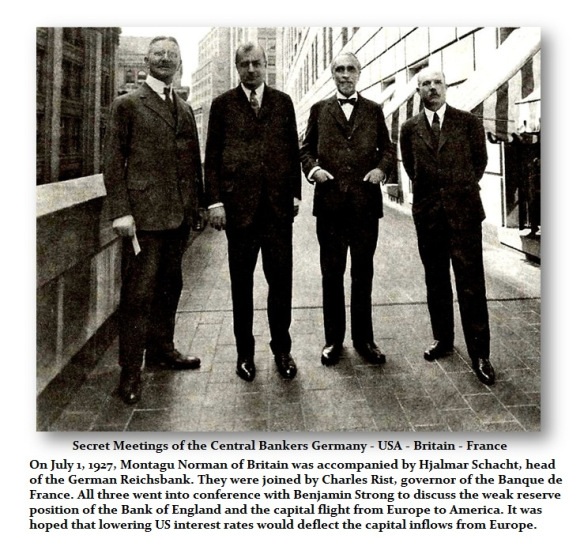
After World War I, European countries began imposing high tariffs in the early 1920s as part of a broader shift toward economic protectionism, driven by postwar reconstruction challenges, political instability, and efforts to shield domestic industries. France implemented significant protectionist measures, particularly through the 1927 Tariff Law (Loi du 3 août 1927), which marked a major shift toward economic nationalism. This law replaced the earlier Méline Tariff of 1892. It was enacted in response to post-World War I economic challenges, including the need to protect domestic industries and agriculture from foreign competition. At the same time, France was pushing the United States Federal Reserve to lower interest rates (G4) in an attempt to reverse the capital inflows to the United States.
The tariff increases were enacted in 1927, though France had maintained generally protectionist policies throughout the 1920s. The 1927 law formalized and expanded these measures sharply. The 1927 tariffs were part of a broader European trend toward protectionism in the interwar period. The 1927 law introduced a flexible tariff system, allowing the government to adjust rates based on reciprocal trade agreements or retaliation against foreign protectionism. Tariffs were applied differentially, with higher rates on agricultural goods (to protect French farmers) and certain industrial products.
France’s Agricultural products saw the implementation of tariffs on items like wheat, meat, and wine. These rose significantly, with some rates exceeding 30% (e.g., wheat tariffs increased to protect against cheaper imports from Eastern Europe and the Americas). The Industrial goods saw rates that were less restrictive yet still varied widely, targeting textiles and machinery. These sectors saw tariff rates between 15% and 25%, depending on the product and origin.
France also combined tariffs with import quotas (e.g., for coal and steel) to shield its economy further. Overall, France has always been the most protectionist of all European nations. Its cost of living is above average in the EU. According to Eurostat’s 2022 data, France’s price level index (with the EU average set at 100) was 116.5, placing it above the average but below several other EU countries. This compares to Denmark (141.7), Ireland (138.7), Luxembourg (134.0), Sweden (128.9), and Finland (123.3). The devil is in the details. While Paris is one of the EU’s more expensive cities to live in, the national average is lowered by cheaper costs in other regions.
The 1927 law made France one of the most protectionist economies in Europe by the late 1920s. While this was effective in shielding domestic sectors, these policies contributed to reduced international trade and economic fragmentation, exacerbating global tensions, leading to the Great Depression, and the US response in June 1930 by the Smoot-Hawley Act.
In the United Kingdom, there was the 1921 Safeguarding of Industries Act, which imposed tariffs on “key industries” like chemicals and optical goods deemed vital for national security. This was Post-WWI Economic Struggles, in which Britain lost the status of the Financial Capital of the world to New York. After the war, Britain faced industrial decline, unemployment, and foreign competition. Key industries critical during the war (e.g., chemicals, optics, scientific instruments) were all at risk of collapse. The Brits raised the National Security concerns of over-reliance on foreign imports for strategic goods, and this was the argument to impose tariffs to try to resurrect their industries.
Tariffs on Imports under this act imposed a 33.3% tariff on imported goods in strategic sectors, including chemicals, optical glass, and scientific instruments. This aimed to make foreign products less competitive and protect British industries. They also targeted industries that they deemed vital for national defense and economic resilience, reflecting lessons from wartime shortages. The Act was passed under Prime Minister David Lloyd George’s coalition government, though it aligned more with Conservative Party tendencies toward protectionism, marking a shift from Britain’s traditional free-trade stance.
The Act had mixed results at best. While it provided temporary relief for protected industries, critics argued it was too narrow, benefiting only specific sectors. Consumers faced higher prices, and retaliatory tariffs from other countries harmed British exports. The limited scope initially covered 6,000 items but was seen as insufficient to address broader industrial decline. Amendments in 1925–1926 expanded coverage to include more goods like lace and gloves. This Act shifted toward protectionism as Britain abandoned free trade, foreshadowing more extensive protectionist policies during the 1930s that followed the 1932 Import Duties Act, which expanded tariffs to most imports (except from the British Empire), formalizing protectionism during the Great Depression.
In the United States, the strong dollar resulted in making foreign goods cheap. The 1921 Act in Britain led to the US response in 1922. The Fordney-McCumber Tariff of 1922 was a significant piece of U.S. legislation that raised tariff rates on imported goods to protect American industries in the aftermath of World War I. It was signed into law by President Warren G. Harding in September 1922. Republican Congressman Joseph Fordney and Senator Porter J. McCumber have sponsored it. This reversed the lower tariffs of the 1913 Underwood Tariff. The tariff increases: did elevate import duties to historically high levels (averaging about 38.5%), targeting both agricultural and industrial goods to shield domestic producers from foreign competition due to the strong dollar. This tariff provided a flexible authority granted to the president, allowing him to adjust tariff rates by up to 50% based on recommendations from the U.S. Tariff Commission, although this flexibility was rarely used.
While tariff hikes began in the early 1920s (e.g., the UK in 1921), they did not prevent the bull market, nor did they prevent the Great Depression. This protectionist spiral fragmented global trade and worsened the Great Depression, but certainly did not create the economic crisis.
Posted originally on Apr 18, 2025 by Martin Armstrong
Socrates has honed in on 2025 becoming a year of great stagflation in the United States. The Federal Reserve has finally admitted that the data is undeniable—the United States will experience stagflation.
The economy is declining but prices are rising. Most understand inflation, especially in the post-COVID world, but few understand stagflation. Stagflation is when you have high inflation and stagnant economic growth at the same time. Normally, inflation is supposed to go hand in hand with rising demand and growth. But during stagflation, prices go up even though the economy is barely moving.
“Powell said the president’s tariffs announced so far had been ‘significantly larger than anticipated’, adding that ‘the same was likely to be true of the economic effects, which will include higher inflation and slower growth’,” as reported by every major media outlet. Powell “later added that those economic effects may place US rate setters ‘in the challenging scenario in which our dual-mandate goals are in tension’. The Fed’s dual mandate is to maintain the target 2% inflation while encouraging “maximum” employment levels.
“Maximum” employment is simply not possible during a period of stagflation. Investments dry up, confidence collapses, and businesses face higher costs in every area from wages to materials. Consumers lose purchasing power and are less likely to purchase nonessential goods at inflated prices, affecting business revenue and overall GDP. This then forces businesses to cut back on hiring instead of focusing on expansion. Many businesses will be unable to maintain large workforces if the revenue is not there.
The FOMC members seem to agree that stagflation is inevitable, although some argue about how long it will last. “Several Fed officials — including John Williams, head of the New York Fed, and Governor Christopher Waller — have said inflation is likely to surge in the coming months on the back of the administration’s proposed tariffs. While Waller thinks the impact of tariffs will prove short-lived, other members of the rate-setting Federal Open Market Committee, which Powell chairs, believe Trump’s tariffs have increased the odds that inflation will be a longer problem for US consumers.”
Now the central bank has maintained interest rates at 4.25-4.5% this year. Everyone is holding their breath for the Fed’s May announcement, but there is very little that the Fed can do here. Capital investment depends on confidence. Our models have honed in on May 19, 2026, as a major turning point in confidence where the next Panic Cycle will begin, and unfortunately, confidence will decline into 2028.
Posted originally on Apr 18, 2025 by Martin Armstrong
Geert Wilders (born 1963) is a Dutch politician who has led the common-sense right-wing Party for Freedom (PVV) in the Netherlands. The nationalist wave in Europe is now rising against the globalist grip on Europe. In every European nation, there is a common-sense uprising of the silent majority. The old regime is crumbling, so they have turned to the Neocons to retain power. I am concerned that they are becoming desperate and that, Macron, Tusk, all the way to Merz, they will NEVER admit a mistake, so to maintain control, they intend to thrust Europe into World War III.
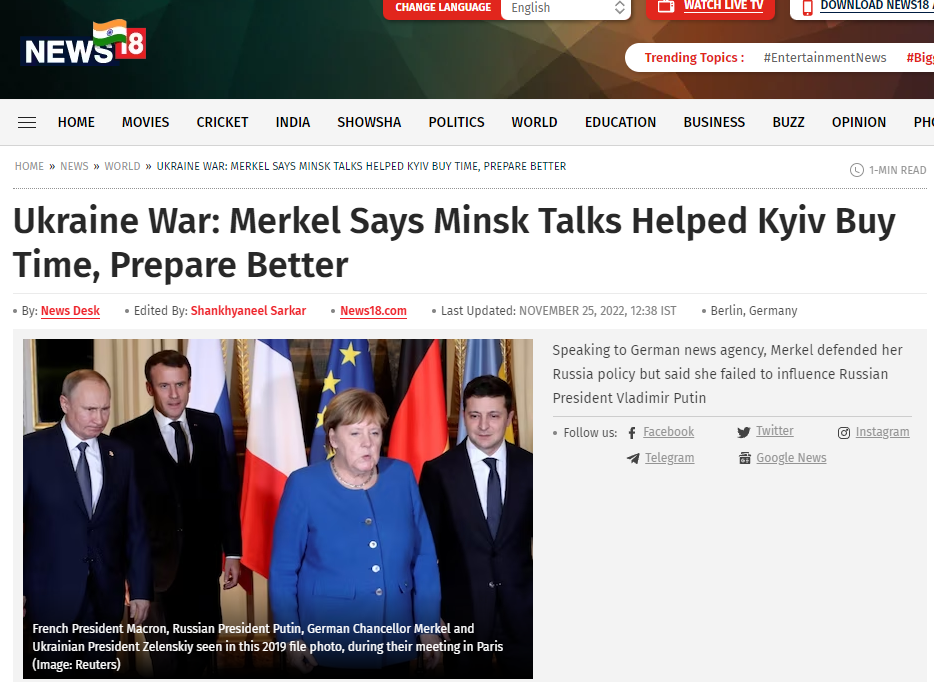
Putin is not stupid. If I were him, I would by no means agree to peace in Ukraine for Europe is drafting building an army and this will just be Minsk 2.0 like Europe did before agree to peace only to allow Ukraine the time to build an army to invade and weaken Russia so NATO can invade and conquer Russia all to sack the country in Macron’s dream to resurrect Europe as the Roman Empire and rule the world once again.
The failed structure of the Eurozone is crumbling. They are on the verge of a sovereign debt default, which unfolds when you cannot sell new debt to pay off the old. When you are also preaching war endlessly in all the media and talk shows in Europe, you have to be insane to buy European debt. They NEED war, or the Eurozone will break up . They care nothing about Europe or the people no less the world. This is a raw push to remain relevant and retain power.
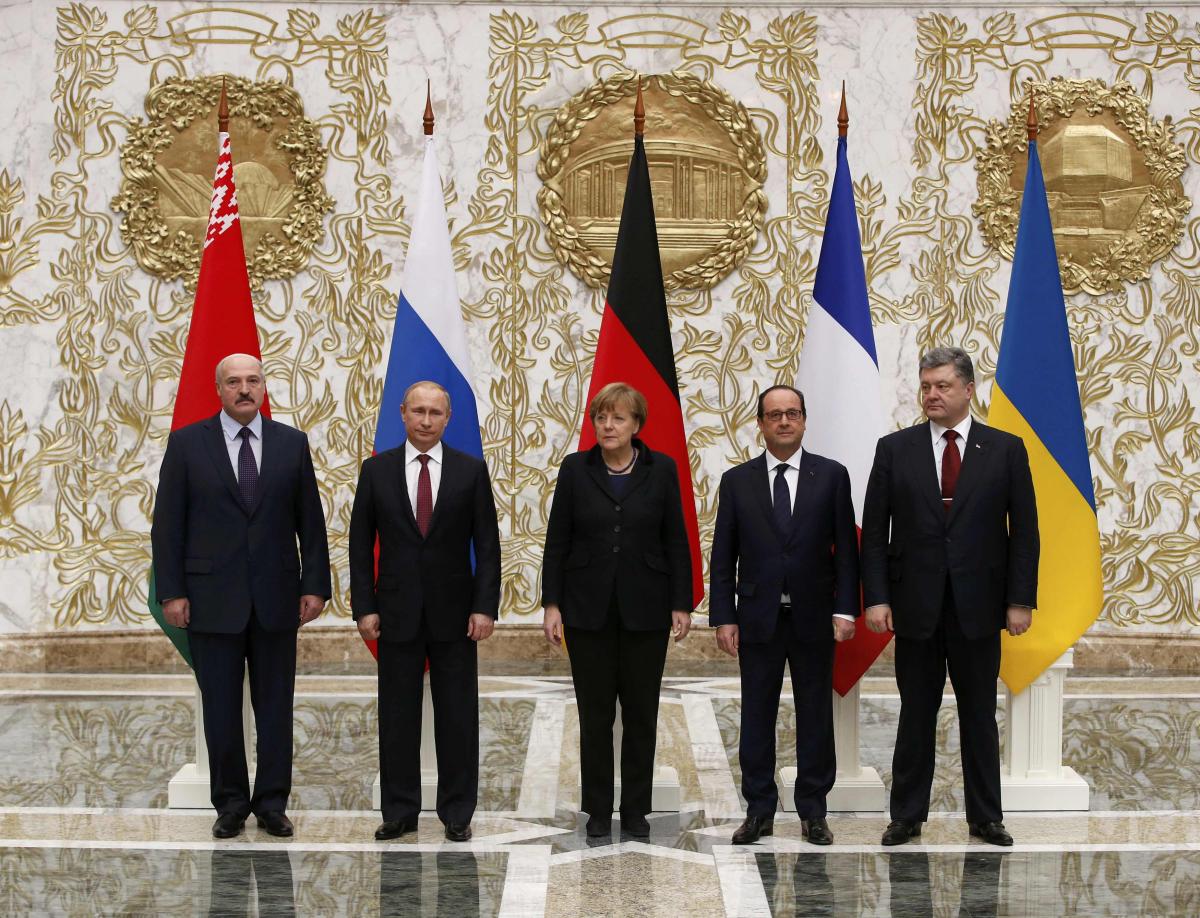
The Minsk Agreement: When Europe Lied & Negotiated in Bad Faith
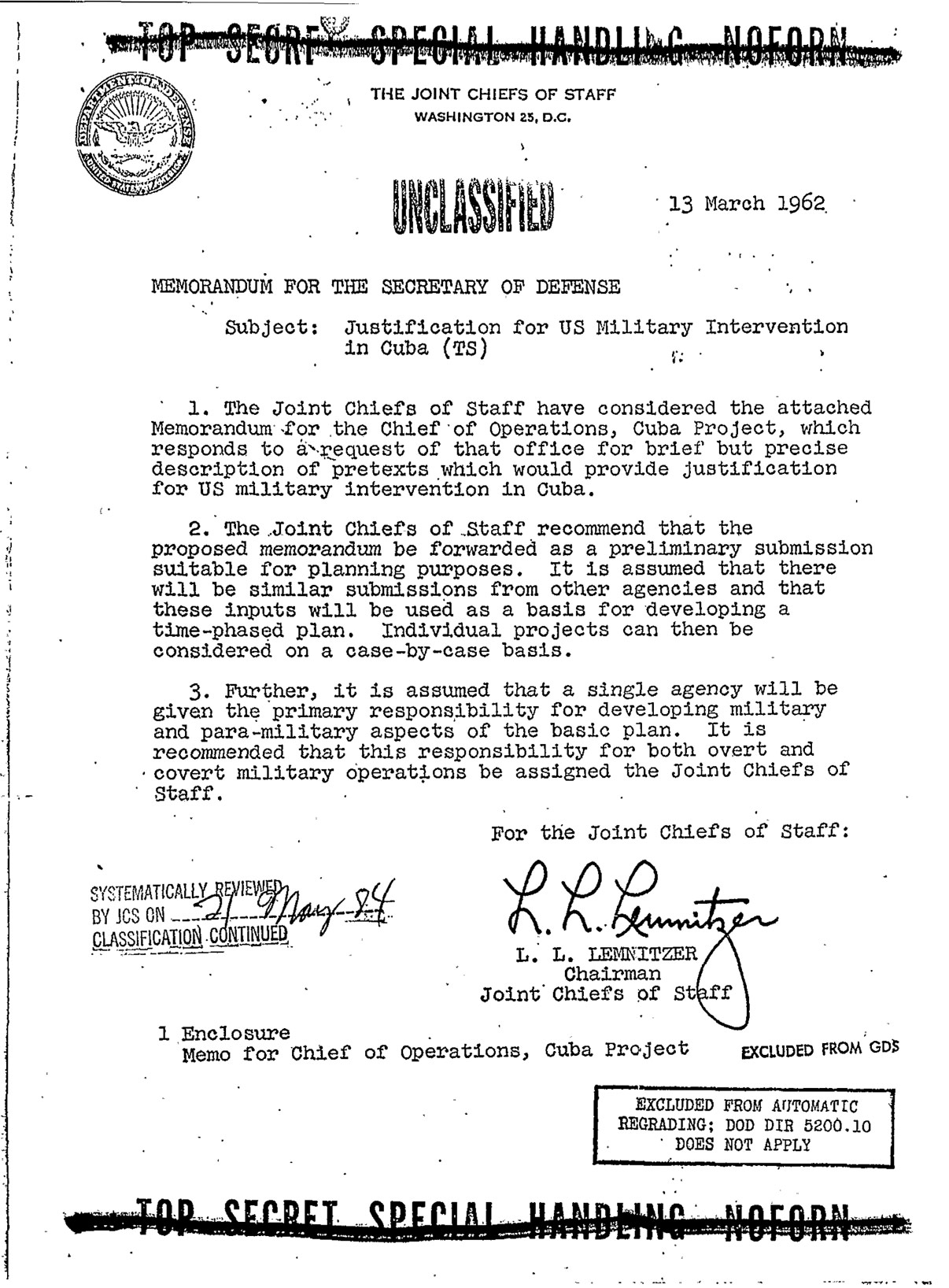
Putin has no desire for World War III. He has put down so many red lines, and Europe has crossed every single one in hopes he would respond and attack anything in NATO so they can claim he is the aggressor. I fear that Europe will now stage a FALSE FLAG and even bomb their own people to blame it on Putin, just as the CIA proposed killing Americans to blame Cuba to justify an invasion in Project Northwoods. President Kennedy rejected their plan and rejected Vietnam – so they killed Kennedy & the next day, Johnson approved Vietnam. To hide what these people do, they call anything that exposes them a conspiracy theory.
Posted originally on Apr 17, 2025 by Martin Armstrong
Finally, the UK Supreme Court made a unanimous landmark ruling with some common sense. Transgender women are NOT legally women. The high court ruled that the terms “woman” and “sex” in the 2010 Equality Act referred to biological sex, not acquired gender. The Telegraph reported that Kemi Badenoch, the Tory leader, said the ruling meant that the “era of Keir Starmer telling us women can have penises has come to an end”. The court delivered an 88-page ruling that explicitly stated that the “concept of sex is binary” under the Equality Act 2010.
I was told confidentially that this whole transgender push was to try to convert young people so they would never have children, and this was the real goal to reduce the population. It makes no political sense to champion the rights of 0.5% of the population and demand the 99.5% of the population must change pronouns, stop calling your mother a “mother” because it offends some of the 0.5%. No politicians would normally champion such a far-flung group and risk their career for such a tiny portion if there was NOT some ulterior motive.
The percentage of the Western population identifying as transgender is estimated to be approximately 0.5% to 1%, based on recent surveys and studies.
United States: The Williams Institute reports that around 0.5% of individuals aged 13+ identify as transgender (~1.6 million people). Youth (13–17) show slightly higher rates (0.7%).
United Kingdom: A 2020 government survey estimated 0.5% of the population.
Canada: The 2021 census found 0.33% of those aged 15+ identified as transgender or non-binary (non-binary inclusive).
Netherlands: A 2020 study indicated 0.6% of adults.
Australia: Surveys suggest 0.6–1.2%, though data is less definitive.
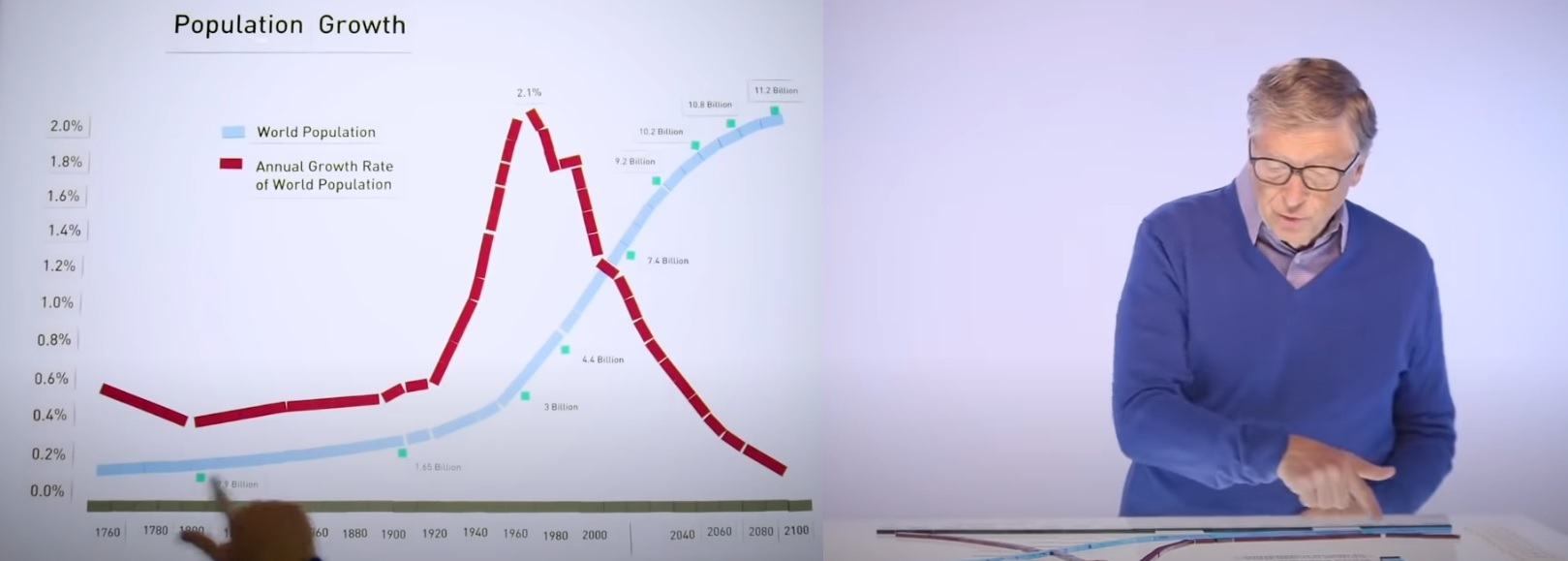
This is an approximation. In summary, while estimates vary, 0.5–1% is a commonly cited range for transgender individuals in Western countries, with potential increases as societal acceptance grows. This has been the goal of those who argue that reducing the population some believe is behind Bill Gates and the Rockefeller Foundation.
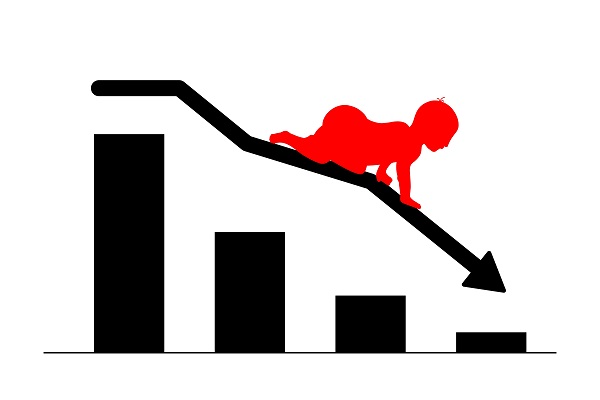
Then, there has been a major effort to tell the youth that having children is bad, and we need to reduce the birth rates to save the planet. These advocates have ZERO understanding of the implications that are significant for future population structures and economic stability. This issue alone undermines pension funds. Yes, birth rates have been declining in the West and Japan, driven by this brainwashing narrative, but also the rise in taxation that has reduced the economic prospects for the youth, so they also believe that they cannot afford children. Here’s a structured overview of a major crisis that is starting to show its teeth:
Japan
Trends:
Japan’s total fertility rate (TFR) has been below replacement level (2.1) since the 1970s. In 2023, it hit a record low of 1.26.
The population is rapidly aging, with over 28% aged 65+ as of 2023.
Causes:
Long working hours, high cost of living, and limited work-life balance.
Traditional gender roles and corporate culture that hinder women’s career progression post-childbirth.
Declining marriage rates and delayed family formation.
Government Responses:
Subsidies for childcare, parental leave policies, and cash incentives for births, but with minimal impact.
Western Countries
Europe:
TFR Averages: EU-wide TFR is 1.5 (2023). Southern Europe (Italy, Spain: 1.3) and Eastern Europe (e.g., Poland: ~1.4) are lower, while France (1.8) and Sweden (1.7) fare better.
Causes: High childcare costs, career prioritization, urbanization, and delayed parenthood.
Policies: Generous parental leave (e.g., Sweden) and subsidized childcare (e.g., France) help, but don’t restore replacement levels.
United States:
TFR dropped to 1.64 in 2020 (CDC data), down from 2.0 in 2007.
Causes: Rising costs of education/childcare, shifting priorities toward career/individual freedom, and reduced teen pregnancies.
Other Western Nations:
Canada and Australia: TFRs 1.5–1.6, similar to the U.S.
Common Drivers Across Regions
Economic Factors: High costs of housing, education, and childcare deter larger families.
Social Shifts: Greater gender equality, women’s education/workforce participation, and delayed marriage/childbearing.
Cultural Changes: Preference for smaller families, individualism, and urban lifestyles.
Policy Gaps: Inadequate support for working parents despite some progressive measures.
Consequences
Aging Populations: Strain on pensions, healthcare, and labor markets.
Economic Stagnation: Shrinking workforces and reduced consumer demand.
Immigration Reliance: The US and Europe wrongly opened their borders, believing that this would offset declines with immigration (e.g., U.S., Germany), while Japan resists this, worsening its demographic crisis.
COVID-19 Vaccines Reduced Fertility
The West and Japan face sustained fertility declines, with Japan experiencing the most acute challenges. While policy interventions mitigate some effects, the reversal of trends remains elusive, necessitating adaptive strategies for aging societies. Swissmedic did report, “Several countries have observed changes in birth rate that have a correlation in time with the pandemic and the vaccination roll-out.” Of course, every study rejects this, but that too would be expected when funding comes from pharmaceutical companies, and governments will NEVER admit a mistake. Thus, we lack the data to show a direct link, but we also have no idea if there are long-term implications from these new computer-created vaccines.
Posted originally on CTH on April 18, 2025 | Sundance
The New York Times are claiming the team around El Salvador President Nayib Bukele set up the photo-op with margaritas in order to embarrass Maryland Senator Van Hollen. Even if they did, it’s still funny.
“Kilmar Abrego Garcia, miraculously risen from the “death camps” & “torture”, now sipping margaritas with Sen. Van Hollen in the tropical paradise of El Salvador!” ~ Nayib Bukele
White House Senior Policy Advisor and Deputy Chief of Staff, Stephen Miller, responded to press questions about Garcia earlier this afternoon. Video Below:
Posted originally on CTH on April 18, 2025 | Sundance
Earlier today, President Trump held the swearing-in ceremony for Dr. Mehmet Oz to be Administrator of the Centers for Medicare and Medicaid Services along with Secretary of HHS Robert F Kennedy Jr. Following the ceremony President Trump took questions from the media.
The first questions to President Trump encompass the remarks by Secretary of State Marco Rubio about walking away from peace negotiations in the Ukraine-Russia conflict if the EU/UK and NATO participants do not get serious about stopping the bloodshed. The Q&A segment begins at 13:42 (prompted) WATCH:
Posted originally on CTH onApril 18, 2025 | Sundance
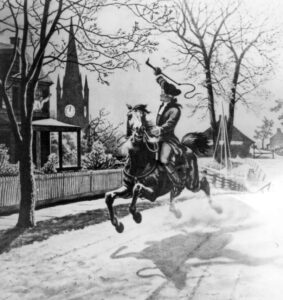
Two hundred fifty years ago tonight Paul Revere rode into history, intent on warning John Hancock and Sam Adams of the British intent to arrest them.
Patriots’ Day, April 18/19 1775…
A friend once asked: “How do you celebrate Patriots’ Day?” Which, perhaps, should spur me to share my own thoughts on this day of consequence.
Many are familiar with the poem Paul Revere’s Ride, however, far fewer know that Paul Revere actually memorialized the events of the April 18 and 19, 1775, in an eight-page letter written several years later.
Each Patriots’ Day I remind myself to read his letter from a copy handed down, and I think about how Paul Revere was really just a common man of otherwise undue significance…. yet, capable to the task at hand.
To me everything about the heart of Revere, which you can identify within his own writing, is what defines an American ‘patriot’.
There is no grand prose, there is no outlook of being a person of historical significance, there is just a simple recollection of his involvement, an ordinary man in extraordinary times.
Unsure if anyone else would enjoy I have tracked down an on-line source for sharing and provide a transcript below (all misspelling is with the original).
Paul Revere personally recounts his famous ride. – In this undated letter, Paul Revere summarizes the activities surrounding his famous ride on 18 April 1775. He recounts how Dr. Joseph Warren urged him to ride to Lexington to warn John Hancock and Samuel Adams of British troop movements. He arranged to signal the direction of the troops with lanterns from Old North Church, and then had friends row him across the Charles River borrowing a horse for his ride.
Revere wrote this letter at the request of Jeremy Belknap, corresponding secretary of the Massachusetts Historical Society. Revere signed his name to the letter but then wrote above it, “A Son of Liberty of the year 1775”, and beside it, “do not print my name.” Nonetheless, the MHS included Revere’s name when it printed the letter in 1798.
Having a little leisure, I wish to fullfill my promise, of giving you some facts, and Anecdotes, prior to the Battle of Lexington, which I do not remember to have seen in any history of the American Revolution.
In the year 1773 I was imployed by the Select men of the Town of Boston to carry the Account of the Destruction of the Tea to New-York; and afterwards, 1774, to Carry their dispatches to New-York and Philadelphia for Calling a Congress; and afterwards to Congress, several times.* [This asterisk points to a note in the left margin written by Jeremy Belknap: “Let the narrative begin here.” ]
In the Fall of 1774 & Winter of 1775 I was one of upwards of thirty, cheifly mechanics, who formed our selves in to a Committee for the purpose of watching the Movements of the British Soldiers, and gaining every intelegence of the movements of the Tories.
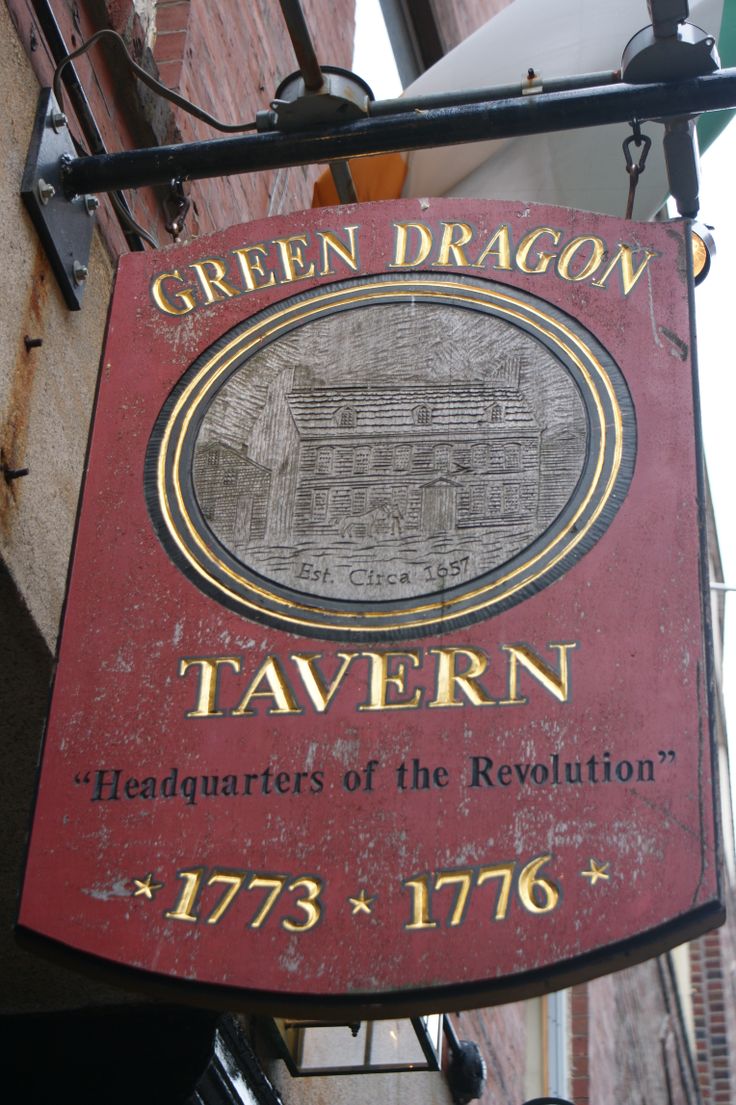
We held our meetings at the Green-Dragon Tavern. We were so carefull that our meetings should be kept Secret; that every time we met, every person swore upon the Bible, that they would not discover any of our transactions, But to Messrs. Hancock, Adams, Doctors Warren, Church, & one or two more.
About November, when things began to grow Serious, a Gentleman who had Conections with the Tory party, but was a Whig at heart, aquainted me, that our meetings were discovered, & mentioned the identical words that were spoken among us the Night before. We did not then distrust Dr. Church, but supposed it must be some one among us.
We removed to another place, which we thought was more secure: but here we found that all our transactions were communicated to Governor Gage. (This came to me through the then Secretary Flucker; He told it to the Gentleman mentioned above).
It was then a common opinion, that there was a Traytor in the provincial Congress, & that Gage was posessed of all their Secrets. (Church was a member of that Congress for Boston.) In the Winter, towards the Spring, we frequently took Turns, two and two, to Watch the Soldiers, By patroling the Streets all night.
The Saturday Night preceding the 19th of April, about 12 oClock at Night, the Boats belonging to the Transports were all launched, & carried under the Sterns of the Men of War. (They had been previously hauld up & repaired). We likewise found that the Grenadiers and light Infantry were all taken off duty.
[Page 2]
From these movements, we expected something serious was [to] be transacted. On Tuesday evening, the 18th, it was observed, that a number of Soldiers were marching towards the bottom of the Common.
About 10 o’Clock, Dr. Warren Sent in great haste for me, and beged that I would imediately Set off for Lexington, where Messrs. Hancock & Adams were, and acquaint them of the Movement, and that it was thought they were the objets. When I got to Dr. Warren’s house, I found he had sent an express by land to Lexington – a Mr. Wm. Daws.
The Sunday before, by desire of Dr. Warren, I had been to Lexington, to Mess. Hancock and Adams, who were at the Rev. Mr. Clark’s. I returned at Night thro Charlestown; there I agreed with a Col. Conant, & some other Gentlemen, in Charleston, that if the British went out by Water, we would shew two Lanthorns in the North Church Steeple; if by Land, one, as a Signal; for we were aprehensive it would be dificult to Cross the Charles River, or git over Boston neck.
I left Dr. Warrens, called upon a friend, and desired him to make the Signals. I then went Home, took my Boots and Surtout, and went to the North part of the Town, where I had kept a Boat; two friends rowed me across Charles River, a little to the eastward where the Somerset Man of War lay.
It was then young flood, the Ship was winding, & the moon was Rising. They landed me on Charlestown side. When I got into Town, I met Col. Conant, several others; they said they had seen our signals. I told them what was Acting, & went to git me a Horse; I got a Horse of Deacon Larkin.
While the Horse was preparing, Richard Devens, Esq. who was one of the Committee of Safty, came to me, & told me, that he came down the Road from Lexington, after Sundown, that evening; that He met ten British Officers, all well mounted, & armed, going up the Road. I set off upon a very good Horse; it was then about 11 o’Clock, very pleasant. After I had passed Charlestown Neck, got nearly opposite where Mark was hung in chains, I saw two men on Horse back, under a Tree.
When I got near them, I discovered they were British officer. One tryed to git a head of Me, & the other to take me. I turned my Horse very quick, & Galloped towards Charlestown neck, and then pushed for the Medford Road. The one who chased me, endeavoring to Cut me off, got into a Clay pond, near where the new Tavern is now built. I got clear of him,
[Page 3]
and went thro Medford, over the Bridge, & up to Menotomy. In Medford, I awaked the Captain of the Minute men; & after that, I alarmed almost every House, till I got to Lexington.
I found Mrs. Messrs. Hancock & Adams at the Rev. Mr. Clark’s; I told them my errand, and inquired for Mr. Daws; they said he had not been there; I related the story of the two officers, & supposed that He must have been stopped, as he ought to have been there before me.
After I had been there about half an Hour, Mr. Daws came; after we refreshid our selves, we and set off for Concord, to secure the Stores, & there. We were overtaken by a young Docter Prescot, whom we found to be a high Son of Liberty. I told them of the ten officers that Mr. Devens mett, and that it was probable we might be stoped before we got to Concord; for I supposed that after Night, they divided them selves, and that two of them had fixed themselves in such passages as were most likely to stop any intelegence going to Concord.
I likewise mentioned, that we had better allarm all the Inhabitents till we got to Concord; the young Doctor much approved of it, and said, he would stop with either of us, for the people between that & Concord knew him, & would give the more credit to what we said.
We had got nearly half way. Mr Daws & the Doctor stoped to allarm the people of a House: I was about one hundred Rod a head, when I saw two men, in nearly the same situation as those officer were, near Charlestown. I called for the Doctor & Daws to come up; were two & we would have them in an Instant I was surrounded by four; – they had placed themselves in a Straight Road, that inclined each way; they had taken down a pair of Barrs on the North side of the Road, & two of them were under a tree in the pasture. The Docter being foremost, he came up; and we tryed to git past them; but they being armed with pistols & swords, they forced us in to the pasture; -the Docter jumped his Horse over a low Stone wall, and got to Concord.
[Page 4]
I observed a Wood at a Small distance, & made for that. When I got there, out Started Six officers, on Horse back, and orderd me to dismount;-one of them, who appeared to have the command, examined me, where I came from, & what my Name Was? I told him. it was Revere, he asked if it was Paul? I told him yes He asked me if I was an express? I answered in the afirmative. He demanded what time I left Boston? I told him; and added, that their troops had catched aground in passing the River, and that There would be five hundred Americans there in a short time, for I had alarmed the Country all the way up.
He imediately rode towards those who stoppd us, when all five of them came down upon a full gallop; one of them, whom I afterwards found to be Major Mitchel, of the 5th Regiment, Clapped his pistol to my head, called me by name, & told me he was going to ask me some questions, & if I did not give him true answers, he would blow my brains out.
He then asked me similar questions to those above. He then orderd me to mount my Horse, after searching me for arms. He then orderd them to advance, & to lead me in front. When we got to the Road, they turned down towards Lexington. When we had got about one Mile, the Major Rode up to the officer that was leading me, & told him to give me to the Sergeant. As soon as he took me, the Major orderd him, if I attempted to run, or any body insulted them, to blow my brains out.
We rode till we got near Lexington Meeting-house, when the Militia fired a Voley of Guns, which appeared to alarm them very much. The Major inquired of me how far it was to Cambridge, and if there were any other Road? After some consultation, the Major
[Page 5]
Major Rode up to the Sargent, & asked if his Horse was tired? He told answered him, he was – (He was a Sargent of Grenadiers, and had a small Horse) – then, said He, take that man’s Horse. I dismounted, & the Sargent mounted my Horse, when they all rode towards Lexington Meeting-House.
I went across the Burying-ground, & some pastures, & came to the Revd. Mr. Clark’s House, where I found Messrs. Hancok & Adams. I told them of my treatment, & they concluded to go from that House to wards Woburn. I went with them, & a Mr. Lowell, who was a Clerk to Mr. Hancock.
When we got to the House where they intended to stop, Mr. Lowell & I my self returned to Mr. Clark’s, to find what was going on. When we got there, an elderly man came in; he said he had just come from the Tavern, that a Man had come from Boston, who said there were no British troops coming. Mr. Lowell & myself went towards the Tavern, when we met a Man on a full gallop, who told us the Troops were coming up the Rocks.
We afterwards met another, who said they were close by. Mr. Lowell asked me to go to the Tavern with him, to a git a Trunk of papers belonging to Mr. Hancock. We went up Chamber; & while we were giting the Trunk, we saw the British very near, upon a full March.
We hurried to wards Mr. Clark’s House. In our way, we passed through the Militia. There were about 50. When we had got about 100 Yards from the meeting-House the British Troops appeard on both Sides of the Meeting-House. In their
[Page 6]
In their Front was an Officer on Horse back. They made a Short Halt; when I saw, & heard, a Gun fired, which appeared to be a Pistol. Then I could distinguish two Guns, & then a Continual roar of Musquetry; When we made off with the Trunk.
As I have mentioned Dr. Church, perhaps it might not be disagreeable to mention some Matters of my own knowledge, respecting Him. He appeared to be a high son of Liberty. He frequented all the places where they met, Was incouraged by all the leaders of the Sons of Liberty, & it appeared he was respected by them, though I knew that Dr. Warren had not the greatest affection for him. He was esteemed a very capable writer, especially in verese; and as the Whig party needed every Strenght, they feared, as well as courted Him.
Though it was known, that some of the Liberty Songs, which We composed, were parodized by him, in favor of the British, yet none dare charge him with it. I was a constant & critical observer of him, and I must say, that I never thought Him a man of Principle; and I doubted much in my own mind, wether He was a real Whig. I knew that He kept company with a Capt. Price, a half-pay British officer, & that He frequently dined with him, & Robinson, one of the Commissioners. I know that one of his intimate aquaintances asked him why he was so often with Robinson and Price? His answer was, that He kept Company with them on purpose to find out their plans.
The day after the Battle of Lexington, I came across met him in Cambridge, when He shew me some blood on his stocking, which he said spirted on him from a Man who was killed near him, as he was urging the Militia on. I well remember, that I argued with my self, if a Man will risque his life in a Cause, he must be a Friend to that cause; & I never suspected him after, till He was charged with being a Traytor.
[Page 7]
The same day I met Dr. Warren. He was President of the Committee of Safety. He engaged me as a Messinger, to do the out of doors business for that committee; which gave me an opportunity of being frequently with them.
The Friday evening after, about sun set, I was sitting with some, or near all that Committee, in their room, which was at Mr. Hastings’s House at Cambridge. Dr. Church, all at once, started up – Dr. Warren, said He, I am determined to go into Boston tomorrow – (it set them all a stairing) – Dr. Warren replyed, Are you serious, Dr. Church? they will Hang you if they catch you in Boston. He replyed, I am serious, and am determined to go at all adventures.
After a considerable conversation, Dr. Warren said, If you are determined, let us make some business for you. They agreed that he should go to git medicine for their & our Wounded officers. He went the next morning; & I think he came back on Sunday evening.
After He had told the Committee how things were, I took him a side, & inquired particularly how they treated him? he said, that as soon as he got to their lines on the Boston Neck, they made him a prisoner, & carried him to General Gage, where He was examined, & then He was sent to Gould’s Barracks, & was not suffered to go home but once.
After He was taken up, for holding a Correspondence with the Brittish, I came a Cross Deacon Caleb Davis;-we entred into Conversation about Him;-He told me, that the morning Church went into Boston, He (Davis) received a Bilet for General Gage-(he then did not know that Church was in Town)-When he got to the General’s House, he was told, the General could not be spoke with, that He was in private with a Gentleman; that He waited near half an Hour,-When General Gage & Dr. Church came out of a Room, discoursing together, like
[Page 8]
like persons who had been long aquainted. He appeared to be quite surprized at seeing Deacon Davis there; that he (Church) went where he pleased, while in Boston, only a Major Caine, one of Gage’s Aids, went with him.
I was told by another person whom I could depend upon, that he saw Church go in to General Gage’s House, at the above time; that He got out of the Chaise and went up the steps more like a Man that was aquainted, than a prisoner.
Sometime after, perhaps a Year or two, I fell in company with a Gentleman who studied with Church -in discoursing about him, I related what I have mentioned above; He said, He did not doubt that He was in the Interest of the Brittish; & that it was He who informed Gen. Gage That he knew for Certain, that a Short time before the Battle of Lexington, (for He then lived with Him, & took Care of his Business & Books) He had no money by him, and was much drove for money; that all at once, He had several Hundred New Brittish Guineas; and that He thought at the time, where they came from.
Thus, Sir, I have endeavoured to give you a Short detail of some matters, of which perhaps no person but my self have have documents, or knowledge. I have mentioned some names which you are aquainted with: I wish you would Ask them, if they can remember the Circumstances I alude to.
I have created this site to help people have fun in the kitchen. I write about enjoying life both in and out of my kitchen. Life is short! Make the most of it and enjoy!
This is a library of News Events not reported by the Main Stream Media documenting & connecting the dots on How the Obama Marxist Liberal agenda is destroying America