Posted originally on Mar 26, 2026 by Martin Armstrong |
Seabed 2030 is a global initiative launched in 2017 by the Nippon Foundation and GEBCO, operating under the International Hydrographic Organization and UNESCO’s Intergovernmental Oceanographic Commission, with the stated goal of mapping the entire ocean floor by 2030 and compiling that data into a single global grid, drawing on governments, private industry, academic institutions, and international agencies to build what is effectively the most comprehensive database of the seabed ever attempted.
I discussed how China is actively mapping the ocean floor for wartime data. The funding for Seabed 2030comes from a handful of powerful institutions, governments, and globalist agencies. The primary financial backing comes from Japan’s Nippon Foundation, which committed tens of millions of dollars to initiate the project and continues to fund its operations through structured payments distributed via the International Hydrographic Organization. Additional support comes from government agencies such as NOAA, international bodies like UNESCO under the UN Ocean Decade framework, and a growing network of corporate and philanthropic partners including Fugro, Schmidt Ocean Institute, and other private-sector contributors that provide vessels, technology, and data collection capabilities, creating a hybrid system where public, private, and international governance structures converge around a single dataset.
People are told this is about science, climate, and sustainability. Yet, when you follow the project’s structure and the concentration of funding and control, it becomes clear that this is not simply research. Still, the construction of a global information system managed through institutions that are not accountable to any single electorate, which is always how these initiatives are framed when they are intended to operate above national jurisdiction.
The scale alone should raise attention because this is not incremental research but a rapid buildout of strategic infrastructure, with ocean floor mapping increasing from roughly 6 percent at the project’s inception to over 27 percent by 2025, representing millions of square kilometers of newly mapped terrain in a short period, which demonstrates coordinated acceleration rather than passive discovery.
What is never emphasized is that seabed data is not neutral, because it has direct military application. China is conducting similar mapping operations specifically to prepare for submarine warfare, since understanding seabed topography, currents, and acoustic conditions determines submarine stealth, detection, and positioning, meaning that whoever possesses the most detailed mapping controls the underwater domain in any future conflict.
At the same time, nearly all global communications rely on subsea cables and critical energy infrastructure runs across the ocean floor, so mapping the seabed is also about identifying and potentially controlling the arteries of the global economy, which transforms what is presented as environmental mapping into strategic intelligence.
The structure of this project follows a familiar model where governments, multinational corporations, NGOs, and “philanthropic foundations” are integrated into a single framework, with data centralized into global repositories such as the GEBCO grid, which gradually shifts influence toward those who define standards, control access, and determine how that data is used, and history shows that once such centralized systems are established, their function expands beyond their original stated purpose.
I have said many times that global initiatives are rarely built for one reason, and this is no different, because the same data being marketed for climate modeling, biodiversity, and the so-called blue economy is also the foundation for military planning, resource exploration, and infrastructure control, and in a period where geopolitical tensions are rising into what the ECM has identified as a war cycle, it is naive to assume that mapping the entire seabed is purely humanitarian.
This is not simply about science or climate, but about building the informational foundation for the next phase of global power, where control of the seabed will influence military positioning, communications, energy systems, and ultimately economic dominance, and once that infrastructure is complete, the justification for how it is used will follow as it always has throughout history.
Posted originally on Mar 26, 2026 by Martin Armstrong |
The latest data confirms what we have been building toward for months, as mortgage demand has now dropped sharply with interest rates rising to their highest levels since October, with the Mortgage Bankers Association reporting that the average 30-year fixed mortgage rate climbed to 6.43% and total application activity fell 10.5% in a single week, including a 14.6% collapse in refinancing and a 5.4% decline in purchase applications, which reflects not just a slowdown but a clear contraction in housing demand.
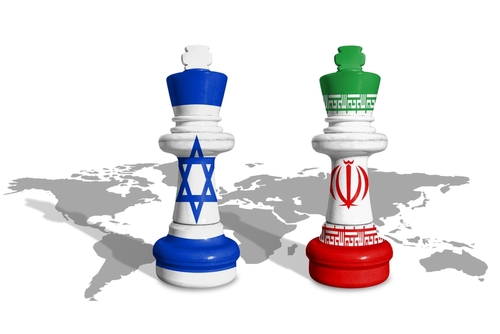
This is not happening in isolation because mortgage rates are tied directly to the 10-year Treasury, which has surged alongside oil prices as the war environment intensifies, with crude rising from roughly $75 to $100 per barrel following the escalation with Iran and the disruption of flows through the Strait of Hormuz, which in turn has pushed yields higher and forced markets to abandon expectations of rate cuts this year.
What you are witnessing is exactly what I have warned about repeatedly, where geopolitical events drive capital flows and interest rates far more than domestic policy decisions, and the idea that central banks control the economy is once again being exposed as a myth because the Federal Reserve cannot lower rates when inflation pressures are being driven externally through energy markets and war.
The housing market is always one of the first places this shows up because it is the most interest rate sector of the economy, and when rates rise even modestly, affordability collapses, which is why we are seeing buyers step back and refinancing vanish almost immediately. There is no incentive to refinance at higher rates and no ability for new buyers to justify elevated monthly payments.
At the same time, beneath the surface there are clear signs of stress building, as searches for “help with mortgage” have surged to levels even higher than the 2008 financial crisis, indicating that while defaults have not yet exploded, the concern among homeowners is rising rapidly due to higher costs across the board, from energy to insurance to taxes, which are all squeezing disposable income.
This is how a cycle turns because it does not begin with mass defaults but with declining confidence and rising anxiety, which then translates into reduced demand, slower transactions, and eventually price pressure as the market adjusts to a new reality.
Even when rates decline slightly, demand has remained weak because the underlying issue is not just rates but affordability and economic uncertainty, with housing activity already sluggish for years and home prices still elevated relative to income, meaning that the system has been stretched and is now vulnerable to external shocks.
Posted originally on Mar 26, 2026 by Martin Armstrong |
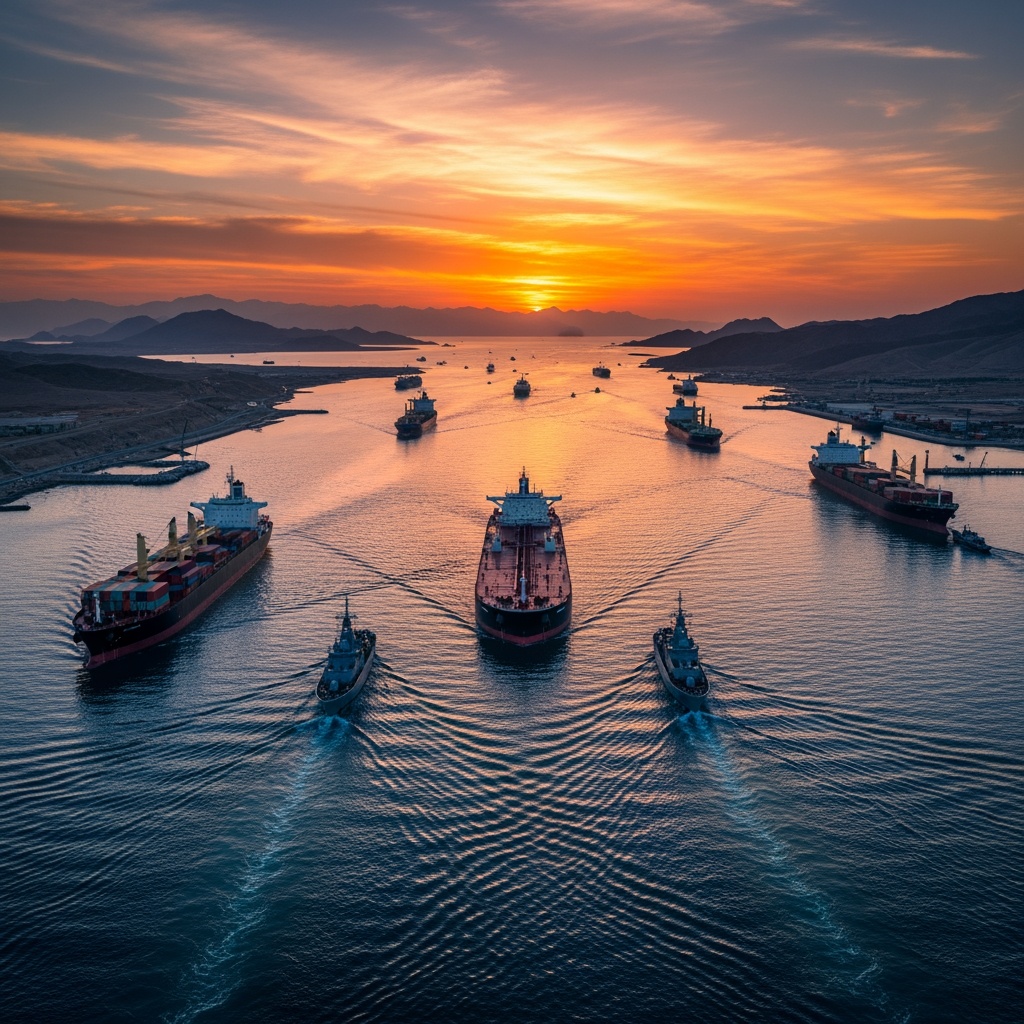
What is taking place in the Strait of Hormuz right now is not simply a disruption to shipping, but a transformation of a natural chokepoint into a political weapon, and this is exactly what history shows always happens when a strategic passage falls under the control of a single power during a period of war.
Iran has now effectively asserted control over the Strait, restricting access, threatening vessels, and even considering or reportedly imposing transit fees on tankers, with some reports indicating charges as high as $2 million per vessel for passage, which turns one of the most critical points of global trade into a toll route under geopolitical control rather than a neutral international waterway.
Roughly 20% the world’s oil supply passes through this narrow channel, along with a substantial portion of global liquefied natural gas, meaning any disruption immediately impacts energy markets, inflation, and ultimately the global economy.
What has unfolded is not just tension but a near shutdown, with ship traffic collapsing, vessels being attacked, insurance costs surging, and many operators refusing to transit altogether due to the risk of drones, mines, and missile strikes, while others only pass under specific conditions approved by Iran, often tied to political alignment.
Iran has made it clear that access is no longer unconditional, stating that only “non-hostile” vessels may pass. This introduces a new dimension in which global trade is filtered through geopolitical loyalty.
Now add the idea of a transit tax and you begin to see the real picture, because this is no longer just about restricting access but monetizing control, turning geography into revenue while simultaneously exerting leverage over nations dependent on energy flows. This is precisely how strategic chokepoints have been used throughout history from the Suez Canal to the Bosporus.
Events of this nature drives volatility, because when a critical supply route becomes unstable, capital begins to shift rapidly into safe havens. Inflationary pressures build, hence why you are seeing immediate reactions across global markets as oil surges and bond yields follow.
The key point is that this is not temporary in the way the press tends to frame it, because once a chokepoint is weaponized, it never fully returns to neutrality, since the precedent has been set that access can be restricted, priced, or controlled based on political conditions, and that permanently alters the risk calculation for global trade.
This also exposes the fragility of the entire system. A single narrow passage can disrupt nearly a fifth of the global energy supply, showing how concentrated and vulnerable the system has become.
Controlling trade routes has always been one of the most powerful tools in geopolitical conflict, and once that tool is actively deployed, it indicates that the situation has moved beyond rhetoric into structural change.
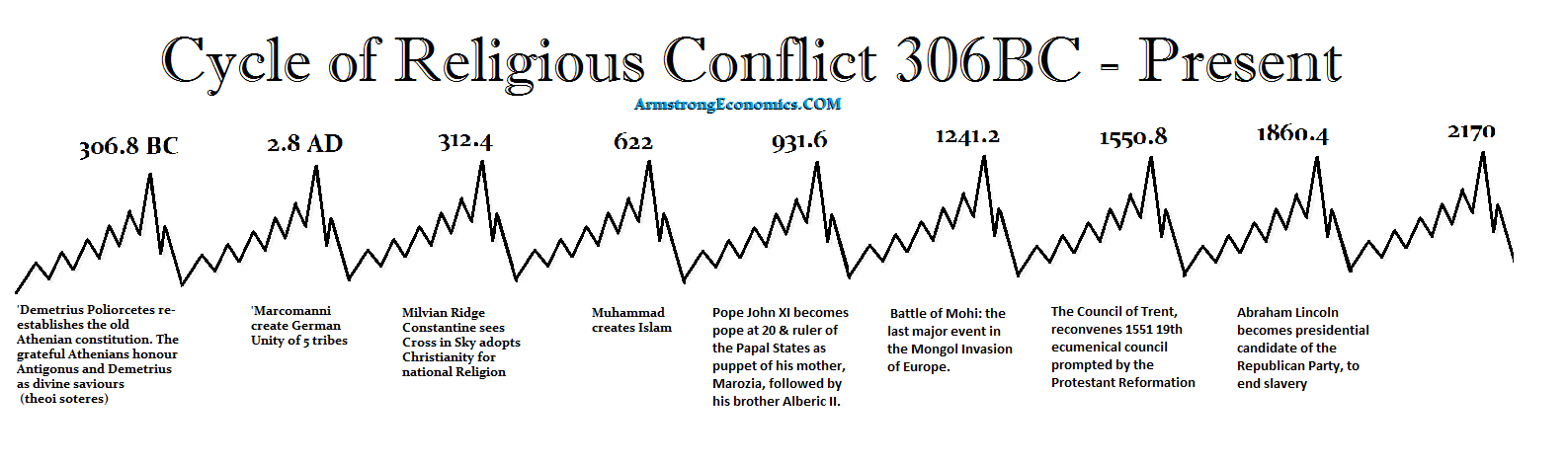
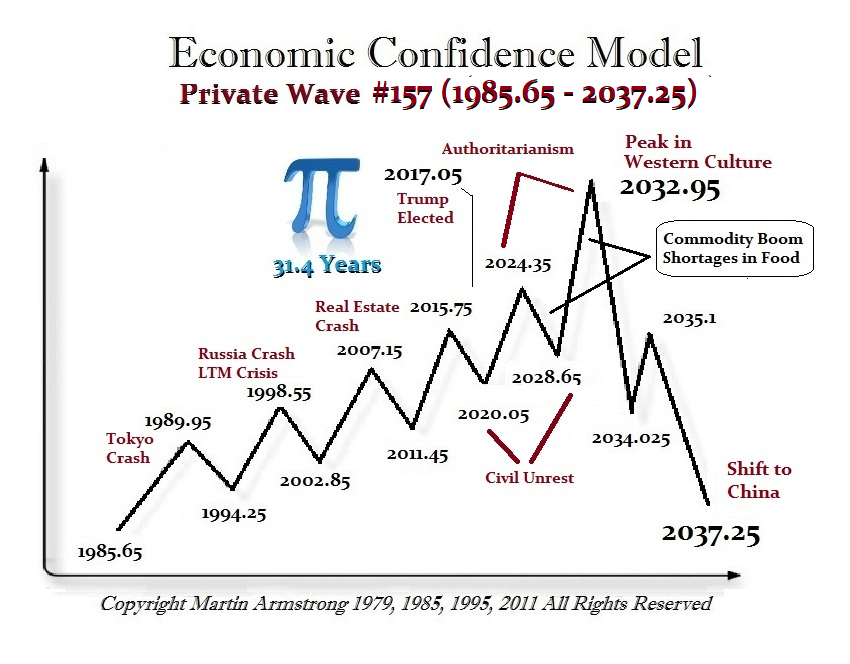
QUESTION: I understand that Socrates is projecting the future from historical data. It is not your personal opinion and you do not incorporate prophecy since each religion also has different stories of end days. I am just curious, Socrates with all the arrays are projecting 2032 as does your Economic Confidence Model. It appears looking at the arrays across the board, they have predicted this war with amazing accuracy and they did in picking Ukraine more than a year in advance and the October 7 Hammas attack on Israel. You have Iran peaking out in 2027 and Israel looking rather grim post-2028. Since you see this Armageddon unfolding not as divine will, but deliberate human intervention, does that make 2032 the fulfillment of these prophecies?
Richard
ANSWER: This is a question that I have always found challenging. Can a prophecy be fulfilled because people deliberately attempt to force it to take place? History is filled with periods where the belief in an imminent, world-ending battle of Armageddon has surged, often during times of profound social crisis, war, or religious upheaval. These “rising beliefs” are usually not isolated but are part of broader apocalyptic and millenarian movements. However, the first record of such a final battle is not from the Bible, but from Iran – Persia.
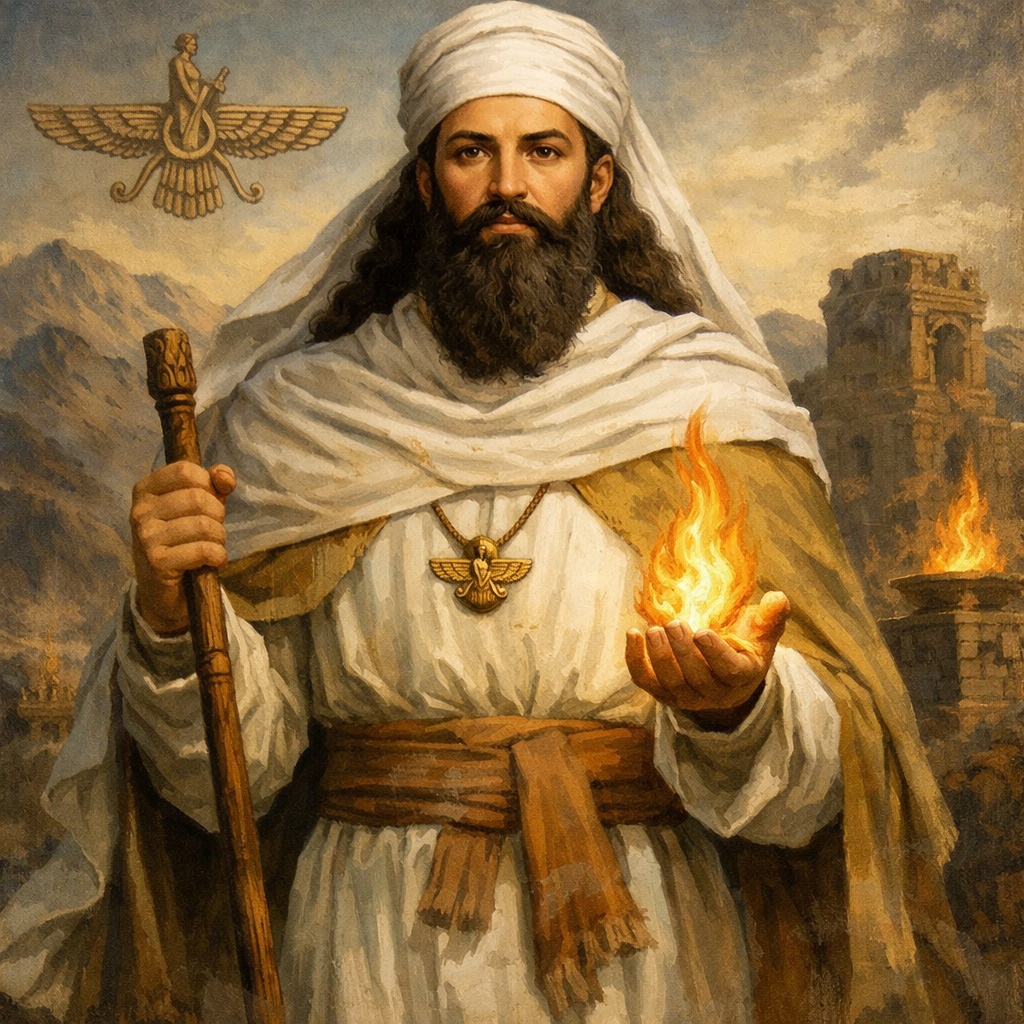
The core concept of a final cosmic battle has ancient roots. Many historians trace this worldview back to the Persian prophet Zoroaster (around 1500 BC), who spoke of a cosmic struggle between good and evil ending in a perfect new world. This idea deeply influenced Jewish thought during times of great oppression, such as the Babylonian exile and the persecution by Greek rulers. The Book of Daniel (written around 167 BC) is a key text from this period, promising that God would soon overthrow the evil kingdoms oppressing the Jews. Early Christianity emerged from this same apocalyptic Jewish context, with followers believing Jesus’s return was imminent.
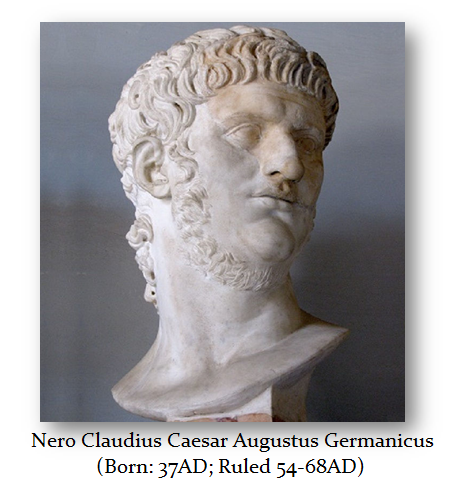
Some early Christians called Nero (54-68AD) the Antichrist because his brutal persecution of Christians as the scapegoat blaming them for the great fire of Rome in 64AD. After the Great Fire of Rome, Nero drastically reduced the silver purity of coins to fund reconstruction . This severe economic crisis and debasement fueled unrest and was interpreted by early Christians as a sign of a corrupt world power, fitting the profile of the “beast” from Revelation. There was even the claim that he would return from the dead, and a possible hidden code in the Book of Revelation (the number 666) made him fit the profile of the ultimate evil figure predicted in the Bible. Nero’s full Greek and Latin name was Neron Caesar. In Hebrew, it is written as נרון קסר (Nron Qsr). Adding the numerical value of the shorten name Nero with Caesar equaled 666. This was a popular among some early Christians.
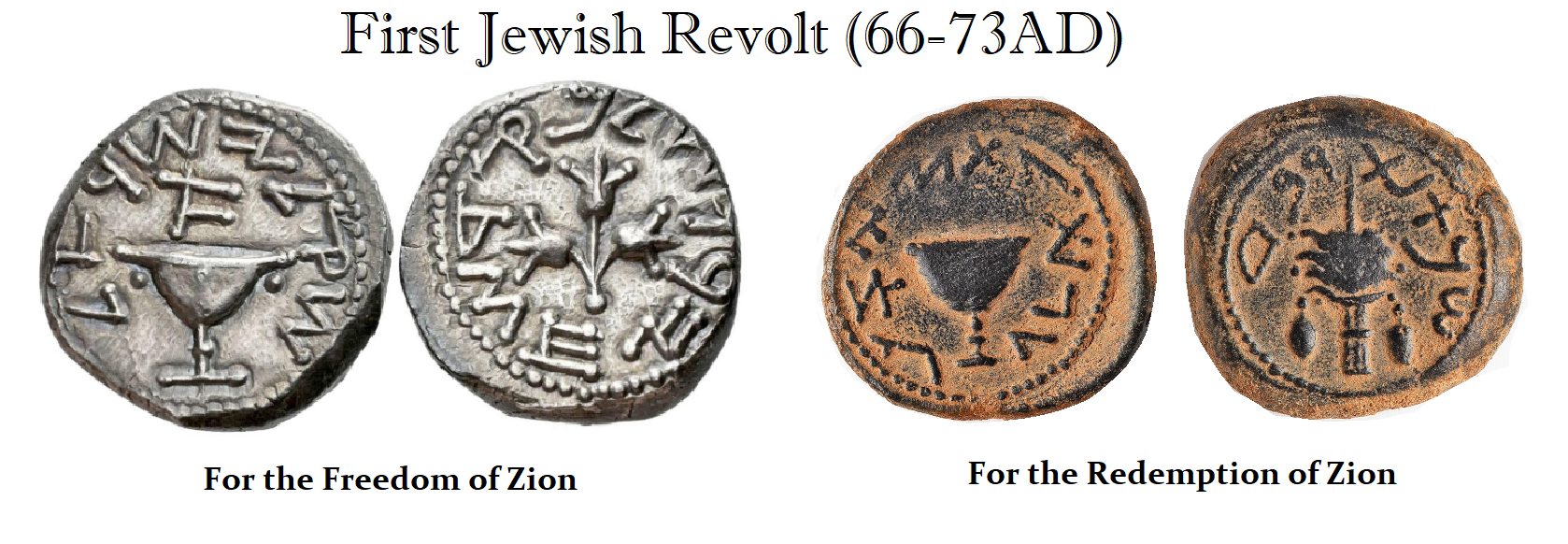
The Jewish Rebellion 69-73AD saw Jewish silver coins issued displaying a chalice with the Paleo-Hebrew inscription “For the Redemption of Zion.” The reverse was a lulav (palm frond) and etrog (citron) used in Sukkot. They were minted during the Roman siege of Jerusalem, just before the Temple’s destruction. The inscription shifted from earlier coins reading “For the Freedom of Zion” to “Redemption,” reflecting a shift from political hope to a desperate prayer for divine, messianic salvation as the end drew near. “For the Redemption of Zion” coins are direct archaeological evidence of a population actively anticipating the end as they knew it.
The Early Middle Ages (c. 400–1050 AD) Fall of the Western Roman Empire, rise of Islam, political instability A dominant force in politics and religion; belief in the coming Antichrist and Last World Emperor. Recent scholarship shows that apocalyptic expectation was a powerful part of mainstream political ideologies for centuries. There was a genuine expectation surrounding the first millennium after Christ. In 999AD, Pope Sylvester II presided over a dramatic midnight mass in Rome as pilgrims trembled, anticipating the end.
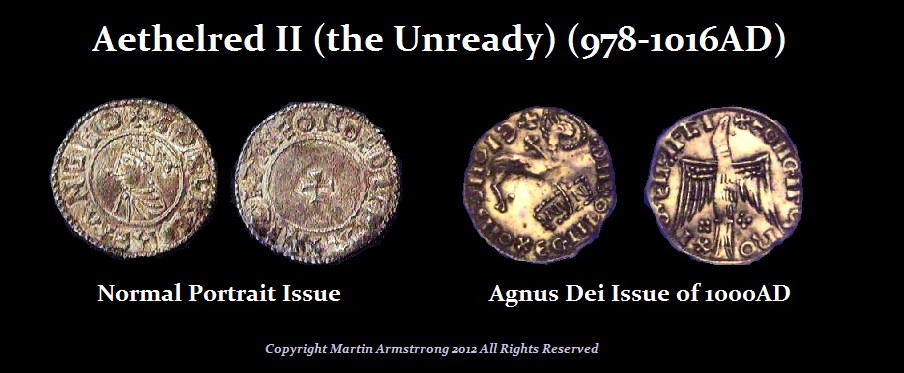
The “Agnus Dei” silver penny was a unique moment in English history—a king setting aside his own image to plead for heavenly help during a national emergency. King Æthelred II did issue the remarkable “Agnus Dei” penny that replaced his portrait with the Lamb of God, This coin is one of the rarest and most unusual in English history. Instead of a portrait of the king, the front side (obverse) depicts the Agnus Dei (Lamb of God), and the back (reverse) shows a dove, representing the Holy Spirit.
The Millennium Theory has been argued that people in 1000 AD feared the end of the world was approaching because who;le numbers often have psychological impact. Some religious scholars speculated on the date of a widespread religious anticipation. Æthelred’s coin was a practical and spiritual weapon. Yet it has also been argued that it was issued against a very real invasion by the Viking army of 1009. They speculate that the coin was minted around Michaelmas (September 29th) in 1009, nearly a decade after the year 1000. It was created during a moment of extreme national crisis when a massive Viking army led by Thorkell the Tall invaded England. That made it a “Heavenly” Call to Action: In response, King Æthelred and his council met in Bath and initiated a program of national penance and prayer. It is believed to have intended to invoke divine intervention, essentially asking God to help the English when earthly measures were failing. Removing the king’s portrait to feature only religious imagery was a radical sign of humility and desperation.
High & Late Middle Ages (11th–16th Century) Social upheaval, economic inequality, Crusades, plague Revolutionary movements led by “rootless poor”; belief they were the saints destined to destroy the Antichrist.
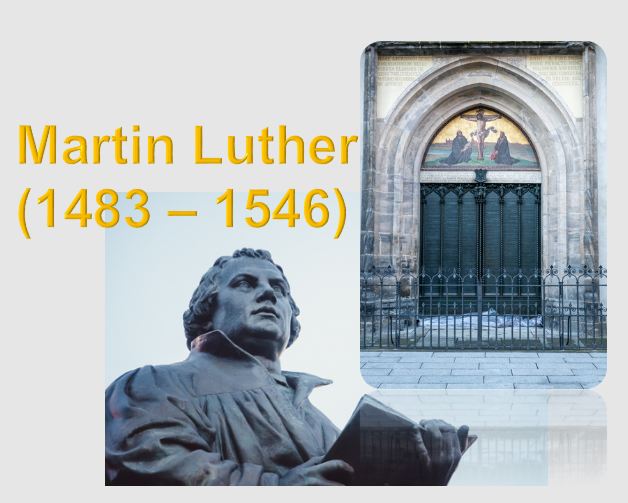
Many Protestant Reformers, including Martin Luther, John Calvin, and Thomas Cranmer, identified the Pope as the Antichrist. This claim was a formal accusation rooted in their interpretation of Scripture and a reaction to what they saw as a systemic abuse of power within the medieval Church. The Reformers believed the papacy matched the biblical description of the Antichrist found in passages like 2 Thessalonians 2:3-4, which speaks of a “man of lawlessness” who “exalts himself above all that is called God.”
The famous claim that a pope fits the number 666, but unlike the case of Nero, this claim has been factually debunked and is based on prejudice. The idea centers on an unofficial Latin title for the pope, “Vicarius Filii Dei” (Vicar of the Son of God). Here is the calculation that some Protestant groups, particularly Seventh-day Adventists. The problem is that in Latin “U” is written as a “V” and there is no “W” either. Thus they calculated: V, I, C, I, V, I, L, I, I, D, I 5 + 1 + 100 + 1 + 5 + 1 + 50 + 1 + 1 + 500 + 1 666
The Protestant Reformation (16th–17th Century) The splitting of Western Christendom. In the Modern Era (19th–20th Century) World wars, Cold War tensions, the founding of Israel Rise of new denominations (e.g., Seventh-day Adventists, Jehovah’s Witnesses) focused on Bible prophecy and current events.
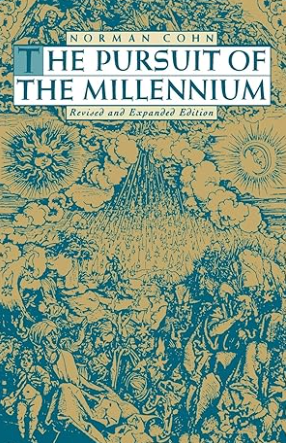
Norman Cohn’s classic work, The Pursuit of the Millennium, documents how, between the end of every millennium results in apocalyptic prophecies that merge with social revolt. Poor and disenfranchised groups formed revolutionary movements, convinced they were the saints destined to destroy the Antichrist and usher in a new, egalitarian world.
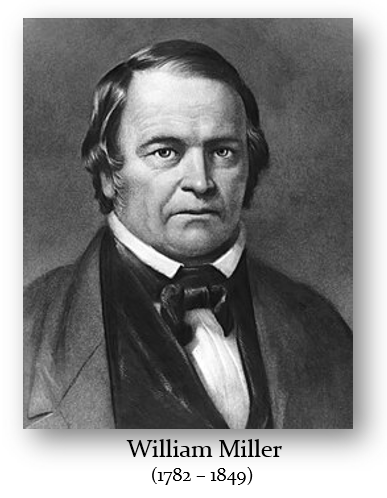
The 19th and 20th centuries saw a significant revival of end-times belief, often tied to world events that were interpreted as fulfilling biblical prophecy. In the 1840s, William Miller led a movement in America that predicted Christ’s return in 1844. When this “Great Disappointment” failed, it gave rise to the Seventh-day Adventist Church, which developed complex teachings on the end times and Armageddon.
During the 20th century Cold War, this provided a powerful fuel for apocalyptic speculation. The creation of Israel in 1948 was seen by many dispensationalist Christians as a key sign preceding Armageddon. The Cold War’s nuclear threat added a new dimension of plausibility, and publications like the Detroit Jewish News in 1983 noted that “prophets of doom” found a platform during these crises, with Armageddon “again on the agenda.”
Armageddon has remained a potent concept throughout history, surfacing powerfully during times of crisis when the existing order seems to be collapsing. We are in a global recessionary trend that varies. With this Iran War, the greatest impact on fuel will be Europe and Asia. The United States get about 3-5% of all fuel consumed from the Middle East. This is also why Saudi Ariba is cutting deals with China. We see tensions rising and we are looking at a Sovereign Debt Crisis even in the Middle East and Iran has shut down the Strait of Hormuz. We also see a serious debt crisis in Europe and all of this is coming to a head economically into 2032. So is this Armageddon? The computer does NOT show that this is the end of the world. However, we are looking for the power shift from the West to China.
Posted originally on Mar 25, 2026 by Martin Armstrong |
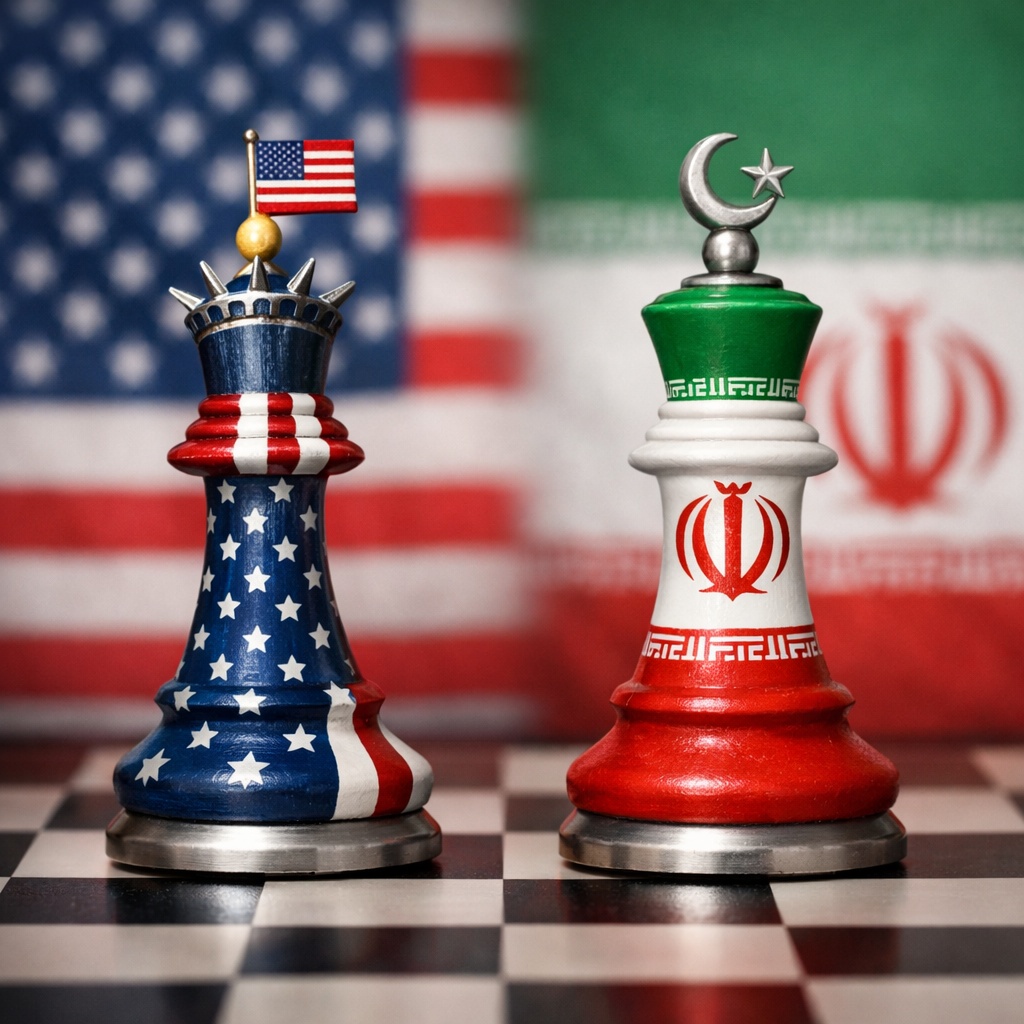
QUESTION: You were the first to say the US was going through Pakistan, and there was a 15-point plane. You also said no peace is possible. Iran just rejected Trump’s 15-point plan. You also commented that the markets were reflecting a protracted war. Do you see any hope whatsoever?
PD
ANSWER: Indeed, Iran said it rejected any US ceasefire proposal and maintained attacks on Israel and Gulf Arab states. They are in the driver’s seat, and they know it. Not just that they control the Strait of Hormuz, but aside from oil, 30% of the fertilizer goes through there, and as we move into planting season, Iran is also keenly aware that it can cause a food crisis.
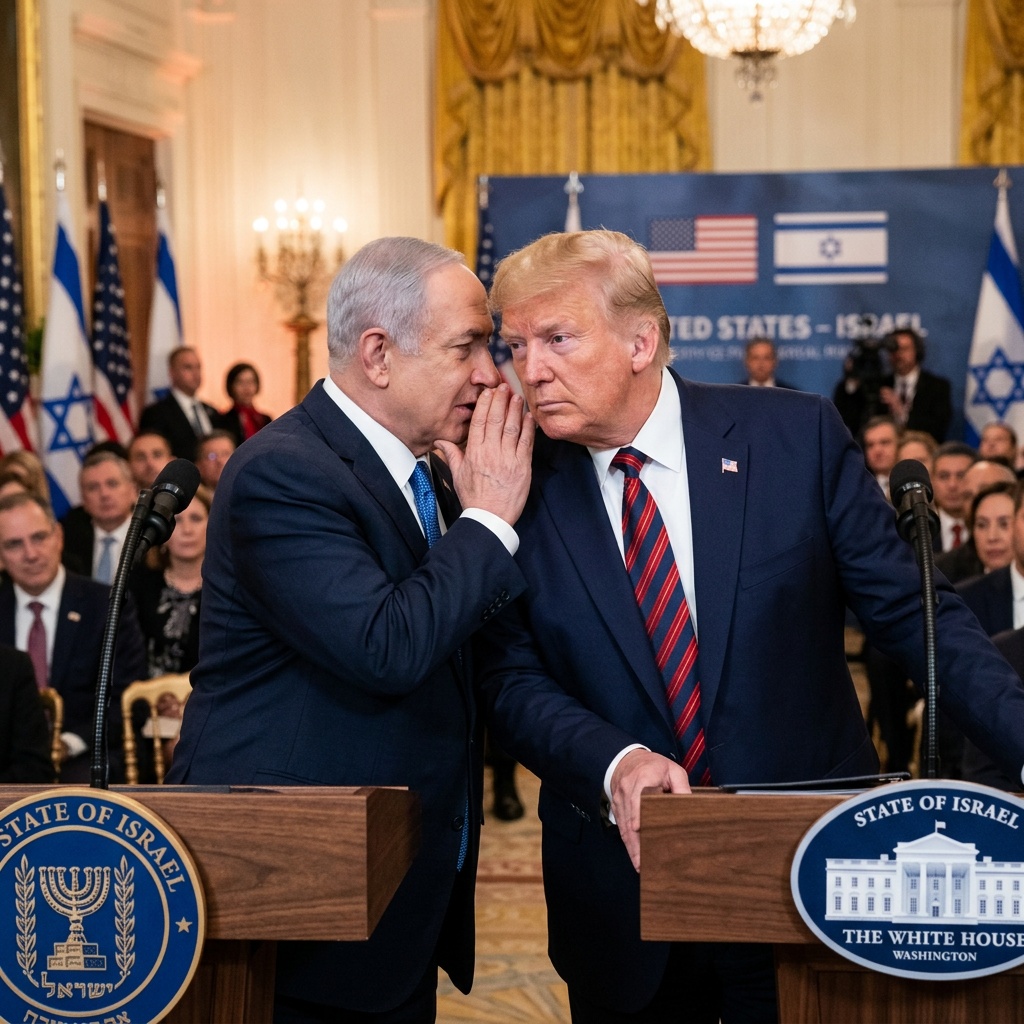
Look, I know the Neocon thinking process. They CANNOT think beyond the end of their nose and ALWAYS think they will win in a matter of days or weeks, simply because they control the largest military force. SIZE does not matter! They NEVER look at the other side. Iran would have to be insane to accept the 15-point plan, dealing a significant blow to Trump’s efforts to end a war that Netanyahu began suckering in Trump.
Trump’s 15-point peace plan stipulates that the Islamic Republic dismantle its main nuclear facilities and use a reduced missile arsenal in self-defense only, according to reliable sources, and Trump would lift sanctions. Tehran realizes that it cannot agree to a ceasefire when Netanyahu has any authority whatsoever. Iran wants guarantees that the US and Israel won’t resume their attacks, alongside reparations for war damages and recognition of its authority over the Strait of Hormuz.
In addition, Iran has REFUSED to even negotiate with Steve Witkoff or Trump’s son-in-law, Jared Kushner, both of whom are Jewish! For the life of me, why this dynamic duo would even dare to negotiate in the Middle is beyond me. This appears to be a very serious conflict of interest, regardless of whether it is true. Iran has insisted that it would deal only with J.D. Vance.
I believe Vice President J.D. Vance may travel to Pakistan for talks with Iran this weekend. Trump has said he hopes to reach an agreement by the end of the week. I would not hold my breath. Just as Netanyahu assassinated the Ayatollah and acted unilaterally, attacking their gas field, he does not care about the world economy, and CANNOT be trusted in any future peace deal. The only security Iran could possibly have is regime change in Israel, meaning Netanyahu is gone from the government.
When Allies Become Liabilities – Regime Change in Israel
What is perhaps more surprising and not yet in the press is that Netanyahu’s problems have intensified under the Trump administration, which was expected to provide unconditional support for his Iranian conquest. Recent sources report a deep frustration within Trump’s team regarding Netanyahu.
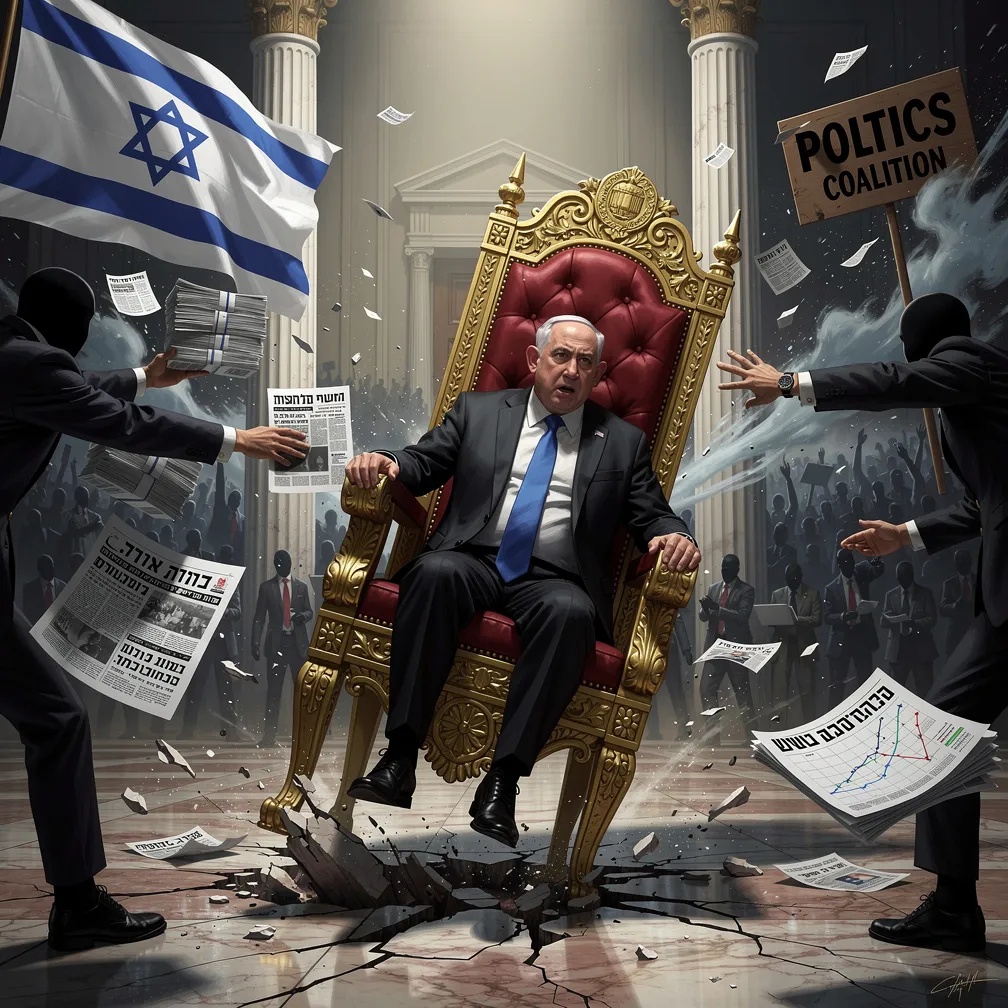
The question of Benjamin Netanyahu’s political survival and whether there is serious discussion about regime change in Israel represents one of the most sensitive and complex dynamics in current Middle Eastern geopolitics being discussed behind the curtain. The short answer is that there has been significant talk—both public and private—about the need for Netanyahu to be removed from power, and this discussion is coming not just from his domestic opponents but from surprising quarters, including elements within the American establishment, European governments, and even segments of the Israeli security apparatus.
But we must be precise about what we mean by “regime change.” This is not talk of military intervention or external overthrow. Rather, it is a discussion about using diplomatic pressure, conditioning aid and support, leveraging legal processes, and supporting domestic opposition to facilitate Netanyahu’s removal through ostensibly democratic means. The distinction matters, but the intention—removing a sitting leader perceived as an obstacle to broader policy objectives—is fundamentally the same.
Without Netanyahu’s removal, it is going to be extremely hard to convince Iran that Israel will not attack again or try to assassinate all of their leaders in another covert action.
Posted originally on CTH on March 25, 2026 | Sundance
The rebranded Lyndon LaRouche PAC has another good outline on the new strategic alliances assembled by President Trump as the ongoing conflict with Iran continues.
Susan Kokinda reviews how the United Kingdom and Europe have been sidelined as President Trump directly negotiates with key stakeholders in the middle east and Asia. Kokinda correctly notes the messaging from Russia indicates a strategic awareness that old systems are fracturing and the potential for new strategic alliances is rising.
“Susan Kokinda argues President Trump has opened a new diplomatic space to de-escalate the Iran conflict by working through a regional roster—Saudi Arabia, Egypt, Turkey, Pakistan, Gulf States, and back channels into Iran—while the U.K., EU, and NATO are absent and increasingly irrelevant. Citing reporting that ministers met in Riyadh and that Egypt, Turkey, and Oman carried messages, she says this “Board of Peace” architecture is isolating Iran and weakening its proxies, pointing to Lebanon’s move against Hezbollah, the Palestinian Authority’s condemnation of Iran, and Hamas considering disarmament. Kokinda links Europe’s exclusion to self-inflicted energy weakness from Green and anti-Russia policies, noting rushed LNG moves and a delayed Russian oil ban vote. She concludes Ukraine’s outlook darkens as Europe and Britain lack leverage, highlighting Zelenskyy’s scramble for support in London and Washington.” WATCH:
I have created this site to help people have fun in the kitchen. I write about enjoying life both in and out of my kitchen. Life is short! Make the most of it and enjoy!
This is a library of News Events not reported by the Main Stream Media documenting & connecting the dots on How the Obama Marxist Liberal agenda is destroying America