The Disease Cycle Turned Up – Next Peak 2022


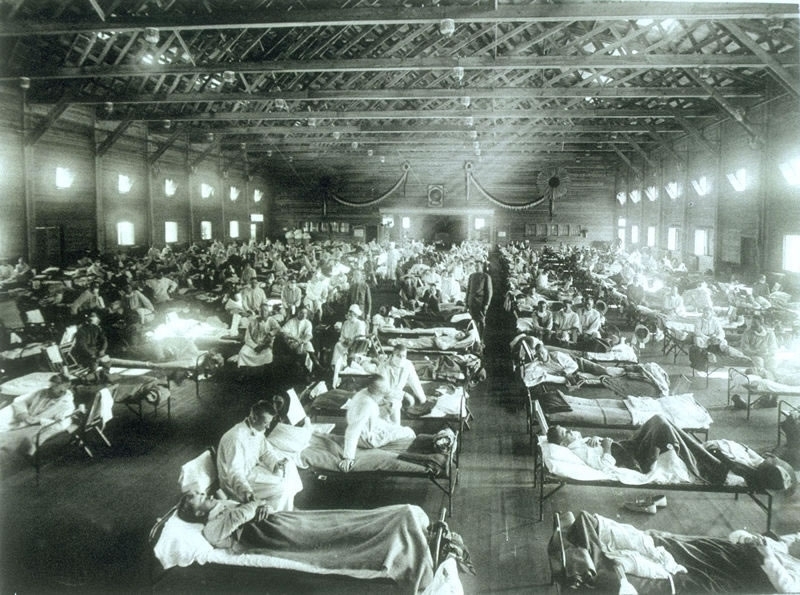
1918-1920 Influenza Pandemic

QUESTION: Hi Marty,
You had mentioned that it is possible that the Ebola virus becomes an issue in 2019, your model was certainly picking a big disease/war event. The Wuhan virus had not been identified at the time however given the recent acceleration of this breakout and the fact it was announced on your ECM turn date, I have a few questions please;
1. You have always been ahead of others in this space, can you please comment on how critical this may become?
2. I note that when you publish the ECM date chart, the chart from 2020 turns up, what does this line on the chart signify?
3. Does the fact that the ECM date lines up with your disease/war event amplify the outcome?
Thanks always,
David

ANSWER: It’s not that I am ahead of the curve because I possess some sort of clairvoyance. All viruses are cyclical. The flu shot is based upon what they expect will be the next strain on a cyclical pattern basis.  Scientists at each of the five main centers then gather and analyze the data together to identify new flu strains and to determine which strains of the virus are most likely to spread and cause illness in the upcoming flu season.

There is a 13-year cycle in Influenza outbreaksThe last pandemic with respect to the strain of the Influenza was 2009. The next one of those to reach a possible level of a pandemic will be in 2022. This is where the largest death toll appears to be most likely. Keep in mind that the last deadly pandemic began in 1918 but it lasted for two years into 2020. Clearly, the worst year ahead appears to be 2022.
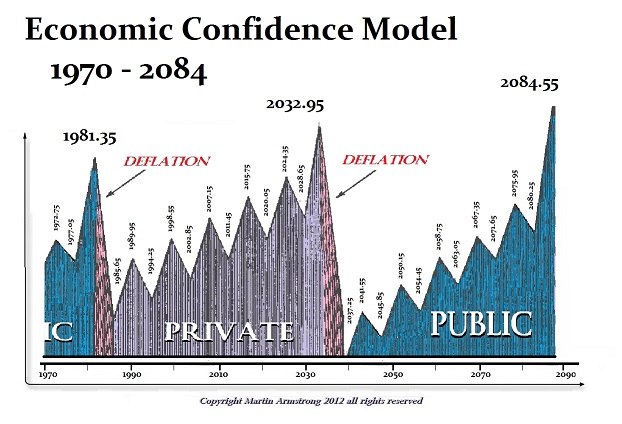
It was the peak of the Economic Confidence Model 1981.35, which also marked the beginning of a major pandemic when the first cases were reported in 1981 of acquired immunodeficiency syndrome (AIDS) virus. The infection with human immunodeficiency virus (HIV) grew to pandemic proportions, which resulted in an estimated 65 million infections and 25 million deaths. But this required sexual contact or a blood transfusion with infected blood. Coronaviruses, such as the common cold, the virus is spread via droplets when a person coughs or sneezes. It can also be spread when someone touches a contaminated surface such as a door handle. This is significantly different from the AIDS pandemic.

Most coronavirus infections are mild to moderate and don’t last long, and the symptoms are fatigue, dry cough, fever, and sore throat. Coronaviruses are a family of viruses that originate in animals before making the jump to humans. Seven, including the new virus, have been found in humans, with four causing only mild, common cold-like symptoms. The two which have been more dealy are the Middle East respiratory syndrome (Mers, 2012-present) and severe acute respiratory syndrome (Sars, 2002–2003). The death rate was about 2%.

There is currently no vaccine to protect against the novel coronavirus, although researchers in the US and China have already begun working on one, thanks to China’s prompt sharing of the virus’s genetic code. There are different genetic models to diseases such as this. Coronaviruses and fluviruses might appear to cause similar symptoms but they are genetically very different.

The flu viruses which have a 13-year cycle incubates very rapidly so you tend to get symptoms two to three days after being infected. The coronaviruses, however, take much longer. Moreover, where the flu virus you become immune after contraction. Coronaviruses do not evolve in the same manner as the flu virus and thus our body doesn’t generate very good immunity. To complicate matters further, the coronaviruses virus, according to the Chinese officials, has already begun to mutate. This means the disease could evolve to enable it to infect many more people making vaccines even more difficult to discover.
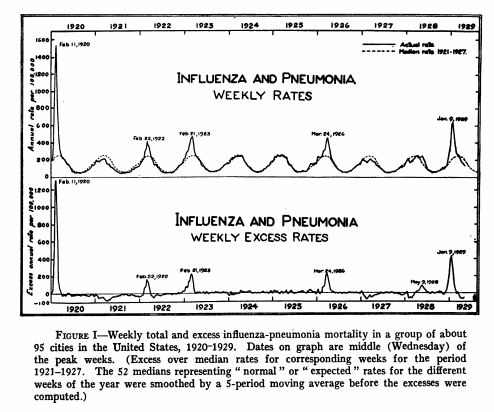
The last deadly 1918 Spanish Influenza that killed between 50 and 100 million deaths, was an H1N1 virus which was the same virus that was also behind the 2009 Swine flu outbreak. However, the 2009 outbreak killed only about 575,400 people perhaps because the survivors of the 1918-1920 pandemic became immune. The next important wave of Influenza was 1928-1929. As you can see, we collected data on everything that ever moved. What was discovered was fascinating from a cyclical perspective.
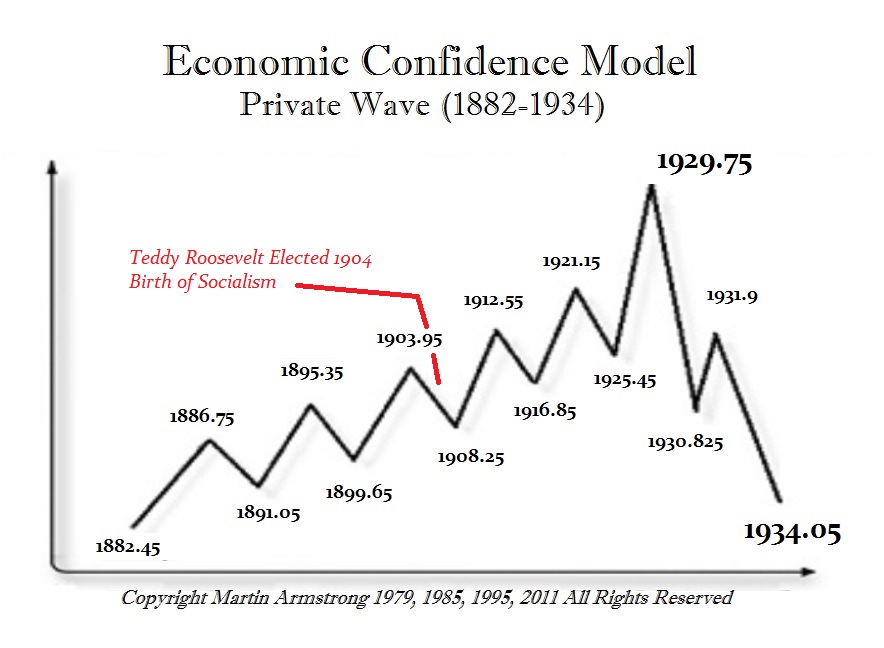
The interesting cyclical evidence in disease revealed that it was the same I had discovered in the overall economy. There are six waves of intensity that always materialize. Hence, the sixth wave of influenza after the 1918-1920 event came in 1928-1929 which coincided also with the 51.6-year peak in the Economic Confidence Model – 1929.75. The epidemic of 1928-1929 was the most important since that of the more famous 1918-1920 constituting the sixth influenza post-1918.
Diseases such as viruses are cyclical in nature. It too has a life-cycle, birth matures and dies. It is true that our model was forecasting more of a coronavirus type that comes from animals rather than influenza which would be the next pandemicEbola virus disease is serious and often a fatal condition in humans and nonhuman primatesEbola is one of several viral hemorrhagic fevers, caused by infection with a virus of the Filoviridae family, genus Ebolavirus.

Still, this new mysterious coronavirus is not nearly as infectious as the measles virus, which can live for up to two hours in the air after an infected person coughs or sneezes. The Ebolavirus is much more deadly but it also much harder to transmit for it is largely through direct contact with an infected person’s blood or bodily fluids. Coronavirus is a family of viruses that causes the common cold, but the spectrum of disease can range from the common cold to severe life-threatening pneumonia.

Here, the question is since its transmission of this coronavirus is more like a common cold that does not require direct contact, the question is how long can the virus survive on surfaces or in the air? The super-bugs which are immune to antibiotics are a fungus rather than a virus.

My deep concern about Climate Change fraud is that this is really a covert means to further Marxist socialism with the solution being hailed are the seizure of public companies to force a reduction in CO2. I have stated many times that disease correlated to global cooling and that is FAR MORE DANGEROUS than global warming. The flu season is WINTER, not summer. The major events that devastated the population took place in 1555, 1586, 1596, 1623, 1723, and later in 1846. These are clusters of disease which takes place when the energy output of the Sun was at a minimum and the climate turned cold.

This is what we must be concerned about for we are headed into another solar minimum beginning with the turn in this ECM here January 18, 2020. This next solar cycle will be turning toward global cooling which may be the lowest solar minimum in over 20o years. That means our model is also warning a decline in crops and a rise in disease. This will be also on track with the 11th interval of a 16-year cycle due in 2022. The most devasting will be 2038. We do show that the death toll can reach 65 million- 100 million if the solar minimum unfolds as expected.

The World Health Organization said last Thursday said that it remained “too early” to declare an international public health emergency. Our model is warning that a rise in disease should be unfolding with 2020 going into 2022 perhaps coming in as a very important year. If the climate change people actually were to succeed and force people to reduce the heat in their homes, we can imagine that they will be unleashing the worst pandemic in human history.
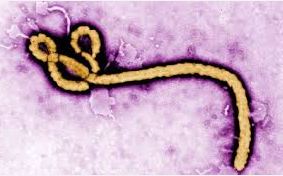
Ebola Rising Again in Africa


While the bad news is Ebola has risen again and spread, the good news is that there has been an experimental vaccine that appears to have been 97.5% effective. The survival rate for children under the age of 5 seems to be only about 25%. As reported by the Telegraph, the previous nine outbreaks ended in just a few months and the death toll was less than 300. This current outbreak has killed approximately 1,800 people so far, which makes this outbreak the worst to date in the region. West Africa’s outbreak of 2014-2016 killed 11,323 and remains the deadliest on record.

The New Super-bug Reaches USA


Back in May 2018, a Brooklyn man entered Mount Sinai Hospital. A blood test revealed that he was infected with Candida Auris (CA) which is a newly discovered fungus that can be deadly if it enters the bloodstream and spreads throughout the body. It is now one of the super-bugs immune to antibiotics. If CA enters the bloodstream, infections can spread throughout the body. It can also infect the ears and wounds. Some say this is a new mysterious disease.

This CA fungus preys on people with weakened immune systems. It has emerged in recent years and is quietly spreading across the globe. Over just the last five years, shown up in Venezuela, swept through a hospital in Spain, appeared in India, Pakistan, and South Africa. It is now appearing in the United States and may be spreading with immigration.

It is actually s type of yeast that can kill patients. Here in the USA, it has reached New York, New Jersey, and Illinois. The federal Centers for Disease Control and Prevention has classified it now has classified it among the “urgent threats.”

As the climate turns colder, this correlates to when a disease spreads and becomes pandemics. The Black Death was just one of those events which correlate to a colder climate.

How Cycles to Diseases are Ignored


Ebola

It is amazing to me how, outside of physics, the world remains ignorant to the cycles that control absolutely everything right down to the cycle of life. Ebola, like everything else, conforms to cycles. Now another outbreak has just blinked in the Congo where there have been  two confirmed cases after a resurgence nearly 10 months from the last outbreak.

It is amazing how cycles never seem to be understood. Just about everyone has heard of the Black Death of 1348 and the Great Plague of 1665 that devastated London.

  • Great Plague of England (1348–1350)
  • London Plague (1592–1594)
  • Great Plague of London (1664–1665)
  • Bubonic plague The Third Pandemic (started in China; 1855 and was periodic into 1950s globally)

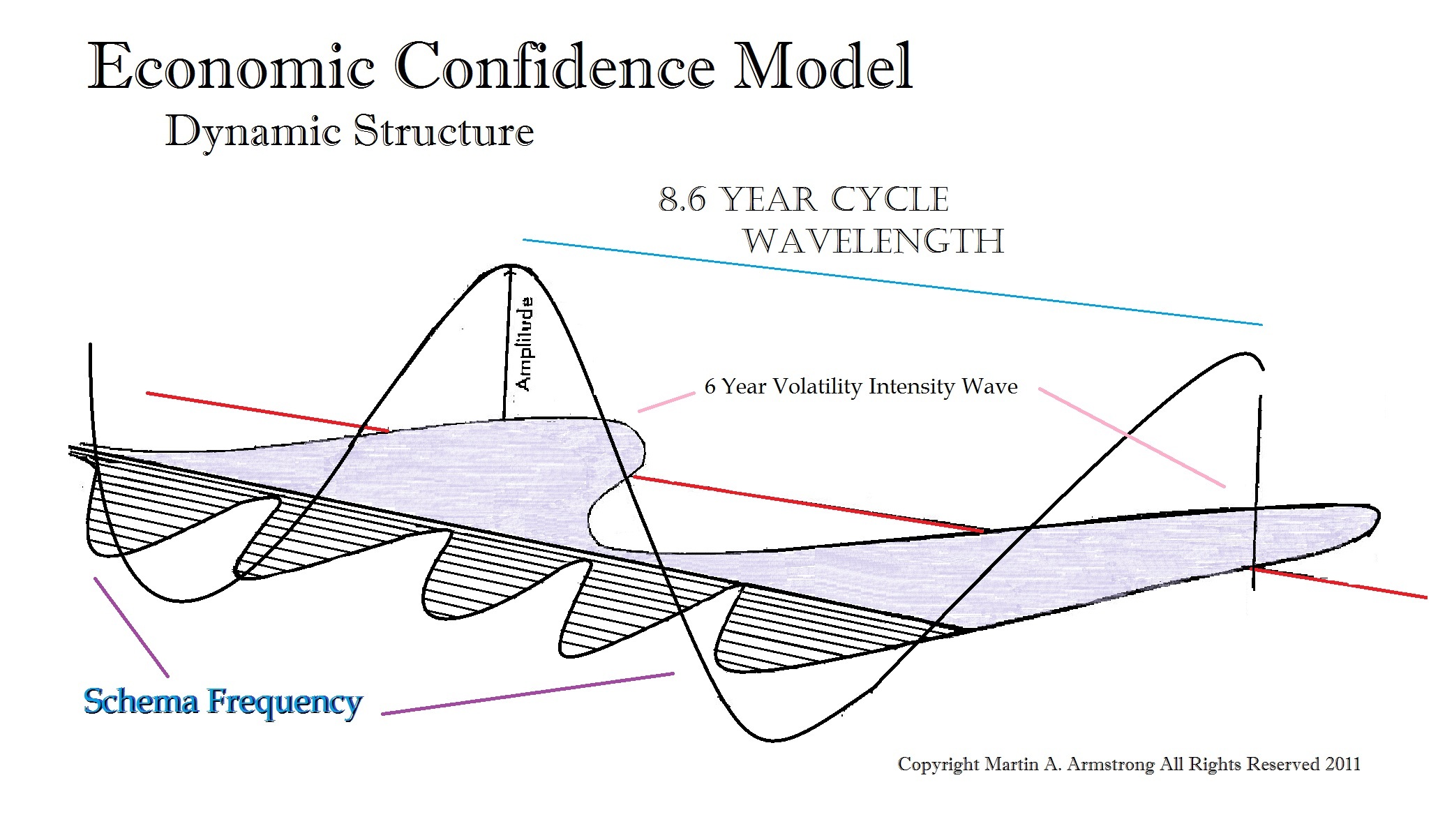
Nonetheless, both of these major events were no doubt terrible outbreaks of a disease that killed thousands of Londoners. However, what is less well-known than these famous outbreaks is that these were only two of nearly 20 outbreaks that London suffered between 1348 and 1665. That’s right. There were 20 such events with a cyclical frequency of about 16 years, killing around 20% of London’s population each time. There were four major events which conform to a cycle of about 112 years. There were even lesser outbreaks inbetween the major ones and sometimes the disease could continue for several years in a less serious form. When we put the entire list into the computer up until the present era, what popped out was a frequency of 8.6 years. Obviously, this too moves like the ECM, builds in intensity, and produces the big events. The next big one comes up in 2033 — one year after the ECM peaks.

There are diseases that have wiped out the population when it turned cold and there was a poor harvest. That type of event took place in 1555, 1586, 1596, 1623, 1723, and later in 1846. This cluster of disease was caused when the energy output of the Sun was at a minimum and the climate turned cold. The 1846 event was hot and dry. This is what we must be concerned about with global cooling.

The greatest danger is the fact that with the migration of refugees into Europe, this presents a serious risk for carriers of the disease. Politicians are totally ignorant of life in general. It was Gaëtan Dugas (February 20, 1953 – March 30, 1984) who was a Canadian employee and flight attendant of Air Canada who brought AIDS from Africa to North America. It was the Centers for Disease Control and Prevention who traced it all the way back to this one individual they called “patient zero.” Despite the fact this has been disputed, the point is that someone, if not Dugas, crossed borders transporting the disease with them.

The one disease that the migrants have brought into Europe has been tuberculosis. Just being exposed to a person in the same restaurant or airplane carries the risk of you becoming infected as well. I turned up positive because of my travels and had to be treated.

There is another tremendous risk which is criminal prosecutions in the USA. Anyone charged with a crime takes precedence over anything else. America is importing diseases from South America and Africa because the prosecutor needs to further their career. If the person is sick, who cares. They must be punished and that takes precedent. They never provided any health care for prisoners in London. The plagues would begin in the prisons. Not until they figured that out and judges with prosecutors began to die did they begin to take care of prisoners. It was not for them – it was for the judges and prosecutors. Still, many prisoners die because they are not taken care of. They will report that in Britain, but the American press ignores the treatment of prisoners and always supports the government as a general rule.

There is no question that with all the cross-border connections taking place right now, it is impossible to contain any disease to one area.

Global Cooling Reducing Food Supply


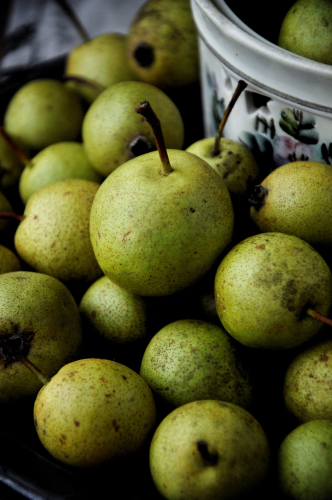
What food is not hit by various Pandemic diseases, the weather seems to be wiping out the rest. In Germany, farmers have experienced 42% less crop in fruit in 2017 compared to 2016. According to the Federal Statistical Office, all crops are affected by drastic losses due to extreme cold. The reason is being attributed to the strong night frosts from the end of April in 2017. Everything from pears to cherries has been affected.

I myself had some Bird of Paradise plants in my front yard. It turned very cold here in Florida for a night or two. All four of my plants died.

Global Cooling is far more dangerous than Global Warming. It is amazing the propaganda machine they use seems bent on making sure we are not prepared.

Pandemic Can hit the Food Supply


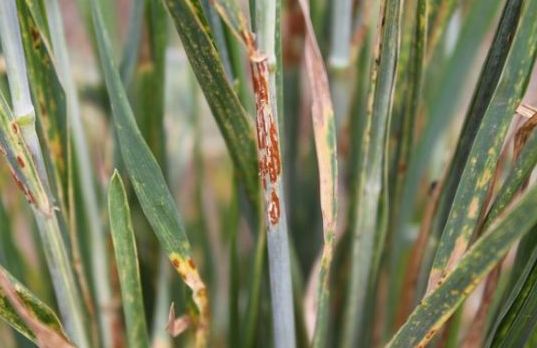
We tend to think about a disease that infects humans or even animals that results in widespread crisis. However, what is also unfolding is a rise in a disease that infects the food supply. Wheat leaf rust is a fungal disease that affects wheat, barley and rye stems, leaves, and grains. This is now beginning to appear as a PANDEMIC since scientists have shown that the first appearance of wheat stem rust disease that appeared in Britain about 60 years ago and had reappeared since 2013, was caused by the same virulent fungal strain that was responsible for recent wheat stem rust outbreaks in Ethiopia, Denmark, Germany, and Sweden.

We are beginning to see PANDEMICS in a disease that also infects agriculture. This is not a trend we want to see given our computer is projecting a rise in food prices going into 2024. This crop disease is on the rise and can seriously disrupt our food supply. The cocoa farms in southwestern Nigeria, which is the nation’s primary growing region, has been hit with the outbreak of a fungal disease identified as dieback. This disease simply kills the plant.

Did the Migration into Europe Bring New Diseases?


BlackDeath-10

The most devastating plagues in history have been created by migration. There were warnings in the form of rumors that told of a great plague in China and India which killed most of the populations there. The plague made its way to Europe when the Kipchak forces were besieging the Genoese trading post in the Crimea. The Kipchaks began to catapult plague-infested corpses over the walls and into the trading post. The disease spread quickly and the Genoese abandoned the outpost. They sailed back to Europe stopping in Sicily in 1347 taking the Black Death with them. Today, the invaders settled in Crimea and are known as the Crimean Tatars.

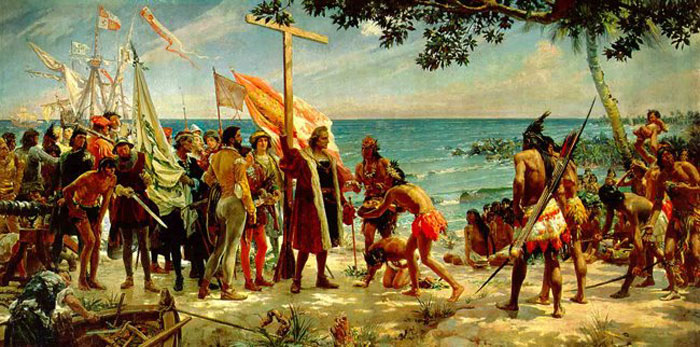
When Columbus built his first town on the nearby island of Hispaniola, where the native population numbered at least 60,000, by 1548, the native population fell victim to diseases brought by the Spanish. Only about  500 natives survived. They lacked any immunity to European pathogens carried by the Spanish. The natives died from plagues of smallpox, influenza, and other viruses.

The first written records of an outbreak of syphilis in Europe date back to 1494/1495 in Naples, Italy, during a French invasion. It was first called the “French disease”, and it was not until 1530 that the disease acquired its name. The origin of syphilis remains unknown and the subject of debate. Many attributed it to a disease brought back to Europe by the Spanish from the New World. Naples was at that time loyal to Spain so there were clearly contacts there. The French invaded Naples and may have simply been blamed for the disease that was brought to Naples by the Spanish. Nevertheless, syphilis infected even kings, such as the English King Henry VIII who most likely passed on his syphilis to all his children which killed his heir, King Edward VI, who almost certainly died young from inherited syphilis. Still, the disease did not wipe out the majority of the European population as was the case in the New World.

The worse case of disease creating a plague was that actually which infected the New World. That migration of Europeans to the New World resulted in wiping out 80% of the population and it remains the worse case in history beating the Black Death which took out about 50% of Europeans. It took only five years to kill as many as 15 million people in the New World. This was about 80% of the population by the epidemic of 1545 the locals named cocoliztli.


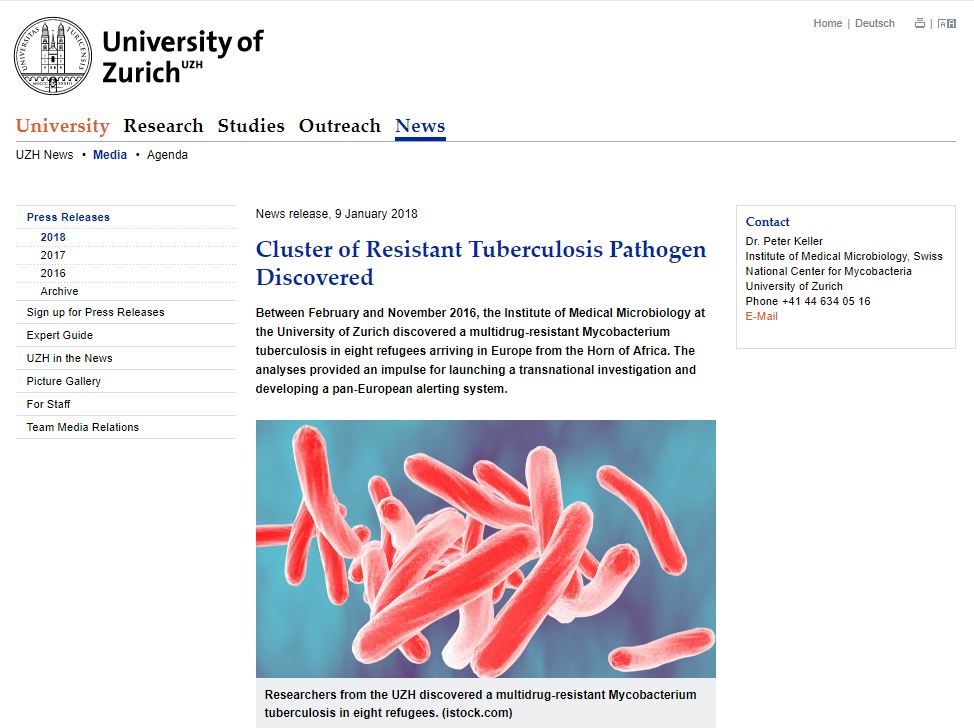
The politicians, who seem to have absolutely no common sense, have invited countless refugees without ever considering the dangers of importing new diseases. There have been cases of a new strain of Tuberculosis which is resistant to all drugs. This has been reported by the University of Zurich.

Tuberculosis wiped out many in the world. The common name for it was “consumption” which first appeared in the 14th century and was applied to describe any potentially fatal wasting disease that caused a slow death. The word meant a condition that “consumed” the body. Only with centuries of research did the disease first become known as “tuberculosis” by 1860. It then took until 1882 when a German physician Robert Koch identified the rod-shaped bacterium that caused the illness we see pictured above in the University of Zurich photo.

The mass migration of refugees into Europe poses far more risk than economic or rapes of women. Like most migrations, you always end up carrying diseases that populations are not accustomed to. Introducing this type of risk demonstrates that politicians are clueless and are not qualified to govern society because they make a decision for their personal career with total ignorance of the consequences.

The Cycle of Disease – It’s Just our Time


COMMENT: Sir,

     It’s interesting, since your post on Madagascar and the pneumonic plague, I have Surveilled a site dealing with medical news once a week. What’s really interesting is the resurgence of older well-known entities such as cholera
      Zambia has been hard hit with over 2000 cases of cholera with close to 50 deaths. The university is closed as well as other institutions. It has migrated from the urban areas to the suburban areas. The armed forces have been called out to help. Tanzania has shut its borders with Zambia due to this. Kenya has had 4 kid cases of hospitalization.
Influenza strains are hitting geographic regions. The H3n2 is has hit Australia very hard and is currently hitting the UK. The US is also being infected. India has the H1N1 variant hitting them hard.

ProMED-mail post

The avian flu has led to the culling of birds in the Middle East particularly Egypt and Iran. Saudia Arabia just had 6 new cases. Russia and Swiss poultry also have cases.
China has Influenza B hitting them hard but cannot confirm type nor number of cases and comparison numbers.

When it rains…. it pours.

Keep up the good work

DK

REPLY: The influenza virus changes its genetic makeup every year and complies with guess what – cyclical analysis! This constantly changing virus presents a cyclical challenge to medical science, and consequently, this makes it impossible to create a single vaccine to prevent the disease for life. The World Health Organization (WHO) and the Centers for Disease Control and Prevention (CDC) monitor each new strain of influenza virus as it appears. The gather data and then try to predict which may be the predominant virus in the following year’s flu season.  Scientists then use this data to develop a vaccine each year against the specific virus they predict will predominate. Sometimes they are correct, and sometimes they are off the mark.

The virus known as influenza is a master at evolving to elude the human immune response by mutating so quickly that it soon becomes unrecognizable. We are actually at war with this virus which is mutating to survive and beat us at our own game. There are actually several active flu strains in the world that run around. Each year, we try to evaluate which strains of flu virus are predominant in the United States and change the vaccine recipe as necessary according to this cycle in nature. The accuracy of the recipe determines how effective that year’s vaccine will be.

Make no mistake about it, this is nature’s way of thinning the herd. We can give it our best shot at trying to combat disease, but it responds to our actions and mutates. This is simply a war with nature determined to win.

This Flu Season Begins the Risk of a Pandemic 2018-2019


A possible new pandemic is forming from a deadly strain of flu emerging from Australia and will be headed to the UK as the normal flow of travels would take it. Britain will perhaps be hit with the worst flu season in 50 years. Already, there are about 170,000 cases of flu reported in Australia which is more than double this season than usual.

The strain of flu is called H3N2, and the number of flu deaths in Australia over winter has not yet been released, but it’s thought to be the worst in many years. The last major flu epidemic was in the 1968 pandemic which began in Hong Kong killing more than a million people worldwide. Flu pandemics have been linked to fluctuations in climate, and new research connects the world’s four most recent pandemics to the cyclical cooling of the Pacific Ocean near the equator.

The cyclical research correlating everything reveals that the four flu outbreaks that swept the world in the past 100 years all followed periods of global cooling. These were in 1918, 1957, 1968 and 2009 (in this last instance, the H1N1 “swine flu”). When sea-surface temperatures sank abnormally low, this correlates to large flu pandemics. This cooling is associated with  La Niña, a phase in a larger climate pattern. La Niña is the cool counterpart to El Niño, which is marked by unusually warm temperatures in the equatorial Pacific. It is now clear that both events alter weather patterns around the globe.

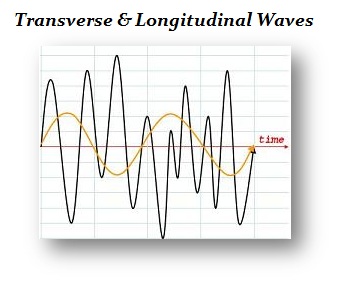
While the typical Transverse Wave cycle event would be every 22.75 years, but the Longitudinal Wave structure simultaneously exists and the complexity of these wave points to this season as turning up the risk factors for a pandemic flu season in 2018 and 2019.

Plague is Starting in Africa


Panic has ensued in Madagascar where a recent outbreak of the plague has claimed the lives of at least 24 people. Prime Minister Olivier Mahafaly Solonandrasana has announced a ban on all public gatherings and demonstrations in effect until the outbreak can be contained.

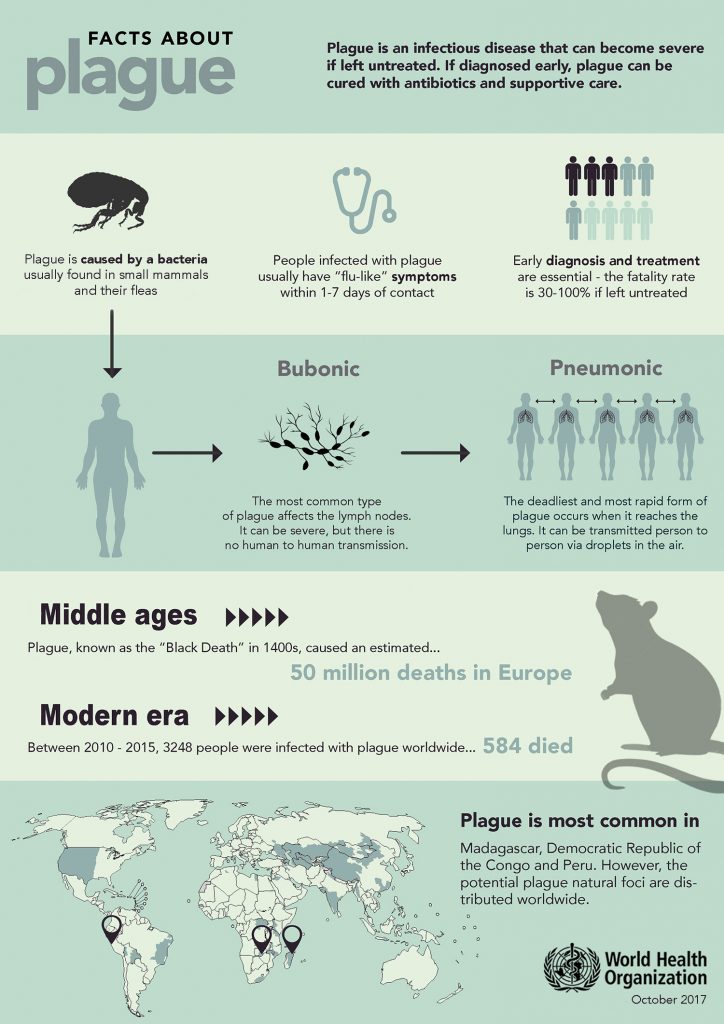
The plague is a deadly disease caused by the Yersinia pestis bacteria. It usually begins as the bubonic plague, which is spread from small mammals (such as rats) and fleas to humans. If detected early, the bubonic plague can generally be treated and controlled with antibiotics and proper environmental measures. However, half of all reported cases in Madagascar are the pneumonic plague –- the deadliest form of the disease.

The pneumonic plague is transmitted person to person. Since this form of the plague is airborne, it spreads extremely rapidly and can have catastrophic consequences. Those who contract the pneumonic plague must be treated immediately as it can be fatal within less than 24 hours of onset.

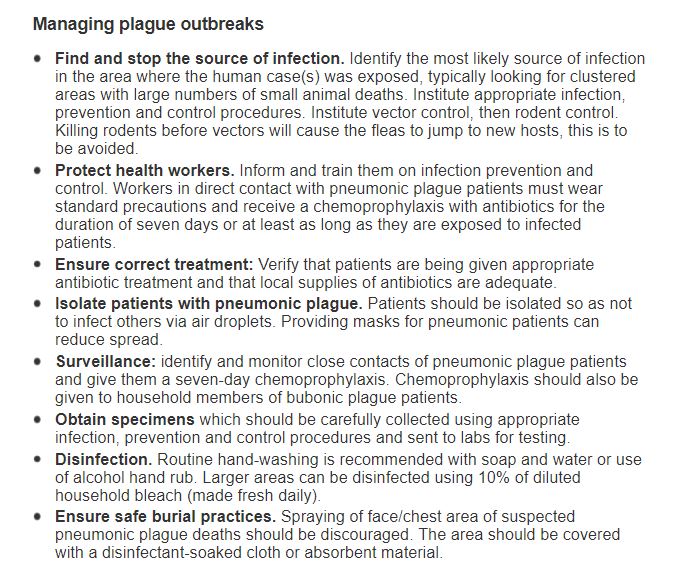
Health officials in Madagascar are now rushing to identify anyone who has come into contact with those affected. According to the World Health Organization (WHO), those at risk will be treated with antibiotics and possibly quarantined.

Formerly known as the “Black Death,” this is the same plague that claimed the lives of 50 million Europeans during the Middle Ages. The disease first reached Europe in October 1347 and quickly turned into a contagion that destroyed nearly 1/3 of the population.