25 Nations Suspend Postal Service to the US


Posted originally on Aug 28, 2025 by Martin Armstrong
tariffs_trade_barriers

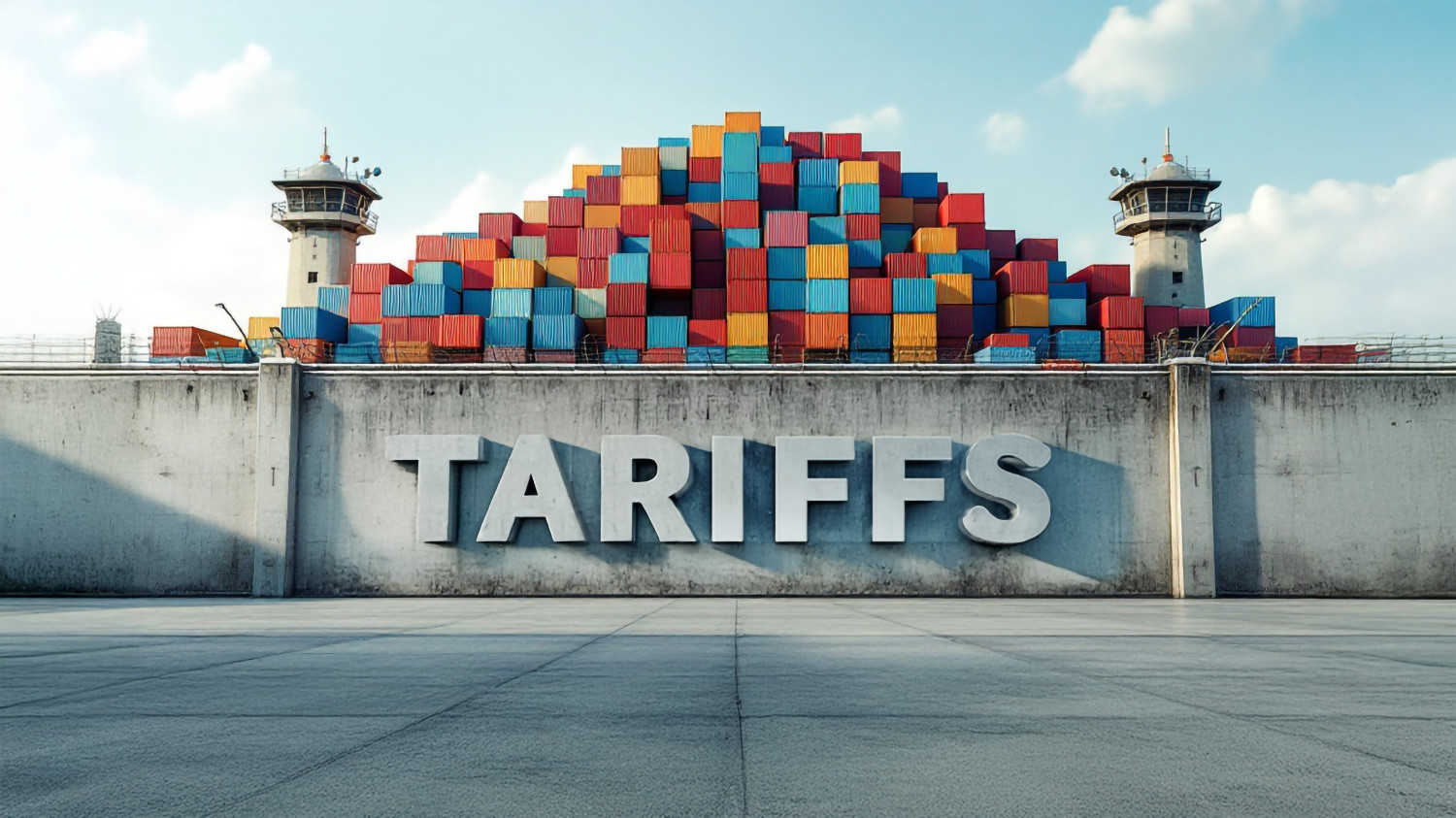
Twenty-five nations have declared a temporary suspension on all postal shipments to the United States amid tariff uncertainty. As of August 29, 2025, the United Stated will remove the de minimis exemption from law that allowed goods under $800 to enter tax-free. Tariffs range between 10% to 50% on the declared value, or $80 to $200 per parcel. Goods above $2,500 are subject to a Merchandise Processing Fee and additional formal customs checks. Processing delays and increased costs were incurred immediately, but now, a growing number of nations have decided to simply discontinue parcel service.

In Europe, the United Kingdom, France, Germany, Italy, Belgium, Austria, Switzerland, Denmark, Sweden, Norway, Finland, Czechia, the Netherlands, Spain, Poland, Portugal, and Ireland suspended services. In the Asia-Pacific, Australia, New Zealand, India, Japan, South Korea, Taiwan, Singapore, Thailand have halted services as well. Canada has also curbed its mail exports. All of this has been implemented at the federal level, whereas previously, individual postal carriers determined whether or not they would service the US.

“Despite discussions with U.S. customs services, no time was provided to postal operators to reorganize and assure the necessary computer updates to conform to the new rules,” France’s La Poste said in a statement. The Australia Post said the temporary partial suspension has been necessary to allow us to develop and implement a workable solution for our customers.” Italy’s Post Italiane noted that “the absence of different instructions from U.S. authorities,” forced the suspension of services. The United States did not consider the logistics of suddenly transforming import regulations.

American consumers are watching their orders decline in real-time. Items in transit are being returned of delayed, especially if they arrive after August 29. This is a fatal blow to small businesses that rely on international orders. American consumerism composes two-thirds of all GDP and other nations eagerly line up to sell their goods. Any downturn in trade is a negative for all parties involved.

The situation is still developing, but any suspension in parcel delivery will hurt the global economy. The United States did not give the world sufficient time to prepare for this new regulation. The EU, Japan, Canada, and others have the experience and infrastructure to integrate compliance changes and digital customs data, but other nations with less developed postal infrastructure are unlikely to quickly adapt their systems. These nations have been forced to halt services due to logistics rather than a punishment to the US as all parties involved will face consequences.
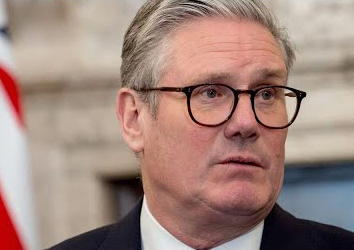

Labour Party Approval Sinks to New Low


Posted originally on Aug 28, 2025 by Martin Armstrong |  

Starmer Kier UK PM

The United Kingdom’s Labour Party is experiencing the lowest approval rating since the last general election, with only 20% approving of Keir Starmer’s administration. What we are seeing in Britain is part of a broader global cycle of political discontent. Politicians are losing credibility because they are offering nothing but recycled policies that fail to address the economic storm at hand.

Starmer, like so many others in power today, has no real solutions. He inherited a fragile economy already crippled by decades of mismanagement, and instead of reversing course, he doubled down on the very same failed ideas. The endless promises of “green jobs” and “renewable energy revolutions” have failed. Energy costs remain high, industry continues to flee, and average households are struggling with the global cost of living crisis. The public feels betrayed because they were sold the illusion of prosperity under the Labour Party.

A Reform UK spokesperson accused Starmer of “cosying up to the EU and leaving [Britain] entangled in reams of retained EU law which Kemi Badenoch failed to scrap will not resuscitate Britain’s struggling economy.” Brexit may have occurred but the current administration has not broken ranks with Brussels. Starmer is forcibly pushing the UK into a war and compromising domestic policies for globalist ambitions.

The Reform UK Party is now leading the polls with 28% of the vote. Nigel Farage is offering the people a new opportunity under an administration that would prioritize domestic issues. Farage has called Starmer’s economic approach a “mad experiment” and has criticized government spending and excessive taxation. He has promised to save Britain’s energy sector and repeal all net-zero policies that cost over £40 billion annually. Farage published a piece on The Telegraph explaining the severity of the nation’s migrant crisis. He believes that the UK has spent  £10 billion over five years on the migrant crisis and described the rise in crime and expenses as a “national emergency.” Farage has also expressed caution regarding sending UK troops to Ukraine.

The model suggests that as we approach the next critical political/economic wave, confidence in political leaders worldwide will erode. The people are turning to candidates whom the mainstream media paints as extreme because the world has awakened to the failed globalist policies that are destroying their nations. The people want national sovereignty that cannot be achieved through the establishment.

Armstrong on USA Watchdog


Posted originally on Aug 24, 2025 by Martin Armstrong |  

USA Watchdog 8 23 25

Cat

EPA Administrator Lee Zeldin Outlines How Biden Administration Funneled Billions into Democrat NGO’s


Posted originally on CTH on August 21, 2025 | Sundance 

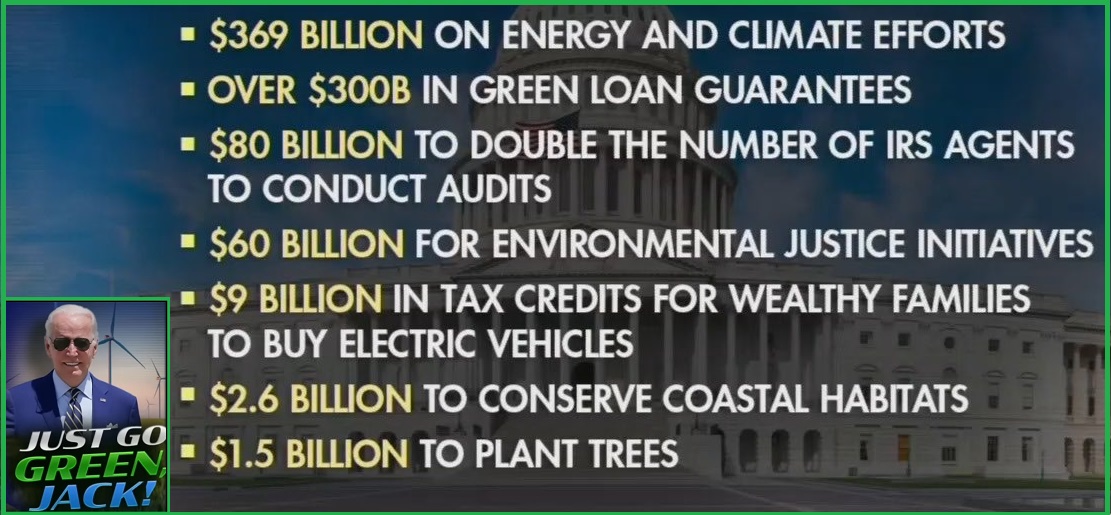
EPA Administrator Lee Zeldin appeared for a podcast interview with Miranda Devine where he outlined billions of EPA dollars that were transferred to various passthroughs as an outcome of the Inflation Reduction Act (aka Green New Deal).

As noted by Administrator Zeldin, various investigations are now underway to determine who structured the payments as the EPA begins clawing back the money.  The numbers are staggering, $20+ billion.  WATCH:

The full interview is below.

TEXAS REP. BRIAN HARRISON: They Promised 10 Seats. We Got 5. That’s Ultimate Surrender. Weak Republicans Handed Democrats Another Victory


Posted originally on Rumble By Bannon’s War Room on: August 19, 2025

BRIAN GLENN: Americans Have Had A Belly Full Of Pointless Foreign Engagements. Peace Deal Today Or Walk Away. No More Blank Checks For Foreign Wars While US Cities Burn


Posted originally on Rumble By Bannon’s War Room on: August 18, 2025

Another L for Pocahontas Courtesy of DJT!


Posted originally on Rumble on Bright Bart News Network on: August, 16, 2025

ALEX JONES: Federal Filings Show Millions In DOJ Funds Went To Charities Tied To My Accusers, Who Then Paid The Democrat Law Firms Suing Me


Posted originally on Rumble By Bannon’s War Room on: August 15, 2025

Venmo to Pay the National Debt?


Posted originally on Aug 15, 2025 by Martin Armstrong |  

NationalDebtNYCVBillboard

The US Treasury Department is extremely desperate for any morsel it can find to put toward the $36.7 trillion national debt. Is Donald Trump asking Americans to Venmo or PayPal the US government cash to pay down the national debt? Not quite, as the Treasury has a long-standing program called “Gifts to Reduce the Public Debt” that asks Americans to donate their personal funds toward government spending.

Trump introduced the option to pay through online platforms such as PayPal or Venmo; however, the program began decades ago in 1996. The Pay.gov website also accepts bank transfers, debit or credit cards. You could probably offer your first-born as payment as the Treasury is indeed that desperate.

Some Americans are indeed voluntarily giving the government money. In fact, the initiative has collected $67 million since it began in 1996 and the coffers are growing a mere $120,000 per month since 2020. The rest of us are involuntarily providing the government with money through taxation without representation.

Obviously, the charitable contributions are a complete joke and could not account for even a day of interest on the national debt. Still, the options exist and those who believe that taxes deserve to rise should willingly hand over their money to the government while the rest of us attempt to navigate our finances amid the volatile conditions the government has created. They will continue to collect more taxes rather than curtail spending involuntarily, yet they will never collect enough.

Some consider donating to the lost cause that is the US government as a tax deductible charitable contribution. The US government, the largest economy on the planet, does not need charity. The US government needs to curtail its reckless spending and hold politicians responsible for their endless waste.

Could Trump Sue Powell?


Posted  originally on Aug 14, 2025 by Martin Armstrong |  

JeromePowellFedChair

President Donald Trump has threatened Federal Reserve Chairman Jerome Powell with a “major lawsuit.” Could the sitting president sue the head of the central bank that acts independently of the Fed? It depends on the context as there are two issues—interest rates and the Federal Reserve headquarters operation.

The Federal Open Market Committee, the voting branch of the Federal Reserve, is protected by sovereign-immunity. The only exception would be a congressional waiver which simply would never happen. The plaintiff would need to present clear statutory cause of action and a waiver of immunity. Coercing the independent branch of the Federal Reserve to lower interest rates is not cause for legal action and would be dismissed immediately.

As for the new Federal Reserve headquarters, Trump could attempt to file an injunction claim against mismanagement or fraud, and would once again need a clear cause of action and a waiver of sovereign immunity.

The Federal Reserve operates on a self-funding mechanism, allegedly, using revenue it generates from interest on government securities and other services such as payment processing. Yet, that interest is generated from public funds. However, the Federal Reserve does not need approval from Congress to finance internal costs as it manages to bypass the federal budget. Powell has documented justification for the rising cost of the project, and there is no evidence of fraud or mismanagement. Congress would never consent to a waiver of sovereign immunity. The legal system would immediately overturn the claim as there is no actionable legal violation, especially against Powell personally.

The plaintiff, Trump, could attempt to pursue a private civil case against Powell, but again, that would also be immediately dismissed as the Fed chair has not attacked Trump, defrauded the government, or manipulated rates for political reasons. The prospect of suing the chairman of the central bank is absolutely absurd and a clear overreach of federal power. The Federal Reserve MUST have the ability to act independently of political pressure.

Now, the Supreme Court once ruled that the branches of the fed are “creatures of the Federal Reserve Act,” and fall under federal jurisdiction. The Supreme Court’s Cooper v. Federal Reserve Bank of Richmond (1984) regarded discrimination claims against a regional branch under Title VII and 42 U.S.C. § 1981. The Equal Employment Opportunity Commission (EEOC) accused the bank of violating the Civil Rights Act.

The legal reasoning behind the Supreme Court’s decision in Cooper v. Federal Reserve Bank of Richmond centered on the principle of res judicata (claim preclusion) and how it applies to class action lawsuits, which is different than Trump v. Powell. The Court examined whether the judgment in the prior class action suit, which found no widespread discrimination, barred individual class members who had opted out from pursuing their own separate discrimination claims. the Supreme Court ultimately ruled that the employees had the right to bring their individual claims against the Federal Reserve Bank of Richmond, permitting individual employees to proceed with individual lawsuits. Again, this is a separate matter that was not a direct lawsuit against the Federal Reserve for monetary policy decisions.

The majority of cases filed against the Fed involved employment issues. Vannoy v. Federal Reserve Bank of Richmond in 2016 accused the same branch of violating the Family Medical Leave Act (FMLA) and discrimination under the Americans with Disabilities Act (ADA). The central bank granted Vannoy medical leave, but he claimed he was not properly notified of his FMLA rights and returned to work early to avoid losing his job, which actually led to his termination. The case went to a higher court and ultimately allowed Vannoy to file his claim of FMLA interference. Again, these cases are based on employment at the Fed rather than policy or against an individual member of the central bank.

There have been lawsuits over policy, such as cases against the Fed’s stress tests in 2024, and challenges to emergency lending programs during financial crises. It is rare for the court to rule against the Fed, but it has happened. In 2011, the Fed was sued for the “swipe fees” regulation (Regulation II) that capped the fees banks could charge merchants. The court ruled that the Fed did not have the authority to issue a uniform cap when Congress required issuer and transaction-specific regulations.

The challenger must show clear illegal overreach and a blatant disregard for administrative procedures. Jerome Powell has not violated the law by maintaining interest rates or overseeing the creation of the Fed headquarters. Trump’s threats hold no weight as no court would take his claims seriously.