
Posted originally on Sep 11, 2025 by Martin Armstrong

Thailand has become a test case for the use of biometric data in every facet of life. Facial recognition data is required for any single transfer above 50,000 baht (around $1,580), daily transfers above 200,000 baht, and any international transfers from personal accounts. All major Thai banks, such as Bangkok Bank, Kasikorn (KBank), SCB, Krungthai, and Krungsri, require customers to submit biometric data, and the Bank of Thailand (BOT) provides the general guidelines that these banks must follow.
It may begin with banking and documentation, but the ultimate goal is to develop digital IDs that are stored on a centralized database. The board of Thailand’s National Broadcasting and Telecommunications Commission (NBTC) proposed that users must submit biometric data to register SIM cards. The rule went into effect in August and applies to everyone in Thailand, including tourists.
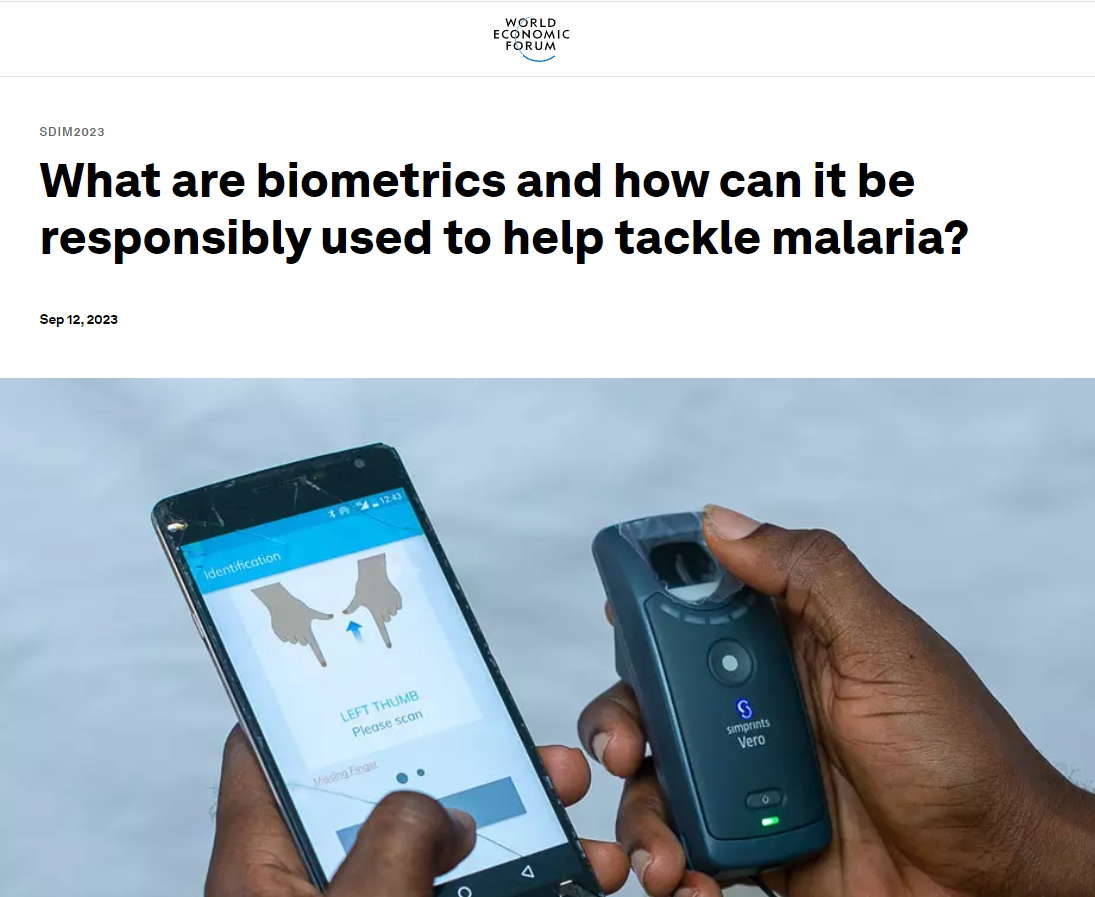
The Thai Ministry of Public Health (MOPH), the Thai Red Cross Society, and the National Science and Technology Development Agency (NSTDA) has implemented the use of biometric data to track undocumented persons. Health agencies claim the technology can identify the spread of disease and assist in providing humanitarian aid and medical services. The MOPH claims the technology is 99.75% accurate. According to the Department of Labour’s Bureau of Alien Workers Administration, over 1 million undocumented migrants were in the nation as of July 2025.
“The application of biometric technology not only improves healthcare, disease prevention and control, medical services, and humanitarian aid with accuracy and inclusivity, but also reflects the protection of human rights and dignity of undocumented people in Thailand. It also creates opportunities for education and research by Thai public health professionals to develop further benefits for the general population,” Health Minister Somsak Thepsuthin stated.
The Thai Red Cross Society is a branch of the global Red Cross agency. Thailand’s Personal Data Protection Act (PDPA) claims all personal data will be securely protected, but they have already begun sharing with international agencies.
Thailand adopted digital IDs back in 2023, but they were primarily mandatory for business at the time. Now, Thailand’s National Digital ID system (NDID) is now held by a private-public consortium that holds the identities of over 40 million people. The Thailand Digital Arrival Card (TDAC) became mandatory for all travelers on May 1, 2025. Citizens are technically not required to obtain a digital ID but it certainly makes life easier if one wants to access digital wallets, online banking, claim government benefits, and so forth.
The Thai government plans to expand Thailand’s digital ID policy to 1,000 public services within the next two years. All restrictive measures begin with a promise to guarantee safety. It appears optional, then convenient, before the measures are enforced through mandates. I know many people who have fled Thailand in recent years due to increased regulations and massive changes in taxation. Thailand is becoming a case study for the widespread use of biometric software, as government surveillance is becoming the new norm.

 Centinel2012