MIKE DAVIS: Lisa Cook, One Of The Seven Fed Governors, Got Caught Committing Mortgage Fraud. Three Times. She Claimed Investment Properties Were “Primary Residences” To Get Lower Rates


Posted originally on Rumble By Bannon’s War Room on: September 5, 2025

Episode 4741: The Lies Behind Tariff Uncertainty; Live From Mt. Vernon


Posted originally on Rumble By Bannon’s War Room on: September 5, 2025

US Manufacturing Contracts for Sixth Consecutive Month


Posted originally on Sep 3, 2025 by Martin Armstrong |  

manufacturing man 1

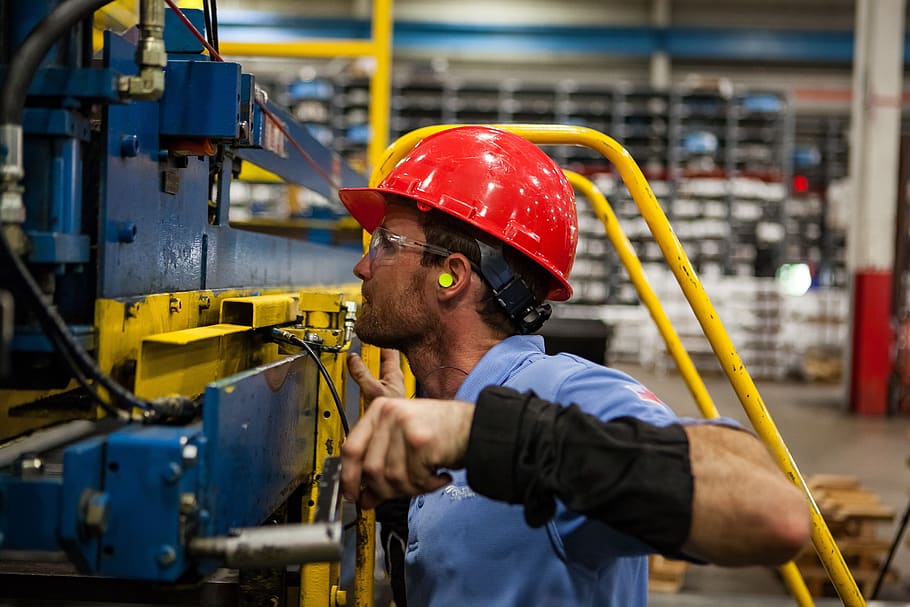
America cannot find its footing in manufacturing. The ISM Manufacturing PMI came in at 48.7 in August 2025, marking the sixth consecutive month of contraction. Although the figure has improved from July’s reading of 48, there is ongoing confirmation that capital is bleeding out of US manufacturing.

New orders did rise to 51.4, a stark uptick from July’s reading of 47.1, but production fell to 47.8 in August from 51.4 in July. “In August, U.S. manufacturing activity contracted at a slightly slower rate, with new orders growth the biggest factor in the 0.7-percentage point gain of the Manufacturing PMI,” said Susan Spence, chair of the ISM’s survey committee. “However, since production contracted at a rate nearly equal to the expansion in new orders, the Manufacturing PMI increase was nominal.”

The issue is far deeper than a capital fleeing uncertainty from tariffs, as this issue has been ongoing. In fact, one of Trump’s motives for implementing tariffs was to boost domestic manufacturing. Trump openly stated that he wanted companies to move manufacturing to the US to avoid tariffs. This was intended to promote domestic trade as companies will seek to avoid levies. We did see a temporary uptick in manufacturing demand when these tariffs were announced but it was not enough to sustain the sector. Although companies began to invest in the US, overall trade remained volatile. There were supply chain issues by May, and come September, the US is still at a standstill regarding tariffs. Nations have even halted postal shipments to the US entirely as they cannot process the ongoing tariff changes.

Again, US manufacturing was in a dire situation before Trump entered the office. The Inflation Reduction Act promised to fund the Infrastructure Investment and Jobs Act, which was intended to expand American manufacturing, but regulation and an emphasis on clean energy initiatives drove business away. The Biden Administration had promised to add 1 million manufacturing jobs to the US but failed miserably.

This has nothing to do with America being uncompetitive. The American worker is among the most productive in the world. But if you add 30–40% in taxes and compliance costs on top of wages, while competitors in Asia operate under far leaner systems, capital naturally migrates to where it will be treated best.

Manufacturing in the United States has been in decline for decades due to systemic policy failures. The politicians will blame China and tariffs for the downturn. The contraction we see today is merely the continuation of a decades-long trend set in motion by shortsighted policies.

Biden’s Declassified Internet Censorship Plan Relied On USAID To “Combat Online Disinformation”, Mike Benz Reacts


Posted originally on Rumble By Bannon’s War Room on: August 27, 2025

Episode 4737: The Populist College Guide; Comey Leaks


Posted originally on Rumble By Bannon’s War Room on: August 27, 2025

GLASTRIS: Most Rankings Reward Harvard, Yale, And The Wealthy Few. But When You Measure What Matters: Upward Mobility, Real Research, And Active Citizenship, The Winners Are State Schools


Posted originally on Rumble By Bannon’s War Room on: August 27, 2025

NATE MORRIS: I Joined This Race Because Kentucky Doesn’t Need More Mitch McConnell Puppets. I’m Not A Career Politician; I’m A Business Guy, And I’m Running To Deliver An America First Seat To The People


Posted originally on Rumble By Bannon’s War Room on: August 27, 2025

25 Nations Suspend Postal Service to the US


Posted originally on Aug 28, 2025 by Martin Armstrong

tariffs_trade_barriers

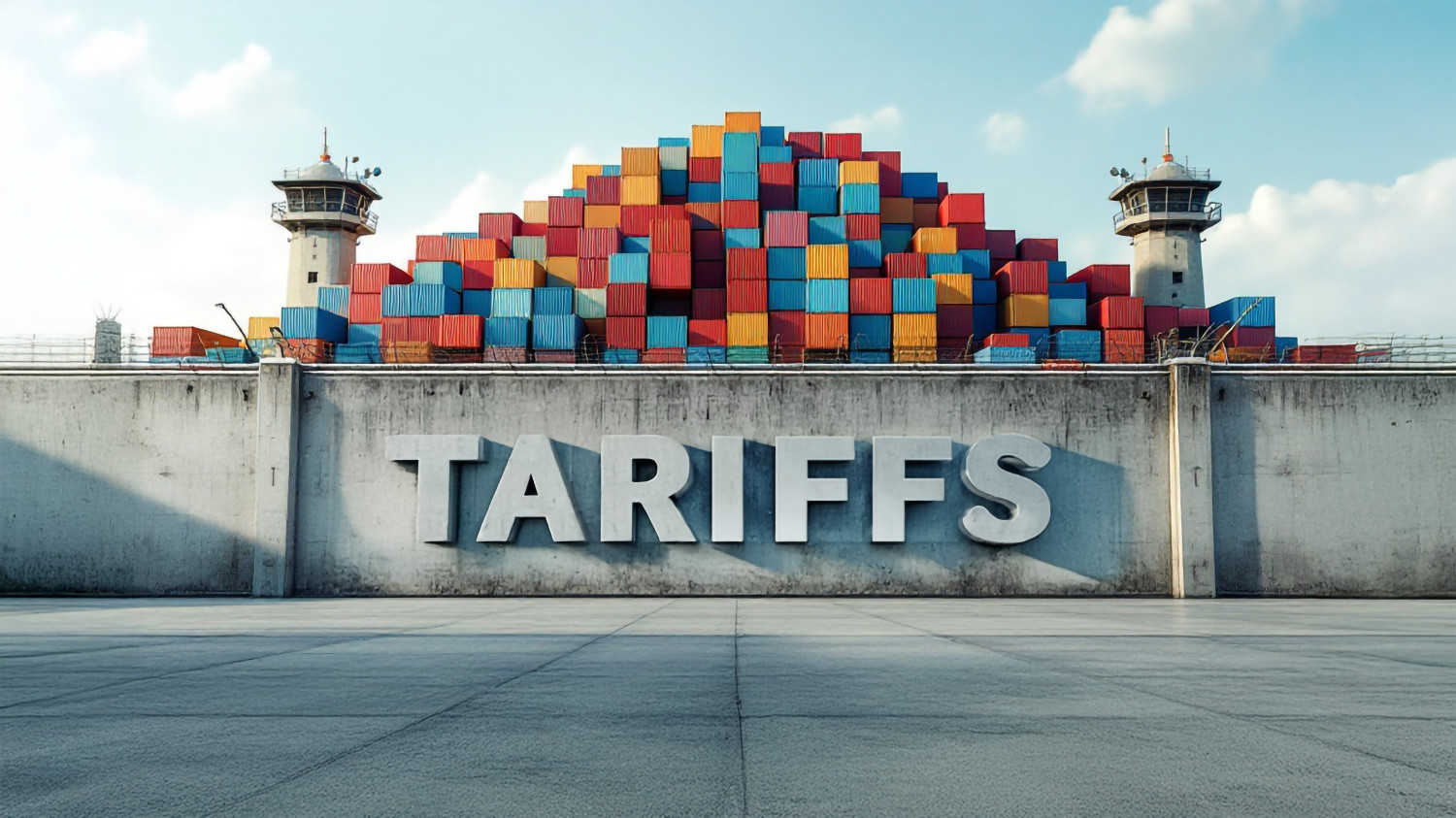
Twenty-five nations have declared a temporary suspension on all postal shipments to the United States amid tariff uncertainty. As of August 29, 2025, the United Stated will remove the de minimis exemption from law that allowed goods under $800 to enter tax-free. Tariffs range between 10% to 50% on the declared value, or $80 to $200 per parcel. Goods above $2,500 are subject to a Merchandise Processing Fee and additional formal customs checks. Processing delays and increased costs were incurred immediately, but now, a growing number of nations have decided to simply discontinue parcel service.

In Europe, the United Kingdom, France, Germany, Italy, Belgium, Austria, Switzerland, Denmark, Sweden, Norway, Finland, Czechia, the Netherlands, Spain, Poland, Portugal, and Ireland suspended services. In the Asia-Pacific, Australia, New Zealand, India, Japan, South Korea, Taiwan, Singapore, Thailand have halted services as well. Canada has also curbed its mail exports. All of this has been implemented at the federal level, whereas previously, individual postal carriers determined whether or not they would service the US.

“Despite discussions with U.S. customs services, no time was provided to postal operators to reorganize and assure the necessary computer updates to conform to the new rules,” France’s La Poste said in a statement. The Australia Post said the temporary partial suspension has been necessary to allow us to develop and implement a workable solution for our customers.” Italy’s Post Italiane noted that “the absence of different instructions from U.S. authorities,” forced the suspension of services. The United States did not consider the logistics of suddenly transforming import regulations.

American consumers are watching their orders decline in real-time. Items in transit are being returned of delayed, especially if they arrive after August 29. This is a fatal blow to small businesses that rely on international orders. American consumerism composes two-thirds of all GDP and other nations eagerly line up to sell their goods. Any downturn in trade is a negative for all parties involved.

The situation is still developing, but any suspension in parcel delivery will hurt the global economy. The United States did not give the world sufficient time to prepare for this new regulation. The EU, Japan, Canada, and others have the experience and infrastructure to integrate compliance changes and digital customs data, but other nations with less developed postal infrastructure are unlikely to quickly adapt their systems. These nations have been forced to halt services due to logistics rather than a punishment to the US as all parties involved will face consequences.

Labour Party Approval Sinks to New Low


Posted originally on Aug 28, 2025 by Martin Armstrong |  

Starmer Kier UK PM

The United Kingdom’s Labour Party is experiencing the lowest approval rating since the last general election, with only 20% approving of Keir Starmer’s administration. What we are seeing in Britain is part of a broader global cycle of political discontent. Politicians are losing credibility because they are offering nothing but recycled policies that fail to address the economic storm at hand.

Starmer, like so many others in power today, has no real solutions. He inherited a fragile economy already crippled by decades of mismanagement, and instead of reversing course, he doubled down on the very same failed ideas. The endless promises of “green jobs” and “renewable energy revolutions” have failed. Energy costs remain high, industry continues to flee, and average households are struggling with the global cost of living crisis. The public feels betrayed because they were sold the illusion of prosperity under the Labour Party.

A Reform UK spokesperson accused Starmer of “cosying up to the EU and leaving [Britain] entangled in reams of retained EU law which Kemi Badenoch failed to scrap will not resuscitate Britain’s struggling economy.” Brexit may have occurred but the current administration has not broken ranks with Brussels. Starmer is forcibly pushing the UK into a war and compromising domestic policies for globalist ambitions.

The Reform UK Party is now leading the polls with 28% of the vote. Nigel Farage is offering the people a new opportunity under an administration that would prioritize domestic issues. Farage has called Starmer’s economic approach a “mad experiment” and has criticized government spending and excessive taxation. He has promised to save Britain’s energy sector and repeal all net-zero policies that cost over £40 billion annually. Farage published a piece on The Telegraph explaining the severity of the nation’s migrant crisis. He believes that the UK has spent  £10 billion over five years on the migrant crisis and described the rise in crime and expenses as a “national emergency.” Farage has also expressed caution regarding sending UK troops to Ukraine.

The model suggests that as we approach the next critical political/economic wave, confidence in political leaders worldwide will erode. The people are turning to candidates whom the mainstream media paints as extreme because the world has awakened to the failed globalist policies that are destroying their nations. The people want national sovereignty that cannot be achieved through the establishment.

Faddis: If You Think You’re Gonna Keep Your Eye On 600k Students And Have Any Clue What They’re Stealing, You’re Lost


Posted originally on Rumble By Bannon’s War Room on: August 26, 2025