White House National Economic Council Director Larry Kudlow appears on FOX Business for his first interview since the signing of the U.S.-China trade deal. Mr. Kudlow is optimistic but also shares notes of caution for the compliance and enforcement aspects.
.
In the background of the delegation it should be noted Chinese Chairman Xi Jinping sent a hard-line handler, Commerce Minister Zhong Shan, to accompany the more moderate Vice-Premier Liu He. Zhong Shan was noted at the center of the signing ceremony and directly opposite Robert Lighthizer at the luncheon.
The two Beijing representatives highlight the ongoing Dragon -vs- Panda dynamic within China.
Internal to Chinese politics…. If the reformers are successful (Liu He) the compliance and enforcement mechanisms will succeed and ‘phase-one’ will lead to future negotiations. However, if the hardliners block reform (Zhong Shan), then the compliance and enforcement mechanisms will fail and ‘phase-one’ becomes a dead end.
Earlier today President Trump, together with his trade delegation and the delegation from China represented by Vice-Premier Liu He, signed a new, fully-enforceable Phase One Trade Agreement. This is the first ever trade agreement any nation has attempted to change the dynamic of how a free-market system (USA) can engage with the Communist system within China. [Video Below – Transcript ADDED]
While ‘phase-one‘ was structurally created to set the foundation, and test the principles of enforcement, this historic trade agreement will frame the text that all other free-market nations will follow in their own efforts to come to a substantive agreement with Beijing.
This is a really big deal on a worldwide scale of international commerce. Structurally the biggest changes inside China relate to Intellectual Property protections, U.S. ownership of assets, and changes within the Chinese legal system to stop Forced Technology Transfer.
During the ceremonial remarks Vice-Premier Liu read a statement from Chinese Chairman Xi Jinping to commemorate this historic trade agreement.
.
[Transcript] PRESIDENT TRUMP: Thank you very much. Please. We greatly appreciate your joining us at this White House event. This is a very important and remarkable occasion.
Today, we take a momentous step — one that has never been taken before with China — toward a future of fair and reciprocal trade, as we sign phase one of the historic trade deal between the United States and China. Together, we are righting the wrongs of the past and delivering a future of economic justice and security for American workers, farmers, and families.
I want to thank President Xi, who is watching as we speak — and I’ll be going over to China in the not-too-distant future to reciprocate — but I want to thank President Xi, a very, very good friend of mine. We’ve — we’re representing different countries. He’s representing China. I’m representing the U.S. But we’ve developed an incredible relationship. But I want to thank him for his cooperation and partnership throughout this very complex process. Our negotiations were tough, honest, open, and respectful — leading us to this really incredible breakthrough. Most people thought this could never happen. It should have happened 25 years ago, by the way. But that’s okay.
A man who also has become a good friend of mine and somebody who’s very, very talented and very capable, we’re delighted to be joined by Vice Premier Liu He, Ambassador Cui, and many other representatives from the People’s Republic of China.
We are especially proud of the efforts of Vice President Mike Pence, who is with us. And, Mike, I’d like to have you say a few words, please.
VICE PRESIDENT PENCE: Thank you, Mr. President. It’s an honor to be here with you, with Vice Premier Liu He, with our Treasury Secretary, with Ambassador Lighthizer, and with so many distinguished guests, members of Congress, and governors from around the country. This is a good day for America, China, and the world. And it’s an honor to be with you.
Mr. President, we gather here today, thanks to your leadership, at a time that the American economy is booming. With the strong support of members of Congress who are gathered here, we are now experiencing an economy that’s created more than 7 million jobs. The unemployment rate is at a 50-year low. The average American’s household income has risen by more than $5,000. That’s all a result of your commitment to cut taxes, roll back regulation, unleash American energy. But it also reflects your commitment to free, fair, and reciprocal trade.
Early in this administration, you made it clear that the era of economic surrender was over. And you took a strong stand for American jobs and American workers. You said to our friends in China that things had to change. And thanks to your leadership, today the change begins. (Applause.)
Thanks to your efforts, Mr. President, we announced today great progress on protecting intellectual property, on preventing forced technology transfer and currency manipulation. And I know it means so much to you — the greatest impact may well be on American agriculture. Some $40- to $50 billion in purchases secured in this deal that will result in greater prosperity for farmers all across the land.
And, Mr. President, your commitment to a growing and prosperous America has been the centerpiece of your leadership. And today, with the signing of phase one, it’s one more example of your commitment to put American jobs and American workers first. And we recognize, as you do, Mr. President, that differences will remain between our two nations. But today is the start of a new chapter in trade relation between the two largest economies in the world.
But I can assure the American people that this President will continue to stand firm and put America first, even as we forge a more productive relationship with China and with the world.
Mr. President, you know there’s an ancient Chinese proverb that says, “Men see only the present, but Heaven sees the future.” So let today be the beginning of a brighter future, more prosperous for the American people, the Chinese people, and the world. Thank you, Mr. President. (Applause.)
PRESIDENT TRUMP: Thank you, Mike. An incredible job. Incredible guy.
I also want to give special thanks to our U.S. Trade Representative, who’s been kept very busy. (Laughter.) He’s doing a lot of deals. We’ll have another big one next week. It should get approved very shortly, and that’ll be tremendous, with Canada and Mexico. But we’ll talk about that next week.
But Robert Lighthizer — are we keeping you busy enough? Huh? Poor guy can’t sleep. He tosses and turns. What happened to him?
AMBASSADOR LIGHTHIZER: Here. I’m sorry. That was dropped. And —
PRESIDENT TRUMP: Oh, okay. Thanks.
AMBASSADOR LIGHTHIZER: I’m all purpose. (Laughter.)
PRESIDENT TRUMP: Mike. Mike. Mike said — that’s right, you are all-purpose, come to think. (Laughter.)
But Bob Lighthizer is really an outstanding guy. He gets along with people. He’s smart, he’s sharp. And he understands trade better than anybody. When I first took this, I said, “I got to get the best guy.” And all signs pointed to Robert Lighthizer. So thank you very much, Bob. Thank you very much. (Applause.)
I have one question: Was this an easier job or a tougher job than you thought?
AMBASSADOR LIGHTHIZER: It was tougher than I thought. (Laughter.)
PRESIDENT TRUMP: I had a feeling you might say that. Also, our great Treasury Secretary, Steven Mnuchin, has worked with Bob hand in hand. And thank you very much, Steve. Great job. (Applause.)
So this really is a landmark agreement. But along with them, we had the exceptional efforts of Jared Kushner. Where is Jared? Where is Jared? (Applause.) Our brilliant Jared. Great job, Jared. He worked hard. He left a beautiful, nice, very prosperous real estate business, and came here. And, I can tell you, that was harder. This is harder than real estate in New York, isn’t it, Jared? Right?
MR. KUSHNER: A lot harder.
PRESIDENT TRUMP: But you’ve done a fantastic job. You don’t get people like that. So thank you very much. And, Ivanka, nice to have you here. Thank you, honey.
Also somebody that I’ve heard for 35 years. His voice is just — a great gentleman, a friend of mine, but a great gentleman. We brought him in and he has been outstanding. The only problem is he doesn’t like going on television very much. He’s a little bit shy about that. Larry Kudlow. Where’s Larry? (Applause.) Where is Larry?
We had a day where the market went down $1 trillion. Think of that. In other words, it was one of those few days, because we’ve had 141 days where we hit all-time highs. And we just broke — as you know, we just broke the 29,000 mark on the Dow, just now, as we were walking in. The market is up substantially today. (Applause.) We have all these business leaders. I’m sure they don’t care.
But Larry Kudlow went out into the beautiful lawns of the White House. Actually, he was standing in the middle of the Rose Garden. He had a beautiful scarf waving in the wind. He was everything perfect, right out of Greenwich, Connecticut. (Laughter.) And he started talking. And by the time he finished, I said, “You just made a trillion dollars. A trillion.” (Laughter.) Because the market went up like 250 points. I said, “Larry, what the hell did you say?” (Laughter.) And it didn’t matter. But we were even. We went from being a trillion down to even, and that was pretty good.
Larry, you’ve been fantastic. Thank you very much. Appreciate it. (Applause.)
And, by the way, I just see in the audience our great Ambassador to China, right? Governor. So we had the governor of Iowa, and he loves China. And he’s the long- — you’re the longest-serving governor in the history of our country. Like 24 years. And I called him. I said, “Governor, you have to do me a favor.” Because I remember one conversation I had with him. I was going in to make a speech, before the election, and he said, “Sir, please don’t say anything bad about China.” It’s the first time anyone ever said that to me. (Laughter.) And I said, “Who is this guy?” He’s the governor of Iowa. He just said, “Don’t say bad about China.” So I had to rip up about half of my speech, right? (Laughter.)
And I said, “Why?” And he said, “Well, we do a lot of business. I’ve been dealing with China for 35 years, with corn and all of the different things.” And he told me a story that was amazing. He said, “You know, 35 years ago, when I started, I met a man named Xi. He wasn’t President then; he was a young man.” And the governor came back. He told his wife, he said — this is 35 years ago. And it’s documented. He said, “I just met the future President of China.”
And nobody thought much about it. And you know what? Twenty-eight years later, you turned out to be right. And you have been an incredible ambassador. And they like each other so much. So when it came time to picking the important position of ambassador, I said, “Haven’t you had enough after 24 years being governor of Iowa?” He said, “If you want me to do that.” And it’s been a great — you’ve been a great help. Thank you very much, Ambassador. (Applause.) I appreciate it. Done a great job. Nobody could have done that job better.
A man — I think I can go on the opposite side of the spectrum, perhaps, from the governor. His attitude is a little different. Our trade advisor, Peter Navarro. (Laughter.) Right, Peter? He’s a little different. We have all types. We have all types.
A Deputy Chief of Staff, Chris Liddell, who’s been with us for a long time, and he’s done a fantastic job and had a great business career.
Commerce Secretary — a legend on Wall Street — Wilbur Ross. (Applause.) Where’s Wilbur? Thank you. Wilbur, thank you.
A man who knows agriculture as well as anybody in the world. We were looking for an agricultural person, and we wanted to go political, and we were looking for somebody that would fit perfectly. And Sonny came in, and it was over. I learned more in that half hour about agriculture than I — Joni, right? — than I could ever have learned, possibly. Sonny Perdue has been incredible. And we’re taking care of our farmers — that, I can tell you. (Applause.) So, Sonny, thank you very much. Great job. Thank you. Thank you, Sonny.
And a woman — transportation is going very well. She’s done an incredible job. We’re getting approvals down now from 20 years — 21 years to 2 years. And it may get rejected for environmental or other reasons. But we have it, Lindsey, down to about two years. A highway which would have taken 19 to 20 years to get approval, we have it down to 2. And we want to get it down to one. And if it doesn’t work, we’re going to say, “You don’t build it.” But you’re not going to wait 22 years to find out you can’t build the highway.
And she has been fantastic: Secretary of Transportation Elaine Chao. (Applause.) Thank you, Elaine. Thank you, Elaine.
So we have tremendous numbers of people here, and I’m saying, “Do I introduce them?” But I think I sort of should because what the hell. This is a big celebration. And, by the way, some of the congressmen may have a vote, and I don’t — it’s on the impeachment hoax. So, if you want, you go out and vote. (Laughter.) I’d rather have (inaudible) — it’s not going to matter, because it’s gone very well. (Laughter.) But I’d rather have you voting than sitting here, listening to me introduce you, okay? (Laughter.)
They have a hoax going on over there. Let’s take care of it. So, if any of you guys want to leave, we will not be — where is Kevin McCarthy? The great Kevin McCarthy.
AUDIENCE MEMBER: (Inaudible.)
PRESIDENT TRUMP: Okay, good. I’m glad. (Laughter.) Can I be honest? (Laughter.) I’m glad. I like it much better that way. And, by — the House folks, 195 to nothing. And we got three Democrats, and one of them actually left the Democratic Party, came over Republican. And what a job you’ve done. So I just want to thank you all. Really tough. I love that.
So we have some incredible people in the audience, and I’d just like to introduce a few — a very good friend of mine — two very good friends of mine: Sheldon Adelson, Miriam Adelson. Thank you very much, both, for coming. They’ve been tremendous supporters of us — (applause) — and the Republican Party. And they’re great people.
A man who always liked me — because he’s smart, so smart — (laughter) — the great Lou Dobbs. You know, at first, he said, “He’s the best since Reagan.” Then, he got to know me more and more, and he said, “He’s even better than Reagan.” (Laughter.) Then, a few weeks ago, somebody told me — and I watch all the time, but somebody has got a very important show, actually. Tremendous audience and very — everybody in this room watches.
But Lou Dobbs, he said, “He’s the greatest of them all.” I said, “Does that include Washington and Lincoln?” (Laughter.) And he said yes. Now, I don’t know if he was for real, but that’s okay. But the great — he is — the great Lou Dobbs. Thank you very much, Lou. (Applause.) Thank you. Great show, Lou.
And a man who everybody knows — he knows more than probably everybody in this room put together. He’s seen it all. And he made a statement to Jared. Jared came in and said, “You know, Henry Kissinger told me, ‘How did the President ever pull this off?’” I said, “Can I quote Henry on that?” Because Henry is outstanding. And when Henry is impressed with something, then I’m impressed. And, Henry, we’re impressed with you. Thank you very much for being here. (Applause.) Thank you, Henry. Thank you.
And, Michael Pillsbury, thank you very much. And, Susan Pillsbury, thank you very much. And you’ve been saying some fantastic things about China and about us. And we have a good partnership. This is going to be something that’s going to be very special. We’re going to talk about it in a second.
A friend of mine, Steve Schwarzman, is here. Steve, I know you have no interest in this deal at all. (Applause.) I’m surprised you’re not actually sitting over here on the ledge of the stage as opposed to — but Steve has done a great job and very good relationship with China and very good relationship with us.
Nelson Peltz is here, a friend of mine. Where’s Nelson? Nelson is around here someplace. Hi, Nelson. What are you doing sitting all the way back there, Nelson?
MR. PELTZ: (Inaudible.) (Laughter.)
PRESIDENT TRUMP: How’s General Electric doing, Nels? He’ll straighten it out. You’ll straighten it out. He came in nice and late. (Laughs.) He didn’t get in too early, that’s for sure.
Hank Greenberg is here. Hank. If they took care of Hank, they wouldn’t have had the problems that they had. Where’s Hank? Hank Greenberg. (Applause.) Oh, Hank. If Hank stayed there like he should have, you wouldn’t have had the problem that you ended up having with our economy. But it’s great to have you, Hank. Thank you very much.
We have some tremendous senators here and some really incredible people. And I want to just say, the ones that are here, if I miss your name, stand up and I will promise to say it, because a lot of people wanted to be here.
A senator who has been new to the game, and he took it up so quickly and so easily, and he ran a race that was undoable. The person he ran against was unbeatable. Nice woman, Heidi, but unbeatable. And then Kevin Cramer said, “I can beat her.” And I think he only won by about 12 points, right? And they say he’s the only man in North Dakota that can win. And I said, “We’ll do it.” And I had him in my office three times and I said, “Kevin, you got to do it.” And I said, “He’s doing it.” And he turned me down. (Laughter.) Then he came back again — well, this time, I know he’s doing it. He calls me back and he said, “Sir, I’m not going to do it.” He said, “You know, in all fairness, I’ll call you back.” But I never give up, do I? So now, instead of being a congressman, he’s a senator. And you’ve been great. And thank you very much. Kevin Cramer. (Applause.)
Mike Crapo, a friend of mine. These are all warriors. These are — incredible. Mike — thank you very much, Mike. What a job you do. Mike is one of those guys — goes unsung, but behind the scenes, there’s nobody sharper, smarter, and we all respect you and love you. Every one of these people. Thank you very much, Mike. Appreciate it.
Steve Daines. Same thing I can say for my Steve. And he’s got a hell of a football team. How did they do this year? All right? They going to be back? They won it again? They have a good team. They have a good team.
Joni Ernst. You got ethanol, so you can’t be complaining, right? (Laughter.) Steve — (laughs) — Steve, that’s good for you too.
You know, Joni would call me, along with Chuck Grassley; they’d call as a tandem. You can’t beat the two of them. All they want to know about is ethanol. Ethanol. But we got it done.
Deb Fischer — same boat, right, Deb? You want that ethanol for Nebraska.
And a friend of mine, Lindsey Graham. He’s become a great friend of mine and he’s an outstanding man. He loves our country. He really does love our country. He works like hell. Do you do anything other than politics?
SENATOR GRAHAM: Golf.
PRESIDENT TRUMP: He’s likes golf, too. He likes golf too. Much better golfer than people would understand. He likes golf. But he’s a great guy. You get it done. He brings people together.
Chuck Grassley. Where’s Chuck? Where’s Chuck? Chuck. Will you stand up for a second? This guy is the toughest guy. He can say something in a nice manner and everybody is afraid. Right? (Laughter.) He made Comey choke during the hearing. He said, “Did you leak anything to the press?” “What? What? What? What?” Comey choked like a dog, and he was being nice when he said it.
Chuck is outstanding. Unbeatable — between you and the governor, those are two pretty good ones, right? Unbeatable under any circumstance. He makes the rounds like virtually every night. I think you still have never missed a vote. Have you ever missed a vote? He was — Chuck was — huh?
SENATOR GRASSLEY: Since 1993.
PRESIDENT TRUMP: Ninety-three. He was in my office a month ago, and I thought it was very rude. He said, “Sir, I’m sorry, I have to leave.” “Why?” That was right in the middle of a meeting. I said, “Why?” He said, “Because I have to vote and I’ve never missed a vote” or some- — I said, “How many years?” He said, “1993.” That’s a long time. I said, “You know what? Go leave. That’s a good record to keep.” Because he’s a solid, reliable, unbelievable person, and he’s a friend of mine. So thank you very much, Chuck. (Applause.)
And let them know also about that ethanol, Chuck. We brought home the ethanol. Man, when you have those two calling — they were not nice about it, Jerry Moran. I want to tell you — where’s Jerry? Jerry, they were not nice about the ethanol. I want to say that.
And Jerry, with what he did with — we’re working together — very closely together with the vets. And it’s incredible what’s happened with what we approved on Choice. It’s made a whole big difference. You don’t hear complaints about the VA anymore. Do you notice? They go out, see a doctor. If they have to wait two months, or if they have to wait two days, they go out and see a doctor. Jerry Moran, folks. He did a fantastic job. (Applause.)
Rob Portman, great friend of ours from Ohio. Rob, fantastic job. I just left Ohio. They love you. They love you there, and you’ve done a fantastic job. And you are my friend. Rob Portman. (Applause.) Thanks, Rob.
Pat Roberts. A man from Kansas, who is going to be leaving us. I cannot believe that you’re not running again. You have at least — at least another 12 good, solid years in the Senate if you wanted them. You have to do it. You’re sure, right? Okay. He’s made that decision. But, Pat, thank you very much. And this is very important to Pat and to Mike Rounds, because what’s happened here, if you look, it’s so much about everything you stand for, especially the farmers. And the farmers are going to be so happy.
Where is Mike Rounds? Mike? Mike? Stand up, Mike. He’s another one. He was brutal to me. He would call: “I got to get this done. You got to get it done.” Right? Thank you very much, Mike. Fantastic job.
And Dan Sullivan, from the great state of Alaska. And I stop there every time I can, right? And I won by a lot. They like me in Alaska, right? But they like you too, Dan. And thank you very much.
Kevin McCarthy, as you know, left for the hoax. (Laughter.) Well, we have to do that, otherwise it becomes a more serious hoax. And Mark Meadows is a friend of mine, right from the beginning. Thank you, Mark, very much. Special guy. Special friend. Great wife, too. His wife actually supported me long before him, but he thinks I don’t know that. (Laughter.) She went on “Women for Trump,” when it wasn’t so fashionable. Like, on the worst day of my life, she was doing “Women for Trump” tours with 50 women on buses all over the great state of North Carolina. She’s fantastic.
Vern Buchanan. Thank you very much. Thank you, Vern. Great job you’ve done.
Mike Conaway. Thanks, Mike. Thank you, Mike.
By the way, Kristi, thank you for being here. I didn’t know you were going to be here. Thank you. Stand up. We’re going to do a big fireworks display, right? Mount Rushmore. We’re going over — I think I’m going to try and be there on July 4th.
So, the governor called. She ran a great race, a tough race. That was a tough competitor you had, right? A big star. And — but she was a bigger star, it turned out, Lindsey. But she said, “Do you think we can get fireworks back at Mount Rushmore?” I said, “Why?” They haven’t been there for — like for 20 years. I said, “Why?” “Environmental reasons.” I said, “You mean you can’t have fireworks because of the environment?” “Yeah, environmental reasons.” I said, “What can burn? It’s stone.” You know, it’s stone. It’s granite. (Laughter.)
So nobody knew why; they just said, “Environmental reasons.” So I called up our people. And within about 15 minutes, we got it approved, and you’re going to have your first big fireworks display at Mount Rushmore, and I’ll try and get out there if I can. (Applause.) Okay? Right? That’ll be great. Thank you very much for being here. Thanks, Kristi.
Mike Kelly. Where’s Mike? Mike, thank you very much, Mike. What a friend.
Drew Ferguson. What a friend. These are great people, I’m telling you.
Darin LaHood. Darin. Thank you very much, Darin. Great job.
Michael McCaul. You did a phenomenal job three, four days ago, Mike, with your speech on the floor. That was incredible. Very inspiring.
Patrick McHenry. He’s a — number one, he’s a great guy. And number two, he’s got the best name in politics. If I had that name, I would have won 20 years ago. (Laughter.) Patrick McHenry.
A man who’s got such courage — honestly, he deserves a medal. He’ll probably get one. We still have to win to get medals though, right? We can’t give medals if we don’t win. But this guy has never lost in his life. He is so tough and so smart. Devin Nunes. Thank you. Stand up, Devin. Everybody knows him. (Applause.)
What they put him through — (applause) — what these phony people, what these dirty cops and all of the others put you through — and, man, you survived it better than ever, and everyone respects you. And even Meadows respects you, and he respects very few people. (Laughter.) So, thank you, Devin, very much. Great job.
Adrian Smith. Thank you, Adrian. Thank you very much. And don’t feel — again, you guys are all set. I’ve introduced you — not much more for you, but you know. But you’re going to hear some great things about China, and you’re going to hear some also great things now because we have a who’s who of the world of business with us today.
David Abney, of UPS. David? Where are you, David? You can stand up, if anybody wants to. If you don’t want it — you know, if your company is not doing well, you may not want to stand up. (Laughter.) But UPS is doing very well. There will be a couple that will just sort of slink back into their chair. They’ll pretend they’re not here. Thank you, David. Great job you’ve done.
Darius Adamczyk, of Honeywell. A great company. Thank you very much. Great equipment you make. I have a lot of it. I use a lot of it, and the country uses a lot of it.
Ajay Banga, of Mastercard. Thank, Ajay. Fantastic job.
Josh Bolten, Business Roundtable. Thank you, Josh. Great job.
David Calhoun. He’s got a very easy company to run. He just took over Boeing. Where’s David? David. Where’s David?
MR. CALHOUN: Right here.
PRESIDENT TRUMP: Stand up, David. See, he didn’t want to stand. Let me tell you: It’s not your fault. You just got there. (Laughter.) You’ll straighten it out quickly, please.
MR. CALHOUN: We will.
PRESIDENT TRUMP: Okay. I have no doubt. It’s a great company.
Les Daniels, USTR, ACTPN. Okay?
Dan DiMicco. We’ve been fighting the steel things for 20 years together, Dan. I’d like to say “30,” but I don’t want to do that. Right? We’ve been fighting together for a lot longer than 20 years on the —
MR. DIMICCO: We’re winning.
PRESIDENT TRUMP: And now we’re winning. Finally. It took 25, 30 years. It took a little change at the top, didn’t it? But you’ve been a warrior for — for getting really taken advantage of as a country. And you’ve been a warrior, and I appreciate it. Right from the beginning, Dan and I — we — it was a fight of two people against the world.
Tom Donohue, U.S. Chamber of Commerce. And that’s — where’s Tom? Thank you, Tom. Great job.
Brian Duperreault, of AIG. Do you know that company, Hank? AIG. Did you ever hear of AIG, Hank Greenberg? Thank you very much. I appreciate it, Brian.
Mary Erdoes, JPMorgan Chase. They just announced earnings, and they were incredible. Where — where are you? They were very substantial. Will you say, “Thank you, Mr. President” at least? Huh? (Laughter.) I made a lot of bankers look very good. But you’re doing a great job. Say hello to Jamie. I think we’re seeing him tomorrow.
Nancy Falotico, of Ford. Nancy, where are you? Hi, Nancy. So young. So young. That’s very impressive. Thank you very much. You’re doing a good job.
Jim Fitterling, Dow Chemical. Incredible company. Jim. Thank you, Jim.
Jack Fusco, Cheniere. Jack, thank you. Great.
Meg Gentle, Tellurian. Where are you? Hi. Congratulations.
Ken Griffin, Citadel. What a guy he is. Where are you, Ken? Where the hell is he? He’s trying to hide some of his money. Look, he doesn’t want to stand up. Where the hell is Ken? See, Steve, you’ll stand, and he’s very quiet about it. He’s in here someplace; he just doesn’t want to stand.
Harold Hamm. He puts a straw into the ground, and oil pours out. (Laughter.) It’s true. Other guys spend billions and billions of dollars; they can’t find oil. This guy takes a straw, he goes like this, and oil pops up. Harold, my friend. He’s been with me from the beginning. Right, Harold? He was with me from the day I came down the escalator with our First Lady.
By the way, do I see John Thune in this audience? John — how the hell do I not introduce John? They didn’t have your name down. I can’t believe it. Will you stand up? What a great guy he is. (Applause.)
VICE PRESIDENT PENCE: Kevin Brady and Shelley Moore Capito.
PRESIDENT TRUMP: I also see Kevin Brady. Thanks, Kevin. Great job on the tax cuts.
Al Kelly, Visa. Al Kelly. Al Kelly, thank you.
Ryan Lance, ConocoPhillips. Ryan, great. You’re doing fantastically well.
Most of you, I can say, you’re doing fantastically well. “Thank you, Mr. President.” (Laughter.) Don’t worry about it. Don’t feel guilty.
Alan MacDonald, Citibank. Citibank. (Applause.) Good. Boy, you brought that back so far. I remember seven, eight years ago. But Citibank is doing fantastically well.
Raymond McDaniel, Moody’s. Good. Are you giving us good ratings, Raymond, please? Okay? We’re doing pretty good, right?
Sanjay Mehrotra, of Micron. Incredible company, the job you’re doing. Sanjay. Thank you, Sanjay, very much.
Steve Mollenkopf, Qualcomm. They had a merger going, and I said they should let that merger go by. I called up President Xi, and I — they rejected it. Remember? And then they accepted it. By that time, you were off to another deal. You didn’t even want it. But nobody else could have done that, right? But you could have had it.
Jim Morrison, of Jeep. What a great brand Jeep is. What a job they’ve done. That is a great brand. And congratulations.
Larry Nichols, Devon Energy. Larry? Larry. Thank you, Larry. Great job. These are great people.
Jason Oxman, ITI. Jason, thank you. Great job you’re doing.
Scott Schenkel, eBay. I sign things, and the next night, I see them on eBay. They’re sold. (Laughter.) They’re sold for a lot of money. I said, “Sir, could I have you just — would you sign my sneaker?” “Yes.” Then, two nights later, I see it on eBay, selling for $5,000. I say, “What kind of people are these, Lindsey?” Terrible. (Laughter.) Sometimes it’s the senators and the congressmen that do it. That’s — (laughter).
Gary Shapiro, CTA. Gary. Great job, Gary.
Greg Smith, of Boeing, also. And, Greg, get that going. Work together. Get it going. You know, Boeing makes a tremendous portion of our GDP. I had no idea it was such a big company. It was — I mean, I know it was big, but it could have up to a half a point of GDP. Some people say even more. So we’ve got to get that one moving fast, and it’s going to be better than ever, I think.
Mike Sommers, API. Mike? Thank you, Mike.
Paul Taylor, of Fitch. That’s another good ratings group. Are we doing okay at Fitch? Good. Otherwise, I wouldn’t have introduced you, if I thought — (laughter).
Robert [DEL: Thornson :DEL] [Thomson], News Corp. Where’s Rupert? Is Rupert not here? I can’t believe Rupert is not here. Is he the greatest though, or what? He was going to get $40 billion for his thing. He sold all the stuff he didn’t want. He sold it to some group that doesn’t like Trump as much; that’s the only problem. But he was going to get $40 billion, and he said, “I don’t know, they keep bidding this thing up.” They end up paying what? Seventy-five billion? And he kept the best stuff. So Rupert is doing right, huh? Rupert is fantastic, and that whole family is just a great family. So say hello, Robert.
And John Thornton. Oh, John. Where’s John? Where’s John? John is great. Good job, John. (Applause.) Thank you for all the help, too. Great job, John.
Jay Timmons, NAM. Jay, thank you very much. Thanks, Jay.
Stephen Vaughn, King and Spalding. Stephen. King and Spalding. I could use some good legal advice. Do you have some good lawyers over there? I could use some good lawyers, right? Ah, to hell with it. I just have to suffer through it the way I have all my life. (Laughter.) Somewhere along the line, they must be pretty good, right?
Jonathan Ward, Atlas Organization. Jonathan, thank you. Great job you’ve done.
Kevin Warsh. Kevin. Where’s Kevin? I don’t know, Kevin. I could have used you a little bit here. Why weren’t you more forceful when you wanted that job? Why weren’t you more forceful, Kevin? You’re a forceful person. In fact, I thought you were too forceful, maybe, for the job. And I would have been very happy with you.
But, Kevin, thank you for being here. You understand that very well, right? It bothers me when Germany and other countries are getting paid to borrow money. This is one — I don’t know where that all leads, but we have to pay. We’re the number one in the world, by far, and we have to pay for our money. Our interest rates are set high by the Fed. Our dollar is very high, and — relatively speaking. But when other countries get — literally, they’re under. They have negative rates — meaning, they’re under. They get paid. I love this. This concept is incredible. Again, you don’t know where the hell it leads. But you borrow money, and when you have to pay it back, they pay you. This is one that I like very much. And I’m going to talk to you about that, Lou Dobbs.
So we’re set at two. Tell me, why are we paying and other countries are getting money when they get paid back? I really want to know: Who are the people that buy this stuff? Who puts money into something when they say, “This is a guaranteed loss”? But that’s a whole different group of people than I know.
Glenn Youngkin, of Carlyle. Carlyle Group. Great group.
So, for decades, American workers, farmers, ranchers, manufacturers, and innovators have been hurt by the unfair trade with China. Forced technology transfer and intellectual property theft have been huge problems. Since China joined the World Trade Organization two decades ago, we have racked up nearly $5 trillion — the Vice Premier, I hope he’s not listening to this — (laughter) — in trade deficits, lost millions and millions of manufacturing jobs, and saw tens of thousands of factories close. And that had to do, also, with Mexico, and, to an extent, Canada.
What they did to this country with trade and trade deals — NAFTA. We had no deal with China. I mean, we had no deal. And it was like just easy pickings.
For years, politicians ran for office, promising action to remedy these practices, only to do nothing but allow them to continue. And it was pillage.
As a candidate for President, I vowed strong action. It’s probably the biggest reason why I ran for President, because I saw it for so many years. And I said, “How come nobody is doing something about it?” In the meantime, immigration, and building our military — also important. But that’s probably the biggest reason.
In June of 2016, in the great state of Pennsylvania, I promised that I would use every lawful presidential power to protect Americans from unfair trade and unfair trade practices. Unlike those who came before me, I kept my promise. They didn’t promise too hard but — (applause) — they didn’t do anything. And I actually think I more than kept my promise.
Now our efforts have yielded a transformative deal that will bring tremendous benefits to both countries. We have a great relationship with China, we have a great relationship with the leadership of China, and China fully understands that there has to be a certain reciprocity. There has to be. It cannot continue like this. It would be dangerous for it to continue like it was.
The agreement we signed today includes groundbreaking provisions in an area of critical importance to the United States: protecting intellectual property. So the deal you’re seeing today is a much bigger deal than — we have it very much guarded. They asked one of our Democratic — Cryin’ Chuck Schumer — “What do you think of the deal?” — two weeks ago. He had no idea what the deal was. Never saw the deal; it’s totally guarded.
“I don’t like it. I don’t like the deal,” he said. “Well, have you seen it?” “Yeah, I think I know what…” “Well, why don’t you like it?” “Well, they took the tariffs off.” Actually, we didn’t. He didn’t know anything about the deal. He just said exactly what probably you should say, as a politician. “How do you like the deal?” “I don’t like the deal.” “Do you know the deal?” “Uh, uh, sort of.” He never saw the deal. He knew nothing about it. He would love the deal, but he can’t say it, because he’s on the other party. But maybe Patrick would do the same thing, right?
But you know what? I would say that you shouldn’t. This is an unbelievable deal for the United States. And, ultimately, it’s a great deal for both countries. And it’s going to also lead to even a more stable peace throughout the world.
China is helping us with North Korea. China is helping us with a lot of the things that they can be helping us with — which you don’t see in a deal, but they have been very, very helpful with respect to Kim Jong Un, who has great respect for President Xi.
And it’s all a very, very beautiful game of chess, or a game of poker, or — I can’t use the word “checkers” because it’s far greater than any checker game that I’ve ever seen. But it’s a very beautiful mosaic.
But China is giving us a lot of help, and we’re giving them a lot of help on things that we help them with. And one of the things that we are also talking about is fentanyl. And President Xi has already instituted very strong penalties and arrested large numbers of people who are sending fentanyl into our country. That never happened before. (Applause.)
So China has made substantial and enforceable commitments regarding the protection of American ideas, trade secrets, patents, and trademarks. This was not, according to most — they didn’t know we covered any of this. We’ve covered a lot of this. It’s phase one. But they’re doing many more things in phase one than anyone thought possible.
China has also pledged firm action to confront pirated and counterfeit goods, which is a big problem for many of the people in the room — the counterfeiting. We’ll make sure that this happens, and we have very, very strong protection.
In addition, the agreement addresses forced technology transfer policies that can require companies to give away their know-how and trade secrets. So now, when Boeing has some work done over in China or wants to sell planes over in China, they don’t have to give up every single thing that they’ve ever — you know, that they’ve worked so hard to — to develop and to come up with. Are you guys hearing that? You don’t have to give up anything anymore. Just be strong. Just be strong. Don’t let it happen. But you don’t have to do that.
It was a terrible — it was a terrible situation going on there. And a lot of it was because our co- — our companies, I have to say this, were very weak. You were very weak. You gave up things that you didn’t have to give up. But now, legally, you don’t have to give them up.
Under this deal, transfers and licensing of technology will be based on market terms that are fully voluntary and reflect mutual agreement.
Phase one will also see China greatly expand imports of the — to the United States. We want to buy a lot of their product inexpensively.
But we have an additional $200 [billion]. They are going to be what — what is, to me, very important. Number one, they’re going to be spending much more than $200 billion over the next two years, including up to $50 billion just on agriculture alone.
And some of the numbers that I wrote down — on manufacturing, they’ll be spending $75 billion. They’ll be putting into our country, okay? They’re going to be putting into our country $75 billion on manufacturing. Fifty billion dollars’ worth of energy. So that’s great for our energy people. We’re the number one in the world now; we weren’t. We’re now the number-one energy group in the world. We’re bigger than Saudi Arabia, and we’re bigger than Russia. We’re bigger than everybody. (Applause.)
And for those people that are in the room that are very much into it, of which we have a lot of the oil and gas folks in the room: I’m approving some pipelines in Texas momentarily, which will give you — which would’ve taken 15 more years to get. But you’re going to have them very quickly. I mean, we take from a 15-year period to about a 2-month period, and I’m angry at my people for taking so long. Right?
But if we do that, we’ll be up about another 22 percent in oil and natural gas. So we have $50 million for — $50 billion for energy, $50 billion for agriculture, and $40- to $50 billion on services, including, Rob, financial services. So the banks are going to be doing great. Credit cards — all of the things that you do so well. You’re going to be able to now go into China and really do a job. And they’re going to be working with you.
One of the other things I have to say is that protection of intellectual property — we have very strong protection of intellectual property. A lot of people thought this deal was just a simple deal for — the farmers are going to get $50 billion. Remember I said, Lindsey, they have to go out and buy larger tractors?
China was doing $16 billion with the farmers. And they stopped. Why not? You know, they’re in a negotiation. So our people agreed to $20 [billion], and I said, “No, make it $50 [billion]. What difference does it make? Make it $50 [billion].” They say, “Sir, our farmers can’t produce that much.” I said, “I love our farmers. Let them tell me they can’t do it.” And I said, “Tell them to go out and buy a larger tractor. Buy a little more land.” But they’ll be able to do it. I have no doubt they’ll be able to do it. (Applause.)
So, the other thing that I think we have is the currency devaluation standards. We have a very strong standard for currency devaluation. And, in all due respect, China was one of the greats in history at doing that, and we’re going to work on it together. But currency devaluation will now have some very, very strong restrictions and very powerful restrictions. And we have just full — again, the word — one of the strongest things we have: total and full enforceability. And you know what that means: total, full enforceability on all of this.
So, the agreement tears down major market barriers for U.S. food and agricultural exports. China will now welcome American beef and pork, poultry, seafood, rice, dairy, infant formula, animal feed, biotechnology, and much, much more. Because frankly, you know, they were not doing things that they were supposed to be. And that’s okay. Because now they will. The deal will also benefit energy, manufacturing services, and all sectors of the economy.
And I will say this: This deal — again, they thought it was a 50-billion-dollar agricultural deal. Now it’s much more than $200 billion, of which 50 is agricultural. But the rest is in all of the other things that we just discussed, especially for financial. And you should really look at it. And you have a free pass. And you don’t have to worry about the 49 percent where you can’t own, because you’re going to be able to own now. And you’re not going to have to take partners that are forced upon you. It’s an incredible deal from that standpoint, too.
We’re delighted that the Chinese consumers will now enjoy the greater access to the best products on Earth — those made, grown, and raised right here in the USA.
So phase one, which has been really incredible — you know, we almost had the whole deal done, but this is better. This is a more detailed deal for this aspect of the deal. It was such a big deal before. And this is a much more — much more targeted, much more powerful deal for everything we’re doing, which is a very large part of the deal.
But we’re going to be starting phase two, as soon as this kicks in. We’ll be starting phase two. We’re leaving tariffs on, which people are shocked, but it’s great. But I will agree to take those tariffs off, if we are able to do phase two. In other words, we’re negotiating with the tariffs. We have 25 percent on $250 billion worth of goods. And then we’re bringing the 10 percent down to 7.5 percent on $300 billion worth of goods plus.
So — but I’m leaving them on, because otherwise we have no cards to negotiate with. And negotiating with Liu is very tough. But they will all come off as soon as we finish phase two. And that would be something that some people on Wall Street will love, but from what I see, they love this deal the way it is now. But we have very strong cards. And, frankly, China and I are going to start negotiating with Bob and Steve and everybody very, very shortly.
So, from this nation’s vibrant heartland to our gleaming cities, millions of workers and farmers and innovators have waited decades for this day. We never even had a deal with China. In all fairness, I don’t blame China. I blame the people that stood here before me. I don’t blame China. I told that to President Xi. I was in Beijing, making a speech, saying how they’re ripping us off. And guess what? He wasn’t too happy. I looked at him. I said, “He’s not happy.” And I said, “I better change the speech quickly.”
So I said, “I don’t blame him. I blame our Presidents.” And I’m right. We should’ve done the same thing to them, but we didn’t. We didn’t. We never had a deal with them. They’d do whatever they wanted it.
With this signing, we mark more than just an agreement; we mark a sea change in international trade. At long last, Americans have a government that puts them first at the negotiating table. First in trade. First in every deal, every decision, and every action we take with incredible enforceability.
As we move on to phase two, I look forward to continuing to forge a future of greater harmony, prosperity, and, really, commerce — commerce and — far beyond commerce, between the United States and China. This is something that — far beyond even this deal — it’s going to lead to a even stronger world peace.
We now have — we now have a big investment in each other and in getting along with each other. And this deal is phase one. We’ll probably be able to conclude it with phase two. We don’t expect to have a phase three. But it’s something that we all want to get done, and it’ll be a tremendously big deal. This is something that’s going to be so special, however, to our manufacturers, our farmers, our bankers, our service people. Nobody has ever seen anything like it. This is the biggest deal there is anywhere in the world, by far. And that’s good.
We’re doing another big one next week. But this is the biggest deal anybody has ever seen. And it can lead to being a deal that’s unprecedented, because China has 1.5 billion people, and ultimately, in phase two, we’re going to be opening up China to all of your companies. So I hope you folks can handle it.
So now I’d like to ask Ambassador Lighthizer and Secretary Mnuchin to say a few words, please. Thank you. (Applause.)
AMBASSADOR LIGHTHIZER: Mr. President, Mr. Vice President, Mr. Vice Premier: It is an honor to be here for this momentous event. The President has long fought for fair and balanced trade for Americans. He has, for years, complained about our enormous trade deficit with China and the unfair practices which have, in part, contributed to it.
Indeed, solving the trade crisis was a major objective of his campaign and of his administration. The United States and China are two great countries with two great economies, but two very different economic systems. It is imperative that we develop trade and economic rules and practices that allow us both to prosper. The alternative is not acceptable for either of us.
This phase one agreement is the result of over two years of hard work. It is an important part of the President’s economic plan, and it is a big step forward in writing the rules needed and developing the practices that we must have going forward.
This agreement will benefit both the United States and China. I am grateful to the President for allowing me to be part of this plan. I am grateful to Secretary Mnuchin, my friend with whom I have worked so closely on this and on so many other matters.
Finally, I would like to thank and acknowledge the more than 60 men and women at USTR and other agencies who have worked so hard on this, day and night, for so many months.
I should begin with Ambassador Jeffrey Gerrish, who’s my deputy, who led this effort. Thank you for your patriotism. (Applause.)
I would also like to single out Ambassador Gregory Doud, who is my agriculture deputy — (applause) — and the Assistant USTR responsible for this enormous effort, Terry McCartin. (Applause.)
This was a great — this was a great team effort by my office, as well as the Departments of Treasury, Agriculture, Commerce, and many others.
I should all also acknowledge the hard work of the Chinese side. Vice Premier Liu He is a leader who is diligent; patriotic; as near as I can tell, always working; and has proven himself honorable.
To appreciate — (applause) — we appreciate also the efforts of Minister Zhong. Thank you to Liao Min, his principal — the Vice Premier’s Principal Deputy, and the rest of your team. Once again, congratulations, President Trump. And congratulations, President Xi. (Applause.)
SECRETARY MNUCHIN: Thank you very much. Mr. President, Mr. Vice President, under your leadership, the economic policies of this administration are working. Tax cuts, regulatory relief, and now great trade deals are making the U.S. economy stronger and helping American business and workers and farmers.
This is an incredible accomplishment. I want to particularly thank Ambassador Lighthizer. You’ve done an extraordinary job leading this effort across, literally, in enormous resources. Every single agency contributed to this. The White House. This was a real team effort. So thank you very much for your extraordinary job.
I’d also like to thank the Vice Premier and his team. We could not have done this without all of you. This was a lot of hard work. And again, I’d like to thank you and President Xi. A great step forward, momentous agreement between our two countries. Thank you. (Applause.)
PRESIDENT TRUMP: By the way, I have to just tell you that a woman is in the room who loves her state so much. And I didn’t introduce her before because I wanted to say for — you have been so great. Would you please stand up, Shelley? West Virginia Senator. Thank you. Great. Thank you, Shelley. (Applause.)
So I want to, again, thank the Vice Premier for the work we’ve done together. It’s been — it’s been an incredible number of months. It was stop and go. And it looked like it was pretty much going to be stop and never go.
But I’d like to now invite you, on behalf of the great nation — and it is indeed a great nation. In fact, I’d like you to just relax a little while. Take it easy. Go out, see a movie. Tell President Xi I said, “President, go out. Have a round of golf. See a movie.” “No, no, no. I am too busy.”
But they are workers. This China is an incredible, incredible nation. And I’d like to have you say a few words. Mr. Vice Premier, please. (Applause.)
VICE PREMIER LIU: (Inaudible.) (Off-mic.)
PRESIDENT TRUMP: Yes. Yes.
The Vice Premier would like to read a letter that was just sent to me, I found out, from President Xi. And we’ll ask the interpreter to come up, please. Okay? Thank you very much. That’s very nice.
VICE PREMIER LIU: (As interpreted.) Thank you, President Trump. Now, may I read out the message from President Xi Jinping to President Donald J. Trump?
(In English.) Sorry. (Laughter.)
(As interpreted.) Mr. President, as China and the United States sign the phase one trade agreement, I asked Vice Premier Liu He to bring to you my warm greetings.
As I said during our phone call on the 20th of December, last year, conclusion of the phase one trade agreement between China and the U.S. is good for China, for the U.S., and for the whole world.
It also shows that our two countries have the ability to act on the basis of equality and mutual respect, and work through dialogue and consultation to properly handle and effectively resolve relevant issues.
In the next step, the two sides need to implement the agreement in real earnest and optimize its positive impact so as to make even greater progress in China-U.S. trade and economic cooperation.
To maintain healthy and steady growth of China-U.S. relations serves the interest of both countries and requires joint efforts from both sides.
In that spirit, I hope the U.S. side will treat fairly Chinese companies and their regular trade and investment activities, and give support to the collaboration between enterprises, research institutes, and schools and colleges of the two countries as it will help enhance mutual trust and cooperation between us.
China is prepared to work with the U.S. in that direction. And I will stay in close touch with you personally.
I believe that under our guidance, China-U.S. relations will deliver more results and bring greater benefits to our peoples in the year ahead.
The Chinese Lunar New Year is just a few days away. I and my wife Peng Liyuan extend our season’s greetings to you, to Melania, and your family. May you all enjoy happiness and success in the New Year.
PRESIDENT TRUMP: Thank you very much. (Applause.) That’s beautiful. Thank you.
VICE PREMIER LIU: (As interpreted.) Honorable President Donald Trump, Honorable Vice President Mike Pence, Ambassador Lighthizer, Secretary Mnuchin, colleagues, friends, ladies and gentlemen: Good afternoon. Today, China and the United States will be officially signing the phase one trade agreement.
First of all, allow me to pay tribute to our two presidents.
I also want to thank the U.S. principals, our two economic teams, and all those who have made their contribution to this phase one trade agreement.
As two great countries with important responsibilities in world affairs, China and the United States, with the larger picture in mind, have taken a serious approach to our differences and worked to manage them appropriately, reaching phase one trade agreement. It is good for China, for the United States, and for the world.
This is a mutually beneficial and win-win agreement. It will bring about stable economic growth, promote world peace and prosperity, and is in the interest of the producers, consumers, investors in both countries.
At the same time, this agreement is not directed at, nor will it affect, the lawful rise in interest of any third country. It is in line with WTO rules.
A cooperative economic and trade relationship is the propeller of the overall China-U.S. relations. Over the past two years, the two sides encountered some difficulties in the economic and trade field. At times, there were setbacks in our trade talks because, on some issues, we don’t see eye to eye. However, our two economic teams do not give up with relentless efforts from both sides. On the basis of equality and mutual respect, we have reached this phase one trade agreement.
As we Chinese often say, one should not be daunted by difficult problems because there are always more solutions than problems. (Applause.)
This is an extensive agreement. After it is signed, China will work with the U.S. at — in the principle of equality and mutual respect, strictly honor the agreement, accommodate each other’s core concerns, and ensure the good implementation of the phase one trade agreement. It is the pressing need and will also play an important role in the growth of bilateral economic and trade relations in the future.
As to where we will go from here, there is a Chinese proverb that goes, “The beginning is the most difficult part.” There is a similar saying in English: “A good beginning is half the success.” They mean the same thing. It means that we need to continue to be problem-oriented and focus on implementing the phase one trade agreement so as to bring about a good start in the sound economic and trade relations going forward.
As the living standards of the Chinese people rises, we will import fine-quality agricultural products from countries across the world.
As the two sides have agreed based on the market demand in China, in line with market terms, Chinese businesses will purchase 40 billion U.S. dollars of agricultural products from the United States annually. If the demand is strong, the companies may buy more.
To make it happen, the two governments need to foster a sound marketing environment for businesses to expand trade activities.
Ladies and gentlemen, friends: The Chinese economy is transitioning from high-speed growth to high-quality development. A new philosophy is governing our development across the board. Reform and opening-up is picking up speed. This year we’ll build a moderately prosperous society in all respects.
China’s per capita GDP has exceeded 10,000 U.S. dollars. A 400 million-strong middle-income group is emerging, and a massive domestic market is taking shape. China welcomes investors from around the world to China, including those from the United States. And we’ll expand imports of fine-quality products and services from other countries.
China will continue to enhance the legal environment, step up the protection of property rights and intellectual property, apply a management system of pre-establishment national treatment, plus the negative list, and create a level playing field. China will open itself even wider. (Applause.)
Ladies and gentlemen, friends: The world is now at a critical historical crossroads. We are faced with the major strategic choice of how to promote major country cooperation and international cooperation.
China has developed a political system and a model of economic development that suits its national reality. This doesn’t mean China and the United States cannot work together. On the contrary, our two countries share enormous common commercial interests, and we are faced with multiple common challenges like terrorism, counter-narcotics, widening income gap, an aging population, major diseases, resources, and protecting the environment. There is a real need for closer cooperation.
President Xi Jinping points out that there are a thousand reasons to make China-U.S. relations succeed and not a single one to let it fail. We must seek common ground while putting aside differences and find a path toward win-win cooperation. This has important implications for China, the United States, and the world at large.
It has been, and will continue need to be, proved that we both stand to gain from cooperation and lose from confrontation. Cooperation is the only right choice. We need to act in the overall interest of world peace and development and shared future of humanity, pursue equal consultation with mutual respect, and take forward China-U.S. relations based on coordination, cooperation, and stability, and fulfill the great historic mission that we shoulder together.
While I see many visionary people here in the audience who have made an important contribution to the sound development of China-U.S. relations, please accept my most sincere appreciation. (Applause.)
The Lunar Chinese New Year is coming soon. I extend season’s greetings to you. I wish you good health and all the success. Again, thank you very much, President Trump, and thank you all. (Applause.)
Now I’d like to invite Ambassador Cui Tiankai to say a few words. Thank you. (Applause.)
PRESIDENT TRUMP: And just prior to signing, we’ll ask Ambassador Cui to come up and say a few words. Thank you. (Applause.) Yes, please.
AMBASSADOR CUI: (As interpreted.) Honorable President Trump, Vice President Pence, Secretary Mnuchin, Ambassador Lighthizer, Your Excellency, Vice Premier Liu He, Minister Zhong Shan, and Governor Yi Gang, ladies and gentlemen: Just now, Vice Premier has given us the comprehensive elaboration on China’s principled position on the China-U.S. phase one trade agreement.
Given the highly complex international environment, reaching a China-U.S. phase one trade agreement based on equality and mutual respect is good for China and the U.S., and good for the peace and prosperity of the whole world.
We hope both sides will abide by and implement the agreement with earnest to keep the China-U.S. trade relations in the right direction of mutual benefit and win-win, and deliver greater benefits to the people of our two countries.
China’s development is a result of the wisdom and hard work of 1.4 billion Chinese people. And the rights of the Chinese people to pursue a better life is what should be there.
There is great potential for greater China-U.S. cooperation, and the defining feature of this economic cooperation between our two countries is mutual benefit. People of both countries benefit from such cooperation. These facts haven’t and will not change.
The China-U.S. relationship is now at a crucial juncture. As we have reached the phase one trade agreement, it is now important that we leverage the opportunity earnestly, implement the strategic consensus reached between our two Presidents, and keep our bilateral relations in the right direction.
We need to strengthen strategic communication and dialogue on various levels to build trust, reduce misgivings and misunderstandings and misjudgment, and properly manage differences so as to build a China-U.S. relationship based on coordination, cooperation, and stability.
To conclude, I want to take this opportunity to thank you again, friends from all the communities in the United States for your support to the healthy growth of China-U.S. relations. Let’s work together in the New Year. Thank you. (Applause.)
PRESIDENT TRUMP: Well, just in closing — and we’re going to sign right now, but it just doesn’t get any bigger than this — not only in terms of a deal, but really in terms of what it represents.
Keeping these two giant and powerful nations together in harmony is so important for the world — not only for us, for the whole world. And the world is watching today.
So it’s a great honor to be involved. It’s a great honor, Mr. Vice Premier, to be with you. Thank you very much. Thank you very much. (Applause.)
Simultaneous with the event, U.S. Trade Representative Robert Lighthizer released the full text of the agreement and posted fact sheets for each of the sectors. If you are a trade or economic geek (*raises hand*), the agreement is a really good read. LINKS: Main Link to USTR – U.S-China Deal. All current tariffs remain in place while the China compliance aspects are evaluated. There are a lot of enforcement mechanisms in the deal.
U.S. Treasury Secretary Steven Mnuchin appears on FOX Business to discuss the U.S-China ‘phase-one’ trade agreement, the benefits, enforcement mechanisms and retention of tariffs and particular sanctions until compliance can be reviewed.
Phase-1 establishes the baselines; resets the ability of U.S. companies to enter China; establishes rules for market entry; and sets the parameters for enforcement. Any future phase is contingent upon evaluation of phase-one enforcement mechanisms.
Tonight President Trump heads to Milwaukee, Wisconsin, for another massive Keep America Great rally at the UW-Milwaukee Panther Arena. President Trump is expected to speak at 8:00pm EST.
When we see that justice is measured, not by due process, but by compulsion; when we see that in order to invoke our right to due process, we need to obtain permission from those who rebuke the constitution; when we see that justice is determined by those who leverage, not in law, but in politics; when we see that representatives get power over individual liberty by graft and by scheme, and our representatives don’t protect us against them, but protect them against us; when we see corruption holding influence and individual liberty so easily dispatched and nullified; we may well know that our freedom too is soon to perish….
.
CTH is often criticized for being too accurate outlining the schemes, and not putting enough emphasis on what actions can be done -by ordinary Americans- to counteract the duplicity and corruption amid DC politicians. Well, last year we outlined exactly what YOU can do when we wrote “STAND“.
It is the responsibility of each of us to stand, defiantly if needed, and support a President who is waging a battle against multiple adversaries on our behalf. “Stand” means be visible. “Stand” means let your voice be heard. “Stand” means telling your republican representatives what your expectations are. They represent us; WE are the people.
Why is this important?
Well, we cannot, we must not, count on Republican senators to do the right thing. If there is one lesson we have all learned through the years it is that our representatives will only do the right thing if We The People demand it… loudly. With impeachment moving to the Senate, the republican members must hear our voices loudest.
As we bear witness, anyone trying to convince us this entire assembly of our union is headed in the right direction, well, they might want to revisit their proximity to the 2020 election ballpark. Because they’re not just out of the city – they’re also out of the same state the election ballpark is located in….. Then again, the media know that.
David Mamet had a famous saying, essentially: …‘in order for democrats, liberals, progressives et al to continue their illogical belief systems they have to pretend not to know a lot of things’… By pretending ‘not to know’ there is no guilt, no actual connection to conscience. Denial of truth allows easier trespass.
This hate-filled Democrat ideology relies on our willingness to accept their lies, falsehoods, and scripted presentations; and then demand we grant benefit amid their seeds of doubt.
There’s a level of anger far deeper and more consequential than expressed rage or visible behavior, it’s called Cold Anger.
Cold Anger does not need to go to violence. For those who carry it, no conversation is needed when we meet. You cannot poll or measure it; specifically because most who carry it avoid discussion… And that decision has nothing whatsoever to do with any form of correctness.
We watched the passage of Obamacare at 1:38am on the day before Christmas Eve in 2009. We watched the Senate, then the House attempt passing Amnesty in 2014. We know exactly how it passed, and we know exactly why it passed. We don’t need to stand around talking about it….
We know what lies hidden behind “cloture” and the UniParty schemes.
We watched the 2009 $900+ billion Stimulus Bill being spent each year, every year, for seven consecutive years. Omnibus, Porkulous, QE1, QE2, Bailouts, Crony-Capitalism. We know exactly how this works, and we know exactly why this ruse is maintained. We don’t need to stand around talking about it…. We’re beyond talking.
We accept that the entire Senate voted to block President Trump’s ability to use recess appointments in 2017, and 2018, and 2019. Every.Single.Democrat.And.Republican.
Cold Anger absorbs betrayal silently, often prudently.
We’ve waited each year, every year, for ten years, to see a federal budget, only to be given another Omnibus spending bill by “CONservative” politicians.
We’ve watched the ridiculing of cops, the riots, and the lack of support for laws, or their enforcement. We’ve been absorbing all that. We’ve been exposed to violence upon us by paid operatives of the organized DNC machine. We know; the media trying to hide it doesn’t change our level of information.
Cold Anger is not hatred, it is far more purposeful.
We watched in 2012 as the Democrat party thrice denied God during their convention. The doors to evil enterprise opened by official proclamation and request.
Cold Anger takes notice of the liars, even from a great distance – seemingly invisible to the mob. Cold Anger will still hold open the door for the riot goer. Mannerly.
We’ve watched our borders being intentionally unsecured.
We’ve watched Islamic Terrorists slaughter Americans as our politicians proclaim their uncertainty of motive. We know exactly who they are, and why they are doing it. We do not need to stand around discussing it…. we’re clear-eyed.
Cold Anger evidenced is more severe because it is more strategic, and more purposeful. Eric Cantor’s defeat, Matt Bevin’s victory, Brexit, Donald Trump’s highest vote tally in the history of presidential primaries or President Trump’s victory might aide your understanding.
Cold Anger does not gloat; it absorbs consistent vilification and ridicule as fuel. This sensibility does not want to exist, it is forced to exist in otherwise unwilling hosts – we also refuse to be destabilized by it.
Transgender bathrooms are more important than border security.
Illicit trade schemes, employment and the standard of living in Vietnam and Southeast Asia are more important to Wall Street and DC lobbyists, than the financial security of Youngstown Ohio.
We get it. We understand. We didn’t create that reality, we are simply responding to it.
The intelligence apparatus of our nation was weaponized against our candidate by those who controlled the levers of government. Now, with sanctimonious declarations they dismiss accountability.
Deliberate intent and prudence ensures we avoid failure. The course is thoughtful vigilance; it is a strategy devoid of emotion. The media can call us anything they want, it really doesn’t matter…. we’re far beyond the place where labels matter.
Foolishness and betrayal of our nation have served to reveal dangers within our present condition. Misplaced corrective action, regardless of intent, is neither safe nor wise. We know exactly who Donald Trump is, and we also know what he is not.
He is exactly what we need at this moment.
He is a necessary, defiant and glorious fighter.
He is our weapon.
Cold Anger is not driven to act in spite of itself; it drives a reckoning.
When the well attired leave the checkout line carrying steaks and shrimp using an EBT card, the door is still held open; yet notations necessarily embed.
When the U.S. flags lay gleefully undefended, they do not lay unnoticed. When the stars and stripes are controversial, yet a foreign flag is honored – we are paying attention.
When millionaire football players kneel down rather than honor our fallen soldiers and stand proud of our country, we see that. Check the NFL TV ratings – take note.
When a school community cannot openly pray, it does not mean the prayerful were absent.
When a liar seems to win, it is not without observation. Many – more than the minority would like to admit – know the difference between science, clocks and political agendas.
Cold Anger perceives deception the way the long-term battered absorb a blow in the hours prior to the pre-planned exit; with purpose.
A shield, or cry of micro-aggression will provide no benefit, nor quarter. Delicate sensibilities are dispatched like a feather in a hurricane.
We are patient, but also purposeful. Pushed far enough, decisions are reached.
[…] On the drive to and from the East Coast, I paid attention to the billboards and bumper-stickers. Folks, the people in “Fly over” country are PISSED, from the guy that guides hunters, to the mayors of towns and cities, to state senators congressmen and Governors who are voting to arrest and imprison federal law enforcement officials for enforcing federal gun laws that don’t agree with state law … The political pendulum has never, in the history of humanity, stayed on one side of a swing. The back lash from over reach has always been proportionate to how far off center it went before coming back … right now we’re staring at a whole hell of a lot of the country (about 80-90% of the land mass, as well as about 50+% of the population) that is FED UP. You really don’t want those guys to decide that the only way to fix it is to burn it down and start over… (more)
It’s too late…
This man has faced opposition that would overwhelm any other President. Our chosen President is constantly attacked by those holding a corrupt, conniving and Godless leftist ideology. It is our job now to stand with him, firm on his behalf.
To respond we must engage as an insurgency. We must modify our disposition to think like an insurgent. Insurgencies have nothing to lose. If insurgents are not victorious the system, which controls the dynamic, wins. However, if insurgents do nothing, the same system, which controls the dynamic, also wins.
Do nothing and we lose. Go to the mattresses, and we might win. The choice is ours.
Right now, through November 2020, every day is Saint Crispins day.
If we are mark’d to die, we are enow To do our country loss; and if to live, The fewer men, the greater share of honour. God’s will! I pray thee, wish not one man more. By Jove, I am not covetous for gold, Nor care I who doth feed upon my cost; It yearns me not if men my garments wear; Such outward things dwell not in my desires. But if it be a sin to covet honour, I am the most offending soul alive. No, faith, my coz, wish not a man from England. God’s peace! I would not lose so great an honour As one man more methinks would share from me For the best hope I have. O, do not wish one more! Rather proclaim it, Westmoreland, through my host, That he which hath no stomach to this fight, Let him depart; his passport shall be made, And crowns for convoy put into his purse; We would not die in that man’s company That fears his fellowship to die with us. This day is call’d the feast of Crispian. He that outlives this day, and comes safe home, Will stand a tip-toe when this day is nam’d, And rouse him at the name of Crispian. He that shall live this day, and see old age, Will yearly on the vigil feast his neighbours, And say ‘To-morrow is Saint Crispian.’ Then will he strip his sleeve and show his scars, And say ‘These wounds I had on Crispian’s day.’ Old men forget; yet all shall be forgot, But he’ll remember, with advantages, What feats he did that day. Then shall our names, Familiar in his mouth as household words- Harry the King, Bedford and Exeter, Warwick and Talbot, Salisbury and Gloucester- Be in their flowing cups freshly rememb’red. This story shall the good man teach his son; And Crispin Crispian shall ne’er go by, From this day to the ending of the world, But we in it shall be remembered- We few, we happy few, we band of brothers; For he to-day that sheds his blood with me Shall be my brother; be he ne’er so vile, This day shall gentle his condition; And gentlemen in England now-a-bed Shall think themselves accurs’d they were not here, And hold their manhoods cheap whiles any speaks That fought with us upon Saint Crispin’s day.
The awakened American middle-class insurgency, led by Donald Trump, is an existential threat to the professional political class and every entity who lives in/around the professional political class. Their entire political apparatus is threatened by our insurgency. The political industry, all of corrupt governance, is threatened by our support through Donald Trump.
Decision time.
You know why the entire apparatus is united against President Trump. You know why the corrupt Wall Street financial apparatus is united against President Trump. You know why every institutional department, every lobbyist, every K-Street dweller, every career legislative member, staffer, and the various downstream economic benefactors, including the corporate media, all of it – all the above, are united against Donald Trump.
Donald Trump is an existential threat to the existence of a corrupt DC system we have exposed to his disinfecting sunlight. Donald Trump is the existential threat to every entity who benefits from that corrupt and vile system.
Global elites now stand with jaw-agape in horror as they witness the result. The value of multi-billion dollar contracts dispatched at our leisure. Trillion dollar multi-national trade deals, full of scheme and graft, left nothing more than tenuous propositions smashed asunder from the mere sound of our approach.
The fundamental construct within decades of their united global efforts to tear at the very fabric of our U.S.A is being eliminated. They too have nothing to lose; their desperation becomes visible within their apoplexy; and they’re damn sure displaying it.
Do not look away.
Throw aside the sense of discomfort and bear witness to the evil we oppose. Do not turn your eyes from the hatred focused in our direction. Stand firm amid the solace of our number and resolve to the task at hand.
Those who oppose our efforts are merely vile parasites quivering as they stare into the Cold Anger furnace of righteousness.
The crowd erupts into cheers and chants of “USA, USA” as President Trump and First Lady Melania are introduced during the College Football Championship game between Clemson and LSU in the New Orleans Superdome. WATCH:
Clay Travis
✔@ClayTravis
Deafening roar of applause for Donald Trump and Melania as well as loud USA chants they enter the field for the national anthem before LSU-Clemson.
U.S. Trade Representative Robert Lighthizer is a smart, serious and deliberate professional on a very specific and important mission for the United States. In my opinion Lighthizer is the most under-appreciated member of an exceptionally good economic team. Everything about Lighthizer’s approach is based on enforcement.
Ambassador Lighthizer has been consistent over multiple years, on his intention to create enforceable trade reform between the U.S. and China, or, if needed, decouple the two economies if China fails to accept the necessary structural reforms.
Tonight, as the Chinese delegation arrives, Lighthizer discusses the U.S-China ‘phase-one’ agreement with Lou Dobbs. WATCH:
Chopper pressers are the best pressers. Earlier today President Trump and First-Lady Melania Trump departed the White House traveling to New Orleans for the NCAA football championship game LSU -vs- Clemson. President Trump delivered brief remarks
[Video and Transcript Below].
.
[Transcript] – THE PRESIDENT: So we’re going to the game. It’ll be a great game. It’ll be something that a lot of people want to see. And we’ll be in New Orleans, and we look forward to it.
The stock market way up. The country is doing really well. And we’ll see you at the game.
Q Mr. President, what did the intelligence show about the threat to the four embassies? What did the intelligence show?
THE PRESIDENT: Well, first of all, I think it’s been totally consistent. But here’s what’s been consistent: We killed Soleimani, the number-one terrorist in the world by every account. Bad person. Killed a lot of Americans, killed a lot of people. We killed him. And when the Democrats try and defend him, it’s a disgrace to our country. They can’t do that. And, let me tell you, it’s not working politically very well for them.
So, we killed the number-one terrorist in the world — Soleimani — and it should have been done 20 years ago.
Secretary of Treasury Steven Mnuchin appears with Maria Bartiromo to discuss the latest round of sanctions against Iran. Secretary Mnuchin notes the economic engagement by China with Iran may open up Beijing to countermeasures for violating sanctions.
Additionally, Secretary Mnuchin outlines some aspects of the U.S-China ‘phase-one’ trade agreement and affirms the key point of enforcement mechanisms built into the agreement by U.S.T.R. Robert Lighthizer. The official signing is this coming Wednesday.
HIT THE ROAD NANCE, AND DON’T COME BACK.. BREAKING NEWS: NANCY CAVES…
When will House Speaker Nancy Pelosi send the articles of impeachment onto the Senate for trial?
Nobody seems to know for sure, but many in her party are growing impatient over the delay. It could be that Nancy wants to make sure the trial is rigged in favor of impeachment, but the Majority Leader in the Senate, Mitch McConnell, is not cooperating.
Pelosi rushed the impeachment proceedings through the House with no real evidence, which made the Democrats look ridiculously partisan. Now Pelosi is sitting on the process, which also makes her and her party look ridiculous.
Pelosi’s road to impeachment is a waste of time. It takes our country in the wrong direction. It’s a dead end.
I have created this site to help people have fun in the kitchen. I write about enjoying life both in and out of my kitchen. Life is short! Make the most of it and enjoy!
This is a library of News Events not reported by the Main Stream Media documenting & connecting the dots on How the Obama Marxist Liberal agenda is destroying America


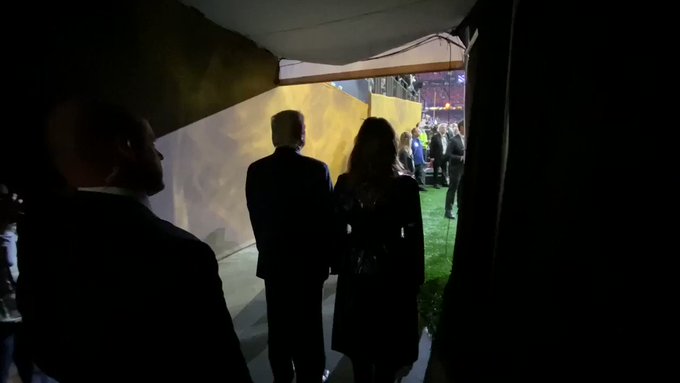

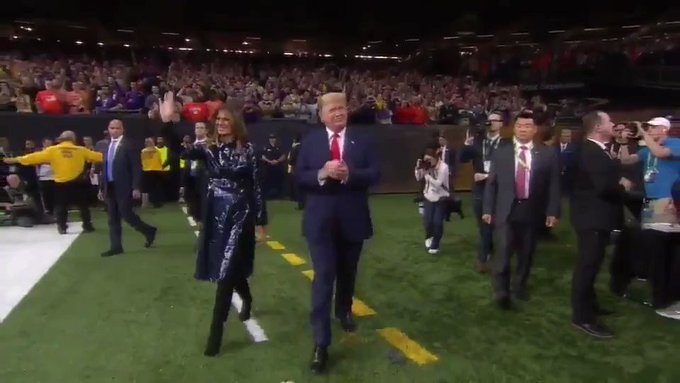


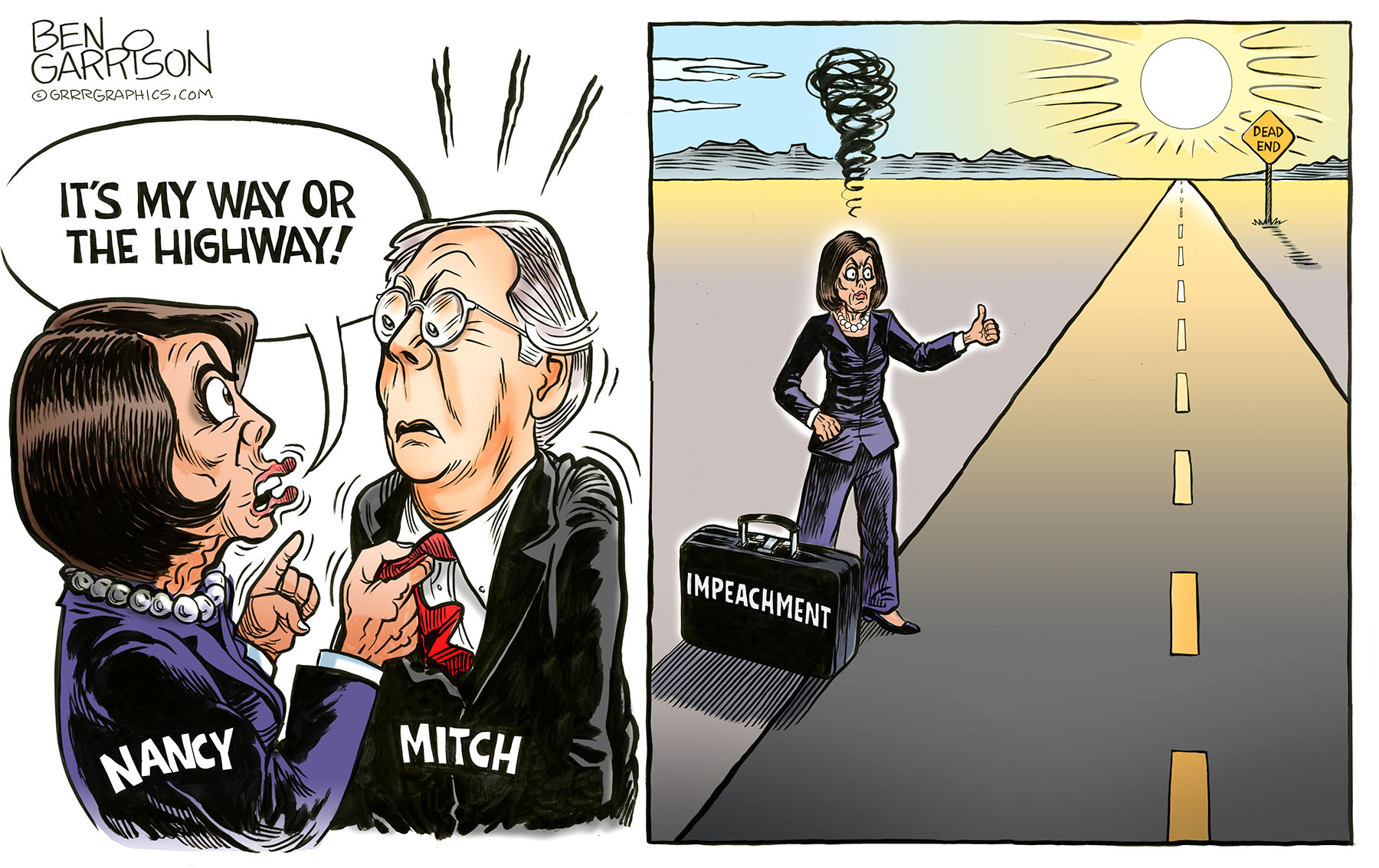
 Centinel2012