Sharyl Attkisson is a five-time Emmy Award winner and recipient of the Edward R. Murrow award for investigative reporting. Mrs. Attkisson has also authored two New York Times bestsellers: “The Smear” and “Stonewalled.” – WEBSITE HERE
Additionally Mrs. Attkisson hosts the Sunday national TV news program “Full Measure,” which focuses on investigative and accountability reporting. Was the effort to focus America’s attention on the idea of “fake news” itself a propaganda effort? Sharyl Attkisson did some digging. WATCH:
Moments ago FISA Court Presiding Judge Rosemary Collyer responded to the requests from the House Intelligence Committee Chairman Devin Nunes and House Judiciary Chairman Bob Goodlatte. (full pdf’s below – #1 and #2)
There are nuances in each response specific to the statutory roles of each Chairman and the specific requests made by each committee. Reflected in Judge Collyer’s responses is a need for careful consideration of each unique request.
♦House Intelligence Committee Chairman Devin Nunes holds primary oversight authority over the aggregate Intelligence Community (IC). Chairman Nunes has requested the transcripts from the FISA Court during the DOJ/FBI Title-1 surveillance application over their target, U.S. person Carter Page.
♦House Judiciary Committee Chairman Bob Goodlatte holds primary oversight authority over the Department of Justice -including the FISA court- and has requested the actual FISA Title-1 application as submitted by the DOJ/FBI for surveillance of Carter Page.
Judge Collyer responds to both legislative branch chairman from the position of “never previously receiving such requests.” There are separation of power challenges, but also an understanding inherent in the response to Chairman Goodlatte of the unique statutory oversight his committee holds.
The Legislative Branch created the FISA Court system; however, the secret court resides in the Judicial Branch. Judge Collyer is taking both requests under consideration and asks both Chairman to consider seeking relief from the Executive Branch with requests directly to the DOJ for the majority of the information they seek.
However, there is an underlying issue not being discussed within the communication – yet visible in the corner amid their engagement. That issue is the possibility the DOJ may have modified the FISA documents within its possession in an effort to hide from congress the trail of a conspiracy against a presidential candidate and an incoming administration.
In essence, the FISA documents held by the court *may not be* identical to the FISA documents released by the Department of Justice. Chairman Goodlatte is seeking to rule out that possibility.
As a reminder (for context and discussion). The only people who have actually seen the FISA Title-1 Application are:
♦The officials in the DOJ and/or FBI who assembled it. Those people are unknown but presumed to be from the DOJ – National Security Division. (Possibly: John P Carlin, Mary McCord or similar).
♦The presiding FISC judge who approved the application. (Possibly: Judge Rudolph Contreras – though no concrete evidence therein).
♦The three congressional representatives who have viewed the application as presented by the DOJ for the construction of the various memos:
•HPSCI member Trey Gowdy;
•HPSCI ranking member Adam Schiff;
•and House Judiciary Chairman ¹Bob Goodlatte.
¹Chairman Goodlatte has viewed the FISA application as presented by the DOJ and is requesting to see the same application as presented by the FISA court.
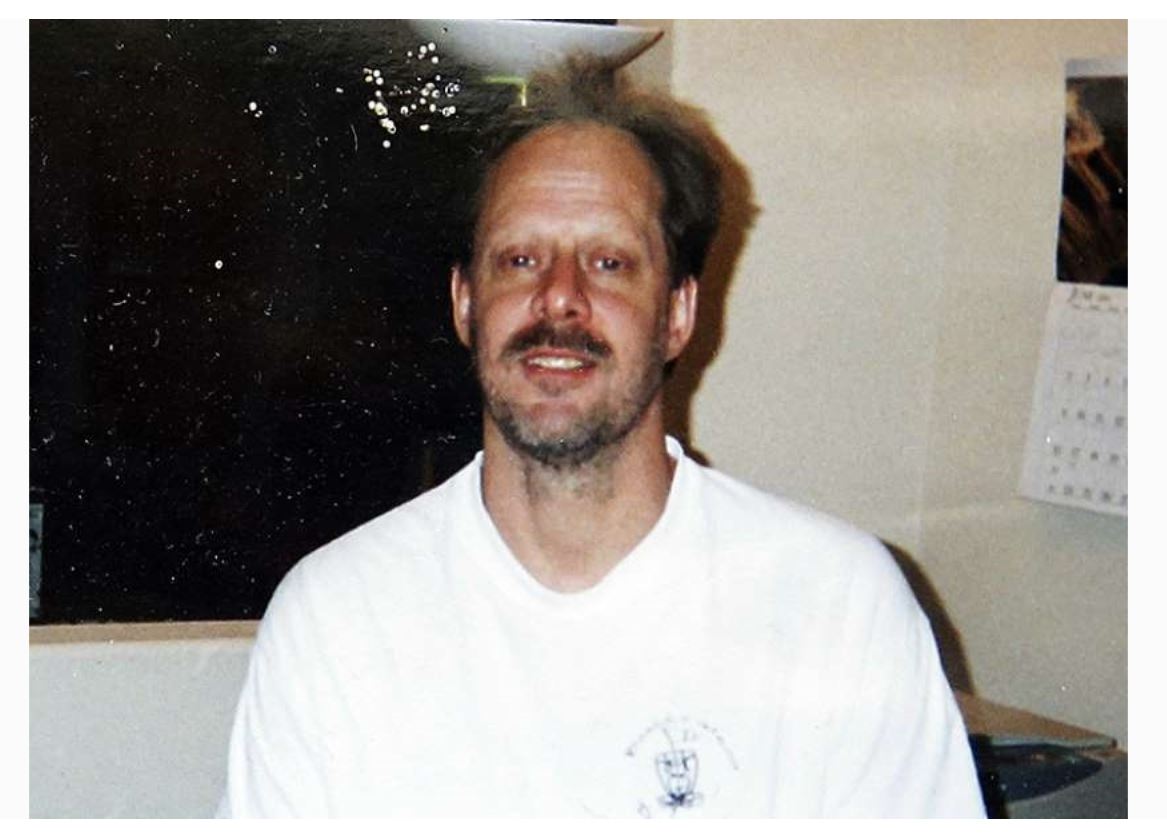
The Associated Press (AP) released the original PDF (Paddock autopsy) of Stephen Paddock’s autopsy results by linking to it in one of their articles last Friday on February 9, 2018. However, they quickly pulled it off the internet within an hour or two because it did not match the official report by the government. Paddock’s Time Of Death was 1200 hours (Noon) on 10/2/17 the day AFTER the shooting 14 hours later.
The police breached the door of the room at about 11:20PM on October 1st. According to the police scanner audio, the officers reported a dead body. So the true account of what took place that day is in question when Paddock did not die until the following day.
There is no explanation but instead, they pulled the report from the internet. The disinformation campaign that was launched appears to be politically motivated against gun owners. This is very strange and the media seems to be ignoring the details as always.
The question this raises is rather blunt. Is there anything we can believe coming from the government about any particular incident? Is every incident being converted into political propaganda? Is this part of the agenda behind the conspiracy involving the bureaucrats v the people?
For those following the increasingly curious case against General Mike Flynn, events took another unusual turn yesterday as Special Counsel Robert Mueller -with agreement from all parties- filed a motion for a protective order to seal documents. These are documents compelled on behalf of the defense, by Judge Emmet Sullivan, prior to sentencing.
On November 30th, 2017, Mike Flynn signed a guilty plea; ostensibly admitting lying to investigators. The plea was accepted by Judge Ruben Contreras; who is also a FISA court judge. Six days later, December 7th, 2017, Judge Contreras “was recused” from the case without explanation. The case was reassigned to DC District Judge Emmet Sullivan.
The Contreras recusal always seemed sketchy. If the conflict existed on December 7th, wouldn’t that same conflict have existed on November 30th, 2017?
On December 12th, 2017, Judge Sullivan gave out a rather unusual set of instructions to Robert Mueller. The instructions included Sullivan telling Mueller to turn over to the Flynn defense anything that could be considered exculpatory:
[…] if the government has identified any information which is favorable to the defendant but which the government believes is not material, the government shall submit the material to the Court for in camera review. (link)
On January 31st, 2018, Robert Mueller requested a delay of sentencing pushing the sentencing phase into May of this year. And then yesterday, February 14th, 2018, Mueller asks for the information he is turning over to be sealed.
As Nick Falco points out on Twitter: “We haven’t seen text messages between Strzok-Page mentioning Flynn or around the time of Strzok-Flynn Interview on January 24, 2017. I’m sure Horowitz has the texts & has given them to the Mueller team. Starting today, Flynn will have access to this evidence for his defense.” … “Today’s Stipulated Motion gives the Flynn team access to ALL evidence, including the FD-302’s, as long as the evidence is kept secret.”
♦Going back to the 30,000 foot overview, the substance behind the application for the FISA Title-1 surveillance warrant is the eventual basis for the FBI’s surveillance of Mike Flynn.
That FISA application is now evidenced to have relied heavily upon the ‘Clinton-Steele Dossier‘; and with discoveries from the Devin Nunes memo, and Chuck Grassley memo, there is strong evidence of gross and intentional misrepresentation within the application.
That puts the spotlight back upon the FISA judge who approved the application despite the transparent flaws, political omissions and factual weaknesses. If Rudolph Contreras signed off on the Title-1 surveillance warrant, Judge Contreras is now in question.
(L-R) Bob Goodlatte – Chuck Grassley – Devin Nunes
Senate Judiciary Chairman Chuck Grassley has requested the FISA Application to be declassified by the DOJ. House Intelligence Committee Chairman Devin Nunes has requested transcripts from the application hearing. House Judiciary Chairman Bob Goodlatte -holding statutory oversight over the FISA court- has requested the actual FISA warrant and application (all documents).
Nunes and Goodlatte’s requests were made to presiding FISA Judge Rosemary Collyer.
Judge Collyer was the FISA judge who wrote the eye-opening 99-page opinion of the FISA abuses reported by NSA Director Admiral Mike Rogers, DOJ National Security Division head John P Carlin, and FBI Director James Comey.
Coincidentally (or not) Judge Rosemary Collyer might have been the Presiding FISA Judge who -holding concerns over ongoing FISC revelations in late 2017- recused Rudolph Contreras from further contact with the Flynn case. The other option for a forced recusal would the Chief Justice of the Supreme Court, John Roberts.
As Clarice Feldman writes at American Thinker: “As the evidence mounts that the warrant was improperly granted, someone – perhaps the chief judge of the district – removed him from further participation in the case, likely because Contreras approved the warrant and its extension. If the warrant was improperly issued, all the evidence it garnered is tainted.”
This brightens the spotlight upon Judge Contreras and his involvement in the FISA Title-1 surveillance authority.
Additionally, if you think about when everything began to break out from the headlines it would be intellectually dishonest not to note all of the FBI conspiracy revelations happened immediately after Mike Flynn signed the guilty plea. The timing appears to show White Hats within the intelligence apparatus hitting back against the DOJ and FBI for perceived injustice against Flynn.
Regardless of how you view events there’s something about the use of the Clinton-Steele Dossier within the FISA application, and the subsequent approval therein, that doesn’t pass the proverbial sniff test. If Contreras was the authorizing judge; and it seems increasingly likely he was; this puts the judge in the center of the scandal.
What looks even worse for Contreras, amid the backdrop of a conspiracy of intent, is his direct relationship to former Attorney General Eric Holder, President Obama’s wingman:
2012 […] From 2006 until his appointment, Contreras was chief of the civil division in the U.S. attorney’s office in Washington. He’s the third person to hold that job before being appointed to the D.C. court, joining Chief Judge Royce Lamberth and Judge John Bates.
Contreras began his career at Jones Day law firm after earning his J.D. in 1991. Gregory Shumaker, partner-in-charge of Jones Day’s Washington office, spoke yesterday about first meeting Contreras when Shumaker was running the firm’s summer associate program. He said Contreras had a gift for connecting with people, a skill that would serve him well on the bench.
In 1994, Contreras was hired by Eric Holder Jr., then the U.S. attorney for D.C., to join that office. Mark Nagle, vice president and general counsel for Marriott Vacations Worldwide Corp. and Contreras’ predecessor as civil division chief, spoke about Contreras’ many victories, including his time leading the city’s Medicaid fraud unit. (read more)
In essence there’s a possibility Judge Contreras might have granted a little more leeway for the ideological endeavors of the DOJ given his prior personal and professional relationships. Was he willfully blind to the weakness and politics within the FISA application?
All of this is likely to come out as the outcry to release the FISA warrant gets stronger. Chairman Devin Nunes and Chairman Bob Goodlatte are directly asking the FISA court for information.
The Department of Justice will likely agree to more releases of investigative documents as IG Horowitz finishes his 14-month-long OIG investigation into the entire enterprise. The inspector general has been looking at the politicization, and subsequent weaponization, of the DOJ and FBI and his report will come out well in advance of the Flynn sentencing.
On a Monday night (February 12th, 2018) episode of Tucker Carlson a democrat member of the House Intelligence committee said something interesting that almost everyone missed. Appearing on the show to joust with Tucker, HPSCI member Eric Swalwell stated: “the House Intel Committee has not interviewed a single witness in over a month”. [Video Here, quote @03:47] This statement is rather enlightening.
A month earlier, January 4th, 2018, an agreement was finally made between House Intelligence Committee Chairman Devin Nunes and DOJ Asst. Attorney General Rod Rosenstein for complete disclosure of all unreadacted documents AND a list of witnesses who Nunes wanted the HPSCI to question.
Included in those names was: FBI agent Peter Strzok and FBI lawyer Lisa Page, who exchanged anti-Trump text messages during an affair and previously worked on the special counsel’s Russia probe; FBI general counsel James Baker, who was reassigned; FBI head of counterintelligence Bill Priestap, whom ex-FBI boss James Comey testified made the decision not to brief Congress about the Russia case during last year’s election; and Bruce Ohr, a DOJ official reassigned after concealing meetings with figures involved in the dossier.
The January 4th agreement between Devin Nunes and Rod Rosenstein was made after a great deal of back-and-forth. Chairman Nunes then documented the agreement in a letter.
On January 8th, Bruce Ohr was demoted for the second time. [AND DOJ officials scheduled Bruce Ohr to be available to Devin Nunes on January 17th]
On January 9th, the DOJ provided the unredacted DOJ/FBI documents requested to Chairman Nunes; the documents the DOJ produced surrounded the Clinton-Steele Dossier and the FISA Title-1 application. The documents were assigned to a SCIF in the basement of the House. Those documents become the basis for Chairman Nunes to outline his memo; essentially a declassification request to the White House written by Trey Gowdy.
As a result of the agreement between Rod Rosenstein and Devin Nunes, one member from each side of the HPSCI aisle (one Democrat and one Republican) was permitted to review the original FISA application documents which included the Clinton-Steele dossier use therein.
Trey Gowdy and Adam Schiff were the two Intel committee members who reviewed. (Remember, this is January 9th, 2018) [Only Gowdy, Schiff and House Judiciary Chairman Bob Goodlatte reviewed the original FISA documents]
A week later, January 16th, 2018, Chairman Nunes postponed the witness interview with DOJ official Bruce Ohr scheduled for the next day, January 17th.
Instead, on January 18th, 2018, the HPSCI voted to allow all member of the House to review the Nunes-Gowdy Memo created after the DOJ provided the documents (January 9th). [January 18th THROUGH February 2nd was #ReleaseTheMemo]
Now remember, throughout this time none of those prior agreed-upon FIVE witnesses (Strzok, Page, Priestap, Baker, Ohr) have been interviewed. Everyone’s attention shifted from witness testimony to the Memo; and as Democrat Eric Swalwell stated, no witness were interviewed. Period. [<- key point].
So to summarize so far: during January all the DOJ documents arrived, the HPSCI (Nunes) memo was written, released, declassified and released to the public on February 2nd, 2018 – but no witnessed testified. [Nunes Memo – Link]
So the question becomes:
How does the exact testimony (including quotes) of Bruce Ohr, and Bill Priestap become part of the Nunes Memo if neither Bruce Ohr or Bill Priestap was ever interviewed by the House Intelligence Committee?
Who is doing the interrogations of Bill Priestap and Bruce Ohr?
It’s not the HPSCI. It’s not the House Judiciary Committee and it’s not the Senate (Chuck Grassley). [Remember Grassley is relying on responsive FD-302’s provided by the FBI.]
See where this is going? DOJ Inspector General Michael Horowitz has interviewed these witnesses and extracted testimony. Can you see now why Nunes was in ‘no hurry’ to interview the FIVE? (Strzok, Page, Ohr, Baker and Priestap).
Let me remind everyone that each of the aforementioned names is still within the system. Unlike Mike Kortan, David Laufman, Sally Yates, James Rybicki or Andrew McCabe, none of the five (Strzok, Page, Ohr, Baker, Priestap) have been removed. Peter Strozok is in FBI HR; Lisa Page is doing something; Bruce Ohr and James Baker are holding down chairs somewhere; and Bill Priestap is still Asst. FBI Director in charge of counterintelligence.
It doesn’t go unnoticed the media are transparently not following up on Peter, Lisa, Bruce Jim or Bill. No satellite trucks in front of their houses etc.; no pounding on their doors for comment etc. Nothing.
Further, ask yourself why Inspector General Michael Horowitz (or someone thereabouts) began to advance upon the entire ‘Trump operation’ with releases of Peter Strzok and Lisa Page text messages? Why them? Surely, other collaborative communication was also captured, yet we only heard of Page and Strzok. Why?
Here’s what is becoming transparently obvious. The fab-five are cooperating with the investigative unit of the OIG. All five of them.
The text message release was strategic. It was intended to substantiate the entire enterprise, put the ‘small group on notice’ and flush out the co-conspirators. The downstream exits of Kortan, Laufman, Rybicki, McCabe et al are evidence therein.
Additionally, the OIG (Horowitz) would want to keep the testimony of Page, Strzok, Ohr, Baker and Priestap away from the Democrat politicians, well known leakers, within the House Intelligence Committee (ie. Eric Swalwell and Adam Schiff) until he was certain their usefulness as witnesses was exhausted.
That explains why AAG Rod Rosenstein was negotiating with Devin Nunes, and why Nunes came away from those negotiations with wind in his investigative sails. Hence, after a review of the FISA documents – Nunes dropped/postponed his demand for immediate testimony by the fab-five to the HPSCI.
As a person familiar with such specific investigative measures recently shared:
“They are sat down, told to not do anything, say anything or discuss anything UNTIL they get an attorney. At which time, the attorney is handed a letter from the investigating unit. That letter says in essence, this is how screwed you are. If you want to be less screwed you will sign this letter of cooperation and assist us. When we don’t need you, you sit there. When we do we will call you and you will provide what we need. Any deviation from this agreement lands you in jail for the full term.”
Additionally regarding Bruce and Nellie Ohr:
“The Republican memo states they turned over all their work and testified to someone that Bruce Ohr met with Christopher Steele and Steele was saying he didn’t want Trump in office. They didn’t testify to a Congressional committee, so it had to be the IG.”
All of the news and information coming forward, including the withdrawal of the request for the Democrat memo, aligns with a very specific fact pattern. Peter Strzok, Lisa Page, James Baker, Bill Priestap, Bruce Ohr and likely Nellie Ohr, have cut some kind of deal with the IG for process leniency in exchange for cooperation.
That perspective explains everything seen and not seen.
It is very likely the final investigative summary from the Department of Justice, Office of Inspector General (DOJ-OIG), Michael Horowitz, is going to be rather stunning and encompassing:
Yesterday President Trump invited the media to keep their cameras on during a round-table discussion on trade. He did this for a reason. President Trump wanted the American voters to watch Republican politicians demand that he stop trying to bring manufacturing jobs to the United States.
In essence, Trump doing what Trump does best, played the role of Toto and pulled back the curtain on the Republican anti-American corporate business agenda. The republicans in attendance never paused to reflect upon the sunlight or the reason for their specific invitations. They are comfortable back-room deals and POTUS Toto relaxed them perfectly.
One by one the Republicans took-the-bait and fully exposed themselves. Lamar Alexander, Mike Lee, Pat Toomey and Roy Blout all took turns telling POTUS to quit trying to save American high-wage jobs, drop the national economic view and just accept multinational corporate globalism.
The subsequent full-throated establishment display stands as one of the greatest plays of the Trump administration to date. However, it was Republican Senator Ron Johnson from Wisconsin who really went the full distance:
[Transcript] […] In Wisconsin, a big manufacturing state, in seven years I have not visited one manufacturer that could hire enough people. That was certainly my experience in the last 20, 25 years. For a host of reasons, we tell our kids you have to get a four-year degree. We pay people not to work. So we do need to be concerned about, in such a tight labor market, do we have enough workers in manufacturing.
So my final point is, it makes no sense for me to try and bring back high labor-content manufacturing to America. We need to do the value added things. And so I would just say, proceed with real caution there. (more)
Most people are becoming increasingly aware of the Republican agenda to keep the interests of multinational corporations at the top of their priority list; however, it is still rather remarkable to listen to an entire room of them admit, openly, their agenda is to work against the U.S. middle-class, support mass immigration, and keep the U.S. economy on the “service-driven” path.
Within trade policy is where President Trump breaks away from the modern Republican views. This is the heart of MAGA. Trade and immigration is where President Trump fractures the party apparatus of both Republicans and Democrats.
Lastly, don’t expect the “corporate conservative media”, Fox News, Ingraham, Hannity, Rush Limbaugh, Mark Levin, Salem Media etc, to showcase these revelations; it is against their financial interests to do so.
Senator Johnson’s eye-opening remarks begin around 32:00 of the video below [prompted, just hit play]: {transcript here}
Earlier today one of the more consequential meetings took place between President Trump and his economic team -vs- the professional UniParty apparatus consisting of multinational corporate-purchased Democrats and Republicans.
The policy discussion isn’t sexy or headline making from the perspective of the U.S. media; however, the resulting outcomes will have more of a bearing on you and your family than any other economic policy conflict in this administration.
On one side we have President Trump and a very focused policy and trade group containing Commerce Secretary Wilbur Ross, Treasury Secretary Steven Mnuchin and U.S. Trade Representative Ambassador Robert Lighthizer. On the other side the corporate UniParty apparatus consisting of U.S. Chamber of Commerce Republicans and Democrats.
An encapsulated view would be Main Street (Trump) -vs- Wall Street (UniParty).
.
This is THE battle. This is the “trillions at stake“. Everything else is chaff and countermeasures; a war is being waged around this financial issue. Everything within the current conflict is downstream from the economic argument around these issues.
This is the epicenter of the entire institutional conflict against President Trump. This is why THE SWAMP, through all its various affiliated and indulgent enterprises – including the intelligence apparatus, are waging a battle against the disruption that is President Trump.
It is the money.
Period.
[Transcript] THE PRESIDENT: Okay, thank you very much. I’m delighted to welcome both Republicans and Democrats. Nice sound. Isn’t that a nice sound? And we won’t be discussing DACA, but there’s plenty of discussion right now going on about DACA from both the House and the Senate, to the White House.
We’re here today to discuss a matter of vital importance to our nation’s economy and security, and I’ve been discussing it for years. And I’ve certainly discussed it in great detail on the campaign trail. That’s America’s aluminum and steel industries, and many other industries where we are taken advantage of by other countries. And I alluded to it yesterday, too.
Last year, I directed the Secretary of Commerce to investigate whether steel and aluminum imports are threatening to impair U.S. national security. You see what’s happened with our steel and aluminum industries. They’re being decimated by dumping from many countries, in particular one, but many countries. They’re dumping and destroying our industry and destroying the families of workers. And we can’t let that happen.
Secretary Ross submitted the result of the investigations to me last month. My administration is now reviewing the reports and considering all options. And part of the options would be tariffs coming in. As they dump steel, they pay tariffs — substantial tariffs — which means the United States would actually make a lot of money, and probably our steel industry and our aluminum industry would come back into our country. Right now, it’s decimated.
It’ll make a decision, and I will make a decision that reflects the best interests of the United States, including the need to address overproduction in China and other countries. You have countries that are so overproducing, and what they’re doing is they are dumping it on us. And you look at empty factories, steel factories, and plants, and it’s a very sad thing to look at.
I’ve been watching — I’ve been looking at them for two years, as I went around campaigning. No matter where you go, you look at them and see what happened to U.S. Steel and these other companies. They were the giants and now they’re hanging on for their life.
I look forward to hearing your views, and I’d like to have some of you speak. And you have very strong — I know, Roy, you do, and we all do, probably, have pretty strong views on this.
I look at it two ways: I want to keep prices down, but I also want to make sure that we have a steel industry and aluminum industry, and we do need that for national defense. If we ever have a conflict, we don’t want to be buying the steel from a country that we’re fighting because somehow that doesn’t work very well.
But we hopefully won’t have any conflicts, but we still have to consider that. And we have to look at the national defense, and we have to look at a steel industry. We cannot be without a steel industry. We cannot be without an aluminum industry. And so what we’re talking about is tariffs and/or quotas.
I think maybe, Roy, would you like to start? We’ve discussed this over the past. Do you have any suggestion?
SENATOR BLUNT: Well, Mr. President, I think we do need to be careful here that we don’t start a reciprocal battle on tariffs. You know, we make aluminum and we make steel in Missouri, but we buy a lot of aluminum and we buy a lot of steel as well —
THE PRESIDENT: That’s right.
SENATOR BLUNT: — from bass boats to beer cans. There’s a lot of aluminum out there. We’ve got an aluminum manufacturer that closed down, but with special electric rates is reopening under new management.
And so, clearly, we’re concerned about those new jobs, but also concerned about all the jobs — whether it’s in the electric steel area or the aluminum area, are very, very price sensitive here.
THE PRESIDENT: Good. And I understand that very well. One thing I just — I do want to tell you, we just got this notice. General Motors in Korea announces the first step in necessary restructuring. They’re going to — GM Korea company announced today that it will cease production and close its Gunsan plant in May of 2018, and they’re going to move back to Detroit.
You don’t hear these things, except for the fact that Trump became President. Believe me, you wouldn’t be hearing that. So they’re moving back from Korea to Detroit. They’re moving.
Also, you saw Chrysler moving from Mexico to Michigan. And you have many other companies. They all want to be where the action is. The big tax cuts had a big impact. And Kevin knows that maybe better than anybody. But it had a big impact on that decision.
But when you see that General Motors — we have a very bad trade deal with Korea. Very, very bad trade deal. It’s a deal that — it’s incompetent that somebody could have made a deal like that.
So we have a horrible trade deal with Korea. But now, even before we do something with that — because we’re negotiating the trade deal with Korea, and we’ll either negotiate a fair deal or we’re going to terminate the deal. But before we do that, already General Motors is coming back into Detroit. That is a really significant statement. Many others to follow from many other countries.
Mike, go ahead.
REPRESENTATIVE BOST: Mr. President, let me tell you that 2,800 people were laid off in my district in 2015, in a steel plant that’s been operating for over 100 years. The concern that we have is, is that steel plant produces what’s known as the oil country tubular goods — OCTG.
OCTG, when we’re doing the expiration, and everything like that, in oil that we are — but Korea has dumped 200 percent in the last year in an overabundance into that particular market. Because of that, we’re not able to get those 2,800 jobs back. And like I said, those have been there. That group of people there —
THE PRESIDENT: So where did it go? It went to Korea?
REPRESENTATIVE BOST: All of the products that — they’re even coming from Korea now that we’ve turned up. And unless we use the power under 232 — because if something goes south, now all of a sudden, while we’re trying to become energy independent — but these plants don’t turn up overnight, and we’ve got to try to do something to work for a long-term goal with that.
THE PRESIDENT: The Korean Agreement — as you know, Mike, and most of the people at this table — that was done by the last administration. It was supposed to produce 150,000 to 200,000 jobs. And it did — for Korea. For us, it produced nothing but losses. It’s a horrible deal. All you have to do is look at it. You know it’s going to be bad.
So the Korea deal was a disaster. It was supposed to be good for us, and it turned out to be very bad for us. And just — you know, you’re one example of it, but there are many examples all over the country. So I just think that General Motors moving back into Detroit is just a fantastic thing. That’s just a sign of many other companies to come.
Mike Pence, would you have something to say?
THE VICE PRESIDENT: Well, thank you, Mr. President. I just want to thank all of the Republican and Democrats taking time to be here and their profound interest in this issue.
To your point, this is about our economy, but it’s about national security. And the President directed a 232 review to determine whether or not our national security has been affected by the dumping of steel and aluminum.
And today, it is very much the President’s desire, our administration’s desire to hear from each of you and the perspectives that will also inform the decisions that the President will make.
I think that it’s fair to say that we all support national security. I think that’s evidenced by the recent budget agreement that the President helped drive, and Republicans and Democrats have supported, for a historic increase in our national defense.
But we also all support American jobs. And we very much look forward to your counsel as the President approaches this decision, and I appreciate the bipartisan spirit of this meeting and the conversation that will follow.
THE PRESIDENT: And really, as Mike said, I want to hear from both sides. We have a lot of great representatives, both Democrats and Republicans. I want to hear from both sides before we make the decision.
In one case, you’re going to create jobs. You may have a higher price or maybe a little bit higher, but you’re going to have jobs. In the other case, you may have a lower price, but you’re not going have jobs; it’s going to be made in China and other places. So those are big decisions. But, to me, jobs are very important.
Todd, do you have something to say?
SENATOR YOUNG: Mr. President, thank you for having us here today. I represent a state that is not only a major manufacturer of steel — we have U.S. Steel, Arcelor Mittal, and others who are manufacturing it — but we have the downstream users, which you alluded to. So, clearly, you understand the need to balance the two, to come up with a balanced approach here.
I think the main target — and I’ll just speak plainly with you, sir — should be China. They’re violating the international rules, stealing our intellectual property, overproducing steel products and other products. And —
THE PRESIDENT: We’ve spoken to them very, very strongly. We’ve told them. We have something coming up in the very near future that you know. But we have told them it just can’t continue.
We have a trade deficit with China — that I inherited, by the way — but we have a trade deficit of $504 billion, okay? So, if you think of it, when you look at how well they do, and how many bridges they’re building, and how many jets they’re building, and fighter planes — we did it. We did it. People that sat in my seat allowed them to do this.
So we’re not going to allow that. We’re talking to them right now, very strongly. And hopefully we’ll have a great relationship, but we’re talking to them very strongly, Todd. You’re right — it’s a big percentage of our deficits. And the money that we’ve lost and the jobs that we’ve lost to China, it’s unthinkable that people allowed that to happen.
And this is over a period — not just Obama. This is over a period of many years this has happened.
So thank you very much, Todd.
Pat, would you like to say something?
SENATOR TOOMEY: Sure. Thanks very much, Mr. President. I would just urge us to go very, very cautiously here, especially with section 232.
As you know, our defense needs consume about 3 percent of domestic steel consumption. So I think it’s implausible to believe that we’re not able to meet the needs of our defense industry, which is absolutely essential.
Imports in 2016 were 16 percent of domestic consumption. So the vast majority of the steel we consume, we in fact produce ourselves — which is the way I prefer it, and it is the case today. China was down to 2 percent of the 16 percent, so a very, very small portion.
My main message —
THE PRESIDENT: But they have transshipping.
SENATOR TOOMEY: Absolutely. So —
THE PRESIDENT: They would ship to other countries, and their steel would come in from other countries so that you can’t see where the steel is coming from.
SENATOR TOOMEY: Right. So what I would urge is, any country that is violating our trade laws and our trade agreements, go after them. Countervailing duty and the dumping, if that’s happening.
THE PRESIDENT: That’s all countries. That’s all countries.
SENATOR TOOMEY: But the 232 is a different matter, and invoking national security, when I think it’s really hard to make that case, invites retaliation that will be problematic for us.
THE PRESIDENT: Well, the word “retaliation,” Pat, is interesting. And I know you agree with this. We have so many countries where we made a product, they make a product, they pay a tremendous — we pay a tremendous tax to get into their countries — motorcycles, Harley Davidson — it goes into a certain country. I won’t mention the fact that it happens to be India, in this case. (Laughter.)
And a great gentleman called me from India and he said, we have just reduced the tariff on motorcycles, reduced it down to 50 percent — 5-0 — from 75, and even 100 percent. And we have — if you are Harley Davidson, you have 50 to 75 percent tax, tariff to get your motorcycle, your product in. And yet they sell thousands and thousands of motorcycles, which a lot of people don’t know, from India into the United States. You know what our tax is? Nothing.
So I say we should have reciprocal taxes for a case like that. I’m not blaming India. I think it’s great that they can get away with it. I don’t know why people allowed them to get away with it. But there’s an example that’s very unfair. And I think we should have a reciprocal tax.
That’s called fair trade. It’s called free trade. Because ultimately, what’s going to happen — either we’ll collect the same that they’re collecting, or, probably, what happens is they’ll end up not charging a tax and we won’t have a tax. And that becomes free trade.
So we have too many examples like that. And the word “reciprocal,” as Pat said — I mean, the world “reciprocal” is a very important word. We have countries that are taking advantage of us. They’re charging us massive tariffs for us to sell our product into those countries. And when they sell to us, zero. We charge them zero. We’re like the stupid people, and I don’t like to have that anymore.
So we’re going to change that, and we’re going to make it fair. And that, I call that fair trade. And, again, one of two things will happen. But I think what’s going to happen is they’ll just reduce their tax to the same as our tax.
Mike, would you like to say something?
SENATOR LEE: Yeah, sure. One of the things that worries me with regard to this proposed action is that there’s so many things manufactured in the United States; there’s so many jobs attached to so many things manufactured in the United States that use steel and aluminum as inputs.
Now in the case of steel, we’re talking about 16 percent that’s imported. But the availability of those imports and the absence of additional duties on those means that those goods can be manufactured and sold more cost effectively. That keeps a whole lot of people, including a whole lot of voters in each of our states — a whole lot in mine, certainly — in jobs.
And so, even though there may be some job winners from an action like this, I strongly suspect that, as has at times been the case in the past, you would end up with net job losses in the United States. And that’s what worries me here, particularly in light of the absence of what I can see as a real national security threat. Only 3 percent of what we’re able to produce domestically is what’s needed for our national security reasons, and I think that ought to be taken into account.
THE PRESIDENT: No, that number is going way up because of our big military spending now. You know we — something we all agree on. We had to do a lot of work on our military. Our military had not been taken care of properly, and now it’s being taken care of properly. So that 3 percent number will be going way up. But at the same time, it’s not a tremendous — you know, it’s not — as a percentage, it’s not a tremendous number.
I will say this: Steel and aluminum are interesting. It will create a lot of jobs. I believe that some of the dumpers will eat a lot of the tax themselves because they do it to keep people working. And we do it for that and other reasons.
But I will say that a finished product is a much simpler thing. As an example, Germany sends us cars. We send them cars; they practically don’t take them. I mean, how many Chevrolets do you see in the middle of Berlin? Not too many, folks. (Laughter.) Not too many. But they send Mercedes, they send BMW. They send them over here in tremendous numbers.
Japan sends us tremendous numbers of cars. They also make cars. In a way, there’s no tax. All they have to do, Mike, is, very simple — they do a factory here. There’s no tax. Now all of a sudden there’s no tax. So they’ll build factories here in order to avoid the tax.
But with cars, with television sets, with things like that, where they’re dumping them on us — we don’t make television sets anymore in this country. They come from South Korea, and they come from, to a lesser extent, Japan. Most of them come from South Korea. It’s not fair. And I believe that we should have reciprocal taxes on that, likewise.
That’s a different product, that’s a much simpler — you know, we did it with the washing machines, as you saw a couple of weeks ago. It’s had a huge impact on that industry. A huge impact. And, by the way, you know what’s happening? The people that made the washing machines outside of this country are now expanding their factories in the United States so they don’t have to pay the 25 and 30 percent tax.
And the same thing is happening with the solar panels. We’re starting to make — we had 32 companies. I think we’re down, Gary, to two, right? We made solar panels, but every one of our companies was wiped out. And I have to say this, and this is agreed to by — we made a much higher quality, a much better solar panel. We make them better, but we couldn’t compete. Now — and we’ve had a lot of good — a lot of places are opening up. They’re starting to make solar panels again.
So with a finished product, it’s a little bit different. But again, with steel and aluminum, which is what we’re talking about today — you know, that’s a good point, Mike. You’re right. The question is, would you rather pay a little bit more and create jobs all over the country? And it’s possible you won’t be creating — really, you won’t be having much of a problem in terms of pricing. Because I actually think a lot of the countries are going to eat it because they want to continue to, you know, export. And they’re making a fortune.
Look, we have rebuilt China. We have rebuilt a lot of — with the money they’ve taken out of the United States. We’re like the piggy bank that had people running it that didn’t know what the hell they were doing. And we have rebuilt countries, like, massively. You look at some of these countries — look at South Korea, look at Japan, look at so many countries. And then we defend them, on top of everything else.
So we defend Saudi Arabia. They pay us a fraction of what it costs. We defend Japan. We defend South Korea. They pay us a fraction of what it costs. And we’re talking to all of those countries about that because it’s not fair that we defend them, and they pay us a fraction of the cost of that defense. Separate argument, but a real problem.
Gary, would you like to say something?
MR. COHN: Senator Wyden, would you like —
THE PRESIDENT: Senator, go ahead.
SENATOR WYDEN: Thank you, Mr. President. We have Senator Brown, Senator Peters, Senator Casey. So you’ve got a good collection from the Finance Committee and the Commerce Committee.
I’ll just make two points really quickly, Mr. President. First, yesterday, you all released the infrastructure plan. And I looked at it very carefully, and I couldn’t see even any incentives, let alone requirements, to use American steel. Now, Senator Brown, I think, always says this is a great opportunity for bipartisanship. If we can work with you on that one, that ought to be a no-brainer.
THE PRESIDENT: We can. It’s a very easy one.
SENATOR WYDEN: And there’s one other thing, on that point, Mr. President. I’ll be very brief. And that is, actually, with respect to American steel, the way the plan reads now, it actually allows the states to walk back from commitments to use American steel. So point one would be, could we work with you on that?
Point two is, the Secretary and Ambassador Lighthizer have been very forthcoming in working with us. But we have been trying to see this 232 report. And we appreciate your asking us for our advice. We will need to see that report in order to give you more specifics. But I come back to Senator Brown’s point, I think there’s an opportunity for real bipartisanship here, and those would be two areas.
THE PRESIDENT: I agree. And I’d like you to come back with a suggestion on infrastructure and the plan. And I think that’s a bipartisan plan.
I will tell you, when I approved the two pipelines — the Keystone and — you know, we did the two big ones. And when I approved them, I said, “Where’s the steel being made?” And they told me a location that did not make me happy. And I wrote down that from now on steel is being made for pipelines — as you know, it’s got to be made in the United States. And it’s got to be fabricated in the United States. And so I’m a believer in that also.
But if you would come back with a suggestion, that would be great.
Bob, what about 232?
AMBASSADOR LIGHTHIZER: Well, I think we could put out the report. But rather than focus on that, let me just say, I want to, sort of, second what the Senator says. Trade has always been bipartisan in this country and just until the last few years. And I really think, with this and with NAFTA and the other things we’re doing, we can have Democrats and Republicans vote in large number together and start a new way to approach this.
That really is the point that I wanted to make. I think Senator Wyden and I think Senator Brown feels exactly —
PARTICIPANT: And Senator Casey.
PARTICIPANT: Can I speak on that, too?
THE PRESIDENT: Go ahead.
SENATOR BROWN: Thank you. I very much appreciate the work that Ambassador Lighthizer has done, generally and specifically, on 232. And Secretary Ross has worked on 232. And I want to talk for a moment about NAFTA. Not too much, but Ambassador Lighthizer has been so good on that.
I mean, trade, as he says, has always been nonpartisan. And I think good evidence of that is what Senator Portman, my colleague from Cincinnati — I’m from Cleveland — what we’ve been able to do together on Level the Playing Field Act; on trade remedy; on trade enforcement; on currency; and most recently, on Clyde, Ohio, on the washing machine case. And we appreciate what you’ve done here.
I sent the President and the transition staff — three days after the election, sent him a letter outlining what we can do together in trade. And the President — thank you — sent back a nice handwritten note about that. I appreciate working together on everything from TPP, to non-market economy status, to 232, to the washing machine case, to all of those issues. And I asked, in the washing machine case, it’s 3,000 jobs in a small town in Northwest Ohio, and an hour from Toledo. So that really matters to a lot of families.
I’m hopeful we can do quick action on 232. It needs to be comprehensive; aimed, as Todd said, certainly at China. But beyond China, 232 needs to apply more broadly.
And I also — I will just conclude that we can work on NAFTA together. Well, I will work if NAFTA is written in a way that supports workers, as I’m confident it will be, with Ambassador Lighthizer’s handprints on it, that we can deliver Democratic support. It will be bipartisan if done right. And that’s my reputation and that’s what I’ll continue to fight for.
And I know Senator Wyden, and Senator Casey, and Senator Peters are on board with that.
THE PRESIDENT: Good. I actually think that we can go bipartisan on infrastructure, maybe even more so than we can on DACA. Because the difference is we want to help DACA; you don’t. Okay? (Laughter.) I’m kidding. I’m sure you do. I hope we can.
By the way, while we’re at a table, I hope we can do DACA. That’s currently up. Everybody is in there working hard on it right now. I think we can have a chance to do DACA very bipartisan. I think that can happen, and I hope we’re going to be able to do that, Senator.
SENATOR BROWN: It’s important (inaudible).
THE PRESIDENT: And I think we will.
On infrastructure, which is the purpose of what we’re doing today, come back with a proposal. We put in our bid. Come back with a proposal. We have a lot of people that are great Republicans that want something to happen. We have to rebuild our country.
You know, I said yesterday, we’ve spent $7 trillion. When I say “spent,” and I mean wasted, not to mention all of the lives — most importantly — and everything else. But we’ve spent $7 trillion, as of about two months ago, in the Middle East — $7 trillion. And if you want to borrow two dollars to build a road someplace, including your state, the great state of Ohio — if you want to build a road, if you want to build a tunnel or a bridge, or fix a bridge, because so many of them are in bad shape, you can’t do it. And yet, we spent $7 trillion in the Middle East. Explain that one.
SENATOR BROWN: We’ll have a bipartisan — we have a bipartisan proposal.
THE PRESIDENT: We can do it fast.
SENATOR BROWN: With real dollars on it in infrastructure. We’re glad that (inaudible) —
THE PRESIDENT: We can do it fast.
SENATOR BROWN: — and work together on a real infrastructure bill with real dollars, plus what you can leverage in the communities and the private sector.
THE PRESIDENT: Right. Do a combination.
SENATOR BROWN: It needs real dollars.
THE PRESIDENT: I would love to have you get back to us quickly, because we can do this quickly. And we have to rebuild our country. We have to rebuild our roads and our bridges and our tunnels. So the faster you get back, the faster we can move. Focus on DACA this week, if you don’t mind. Right? But the faster you get back, the faster we move.
Jackie, you were going to say?
REPRESENTATIVE WALORSKI: Thank you, Mr. President. I’m grateful for you willingness to sit down, listen, and just talk today.
But I represent the recreational vehicle industry in northern Indiana, Elkhart County. We have 85 percent of that market. And I’m a defense hawk, I get what you’re saying, I get what we’re all saying around this table. We’re one of the largest manufacturing districts in this country.
And the problem is, right now, even the mere — when we look balance and we talk about balance, the mere threat of tariffs, right now, from some of my folks that are manufacturing right now — they employee some 15,000 people just in my district in Indiana. And a guy — one of my guys called me this morning, and he said, the mere threat of tariffs, right now, has already raised aluminum and steel costs by 25 percent. Canadian softwood has raised 20 percent. The labor cost to the industry is already up 10 to 15 percent because the job market is so tight.
And this is a market that was 21 percent unemployment when we really had the financial crisis in this country, and now we’re down to 2.1 percent. Their concern, my concern, is if we seriously have a balanced effort, and be able to keep and retain a momentum in a place like northern Indiana, and be fair at the same time, I am 100 percent supportive of what you do.
I would just ask that you look at that balance of what it’s doing to current employees and giant growth that our tax reform helped just two months ago.
THE PRESIDENT: But what you have to ask your manufacturers too —
REPRESENTATIVE WALORSKI: Sure.
THE PRESIDENT: — and I know some of those manufacturers. They were great to me.
REPRESENTATIVE WALORSKI: Absolutely, yeah.
THE PRESIDENT: And they’re friends. And they voted. And they — they’re great people. But you have to ask them one question. When you build your product and you send that big, beautiful product that they make like nobody else, and you send that to another country, how much tax does that other country charge them? And therefore, they don’t sell it there very much because the tax is so high.
And one of the things we want to do is we want fairness. We don’t want what’s been happening. Because you look at it and you do well here, but they come in and they compete with you, and we take their product for nothing. And you want to sell your product overseas — which is probably triple the market for you if you ever could get it. But a lot of manufacturers have given up. They’ve given up on that. They don’t even talk.
I will tell you, Harley Davidson — I was saying, well, what’s the story? They were saying it’s a 75 and 100 percent tax. They got used to it for so many years. For so many years, they weren’t even asking me to do this. I mean, I’m doing it for them and others, but they weren’t even asking because they’ve gotten used to it. And your folks have gotten used to it too. Because you take that great product and you sell it overseas, they make it almost impossible for you to do that — not only monetarily with the tax, but they also have other criteria which make it impossible.
REPRESENTATIVE WALORSKI: I understand. But I would say, Mr. President, there’s also the second issue that has developed in this country with these corporations in producing the quality of vehicles that they do is, the true-American smelters left. And in reference to the costs here, they won’t even fill the products of some of these customers because they don’t have to, because they got people standing in line to buy — there are so few, right?
THE PRESIDENT: Okay. Let’s —
REPRESENTATIVE WALORSKI: So if you can’t buy the specs, you’re out of a job.
THE PRESIDENT: No, I get it. We want a combination of big competition, including competition from within our country competing against that. And we want to take outside sources. But we want competition and we want the jobs.
REPRESENTATIVE WALORSKI: We want customer service.
THE PRESIDENT: And we want customer service. That’s right. Any questions?
Yes. Senator — Lamar.
SENATOR ALEXANDER: Mr. President, thank you so much for —
THE PRESIDENT: How’s healthcare going?
SENATOR ALEXANDER: Good. Thanks.
THE PRESIDENT: Good. That’s what I hear.
SENATOR ALEXANDER: Thank you for your support and for sticking with us. I talked to Senator Murray about it —
THE PRESIDENT: Good.
SENATOR ALEXANDER: — earlier, and we’re making progress.
THE PRESIDENT: Good.
SENATOR ALEXANDER: Thank you very much, and thanks to the Vice President for his work on that.
If I could use two 60-second stories just — I don’t know exactly what the tariff is proposed. And I thank you for having us down here before you’ve made your decision; that’s a big help. I thank you for that.
So here are the two examples: I hope you will look carefully at what President George W. Bush did in 2002 when he imposed 30 percent steel tariffs — 30 percent increase — on tariffs from China, South Korea, a couple of other places. The effect was, one, that even though that was only 5 percent of the imported steel, it raised the price of almost all steel in the United States.
Two, at the same time, auto-parts manufacturers who used the steel began to cut jobs and move outside of our country because they could buy the steel there, make the part, and ship the part back in without any tariff. And we found there were 10 times as many people in steel-using industries as there were in steel-producing industries. And so according to the auto manufacturers, they lost more jobs than exist in the steel industry.
So that’s — so the questions would be, will it raise prices —
THE PRESIDENT: Lamar, it didn’t work for Bush, but nothing worked for Bush. (Laughter.)
SENATOR ALEXANDER: Well, no, I wouldn’t–
THE PRESIDENT: It didn’t work for Bush but it worked for others. It did work for others. But you’re right, it did not work for Bush.
SENATOR ALEXANDER: Well, it’s a — I’m not recommending any solution. I’m just saying it’s worth looking at what happened because it backfired, raised prices, and lost jobs.
And then the other 60-second story is, my dad worked for Alcoa in the smelting plant in Tennessee. We don’t have smelting plants for aluminum anymore because you have to use a lot of electricity to make them, and they’re never coming back really. I think we only have six left.
So now we’re lucky enough there to be making auto parts from aluminum, for cars. Jobs are coming back up. But if we put a tariff on the ingots that come in from overseas, that will raise the prices and that will hurt. Our aluminum comes from Canada. None from China. So I hope you’ll look carefully at where the aluminum comes from.
THE PRESIDENT: Okay.
SENATOR ALEXANDER: So thank you very much for —
THE PRESIDENT: And you’re right. Now, I have to say this: Canada has treated us very, very unfairly when it comes to lumber and timber. Very unfairly. So we have to understand that. You know, it’s not just one thing or another. Canada has been very tough on this country when it comes to timber, lumber, and other things.
And they have not been easy when it comes to Wisconsin and our farmers. Because you try and ship product into Canada, if you’re a farmer — if you are a farmer up in Wisconsin and other places — you try and ship your things up to Canada, it’s been a very tough — it’s been a very tough situation for them, I will say that.
But I agree with what you’re saying. It’s very much a double-edged sword.
Ron.
SENATOR JOHNSON: Well, you mentioned Wisconsin, so —
THE PRESIDENT: Good.
SENATOR JOHNSON: — you understand that I was obviously manufacturing for 30-some years. And I’ve exported a lot of products though. The fact of that matter is, Mr. President, Wisconsin operates a trade surplus with both Canada and Mexico, because we not only export manufacturing products but also agricultural products. And trade works very well for Wisconsin.
I agree with the concerns that you just pressed, as well as the concerns of Senator Toomey and Senator Lee. What we have is the basic root cause of this problem is a massive overcapacity — primarily China, that’s true. How do you address that? And I think we need to be very cautious without raising increase — without raising prices.
Senator Alexander was talking about 2002. Spot prices increased somewhere between 69 and 82 percent. Producer prices went up from 19 to 27 percent.
Now, let me add just another dimension to this nobody has really talked about. We’ve talked about jobs; absolutely, we want the highest paying jobs. I think tax reform is going to juice the economy. And with such a tight labor market, I think wages are already increasing.
In Wisconsin, a big manufacturing state, in seven years I have not visited one manufacturer that could hire enough people. That was certainly my experience in the last 20, 25 years. For a host of reasons, we tell our kids you have to get a four-year degree. We pay people not to work. So we do need to be concerned about, in such a tight labor market, do we have enough workers in manufacturing.
So my final point is, it makes no sense for me to try and bring back high labor-content manufacturing to America. We need to do the value added things. And so I would just say, proceed with real caution there. Trade abuses — address those, attack those. Try and figure out how to address this massive over-supply in the steel industry, but do it very carefully, because we have experienced —
THE PRESIDENT: You’re right, Ron. I agree.
SENATOR JOHNSON: Okay.
THE PRESIDENT: I agree with you 100 percent. I do have to say that we do have a pool of 100 million people, of which some of them — many of them want to work; they want to have a job. A lot of them do better not working, frankly, under the laws. And people don’t like to talk about it. But you’re competing against government. And they have great potential. They sort of want to work, but they’re making less if they work than if they stay home and do other things.
So we have to address that situation. That’s a big problem.
But we have a pool of 100 million people, a lot of whom want to work. We will also have a much more merit-based immigration policy, where we’re going to bring in people that are going to be great workers, and they’ll really fill up Foxconn and all of the places. Like, I was very instrumental in getting you Foxconn, as you know, through my friendships with that great company. And they’re going to Wisconsin; it’s going to be incredible. They’re going to employ tremendous numbers of people. They’re going to build one of the biggest plants in the world. So it’s going to be very exciting.
But people will move there, but we do have a big pool of people that want to work, and they can.
Just to address the one other point — we have a trade deficit with Canada. We have a big imbalance of at least $17 billion. And with Mexico, we have an imbalance, we have a trade deficit of $71 billion, and I believe that number is really much higher than that.
I might ask Bob Lighthizer to just discuss that. But were you going to say one other thing, Ron?
SENATOR JOHNSON: Sure. Just as long as you brought up the whole immigration debate, there is absolutely no doubt that we have to fix our horribly broken legal immigration system. One of my proposals is literally a three-year guest worker visa program, managed by the states. Let the states determine what industries — they can set the wage rates, and they can completely control that process.
So I’m hoping, as part of this bipartisan process, that we actually fix our horribly broken legal immigration system so we do have the workers, and it has to be merit-based. So I ask my Democratic colleagues, please work with us, let’s fix the DREAMer problem, but let’s also fix our horribly broken legal immigration system.
THE PRESIDENT: Good. Thank you, Ron.
Yes, go ahead.
SENATOR CASEY: I just want to make a point about — back to 232. I’ll focus on steel 232 in Pennsylvania. In your opening, you talked about the job impact, as well as the national security impact, and I’m glad you raised both. I’ll just focus on national security.
In Western Pennsylvania, as well as in Eastern Pennsylvania, you have two examples among several. But the two are AK Steel in Western Pennsylvania. They are the last remaining manufacturer of electrical steel, meaning the steel that goes into our electricity grid. They’ve been hammered by this, as you know.
In the eastern part of the state, as Senator Young from Indiana mentioned, Arcelor Mittal —
THE PRESIDENT: They’ve been hammered by what?
SENATOR CASEY: Hammered by not having the remedy — the 232 remedy.
THE PRESIDENT: Okay.
SENATOR CASEY: To the extent that you can focus on that, I think the steel executives — the letter they sent you on the 1st of February, I think, outlines the problem. But this really is a national security issue.
THE PRESIDENT: Why didn’t the previous administration help the steel workers? Why didn’t the previous administration work on 232?
SENATOR CASEY: Well, look, I think there are a lot of us that had disagreements over the years, with the administration then, about being more aggressive on this issue.
THE PRESIDENT: Tremendous disservice.
SENATOR CASEY: I just hope that in this — I know it’s a 90-day period you’re in, but I hope you can promptly determine it.
THE PRESIDENT: Good. Thank you very much. I appreciate it.
Rob.
SENATOR PORTMAN: Mr. President, I agree with Bob that that’s a good example. AK Steel is the last electrical steel manufacturer; 101 percent increase over the last year in electrical steel coming into our country. It’s a small market, but it’s a critical market. They tell us that if they don’t get relief, they’re going to pull out of this business, so we won’t have the steel that goes into our transformers and our grid.
And so I think it is a good example. But what I would say, sir — and we’ve talked about this before — any response here needs to be targeted, and electrical steel is the place to target it. The other place, I think, is the oil country product that was talked earlier. This is pipe and tube. Eighty-two percent increase there. And, frankly, most is coming from Korea, and Korea doesn’t have a single rig. In other words, they’re taking Chinese steel for the most part, and it’s, in effect, transshipping it to us.
THE PRESIDENT: They’re doing a lot of transshipping.
SENATOR PORTMAN: And that’s hurting our ability to continue to have this energy independence we talked about.
So those are two specific areas where I do think that there’s an opportunity to do something and to use 232, which is a national security, as opposed to 201, which is what President Bush used.
But let me tell you, with regard to rolled steel and with regard to other products, as Senator Brown said, we’ve had some pretty good success by going after them with regard to unfair trade practices. And that’s the Level the Playing Field Act, which is just now being implemented. And as I told you before, I think even stronger enforcement of that would be great because that will enable us —
THE PRESIDENT: Well, they had little enforcement before. We’re very strongly enforcing it now. And, Wilbur, you might want to talk about that. But we are very strongly — but they have had not good enforcement previous to this.
SENATOR PORTMAN: And the second part of this — and you’re right — is with regard to the Enforce Act. And that’s — and again, Ron Wyden and Senator Brown and I and others have worked on this. But what it says is that if a country transships — in other words, sends their steel, say, to Malaysia, which we believe happens with regard to Chinese steel, puts a different stamp on it, “Made in Malaysia,” and then sends it here — we need to be more aggressive in going after them. And it’s just a matter of Customs and Border Protection having so many other responsibilities right now.
But we can do more with our existing laws as well. And I think 232 is part of the overall response, but it needs to be targeted. I agree with what Senator Alexander and others have said about the balance, Senator Toomey and others. You got to be careful because we don’t want to increase the cost to our consumers of all these steel products that go into our other manufacturing. But there are areas, like electrical, like pipe and tube, where we’ve got to stand up and help to defend, in the case of electrical, our last American manufacturer.
THE PRESIDENT: Right. Well, you know, Rob, we have steel coming into our country from countries that don’t even know what steel is. They don’t make it, they never made it. It’s transshipping. It’s coming from China and some others, but mostly from China. And they send it through countries that don’t make steel, and it comes pouring into our country — and free. Free. And it’s a very bad — very bad situation.
Kevin.
REPRESENTATIVE BRADY: Yeah, so, one, I think everyone in this room supports you aggressively holding China accountable for its overcapacity in a major way. Thank you for that.
232 is a little like old-fashioned chemotherapy. It isn’t used as much because it can often do as much damage as good. And an example — it happens all around the country — but we send steel pellets from Corpus Christi over to Austria, to this company that does this amazing job — super-refined, specific job.
We bring it back to Navasota, Texas — my district — refine it even further. Sell it to many American energy companies who use that specialized steel to compete and win against Russia and China and all the other countries. If transactions like that, that are pretty typical around the country, get caught up, in that case we punished three American manufacturing industries for that, all of whom, by the way, are looking at expanding because of your tax reform plan.
THE PRESIDENT: That’s right.
REPRESENTATIVE BRADY: And so my point is — so we have to be really targeted. You have to be really targeted here. Also, we’ve got allies with us against China’s unfair trade practices. We have to be careful, as you look at these decisions, to target it, to make sure our allies are with us as we do this.
THE PRESIDENT: Okay. Very good. Thank you, Kevin.
Go ahead, Rick.
REPRESENTATIVE CRAWFORD: Thank you, Mr. President. One thing I want to point out — we had the conversation about the national security imperative, and I think we’ve looked at it in the context of the defense industry.
And I just wanted to add one thing to that: It’s our ability to address our own inputs — not just addressing the needs of the defense industry, but our ability to produce for our own consumption as we take on infrastructure projects and so on.
THE PRESIDENT: Right. That’s right.
REPRESENTATIVE CRAWFORD: So I think we don’t just need to focus on those percentages but also, broadly, how this impacts our ability to provide for our own inputs.
And then, one other thing I wanted to mention is, 74 percent capacity right now here in the United States. The steel industry is losing market share, and that translates to —
THE PRESIDENT: Rapidly.
REPRESENTATIVE CRAWFORD: — economic loss in communities, as Representative Bost — he and I co-chair the steel caucus, and so we’re very keenly aware of what this can do to these communities when we don’t have that kind of certainty.
THE PRESIDENT: Good. Thank you, Rick. Thank you very much.
Senator.
SENATOR PETERS: Hello, Mr. President. I appreciated your comments about Michigan and the auto industry. I’d like to say that a big reason why those jobs are coming back is because we have the best workers anywhere in the world here.
THE PRESIDENT: Well, that’s also true. I agree.
SENATOR PETERS: That’s why we’re here. And they can build it on time and build it with outstanding qualities, as long as the rules are fair.
So I appreciate this issue. And it should be —
THE PRESIDENT: You do have great workers. The problem is you didn’t have good policy, and that’s why so many jobs left. But now they’re coming back. And they like coming back to Michigan.
SENATOR PETERS: Well, they’d love coming back to Michigan, as long as we have fair rules and —
THE PRESIDENT: Right.
SENATOR PETERS: — so have to continue to push this forward.
I would like to pick up on Senator Alexander’s comments, too, is that we also have to be concerned about the auto parts industry as well.
THE PRESIDENT: Right.
SENATOR PETERS: We have probably more jobs in auto parts in Michigan than any other of the industrial sector, so they all go together.
We’ve got to deal with the steel pricing issue. I agree with everything that’s been said here. But then we can’t have the dumping of auto parts that will take away Michigan jobs as well as jobs around the country.
THE PRESIDENT: You’re right.
SENATOR PETERS: And if I could just bring up one other issue that I think we should take a look at. I’m working in a bipartisan way with Senator Burr on an issue related to the Commerce Department having the ability to self-initiate trade enforcement actions smaller than industries like steel or aluminum or washing machines — is that we have small businesses that don’t have the resources, quite frankly, to bring a trade enforcement case —
THE PRESIDENT: Good point.
SENATOR PETERS: — to go through the lawyers to do that. In Michigan, for example, we have cherries. Right now, we’ve got the dumping of cherries that’s making it very difficult for our growers in Michigan. But they don’t have the resources to bring those kinds of enforcement actions.
So we’re working on legislation to give Secretary Ross, the Department of Commerce, more tools to help our small businesses.
THE PRESIDENT: I like that.
SENATOR PETERS: And I’d love to have your help.
THE PRESIDENT: You have my help. I think it’s a fantastic idea. Because you’re right — they can’t hire the lawyers, it’s too small. But it’s — you know, in a double way, it’s very, very big.
Wilbur, are you working on that?
SECRETARY ROSS: Yes, sir.
THE PRESIDENT: Good.
SECRETARY ROSS: As you know, for the first time in many years, the Commerce Department did initiate — self-initiate — it happened — it was in a big industry. It was in aluminum.
But there are limitations to what a conventional trade case can do, and the main limitation is it doesn’t prevent people from the trans-shipment through other countries. And of lot of what 232 can do for us is to solve that problem.
And 232 doesn’t have to mean the same tariff on every single country. It doesn’t have to mean the same tariff on every single product. It can be applied in a much more surgical way. And we presented the President with a range of alternatives that goes from a big tariff on everything from everywhere, to very selective tariffs from a very selective group of countries.
There are one of two countries that figure quite prominently in all of the lists, and those names will come as no surprise to you. But, for example —
THE PRESIDENT: And the problem you have with that, though, is transshipping.
SECRETARY ROSS: Yes.
THE PRESIDENT: You think you’re going to put a pinpoint on a country, but then they ship it to other countries that you’re not even thinking about.
SECRETARY ROSS: Right. And so —
THE PRESIDENT: So you have to be careful with that.
SECRETARY ROSS: Yeah. So what the 232 would let us do is to have quotas on the countries that we weren’t putting a tariff. (Inaudible) at what they’re shipping in now. So it’s not going to restrict supply, but it would prevent the evildoers from transshipping more goods through that country.
THE PRESIDENT: Evildoers. That’s a good word. Of which there are many. (Laughter.)
SECRETARY ROSS: Yes, there are — there are, Mr. President.
THE PRESIDENT: You’re doing a good job, Wilbur. Thank you.
SECRETARY ROSS: Thank you, Mr. President.
THE PRESIDENT: We’ve been very — we’ve been tough.
Go ahead. Fellas.
REPRESENTATIVE JOHNSON: Mr. President, the comments that have been made here — been made today about balance is absolutely essential. I mean, managing job creation and controlling cost at the same time has got to be the major factors in this mix.
Two points that I’ll make.
THE PRESIDENT: And deficits too? Deficits too?
REPRESENTATIVE JOHNSON: Absolutely.
THE PRESIDENT: You know, there are some people who don’t believe in deficits. They think it doesn’t matter. To me, I think it matters a lot.
REPRESENTATIVE JOHNSON: I think it matters a lot.
Two points that I’ll make. One, to, kind of, put a stamp on what Senator Portman said, AK Steel is the only manufacturer in America that makes the electrical steel that is necessary for the transformers that feed and produce electricity in our electric grid. China — we are at risk of losing that industry; and if we lose that, we are absolutely, potentially at hostage by the Chinese for management and maintenance of our electrical grid.
Number two, you’ve made a big case, and I think you have, rightfully so, told the world that America is open for business. And the regulatory reforms that you’ve done, the tax reforms that you have done, has put America back in business.
One of the biggest businesses that is promoting job creation today is the oil and gas industry.
THE PRESIDENT: Right.
REPRESENTATIVE JOHNSON: And in Eastern and Southeastern Ohio, big projects like ethane cracker plants, they require a tremendous amount of steel.
We’ve got to make sure that whatever we do in this formula keeps cost down because those projects are huge. I mean, they are massive. You’re talking about $6- to $8-billion projects, and big cost increases in steel could be a big deal.
So we got to balance the job creation with the cost.
THE PRESIDENT: I agree. I agree. And I know that area very well. You’re right.
Yes.
REPRESENTATIVE SMITH: Thank you, Mr. President. At home in Southeast Missouri, we have a real example of where we lost 900 jobs in March of 2016 because our aluminum smelter closed. And I believe that these aluminum smelters can be reopened.
I don’t fall underneath the premise —
THE PRESIDENT: And for a different reason, too. Because of what we’ve done, our energy prices are going so low, our electric costs are going so low, that other countries aren’t going to be able to compete with us. We’re really doing a great job of bringing them down. And a lot of that had to do with the tax cuts, but it has to do with lots of other things, too.
REPRESENTATIVE SMITH: Exactly.
THE PRESIDENT: Go ahead. Tell me about that.
REPRESENTATIVE SMITH: When you look at Southeast Missouri, the median income household is $40,000. It’s one of the poorest congressional districts in the country. And when we lost 900 jobs, with the average salary of $70,000 a year, that hit home in the Bootheel of Missouri.
And without a doubt, if you just look at the numbers of the aluminum production in China that in 2000 was 10 percent of the world’s production, and in 2015 was 54 percent, there’s a problem, Mr. President. And I believe that we can have the production back, and we have a vacant facility in New Madrid, Missouri that we want to open, and we want to create more jobs.
And I applaud you for looking at 232, and looking at a reasonable approach to make sure that we’re open for business in all industries, not just one.
THE PRESIDENT: Well we all have to remember that there is no tax or there is no tariff, if they come in and build plants in this country. So there is no — we’re just talking about something, but there is nothing.
Steel is a little bit different than a car. It’s a little bit different than a washing machine or any of the other things that we’re doing or talking about doing. But nevertheless, you build your factory, you build your plant in the United States, there is no tax. So that’s a big difference. That’s why I think you’re going to see General Motors — they’re coming back. A lot of companies are coming back, and they’re coming back to areas that you represent. It’s a good feeling. That’s a really good feeling.
Maybe I’ll just have Bob finish up. Do you want to do that? Roy, were you going to say something real fast?
SENATOR BLUNT: I was just going to say, like the AK Steel, we need to be very careful here. There is only one American producer, but there are lots of American buyers. Those electric motors in the washing machine, the generators, the grid — all of that is dependent, currently, on a lot of electric steel coming from somewhere else.
I think the balance of keeping that company in business —
THE PRESIDENT: It’s a good balance.
SENATOR BLUNT: — while you keep all these other companies — it’s going to take a long time to either expand or have more competitors here. So we need to be very thoughtful about all the other buyers of that product that has only one American source. So it is a great example, but it’s a great example to remember that washing machine motor, as well as all the other things that electric steel is used for, sir.
THE PRESIDENT: That’s a good point. The word “balance” is a very important word.
SENATOR BROWN: Can I add one other point —
THE PRESIDENT: Yes, go ahead.
SENATOR BROWN: — taking off on what Roy said. As you apply — as you and Secretary Ross apply 232 — and I understand the cautionary notes from some of my colleagues — I think it’s important that we always keep in mind China’s excess capacity. And China’s excess capacity doesn’t mean you aim 232 just at China. Because China’s excess capacity, as you point out, is spread elsewhere. And the best example was your comment on oil country, tubular steel through Korea. As Rob said, Korea doesn’t drill itself. It’s just the pass-through point.
But because China’s excess capacity has, in some ways, affected steel production — or steel sales, not production — throughout the world, it’s important that 232 be aimed at China’s excess capacity and countries all over the world.
THE PRESIDENT: Right. I agree with that. Maybe you could just — a very brief discussion of where you are with NAFTA. Because this is the group that is very interested in NAFTA.
AMBASSADOR LIGHTHIZER: Well, I’ve spoken to some of these members here. And, Mr. President, I think we’re making progress on NAFTA. There was a lot of anxiety at one point as to whether or not we’d be in a position where would have to withdraw in order to get a good agreement.
Our view is, number one, that NAFTA has not served the United States well in all respects. It has served some people very well, but other people and overall it has not done a good job. I think we’re making real headway. I feel like, particularly with respect to the Mexicans, that we are making headway. We have a number of issues that we still have to work our way through, but I’m hopeful that we’ll be in the positon — I think that most important — to get a good deal, one that you’ll find acceptable.
But most importantly, I want it to be an agreement that the vast majority of Republicans and Democrats support. I think this is very important that we have a new paradigm in steel, that we get 20 or 25 Democrats in the Senate and a large number of them in the House to vote for this deal, as well. Of course (inaudible) and I think that’s very much in reach; it’s something that we can do.
THE PRESIDENT: Well, I want to thank everybody very much. I really would like to see you come back with a counterproposal on the infrastructure. I think we’re going to get that done. I really believe that’s — we’re going to get a lot of Democrats; we’re going to get a lot of Republicans. We’re going to get it done. It’s something we should do. We have to fix our country. We have to fix our roads and our tunnels and bridges and everything.
So, if you can, work together on that. And I am ready, willing, and able. It’s very important.
And then, of course, this week I know you’re working very hard on DACA. Everybody in the room wants DACA. And let’s see if we can get that done, and it would be a great achievement. They’ve been talking about it for many years, and, if we could do it, it would be a great achievement. And it would be something — on a humane-basis, would be excellent.
So I want to thank you all for being here. If you have any suggestions, call me, call Gary, call Wilbur, call Bob. But I very much appreciate you being here. And if it’s necessary, we’ll have another meeting to iron out some points.
But on infrastructure, that is such a natural for us to get done, and I think we can probably do it.
Hopefully everyone will note in the discussion above that our allies are NOT the republicans in attendance. Every one of the Republicans was arguing the position of the multinational corporations. As much as Democrats are on the wrong side of multiple issues, on the trade front the smart Democrats become MAGA allies; and the Decepticons become our adversaries.
Roy Blunt, Mike Lee, Ron Johnson, Pat Toomey, Lamar Alexander and all the GOPe crew are purchased by the multinational interests of BIG Corporations (the U.S. CoC). They are the duplicitous enemy of the American heartland.
It’s doubtful you can find a more succinct example of TDS than a seemingly inebriated Democrat Senator asking the aggregate intelligence apparatus, during a public session of congress, to give specific details of U.S. covert intelligence efforts to thwart Russian, Chinese and North Korean cyber-warfare. [Watch around 06:30] As Democrat Senator Joe Manchin professionally restrained himself from laughing, even Democrat Senator Kamala Harris couldn’t avoid the eye-roll. ‘Muh Russia’ is real.
Senator Jack Reed (D-RI), ranking member of armed services committee, began his mid-day sluration with a ‘resist-we-much‘ effort to continue the vast White House Russian conspiracy narrative, and slowly morphed into a weirdly-sounding intoxicated demand for the NSA, CIA and intelligence officers to give him specific examples of their efforts to combat quantum cyber-intelligence operations. Eventually ODNI Dan Coats grabbed the wheel and stopped Senator Reed from going full Chappaquiddick… WATCH:
It goes without saying the U.S. institutional media apparatus have cherry-picked the most useful parts of the collective testimony today to frame their necessary talking points. FBI Director Christopher Wray, CIA Director Mike Pompeo, Director of National Intelligence Dan Coats, Defense Intelligence Agency Director Lt. Gen. Robert Ashley, NSA Director Adm. Michael Rogers and National Geospatial Intelligence Agency Director Robert Cardillo.
However, with that said, and understanding the aggregate intelligence apparatus are working together with some of the more genuinely significant members of three congressional committees (Chairman Nunes, Chairman Grassley and Chairman Goodlatte); and accepting larger understandings become increasingly worthwhile amid the segments the media apparatus would prefer to overlook; here’s the full congressional testimony of the intelligence agencies:
Feel free to use the comment section to draw attention to any particular points you feel might be of significant interest. Please note the exact time within the video as it relates to your comment. Thanks.
(L-R) FBI Director Christopher Wray, CIA Director Mike Pompeo, Director of National Intelligence Dan Coats, Defense Intelligence Agency Director Lt. Gen. Robert Ashley, NSA Director Adm. Michael Rogers and National Geospatial Intelligence Agency Director Robert Cardillo
I have created this site to help people have fun in the kitchen. I write about enjoying life both in and out of my kitchen. Life is short! Make the most of it and enjoy!
This is a library of News Events not reported by the Main Stream Media documenting & connecting the dots on How the Obama Marxist Liberal agenda is destroying America