War Bankrupts Empires, Nations & City-States – Here We Go Again


Posted originally on Jul 27, 2025 by Martin Armstrong 

Louis XIV War

France was on the brink of its Fifth bankruptcy in 1720. France defaulted in 1558 under Henry II, following the costly Habsburg-Valois Wars (also known as the Italian Wars), the outright repudiation of debt, and currency devaluation. Then in 1648, a Debt Crisis occurred under Louis XIV (Early Reign) with the Thirty Years’ War (1618–1648) and the Franco-Spanish War (1635–1659). Louis XIV suspended payments and manipulated currency. Then, in 1661, there was another financial collapse under Louis XIV, when Finance Minister Nicolas Fouquet was arrested for corruption. Jean-Baptiste Colbert later reformed finances, but debt remained high.

Then, in 1715, France fell into bankruptcy following the death of Louis XIV. The War of the Spanish Succession (1701–1714) left France deeply indebted. The regency of Philippe d’Orléans implemented the Visa of 1715, a partial debt repudiation. This brings us to 1720 and the collapse of the Mississippi Bubble (John Law’s system), for which history blamed him without examining France’s chronic debt problems. John Law’s speculative financial scheme collapsed, resulting in hyperinflation of paper money and a banking crisis. The French government defaulted on its obligations.

This was followed by the 1770  Bankruptcy under Louis XV. The Seven Years’ War (1756–1763) and financial mismanagement led to another debt crisis. The Finance Minister Étienne de Silhouette and later René de Maupeou imposed austerity and partial defaults.

Then, just 19 years later, this brings us to the debt crisis that sparked the 1789 French Revolution. The Pre-Revolution Financial Crisis was when France was effectively bankrupt under Louis XVI, leading to the Estates-General and the French Revolution (1789). The revolutionary government later repudiated royal debt.

Then, 23 years later, we come to the 1812–1813 Financial Crisis under Napoleon. The Napoleonic Wars drained French finances. The government resorted to forced loans and currency debasement. Just 5 years later, we come to the 1818 Post-Napoleonic Debt Restructuring. After Waterloo (1815), France struggled with reparations and debt. The Duc de Richelieu negotiated loans to stabilize finances. It is a wonder why anyone lends to governments that always want war.

We arrive at the next Revolution in 1848 and the 1848  Financial Crisis during the Second Republic. The February Revolution led to a credit crunch. The government imposed emergency financial measures, as it was unable to meet its debts, given that this was a socialist revolution against the wealthy.

Never learning from the past, which they always seem to assume is gone, we again arrive at the 1871 Post-Franco-Prussian War Bankruptcy Threat. Here, France had to pay 5 billion francs in reparations to Germany after losing the war. The government took massive loans (e.g., Morgan Loans) to avoid default. This was also why France demanded reparations from Germany after World War I, which resulted in bringing Hitler to power in 1933.

Then there was the Great Depression. Here, France was forced to restructure again in 1936, with the Franc Devaluation and Debt Restructuring. The Great Depression weakened France’s economy. The Popular Front government devalued the franc and restructured debt.

Then there was the 2010 EU Debt Crisis, which most people look at in relation to Greece and stop there. The 2010s European Debt Crisis (Near-Default Risk) contagion affected France, which faced high deficits but avoided sovereign default. Debt-to-GDP rose sharply, but the country barely maintained its creditworthiness and is once again incurring deficits, all to wage war on Russia.

Here we go again. We will see massive sovereign defaults in Europe as they wage war on Russia at the behest of NATO and the Neocons.

Trump EU Trade Deal


Posted originally on Jul 27, 2025 by Martin Armstrong 

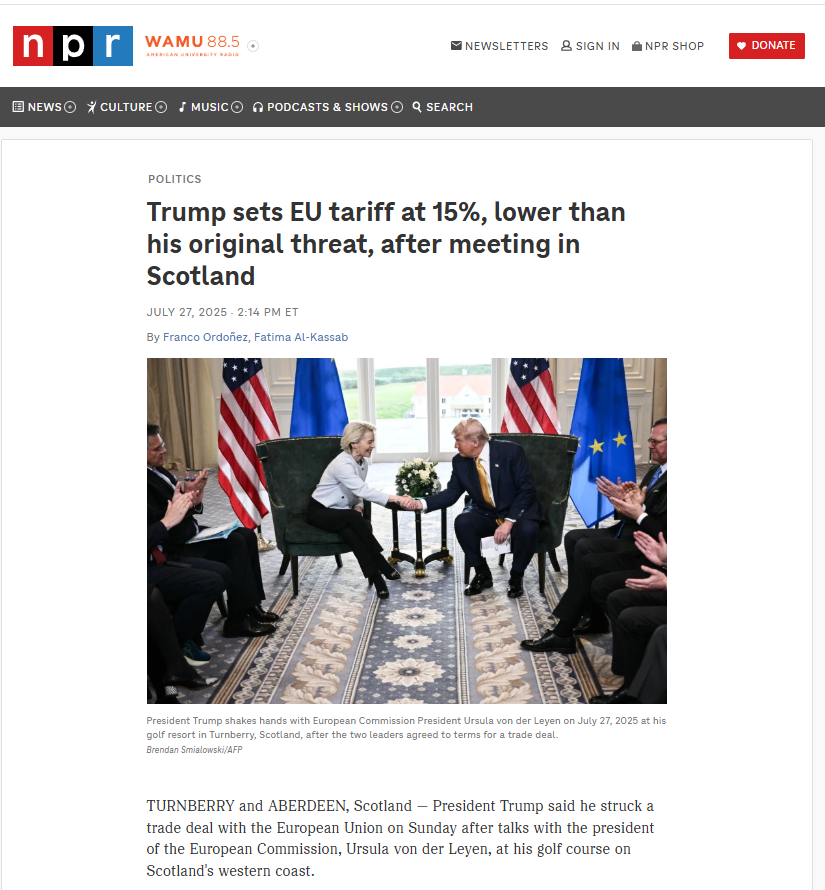
2025_07_27_16_48_06_Trump_clinches_trade_agreement_with_EU_with_15_tariff_NPR

Trump strikes a deal in Scotland with the EU where most EU exports to the United States will face a 15% tariff, down from the 30% tariff. The EU has agreed to accept U.S. imports without tariffs, according to Trump. This will fulfill our model forecast that the EU economy is in recession and will not bottom until 2028.

“The Titanic” — Starring Gavin Newsom


Posted originally on Jul 27, 2025 by Martin Armstrong
Interview: Something BIG is Coming in August


Posted originally on Jul 27, 2025 by Martin Armstrong |  

Interview: The Road to World War III – Who’s Really Pulling the Strings?


Posted originally on Jul 26, 2025 by Martin Armstrong 

Alex Jones Interview: Armageddon Alert – Top Computer Models Predict A “100% Chance Of Nuclear War In The Next Year” If The Insane Leadership Of The European Union Is Not Removed


Posted Jul 26, 2025 by Martin Armstrong   

Trucker Convoy Lawyer Debanked


Posted originally on Jul 25, 2025 by Martin Armstrong 

Banks have the ability to debank customers at a moment’s notice. Canada successfully weaponized its banks against the people during the Trucker Convoy, a peaceful protest demanding the right to bodily autonomy during the COVID-19 vaccine mandates. Lawyer Eva Chipiuk, who represented the Trucker (Freedom) Convoy, received notice from the Royal Bank of Canada (RBC) that her bank account is being terminated without proper explanation.

RBC told Chipiuk that “recent activity was outside of RBC’s client risk appetite,” and the bank would “no longer be in a position to continue serving her.” Without further explanation, RBC informed her that she has mere weeks to find an alternative bank.

“The last interaction I had with RBC before they closed my account was when they froze it after I transferred some money to purchase bitcoin,” Chipiuk told the Western Standard. “I called them to confirm the transaction was legitimate.” The bank’s fraud department then interrogated her with what she felt were “demeaning questions” before clearing the account and warning her to “be careful with crypto.”

Eva Chipiuk did not commit a crime. She was not accused of a crime or any type of offense. Yet, RBC claimed it was “required by law to comply with applicable legislation.” The law in question has not been clarified. IS RBC threatened by Chipiuk’s connections to the Trucker Convoy or is the bank suspicious of her withdrawal to purchase bitcoin? Neither situation is a criminal offense, and yet, the bank has total authority to debank her without reason.

We’ve seen this happen throughout the world—governments everywhere have successfully weaponized the banks against the people. Banks are not held responsible for their actions, and their customers are not granted due process. This is the main issue with switching to digitalized currency as the banks are already under intense government surveillance. Once you’re on a list, you’re always on the list. It is quite likely that the Canadian government had been monitoring Eva Chipiuk for years in an attempt to pin her with charges, and since no offense was committed, the government is legally permitting RBC to debank a person it deems anti-government.

Spain Creates Taskforce to Monitor Far-Right Groups Online Amid Migrant Clashes


Posted originally on Jul 25, 2025 by Martin Armstrong 

Surveilence

The clash between migrants and Spaniards has reached the brink. Vigilante groups form when the people lose all trust in their government’s ability to protect them. Spain has launched a probe into far-right groups through the terrorism and organized crime intelligence units, with a particular emphasis on monitoring social media networks.

The government’s emphasis on “far-right activity” comes after yet another instance of violent clashes between native residents and migrants. One particular incident that made headlines occurred in the southeastern town of Torre Pacheo, where one-third of the population is comprised of migrants.

“We cannot allow hatred to take root in our society,” said Interior Minister Fernando Grande-Marlaska, during a law enforcement summit. “Crime is not on the rise, nor is it linked to migration,” he added, pushing back against far-right narratives.

The Vox Party, the third-largest party in Spain, is also under investigation for inciting violence for blaming the current government for the growing migrant issue. As I mentioned in an earlier post, since 2020, Spain has experienced an astounding 650% increase in family reunification visas through government programs. Prime Minister Pedro Sánchez’s liberal government plans to permit an additional 900,000 migrants to flow into Spain’s borders over the next three years.

Rocío de Meer, Vox’s spokesperson, stated that “millions of people who have recently arrived and have not adapted to our customs… will have to return to their countries,” urging the government to expel those who “decide not to integrate.” The party has spoken out against NGOs that are assisting migrants to cross into Spain. “Of our country’s 47 million inhabitants, roughly seven million – or more than seven million, because we have to take into account the second generation – eight million are people who have come from different origins in a very short period of time,” Meer said. “It is therefore extraordinarily difficult for them to adapt to our ways and customs.”

Meer also said that his party wants to deport those who want to “live off the work of others.” His party believes that men “who mistreat or demean women” and “unaccompanied minors” must be deported as it is an abuse of human rights. The people of Spain overwhelmingly agree that the borders must close.

There is not a single Western nation that has adopted a successful open border policy. Instead of addressing the problem, the government is employing new AI and data collection methods to detect any form of perceived hate or anti-migrant sentiment online. The Ministry of the Interior plans to subsidize NGOs, political weapons masked as non-profits, to ensure Spain’s destabilization through invasion.

Spain joined the European Union in 1986 after finally becoming a democracy. General Francisco Franco ruled Spain with a closed fist from 1939 to 1975. King Juan Carlos I assumed the throne in 1975 upon Cortes’ death and he helped to usher in a new government for the people of Spain with the passing of the Political Reform Act of 1976 that enabled a democratic system. By 1977, the people of Spain were granted the freedom to vote for the first time since 1936. Every safeguard of democracy shattered with Spain decided to join the European Union. The nation is now beholden to the will of Brussels, and its leaders blindly follow the orders of unelected bureaucrats. War, in addition to the domestic invasion, will cause rising civil unrest in which the people demand a new government system that REPRESENTS THE PEOPLE.

UK-India Trade Deal


Posted originally on Jul 25, 2025 by Martin Armstrong   

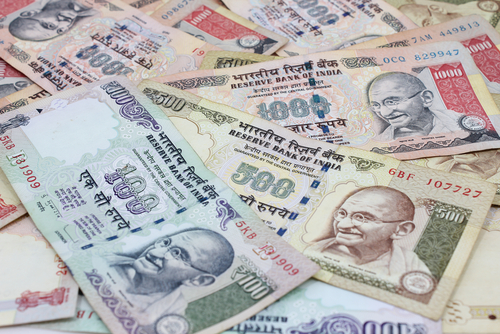
Indian Rupees
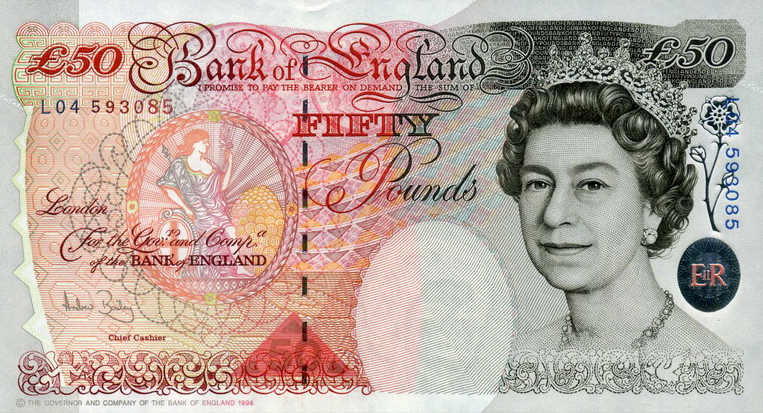
Elizabeth 50 pound note cancelled

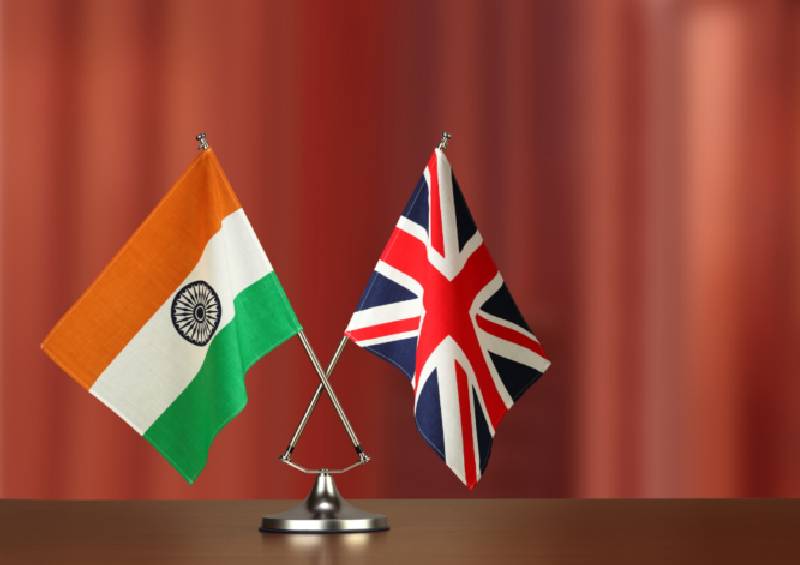
Keir Starmer and Narendra Modi brokered a “free trade agreement” yesterday that is expected to lift the UK economy by £4.8 billion annually, with £6 billion in investments by Indian and British corporations. The deal comes after nearly four years of negotiations and is seen as a major step forward for the two nations.

This is not a true free trade deal. Tariffs on UK goods will be reduced from 15% to 3%. Both Indian and British parliaments must approve of the measure which will take months to approve. Indian exports previously faced duties up to 20%, but the UK is now offering 99% duty-free access for Indian exports. India will go further to reduce duties on some key exports like whisky which will see an immediate deduction from 150% to 75%, followed by a reduction to 40% over the next decade. Autos exports from the UK will also see a sharp decrease from 110% to 10%.

The deal will also expand market access for high-skilled laborers seeking employment in the UK. With a few sector prohibitions, Indian professionals may now work for up to two years in the UK without the need to be based in the UK. Those workers will be eligible for a three-year exemption from social security as well. Public procurement opportunities will be widely available to UK businesses seeking to invest in India.

Some estimate that UK exports to India are expected to increase by 60% to £15.7 billion by 2040 under the new deal, with UK imports from India expected to rise by 25% or £9.8 billion by 2040. The UK government believes its GDP will increase by £4.8 billion annually if parliaments pass the measure.

india uk

The UK government also believes that the framework will create thousands of jobs. Critics believe that the deal is partial to Indian professionals who require lower wages to maintain the same lifestyle as someone living in the UK. The agreement also does not open India’s financial and legal services sectors to UK corporations. The deal does not include protections for labor rights or public health. There are other sector related issues, especially regarding coal, as many believe the safeguards for workers and the environment are not present.

India opposes the UK’s carbon border tax and adherence to the climate change net zero agenda that has been suffocating energy sectors. For 2025, the official carbon price per ton of CO2 is set at £41.84 under the UK Emissions Trading Scheme. The Carbon Price Support (CPS) is an additional tax on top of the ETS that is set at  £18 per ton of CO2 for fossil fuels used to generate electricity. Beginning in 2027, the UK plans to introduce a Carbon Border Adjustment Mechanism (CBAM) tax on carbon of imported goods such as steel, iron, hydrogen, cement, fertilizers, and aluminum.

Starmer made it clear that the UK is still planning to reduce carbon emissions by 68% by 2030, with the goal of reaching net-zero by 2050. Free trade is a move in the right direction, yet, there will be noteworthy issues ahead as the two governments are not aligned on key issues. The legal and financial sector access will need to be discussed, but the climate change agenda is the stronger problem as the UK is not adhering to a plan that is unfeasible both economically and logistically.

Categories:World Trade

War in Southeast Asia


Posted originally on Jul 24, 2025 by Martin Armstrong 

Thailand Cambodia Map

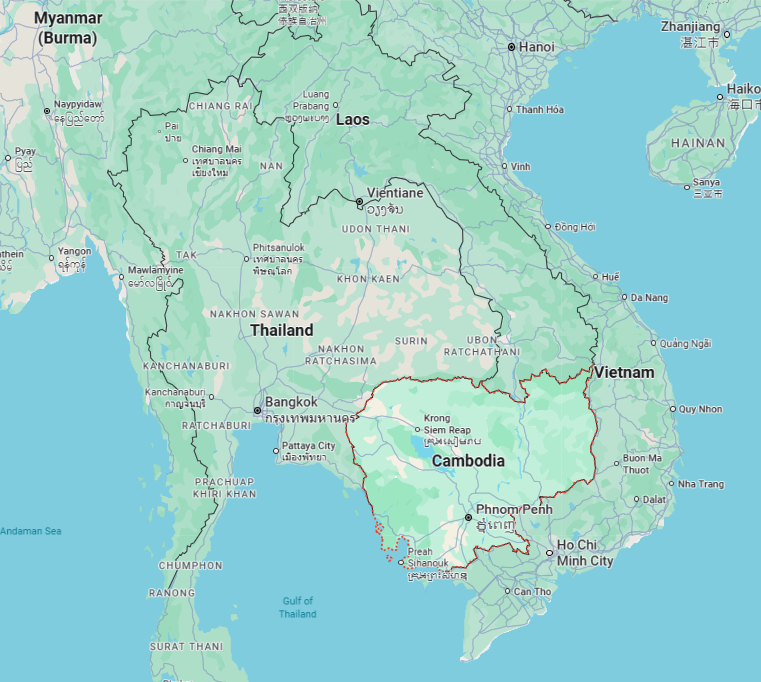
For hundreds of years, the two Southeast Asian neighbors, Cambodia and Thailand, have engaged in occasional military conflicts and nationalist rivalry centered on a disputed border. We’re getting reports from Thailand that an F16 bombed a Cambodian military target.

This border conflict actually dates back to a map made in 1907, when Cambodia was a French colony. The map serves as the foundation for Cambodia’s claims to certain regions of the border. Thailand disputed this French colonial map due to its ambiguity. Like Ukraine, this is over territory, and we are not even talking about a significant amount of land.

According to Thai officials, Cambodia has recently planted land mines that wounded their soldiers in the province of Ubon Ratchathani. Cambodia claims that the explosion took place within its Preah Vihear region and calls Thailand’s assertions “baseless.”

Ancient Hindu Temple of Preah Vihear

The border dispute concerns a 508-mile border that has been contested since the borders were established following French occupancy of Cambodia more than a century ago. As a result, numerous conflicts have arisen over resources and territory. In 2008, tensions escalated when Cambodia attempted to register the 11th-century Hindu temple, Preah Vihear Temple, which was in dispute between Cambodia and Thailand. This ancient Hindu temple has been the center of territorial disputes for many years.in the disputed region as a UNESCO World Heritage Site, a move that Thailand strongly objected to. There have been intermittent conflicts over the years in which both sides have lost soldiers and civilians.

Cambodia has imposed a full embargo on importing anything from Thailand, ranging from fruits and vegetables to electricity and the internet, as well as any cultural content whatsoever. In return, Thailand has blocked all internet services used by the Cambodian authorities. They have also significantly restricted land crossings into Cambodia and prohibited gambling-related travel by tourists.

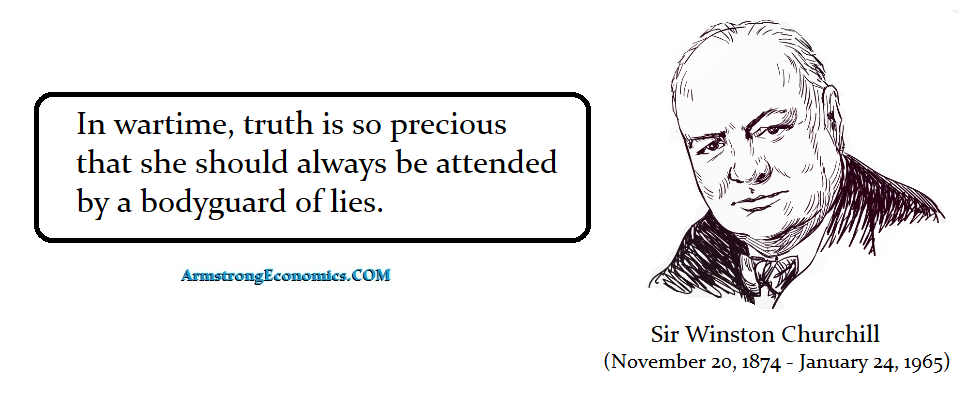
Churchill on Truth

Thai and Cambodian troops in a disputed area are now engaging in direct conflict. Thailand’s military said Cambodian troops opened fire first, while Cambodia’s Ministry of National Defence said its troops acted in self-defence after coming under attack. As Churchill said, the TRUTH needs a bodyguard of lies during war to protect it. Our sources indicate that fighting is ongoing in several locations along the border. Thailand has recalled its ambassador to Cambodia, and Cambodia has withdrawn its diplomats from Thailand, ordering all Thai diplomats to leave the country.

Thai_Baht M Array 7 24 25

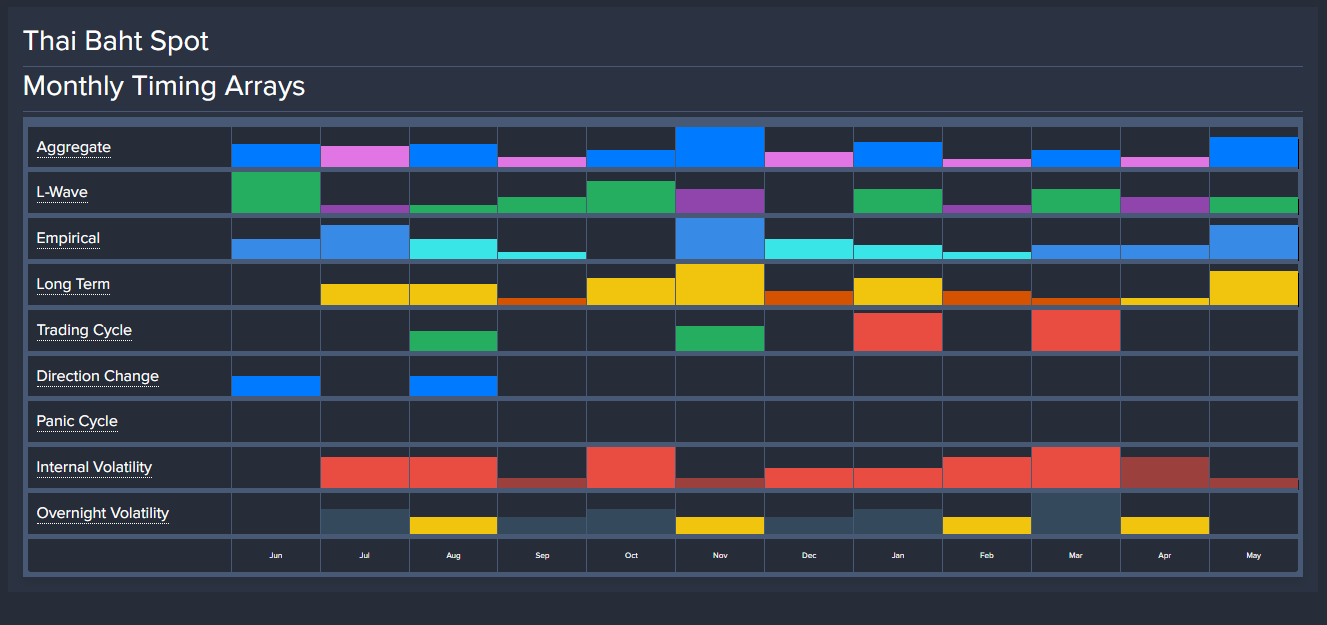
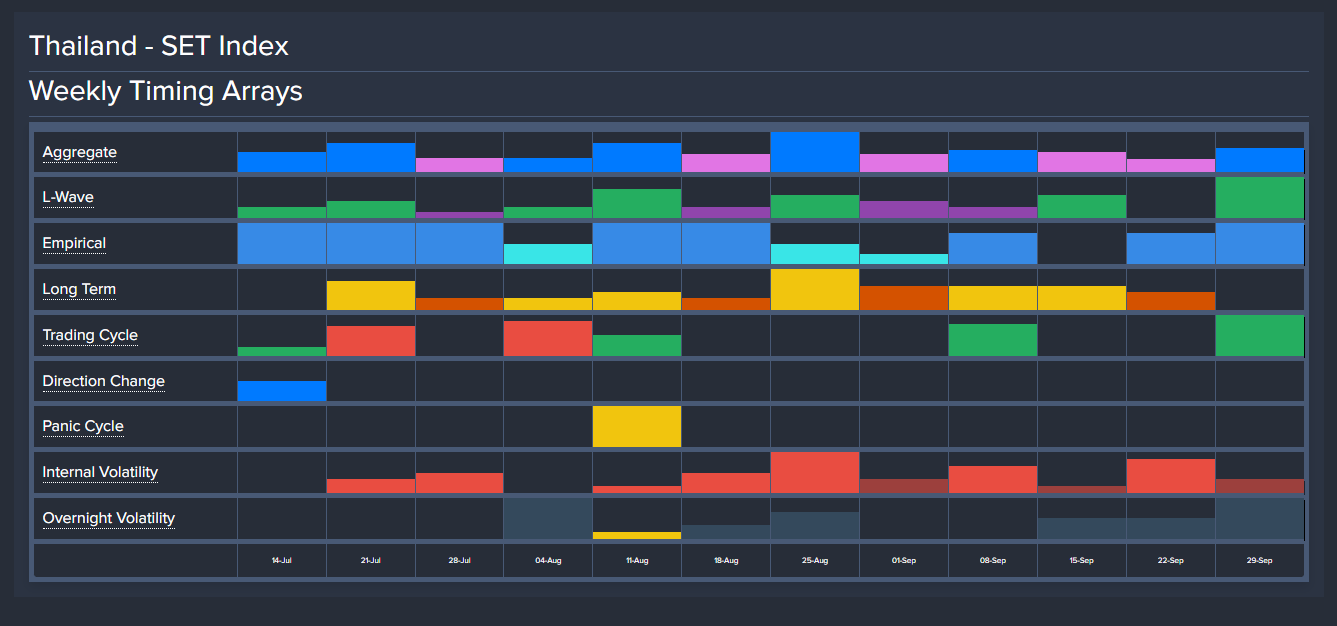
Our War Model for the region turned up in July, which correlated with the timing array on the Baht, starting with the rise in volatility in July. This even came down to the week on the Thai SET share market as well.

Thai SET Index W Array 7 24 25