Posted originally on Apr 10, 2025 by Martin Armstrong
There has been ongoing speculation about America’s holdings of foreign gold reserves. Elon Musk’s request to audit Fort Knox pushed the issue into the headlines once more. Now, the new incoming German government is discussing pulling their gold reserves from the New York Fed due to a lack of transparency and the public is asking—where is the gold?
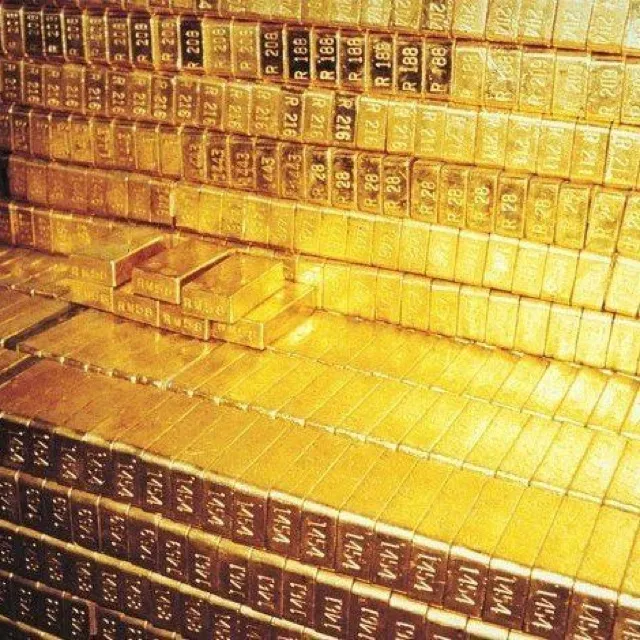
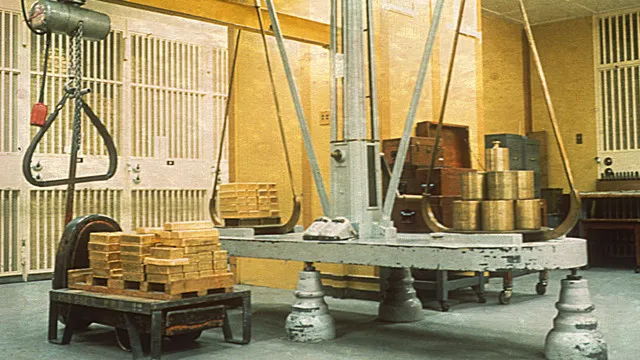
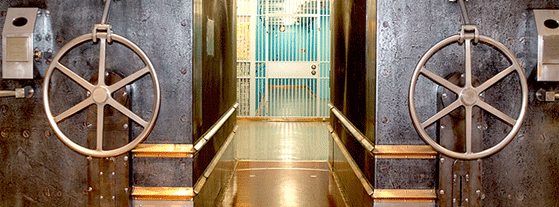
I personally toured the New York Fed many years ago, and while there is gold there, I cannot verify the quantity or quality; no one has ever accomplished such a feat. The last full audit of US gold reserves occurred in 1953 under President Eisenhower. Auditors from the US Treasury and Mint verified domestic and limited foreign-held gold at the New York Fed and Fort Knox. Third-party auditors were not permitted, but there were US Congressional observers. Treasury Secretary George M. Humphrey and Mint Director William H. Brett were in charge of overseeing this audit.
Now, the government declared the audit to be a “full” inspection. However, only 3 of the 22 compartments at Fort Knox were examined, accounting for only 13.6% of gold holdings. Around 88,000 bars (34.4M oz) were meticulously counted, and auditors weighed around 9,000 bars (130 tons). Only 26 gold bars, selected at random, were drilled to confirm purity. Auditors confirmed that US gold certificates matched physical holdings at the New York Fed, but due to limited sampling and a lack of transparency, suspicions rose. “We have no reason to believe other melts would differ [from assay results],” the joint commission stated.
The gold examined was mainly domestic. Germany’s holdings, for example, were not part of the audit. Public confidence in the US government was on the decline at this period amid Cold War secrecy. Around the same time of the audit, the CIA admitted it to Operation Ajax—a covert operation to overthrow Iranian Prime Minister Mohammad Mossadegh and install Shah Mohammad Reza Pahlavi. This was the first time that the US government openly admitted to orchestrating a coup and installing a leader in a foreign nation. How could the public and/or foreign nations trust the US under these conditions?
(Sources: Treasury 1953 Report, Sound Money Defense League, FRASER).
The GAO/Treasury conducted the next audit in 1974, reviewing 21% of gold holdings at Fort Knox. This occurred in the post-Bretton Woods period after Nixon abandoned the gold standard. Again, third-party auditors were not permitted to attend, and this time, auditors did not weigh bars. Some called the September 1974 examination a “show audit” and a publicity stunt as only 1 of the 13 vaults was examined. The “real” audit occurred the following month by a joint GAO-Treasury committee, but as mentioned, only 91,404 bars of 367,500 were examined. Random samples were tested for purity, but there was no assaying or weighing.
Continuing audits were ongoing, and the US government pledged to inspect 10% of its gold holdings annually from 1975 to 1983. As of 1985, the government stated it had audited 89% of its gold holdings, but only through seal verifications and limited sampling. Again, only the US government had access to these vaults.
The matter was ultimately laid to rest until 2012, when US politicians like Ron Paul and foreign governments demanded another audit. Germany was threatening to relocate their US holdings at the time due to a lack of transparency, and had been increasingly calling for an audit in the decades leading up to 2012. To appease doubters, the Treasury OIG conducted another limited audit.
The 2012-2013 NY Fed Audit scope included 34,201 US-owned gold bars (418 tons). Less than 1% (367 bars) were tested for purity. Auditors did not weigh the gold, nor did they conduct a full inventory. All compartments were to remain sealed unless they had reason to suspect tampering. Again, no independent assayers were admitted. Worse, foreign holdings were not inspected. Germany’s gold, for example, was not reviewed but they maintained trust in the US government despite some backlash.
Fast-forward to 2025: DOGE is uncovering government waste and mismanagement and has set its sights on Fort Knox. The US Treasury declared any audit a breach of national security. A true audit of Fort Knox, not including the NY Fed, would take 18-24 months and require 44,000 hours. Foreign governments now have a seemingly plausible reason to point their finger at the US and call “FOUL PLAY!”
Here’s the thing–no nation completely audits its gold holdings. The UAE, for example, implemented mandatory annual audits but only examined 10-20% of its holdings. There is limited transparency as their audits are classified, but they do permit third-party audits and follow London Bullion Market Association (LBMA) standards. Switzerland also follows LBMA standards and conducts regular audits, but auditors only check seals as there is no physical count. Switzerland is far more transparent about its auditing process, but again, they are only looking at a small percentage of overall holdings and not weighing or physically assessing the gold. Any nation could point the finger at another and question the validity of its stockpile.
As for US gold holdings, there have not been any official sales. If anything is missing, then that means it was stolen. However, the media is honing in on the US without understanding that no foreign nation conducts a full audit of their gold holdings. It all comes down to trust in the government, not only the current administration but every administration that has come to pass.
Posted originally on Apr 8, 2025 by Martin Armstrong
Some believe that Donald Trump is deliberately attempting to cause a sharp downturn in equities to force a flight into treasuries. If so, the Federal Reserve would have more of a reason to slash interest rates—Trump’s longstanding desire. Trump has stated that the markets are undergoing an “operation” of sorts, but I would not underestimate his long-term plan here.
Trump openly states that he wants companies to move manufacturing to the US to avoid tariffs. This will also promote domestic trade as companies will seek to avoid levies. US farmers will be incentivized to sell domestically, which could lower the price of groceries much to the pleasure of the American public.
The idea that a decline in the stock market could actually cause a flight into treasuries sounds counterintuitive on the surface, but when you understand how capital flows and confidence operate globally, it makes perfect sense. Capital moves globally and always seeks the safest place to park. Unexperienced and retail traders tend to panic at larger downturns and sell off.
Everything comes down to CONFIDENCE. A downturn in equities could cause a kneejerk reaction into treasuries because people still trust that the government will make good on their payments. Big institutional money began fleeing the public sector for the private sector years ago. What we have seen since the implementation of Trump’s tariffs is a new demand for treasuries.
The 10-year treasury yield dropped from 4.25% in late March 2025 to 4.01% by April 1, while the two-year fell to 3.68%. Billions have fled into the bond market since these tariffs were announced. JPMorgan, for example, said that there is now a 60% risk of a recession and is shifting toward the bond market.
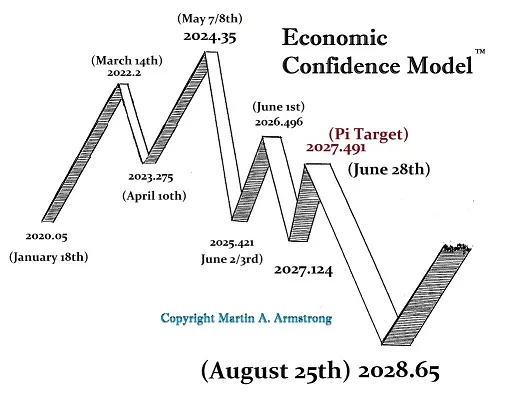
Lowering treasury rates will make homes more affordable by decreasing mortgage rates. Individual nations were fleeing US treasuries, creating a massive risk for an eventual default. Suddenly, at least temporarily, the stock market no longer seems like a safe place to park money. The Trump Administration first showed the world that it was cutting spending and attempting to reduce the deficit. A downturn in rallies DOES NOT guarantee a rally in the bond market, but we are witnessing a short-term flow into treasuries. However, the computer has warned that 2028 will mark a major turning point in confidence where any remaining confidence in government vanishes. For now, we may enjoy a temporary decline in treasury yields due to these tariffs.
Posted originally on Apr 8, 2025 by Martin Armstrong
PART II
QUESTION: Is he breaking the London metals dealers’ hold to suppress the gold price?
ANSWER: I am tired hearing the same constant bullshit about gold is suppress intentionally by dealers and that is why it is not $10,000. I have traded against these people for years. Here is a clip from the Forecast with Barclay, who used to work for me years ago, talking about how he checked me out before taking the job with Goldman Sachs.
Every manipulation that these dealers ever pull off was to the upside – not to suppress gold. They sell 10x more when people think gold is rising, not declining. This BS claim was explained that they were suppressing gold to help the government keep inflation in check. This is total BS!!!!!
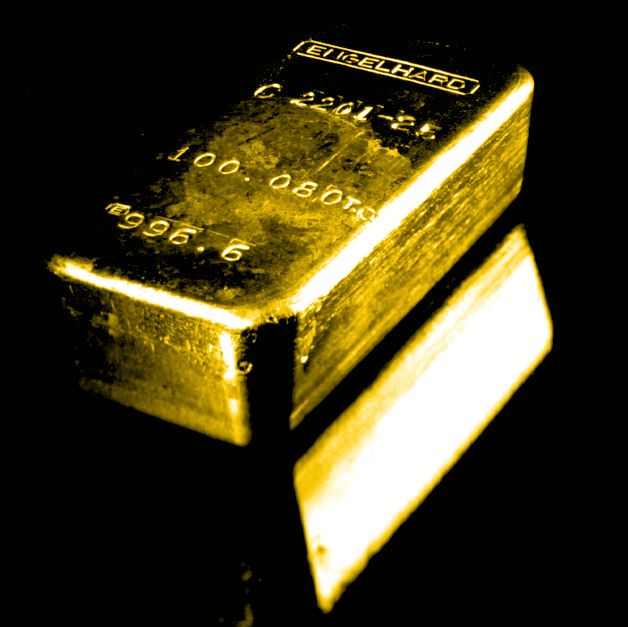
Back in the 1970s when I was one of the largest market-makers in gold, I was buying the scrap gold from stores in the country that people were selling to back then and refining it at Engelhard into 100-ounce bars for delivery into COMEX. PhiBro was who you would call to sell to Engelhard, locking in the prices. PhiBro made so much money that they bought Solomon Brothers, the bond house on Wall Street, and took the manipulation tactics to Wall Street, and then that blew up. That is when Warren Buffett stepped in to save the company, and that is how he got pulled into silver manipulation scams of the day.
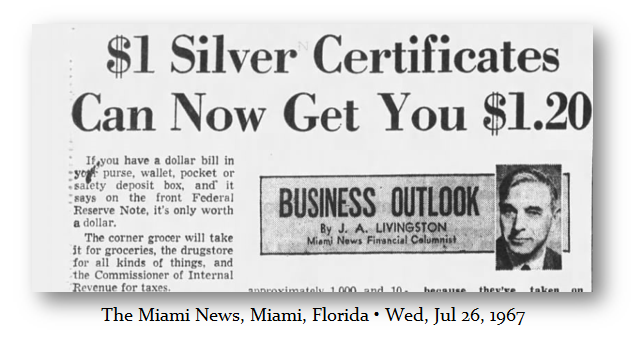
Nelson was one of my customers. In the early days, we bought silver certificates and redeemed them at the Treasury for 1,000-ounce bars. They generally had a permanent marker applied, often with two numbers, 102.6 and 120. The first implied it was 102.3 oz., and the second may have been the number of silver certificates it represented. Nelson was buying them when silver was $1.29. The U.S. Treasury primarily used 1,000-troy-ounce silver bars for the redemption of silver certificates. These bars were standardized for commercial and governmental use, aligning with industry practices for efficient storage and handling.
Historical Context: During the redemption period (late 1800s–1968), the Treasury managed large silver stockpiles, often stored in bulk. The 1,000-ounce size was practical for large-scale transactions and storage.
Commercial Standards: The 1,000-troy-ounce bar was (and remains) a common “good delivery” standard in precious metals markets, ensuring consistency in domestic and international trade.
Legislation and Practices: Acts like the Pittman Act (1918) and the Silver Purchase Act (1934) involved melting silver coins or purchasing bullion, likely using standardized bar sizes. The Treasury’s silver reserves, including those backing certificates, were held in forms compatible with industrial and monetary needs.
Thus, 1,000-troy-ounce bars were almost certainly the standard, though smaller denominations (e.g., coins) were also available for individual redemptions.
A funny story, I had $1 million credit line by the time I was 21 with the bank. It was funny because you did not have to deal with age or things like that. I had a business with employees and inventory, as well as sales. They granted you credit based on those things. They would assume I was older and just say, “You look good for your age.” I would just reply: “Thank you.”
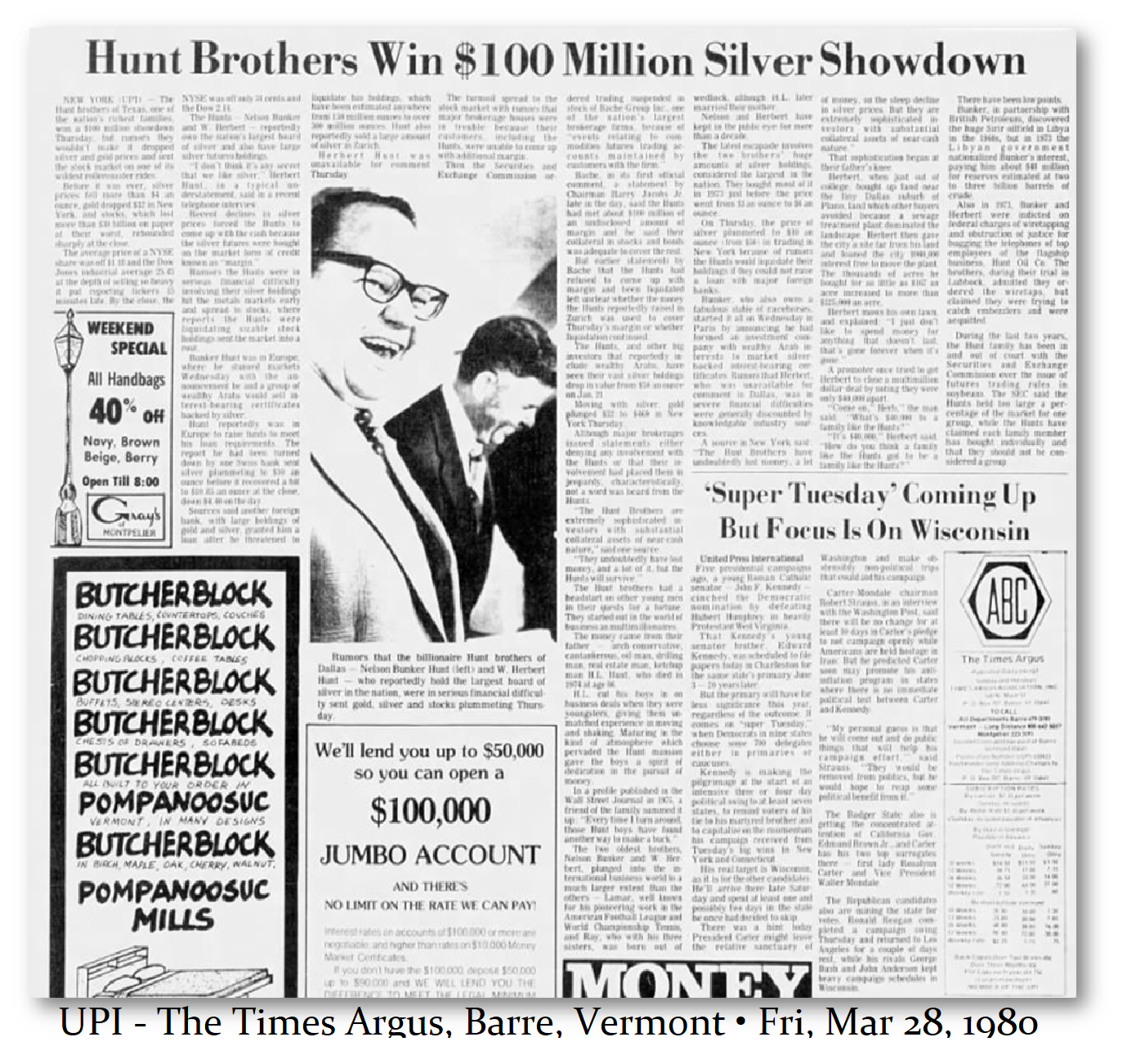
I went to my local bank and wanted to borrow $2 million to buy silver. I told them I had a client, Nelson, who was going to take silver up dramatically. I may have even said $50 – I don’t recall. I told the bank they could hold the silver, which I thought made sense. I was turned down, and my banker called me in and explained that I should have just said it was for inventory, and I would have been approved. It was illegal for them to lend for speculation. For years, he told people that if he had bought silver himself, he could have retired by 1980.
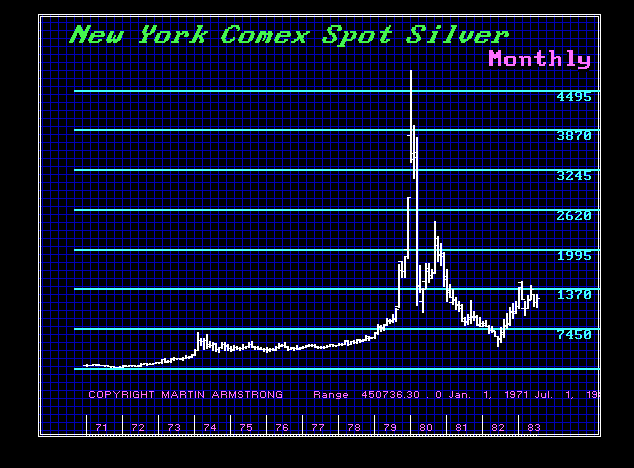
By February 1979, Hunt’s name was being thrown around all over the place, and they were saying silver was going to $100. That lured people in to buy, and they took silver up to test the $50 between February 1979 and January 1980. All the manipulations I have witnessed in the metals have been to lure people to buy, not sell, and suppress the prices. That is just stupid. Do they not make money by suppressing silver or gold to help the government? Come on.
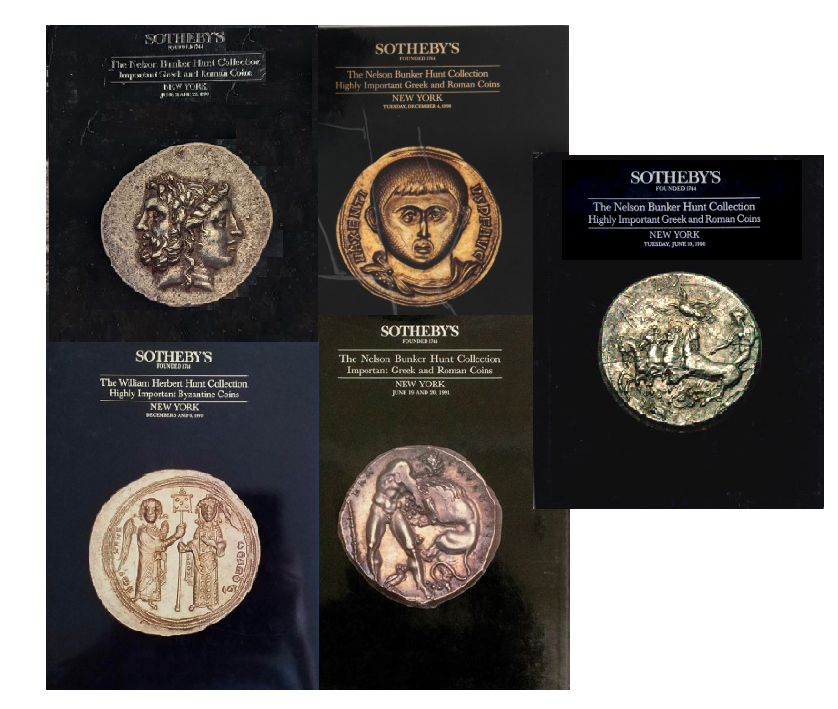
Nelson was also an avid ancient coin collector. Sotheby’s sold his collection, and it remains a significant sale often referred to. His collection ranked up there with J.P. Morgan and King Faruk.
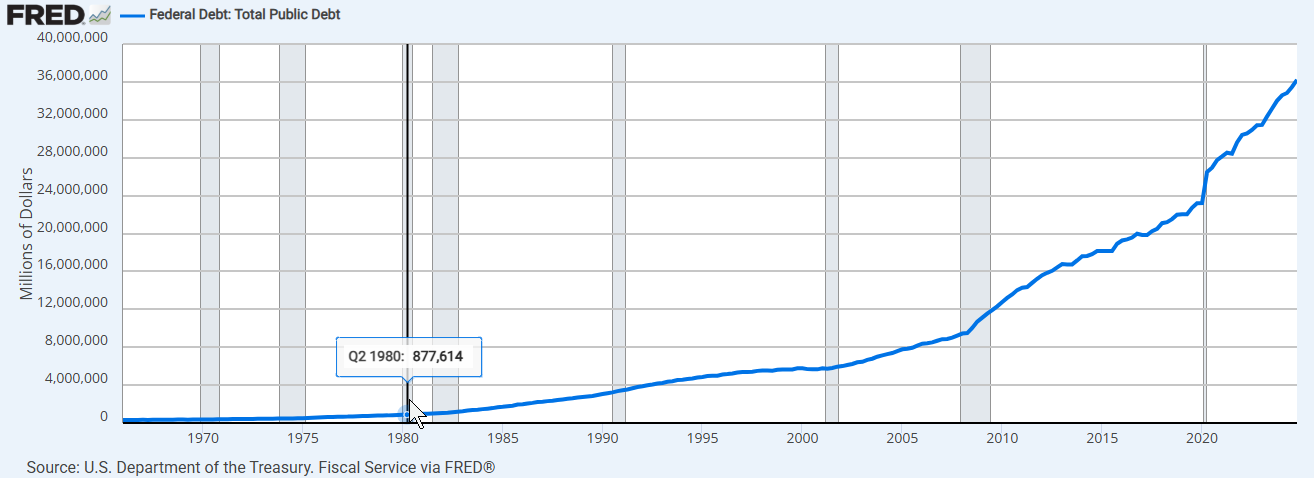
I have said countless times, gold rises NOT with inflation, but with geopolitical issues. Here was the National Debt Q2 1980 at $877.614bn. As of Q2 2024, it stood at $36,218bn. The debt has risen 40.29% since 1980. Gold hit $875 on January 21, 1980, in the cash market. If gold rose because of inflation or the debt level, then it should be $35,260 per ounce. The gold dealer could buy all of Wall Street with that price.
These people who make up these excuses are unbelievable. Gold pays no interest, which is why they lease it out. Otherwise, it is a dead asset that brings in no income. It is a hedge against the government in times of uncertainty—that’s it. It is not a hedge against inflation or the size of the debt. That has been a great sales pitch, but that is it.
I have created this site to help people have fun in the kitchen. I write about enjoying life both in and out of my kitchen. Life is short! Make the most of it and enjoy!
This is a library of News Events not reported by the Main Stream Media documenting & connecting the dots on How the Obama Marxist Liberal agenda is destroying America





 Centinel2012