Posted originally on Sep 26, 2024 By Martin Armstrong
| Thank you for all the emails about the storm and whether I will be alright. Don’t worry. Biden will never let me die. I pay enough taxes to keep Zelensky’s pockets full. Without my taxes, Zelensky might not be able to repair his place in Miami, or Russia might actually win. I don’t know why the IRS is playing the middleman. We should just be sending our checks to Kiev directly. And, I never dated a girl named Helene, so I don’t fear any retribution.
I took this at 7:30 AM. There was still a little blue-sky.
This one is from 12:45. I will post another before the sun goes down.
The last time, I evacuated and went to Orlando so I could be in the middle of it. Then the FAKE News, all of them, only show the worse possible places. I finally asked a boy who came to work in the hotel if the interstate was clear. He said he had no problem driving to work. I left expecting some flooding, and there was nothing. I got home, and the power never went out. The one before that, CNN said we would have a 10ft wall of water. It turned out to be 6 inches. FAKE news has engulfed everything.
Posted originally on the CTH on September 26, 2024 | Sundance
Hurricane Helene is following the forecast track. SW Florida is feeling the impact of the first storm surge. Tropical storm force winds are being felt throughout Florida. All interests in the Big Bend area should heed local officials’ warnings and instructions. Focus on the local emergency management advice.
For those who are in the path of the storm, there comes a time when all options are removed, and you enter the “Hunkering Down” phase. You’re just about there now. Hurricane force winds extend 60 miles from center.
At 100 PM CDT (1800 UTC), the center of Hurricane Helene was located near latitude 26.4 North, longitude 85.0 West. Helene is moving toward the north-northeast near 16 mph (26 km/h). A significant increase in forward speed is expected during the next 24 hours. On the forecast track, Helene will make landfall in the Florida Big Bend region this evening. After landfall, Helene is expected to turn northwestward and slow down over the Tennessee Valley on Friday and Saturday.
Maximum sustained winds have increased to near 110 mph (175 km/h) with higher gusts. Additional strengthening is forecast, and Helene is expected to be a major hurricane when it reaches the Florida Big Bend coast this evening. Weakening is expected after landfall, but Helene’s fast forward speed will allow strong, damaging winds, especially in gusts, to penetrate well inland across the southeastern United States, including over the higher terrain of the southern Appalachians.
Helene is a very large hurricane. Hurricane-force winds extend outward up to 60 miles (95 km) from the center and tropical-storm-force winds extend outward up to 345 miles (555 km). (link)
As many long-time readers will know, we do have a little bit more than average experience dealing with the aftermath of hurricanes. I ain’t no expert in the before part; you need to heed the local, very local, professionals who will guide you through any preparation, and neighborhood specific guidelines, for your immediate area.
However, when it comes to the “duration part” and the ‘after part’, well, as a long-time CERT recovery member, and survivor of multiple direct hits, perhaps I can guide you through the expectation and you might find some value. Consider this little word salad a buffet, absorb what might be of value pass over anything else.
A category-4 storm can and will erase structures, buildings and landscape. Hurricane Helene is similar to Hurricane Charley which impacted the SW coast of Florida in 2004, only larger. The coastal topography will likely change in the 60-mile-wide area of immediate impact.
Total infrastructure failure should be anticipated, and it will take weeks for restoration. The coastal communities are the most vulnerable; however, the inland impact of the storm will continue unimpeded until the eyewall crosses onto land.
That means communities inland for 50 miles will likely see consistent 100+ MPH winds for several hours. That scale of sustained wind energy will snap power poles and reinforced concrete.
As the backside of the storm then reverses the energy direction, any already compromised structures will not withstand the additional pressure. In many cases -particularly those who go through the eyewall- the backside of the storm is worse than the front. If you are inland, prepare yourself for a long duration of extensive wind damage followed by an extended power outage.
For those who are in the path of the storm, there comes a time when all options are removed, and you enter the “Hunkering Down” phase. You’re just about there now. Fortunately, just like Charley, this particular hurricane Helene will move fast and that might mitigate some of the coastal storm surge (only one part of one tidal cycle). However, in totality from impact through recovery this is going to be a long-duration event.
When the sustained winds reach around 45mph today the power will begin to shut down. However, do not be alarmed, this actually makes things a heck of a lot safer in the aftermath; and much easier and safer during the rebuild. Do not expect the power to be turned back on until it is safe.
Hurricanes can be frightening; downright scary. There’s nothing quite like going through a few to reset your outlook on just how Mother Nature can deliver a cleansing cycle to an entire geographic region. The sounds are scary. Try to stay calm despite the nervousness. Telephone and power poles, yes, even the concrete ones, can, and likely will, snap like toothpicks. Trees will bend and break; the sounds are dramatic.
There’s a specific sound when you are inside a hurricane that you can never forget. It isn’t a howl, it’s a roar. It is very unique sound in depth and weight. Yes, within a hurricane wind has weight, it’s the pressure of it.
Stay clear of windows and doors, and within an interior room of the house or apartment if possible. That scary roar sounds like it won’t ever quit…. it will… eventually; but at the time you are hunkering down, it doesn’t seem like it will ever end.
A hurricane wind is a constant and pure rage of wind that doesn’t ebb and flow like normal wind and storms. Hurricane wind is heavy, it starts, builds and stays; sometimes for hours. Relentless, it just won’t let up. And then, depending on Helene’s irrelevant opinion toward your insignificant presence, it will stop. Judging by the forward speed the hurricane force wind will likely last around 2 hours before it stops.
Then silence. No birds. No frogs. No crickets. No sound.
Nature goes mute. It’s weird.
We have no idea how much ambient noise is around us, until it stops.
Due to the speed of the storm, there will be convoys coming to construct a pre-planned electricity grid recovery process even before the sun rises tomorrow. Convoys from every city, town and state from the east-coast to the mid-west. A glorious melding of dirty fingernails all arriving for the meet-up. Depending on your proximity to the bigger picture objectives at hand, you will cherish their arrival.
But first, there will be an assessment. The convoys will stage at pre-determined locations using radios for communication. Most cell phone services will likely be knocked out. Recovery teams will begin a street-by-street review; everything needs to be evaluated prior to thinking about beginning to rebuild a grid. Your patience within this process is needed; heck, it ain’t like you’ve got a choice in the matter…. so just stay positive.
Meanwhile, you might walk outside and find yourself a stranger in your neighborhood. It will all be cattywampus.
Trees gone, signs gone, crap everywhere, if you don’t need to travel, DON’T.
I mean CRAP e.v.e.r.y.w.h.e.r.e.
Stay away from powerlines.
Try to stay within your immediate neighborhood for the first 36-48 hours. Keep the roadways and main arteries clear for recovery workers, power companies and fuel trucks.
Be entirely prepared to be lost in your own neighborhood and town for days, weeks, and even months. Unknown to you – your subconscious mind is like a human GPS mapping system. When that raging Helene takes away the subconscious landmarks, I guarantee you – you are gonna get lost, make wrong turns, miss the exit etc.
It’s kinda funny and weird at the same time.
Your brain is wired to turn left at the big oak next to the Church, and the road to your house is likely two streets past the 7-11 or Circle-k. You don’t even notice that’s how you travel around town; that’s just your brain working – it is what it is.
Well, now the big oak is gone; so too is the Circle-K and 7-11 signs. Like I said, everything is cattywampus. Your brain-memory will need to reboot and rewire. In the interim, you’re gonna get lost… don’t get frustrated.
No street signs. Likely no stop signs. No traffic lights.
Remember, when it is safe to drive, every single intersection must be treated like a four-way stop…. and YOU ARE GOING TO HAVE TO PAY ATTENTION. Even the major intersections.
You’ll need to override your brain tendency to use memory in transit. You’ll need to pay close attention and watch for those who ain’t paying close attention. Travel sparingly, it’s just safer.
Check on your-self first, then your neighbors. It don’t matter if you’ve never said a word to the guy in the blue house before. It ain’t normalville now. Break out of your box and check on the blue house down the street too. In the aftermath, there’s no class structure. Without power, the big fancy house on the corner with a pool is just a bigger mess. Everyone is equally a mess.
The first responders in your neighborhood are YOU.
You, the wife, your family, Mrs. Wilson next door; Joe down the street; Bob’s twin boys and the gal with the red car are all in this together. If you don’t ordinarily cotton to toxic masculinity you will worship it in the aftermath of a hurricane. Git-r-done lives there.
Don’t stand around griping with a 40′ tree blocking the main road to your neighborhood. Figure out who’s got chainsaws, who knows how to correctly use them, and set about safely clearing the road. If every neighborhood starts clearing their own roadways, the recovery crews can then move in for the details.
Stage one focuses on major arteries… then secondary… then neighborhood etc. It’s a process. Oh, and don’t get mad if your fancy mailbox is ploughed-over by a focused front end loader who is on a priority mission to clear a path. Just deal with it. Those same front-end loaders will also be removing feet of sand from coastal roads. Don’t go sightseeing… stay in your neighborhood.
For the first 36-48 hours, please try to stay close to home, in your neighborhood. Another reason to stay close to home is the sketchy people who can sometimes surface, looters etc. Staying close to home and having contact with your neighbors is just reasonable and safer.
Phase-1 recovery is necessarily, well, scruffy…. we’re just moving and managing the mess; not trying to clean it up yet. It’ll be ok. There are going to be roofing nails everywhere, and you will likely get multiple flat tires in the weeks after the hurricane.
After this storm half of the people living near the Big Bend are going to fit into two categories, two types of people: (1) those with a new roof; or (2) those with a blue roof (tarp).
Keep a joyous heart filled with thankfulness; and if you can’t muster it, then just pretend. Don’t be a jerk. You will be surrounded by jerks…. elevate yourself. If you need to do a few minutes of cussing, take a walk. Keep your wits about you and stay calm.
Now, when the recovery teams arrive…. If you are on the road and there’s a convoy of utility trucks on the road, pull over. Treat power trucks and tanker trucks like ambulances and emergency vehicles. Pull over, give them a clear road and let them pass.
When everyone gets to work, if you see a line-man, pole-digger or crew say thanks. Just simple “thanks”. Wave at them and give them a thumbs-up. No need to get unnecessarily familiar, a simple: “thank you for your help” will suffice. You know, ordinary people skills.
Many of these smaller crews will be sleeping in cots, or in their trucks while they are working never-ending shifts. Some will be staging at evacuation shelters, likely schools and such. The need to shelter people and recovery crews might also delay the re-opening of schools.
Once you eventually start getting power back, if you see a crew in a restaurant, same thing applies… “thanks guys”.
Same goes for the tanker truckers. The convenience stores with gas pumps are part of the priority network. Those will get power before other locales without power. Fuel outlets are a priority. Fuel is the lifeblood of recovery. Hospitals, first responders, emergency facilities, fuel outlets, then comes commercial and residential.
Remember, this is important – YOU are the first responder for your neighborhood. Don’t quit. Recovery is a process. Depending on the scale of the impact zone, the process can take days, weeks and even months.
Take care of your family first; then friends and neighborhood, and generally make a conscious decision to be a part of any needed solution.
Pray together and be strong together. It might sound goofy to some, but don’t be bashful about being openly thankful in prayer.
It will be ok.
It might be a massive pain in the a**, but in the end, it’ll be ok.
√ Andrew √ Jeanne √ Frances √ Ivan √ Charley √ Irma √ Ian
Posted originally on the CTH on September 25, 2024 | Sundance
The National Hurricane Center is narrowing the forecast path of Hurricane Helene, while strongly emphasizing the importance of preparation for a dangerous storm impact in the Florida panhandle region. Everyone in the area should pay close attention.
Helene is anticipated to intensify tomorrow and start moving forward very quickly. This can push the wind driven water very severely into the upper Florida coastal area. The storm surge is anticipated to be very dangerous. Evacuations are beginning and all preparation should be rushed to completion. [NHC Center Here]
At 400 PM CDT (2100 UTC), the center of Hurricane Helene was located near latitude 22.5 North, longitude 86.6 West. Helene is moving toward the north near 12 mph (19 km/h). A northward or north-northeastward motion at a faster forward speed is expected during the next 36 hours. On the forecast track, Helene will move across the eastern Gulf of Mexico tonight and Thursday and cross the Florida Big Bend coast Thursday evening. After landfall, Helene is expected to turn northwestward and slow down over the Tennessee Valley on Friday and Saturday.
Maximum sustained winds are near 85 mph (140 km/h) with higher gusts. Strengthening is forecast, and Helene is expected to be a major hurricane when it reaches the Florida Big Bend coast Thursday evening. Weakening is expected after landfall, but Helene’s fast forward speed will allow strong, damaging winds, especially in gusts, to penetrate well inland across the southeastern United States, including over the higher terrain of the southern Appalachians. (read more)
Fortunately, the eyewall -the area of strongest winds- is likely to be tight and small; however, the outflow wind field is likely to be very large which makes the water pushing into the coastal region more concerning.
.
Those in the impact zone should leave if possible. No-one should remain on/near the coast. A category-4 storm can and will damage structures, buildings and landscape.
This storm is very similar to Hurricane Charley which impacted the SW coast of Florida in 2005. The coastal topography can change in the 30 mile-wide area of immediate impact.
Infrastructure failure should be anticipated, and it could take weeks for restoration. The coastal communities are the most vulnerable; however, the inland impact of the storm will continue unimpeded until the eyewall crosses onto land.
That means communities inland for 50 miles will likely see consistent 100+ MPH winds for several hours. That scale of sustained wind energy will snap power poles and weaken reinforced concrete.
As the backside of the storm then reverses the energy direction, any already compromised structures will not withstand the additional pressure. In many cases the backside of the storm is worse than the front.
If you are at/near the coast, in the zone of eyewall uncertainty, the time to get out is tomorrow. Don’t wait. Take all mandatory evacuations seriously. If you are inland, prepare yourself for a long duration of extensive wind damage followed by an extended power outage.
Do not panic or stress with dark imaginings. However, all hurricane preparation should be rushed to completion.
Due to the speed of this storm, and the rapid intensification strength, all interests in the coastal area should immediate rush to completion their hurricane and storm preparation plans. Thursday is likely the last day to prepare your property and personal effects. Do not delay. Pay attention to the warnings and guidance of local officials.
If you live in an evacuation zone, be prepared to respond as soon as instructed. Take this storm seriously. Slight variations in the storm’s path can create major changes within any impacted region.
Posted originally on the CTH on September 24, 2024 | Sundance
The National Hurricane Center has provided a 5:00pm ET update. [SEE HERE]
At 500 PM EDT (2100 UTC), the center of Tropical Storm Helene was located near latitude 19.7 North, longitude 84.7 West. Helene is moving toward the west-northwest near 12 mph (19 km/h). A turn toward the northwest is expected tonight, followed by a general northward motion beginning on Wednesday and continuing through Friday. On the forecast track, the center of Helene will pass near the northeastern coast of the Yucatan Peninsula on Wednesday, move across the eastern Gulf of Mexico on Wednesday and Thursday, and reach the Big Bend coast of Florida late Thursday.
Maximum sustained winds have increased to near 50 mph (85 km/h) with higher gusts. Additional strengthening is forecast, and Helene is expected to become a hurricane on Wednesday. The storm is forecast to rapidly strengthen over the eastern Gulf of Mexico and become a major hurricane on Thursday. (link)
There are many variables still present within the models for the track of TS Helene as it develops and strengthens into a hurricane. Essentially, the largest variable is the intensity of the storm as it approaches the coastline. There are significant variables; however, everyone should prepare for the worst scenario and then adjust with additional information as it is provided.
It is very important to pay attention to your local officials and emergency management teams. Each area is very different, and each community can feel a totally different impact depending on topographical, geographical and regional distinctions. Listen to state officials, pay attention to the National Hurricane experts, but the best suggestion is to focus your attention on the advice of local EMS officials.
Florida Governor Ron DeSantis provided a press briefing earlier today (below).
.
I am repeating the original advice from yesterday along with a note about the BUZZSAW part that always gets the most attention.
During a hurricane, even if you experience significant impacts, the odds of being in the eyewall part of the hurricane itself is very low. The eyewall gets all of the attention: windspeed, intensity, Cat status, etc. However, the eyewall is not the total of a hurricane, the eyewall is a very limited area and the most dangerous.
During Ian the old axiom remained mostly true, “hunker down from wind, but run from water.”
Now, I say “mostly true“, because to be brutally honest -due to the unique nature of Ian- if you are going to be inside that buzzsaw area (the eyewall) for 8 hours, hunkering down is really not a safe option. Fortunately, Ian was a rare system in terms of its slow-moving nature, even after hitting land. Most hurricane impact events are less than 3 hours in duration. Ian was dangerously unique.
To give scale to the size of the buzzsaw, again we are talking about the most dangerous part of any hurricane – the eyewall itself, this next image shows a comparison between the eyewall of Hurricane Charley in 2004 and the eyewall of Hurricane Ian in 2022.
That is the eye of Charley overlaid inside the eye of Ian in almost the same location. You can see how much bigger the buzzsaw was for Ian as opposed to Charley.
Both Hurricane Charley (’04) and Hurricane Ian (’22) came ashore in generally the same place. Charley made official landfall at Upper Captiva Island and Ian at Bokeelia. The distance between both landfall locations is only about 4 miles apart as the crow flies.
Both storms were Cat-4 landfall events. However, Charley was much smaller, had a smaller buzzsaw and moved quickly around 20 mph. Ian was big, had a much bigger buzzsaw and moved slowly around 5pmh.
The duration of Charley was around 2 to 3 hrs. The duration of Ian was around 8 to 9 hrs. Ian was bigger and just moved slower. Inside this distinction you discover why, despite their almost identical regional proximity, the damage from Ian was much more severe. Topography was changed.
If there is a possibility you will be hit by the eyewall section; you should evacuate – period!
DAY ONE (Monday) Determine Your Risk Make a Written Plan Develop and Evacuation Plan Inventory hurricane/storm supplies.
DAY TWO (Tuesday) Get Storm Update Assemble and Purchase Hurricane Supplies Contact Insurance Company – Updates Secure Important Papers. Strengthen and Secure Your Home Make Evacuation Decision for your Family.
DAY THREE (Wednesday) Get Storm Update Re-Evaluate your Supplies based on storm update Finish last minute preparation Assist Your Neighbors If Needed – Evacuate Your Family
Communication is important. Update your contact list. Stay in touch with family and friends, let them know your plans. Select a single point of contact for communication from you that all others can then contact for updates if needed. Today/tomorrow are good days to organize your important papers, insurance forms, personal papers and place them in one ‘ready-to-go’ location.
Evaluate your personal hurricane and storm supplies; update and replace anything you might have used. Assess, modify and/or update any possible evacuation plans based on your location, and/or any changes to your family status.
Check your shutters and window coverings; test your generator; re-organize and familiarize yourself with all of your supplies and hardware. Check batteries in portable tools; locate tools you might need; walk your property to consider what you may need to do based on the storm’s path. All decisions are yours. You are in control.
Consider travel plans based on roads and traffic density. Being proactive now helps to keep any future stress level low. You are in control. If you have pets, additional plans may be needed.
One possible proactive measure is to make a list of hotels further inland that you would consider evacuating to. Make that list today and follow updates of the storms’ progress.
Depending on information tomorrow you might call in advance and make a reservation; you can always cancel if not needed. It is better to have a secondary evacuation place established in advance. Being proactive reduces stress. Even if you wait until much later to cancel, it is better to pay a cancellation fee (usually one night charge) than to not have a plan on where to go. Trust me, it’s worth it. Protect your family. Make the list of possibilities today, make the booking decision in the next 24 hrs.
Look over the National Hurricane Center resources for planning assistance. [SEE HERE]
Stuff People Do not Talk About….
The ‘context’ of Ian in 2022 was shared previously {Go Deep}. What follows below are things to consider if you are prepping for a hurricane impact and/or deciding whether to stay in your home or evacuate. Standard hurricane preparations should always be followed. Protect your family, secure your property and belongings, and prepare for the aftermath.
What you do before the hurricane hits is going to determine where you are in the recovery phase.
Additionally, and this should be emphasized and discussed within your family, if you cannot be self-sufficient in the aftermath – for any reason, then you should evacuate.
Self-sufficiency in this context requires being able to cope for up to several weeks:
(1) potentially without power; (2) potentially without potable running water (3) potentially without internet service; (4) potentially without communication outside the region; and (5) with limited municipal and private sector assistance. If you decide you cannot deal with these outcomes, you should evacuate.
Additionally, as a family or individual, you should also honestly evaluate:
(1) your physical abilities; (2) your emotional and psychological ability to withstand extreme pressures; and (3) your comfort in losing daily routines, familiar schedules and often overlooked things you might take for granted.
Post hurricane recovery is fraught with stress, frustration and unforeseeable challenges.
I saw a video presented by a structural engineer who was sharing his experience with Hurricane Ian. I am going to use his video for a few references because even with professional credentials, some of the common mistakes people make are highlighted in his experience. Keep in mind his video is taken about 30 miles inland from where the majority impact area (coastal region) is located.
The video below was shot from the soft side (western side) of the storm, and if we were to scale the difference between his experience and a person who was located in/around Fort Myers Beach, Sanibel, Pine Island or Cape Coral, he would be around a “5” on a ten-point impact scale.
Meaning the severity of conditions 30 miles southeast of him was twice as severe as his inland experience.
Key Points – At the 21: 35 moment (prompted), notice how his #2 vehicle is parked outside. Also, at the 22:00 minute moment, notice what he is describing and showing with his garage door and how his #1 vehicle (a pickup truck) is positioned inside the garage. WATCH:
.
♦ This is exactly what I was talking about in hurricane preparation when discussing the garage door. If that videographer was located 30 miles southeast, and/or his house was positioned facing West, instead of North, his garage door would have failed. If you lose the garage door, YOU COULD LOSE YOUR ROOF.
You can always tell those people who have been through direct hurricane impacts by how they parked their cars. I have never included this in the hurricane advice before so it’s worth a mention. If you lose your Florida garage door you will more than likely lose your roof. That’s just the reality of having a massive opening in your structure to 150 mph winds that will lift the trusses.
If you have two vehicles, put one vehicle inside the garage with the front bumper against the door to help stop the flex (do this carefully). Put the other vehicle outside blocking the garage door facing down the driveway or facing parallel to the garage. The goal is to use the aero dynamics of the car to push the wind away from the door and provide protection.
Purchase a cheap car cover to protect the outside vehicle and/or use old blankets (cable ties, bungee cords) to stop the outside vehicle from getting sandblasted and destroyed. Place double folded corrugated cardboard in front of the radiator to protect it from storm debris.
Additionally, if you live in a flood zone, or if you are concerned about storm surge, the day before impact take your #1 car to the nearest airport or hotel with a parking garage and park in the upper levels. Take an uber back home if you don’t have a friend or partner to help you. This way you know you will have one workable vehicle, just in case.
♦ Another lesson from Ian, if you drive an electric vehicle and sustain saltwater intrusion (of any level) your car is not safe. Saltwater makes the vehicle batteries extremely dangerous, and they could spark or catch fire. Multiple homes survived Hurricane Ian only to have the electric car catch fire in the garage and burn the house to the ground. Hurricane rain is saltwater rain. The fire department was begging people to put their ev’s outside and not to plug them in. Dozens of ev’s also erupted in flames while driving down the streets after the storm.
Back to the video above…
♦ Notice at 24:30 of the video this professional structural engineer is standing and physically supporting his glass patio doors, with his wife, trying to keep them from breaking in due to wind and pressure changes. DO NOT DO THIS ! That is beyond dangerous. Any small item of debris (even a small twig or branch) could hit that window and shatter it, turning flying glass into instant flying blades.
Put 3/4-inch plywood or steel bolted hurricane shutters over all your windows and doors. Period. This is not an option. My steel bolted hurricane shutters were hit with debris so hard – whatever it was physically dented the steel. Every window and door need to be covered and protected, especially glass patio doors (even if tempered). Do not think you can stand there and protect glass doors. It’s beyond dangerous.
♦ Hardening your home is a matter of careful thought and physical work. However, every opening into your structure must be protected, leaving yourself with one small exit opportunity just in case. Hopefully you have a bolted door with no glass windows you can use as an emergency exit. If not, select a small window and leave only enough room uncovered for you to get out in case of emergency or structural collapse.
Beyond the ordinary supplies like drinking water, batteries, flashlights, battery or hand-crank radio, generators, gasoline, etc. Evaluate the scale of what you have against the likelihood of weeks without power or water. A few pro tips below:
♦ Put three 30-gallon trash cans in the shower and fill them with water before the storm. This will give you 90 gallons of water for cooking and personal hygiene. You will also need water to manually flush your toilets. Bottled water is great for drinking, hydrating and toothbrushing, but you will need much more potable water if the municipal supply is compromised or broken.
♦ A standard 6,500-to-8,500-watt generator will run for approximately 8 hours on five gallons of gasoline. Do not run it all the time. Turn it on, chill the fridge, make coffee, use the microwave or charge stuff, then turn it off. Do this in 4-hour shifts and the fridge will be ok and your gasoline will last longer. Gasoline is a scarce and rare commodity in the aftermath of a hurricane. Gas stations don’t work without power. Check the oil in the generator every few days. Also, have a can of quick start or butane available in case the generator starts acting up.
♦ Extension cords. If you are purchasing them buy at least one 100 to 150′ extension cord with a triple ponytail. This way you can use one cord into a central location to charge up your electronic devices. Establish a central recharging station for phones, pads, laptops, and rechargeable stuff.
♦ Purchase a box of “contractor garbage bags” and just keep them in the garage. These are large, thick, industrial trash bags that fit 40-gallon drums. They can be used for trash, or even cut open for tarps in the aftermath of a storm. These thick mil contractor bags have multiple uses following a hurricane.
♦ Do all of your laundry before the hurricane hits. You will likely not have the ability again for a few weeks.
♦ Cook a week’s worth of meals in advance of the hurricane. Store in fridge so you can microwave for a meal. Eating a constant diet of sandwiches gets old after the first week. Dinty Moore canned beef stew and or Chef-boy-ardee raviolis can make a nice break…. anything, except another sandwich.
♦ Have bleach for use in disinfecting stuff before and after a hurricane. Also have antibiotics and antiseptics for use. Hygiene and not getting simple infections after a hurricane is critical and often forgotten. Again, this is where the extra potable water becomes important. Simple cuts and scrapes become big deals when clean potable water is not regularly available. Keep your scrapes and abrasions clean and use antiseptic creams immediately.
♦ Do not forget sunscreen and things to relieve muscle aches and pains. Hurricane recovery involves physical effort. You will be sore and/or exposed to the elements. Remember, it’s all about self-sufficiency because the normal services are not available. A well-equipped first aid kit is a must have.
♦ Buy a small camping stove. Nothing big or expensive, just something you can cook on outside in case of emergency. It will be a luxury when you are 2+ weeks without power and all the stores and restaurants are closed for miles.
♦ Those small flashlights that you can strap around your head that take a few AAA batteries? Yup, GOLD. Those types of handsfree flashlights are lifesavers inside and outside when you need to see your way around. Nighttime is especially dark without electricity in the entire town. Doing stuff like filling a generator with gasoline in the middle of the night is much easier with one of those head strap flashlights. Strongly advise getting a few, they’re inexpensive too.
♦ Cash. You will need it. Without power anything you may need to purchase will require cash, especially gasoline. Additionally, anyone you hire to help or support your immediate efforts will need to be paid. Cash is critical. How much, depends on your individual situation, but your cash burn rate will likely go into the thousands in the first few days. Also keep in mind, you may or may not be able to work and without internet access even getting funds into place could be challenging.
♦ Hardware. A box of self-tapping sheet metal screws (short and long) is important, along with a box or two of various wood screws or Tyvex screws. A battery drill or screw gun is another necessity. Check all of this stuff during hurricane prep.
This is a fury of nature, a battle where the odds are against you, that you may or may not be aware you are contemplating when you are choosing to stay or evacuate. It’s not the hurricane per se’, it’s that much smaller killer buzzsaw – the eyewall- that you are rolling the dice, never to see.
When it comes to the eyewall, the truest measure of the “cone of uncertainty“, the difference between scared out of your mind and almost certain death, is literally a matter of a few miles,…. and there ain’t no changing your mind once it starts.
Posted originally on the CTH on September 23, 2024 | Sundance
Those in the area of Sarasota, Clearwater/St Pete to the Florida Panhandle and Big Bend area need to pay particular attention to the path of this storm throughout the day today and tomorrow. An area of extreme weather is expected to become hurricane Helene very quickly.
There is a potential for strength to major hurricane status in the Gulf of Mexico prior to landfall. Those in the Mississippi and Alabama coastal area should also keep an eye for updates.
At 800 PM EDT (0000 UTC), the disturbance was centered near latitude 18.3 North, longitude 82.3 West. The system is moving toward the north-northwest near 7 mph (11 km/h). A northwestward motion is expected on Tuesday and Tuesday night, followed by a faster northward to north-northeastward motion on Wednesday and Thursday.
On the forecast track, the center of the system is forecast to move across the northwestern Caribbean Sea through Tuesday night, and then over the eastern Gulf of Mexico on Wednesday and Thursday. (link)
Hurricane Ian hit the Florida SW coast on Sept 29, 2022. September hurricanes are strong, the Gulf of Mexico is very warm.
For those in the cone of uncertainty, remember, planning and proactive measures taken now can significantly reduce stress in the days ahead. Plan when to make the best decision on any evacuation (if needed) consider Tuesday night the decision timeframe. As a general rule: take cover from wind – but evacuate away from water.
DAY ONE (Today) Determine Your Risk Make a Written Plan Develop and Evacuation Plan Inventory hurricane/storm supplies.
DAY TWO (Tuesday) Get Storm Update Assemble and Purchase Hurricane Supplies Contact Insurance Company – Updates Secure Important Papers. Strengthen and Secure Your Home Make Evacuation Decision for your Family.
DAY THREE (Wednesday) Get Storm Update Re-Evaluate your Supplies based on storm update Finish last minute preparation Assist Your Neighbors If Needed – Evacuate Your Family
Communication is important. Update your contact list. Stay in touch with family and friends, let them know your plans. Select a single point of contact for communication from you that all others can then contact for updates if needed. Today/tomorrow are good days to organize your important papers, insurance forms, personal papers and place them in one ‘ready-to-go’ location.
Evaluate your personal hurricane and storm supplies; update and replace anything you might have used. Assess, modify and/or update any possible evacuation plans based on your location, and/or any changes to your family status.
Check your shutters and window coverings; test your generator; re-organize and familiarize yourself with all of your supplies and hardware. Check batteries in portable tools; locate tools you might need; walk your property to consider what you may need to do based on the storm’s path. All decisions are yours. You are in control.
Consider travel plans based on roads and traffic density. Being proactive now helps to keep any future stress level low. You are in control. If you have pets, additional plans may be needed.
One possible proactive measure is to make a list of hotels further inland that you would consider evacuating to. Make that list today and follow updates of the storms’ progress.
Depending on information tomorrow you might call in advance and make a reservation; you can always cancel if not needed. It is better to have a secondary evacuation place established in advance. Being proactive reduces stress. Even if you wait until much later to cancel, it is better to pay a cancellation fee (usually one night charge) than to not have a plan on where to go. Trust me, it’s worth it. Protect your family. Make the list of possibilities today, make the booking decision in the next 24 hrs.
Look over the National Hurricane Center resources for planning assistance. [SEE HERE]
Stuff People Do not Talk About….
The ‘context’ of Ian in 2022 was shared previously {Go Deep}. What follows below are things to consider if you are prepping for a hurricane impact and/or deciding whether to stay in your home or evacuate. Standard hurricane preparations should always be followed. Protect your family, secure your property and belongings, and prepare for the aftermath.
What you do before the hurricane hits is going to determine where you are in the recovery phase.
Additionally, and this should be emphasized and discussed within your family, if you cannot be self-sufficient in the aftermath – for any reason, then you should evacuate.
Self-sufficiency in this context requires being able to cope for up to several weeks:
(1) potentially without power; (2) potentially without potable running water (3) potentially without internet service; (4) potentially without communication outside the region; and (5) with limited municipal and private sector assistance. If you decide you cannot deal with these outcomes, you should evacuate.
Additionally, as a family or individual, you should also honestly evaluate:
(1) your physical abilities; (2) your emotional and psychological ability to withstand extreme pressures; and (3) your comfort in losing daily routines, familiar schedules and often overlooked things you might take for granted.
Post hurricane recovery is fraught with stress, frustration and unforeseeable challenges.
I saw a video presented by a structural engineer who was sharing his experience with Hurricane Ian. I am going to use his video for a few references because even with professional credentials, some of the common mistakes people make are highlighted in his experience. Keep in mind his video is taken about 30 miles inland from where the majority impact area (coastal region) is located.
The video below was shot from the soft side (western side) of the storm, and if we were to scale the difference between his experience and a person who was located in/around Fort Myers Beach, Sanibel, Pine Island or Cape Coral, he would be around a “5” on a ten-point impact scale.
Meaning the severity of conditions 30 miles southeast of him was twice as severe as his inland experience.
Key Points – At the 21: 35 moment (prompted), notice how his #2 vehicle is parked outside. Also, at the 22:00 minute moment, notice what he is describing and showing with his garage door and how his #1 vehicle (a pickup truck) is positioned inside the garage. WATCH:
.
♦ This is exactly what I was talking about in hurricane preparation when discussing the garage door. If that videographer was located 30 miles southeast, and/or his house was positioned facing West, instead of North, his garage door would have failed. If you lose the garage door, YOU COULD LOSE YOUR ROOF.
You can always tell those people who have been through direct hurricane impacts by how they parked their cars. I have never included this in the hurricane advice before so it’s worth a mention. If you lose your Florida garage door you will more than likely lose your roof. That’s just the reality of having a massive opening in your structure to 150 mph winds that will lift the trusses.
If you have two vehicles, put one vehicle inside the garage with the front bumper against the door to help stop the flex (do this carefully). Put the other vehicle outside blocking the garage door facing down the driveway or facing parallel to the garage. The goal is to use the aero dynamics of the car to push the wind away from the door and provide protection.
Purchase a cheap car cover to protect the outside vehicle and/or use old blankets (cable ties, bungee cords) to stop the outside vehicle from getting sandblasted and destroyed. Place double folded corrugated cardboard in front of the radiator to protect it from storm debris.
Additionally, if you live in a flood zone, or if you are concerned about storm surge, the day before impact take your #1 car to the nearest airport or hotel with a parking garage and park in the upper levels. Take an uber back home if you don’t have a friend or partner to help you. This way you know you will have one workable vehicle, just in case.
♦ Another lesson from Ian, if you drive an electric vehicle and sustain saltwater intrusion (of any level) your car is not safe. Saltwater makes the vehicle batteries extremely dangerous, and they could spark or catch fire. Multiple homes survived Hurricane Ian only to have the electric car catch fire in the garage and burn the house to the ground. Hurricane rain is saltwater rain. The fire department was begging people to put their ev’s outside and not to plug them in. Dozens of ev’s also erupted in flames while driving down the streets after the storm.
Back to the video above…
♦ Notice at 24:30 of the video this professional structural engineer is standing and physically supporting his glass patio doors, with his wife, trying to keep them from breaking in due to wind and pressure changes. DO NOT DO THIS ! That is beyond dangerous. Any small item of debris (even a small twig or branch) could hit that window and shatter it, turning flying glass into instant flying blades.
Put 3/4-inch plywood or steel bolted hurricane shutters over all your windows and doors. Period. This is not an option. My steel bolted hurricane shutters were hit with debris so hard – whatever it was physically dented the steel. Every window and door need to be covered and protected, especially glass patio doors (even if tempered). Do not think you can stand there and protect glass doors. It’s beyond dangerous.
♦ Hardening your home is a matter of careful thought and physical work. However, every opening into your structure must be protected, leaving yourself with one small exit opportunity just in case. Hopefully you have a bolted door with no glass windows you can use as an emergency exit. If not, select a small window and leave only enough room uncovered for you to get out in case of emergency or structural collapse.
Beyond the ordinary supplies like drinking water, batteries, flashlights, battery or hand-crank radio, generators, gasoline, etc. Evaluate the scale of what you have against the likelihood of weeks without power or water. A few pro tips below:
♦ Put three 30-gallon trash cans in the shower and fill them with water before the storm. This will give you 90 gallons of water for cooking and personal hygiene. You will also need water to manually flush your toilets. Bottled water is great for drinking, hydrating and toothbrushing, but you will need much more potable water if the municipal supply is compromised or broken.
♦ A standard 6,500-to-8,500-watt generator will run for approximately 8 hours on five gallons of gasoline. Do not run it all the time. Turn it on, chill the fridge, make coffee, use the microwave or charge stuff, then turn it off. Do this in 4-hour shifts and the fridge will be ok and your gasoline will last longer. Gasoline is a scarce and rare commodity in the aftermath of a hurricane. Gas stations don’t work without power. Check the oil in the generator every few days. Also, have a can of quick start or butane available in case the generator starts acting up.
♦ Extension cords. If you are purchasing them buy at least one 100 to 150′ extension cord with a triple ponytail. This way you can use one cord into a central location to charge up your electronic devices. Establish a central recharging station for phones, pads, laptops, and rechargeable stuff.
♦ Purchase a box of “contractor garbage bags” and just keep them in the garage. These are large, thick, industrial trash bags that fit 40-gallon drums. They can be used for trash, or even cut open for tarps in the aftermath of a storm. These thick mil contractor bags have multiple uses following a hurricane.
♦ Do all of your laundry before the hurricane hits. You will likely not have the ability again for a few weeks.
♦ Cook a week’s worth of meals in advance of the hurricane. Store in fridge so you can microwave for a meal. Eating a constant diet of sandwiches gets old after the first week. Dinty Moore canned beef stew and or Chef-boy-ardee raviolis can make a nice break…. anything, except another sandwich.
♦ Have bleach for use in disinfecting stuff before and after a hurricane. Also have antibiotics and antiseptics for use. Hygiene and not getting simple infections after a hurricane is critical and often forgotten. Again, this is where the extra potable water becomes important. Simple cuts and scrapes become big deals when clean potable water is not regularly available. Keep your scrapes and abrasions clean and use antiseptic creams immediately.
♦ Do not forget sunscreen and things to relieve muscle aches and pains. Hurricane recovery involves physical effort. You will be sore and/or exposed to the elements. Remember, it’s all about self-sufficiency because the normal services are not available. A well-equipped first aid kit is a must have.
♦ Buy a small camping stove. Nothing big or expensive, just something you can cook on outside in case of emergency. It will be a luxury when you are 2+ weeks without power and all the stores and restaurants are closed for miles.
♦ Those small flashlights that you can strap around your head that take a few AAA batteries? Yup, GOLD. Those types of handsfree flashlights are lifesavers inside and outside when you need to see your way around. Nighttime is especially dark without electricity in the entire town. Doing stuff like filling a generator with gasoline in the middle of the night is much easier with one of those head strap flashlights. Strongly advise getting a few, they’re inexpensive too.
♦ Cash. You will need it. Without power anything you may need to purchase will require cash, especially gasoline. Additionally, anyone you hire to help or support your immediate efforts will need to be paid. Cash is critical. How much, depends on your individual situation, but your cash burn rate will likely go into the thousands in the first few days. Also keep in mind, you may or may not be able to work and without internet access even getting funds into place could be challenging.
♦ Hardware. A box of self-tapping sheet metal screws (short and long) is important, along with a box or two of various wood screws or Tyvex screws. A battery drill or screw gun is another necessity. Check all of this stuff during hurricane prep.
Look at my house below. If you are not prepared mentally and physically to endure this, potentially for weeks and months, don’t try to ride it out. Just leave.
I have stayed through direct hurricane hits and worked dozens in the aftermath. As a Civilian Emergency Response Team (CERT) leader, I am considered an expert in preparation. However, following my experience with Hurricane Ian, ten full hours of hurricane intense destruction, I would never stay again. Remember, you can always come back later and deal with it.
Posted originally on Aug 5, 2024 By Martin Armstrong
Massachusetts, House Bill 4750 will protect parents from gender discrimination by removing “mother” and “father” from birth certificates. We have reached a place in our society where this announcement causes no recoil as the left has strayed far beyond reality. A few years ago, these stories would make front-page headlines and cause an uproar. A “mother” is now merely the “person who gave birth,” while the father is known as the “other parent.”
Congratulations on your child, person who gave birth! May I call you “person?” “The Women’s Caucus endorsed this bill … because we know that there are many paths to parenthood, and our laws need to be updated to reflect the diversity of families,” Hannah Kane, a Republican who voted in favor of the bill, stated. Eliminating women from the equation does not provide “diversity”. Rather, women now have no rights because they do not exist.
A girl in my office was complaining about the announcement a few weeks ago from Tampax that stated they had been selling feminine products that contained cancerous materials. Admittedly, I had not followed the story as closely. She proclaimed that the products were never removed from the shelves, and “bleeding persons” were never informed on what to do with their dangerous products or how to check to see if they were affected. The entire story was swept under the rug because current society does not value women. Become a genderless being with no identity. Be no one other than a taxpayer and potential soldier.
This is a global phenomenon. Italy’s PM Georgia Meloni was declared a far-right fascist for daring to state: “I am Giorgia. I’m a woman, I’m a mother, I’m Italian, I’m Christian.” Canada began demonizing the nuclear family structure in 2018, when Service Canada urged public employees to “use gender-neutral language or gender-inclusive language.” “This avoids portraying a perceived bias toward a particular sex or gender,” Service Canada claimed. The US government began to issue documents in February that asked officials not to use terms like “mother” or “father.”’
There is no greater hedge against the government than the nuclear family. A blood-tied union that can actually rely upon one another, decide their own morals and ethics, practice tradition and religion, and banish fear-mongering. The government wants to replace parents as the head authority. They want children to report on their parents’ wrongdoing, no different than countless past regimes from the Soviets to the Nazis. Governments are using schools to help children harbor secrets from their parents and alter their perception of reality. There is an outright psychological war happening against Generation Alpha, who may only know of a distorted version of reality that governments have been providing them.
The pride of being a mother is no longer permitted; you are disregarded as a “birthing person” in some Orwellian dystopian mentality. Anyone can breastfeed, the world health agencies have declared. There is nothing that differentiates women from men, apparently. Most importantly, your child should honor thy government over thy “mother” or “father.”
Tropical Storm Debby is anticipated to intensify quickly now and will likely impact the “big bend” of Florida area as a hurricane. The good news is that Debby is moving fast (13 mph) and getting faster. Less time for the buzzsaw is a good thing, regardless of intensity.
NATIONAL HURRICANE CENTER – At 200 PM EDT (1800 UTC), the center of Tropical Storm Debby was located near latitude 27.3 North, longitude 84.4 West. Debby is moving toward the north-northwest near 13 mph (20 km/h). A turn toward the north is expected later today, followed by a slower motion toward the northeast on Monday and Tuesday. On the forecast track, the center will move across the northeastern Gulf of Mexico through tonight and reach the Florida Big Bend coast Monday morning. (LINK)
Remember, you are in control right now, not Debby. She takes control tomorrow. There is no need for panic or dark imaginings. Calm, prudent preparations should be taken if you are in the zone of uncertainty. A lot of change in impact zone can happen quickly with these northerly moving storms.
What follows below are less discussed things to consider if you are prepping for a hurricane impact and/or deciding whether to stay in your home or evacuate. Standard hurricane preparations should always be followed. Protect your family, secure your property and belongings, and prepare for the aftermath.
What you do before the hurricane hits is going to determine where you are in the recovery phase.
Additionally, and this should be emphasized and discussed within your family, if you cannot be self-sufficient in the aftermath – for any reason, then you should evacuate.
Self-sufficiency in this context requires being able to cope for up to several weeks:
(1) potentially without power; (2) potentially without potable running water (3) potentially without internet service; (4) potentially without communication outside the region; and (5) with limited municipal and private sector assistance. If you decide you cannot deal with these outcomes, you should evacuate.
Additionally, as a family or individual, you should also honestly evaluate:
(1) your physical abilities; (2) your emotional and psychological ability to withstand extreme pressures; and (3) your comfort in losing daily routines, familiar schedules and often overlooked things you might take for granted.
Post hurricane recovery is fraught with stress, frustration and unforeseeable challenges.
I saw a video presented by a structural engineer who was sharing his experience with Hurricane Ian. I am going to use his video for a few references because even with professional credentials, some of the common mistakes people make are highlighted in his experience. Keep in mind his video is taken about 30 miles inland from where the majority impact area (coastal region) is located.
The video below was shot from the soft side (western side) of the storm, and if we were to scale the difference between his experience and a person who was located in/around Fort Myers Beach, Sanibel, Pine Island or Cape Coral, he would be around a “5” on a ten-point impact scale.
Meaning the severity of conditions 30 miles southeast of him was twice as severe as his inland experience.
Key Points – At the 21: 35 moment (prompted), notice how his #2 vehicle is parked outside. Also, at the 22:00 minute moment, notice what he is describing and showing with his garage door and how his #1 vehicle (a pickup truck) is positioned inside the garage. WATCH:
.
♦ This is exactly what I was talking about in hurricane preparation when discussing the garage door. If that videographer was located 30 miles southeast, and/or his house was positioned facing West, instead of North, his garage door would have failed. If you lose the garage door, YOU COULD LOSE YOUR ROOF.
You can always tell those people who have been through direct hurricane impacts by how they parked their cars. I have never included this in the hurricane advice before so it’s worth a mention. If you lose your Florida garage door you will more than likely lose your roof. That’s just the reality of having a massive opening in your structure to 150 mph winds that will lift the trusses.
If you have two vehicles, put one vehicle inside the garage with the front bumper against the door to help stop the flex (do this carefully). Put the other vehicle outside blocking the garage door facing down the driveway or facing parallel to the garage. The goal is to use the aero dynamics of the car to push the wind away from the door and provide protection.
Purchase a cheap car cover to protect the outside vehicle and/or use old blankets (cable ties, bungee cords) to stop the outside vehicle from getting sandblasted and destroyed. Place double folded corrugated cardboard in front of the radiator to protect it from storm debris.
Additionally, if you live in a flood zone, or if you are concerned about storm surge, the day before impact take your #1 car to the nearest airport or hotel with a parking garage and park in the upper levels. Take an uber back home if you don’t have a friend or partner to help you. This way you know you will have one workable vehicle, just in case.
♦ Another lesson from Ian, if you drive an electric vehicle and sustain saltwater intrusion (of any level) your car is not safe. Saltwater makes the vehicle batteries extremely dangerous, and they could spark or catch fire. Multiple homes survived Hurricane Ian only to have the electric car catch fire in the garage and burn the house to the ground. Hurricane rain is saltwater rain. The fire department was begging people to put their ev’s outside and not to plug them in. Dozens of ev’s also erupted in flames while driving down the streets after the storm.
Back to the video above…
♦ Notice at 24:30 of the video this professional structural engineer is standing and physically supporting his glass patio doors, with his wife, trying to keep them from breaking in due to wind and pressure changes. DO NOT DO THIS ! That is beyond dangerous. Any small item of debris (even a small twig or branch) could hit that window and shatter it, turning flying glass into instant flying blades.
Put 3/4-inch plywood or steel bolted hurricane shutters over all your windows and doors. Period. This is not an option. My steel bolted hurricane shutters were hit with debris so hard – whatever it was physically dented the steel. Every window and door need to be covered and protected, especially glass patio doors (even if tempered). Do not think you can stand there and protect glass doors. It’s beyond dangerous.
♦ Hardening your home is a matter of careful thought and physical work. However, every opening into your structure must be protected, leaving yourself with one small exit opportunity just in case. Hopefully you have a bolted door with no glass windows you can use as an emergency exit. If not, select a small window and leave only enough room uncovered for you to get out in case of emergency or structural collapse.
Beyond the ordinary supplies like drinking water, batteries, flashlights, battery or hand-crank radio, generators, gasoline, etc. Evaluate the scale of what you have against the likelihood of weeks without power or water. A few pro tips below:
♦ Put three 30-gallon trash cans in the shower and fill them with water before the storm. This will give you 90 gallons of water for cooking and personal hygiene. You will also need water to manually flush your toilets. Bottled water is great for drinking, hydrating and toothbrushing, but you will need much more potable water if the municipal supply is compromised or broken.
♦ A standard 6,500-to-8,500-watt generator will run for approximately 8 hours on five gallons of gasoline. Do not run it all the time. Turn it on, chill the fridge, make coffee, use the microwave or charge stuff, then turn it off. Do this in 4-hour shifts and the fridge will be ok and your gasoline will last longer. Gasoline is a scarce and rare commodity in the aftermath of a hurricane. Gas stations don’t work without power. Check the oil in the generator every few days. Also, have a can of quick start or butane available in case the generator starts acting up.
♦ Extension cords. If you are purchasing them buy at least one 100 to 150′ extension cord with a triple ponytail. This way you can use one cord into a central location to charge up your electronic devices. Establish a central recharging station for phones, pads, laptops, and rechargeable stuff.
♦ Purchase a box of “contractor garbage bags” and just keep them in the garage. These are large, thick, industrial trash bags that fit 40-gallon drums. They can be used for trash, or even cut open for tarps in the aftermath of a storm. These thick mil contractor bags have multiple uses following a hurricane.
♦ Do all of your laundry before the hurricane hits. You will likely not have the ability again for a few weeks.
♦ Cook a week’s worth of meals in advance of the hurricane. Store in fridge so you can microwave for a meal. Eating a constant diet of sandwiches gets old after the first week. Dinty Moore canned beef stew and or Chef-boy-ardee raviolis can make a nice break…. anything, except another sandwich.
♦ Have bleach for use in disinfecting stuff before and after a hurricane. Also have antibiotics and antiseptics for use. Hygiene and not getting simple infections after a hurricane is critical and often forgotten. Again, this is where the extra potable water becomes important. Simple cuts and scrapes become big deals when clean potable water is not regularly available. Keep your scrapes and abrasions clean and use antiseptic creams immediately.
♦ Do not forget sunscreen and things to relieve muscle aches and pains. Hurricane recovery involves physical effort. You will be sore and/or exposed to the elements. Remember, it’s all about self-sufficiency because the normal services are not available. A well-equipped first aid kit is a must have.
♦ Buy a small camping stove. Nothing big or expensive, just something you can cook on outside in case of emergency. It will be a luxury when you are 2+ weeks without power and all the stores and restaurants are closed for miles.
♦ Those small flashlights that you can strap around your head that take a few AAA batteries? Yup, GOLD. Those types of handsfree flashlights are lifesavers inside and outside when you need to see your way around. Nighttime is especially dark without electricity in the entire town. Doing stuff like filling a generator with gasoline in the middle of the night is much easier with one of those head strap flashlights. Strongly advise getting a few, they’re inexpensive too.
♦ Cash. You will need it. Without power anything you may need to purchase will require cash, especially gasoline. Additionally, anyone you hire to help or support your immediate efforts will need to be paid. Cash is critical. How much, depends on your individual situation, but your cash burn rate will likely go into the thousands in the first few days. Also keep in mind, you may or may not be able to work and without internet access even getting funds into place could be challenging.
♦ Hardware. A box of self-tapping sheet metal screws (short and long) is important, along with a box or two of various wood screws or Tyvex screws. A battery drill or screw gun is another necessity. Check all of this stuff during hurricane prep.
♦ ADD. I forget my #1 personal nemesis in the aftermath (pictured below):
Roofing nails. The pesky roofing nails. Thousands of em’, all over. Those buggers are everywhere, and they will go through a flip-flop, sneaker sole or car tire perfectly. Most of them are black (not yellow) like the ones above. Some of them have square of flat tops to help them stand up just perfect to find your tires.
Posted originally on Jan 3, 2024 By Martin Armstrong
The globalists at the United Nations need the masses to believe that they are solely responsible for the changing climate. They cannot usurp power and modify our way of life if the masses don’t buy into the climate change agenda. The United Nations Office for Disaster Risk Reduction (UNDRR) has declared “natural disasters” to be a myth as only human intervention can cause a weather event to be disastrous.
“We often hear about ‘natural disasters’ in the news or from NGOs and international organisations [sic] (even some less-well informed UN agencies!). The truth is, there is no such thing as a natural disaster,” the United Nations boldly claimed in their recent biased assessment. The UN is attempting to make the tag #NoNaturalDisasters trend on social media.
Hurricanes, floods, and earthquakes are to be termed “natural hazards” that “only becomes a disaster when it impacts a community that is not adequately protected, and whose population is vulnerable as a result of poverty, exclusion or socially-disadvantage.” The globalists demand that humans take full responsibility for weather patterns. “By shrugging off a catastrophic event as a “natural disaster” one is refusing to take responsibility for the damage and destruction,” the website states. “Next time you hear that phrase – “natural disaster” – step up to the mark and correct the speaker: “There is no such thing as a natural disaster.”
Unbelievable. Japan recently experienced a 7.6 magnitude earthquake that claimed the lives of 48 people. Japan is not a disadvantaged nation and they are extremely well prepared for “natural hazards.” “There is probably no people on earth other than Japanese who are so disaster-ready,” University of Tokyo professor Toshitaka Katada told The Associated Press. “This is far from over,” he added. “Having too much confidence in the power of science is very dangerous. We are dealing with nature.”
Nothing can be done when nature strikes. We can prepare to a certain degree, but there is absolutely nothing humans can do to alter the weather. Our ancient ancestors attempted to control the weather through sacrifices, dances, and other rituals. Our current society is attempting to control the weather through taxation and regulation.
Einstein once said, “Look deep into nature, and you will understand everything better.” Climate change is real, but it is not caused by humans. Climate change is a NATURAL phenomenon, and you can read more on various studies throughout this blog that explain how the weather shifts throughout time.
Posted originally on September 28, 2023 | Sundance
… Hurricane Ian hit.
One year ago, right about the time I am posting this the eye was passing. The previous 4 hours had torn the back of the roof to shreds and removed everything in the backyard. Everything was gone. Now it was time for the backside of the storm to take out the front side.
I made a quick trip outside in the intermediate lull, only to realize it wasn’t over. Now it was going to get worse. The backside brought with it a 15-foot storm surge which had begun and would last for the next five hours. Thankfully the core structure seemed intact.
Taking a breath and realizing everyone would feed from my vibe, I said a prayer for mercy, retreated to the hunker down position and reassured.
Internally I knew a purposeful God was reminding me of my selfish insignificance. I knew things would be different tomorrow. I was watching the physical landscape where my youth unfolded, forever changed; much of it erased completely.
The trees which once held the swings and forts for youthful triumphs, felled by nature’s fury and soon thereafter turned to mulch. Their trunks and branches now landscape mulch for a coming McMansion; a person with no similar attachment.
And so it goes…. And so, it goes. An apropos metaphor for life, and a not subtle reminder that we are temporarily living it.
If my younger self had known a clock was counting down, perhaps the kid would have paused under the shade of the old banyans and thanked them. Then again, it really wouldn’t be childhood if we carried such weighty concerns. I am forever thankful I never carried that weight, and simultaneously today I cherish each breeze with a newfound appreciation for what I did not know.
It is easy to lose our sense of optimism. Retaining a joyful perspective while everything around us seems mad isn’t easy. However, if you accept that you can create something just a little bit better by making a choice, then you have accomplished a great deal.
If you are reading this, you likely had no idea how much your prayers and support carried me starting one year ago, tomorrow.
I am blessed and thankful. I cherish you.
I have long felt that life is like a series of links in a chain. You might be driving down the road and you hear a song on the radio, or see a picture, and you feel a memory….
Something triggers within you that reminds of a different time and place than where you are right now.
You reflect.
The memories you consider remind you of a totally different time in your life.
Perhaps you lived in a different place. Perhaps you were surrounded by different people. Perhaps a different job or completely different friends. You recognize those memories were constructed like frozen moments in time. They became individual links in the chain in your life.
We never actually realize, in the immediate moment, when one link closes and another link begins. But when we look back, we can clearly see distinct points where things changed, the link closed, and a new link began.
You see, the links are only visible in reflection.
As we reflect, we find parts of the chain in our life where each link closes and connects with the other. A beginning, and an end. At the point where the links are joined, we carry parts of the previous link forward to the next.
For many people those connections are bonded by family, or very strong lifelong relationships. Connections which continue beyond our geographic moments, jobs or temporary acquaintances.
But for everyone, the primary bonding agent brought forward from one link to the next is us, our center, our values and core principles. Our beliefs.
The strength of the steel which comprises the links of our life is forged in the fire of adversity, weakness, challenge, pain, loss, and painful growth. The steel is then cooled with the tears of triumph, hurdles overcome and resolve.
The forging makes the steel stronger and able to withstand the pressures that accompany the additional length. Slowly the chain becomes wiser as it lengthens. Able to reach further, form more significant benefits and become more useful.
Hope replaces fear. Love replaces loneliness. Success replaces adversity. These are successful links began and finished while contributing to the whole.
At times we may manipulate the links with avoidance. We hide from -or choose to avoid- an issue in our effort to begin a new link before the old one was naturally, and spiritually, prepared to be closed.
Eventually, as life continues and the chain lengthens, the weak link can fracture, and we are forced to revisit/repair what we originally chose to avoid.
You see, in life we cannot control the universal laws that guide us. So, if we manipulate circumstances to avoid confronting our own weakness, we cannot fully strengthen our life of links. Eventually, the weakness of our past will impact our future.
So, what principles do we carry from link to link? What core values and beliefs stay with us throughout the journey of our lives? The answers to these questions are what makes us human spiritual beings.
We possess freewill able to make choices about what we do, and how we define our individual humanity; but can we then define ’right’ and ‘wrong’ according to our individual principles? Or are there principles that exceed our influence and definition?
Are there natural laws of right and wrong, good and bad, that cannot be subjected to the determination of man?
These are the bigger questions, perhaps the more important questions; and yet, perhaps the ones we reflect upon the least.
Consider the example of the ‘Law of the farm’ vs. the ‘Law of the School’. Natural principles vs. those made by man.
A student can skip class, take few notes, pay only half attention, then stay up all night cramming for a test and manage a decent grade. It depends on the student’s goal: grades or learning.
The student can choose to manipulate the education, by avoiding the learning and capturing the grade. This is possible in the ‘Law of the School’.
However, a farmer cannot take short cuts. A farmer cannot avoid tending to the soil, preparing the seed, fertilizing and nurturing the crop, and still gain the benefit of an abundant harvest.
The farmer must necessarily do all of the appropriate work in order to benefit from it. Such is the ‘Law of the Farm’, the natural law.
When one considers the weakness remaining within a poorly constructed and manipulated link, perhaps established by selfish choices and driven by avoidance and fear, one can be faithfully assured those who have dealt dishonestly with us will have to visit the issues of their association again.
Conversely, no amount of manipulation or avoidance on our own behalf is going to improve the frailty of any link without first resolving the lack of character which created the weakness.
So, we have choices in our lives. Decisions we each make regarding how we interact and participate in the lives and links of others, as well as how we choose to construct the links that comprise our own lives.
Do we base our sense of purpose around natural principles? Principles based on natural laws of right and wrong, good and bad, truth and lies. Do we forge strong links by following our heart, our values?
If we can interact with others absent of a prideful self-driven agenda, or manipulative intent, we can then apply such principles and strength to our endeavors.
If we protect the integrity of the soil upon which we build the foundation of our lives, we can live without regret.
If we fertilize and cherish our crop, and the crop of our neighbor, with honesty and sincere appreciation for the souls we meet along our chosen path, we will live a life of abundance.
If we tend carefully to the consideration of everyone, yet holding true to our values and principles, we can strengthen ourselves amid the face of adversity and disenchantment.
If we do not hide from, nor ignore our individual and collective faults, we can build the chain of our life with strength, humility, and purpose.
I wish for each of you a long chain of bold, strong, beautiful links, polished with the reflective brilliance of Love..
Posted originally on the CTH on September 7, 2023 | Sundance
Hurricane Lee is moving slowly in the southern Atlantic approaching the Leeward Islands. [NHC DATA HERE] Residents on the Southeast coast of the USA should monitor. Lee is expected to become a major hurricane later tonight as it moves toward the west-northwest over the next few days.
Hurricane Lee is still a long distance from presenting any immediate risk, but prudent checks and evaluations of your situation should take place. Keep an eye on the National Hurricane Center for updates. The storm is not anticipated to be a major focus until mid-week next week.
At 1100 AM AST (1500 UTC), the center of Hurricane Lee was located near latitude 16.4 North, longitude 50.0 West. Lee is moving toward the west-northwest near 15 mph (24 km/h), and this motion is expected to continue through Friday. A slower motion toward the west-northwest is forecast over the weekend. On the forecast track,the core of Lee will move north of the northern Leeward islands during the next few days. (link)
Obviously, this is currently a long way from the eastern U.S. However, coastal residents should keep an eye on Lee and evaluate their pre-existing preparedness plans.
In my last set of proactive suggestions, {GO DEEP HERE} I focused first and foremost on something few discuss, mental capability. Due to what I witnessed in Hurricane Ian with the people of the area, I am always going to put this into the analysis now to provide consideration that few understand. I saw Ian literally break strong people down and create a PTSD demographic I have never experienced before.
What follows below are things to consider if you are prepping for a hurricane impact and/or deciding whether to stay in your home or evacuate. Standard hurricane preparations should always be followed. Protect your family, secure your property and belongings, and prepare for the aftermath.
What you do before the hurricane hits is going to determine where you are in the recovery phase.
Additionally, and this should be emphasized and discussed within your family, if you cannot be self-sufficient in the aftermath – for any reason, then you should evacuate. Self-sufficiency in this context requires being able to cope for up to several weeks:
(1) potentially without power; (2) potentially without potable running water (3) potentially without internet service; (4) potentially without communication outside the region; and (5) with limited municipal and private sector assistance. If you decide you cannot deal with these outcomes, you should evacuate.
Additionally, as a family or individual, you should also honestly evaluate:
(1) your physical abilities; (2) your emotional and psychological ability to withstand extreme pressures; and (3) your comfort in losing daily routines, familiar schedules and often overlooked things you might take for granted.
Post hurricane recovery is fraught with stress, frustration and unforeseeable challenges. {GO DEEP}
For those in the cone of uncertainty next week, remember, planning and proactive measures taken now can significantly reduce stress in the days ahead. Plan when to make the best decision on any evacuation (if needed). For now, just keep monitoring the progress of the storm. As a general rule: take cover from wind – but evacuate away from water.
DAY ONE (_____)
Determine Your Risk
Make a Written Plan
Develop and Evacuation Plan
Inventory hurricane/storm supplies.
DAY TWO (______)
Get Storm Update
Assemble and Purchase Hurricane Supplies
Contact Insurance Company – Updates
Secure Important Papers.
Strengthen and Secure Your Home
Make Evacuation Decision for your Family.
DAY THREE (______)
Get Storm Update
Re-Evaluate your Supplies based on storm update.
Finish last minute preparation.
Assist Your Neighbors
If Needed – Evacuate Your Family
Communication is important. Update your contact list. Stay in touch with family and friends, let them know your plans. Select a single point of contact for communication from you that all others can then contact for updates if needed. There is plenty of time to organize your important papers, insurance forms, personal papers and place them in one ‘ready-to-go’ location.
Evaluate your personal hurricane and storm supplies; update and replace anything you might have used. Assess, modify and/or update any possible evacuation plans based on your location, and/or any changes to your family status.
Check your shutters and window coverings; test your generator; re-organize and familiarize yourself with all of your supplies and hardware. Check batteries in portable tools; locate tools you might need; walk your property to consider what you may need to do based on the storms path. All decisions are yours. You are in control.
Consider travel plans based on roads and traffic density. Being proactive now helps to keep any future stress level low. You are in control. If you have pets, additional plans may be needed.
One possible proactive measure is to make a list of hotels further inland that you would consider evacuating to. Make that list and follow updates of the storms’ progress.
Depending on information next week you might call in advance and make a reservation; you can always cancel if not needed. It is better to have a secondary evacuation place established in advance. Being proactive reduces stress. Even if you wait until much later to cancel, it is better to pay a cancellation fee (usually one night charge) than to not have a plan on where to go. Trust me, it’s worth it.
Protect your family. Make the list of possibilities in the next few days.
• If you cannot be self-sufficient in the aftermath, leave.
• If you choose to stay pay super close attention to the exact path of the storm. A few miles make a massive difference when you are dealing with the possibility of encountering the eyewall of a hurricane.
This is a fury of nature, a battle where the odds are against you, that you may or may not be aware you are contemplating when you are choosing to stay or evacuate. It’s not the hurricane per se’, it’s that much smaller killer buzzsaw – the eyewall- that you are rolling the dice, never to see.
When it comes to the eyewall, the truest measure of the “cone of uncertainty“, the difference between scared out of your mind (victim) and a fight to avoid death (survivor), is literally a matter of a few miles. And there ain’t no changing your mind once it starts.
♦ Hardening your home is a matter of careful thought and physical work. However, every opening into your structure must be protected, leaving yourself with one small exit opportunity just in case. Hopefully you have a bolted door with no glass windows you can use as an emergency exit. If not, select a small window and leave only enough room uncovered for you to get out in case of emergency or structural collapse.
Beyond the ordinary supplies like drinking water, batteries, flashlights, battery or hand-crank radio, generators, gasoline, etc. Evaluate the scale of what you have against the likelihood of weeks without power or water. A few pro tips below:
♦ Put three 30-gallon trash cans in the shower and fill them with water before the storm. This will give you 90 gallons of water for cooking and personal hygiene. You will also need water to manually flush your toilets. Bottled water is great for drinking, hydrating and toothbrushing, but you will need much more potable water if the municipal supply is compromised or broken.
♦ A standard 6,500-to-8,500-watt generator will run for approximately 8 hours on five gallons of gasoline. Do not run it all the time. Turn it on, chill the fridge, make coffee, use the microwave or charge stuff, then turn it off. Do this in 4-hour shifts and the fridge will be ok and your gasoline will last longer. Gasoline is a scarce and rare commodity in the aftermath of a hurricane. Gas stations don’t work without power. Check the oil in the generator every few days. Also, have a can of quick start or butane available in case the generator starts acting up.
♦ Extension cords. If you are purchasing them buy at least one 50 to 100′ extension cord with a triple ponytail. This way you can use one cord into a central location to charge up your electronic devices. Establish a central recharging station for phones, pads, laptops, and rechargeable stuff.
♦ Purchase a box of “contractor garbage bags” and just keep them in the garage. These are large, thick, industrial trash bags that fit 40-gallon drums. They can be used for trash, or even cut open for tarps in the aftermath of a storm. These thick mil contractor bags have multiple uses following a hurricane.
♦ Do all of your laundry before the hurricane hits. You will likely not have the ability again for a few weeks.
♦ Cook a week’s worth of meals in advance of the hurricane. Store in fridge so you can microwave for a meal. Eating a constant diet of sandwiches gets old after the first week. Dinty Moore canned beef stew and or Chef-boy-ardee raviolis can make a nice break…. anything, except another sandwich.
♦ Have bleach for use in disinfecting stuff before and after a hurricane. Also have antibiotics and antiseptics for use. Hygiene and not getting simple infections after a hurricane is critical and often forgotten. Again, this is where the extra potable water becomes important. Simple cuts and scrapes become big deals when clean potable water is not regularly available. Keep your scrapes and abrasions clean and use antiseptic creams immediately.
♦ Do not forget sunscreen and things to relieve muscle aches and pains. Hurricane recovery involves physical effort. You will be sore and/or exposed to the elements. Remember, it’s all about self-sufficiency because the normal services are not available. A well-equipped first aid kit is a must have.
♦ Buy a small camping stove. Nothing big or expensive, just something you can cook on outside in case of emergency. It will be a luxury when you are 2+ weeks without power and all the stores and restaurants are closed for miles.
♦ Those small flashlights that you can strap around your head that take a few AAA batteries? Yup, GOLD. Those types of handsfree flashlights are lifesavers inside and outside when you need to see your way around. Nighttime is especially dark without electricity in the entire town. Doing stuff like filling a generator with gasoline in the middle of the night is much easier with one of those head strap flashlights. Strongly advise getting a few, they’re inexpensive too.
♦ Cash. You will need it. Without power anything you may need to purchase will require cash, especially gasoline. Additionally, anyone you hire to help or support your immediate efforts will need to be paid. Cash is critical. How much, depends on your individual situation, but your cash burn rate will likely go into the thousands in the first few days. Also keep in mind, you may or may not be able to work and without internet access even getting funds into place could be challenging.
♦ Hardware. A box of self-tapping sheet metal screws (short and long) is important, along with a box or two of various wood screws or Tyvex screws. A battery drill or screw gun is another necessity. Check all of this stuff during hurricane prep.
ps. Thanks to those who have written and shared their appreciation for the planning prior to Idalia impact. We are blessed and thankful to live in a beautiful world provided by a loving God. Sit with Him, talk to Him, make time for Him. Never lose faith and heed the instinct of your prayer filled gut for your best counsel.
I have created this site to help people have fun in the kitchen. I write about enjoying life both in and out of my kitchen. Life is short! Make the most of it and enjoy!
This is a library of News Events not reported by the Main Stream Media documenting & connecting the dots on How the Obama Marxist Liberal agenda is destroying America

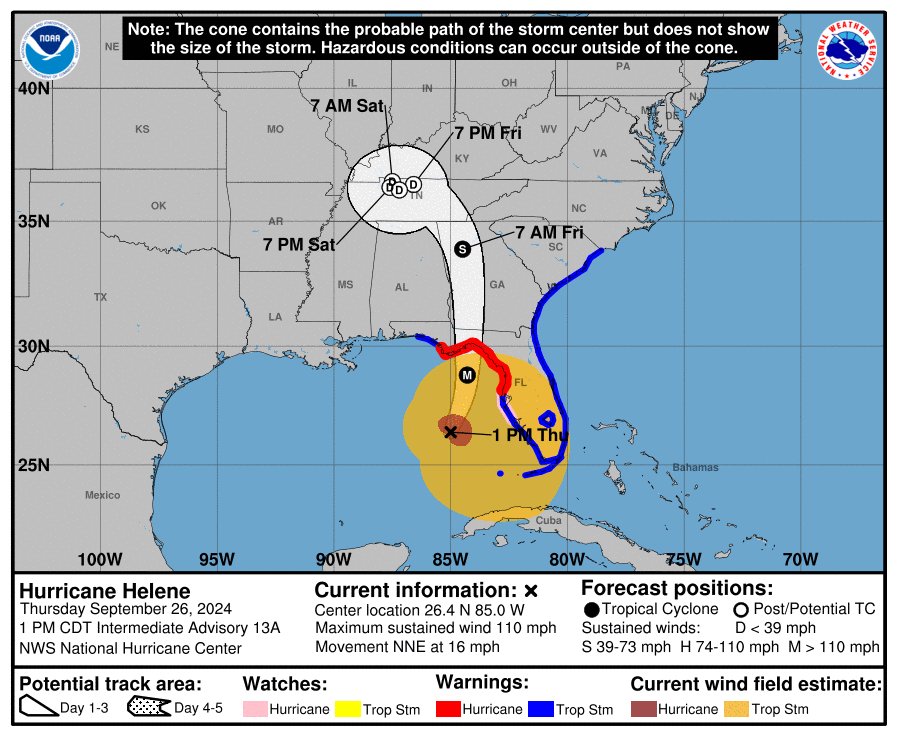

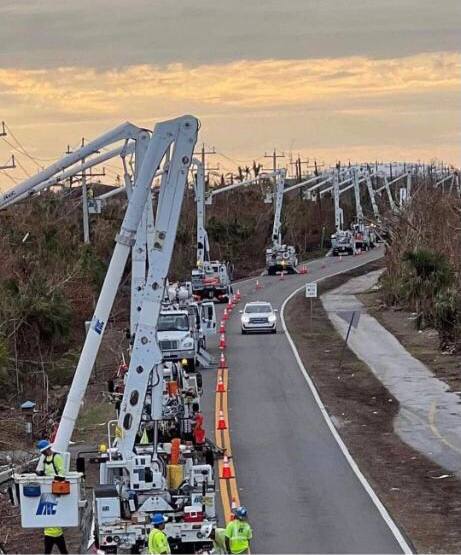


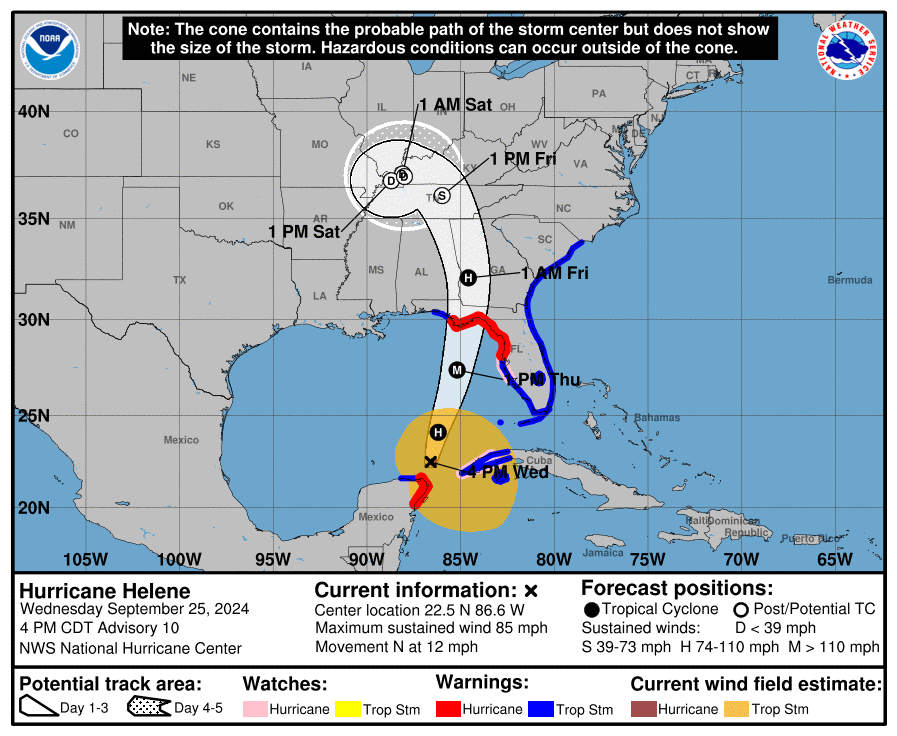




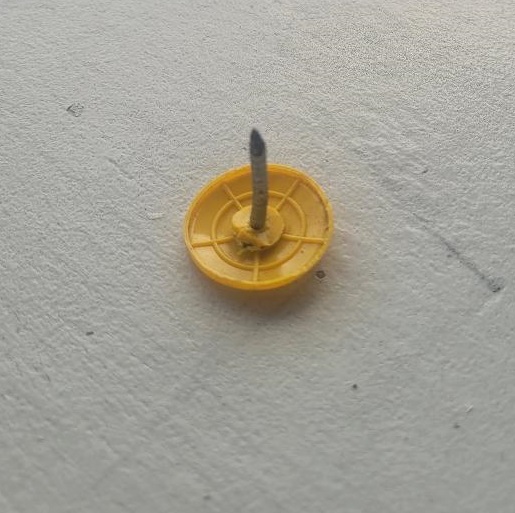
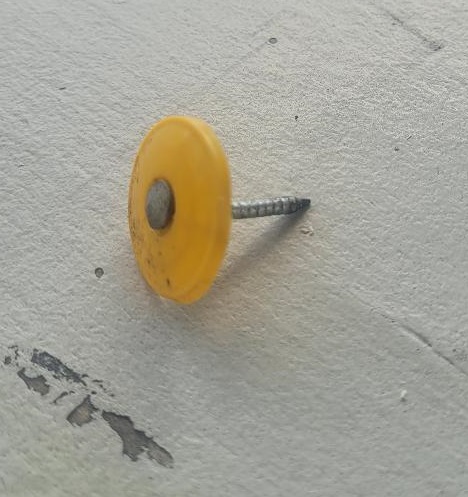
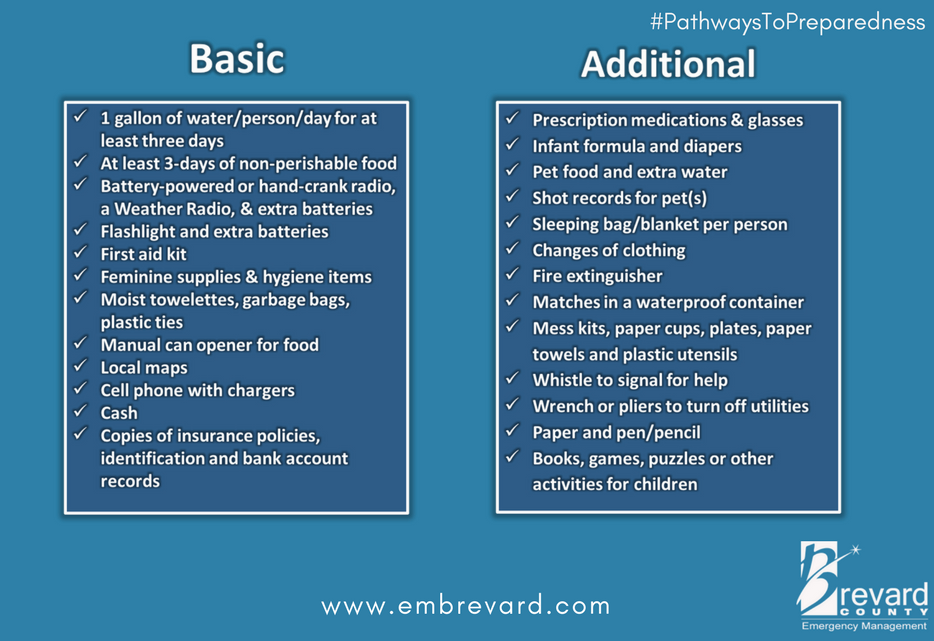

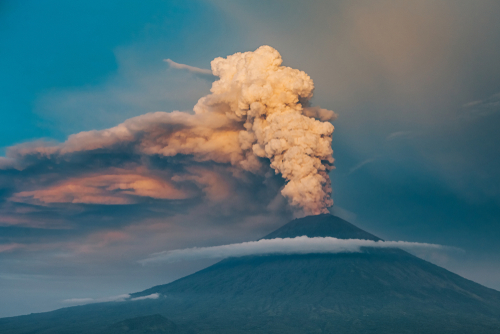
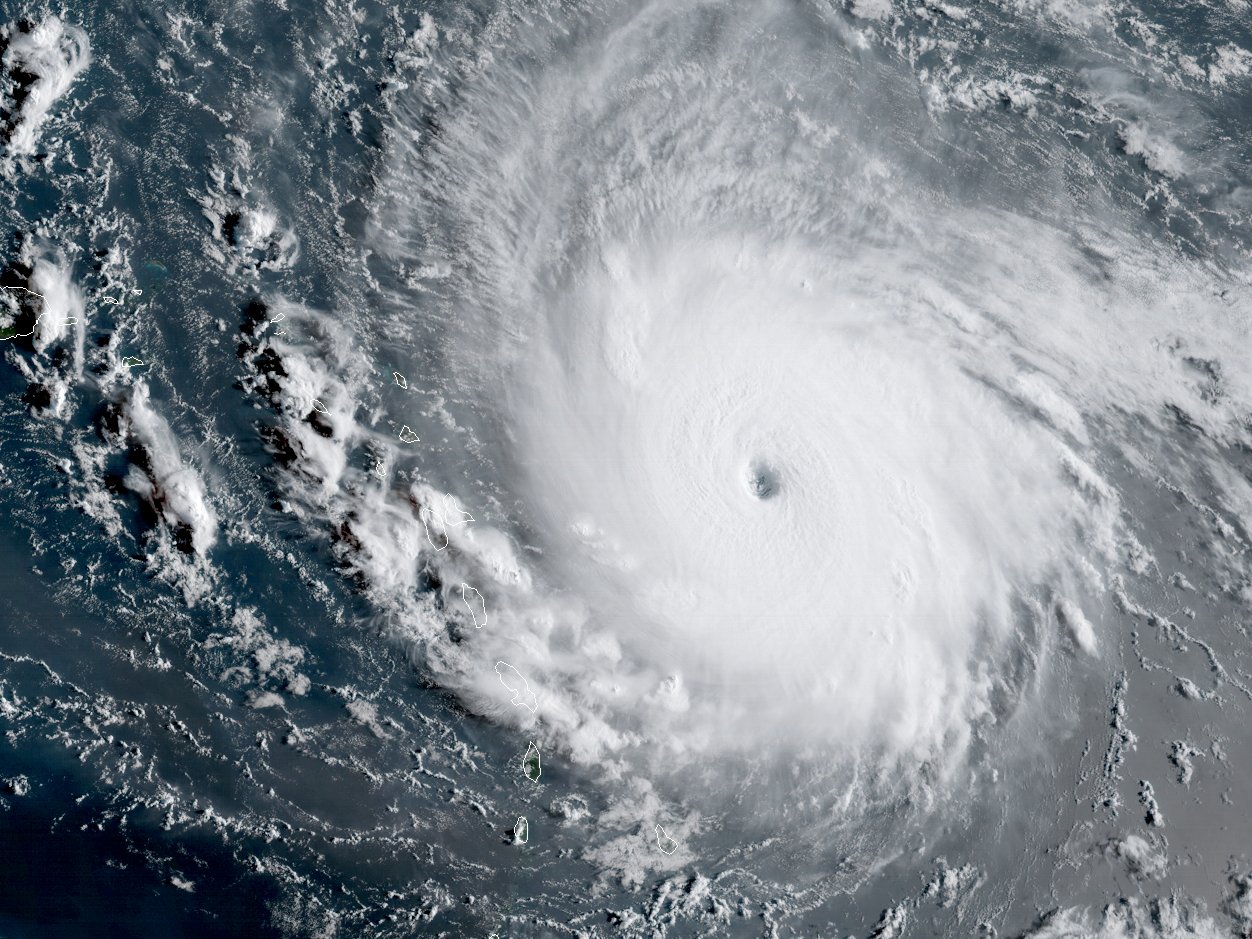
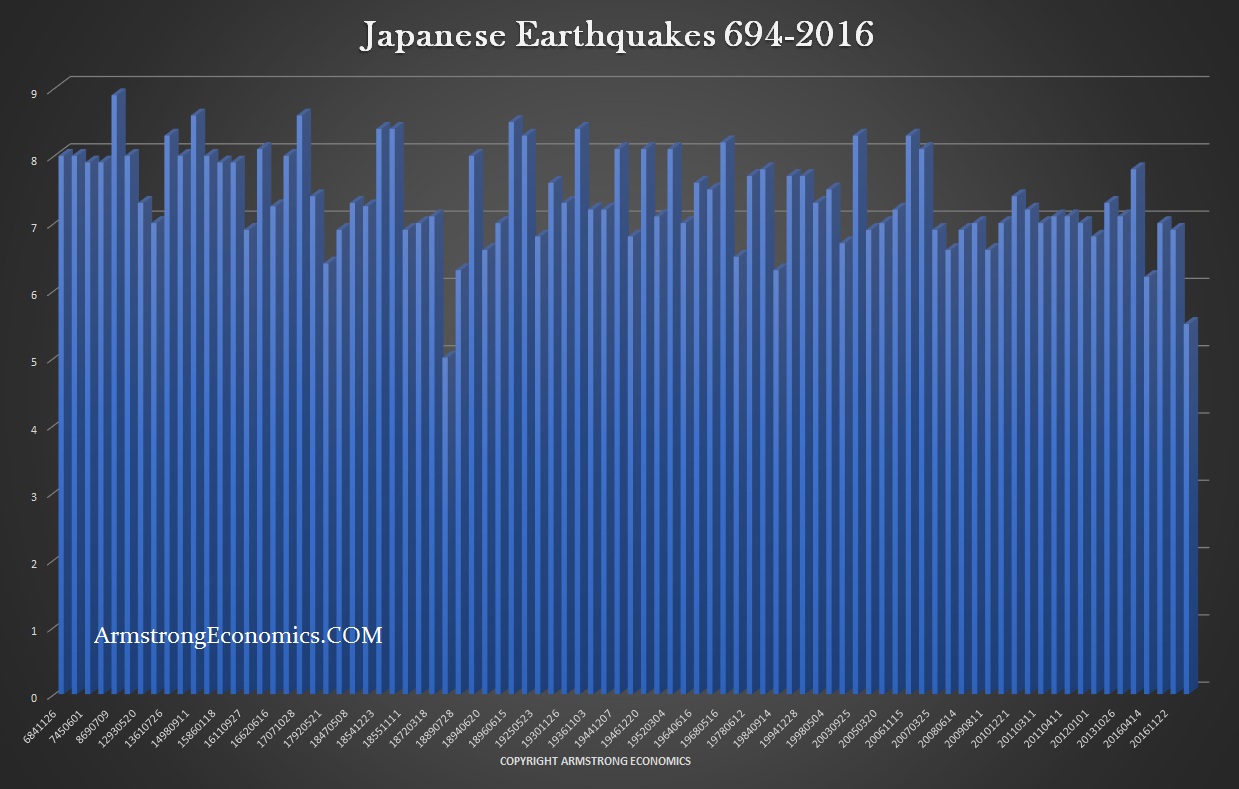

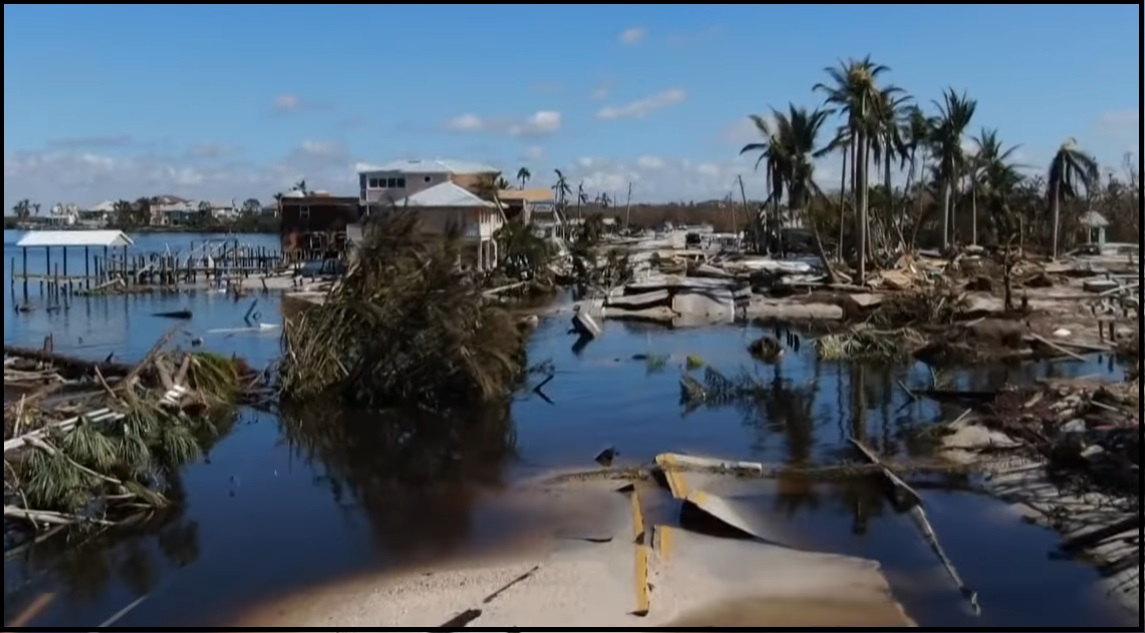

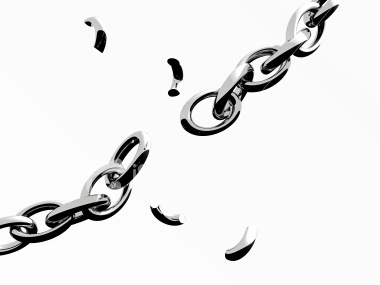

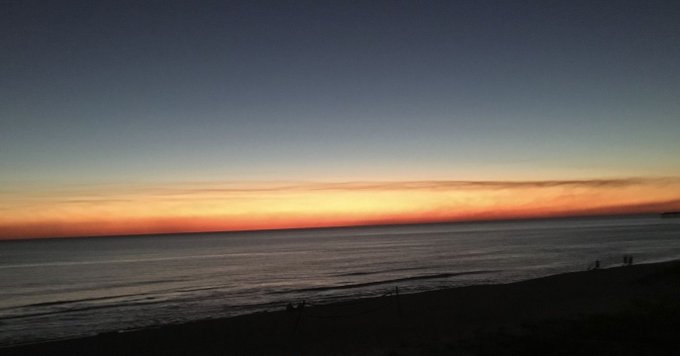
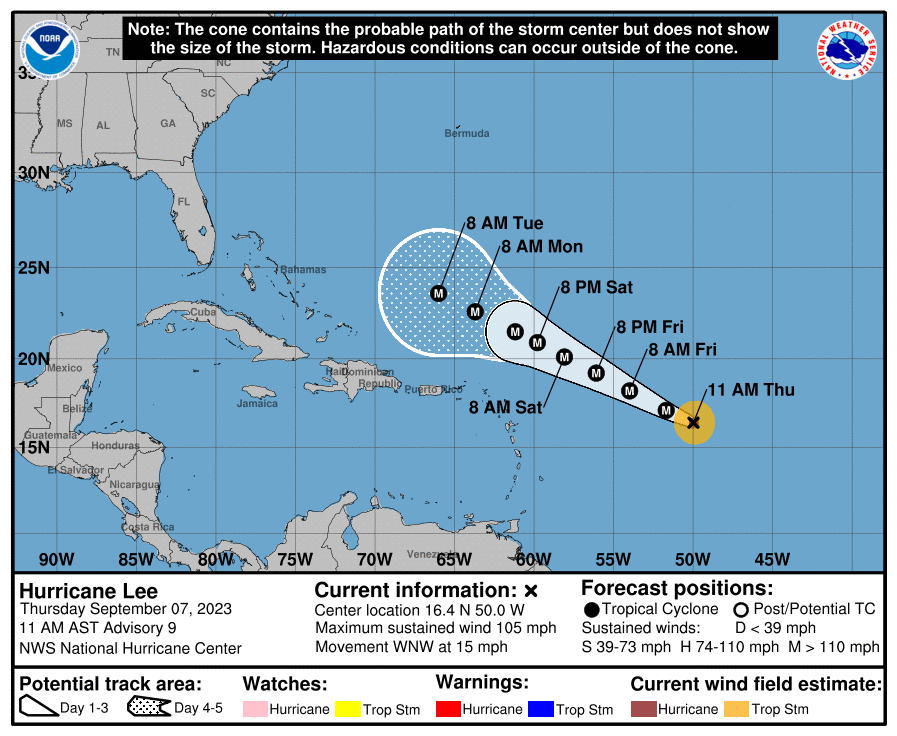
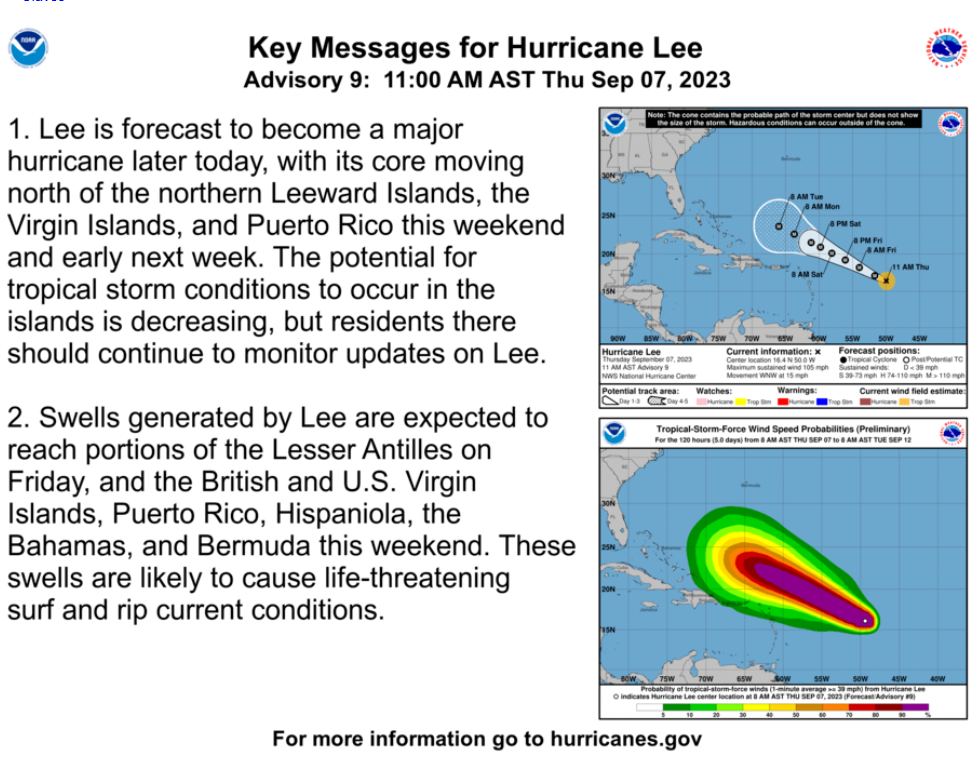

 Centinel2012