A Strong Possibility Twitter Will IPO and Go Public Again, Here’s Why


Posted originally on the CTH on October 3, 2023 | Sundance 

I wasn’t going to write about this, but so many requests and contacts have come in, and considering that my background conversations with people are leading to actionable positioning, that I feel it is only fair to share publicly what I am analyzing privately.

The predicate for all assumptions is several fold: {Go Deep One} and {Go Deep Two}. Most of the financial groundwork for analysis already exists. In summary, Elon paid $44 billion for the platform. Current valuations are around $15 billion.  Current debt service is $1.5 billion/yr (roughly $100m/mo).  Current expenses include $100m/yr AWS, $100m/yr Goog cloud (both contracts), +payroll and misc.

Approximately 9 months ago, Musk had $1 billion in cash reserve for Twitter.  The burn rate deficit was roughly $100m/month. That put timeline estimates for an inflection point on/around October 2023.  It is now October 2023.

Approximately a week ago, Twitter CEO Linda Yaccarino made a bold statement.  Yaccarino stated that from her review of the current status, Twitter would start to turn a profit in the first quarter of 2024 {link}.  However, with $100 million per month in debt service alone, this statement seemed too far of a stretch.  At pre-musk levels of revenue, maybe; but that $1.5 billion debt service is a heavy nut to carry.

Timing – Remember, it’s October.  Last Friday, the Securities and Exchange Commission (SEC) gave special regulatory approval to Bill Ackman’s firm, Pershing Square (hedge fund), for a new investment vessel called SPARC, whose purpose is to invest in private companies in order to take them public.  As noted by CNBC, “In a SPARC, investors will know what company the financing vehicle would be used to merge with before they have to pledge their investments.”  The financial mechanism avoids some of the issues with typical IPO’s.

•It’s October, inflection time.  •Yaccarino says a strategy is underway for profitability in Q1 2024.  •Ackman gets SPARC approval, and then suddenly:

[…] “The answer is I have a lot of respect for Musk. I think Twitter is a really important platform,” Ackman told CNBC. “I think he’s made tremendous improvements to the platform, and I think it’s a unique, very difficult-to-disrupt, kind of asset and one that could grow.” 

[…] Though Musk hasn’t expressed any interest in working with Ackman to take X public, and despite the $13 billion in debt tacked to the company, Ackman has worked out a loose plan to make it happen, if Musk were interested. 

“What’s interesting here is we could commit $2 billion to a transaction, set the rights price to $121 million, set it at $100 a share and announce a transaction,” he said. 

“And then we tell the story and then the rights holders have a chance to decide whether to invest. As long as the rights have positive value, they’re all going to get exercised, and the IPO raises $13 billion.” (read more)

The heavy nut disappears.

Investors roll the debt into discounted shares of stock.  If Ackman can generate a $17-$20 billion outcome for Twitter, Musk nets $5b and retains 20-25% of shares.  Yaccarino gets well compensated.  It’s a win/win/win.

Critics would say the IPO would mean Musk compromising on the free speech commitment.  However, in reality Musk has already reinstalled many of the control mechanisms of the previous “safety council,” along with the “freedom of speech, not freedom of reach” outlook.  Musk and Yaccarino have also partnered with the Global Disinformation Index.

The compromises are already baked into the platform, and seemingly have been since Yaccarino became CEO.  The 2024 election is next year, and influence is a lucrative business.

Frances Fox Piven vs. Milton Friedman, Thomas Sowell (Video 1980)


Armstrong Economics Blog/Uncategorized R-Posted Sep 30, 2023 by Martin Armstrong

The Birth of the US Dollar


Armstrong Economics Blog/USD $ Re-Posted Sep 17, 2023 by Martin Armstrong

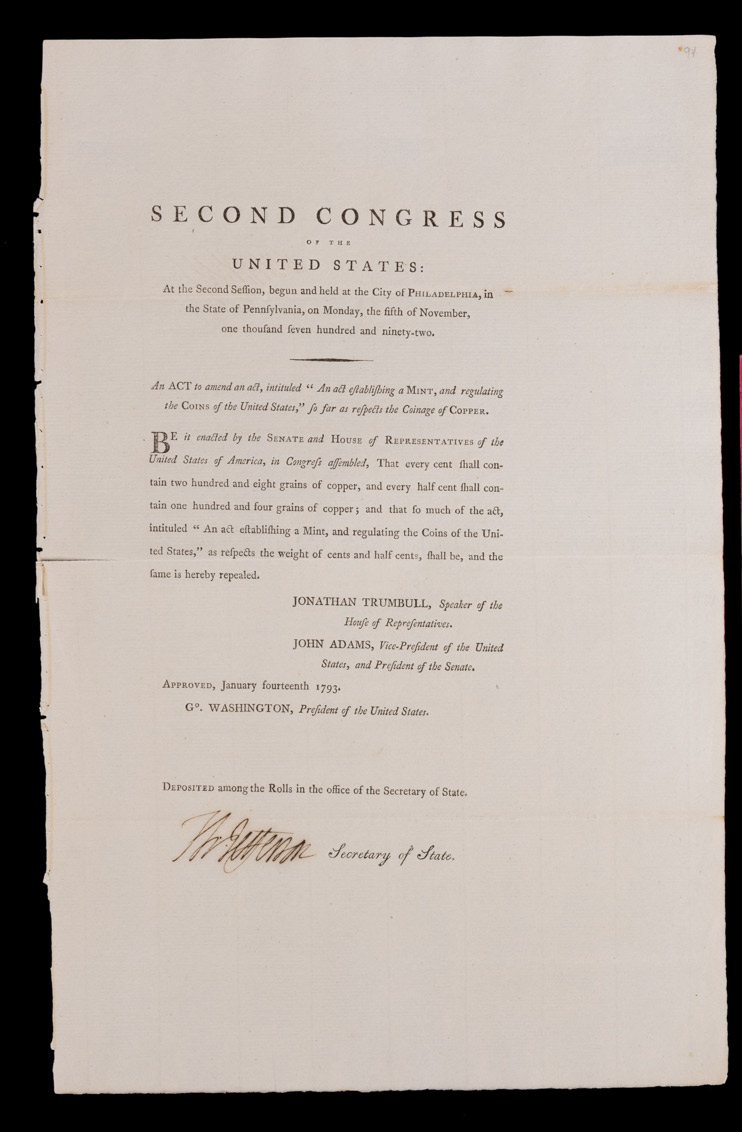
Thomas Jefferson Act of Congress Signed as Secretary of State, January 14th, 1793,

Second Congress of the United States (1743-1826)

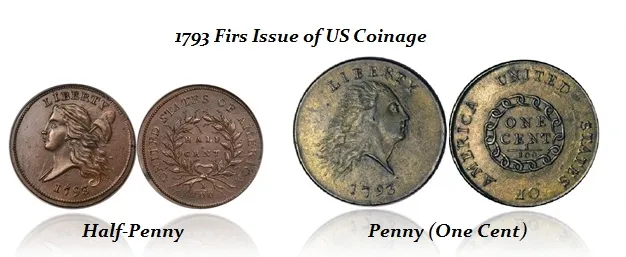
As Secretary of State, Thomas Jefferson amended a previous Act, “establishing a Mint and regulating the Coins of the United States,” establishing the copper weight specifications for the first US coins issued in 1793 – the Cent and Half Cent. This is a document from our collection on the Monetary System of the World, establishes the birth of the US dollar authorizing the first issue of the coinage of the United States. It is unique and of tremendous historical importance.

The first copper coins created by the new United States of America were introduced into circulation in March of 1793. This document is signed “Th’ Jefferson” as Secretary of State and countersigned (in type) by George Washington as President, John Adams as Vice President and President of the Senate, and Jonathan Trumbull as Speaker of the House of Representatives.

“Second Congress of the United States: At the Second Session, begun and held at the City of Philadelphia, in the state of Pennsylvania, on Monday, the fifth of November, one thousand seven hundred and ninety-two. An act establishing a Mint, and regulating the coins of the United States, so far as respects the Coinage of Copper.”

“Be it enacted by the Senate and House of Representatives of the United States of America in Congress assembled, That every cent shall contain two hundred and eight grains of copper, and every half cent shall contain one hundred and four grains of copper; and that so much of the act ‘An act establishing a mint, and regulating the coins of the United States,’ as respects the weight of cents and half cents, shall be, and the same is hereby repealed…. Approved January fourteenth 1793…”

Teaching Hedging


Armstrong Economics Blog/Trading Re-Posted Aug 27, 2023 by Martin Armstrong

COMMENT: Marty, I just wanted to thank you. I attended your 1985 World Economic Conference, and you taught me how to hedge. That made my career, and now I am about to retire. Nobody was teaching hedging in the early 1980s. You have impacted the world far more than you realize.

I will be at the WEC this year in my official capacity. Next year, it will be for me personally. I sincerely wanted to thank you, and you should post this. The newbies need to know you were there decades before anyone else.

God bless.

GK

REPLY: George, it has been a long journey. I am glad I helped you in your career. You have always been there for me and I appreciate old friends. BTW, they still do not teach hedging in universities. Just amazing.

Japan Exports Fall in July, Driven by 14.3% Decline in Shipments to China


Posted originally on the CTH on August 17, 2023 | Sundance 

Some economic data released by the land of the rising sun points to a larger global weakness in manufacturing demand.   Within the data year-over-year exports from Japan fell in July by 0.3%, which is the first time since 2021 the contraction was noted.

Digging a little deeper, the weakness in Japanese exports is driven primarily by a decline in exports to China of 14.3% in July, which follows a 10.9% decline in June.  Japan is a component supplier to China, which would indicate the demand for Chinese products globally is substantially less than Beijing has previously admitted.

That said, Japan’s direct export of finished goods to the U.S. actually increased 13.5%, mostly driven by the export of electric vehicles.

However, 13.5% is identical to the overall decrease in Japanese imports.

Essentially, component parts to China are down, but completed finished goods to the U.S. are up.  Overall, the results from Japan point to a soft overall global economic status, the result of continued contraction of Western economic activity.

TOKYO, Aug 17 (Reuters) – Japan’s exports fell in July for the first time in nearly 2-1/2 years, dragged down by faltering demand for light oil and chip-making equipment, underlining concerns about a global recession as demand in key markets such as China weaken.

Japanese exports fell 0.3% in July year-on-year, Ministry of Finance (MOF) data showed on Thursday, compared with a 0.8% decrease expected by economists in a Reuters poll. It followed a 1.5% rise in the previous month.

[…] Japanese policymakers are counting on exports to shore up the world’s No. 3 economy and pick up the slack in private consumption that has suffered due to rising prices.

However, the spectre of a sharper global slowdown and faltering growth in Japan’s major market China have raised concerns about the outlook.

The World Bank has warned that higher interest rates and tighter credit will take a bigger toll on global growth in 2024. (read more)

Meanwhile, I would not bet against Michael Burry.

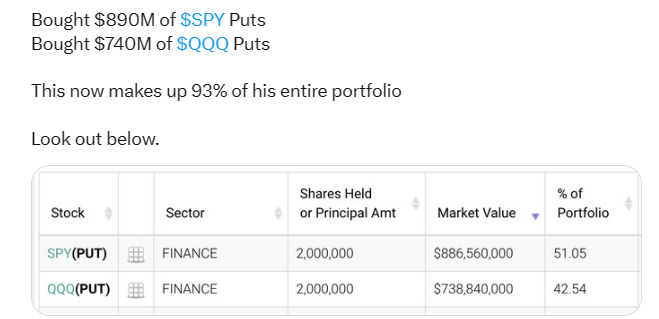
Burry is betting against the S&P 500 and Nasdaq 100 this week, according to his fund’s latest releases. Securities and Exchange Commission filings.  The filing shows that he is now holding options against the S&P 500, hedging $886.6 million against the index.

The filing also revealed that Burry sold his shares in Capitol One, First Republic, PacWest Bancorp, Wells Fargo and Western Alliance after betting on them earlier this year in Trying to make money from the regional banking crisis.  Burry also sold his stakes in Chinese e-commerce giants Alibaba and JD.com.

In addition, he bought $738.8 million in put options against the Invesco QQQ Trust ETF – a fund made up of popular high-tech Nasdaq companies, such as big tech companies Apple and Microsoft as well as Nvidia, Tesla and PepsiCo.

Burry has pulled money out of China investments and U.S. banks and is hedging against tech and the S&P.  He took these positions before the data from Japanese exports to China was released.

Trying to Make Heads or Tails about Recessions


Armstrong Economics Blog/Economics Re-Posted Jul 28, 2023 by Martin Armstrong

QUESTION: Looking at Socrates,  do you think that these people who were constantly calling for a recession because there were two quarters that declined with covid really need revision? Socrates was correct, no recession. But it is showing major turning points in 2024 which seem to align with your old ECM forecast calling for commodity inflation into 2024. How would you define a recession?

EJ

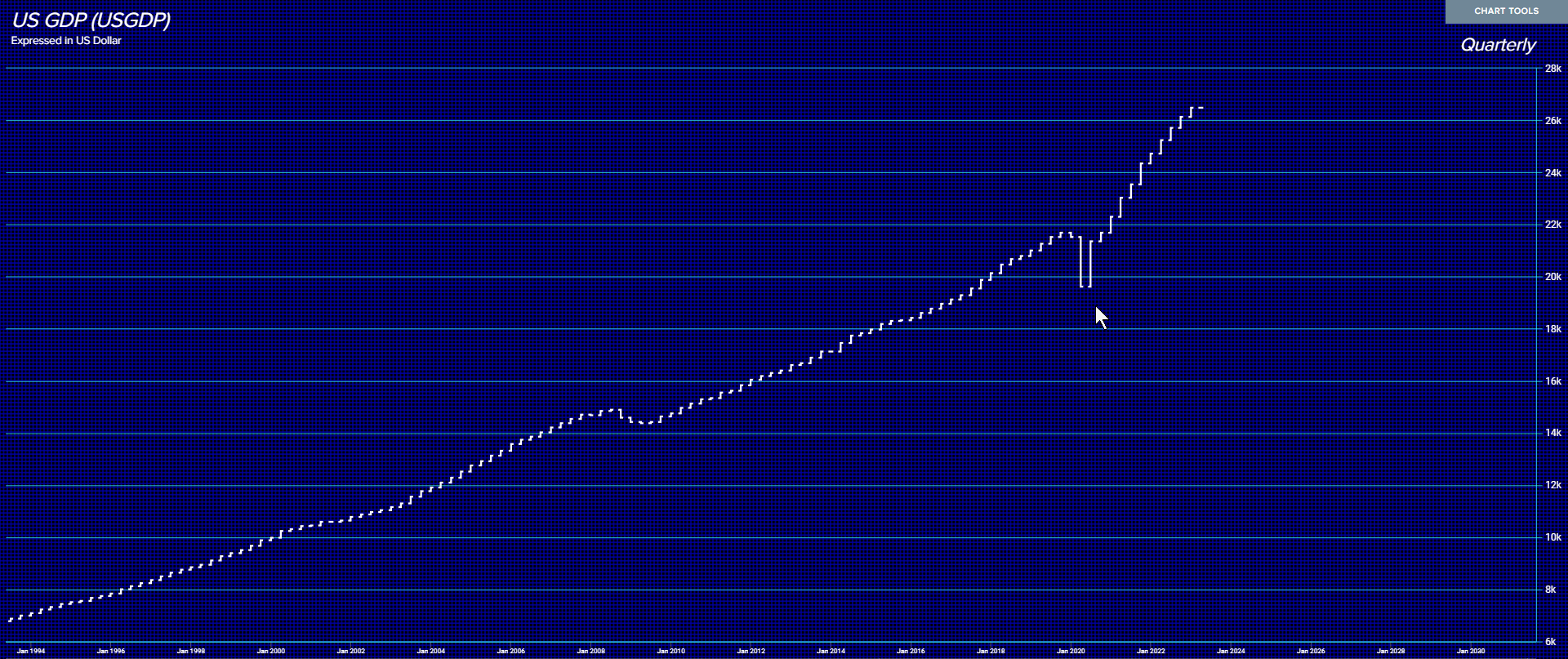
ANSWER: In trading, reactions are 1 to 3 time units. I believe that the same definition should be used for classifying a recession. They define a recession as two consecutive quarterly declines. If you look at the “Great Recession” of 2008-2009, you will see three consecutive quarterly declines and a rebound. If we look at the COVID recession caused by locking everyone down, that was just two consecutive quarterly declines.

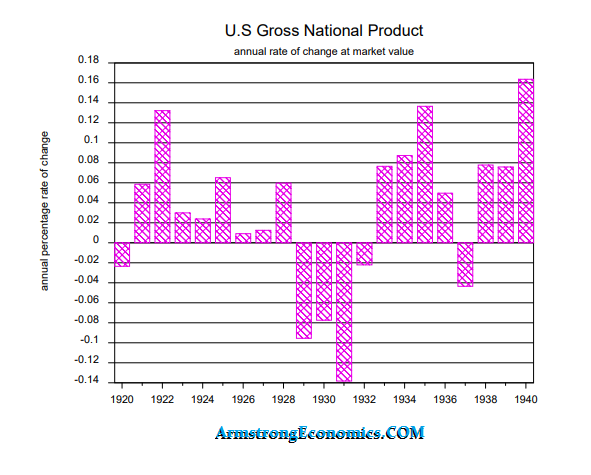
I personally would argue that a true economic recession MUST exceed three consecutive declines. Here is the chart of GNP from 1929 to 1940. There were three years of negative growth. I simply think that this definition of two quarters is wrong. You can have a slight decline of 1 to even 5%, but that does not suggest a recession. In the case of 1929, that was a decline of 9.5% in 1930 – the first year. Now look at the COVID Crash, which was also a decline of 9.53%. But the difference is that the COVID decline was forced and not natural. That is why it rebounded so quickly. Now the so-called “Great Recession” of 2008-2009 only saw a decline in GDP of 3.47%.

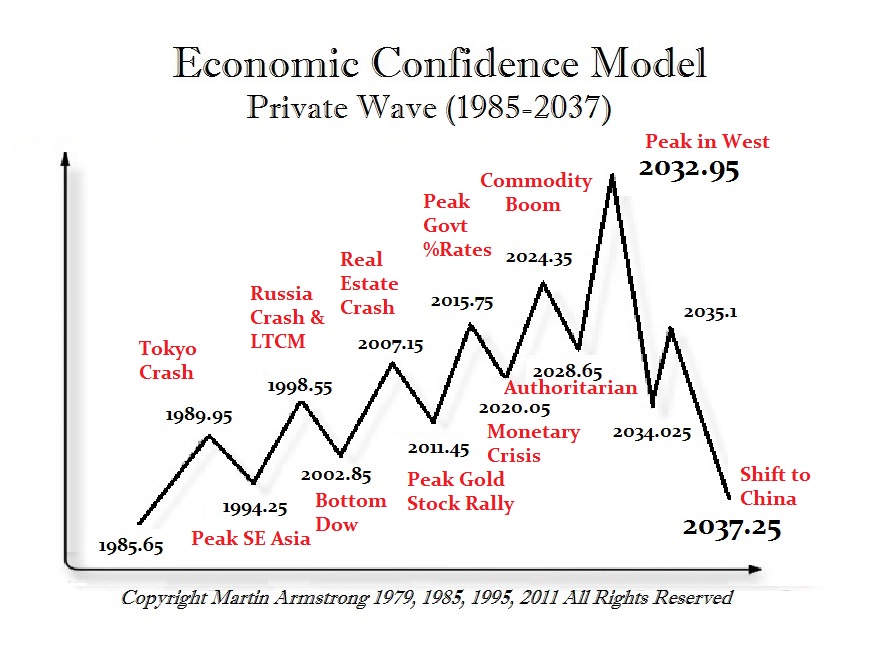
The “Great Recession” was not really so great. It wiped out real estate and bankers but did not fundamentally alter the economy. So who is right and who is wrong will always depend upon the definition. Yes, the AI Timing Arrays point to a recession starting Next Year by their definition. This will most likely be caused by the decline in confidence that will lead to UNCERTAINTY, and as such, the consumer will contract. Up to now, the continued expansion of the economy into 2024 has also been fueled by the shift in assets from public to private.

As originally forecast, we should have seen a commodity boom into 2023,

and we should expect a highly authoritarian attempt by 2028.

May Jobs Report Show 339,000 Jobs Gained, Worked Hours Declines, Unemployment Rate Increases to 3.7%


June 2, 2023 | Sundance 

There is a strong divergence within the May jobs report as released by the Bureau of Labor and Statistics (BLS) [DATA HERE].  Payrolls increased 339,000 in May from April and previous months were revised up by 93,000. That is good news.  However, the household survey, from which the unemployment rate is derived, showed employment down 310,000 jobs and the unemployment rate increased to 3.7%.

One of the aspects driving higher payroll starts are the number of people taking on additional part-time jobs.  This aspect is noted in a decline for the number of hours in the average workweek. As more PT jobs are added, the number of hours in a workweek declines. As noted in the BLS data, “the average workweek for all employees on private nonfarm payrolls edged down by 0.1 hour to 34.3 hours in May.

There were 161.0 million people working in April.  There are 160.7 million people working in May.

There were 5.7 million people unemployed in April.  There are 6.1 million unemployed people in May.

The unemployment rate increased from 3.4% to 3.7%.

There are 310,000 fewer people working in May than were working in April.  However, payrolls increased by 339,000 over the same timeframe. See graph above for where those jobs were gained.

(NBC) – […] Job gains were broad-based last month with health care contributing 52,000 and leisure and hospitality adding 48,000. Food services and drinking places led the increase in the latter industry, which had been adding an average of 77,000 jobs per month over the prior 12 months.

Overall, the U.S. economy added 339,000 jobs for the month, much better than the 190,000 Dow Jones estimate and marking the 29th straight month of positive job growth.

The unemployment rate rose to 3.7% in May against the estimate for 3.5%. The jobless rate was the highest since October 2022, though still near the lowest since 1969.

Olu Sonola, head of U.S. regional economics at Fitch Ratings, said the jobs report is a mixed bag.

“The strength of the payroll survey is clearly a big surprise, largely on the back of robust job growth in the healthcare sector and the business and professional services sector,” said Sonola. “However, the 0.3% increase in the unemployment rate is the highest monthly increase since April 2020.” (more)

WAGES – As noted within the BLS report, “In May, average hourly earnings for all employees on private nonfarm payrolls rose by 11 cents, or 0.3 percent, to $33.44. Over the past 12 months, average hourly earnings have increased by 4.3 percent.” Wage growth still lags inflation; the middle class is getting poorer.  However, with the fed focused on wage growth as the leading indicator of their false pretenses to combat inflation, wage growth is too high (they want around 3.0%).

The Biden economic and monetary policies are delivering the results they want.  Higher energy prices, higher costs of living, lower real wages and increased middle class pressure. The serf model.

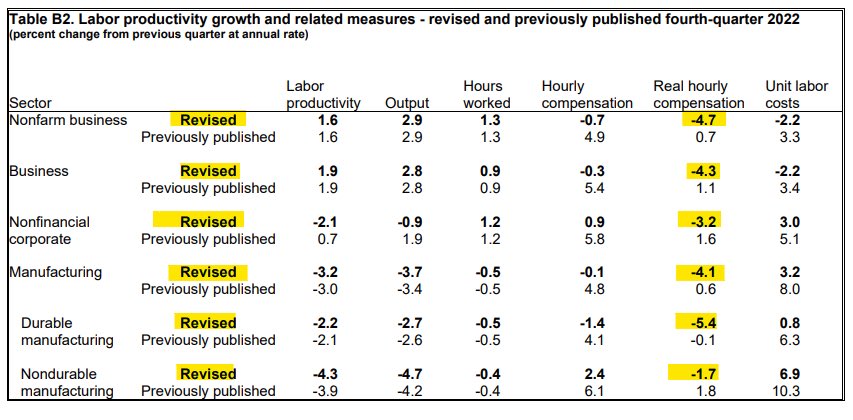
The BLS was forced to admit yesterday their Real Hourly Compensation growth was previously flawed.  [CHART DATA SOURCE]

That chart of revisions to real wages tells us a lot about the economic pain being felt by the working class in the U.S.  If it feels like you are working harder and going backwards in your ability to afford basic essentials, that’s because you are.

The prices for essential goods and services have risen at a much greater rate than the wages needed to afford them.  This is the result of Joe Biden’s energy policy, economic policy, and now magnifying monetary policy.

Our goods and housing costs are higher.  Our wages are not growing much.  The cost to borrow money to afford the gap is increasing.  This is unsustainable.

In my opinion, the economy overall – as a measure of units produced and sold – has been in a contracting position since the fourth quarter of 2021.  The appearance of economic growth, the value of goods and services, is an illusion that has been created by higher prices, ie. inflation.

Ukrainian Ancient Coin brings more than $5 million at Auction Today


Armstrong Economics Blog/Ancient History Re-Posted May 18, 2023 by Martin Armstrong

The Balkck Sea Trade – Tauric Chersonesus, Panticapaeum.

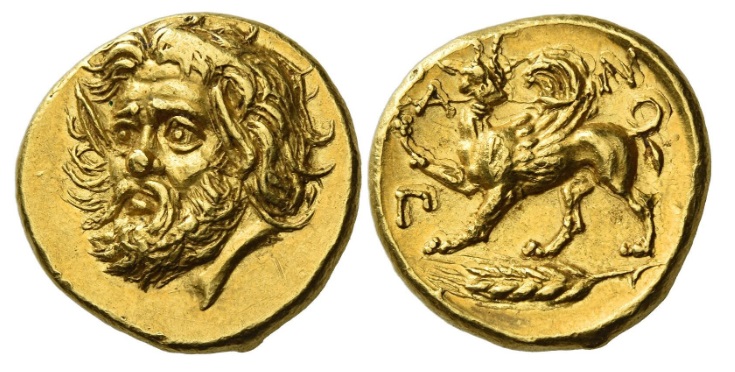
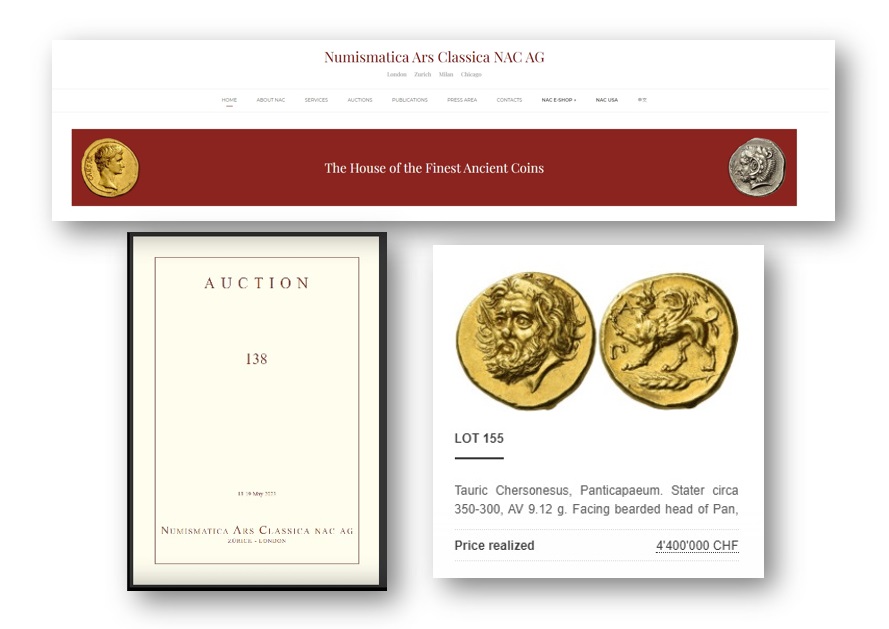
This is probably the finest known Gold Stater (circa 350-300AD) of Panticapaeum, which was the most powerful city in the Tauric Chersonesus with deep involvement in the lucrative Black Sea grain trade for even back then, Ukraine was a major bread-basket in the ancient world as well. This coin is featuring the facing and bearded head of Pan, with the reverse of a Griffin standing left. The griffin type probably alludes to the mythical composite creatures who were believed to guard the gold found in the mountains of Scythia. The Greeks were wonderful storytellers with vivid imaginations.  Herodotus describes the griffins as neighbors to the Arimaspi, a northern people each possessing a single eye in the center of their foreheads, who made constant attempts to steal the gold (4.13.1). Pliny the Elder, who accepted the story at face value, expanded it to note that the griffins made their nests in burrows in the ground which contained gold nuggets and it was these that the Arimaspi tried to take while the griffins were merely defending their eggs and young (HN 7.2, 10.70).

The providence of this coin dates back to Ex F. Schlessinger XI, 1934, and it was sold as the Russian Hermitage duplicates part II, lot 102. It was then sold in the New York XXVII, sale of 2012, where it was featured on the cover. Previously privately purchased from Bank Leu in 1991 in Switzerland. This coin is extremely rare with only a handful known at best. It’s artistic design is considered to be unsurpassed. This is probably the finest known. It sold at auction back in 2012 for $325.000 + 20%

.

This coin just sold today in Zurich, Switzerland for 4,400,000 CHF + 20% Commission fee. In US dollars, that is $4,862,787 +20% = $5,834,400. This was about 1500% rise in just about 10 years. In all honesty, I have collected ancient coins since I was probably 12 years old. The field of ancient coins has expanded worldwide with major collectors from China to Russia. This coin was estimated at $1,250,000. The sale continues tomorrow with the Roman. I am truly shellshocked by the prices everything is selling for these days. As I have said, ancient coins are a worldwide market unlike particular national coins which fetch the highest prices in their home country.

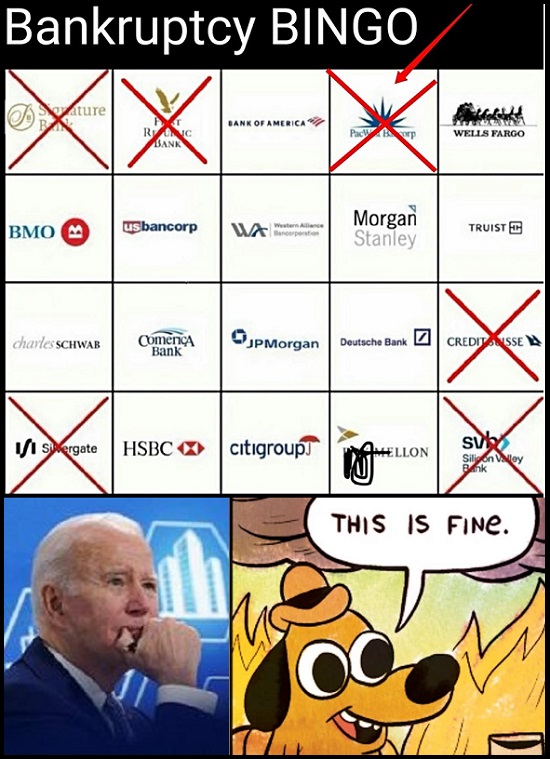
The California Contagion – PacWest Teters on Becoming the Next Regional Bank to Collapse as Regional Banking Stocks Continue Severe Drops


Posted originally on the CTH on May 4, 2023 | Sundance 

According to those who relish the Cloward-Piven strategy, things are proceeding swimmingly.

…”As long as the decisionmakers continue doing the things that are creating the crisis, the crisis will continue.”

Federal Reserve Chairman Jerome Powell said yesterday the “U.S banking system is sound and resilient,” insert uncomfortable snicker here.  However, uncertainty is continuing to pummel the banking industry, despite assurances from the Fed, Treasury, FDIC financial regulators and bankers such as Jamie Dimon who are all saying there is no crisis in the banking industry.

If you want to know the big picture source of the uncertainty, it’s the great pretending.  The average person can sense something is wrong, and the person who pays attention has the experience of institutional lying over the past several years.  The last ten years of lying and pretending has created the biggest collapse in institutional trust in U.S. history.

Russians interfered with the election – trust us. Stick this needle in your arm, it’s safe – trust us.  The FBI are the good guys – trust us. Biden won more votes – trust us. This inflation is merely transitory – trust us.

See the problem?

So, when the same voices shout, “the banking industry is sound, trust us,” well,… yeah, that suspicious cat sense that’s on high alert isn’t buying the chorus.

Reasonably intelligent people who accept things as they are, not as they would have us pretend them to be, can see the core connection to the World Economic Forum, Central Banks, and western globalist policy to change the entire dynamic of economics and finance around the “Climate Change” agenda, or Build Back Better, or Green New Deal.

Overlay that commonsense and pragmatic outlook with the logical consequences of the activity, and this banking collapse issue is a self-fulfilling prophecy.  As long as the decision makers continue doing the things that are creating the crisis, the crisis will continue.

(Via Wall Street Journal) – Regional-bank stocks tumbled Thursday despite assurances from the Federal Reserve that the banking system is on solid footing.

PacWest Bancorp PACW -47.04%decrease; red down pointing triangle, which has been hit hard since the collapses of several banks, dropped by about 40%. The stock started falling in after-hours trading Wednesday evening, after a report that it was considering selling itself.

PacWest said in a statement after midnight Eastern Time Thursday that its core customer deposits were up since the end of the first quarter, and that it hadn’t experienced any unusual deposit flows since the collapse of First Republic.

[…] Investors have been wondering how much further the problems in regional-banking could spread, and whether they will spill over to the broader economy. Some analysts said the decline in PacWest and others reflected the market’s tendency to view news as categorically good or bad, rather than worries about PacWest specifically. Western Alliance, another bank whose stock has been hit hard, fell by about 35%.

[…] Regional banks, as major lenders to businesses and families across the U.S., also tend to fall when investors are expecting a recession. The 10-year Treasury yield slipped this week, and Brent crude hit a 52-week low on Wednesday.

[…] On Wednesday afternoon, the Fed said the U.S. banking system “is sound and resilient,” echoing language from its March statement. Fed Chair Jerome Powell added then that deposit flows at banks had eased and that this week’s seizure and sale of First Republic should further stabilize the industry.

[…] PacWest shares were recently trading around $3.70, putting them on track for their lowest close on record. The stock has now lost some 85% of its value since March 8, the day that SVB spooked bank investors by announcing a loss and a planned capital raise.

Many of PacWest’s customers are tied to technology startups—a tightknit clientele that pulled from high-balance accounts en masse at Silicon Valley Bank before it failed. (more)

First Quarter GDP +1.1% Reflects Military Spending on Ukraine War, and Drop in Domestic Investment Along with Inventories


Posted originally on the conservative tree house on April 27, 2023 | Sundance

The Bureau of Economic Analysis (BEA) released their first quarter estimate of economic growth [DATA HERE] and the result of 1.1% growth shows how the U.S. economy has become dependent on government spending money we don’t have. The Gross Domestic Product (GDP) calculation is a valuation of all goods and services created within the U.S. economy, minus the value of goods and services imported.

Keep in mind that all calculations are in dollar terms. Personal consumption expenditure (PCE) prices increased 4.2% in the first quarter after increasing 3.7% in the fourth quarter. Excluding food and energy, the PCE “core” price index increased 4.9% after increasing 4.4%.   Two-thirds of the increased spending on goods was driven by higher prices, only one third by consumers purchasing more stuff.

Looking at Table 2 (the percentage change by sector) the increase in prices provided 2.48% lift to the GDP but the actual purchasing of goods only delivered 1.45%.  Meanwhile the decline in inventories subtracted 2.26% from the GDP, a major factor, and domestic investment has dropped subtracting 2.34%.

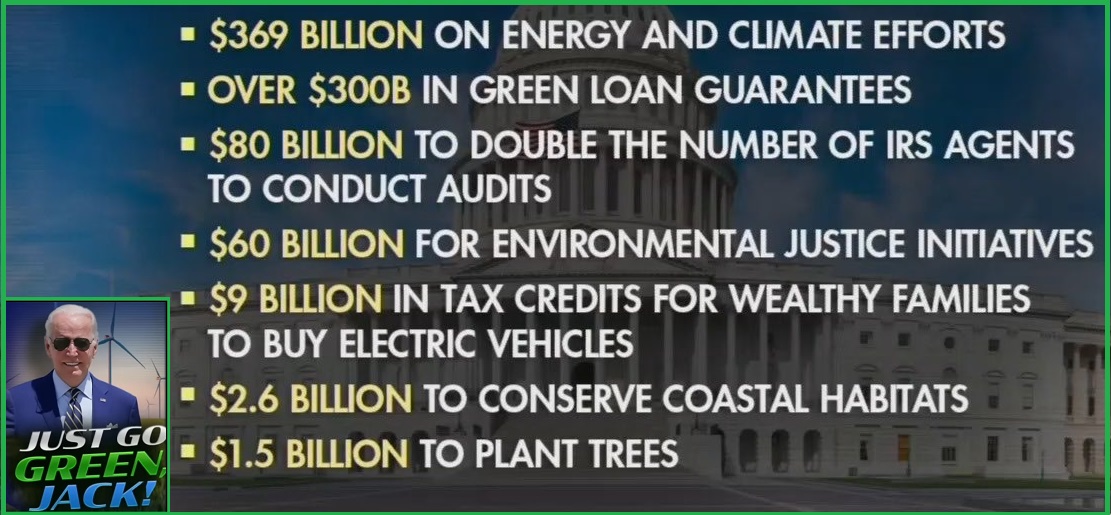
Government expenditures (+0.81) drove more than 70% of the total GDP growth as national defense spending (Ukraine War) was a major federal component.  The local and state government spending increase was driven by higher wage rates.   Don’t forget there’s $2.2 trillion in Inflation Reduction Act (Green New Deal) spending that is also within the economy.

Overall, this is a dark picture.  Inflation is still raging. Inventories are dropping as consumer purchasing is squeezed, and replacements goods are not being manufactured. Companies are tightening their belts.  The federal government is spending to try and assist the economy, but the private sector is contracting economic activity.

When households evaluate their checkbooks, a Biden administration claim of a growing economy falls flat – because the only part of the economy that is growing is the part that fuels the energy and security needs of Europe.  Main Street USA is suffering through the massive inflation that Joe Biden has created, and purchases of anything other than necessities have come to a near halt.