Posted originally on Jul 4, 2025 by Martin Armstrong
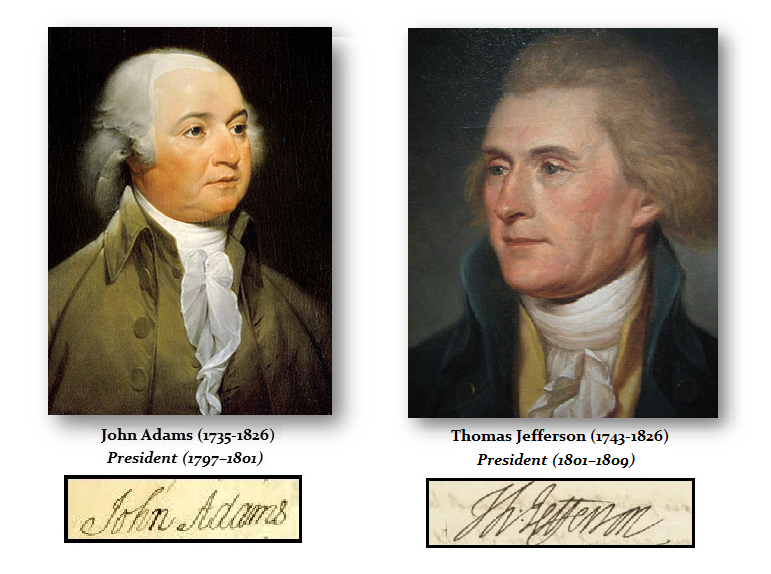
As the story goes, the famous last words attributed to John Adams on July 4, 1826 (the 50th anniversary of the Declaration of Independence) were:
“Thomas Jefferson survives.”
The profound historical irony was that Jefferson actually died first. Thomas Jefferson died several hours earlier that same day at Monticello on July 4th – the day of American Independence. Adams was unaware that, lying on his deathbed in Quincy, Massachusetts, he had no way of knowing Jefferson had already passed away. His final words reflected his belief that his longtime friend, staunch rival, since Adams was a Federalist, yet both were fellow Founding Fathers, was still alive.
Adams and Jefferson, the 2nd and 3rd Presidents of the United States, were central figures in the American Revolution and the nation’s founding. Their relationship was complex: they were initially close collaborators, then bitter political enemies, and finally reconciled friends through correspondence in their later years. Their deaths on the same day – the 50th anniversary of the Declaration of Independence, which they both helped create – was seen by the nation as a divine sign affirming the American experiment.
Adams’ last words, mentioning Jefferson, underscored their intertwined legacies, even in death. The fact that he was mistaken about Jefferson surviving added a layer of poignant irony that captivated the nation. What Adams truly said (Slight Variations), according to eyewitness accounts (like his son John Quincy Adams and others present), reported slight variations, but the core meaning is consistent.
“Thomas Jefferson survives.” (Most common version)
“Thomas Jefferson still survives.”
“Jefferson lives.”
In essence, John Adams’ final thoughts and words were of his fellow Founding Father, Thomas Jefferson, expressing a belief in Jefferson’s continued life that was tragically and poetically incorrect, cementing their shared destiny in American history and memory.
US legislators are fighting to prevent America from becoming involved in the Israel-Iran conflict, but it is too late. The war cycle cannot be stopped, and the next cycle will peak in 2026/2027 on target. Our computer warned that there was an elevated risk for a confrontation beginning in 2025 on a global scale.
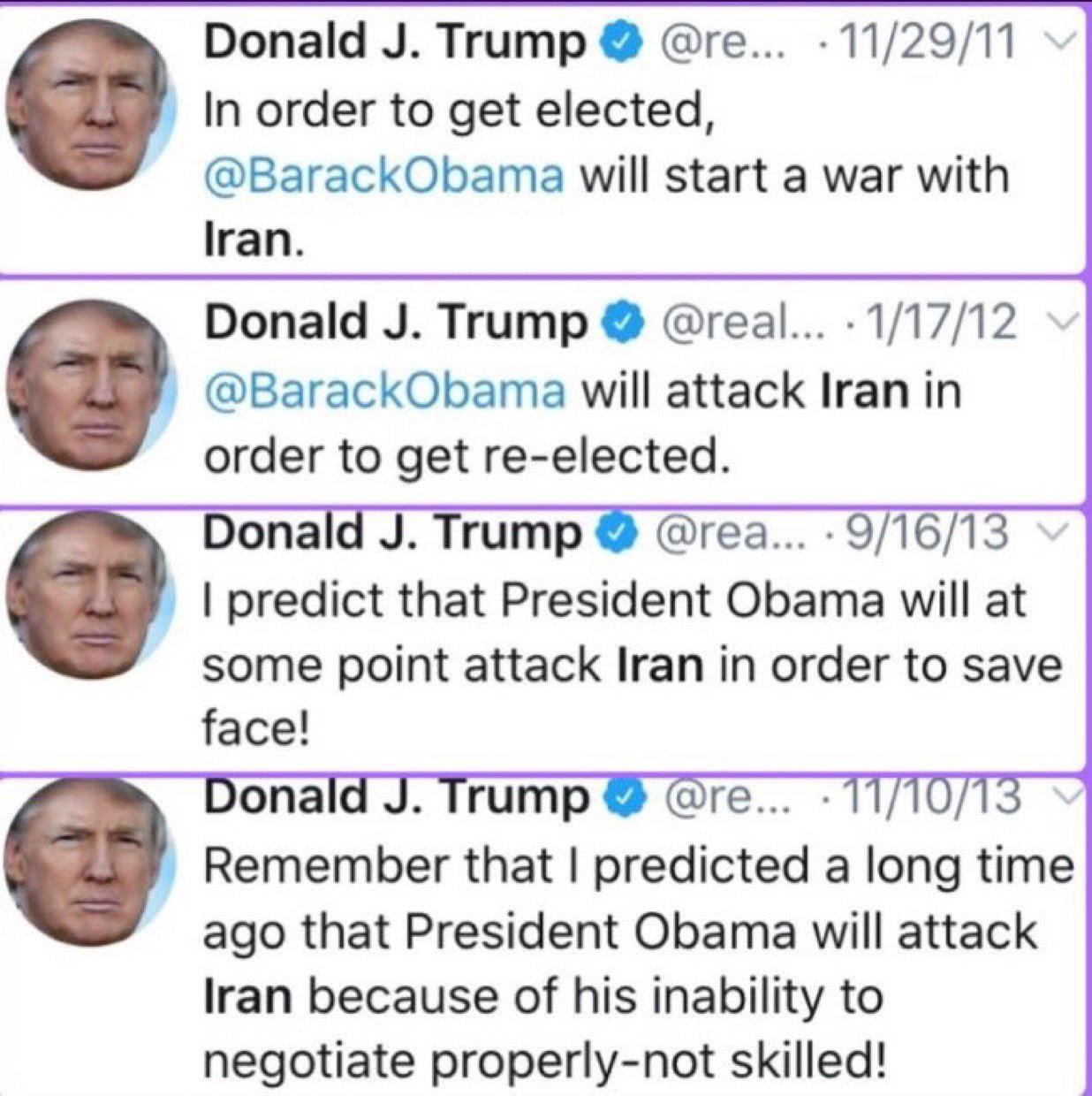
US senators on both sides of the political spectrum are attempting to introduce legislation that would prevent Donald Trump from declaring war on Iran. The Bipartisan House War Powers Resolution has received support from the Republican Senator Thomas Massie, who is perhaps the most outspoken against declaring war on Israel’s behalf. “This is not our war. But if it were, Congress must decide such matters according to our Constitution,” Massie stated. The bill is not an actual bipartisan bill, as Massie is the only Libertarian leaning Republican championing such a measure. Many are now questioning the GOP as everyone seems keen to attack Iran. Yet, Donald Trump repeatedly promised that the US would not enter into any foreign wars under his command. In fact, Trump accused Obama of attempting to attack Iran back in 2011, but Obama had other priorities in the Middle East.
Senator Bernie Sanders introduced the No War Against Iran Act, which would prohibit the use of federal funds for military action against Iran without approval from Congress. The only exception would be if war was declared through the War Powers Act, or War Powers Resolution of 1973, which grants the POTUS the ability to send American troops into battle if Congress receives a 48-hour notice. The stipulation here is that troops cannot remain in battle for over 60 days unless Congress authorizes a declaration of war. Congress could also remove US forces at any time by passing a resolution.
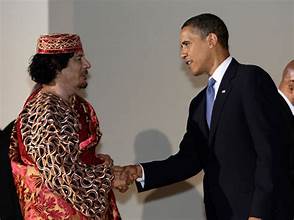
The War Powers Act was last enacted under Barack Obama in 2011 when he sent troops into Libya. The resolution had not been enforced since 1998 when President Bill Clinton sent armed forces into Kosovo. Yet, Obama was able to bypass the law and the military remained in Libya for over 60 days without Congressional approval, marking the first time in US history that a president defied the War Powers Act. House Republicans attempted to block any federal funding, but their efforts were ultimately unsuccessful. Obama single-handedly dismantled the entire War Powers Act, as it did not matter what Congress did or did not do—the president had the sole authority to wage war.
There was a major ECM turning point on June 13, 2011. That marked the beginning of a new 8.6-year wave within the broader 51.6-year cycle. What happened right then? The Arab Spring, the destruction of Libya, and a sharp rise in geopolitical instability. That intervention was unauthorized and illegal by constitutional standards.
Senator Tim Kaine would also like to invoke the War Powers Act, but these people must understand that the act died in 2011 when the US entered Libya to overthrow Gaddafi. The government can say anything to propel a nation into war, and weapons of mass destruction are a tried and true premise. What makes this more dangerous is that we’ve since entered a cycle where unelected bureaucrats—Neocons, intelligence operatives, and shadow advisers—run foreign policy, not the American people or even Congress. Obama’s disregard for the War Powers Act helped solidify that shift.
I have created this site to help people have fun in the kitchen. I write about enjoying life both in and out of my kitchen. Life is short! Make the most of it and enjoy!
This is a library of News Events not reported by the Main Stream Media documenting & connecting the dots on How the Obama Marxist Liberal agenda is destroying America








 Centinel2012