
Armstrong Economics Blog
Re-Posted May 4, 2016 by Martin Armstrong
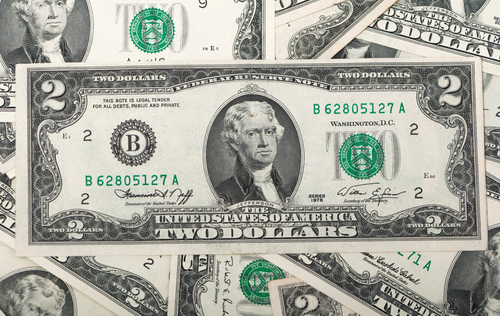
Houston police call the police and accuse little girl trying to buy her lunch with a $2 bill. The government teacher assumed it was counterfeit because she never heard of a $2 bill. The police big an investigation going to her mother who then said she was given it in chance at a store. The police then go to the store to investigate who gave them a $2 bill. All this wasted time because the government employees involved never heard of a $2 bill.
It turns out, the police routinely are called in an prosecute children who may be passing a counterfeit as if they were the person counterfeiting the note. If the police can charge a children with a fake note as being a forger, they face 10 years in prison. A seventh grade student was arrested for merely possessing a counterfeit $10 bill. He was put in handcuffs, thrown into a squad-car, the hole 9 yards. He was charged with a felony and then sent to an alternative school before he was given a fair hearing and found guilty of anything.

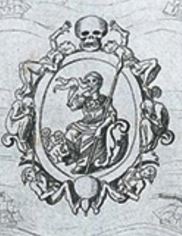 From 1697 until 1832, the act of forgery or even the use of forged notes was punishable by DEATH. This satirical note was designed by 17th century cartoonist George Cruikshank in protest to the rising number of pretend forgers who were sentenced to death and hanged. Standard features of the Bank of England notes are replaced by gruesome ornaments such as skulls, a hangman’s noose, with ships for transportation to British colonial prisons in Australia.This surrounds the image of Britannia feeding on infants.
The crime was mere possession. If you accepted a note and did not know it was counterfeit, it was a death sentence. In Texas, police are charging children with felonies for the same mere possession of a counterfeit note.
The practice of hanging so many people finally led the Bank of England to offer the convicted the option of a “plea bargain” in the form of a guilty plea by a prisoner. So to avoid death, people would plead to a crime they did not commit, the same practice as today with 98% of cases involving plea deals. In this case, you took the deal and received a sentence to 14 years “transportation,” meaning the prisoner would be exiled to British colony prisons in America or later Australia. These were the first “slaves” bought by American plantation owners. It was forbidden in the US constitution as indentured servitude. Therefore, history repeats because the abuse of government never changes. Today, even the possession of a wad of cash is presumed to be guilty and subject to confiscation.
 Centinel2012