Steve Mnuchin is Not Pretending, States U.S. Economy is Already in Recession


Posted originally on the conservative tree house on October 26, 2022 | Sundance

A lot of people didn’t like Steven Mnuchin as Treasury Secretary, I did.  Secretary Mnuchin was an inside player, a billionaire himself, who worked for the outside team.  He already had a full bank account and carried ‘f**k-off’ money.   That, combined with Wilbur Ross having the same ability, was exactly what we needed to execute the America-First MAGAnomic resurgence.

The U.S. middle-class saw and felt the benefits.  Economic security is national security, at a nationwide and even individual level.  Mnuchin, Ross and Lighthizer constructed that economic outcome guided by the larger strategy of President Donald J Trump.

RIYADH, Oct 26 (Reuters) – Former U.S. treasury secretary Steve Mnuchin said on Wednesday he believed the United States was in a recession and said this would continue.

Speaking at Riyadh’s flagship investment conference FII, he said: “I think we’ll probably see a peak of 4.5% 10-year rates.”

“I think you are going to see inflation in the U.S. begin to come under control, it will probably be a two-year period,” he added.

He said the U.S. and China must learn to co-exist. He added that the Middle East’s economic issues need to be dealt with regionally. (link)

Major Merger Announced, Kroger and Albertsons Announce Merger Deal Worth $24.6 Billion


Posted originally on the conservative tree house on October 14, 2022 | Sundance 

Not that long ago, I would have said to allow the free market to decide if a merger or acquisition was valuable for the consumer.  However, in the era where massive multinational corporations, investment groups and financial institutions have now used corporatism to merge their interests with government, the massive multinationals need scrutiny.

Two major food retailers, Kroger and Albertsons, have announced their intent to merge into one massive company in a deal valued at $24.6 billion.  The majority stakeholders in Kroger are institutional investors Vanguard ($3.72 billion/11.29%) and Blackrock ($3.02 billion/ 9.17%).   The majority stakeholder in Albertsons is institutional investment group Cerberus ($3.90 billion/28.54%).

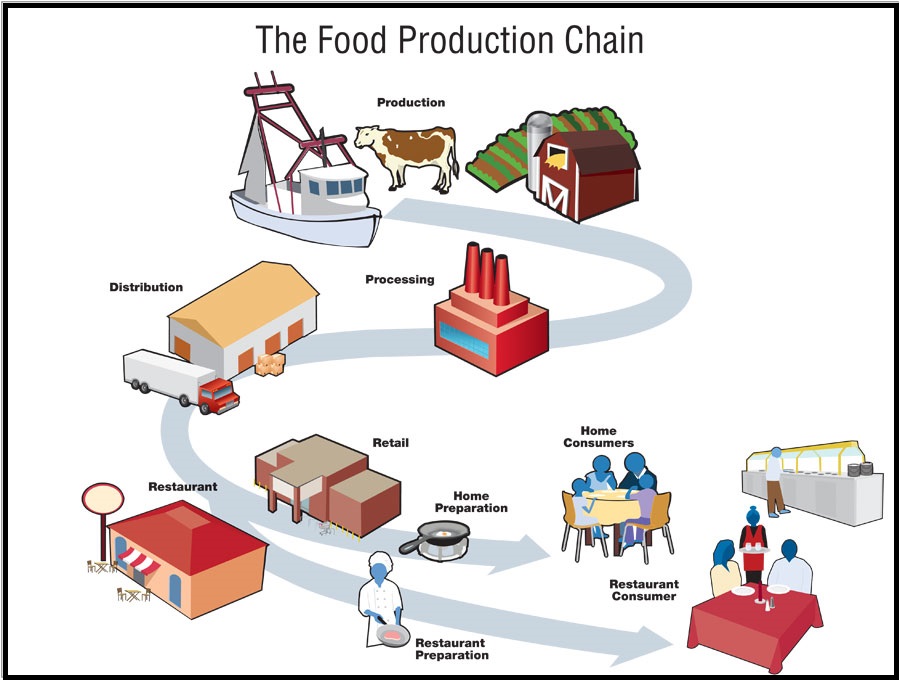
In the past few years, food has surfaced as a growing national security issue.  Foreign companies and large multinationals continue to expand their control over U.S. farm production and export U.S. farm products (Big Ag).  A major retail level move like the merger of Kroger and Albertsons creates a weaker competitive environment and gives a larger potential footprint to price control.

CBS – […] Together, the companies will have more than 710,000 workers and operate nearly 5,000 stores, along with roughly 4,000 pharmacies. Kroger, based in Cincinnati, Ohio, operates 2,800 stores in 35 states, including brands like Ralphs, Smith’s and Harris Teeter. Alberstons, based in Boise, Idaho, operates 2,220 stores in 34 states, including brands like Safeway, Jewel Osco and Shaw’s. 

“Albertsons Cos. brings a complementary footprint and operates in several parts of the country with very few or no Kroger stores,” Kroger CEO Rodney McMullen, who will lead the expanded company, said in a statement.

Kroger will pay $34.10 for each share of Albertsons stock, a 19% premium from the closing price on Thursday. As part of the purchase, Albertsons will issue a cash dividend of up to $4 billion to its shareholders, which the companies said is expected to be about $6.85 per share. (read more)

Sometimes bigger is just bigger and more controlling, not better.

That said, with economic volitivity continuing to increase, the food sector is a safe harbor for massive investment shifts.

Russian Oil Revenue Returns to Pre Sanction Levels in May


Posted originally on the conservative tree house on June 16, 2022 | Sundance 

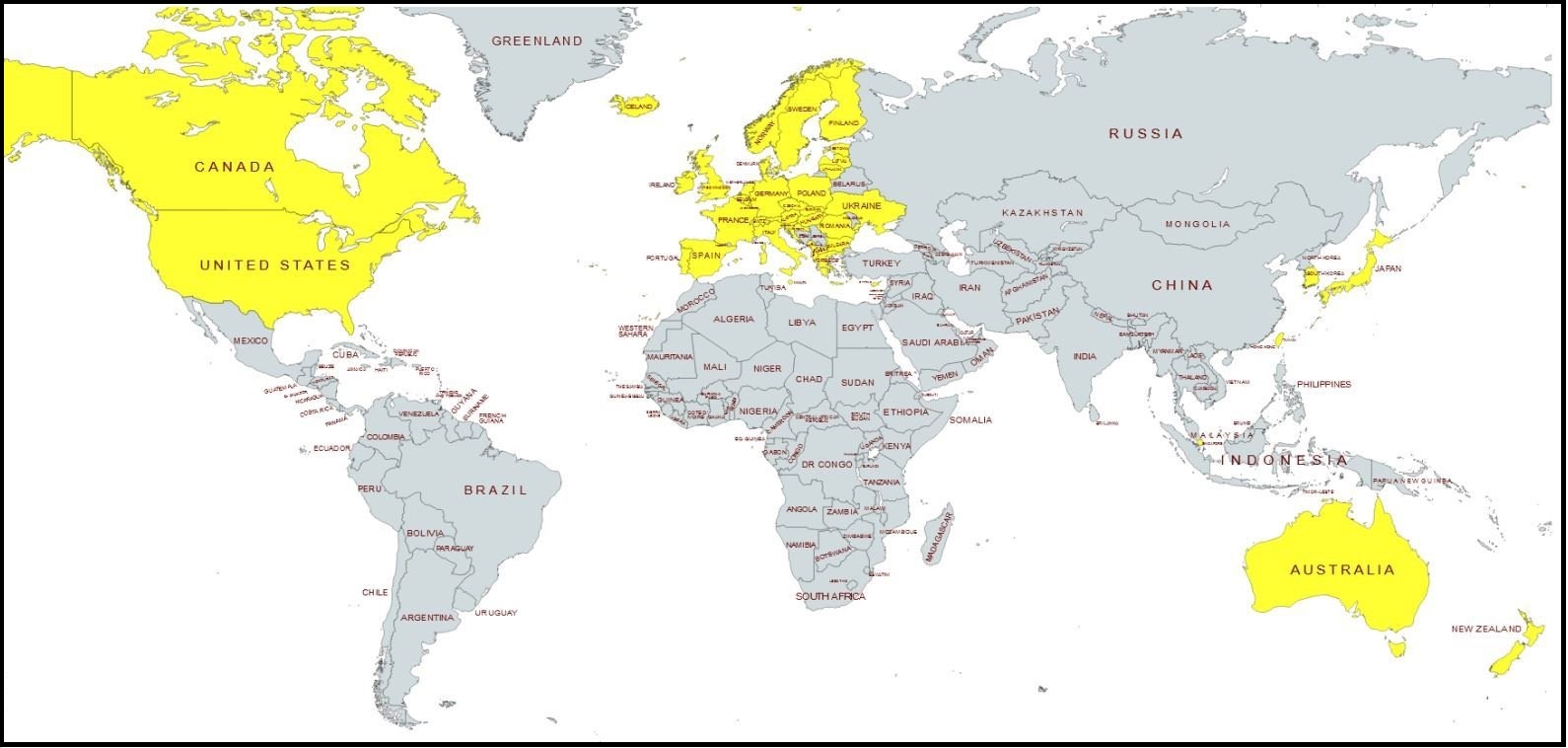
Western sanctions against Russia have been used primarily to obfuscate the cause of western inflation and keep the citizen pitchforks from reaching various government offices.  So far, the strategy -assisted by western media- has been mostly successful.

However, the International Energy Agency (IEA) is reporting that despite the western sanctions against Russia, the Russian energy sector is having no trouble finding customers for its oil sales.  With global oil prices at their highest rates in years, in part driven by the energy policy of the same western leaders who triggered the sanctions, Russia is getting just as much economic benefit as it was before the sanctions regime was triggered.

(EU FINANCE) – Russia continued to rake in oil revenues in May despite a global boycott from companies and most countries following its invasion of Ukraine, a new report has shown.

The International Energy Agency (IEA) said the Kremlin’s oil-export revenues surged to around $20bn last month, an 11% increase from the month before, despite shipping lower volumes.

Its latest monthly report, published on Wednesday, said this takes Moscow’s total revenue for shipping oil and crude products roughly back to levels before the invasion of Ukraine. Russian exports fell by about 3% due to lower oil-product flows, the Paris-based agency estimates.

Meanwhile, crude shipped during the month grew by nearly 500,000 barrels a day compared to the start of the year, largely thanks to higher deliveries in Asia.

“China and India, which have both sharply increased crude oil purchases from Russia, are net product exporters and have no need to lift Russian products,” it said. (read more)