
Armstrong Economics Blog
Re-Posted Nov 18, 2016 by Martin Armstrong
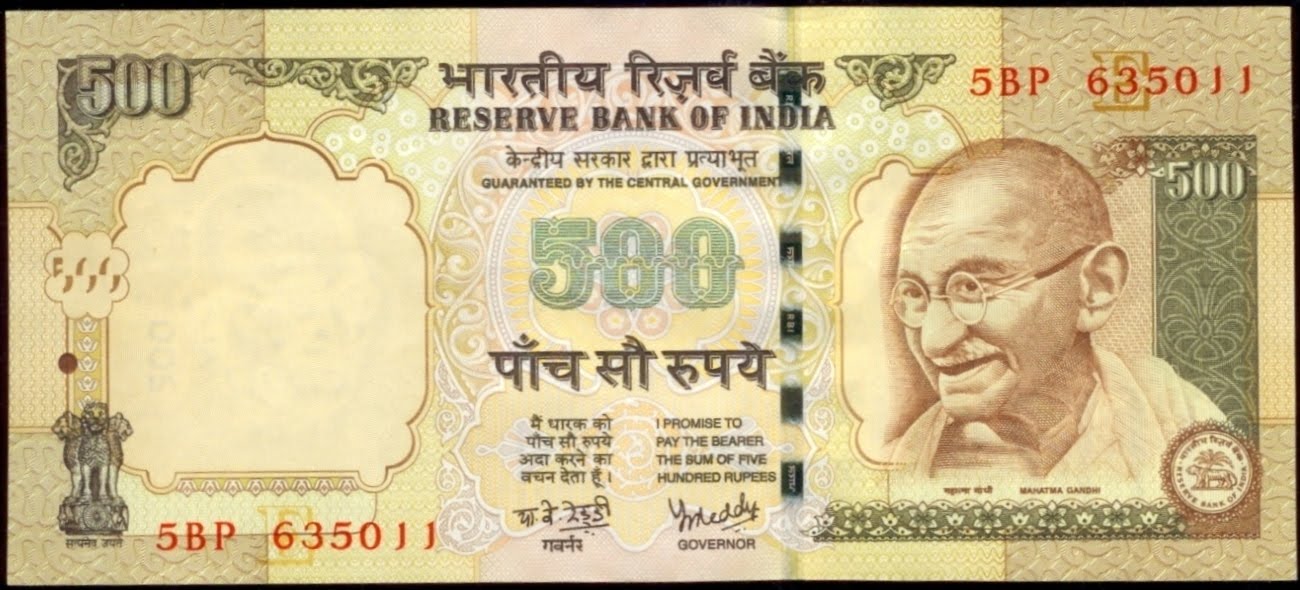
This is the boldest move by any government in recent times. Both the old 500 Rs and 1000 Rs notes have been “probabilistically devalued” meaning that anyone holding large number of notes, the value just has been significantly lowered by approximately 10 to 20% overnight. If you now try to deposit the cash, the money is devalued so in other words you were just taxed up to 90%. This is all claimed to attack the underground economy or black money and corruption.
To understand this bold attempt, let us assume that the ECM €100 and €500 notes are demonetized overnight. The government can ensure that this money is deposited or converted in banks and thus it then becomes your obligation to prove you paid your taxes. They will compare the sum with an individual’s income tax obligations.
The other tax India has imposed is highly dangerous and is known as the wealth tax. Broadly speaking, the wealth tax is determined by your nationality, residential status and location of the asset. If you are an Indian national and resident as per Indian tax laws, you will have to pay wealth tax in India, even on global assets. With the new regulations coming by September 2017 whereby the G20 nations will be sharing information, any assets you have offshore will be reported back to your home country. If you did not report mere ownership of assets, that generates fines, seizure, and taxes.
The intent of the law is to tax assets that do not generate an income. What you would have on deposit in a bank would be exempt since that generates interest, which is taxable. However, in case of some assets that do not generate income such as gold, jewelry, watches, a second property that you own, you will have to pay a wealth tax. You can avoid the wealth tax by generating an income from it, meaning by renting it out for at least 300 days in a financial year.
The repercussions of not filing wealth tax return or filing an incorrect return is harsh. The provisions of regular assessment that apply to income tax also apply to wealth tax. Interest at 1% per month is payable for failure to pay wealth tax on due date. There are also provisions to impose a penalty and/or prosecute an individual for not filing wealth tax returns. Therefore, under this approach, any tangible asset becomes taxable just to possess it on an annual basis.

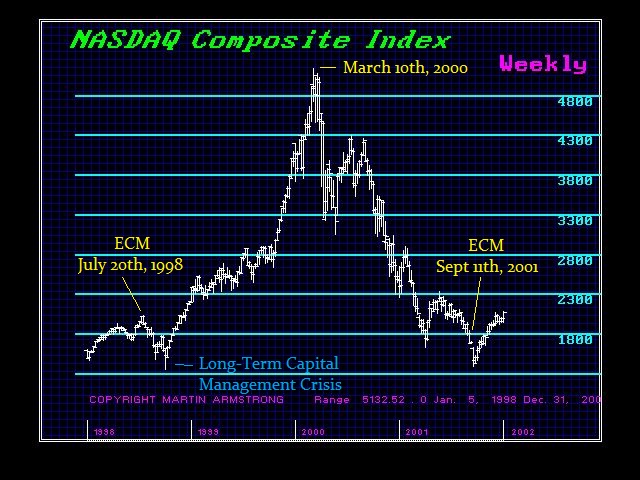
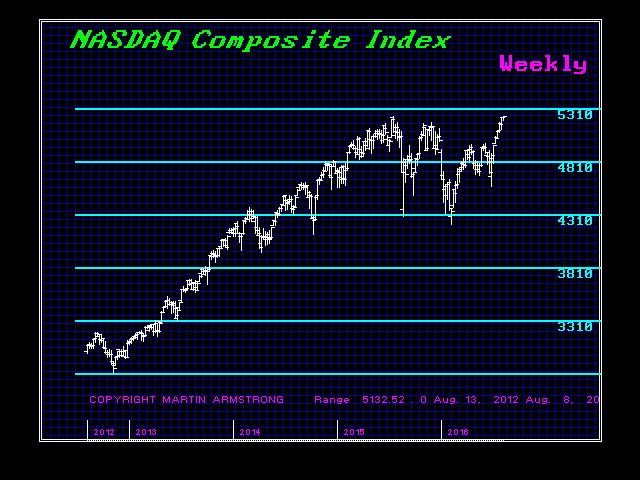
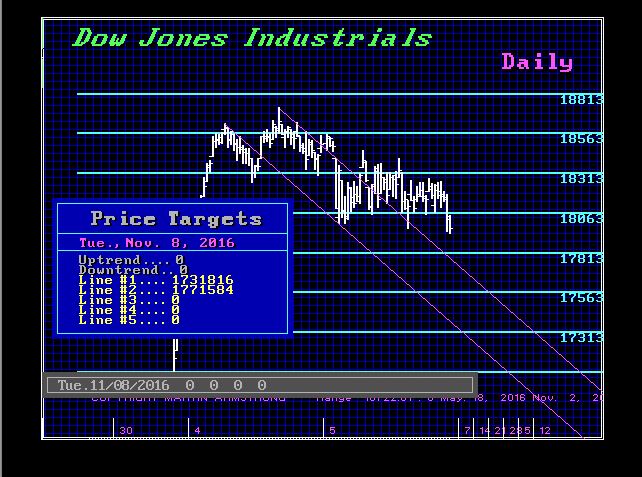
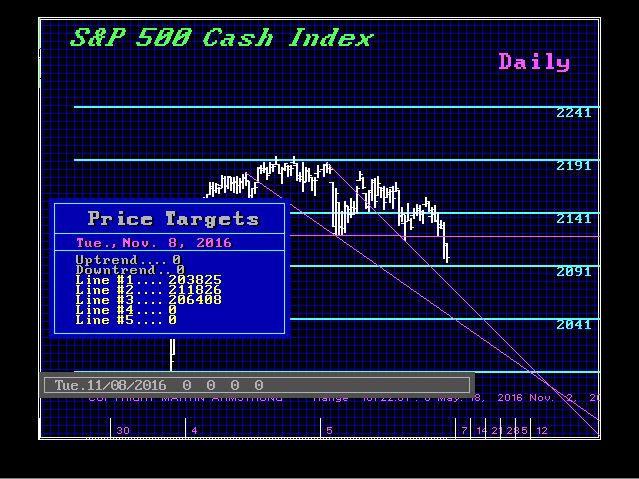
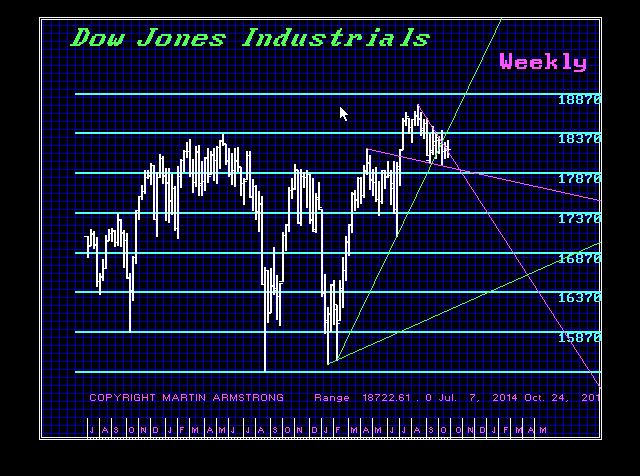
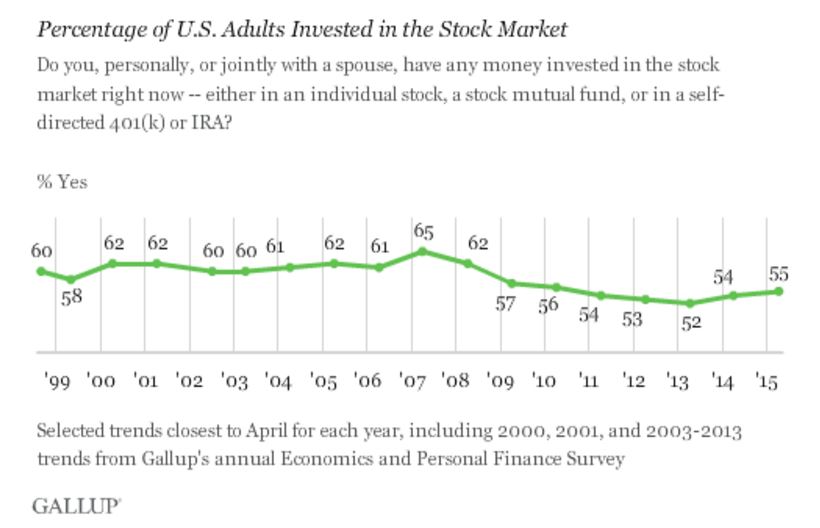
 Finally, the Dow made new highs in the face of constant calls for a crash. This past week, in a horse race we would call it a trifecta where the Dow Jones Industrials, S&P 500,and the NASDAQ all made new record highs. This sent a bunch of analysts to look again and began to proclaim that this was the first time that all three major indices have reached new highs on the same day since 1999. They then look at the charts and pronounce that the 1999 rally lasted only until 2000 and then crashed. Of course that was the DOT.COM Bubble and there was a massive wave of retail investor in the market back then compared to today.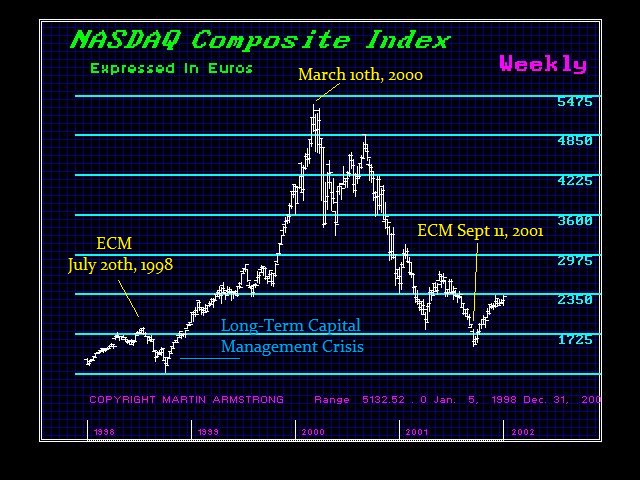









 Centinel2012