
Posted originally on Mar 4, 2024 By Martin Armstrong
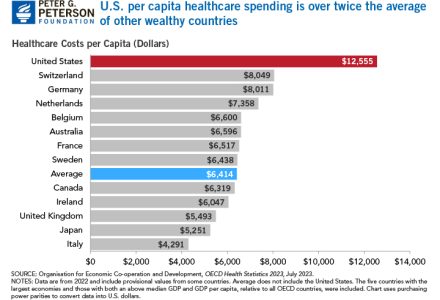
Those outside the US believe we have outstanding health care due to the high price tag associated with every service. Healthcare workers have been leaving the field in droves since the COVID-19 pandemic. The American Association of Medical Colleges believes that there will be a shortage of 122,000 physicians, 400,000 home health aides, and 29,400 nurse practitioners by 2025, but that may be an optimistic forecast.
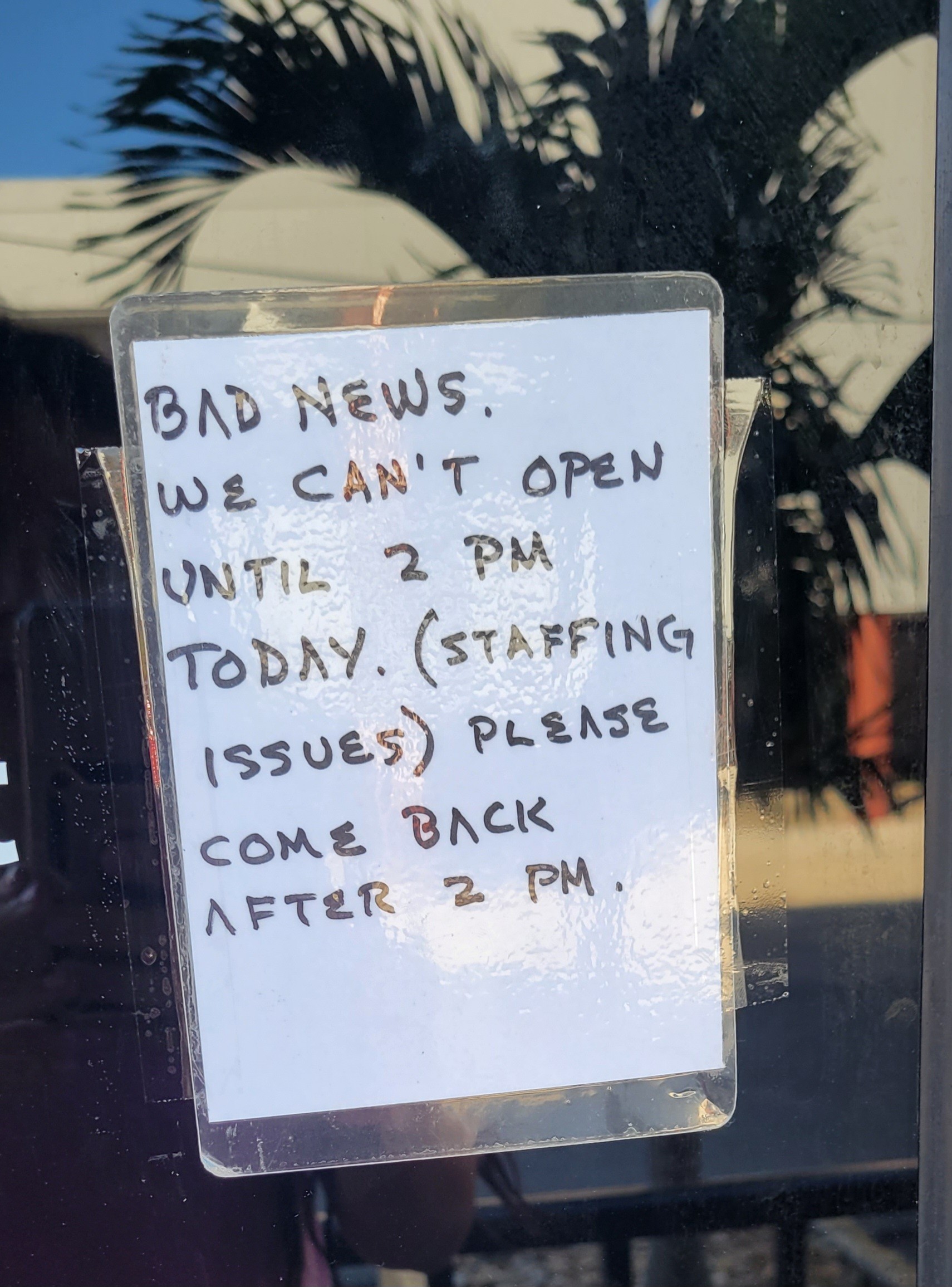
A friend of mine in the area recently needed stitches after an injury and their nearest Urgent Care facility was closed. The second Urgent Care (America’s version of a smaller hospital) had a sign saying that it would not open until late afternoon due to a staffing shortage. The third Urgent Care facility was closed over the weekend, also likely due to staffing shortages. By the time she found the fourth provider, the wait was multiple hours due to only one physician being on staff that day.
These essential care employees are overworked and exhausted. People are less likely to take on hundreds of thousands in student loan debt for a grueling job that they must carefully keep by avoiding litigation while watching patients suffer due to high costs passed down from insurance and drug companies.
Healthcare providers are being replaced through AI programs while others are going remote. Amid hospital closures in small towns, remote nurses and doctors are entering hospital rooms on screen. This means hospital administration can hire fewer people and ask the less experienced employees who cost less to retain to perform crucial functions. The virtual nurse or doctor will not be able to help if the patient codes or something goes wrong.
Nursing job vacancies spiked by 30% from 2019 to 2020 as a direct result of COVID regulations and working conditions. A 2021 Washington Post-Kaiser Family Foundation poll showed that another 30% of healthcare workers considered leaving their profession in general after the pandemic, while 60% said the pandemic negatively affected their mental health. These people were also required to receive the vaccine against their will and promote treatments for the virus that may not have aligned with what they believed to be the best treatments. Estimates vary, but every agency agrees that there will be a serious shortage in the near future. The American Hospital Association believes there will be a shortage of 3.2 million healthcare workers by 2026.
The largest portion of our population is aging and will require health care in the near future. Not many can afford the costs of becoming ill, and sickness remains the leading cause of bankruptcy in the world’s financial capital. An aging population paired with overwhelming staffing shortages will lead to serious trouble in America’s healthcare system in the short term, not to mention the additional 7.2 million and counting new illegal residents who are receiving free health services at the cost of the taxpayer.



 Centinel2012