In July and August the U.S. was heading into a recession according to the media. The Washington Post was at the forefront of the recession narrative with multiple articles predicting certain doom for the U.S. economy…. except there was a problem. All of the economic data would not support their predictions. Things only got better.
The media gnashed their horrible teeth and stomped their horrible feet; alas Main Street continued to get stronger; wages higher, unemployment lower, and more middle-class Americans gaining strength and financial footing. The media shouted at trees hoping and praying their predictions would soon evidence and the economy would throw itself into reverse. Foiled again, it just never happened. Democrats have permanent frowns.
Today the Washington Post admits defeat, informs their audience that cheering for economic collapse is futile, and states, reluctantly, the U.S. is unlikely to enter a recession:
The U.S. economy is heading into 2020 at a pace of steady, sustained growth after a series of interest rate cuts and the apparent resolution of two trade-related threats mostly eliminated the risk of a recession.
This marks a dramatic turnaround in momentum since August, when some forecasters predicted a 50 percent chance of a downturn starting by the end of next year.
[…] The major fears in August were that businesses would continue pulling back their spending, Trump would continue imposing tariffs, and companies would soon turn around and ax employees. But that worst-case scenario didn’t materialize. Job gains exceeded expectations in October and November. (read more)
Earlier today President Trump held a round-table meeting with several governors to discuss the ongoing regulatory reform initiative. [Video and Transcript Below]
[Transcript] – THE PRESIDENT: Thank you very much, everybody. We’ve had a very big day in the stock market today, as you know. That will be 133 days where we set a new record. And that’s fantastic. Our jobs numbers have come in fantastically well — really well. And we’re with some of our great governors and other leaders of areas of our country that are doing incredible things.
We’re talking about a lot of deregulation. We’re talking about various tax cuts and various tax incentives so they continue onward with what they’re doing. But this is a meeting that was set up and was set up a while ago.
And I think they’re very happy about the fact that we have cut regulations like nobody in the history of our country. We have — in less than three years, we’ve cut more regulations than any President for their full term, or terms — or, in one case, it’s beyond two terms. We know who that is, Asa, right? (Laughter.) In one case, you had a little longer than the eight.
And we’ve cut more than any President ever, and we’re going to cut a lot more. And we have a — we wanted to do one for two, and we’re going to be probably one for ten or twelve by the time we finish. I think we’re at about one for eight right now. So we’ve done some things that are pretty — pretty amazing.
We have a lot of military areas represented at the table. And those areas are doing very well; they’re thriving too. As an example: Alaska. But they’re really thriving. And our whole country is thriving. It’s thriving like never before. The jobs numbers are incredible — best in 51 years. And I think soon we’re going to be able to say “historic.” If we go a little bit lower, we’ll say, “In the history of our country, the best job numbers.”
With African Americans, with Asian Americans, and Hispanic Americans we actually have the best in the history of our country. Best job numbers, best unemployment numbers, and the best employment numbers too. There is a slight difference.
More people are working today in the United States than at any time ever in our history. We were almost up to 160 million people; we’ve never been close. So that’s something really good.
I think what we’ll do is we’re going to go around the room quickly and say a few words about the area represented or the state represented. And I’ll start off with our great Vice President, Mike Pence, and then we’ll go around perhaps. Governor, we’ll start with you, okay?
THE VICE PRESIDENT: Thank you, Mr. President. And great to welcome not only members of our Cabinet, but really some of the most accomplished governors in the country to the table — people that have been leading in what you have defined as the Governors’ Initiative on Regulatory Innovation.
At the outset of this administration, you committed to revive the American economy. As you said, Mr. President, we cut taxes across the board for working families and businesses large and small. We’ve fought for free and fairer trade with deals that were just announced and headed to the floor: the USMCA next week, phase one on China, the Korea deal. We’ve worked to expand access to American energy.
But it’s been the regulatory initiative that you made a priority in this administration early on that’s also been driving 7 million jobs created by businesses large and small. And that record unemployment rate that you challenged us to work with governors around the country to make sure that states were also replicating the deregulatory effort that you initiated here at the federal level.
And we have gathered here some of the — some of the real champions of regulatory relief, of people that have been doing it. And the governor-elect from Mississippi has — in his role at lieutenant governor, has been a champion of regulatory reform.
And so today, really, is about how we keep the momentum in the economy by encouraging even a greater partnership on freeing up the American people to create jobs and create wealth and opportunity.
And I know they’re all grateful for your leadership, Mr. President, but I know how grateful you are for the governors gathered around here and all those that they represent who have been taking the principles you put into practice here, at our nation’s capital, and putting them into practice at the local and state level to create jobs and opportunities for Americans.
THE PRESIDENT: Good. Thank you, Mike, very much.
Brad?
GOVERNOR LITTLE: Mr. President, following your leadership, my first executive order was the “two for one” — that for every new rule, we give up two.
I did pretty well.
THE PRESIDENT: You did well.
GOVERNOR LITTLE: I exceeded that by 4,000 percent. (Laughter.) We got rid of 82 rules for every new rule we’re implementing this year.
THE PRESIDENT: That’s fantastic. That’s great.
GOVERNOR LITTLE: But it — the whole effort of what it does, of reducing the friction costs, particularly startup and small businesses, and, you know, people that have a tougher time —
THE PRESIDENT: Right.
GOVERNOR LITTLE: — washing away that regulatory friction at both the federal level and the state level is a lot of that job creation. It’s just — and it’s a gift that keeps on giving. If you keep being diligent on it —
THE PRESIDENT: That’s right.
GOVERNOR LITTLE: — is that — that atmosphere for people to be successful — the great American story of entrepreneurial-ship — only happens if you reduce regulatory friction. And whether it’s in licensing, which we’re working on — about doing away with licensing requirements and making it to where military spouses don’t have to go over a hurdle when they transfer from one state to another, or whether it’s just rules to start. And then, when you get done, you got to make sure that it doesn’t build back up.
THE PRESIDENT: Right.
GOVERNOR LITTLE: So we look forward to continuing to work with your administration on this.
THE PRESIDENT: Good. Great job. Thank you very much, Brad.
Pete?
GOVERNOR RICKETTS: Well, Mr. President, thank you again for leading on the regulatory reform. It’s really a key thing, especially things — when you get rid of job-killing things like the Waters of the U.S.
THE PRESIDENT: Right.
GOVERNOR RICKETTS: What you’ve been doing on occupational licensing reform — that’s a big thing we’ve been working on in Nebraska as well.
And just, it impacts so many people’s lives when you do that. So, for example, we have a woman who wanted to open up her own hair-braiding business in her home. But because of the rules and regulations in Nebraska, she would have had to have 2,100 hours of licensing — you know, classrooms to be able to get that license.
THE PRESIDENT: That’s a long time.
GOVERNOR RICKETTS: And now maybe I don’t get the whole hair-braiding thing — (laughter) — but nobody’s health or safety is put at risk by bad hair-braiding. And so one of the things we did is we took — you know, got rid of that requirement so she wouldn’t have to have that license so she could open up her own business —
THE PRESIDENT: Right.
GOVERNOR RICKETTS: — and be able to help add jobs to the economy. And that’s one of the things that your administration supported. So thank you very much for that. We really appreciate it.
And we’re continuing — I signed an executive order freezing all regulatory rulemaking until the regulations have been reviewed. We were able, for example, to cut the amount of regulation by 59 percent — our Department of Environment and Energy.
We’re working with your Federal Highway Administration, so we’re taking over the NEPA reviews. And that’s going to allow us to be able to get those environmental reviews done faster, still with your oversight. But we’re one of eight states that’s done that. I’d love to say we’re the smallest state, but Alaska actually has that distinction as being the smallest state doing that. But that’s an example of how we’re doing it.
And then, just process improvement, trying to make sure that we’re doing a good job of getting these things turned around quickly. We’ve saved about 300 hours of our teammates’ time, but what it’s allowed to do is be able to turn around permits in a third of the time it was taking before.
So all this is really helping to, again, get rid of that friction that Brad was talking about so that people and average Americans can get about their lives and go about creating the prosperity that we’ve experienced under your administration.
THE PRESIDENT: Any word on the pipeline permits?
GOVERNOR RICKETTS: So, we’re — actually, TC Energy right now is going through getting the easements for all the landholders that they hadn’t come to agreements with yet. And, of course, we’re still waiting on the lawsuit in Montana. But I expect that that’s — there’s going to be more action on that next year.
THE PRESIDENT: All right. Good. Thank you very much, Pete.
Please. Thank you.
CHAIRMAN SAGE: I’d like to thank you. It is an honor to be here today, Mr. President and Mr. Vice President.
I don’t know if anybody is — or everybody is all familiar with where I’m from. I’m from the Southern Ute Indiana reservation in the southwest part of Colorado. We take a lot of pride in our culture and our heritage. What we have, we’d like to set an example for Indian Country.
THE PRESIDENT: Thank you very much. Thank you.
CHAIRMAN SAGE: Thank you.
THE PRESIDENT: Thank you. Please.
STATE REPRESENTATIVE TOWNSEND: Mr. President, thank you very much for what you’re doing. And I want you to know that what you’re doing not only makes a difference in New Mexico — which we appreciate — I know, from earlier conversations, it makes a difference all over the nation.
THE PRESIDENT: Right.
STATE REPRESENTATIVE TOWNSEND: New Mexico lives and breathes oil and gas. We’re your third-largest oil producer, sixth-largest natural gas producer. In the last two years, we had $2 billion of surplus revenue to that state because of this industry. It’s been amazing. God willing, we’ll have $174 billion of capital invested in this industry over the next couple of years. We have a lot of opportunities.
THE PRESIDENT: So what’s going to happen when they want to shut you down?
STATE REPRESENTATIVE TOWNSEND: Well, we’re banking on you, Mr. President. (Laughter.)
THE PRESIDENT: You better bank on me.
STATE REPRESENTATIVE TOWNSEND: We’re banking on you.
THE PRESIDENT: You’re my friend, Jim. You have no choice. (Laughter.)
STATE REPRESENTATIVE TOWNSEND: It’s a great honor to know that we have back-stock for what we’re trying to do. And I can tell you that —
THE PRESIDENT: It’s true.
STATE REPRESENTATIVE TOWNSEND: — there’s a whole bunch of folks out there that understand the risk associated with the oil and gas business. What they have trouble with is the risk associated with the politics.
THE PRESIDENT: That’s right.
STATE REPRESENTATIVE TOWNSEND: And what you’re doing is removing that risk, allowing us to deploy capital and make a lot of money for the nation, for our country, for our state, and our city. We’re growing like — I mean, unbelievably. I mean, the Permian and the Delaware are just prolific.
And recently, I had dinner with a lady that’s over the Lower 48, for a major company. She told me that only about 10 percent of those reserves currently are being tapped with technology.
THE PRESIDENT: Right. That’s what I hear.
STATE REPRESENTATIVE TOWNSEND: So you can just imagine what’s in front of us with a little entrepreneurship. So —
THE PRESIDENT: And we’re doing well out there, I understand.
STATE REPRESENTATIVE TOWNSEND: Yeah, it’s pretty nice right now. We appreciate it. Thank you very much.
THE PRESIDENT: That’s good. Thank you very much, Jim. Please. Asa?
GOVERNOR HUTCHINSON: Well, Mr. President, first of all, congratulations on both USMCA —
THE PRESIDENT: Yeah.
GOVERNOR HUTCHINSON: — but also the first phase of the China trade. That is, as you know, very important to my farmers in Arkansas, but also our — we’re a global export in a lot of different areas. And so, that trade is very important to us. Congratulations to you. That’s — keep at it.
And then to — secondly, thanks for your leadership on regulatory reform. The fact that you and the Vice President have taken a leadership role — and it makes it easier whenever it comes to getting general assembly, legislative support — the public becomes more aware of this. And so we’ve made it a priority. It does impact the economy when we can reduce the burden of regulations and delays.
Just in the air permitting — which is required, of course, for a manufacturing facility — we have reduced the wait time for an air permit by 600 days. Now, that’s just startling to think that there would be that kind of a backlog. But that’s the kind of process improvement that helps industry either get a yes or a no more quickly.
And then we’ve taken on, of course, the licensure reform to help those that are coming into the state. And your leadership on that has been very important. So —
THE PRESIDENT: Thank you, Asa.
GOVERNOR HUTCHINSON: — thank you.
THE PRESIDENT: You’re doing a great job. Great job.
Gene?
SECRETARY SCALIA: Well, Mr. President, as you know, just a little more than a week ago, we had this just extraordinary jobs report yet again.
THE PRESIDENT: Yeah.
SECRETARY SCALIA: The market-watchers, the experts were saying we’d add about 180,000 jobs, which is a good number, and we just blew that out of the water with 266,000 additional jobs, and then adding 41 [thousand] for September and October.
THE PRESIDENT: Right.
SECRETARY SCALIA: Just another great month. But, as the Vice President said, we have to maintain that momentum. We can’t rest content with what’s going on right now. We need to continue to look for ways to improve the economy. The USMCA is something that you and the Vice President and others have been championing as part of that solution for a long time.
But de-reg is such a good issue for you and the Vice President and others to be bringing out to the states. The jobs market that we’re experiencing, it didn’t just come about; there are reasons for it. And deregulation, as you’ve led it, is one of the prime reasons the states now can be examples of leadership as well.
And as Governor Hutchinson mentioned, occupational licensing — these requirements that you have a specialized license that varies from state to state — we’re very concerned about military spouses. The soldier moves from state to state, and the spouse comes along. Military spouses move from state to state seven times as much as average Americans. So this is a real burden on them. It’s a burden on their families, who are already sacrificing so much.
And so we’ve been working with the states and others, and with the Second Lady as well, in trying to address that problem.
THE PRESIDENT: Very good. Thank you very much, Gene.
And I have to say, Governor-elect Tate Reeves, he — we spent a couple of days with you and — governor-elect of a wonderful state, Mississippi. And he won, and he won easily. It was a tough race, it was a tight race, and people were watching it closely. And when he won easily, they don’t cover it. Why don’t they — why is that? (Laughter.) They didn’t mention a thing. But that’s okay; they know in your state.
But you’re going to do a fantastic job, and we appreciate you being here, Tate. Congratulations. That was a great race. You really ran a great one. It was pretty even, and he won by seven — and won by a lot. And we appreciate you being here.
Go ahead, please.
GOVERNOR-ELECT REEVES: Well, thank you, Mr. President. And as a good mutual friend of ours says, these guys behind us don’t ever cover airplanes that land safely. (Laughter.)
THE PRESIDENT: I guess. I guess, yeah. Can I use it?
GOVERNOR-ELECT REEVES: The reality is that — and Secretary Scalia said this, which I think is very important — these job numbers, these — lowest unemployment rate in Mississippi’s history, in America’s history —
THE PRESIDENT: Yeah.
GOVERNOR-ELECT REEVES: The highest employment rate — we actually have 88,000 more people working in Mississippi today than was working eight years ago.
And what’s important to note is: These things don’t just happen. It’s not just happenstance. It’s the fact that good policies work. They work for Mississippi’s economy and they work for America’s economy.
And so I just want to thank you very much for your leadership on regulatory reform, your leadership on cutting taxes, your leadership on lowering regulations, your leadership on the trade deals. It’s making a difference in my state, and it’s making a difference across the country.
And thank you and to the Vice President for everything that you’re doing. I look forward to working with you for the next four years.
THE PRESIDENT: Good job. Good job, Tate.
GOVERNOR-ELECT REEVES: Thank you.
THE PRESIDENT: Appreciate it.
Russ? You want to say something?
ACTING DIRECTOR VOUGHT: Yeah, I just wanted to build on the momentum of where we are. So, in the first three years, the President has been able to lower regulatory costs by $50 billion over three years. We’re going to double that in the year 2020. What that looks like is about $220 billion of savings to the economy per year, so substantial growth from deregulatory initiatives.
That’s about $3,100 per family that’s going to benefit when we’re all said and done — when the President and the Vice President are all said and done — of real money in households’ pockets. That looks like about three mortgage payments. That’s about the size of a family’s entire gas bill for the year. So this is real money, real benefit, and it’s only just begun.
THE PRESIDENT: Great. Thank you very much.
Eric?
GOVERNOR HOLCOMB: Well, let me pile on the praise and tell you why it’s so easy to do so, in terms of a few Indiana indicators. When the Vice President handed me the keys in Indiana, we were heading in the right direction — humming along. But since that period of time, we just closed — we just — our budget committee just threw out our revenue numbers for the first five months of the year. We’re $200 million-plus above where it was projected to be. We got about 13.9 percent in our cash reserves.
THE PRESIDENT: That’s great. Wow.
GOVERNOR HOLCOMB: About $2.29 billion in cash reserves.
We’ve got more people working, just like in Mississippi, than ever before in our state’s history. We’ve tripled the foreign direct investment in the last three years.
And so we are moving in the right direction. And it’s because of — as good as it was three years ago, it is great right now because of this partnership and because the tax and the regulatory environments work.
THE PRESIDENT: Big difference.
GOVERNOR HOLCOMB: Yeah.
THE PRESIDENT: Big difference.
GOVERNOR HOLCOMB: Huge. It is the difference.
THE PRESIDENT: Great job you’re doing. Thank you very much.
David?
SECRETARY BERNHARDT: Well, sir, we manage a lot of land. Some of that land is Indian land that we manage with the tribes.
And so, today, Chairman Sage and I began a process with the rulemaking that will allow them to better define how they want to have their land managed, and then we’ll approve a single permit that then they can manage the land going forward. So it’s really exciting.
Interior has been a leader in the deregulation effort. We’ve issued the second-most deregulatory number of regulations, and we’ve really punched above our weight, and our permitting times are down. And revenue for oil and gas is nearly double
THE PRESIDENT: That’s great.
SECRETARY BERNHARDT: — from where it was when the President took over.
THE PRESIDENT: That’s great. Thank you very much, David.
Please, Governor, go ahead.
GOVERNOR DUNLEAVY: Mr. President, it’s a pleasure to be here. I want to thank you for all of things that you’re doing. Because I don’t think what people realize is that numbers don’t lie; the numbers don’t lie when you’re talking about unemployment, investment, et cetera.
And what you’re doing for the country is, obviously, helping Alaska tremendously. Kind of far away, tucked up there in the north — but we now have record unemployment in Alaska. Our GDP is up now two quarters in a row. Personal income is up higher than it’s been in 10 years. More personal wealth is being created in Alaska.
I also want to do a shout-out from the troops. I don’t know if folks know this, but whenever the President flies over to Asia, he lands in Alaska and refuels. But unlike some others in the past, he gets out of the plane, and he goes and he meets the troops. And they talk about it all of the time. All of the time.
THE PRESIDENT: It’s true. Every time. Every time.
GOVERNOR DUNLEAVY: And I get an opportunity to talk with the President. And it’s not just a “BS” session, but it’s about: What can we do to help Alaska? What’s happening in your state? What do we need to work with?
And I would say, Mr. President — and I’m being honest — I can’t think of a President that’s helped Alaska more than you have, with trying to deregulate a number of the projects that we’ve been working on, helping us gain a leg up again to be one of the top energy-producing states in the country. And I just want to thank you.
And, in terms of regulation, in terms of helping the military spouses, we’re doing our part. We’re looking at 239 different regulations to either modify or roll back in over 100 professions.
We have a large indigenous population in the state of Alaska. About 15 percent of our people are Alaska natives. And your work on — working on missing indigenous women, your work on public safety, your work on opioids — again, the numbers don’t lie.
You’re doing a tremendous job. And I want to thank you on behalf of the people of Alaska, because what you’re doing is helping us tremendously as well.
THE PRESIDENT: And now logging — we did a big thing on logging.
GOVERNOR DUNLEAVY: Absolutely. (Inaudible.)
THE PRESIDENT: And we did a very big thing on ANWR, which is potentially the biggest in the world. We’ll see what it is ultimately, but it’s potentially the biggest site in the world. So it’ll be very interesting to see how that turns out.
Great job. Thank you very much.
Anybody else? Would anybody like to say? Would you like to say something? Go ahead.
THE VICE PRESIDENT: Senator Obhof.
STATE SENATOR OBHOF: Thank you, Mr. President.
THE PRESIDENT: Thanks, Senator.
STATE SENATOR OBHOF: First of all, I think we’ve heard some people say congratulations on the USMCA. I’d like to congratulate you, too. But, more importantly, I’d like to thank you for keeping your promises to the people of this country — that when you said you would renegotiate NAFTA, you did so. And we appreciate the follow-through.
Ohio is doing great right now. Our employment numbers are good. We’re running a surplus as well. But we’re also following your lead on regulatory reforms. So, in the state budget that Governor DeWine signed this past summer, we adopted the “one in, two out” rule. We actually passed legislation in the last week related to military spouses so that they can get reciprocity and get working quicker.
And we have new legislation that was just introduced — similar to what has happened in Arizona — that would, for many areas of occupational licensure, grant reciprocity from other states.
THE PRESIDENT: And you have a lot of car company expansions, and you’re doing really good.
STATE SENATOR OBHOF: We’ve had some very good news in Lordstown in the last few weeks.
THE PRESIDENT: I know that. I know it very — I’ve been pushing it very hard. That’s good. Kristi?
GOVERNOR NOEM: Yes, Mr. President. First of all, thank you for making your senior staff available to us today. We sat down for an hour and a half, and it was just really nice to have a give-and-take —
THE PRESIDENT: Right.
GOVERNOR NOEM: — and really hear from them some of the details of things that we can dig further into, things that you’re doing that maybe we won’t have time to discuss right here.
But also from — on behalf of South Dakota, thank you for the trade agreements. You know, we have had the largest natural disaster in our state’s history this year. We have more unplanted acres than any other state in the nation, and we’ve been devastated. So I’ve been tightening our belt. But these trade agreements, on a tough year where farmers are struggling, to have that good news come right before Christmas —
THE PRESIDENT: Right.
GOVERNOR NOEM: — really did help them quite a bit.
And you never quit, which — I love that you did it until you got it done and you won. And, by turn, we get to win because we’re going to get to keep our family farms and we’re going to get to keep South Dakota wonderful. And so I appreciate that.
THE PRESIDENT: It’s a great place. And you also are going to have a very exciting Fourth of July.
GOVERNOR NOEM: We are. We’re going to have fireworks.
THE PRESIDENT: Right.
GOVERNOR NOEM: And I’m hoping you will —
THE PRESIDENT: For many years — for many years, the fireworks —
GOVERNOR NOEM: — you will come — at Mount Rushmore.
THE PRESIDENT: Well, we’re going to think about it. Mount Rushmore. They ended the fireworks. How many years ago? A long time.
GOVERNOR NOEM: Gosh, it was at least 10 years ago. So —
THE PRESIDENT: Nobody knows why, but you just couldn’t have it. And now you’re going to have fireworks. And the Governor called, and she said, “You got to do me a favor.” Right?
GOVERNOR NOEM: And you did.
THE PRESIDENT: And we worked it out. And we got it done. And you’re going to have fireworks.
And I appreciate what you said on the trade deals. They’re incredible deals.
GOVERNOR NOEM: They are.
THE PRESIDENT: And they’re big. And they’re big. And every once in a while, you’ll hear a critic. There’s never been deals like this made.
But you have some globalists — you know, they want us to lose money. Sometimes you have a globalist get on — I watch it: “Who cares about the United States? Let’s lose money.” I’m the opposite. When I have deficits — I don’t like deficits. You have some people that don’t mind deficits. The deficits — I don’t like factories closing and plants closing in this country, going to another country, taking our jobs.
So, I’ve never really been one to want to put up with it even. I’ve been watching it for — it’s probably one of the reasons I’m President. I’ve watched that for so many years, where your factories and your plants all over — whether it’s Indiana or any other state. Even you, Asa. Right? I mean, once and a while, they’ll close one over there.
But it was — the fact is, I would watch as they close plants, everybody gets fired. They move to Mexico or some other place, including China. And, in China, they don’t move; they just buy the product. And some people are happy. But, no, not me. We keep our jobs. They’re moving back.
The agreement is very tough. The USMCA is very, very tough. It’s very hard to move. Economically, it makes it really prohibitive to get out. And it was very important to me.
But no, I’m not a globalist. I love this country, and we’re going to take care of our country. The deal with China is a massive deal, from a manufacturing standpoint. But the farmers — I mean, the farmers, I guess, maybe will be the —
GOVERNOR NOEM: They will.
THE PRESIDENT: — biggest beneficiary of all. You see that already.
GOVERNOR NOEM: Yes.
THE PRESIDENT: And China has already started to buy. I told them — four, five weeks ago it looked like we were going to get to a deal. I said, “Start buying now. You’re going to start buying now.” And they did. And they were doing a lot of business with the farmers and China. And so the deal will be finalized over the next couple of weeks.
It’s actually — translation is the biggest thing. The deal was finished, but the translation is very important. (Laughter.) I said, “Make sure you have the right translators.” Because you can lose a lot with bad translation.
GOVERNOR NOEM: That’s true.
THE PRESIDENT: So we’re working on getting that done, but it’s going to be a really a big —
GOVERNOR NOEM: Thank you.
THE PRESIDENT: — it’s going to be a — and I think you already see it. I think most of you see that now with China, right? They’ve already come in and they’re buying — they’re buying very big. So, anyway.
We have a tremendously successful country. I think, economically, it’s the most successful it’s ever been. Our military is totally rebuilt. Our vets are being taken care of. We have Choice and we have Accountability.
You know, people don’t talk about Accountability. We had a situation in Arizona where you couldn’t fire people. They did horrible things and you couldn’t fire them. Now you can fire them. And it took — 55 years, they’ve been trying to get that approved and they couldn’t. And we got it approved.
That means that — people are bad, they don’t treat our vets well, they don’t treat them with respect — they get fired. That’s the way it is. And more than 8,000 people have been let go that were — were not good for us, were not good for the vets. And they’ve been trying to do this for decades and they couldn’t get it. So we got Accountability done.
And we have Choice done. Choice is a big deal. From your standpoint, it’s a big — most of you — all of you have big vet areas — everyone in this room.
But now you can — you can tell somebody, if he’s got to wait two weeks to see a doctor — or four weeks or nine weeks, in some cases; it’s the craziest thing — you go right outside, you see a doctor — a local doctor. You pick the doctor. We pay the bill. And they get — they’re better.
We’ve had cases where they had to wait so long. They were just — not very sick. Pretty routine stuff. They end up terminally ill because they couldn’t get to see a doctor. So we finally got Choice done. And they’ve been trying that one for 44 years. For 44 years, they’ve been trying to get Choice done. And we got it done. So, the vets are very happy with us.
Big on Second Amendment. This is a big Second Amendment group. I think, for the most part, I can say that. I don’t think anybody is going to raise their hand and fight me on that one, Jim.
STATE REPRESENTATIVE TOWNSEND: (Laughs.) No.
THE PRESIDENT: But this is a big Second Amendment room — these governors, every one of them. And we’re very strong on our Second Amendment.
So, our country is doing fantastically well. Thank you all very much. Thank you very much.
Q Mr. President, are you concerned about North Korea at all right now — the developments in North Korea?
THE PRESIDENT: We’re watching it. We’ll see. I’d be disappointed if something would be in the works. And if it is, we’ll take care of it. But we’ll see. We’re watching it very closely. We’re watching North Korea — we’re watching many places, actually, very closely. But North Korea, we are watching very closely.
Q Mr. President, how much has Giuliani shared with you about his recent trip to Ukraine?
THE PRESIDENT: Oh, not too much, but he’s a very great crime fighter. He was probably the greatest crime fighter over the last 50 years. Very smart. He was the best mayor in the history of the city of New York. He’s a great person who loves our country. And he does this out of love, believe me. He does it out of love.
He sees what goes on. He sees what’s happening. He sees all of the hoax that happens when they talk about impeachment hoax or the Russian collusion delusion. And he sees it and he’s a — he’s a great gentleman. And he was, again, the greatest mayor in the history of New York, and probably the greatest crime fighter in the last 50 years. He knows what he’s doing.
Thank you very much, everybody. Thank you. Thank you. Thank you.
National Economic Council Chairman Larry Kudlow appears on Fox News for a discussion of the status of the U.S. economy, the USMCA and the U.S-China trade agreement.
The Wall Street GOPe, positioned primarily in the senate, are preparing to punish the administration for their restructuring of global trade against the backdrop of the senate influence over impeachment.
Visit our friends at The Patriot Post: America’s News Digest http://bit.ly/37SbmhP —– There’s bipartisan agreement that the Office of Personnel Management (OPM) is inefficient, using antiquated and vulnerable computer systems. But after 18 months of trying to eliminate an agency that employs 5,500 bureaucrats, President Trump now says he won’t. Despite telling campaign crowds he would cut the size of government so fast your head will spin, he has accomplished no substantial reductions in the size or scope of the federal bureaucracy. Should Republicans abandon their talk of ending the era of big government and just accept that once a federal agency starts, like OPM did in the 1970s, it will live on eternally? Bill Whittle Now with Scott Ott comes to you 20-time each month thanks to our Members. Join them today at https://BillWhittle.com/register/ – Support us on Patreon: https://www.patreon.com/billwhittle – Listen to our shows on the go with your podcast app: http://bit.ly/BWN-Podcasts – Watch us now on Amazon’s Fire TV by downloading the Bill Whittle Network app. http://bit.ly/BWN-FireTV – Ask your Amazon smart device, “Alexa, play Bill Whittle Network on TuneIn radio.” – We’re on Bitchute too: http://bit.ly/BWN-Bitchute
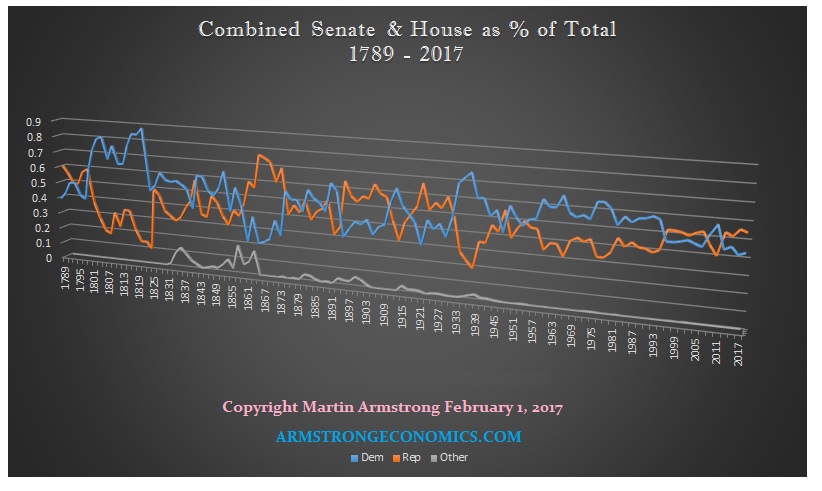
I have been warning that our computer has been projecting the decline and fall of socialism. Moreover, we have pointing out that the Democrats are actually in a long-term protracted bear market and ever since the first6 election of FDR in the Great Depression, they have been making lower highs and deeper lows. That in market terms is the definition of a bear market. This does not speak well for the Democrats come 2020.
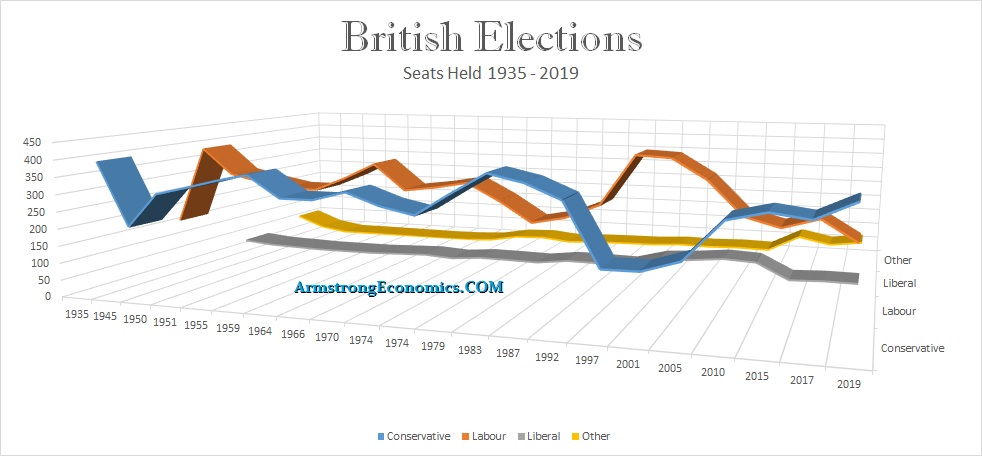
Here is the chart showing the Labour Party’s devastation. They have been sent back to the Great Depression levels of the 1930s. Britain’s election has been a confirmation of our computer’s forecasts and as you can see the Labour Party made new lows. The Democrats are also facing the same potential dangers for they have been moving too far to the left of what is very clear, the major of people are far more moderate bases. The Democrats are cheered only by the fringe and this is what misled Britain’s Labour Party because they heard the cheers while failing to hear the dead silence of the majority.
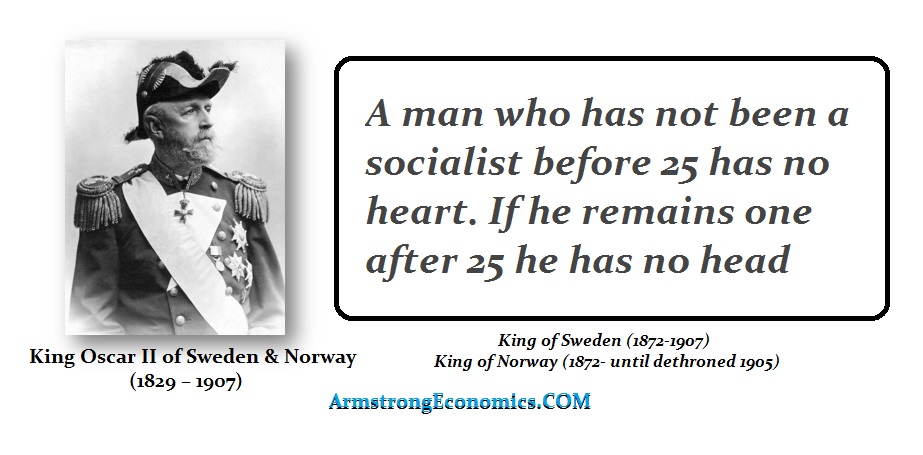
We have entered a period politically where the longer-term threats to progressive parties are rising both culturally and politically. Indeed, there is a lot of truth to what Oscar II said that everyone is a socialist before 25 because they think with their hearts. Then they graduate and get their first paycheck. If they are still socialists after that, he said they have no head.
Indeed, 57% of Democrats and 51% of young people have a positive view of socialism, according to Gallup polls. That’s has been frightening to many who see this as a class war that will only end in blood in the streets. They never look at how this economic theory has been responsible for more than wars and religion combined. They ignore the record of countries who have tried this economic theory, from the Soviet Union and Mao Zedong’s China to today’s Venezuela. What broke the economies was the collapse in economic growth, rise in hunger, and the rise of authoritarian government to try to force this theory to somehow work.
The most significant warning for Democrats from Jeremy Corbyn’s shocking political disaster in the British election is that when a political party is consumed with Marxism, its own ideological debate ceases to exist and opponents are often suppressed. They historically risk losing sight of the majority of the population who are drowned out by the cheers of their declining own base. While the press is fake and it is so desperate to want to join the Euro in Britain and the impeach Trump in America, they too add to the confusion by making people think the majority are leftists who are out to rob them of their assets and future.
Conservative Party won seats across Labour strongholds showing that Labour had moved too far left. The Conservatives won the support of the opposition party’s traditional blue-collar base for the first time. Even the unionized industrial workers voted conservative. The Conservative victory was up there with the 2016 Trump Revolution.
The 2020 election will be marked by violence. Already in Britain, the youth have been rioting using the same nonsense chanting “Not My Prime Minister.”We are witnessing the death of Democracy. Either they win, or they refuse to accept the results of an election. The same will be taking place in the United States on a grand scale. If you really want to protect your children, look at the college before you send them. Any such institution engaged in brainwashing your children just refuse to fund or allow your children to apply for a student loan.
James Comey is now trying to “cover his ass” after being confronted by the Inspector General Michael Horowitz who found that the FBI’s handling of FISA applications for warrants against a former Trump campaign official was sloppy, to put it mildly. Comey had to admit: “He’s right, I was wrong” on “Fox News Sunday.” He tried to shift the blame from himself saying: “I was over-confident in the procedures that the FBI and Justice had built over 20 years. I thought they were robust enough.” In other words, he never checked anything, yet he had the audacity to testify against Trump and tried to argue he should be removed from office.
He also deliberately never recorded the interview with Hillary when EVER such an interview is recorded for possible purgery charges. He protected Hillary at all costs and now Hillary is contemplating running for President perhaps in January. Most Democrats seem to want a rematch with Hillary on the ticket.
The Steel report, funded by Hillary, justified the wiretap of Trump’s campaign based entirely on an anonymous tip. The Justice Department’s investigation of what was done to Trump while running for election far outweighs anything the Democrats are claiming justifies his impeachment. This is just showing how politics has completely collapsed into political corruption.
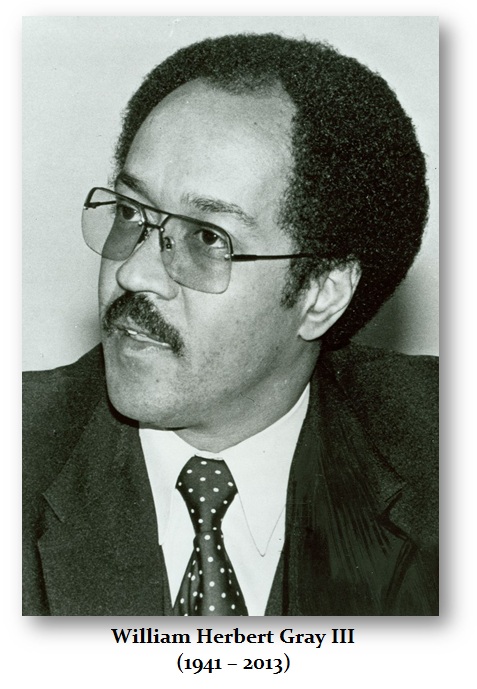
Most people are unaware of the EXTREME DANGER posed by the Pharmaceutical Industry and their effort to force vaccines on the entire population by law and at the same time to exempt themselves from any liability. In 1987, Democrat William Herbert Gray sponsored H.R.3545– Omnibus Budget Reconciliation Act of 1987. Stuffed in this act was the amendment to exempt the Pharmaceutical Industry from all liability for killing children with even untested vaccines. This is the way corruption flourishes in Washington. It is a major reform we desperately need. They can stick in a bill something that has absolutely nothing to do with the purpose of the bill and the law is thereby changed and it is bought and paid for against the people.
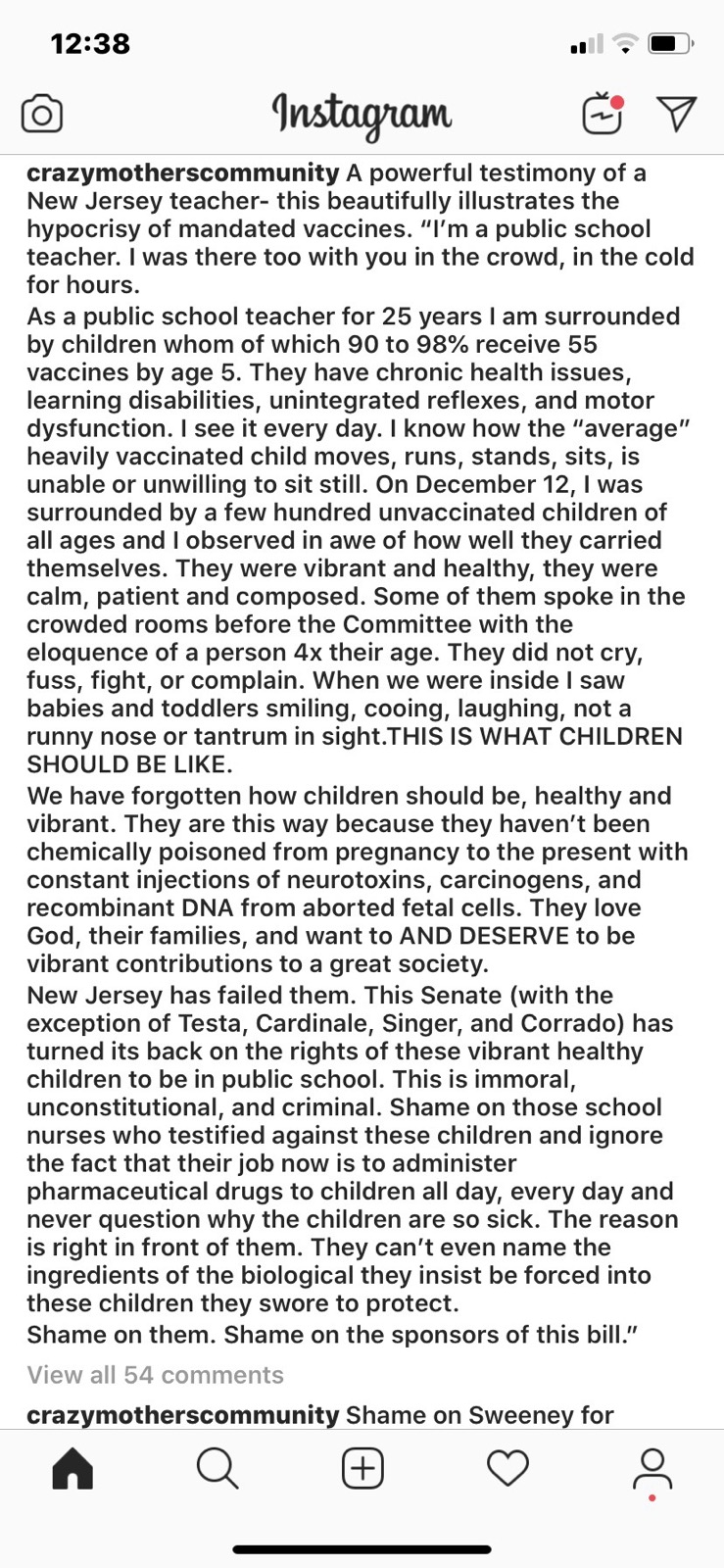
Now in New Jersey, the Pharmaceutical Industry has bought the Democrats again bribing the politicians, and they have removed those who have opposed the Pharmaceutical Industry from any position on the committee. The Pharmaceutical Industry has launched an all-out effort to deny both human rights and parental rights with respect to their children. New Jersey is considering that all children must receive a battery of vaccines all at once if they do not have them before children can go to school. Parents are to be denied any right under penalty of law to object. The Pharmaceutical Industry poses a MAJOR THREAT to society because they have bribed Congress to EXEMPT them from all liability for even killing children who would not respond to a vaccine. Vaccines are by no means 100% safe. Perhaps the majority will have no adverse reaction, but giving them complete immunity for failing to even test to see which children would be at great risk of a vaccine is unthinkable for any politician.
My parents had me vaccinated and there was no problem. I took my children and they were vaccinated without an issue. That does not mean there are no risks and when I or my children were vaccinated, nobody ever said anything about the risk of death. Plus I do not recall more than 10 vaccines – not over 50. On top of that, they are presented as “free” because the government pays 100%. Even if you are on Medicare, they cover the annual flu shot. The Pharmaceutical Industry has a subsidized guaranteed income thanks to government and then they can’t be sued.
I will normally take the flu vaccine, although the benefit of getting the flu was the last time I lost ten pounds and caught up on much-needed sleep. That personal experience aside, the troubling part of this debate lies in buying politicians proving that corruption has to stop. We live in a Republic, not a Democracy, which means these politicians do as they are told by party leaders and are up for sale to the highest bidder. When the money is too overwhelming to ignore, then corruption flourishes. The Congress in Washington actually made law:
No vaccine manufacturer shall be liable in a civil action for damages arising from a vaccine-related injury or death…
Our wonderful Congress has ensured that they have placed the lives of our children at risk and that they have denied our basic human rights. They passed a law that the Pharmaceutical Industry CAN NEVER be sued for any damages or even the death of a child. That means they have NO incentive to test or ensure that a vaccine even works. Why should they take any steps to make sure a vaccine is safe when they have total immunity?
There are children who have died from vaccines. Instead of conducting studies to determine which children should NOT be vaccinated, they bribed our politicians for complete immunity and then are moving state by state to COMPEL parents to get vaccines or to authorize schools to vaccinate children without parental consent. Those in New Jersey can write to the governor if you don’t want to get out of a state that is spiraling nowhere but down
This is WRONG on so many levels and it violated every principle that stood behind the Constitution. ANY politician who votes to compel parents to vaccinate and to deny any liability of the Pharmaceutical Industry should be removed from office and denied all benefits they vote for themselves for life. It is this type of corruption of putting children at risk for money that exposes the vilest level of corruption possible. There have been no deaths from measles, but more than 100 children have died from the vaccine.
New Jersey has been bought and paid for by the Pharmaceutical Industry. They will vote tomorrow that will allow schools to forcibly vaccinate all children. My strongest recommendation – get the HELL out of New Jersey, and the last American to leave, take the flag that once represented the Constitution with you!
The ONLY way to reduce this level of corruption is TERM LIMITS!!!!!! One-Time in and Out. Any politician should be PROHIBITED from voting on anything where he has received any money whatsoever or his family. Enough is enough!
I strongly suggest that parents look at their own states. The Pharmaceutical Industry is in an all-out war to increase their business no different than Forced Loans that broke the back of Germany in 1923. You cannot treat people like this and allow this level of corruption. The Democrats argue Trump should not be above the law, yet they sponsor that position for the Pharmaceutical Industry just as the Clintons sanctioned the attempt to blackmail Yeltsin and interfered in the Russian election of 2000 and then they denied students the right to declare bankruptcy on fraudulent degrees that are worthless. What the Democrats did to students, they are systemically doing to children with full immunity to the Pharmaceutical Industry as they have granted the bankers who New York will defend until the last quarter of the American public.
42 U.S. Code § 300aa–22.Standards of responsibility (a)General rule Except as provided in subsections (b), (c), and (e) State law shall apply to a civil action brought for damages for a vaccine-related injury or death.
(b)Unavoidable adverse side effects; warnings (1)No vaccine manufacturer shall be liable in a civil action for damages arising from a vaccine-related injury or death associated with the administration of a vaccine after October 1, 1988, if the injury or death resulted from side effects that were unavoidable even though the vaccine was properly prepared and was accompanied by proper directions and warnings. (2)For purposes of paragraph (1), a vaccine shall be presumed to be accompanied by proper directions and warnings if the vaccine manufacturer shows that it complied in all material respects with all requirements under the Federal Food, Drug, and Cosmetic Act [21 U.S.C. 301 et seq.] and section 262 of this title (including regulations issued under such provisions) applicable to the vaccine and related to vaccine-related injury or death for which the civil action was brought unless the plaintiff shows— (A)that the manufacturer engaged in the conduct set forth in subparagraph (A) or (B) of section 300aa–23(d)(2) of this title, or (B)by clear and convincing evidence that the manufacturer failed to exercise due care notwithstanding its compliance with such Act and section (and regulations issued under such provisions). (c)Direct warnings No vaccine manufacturer shall be liable in a civil action for damages arising from a vaccine-related injury or death associated with the administration of a vaccine after October 1, 1988, solely due to the manufacturer’s failure to provide direct warnings to the injured party (or the injured party’s legal representative) of the potential dangers resulting from the administration of the vaccine manufactured by the manufacturer.
(d)Construction The standards of responsibility prescribed by this section are not to be construed as authorizing a person who brought a civil action for damages against a vaccine manufacturer for a vaccine-related injury or death in which damages were denied or which was dismissed with prejudice to bring a new civil action against such manufacturer for such injury or death.
(e)Preemption No State may establish or enforce a law which prohibits an individual from bringing a civil action against a vaccine manufacturer for damages for a vaccine-related injury or death if such civil action is not barred by this part.
(July 1, 1944, ch. 373, title XXI, § 2122, as added Pub. L. 99–660, title III, § 311(a), Nov. 14, 1986, 100 Stat. 3773; amended Pub. L. 100–203, title IV, § 4302(b)(1), Dec. 22, 1987, 101 Stat. 1330–221.)
USTR Robert Lighthizer made a rare appearance in the media to discuss the “big picture”, and some specifics, around the U.S-China phase-one agreement.
Ambassador Lighthizer notes the principle challenge is generating an enforceable set of standards -within a written agreement- between a totally controlled communist economic system (China) and a free-market system (USA). No other nation has ever tried, and there is no preexisting trade agreement to facilitate a mapping. What Lighthizer is constructing will be what all nations will start to use going forward. This is historic stuff.
Arguably, next to President Trump, USTR Lighthizer is one of the most consequential members of the administration. What he is constructing, with the guidance of President Trump, is going to influence generations of Americans.
.
[Transcript] MARGARET BRENNAN: This week, the U.S. and China agreed on the first phase of a trade deal that would roll back some American tariffs. It’s expected to be signed in early January. We’re joined now by the U.S. Trade Representative, Robert Lighthizer, the top negotiator in those talks with Chinese officials. Good to have you here.
U.S. TRADE REPRESENTATIVE ROBERT LIGHTHIZER: Thank you for having me, MARGARET.
MARGARET BRENNAN: It’s huge to have the two largest economies in the world cool off some of these tensions that have been rattling the global economy. But I want to get to some of the details here. China says still needs to be proofread, still needs to be translated. Is you being here today a sign this is done, this deal’s not falling apart?
AMB. LIGHTHIZER: So first of all, this is done. This is something that happens in every agreement. There’s a translation period. There are some scrubs. This is totally done. Absolutely. But can I make one point? Because I think it’s really important. Friday was probably the most momentous day in trade history ever. That day we submitted the USMCA, the Mexico-Canada Agreement with bipartisan support and support of business, labor, agriculture. We actually introduced that into the House and the Senate on this, which is about 1.4 trillion dollars worth of the economy- I mean of- of trade. And then in addition to this, which is about 600 billion, so that’s literally about half of total trade were announced on the same day. It was extremely momentous and indicative of where we’re going, what this president has accomplished.
MARGARET BRENNAN: Well, that is significant and I do want to get to the USMCA. But because the China deal just happened–
AMB. LIGHTHIZER: Right.
MARGARET BRENNAN: –and we know so little about it, I’d like to get some more detail from you. You said this is set.
AMB. LIGHTHIZER: Yes.
MARGARET BRENNAN: You expect the signing in early January still.
AMB. LIGHTHIZER: Right.
MARGARET BRENNAN: What gives President Trump the confidence to say China’s going to go out and buy $50 billion worth of agricultural goods because Beijing hasn’t said that number?
AMB. LIGHTHIZER: First of all- let me say first of all, I would say this. When we look at this agreement, we have to look at where we are. We have an American system, and we have a Chinese system. And we’re trying to figure out a way to have these two become integrated. That’s what’s in our interest. A phase one deal does the following: one, it keeps in place three hundred and eighty billion dollars worth of tariffs to defend, protect U.S. technology. So that’s one part of it. Another part of it is very important structural changes. This is not about just agricultural and other purchases, although I’ll get to that in a second. It’s very important. It has IP. It has- it has–
MARGARET BRENNAN: Intellectual property–
AMB. LIGHTHIZER: –technology. It has- it has currency. It has financial services. There’s a lot of very- the next thing is, it’s- it’s enforceable. There’s an enforcement provision that lasts 90 days- it takes 90 days and you get real, real enforcement. The United States can then take an action if China doesn’t keep its commitments–
MARGARET BRENNAN: Put the tariffs back on?
AMB. LIGHTHIZER: Well, you would take a proportionate reaction like we do in every other trade agreement. So that’s what we expect. And finally, we’ll- we’ll find out whether this works or not. We have an enforcement mechanism. But ultimately, whether this whole agreement works is going to be determined by who’s making the decisions in China, not in the United States. If the hardliners are making the decisions, we’re going to get one outcome. If- if the reformers are making the decisions, which is what we hope, then we’re going to get another outcome. This is a- the way to think about this deal, is this is a first step in trying to integrate two very different systems to the benefit of both of us.
MARGARET BRENNAN: But that $50 billion number, is that in writing?
AMB. LIGHTHIZER: Absolutely. So- so here’s what’s in writing. We- we have a list that will go manufacturing, agriculture, services, energy and the like. There’ll be a total for each one of those. Overall, it’s a minimum of 200 billion dollars. Keep in mind, by the second year, we will just about double exports of goods to China, if this- if this agreement is in place. Double exports. We had about 128 billion dollars in 2017. We’re going to go up at least by a hundred, probably a little over one hundred. And in terms of the agriculture numbers, what we have are specific breakdowns by products and we have a commitment for 40 to 50 billion dollars in sales. You could think of it as 80 to 100 billion dollars in new sales for agriculture over the course of the next two years. Just massive numbers.
MARGARET BRENNAN: And that is important in no small part because also this is a key political constituency for President Trump going into the election, to take some pain off of American farmers who’ve been feeling it pretty strongly. I mean, the USDA projects that the soybean market won’t recover, I think til 2026 because of the damage that has been done to it.
AMB. LIGHTHIZER: Listen–
MARGARET BRENNAN: Is that- how much of that, that political calculus, factored into the agreement to do this in phases? Because you didn’t want to do it in phases.
AMB. LIGHTHIZER: Well, it was MARGARET–
MARGARET BRENNAN: The Chinese did.
AMB. LIGHTHIZER: It was always going to be in phases. The question was, how big was the first phase? Anyone who thinks you’re going to take their system and our system that have- that have worked in a very unbalanced way for the United States and in- in one stroke of the pen change all of that is foolish. The president is not foolish. He’s very smart. The question was, how big- how big was the first phase going to be? This is going to take years. We’re not going to resolve these differences very quickly. On the agriculture point, that’s a good point. Let me say this. If you look at American agriculture in between USMCA, which is Canada and Mexico, China, Japan, Korea, we have rewritten the rules in favor of American agriculture on more than half, 56 percent, of all of our exports from agriculture. This, over the course of the last year, what this president has accomplished in this area, is remarkable. And you’re already- any one of these deals would have been monstrous. And the fact that we have all of them together–
MARGARET BRENNAN: Right.
AMB. LIGHTHIZER: –is- is great for agriculture.
MARGARET BRENNAN: I just want to button up on China, though, because the promise here was to do the things that American businesses have been complaining about for years–
AMB. LIGHTHIZER: Absolutely.
MARGARET BRENNAN: Not just the intellectual property theft, but subsidizing corporations in China in an unfair way for Americans. Cybertheft. None of that’s here.
AMB. LIGHTHIZER: Well–
MARGARET BRENNAN: That’s phase two. When do you start negotiating that?
AMB. LIGHTHIZER: So let me say first of all–
MARGARET BRENNAN: Is there a date?
AMB. LIGHTHIZER: Let’s talk about what’s here rather than what’s not here.
MARGARET BRENNAN: But that’s huge.
AMB. LIGHTHIZER: Absolute rules on–
MARGARET BRENNAN: That’s what President Trump said this whole trade war was starting on.
AMB. LIGHTHIZER: Look at tech- tech transfer is huge. That’s what’s in the 301 report. Look, we had a plan that- the president came up with a plan. We’ve been following it for two and a half years. We are right where we hope to be. Tech transfer, real commitments, IP, real specific commitments. I mean, this agreement is 86 pages long of detail. Agricultural barriers removed in many cases, financial services opening, currency. This is a real structural change. Is it going to solve all the problems? No. Did we expect it to? No. Absolutely not.
MARGARET BRENNAN: Do- the president said those talks in to start immediately, though. Do you have a date?
AMB. LIGHTHIZER: We don’t have a date, no. What we have to do is get this- we have to get the- the final translations worked out, the formalities. We’re going to sign this agreement. But I’ll tell you this. The second Phase 2 is going to be determined also by how we implement phase one. Phase one is going to be implemented right to the- right down to every detail.
MARGARET BRENNAN: I want to–
AMB. LIGHTHIZER: It really is a remarkable agreement, but it’s not going to solve all the problems.
MARGARET BRENNAN: Well, we need to take a short break. We’ll be back with US Trade Representative Lighthizer in a moment.
*COMMERCIAL*
MARGARET BRENNAN: Welcome back to Face the Nation and our conversation with US Trade representative Robert Lighthizer. Let’s talk about the other agreement. The House is set, Democratic controlled House, is set to vote on the USMCA, the free trade deal with Mexico and Canada that’s been rewritten. This is a win for the president to get this through, but Nanc- Speaker Pelosi and her caucus did have some last minute maneuvers here. Speaker Pelosi is quoted as saying we ate their lunch when it comes to the Trump administration.
AMB. LIGHTHIZER: So–
MARGARET BRENNAN: How do you respond to that?
AMB. LIGHTHIZER: We had a great–
MARGARET BRENNAN: You made some concessions to labor here. That was not insignificant and it did irk some Republicans.
AMB. LIGHTHIZER: So- so- so let me- let me make a point about that. We had an election and the Democrats won the House, number one. Number two, it was always my plan and I was criticized for this, as you know, it was always my plan that this should be a Trump trade policy. And a Trump trade policy is going to get a lot of Democratic support. Remember, most of these working people voted for the president of the United States. These are- these are not his enemies. So what did we concede on? We conceded on biologics. Yes. That was a move away from what I wanted, for sure. But labor enforcement? There’s nothing about being against labor enforcement that’s Republican. The president wants Mexico to enforce its labor laws. He doesn’t want American manufacturing workers to have to compete with people who are- who are operating in- in- in very difficult conditions. So there’s–
MARGARET BRENNAN: But you don’t think there’s a political cost because Republican senators were annoyed to be cut out of this last phase?
AMB. LIGHTHIZER: Look it there are- there are always process issues. This bill is better now with the exception of biologics, which is a big exception. With the exception of biologics, it’s more enforceable and it’s better for American workers and American manufacturers and agriculture workers than it was before. For sure.
MARGARET BRENNAN: Mr. Lighthizer, Thank you very much for joining us.
National Economic Council Chairman Larry Kudlow appears with Maria Bartiromo to discuss the ratification of the USMCA and the U.S-China “phase one” trade deal.
.
USTR Lighthizer appeared on CBS to discuss the China agreement, he goes into more detail. That conversation is coming next.
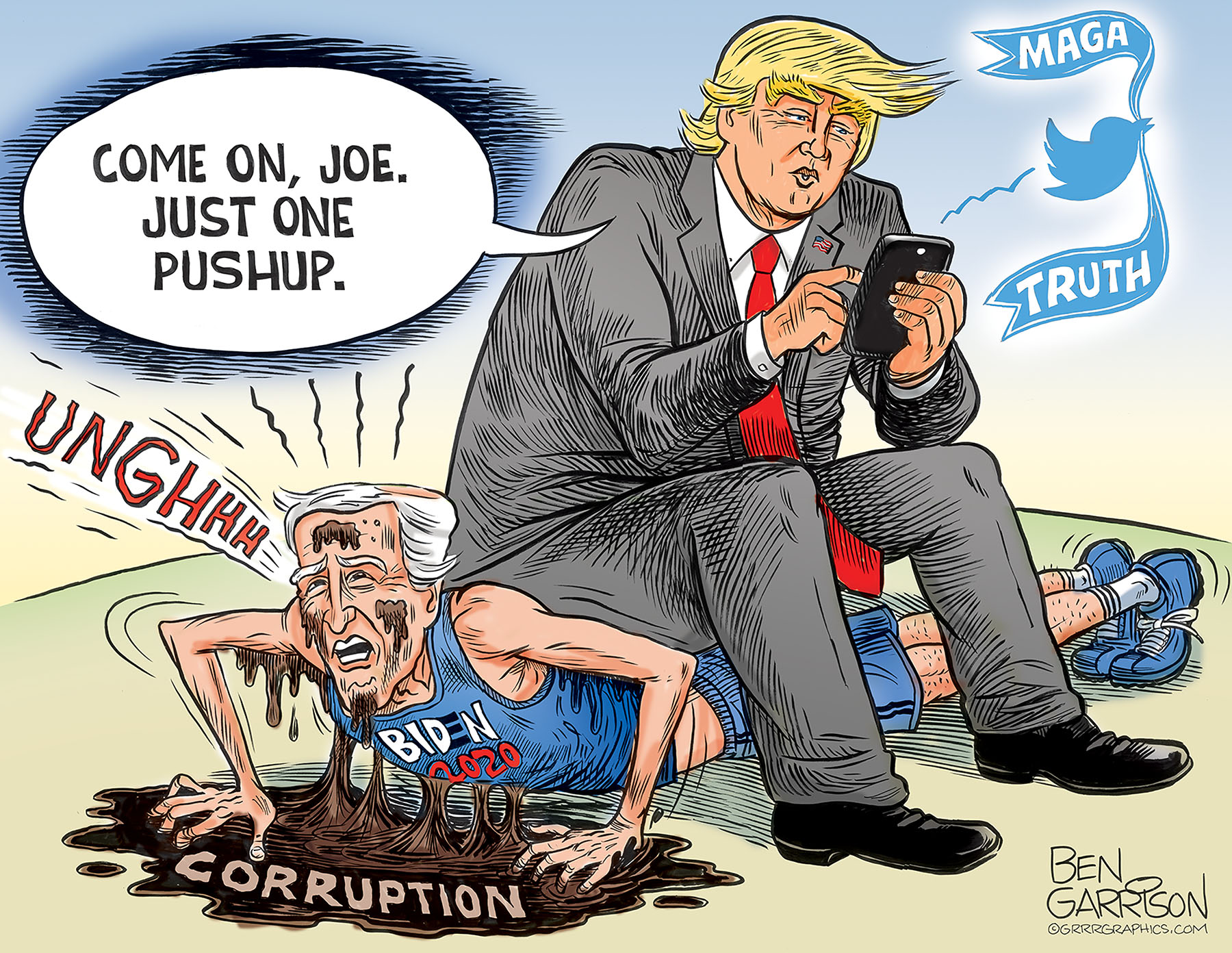
Rudy Giuliani went to Ukraine and reported back to the president. He has plenty of evidence in hand, and it’s obvious to anyone with a brain—Creepy Joe Biden is corrupt to the marrow.
Biden’s son, Hunter, landed a $50,000 per month position with Barisma, a corrupt Ukrainian gas company. Even though Hunter’s experience amounts to nothing more than sniffing cocaine and impregnating stripper club girls, he was appointed to the board of a company to which had zero experience.
It’s graft, folks. You know it, I know it, Trump knows it, and soon everyone will know it. It’s why the Democrats want to impeach Trump. They know it runs deeper than Biden. Too many Democrats dipped into the corruption trough made possible under Obama. The Democrats are rotten to the core, and that’s why the impeachment procedure is happening. It’s their last, dying gasp to stop people from seeing just how swampily rotten they truly are.
I have created this site to help people have fun in the kitchen. I write about enjoying life both in and out of my kitchen. Life is short! Make the most of it and enjoy!
This is a library of News Events not reported by the Main Stream Media documenting & connecting the dots on How the Obama Marxist Liberal agenda is destroying America





 Centinel2012