The Economic Confidence Model & Why there are 6 waves


QUESTION: Dear Mr. Armstrong,

Firstly – sorry to hear about the passing of your mother.
Secondly – thank you very much for reading and answering questions.
My question – what is the significance of the six repetitions in the ECM? Six 8.6 years make a cycle and six of these make a larger cycle and then six of these make a super-cycle. Why six? Why not five or seven? Can you explain the significance?
Thank you
g
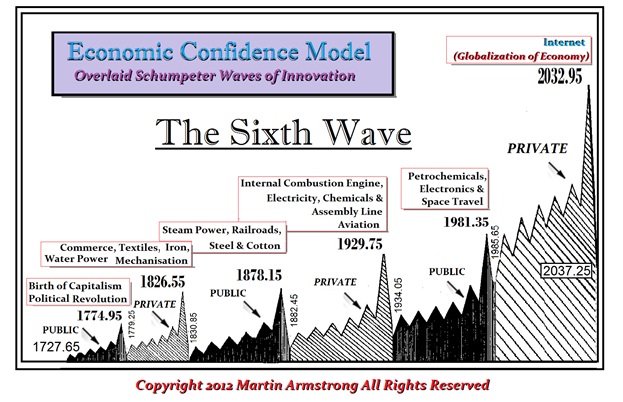
ANSWER: The Economic Confidence Model is actually a three-dimensional wave structure. The volatility is a different frequency and that is what determines the number of 8.6-year waves for this is building in intensity. What you get at the end of these 51.6-year waves is very profound. After the 1774.95 peak, we end up with a revolution against the monarchy. The next wave peak in 1826.55 Russo-Persian War, 1826-1828, Greek War of Independence, Battle of Monte Santiago between Brazil and Argentina, Mexican Constitution is formed, the Maryland Democratic Party begins creating the confrontation between the Democrats and Republicans (South v North), and even Thomas Jefferson and John Adams both died on the 4th of July 1826 (1826.50) whereas the peak of the wave was July 19th. The next wave 1878 saw the Long Depression which was called the “Great Depression” until 1929-1932. Then the next wave was 1981.35 which marked the peak in interest rates even to the day. The next one will be 2032 and this will be followed by the shift from the West to the East in economic power.

The Creature from Jekyll Island – Unprofessional Propaganda Book


The_Creature_from_Jekyll_Island-2

QUESTION: Martin. Have you read the book Creature of Jekyll Island by Edward Griffin it is about the Feds and how they control? Many years ago I thought it was fiction but after reading it again it is true. My Question what can we do money will be what they want it to be the control?

ST

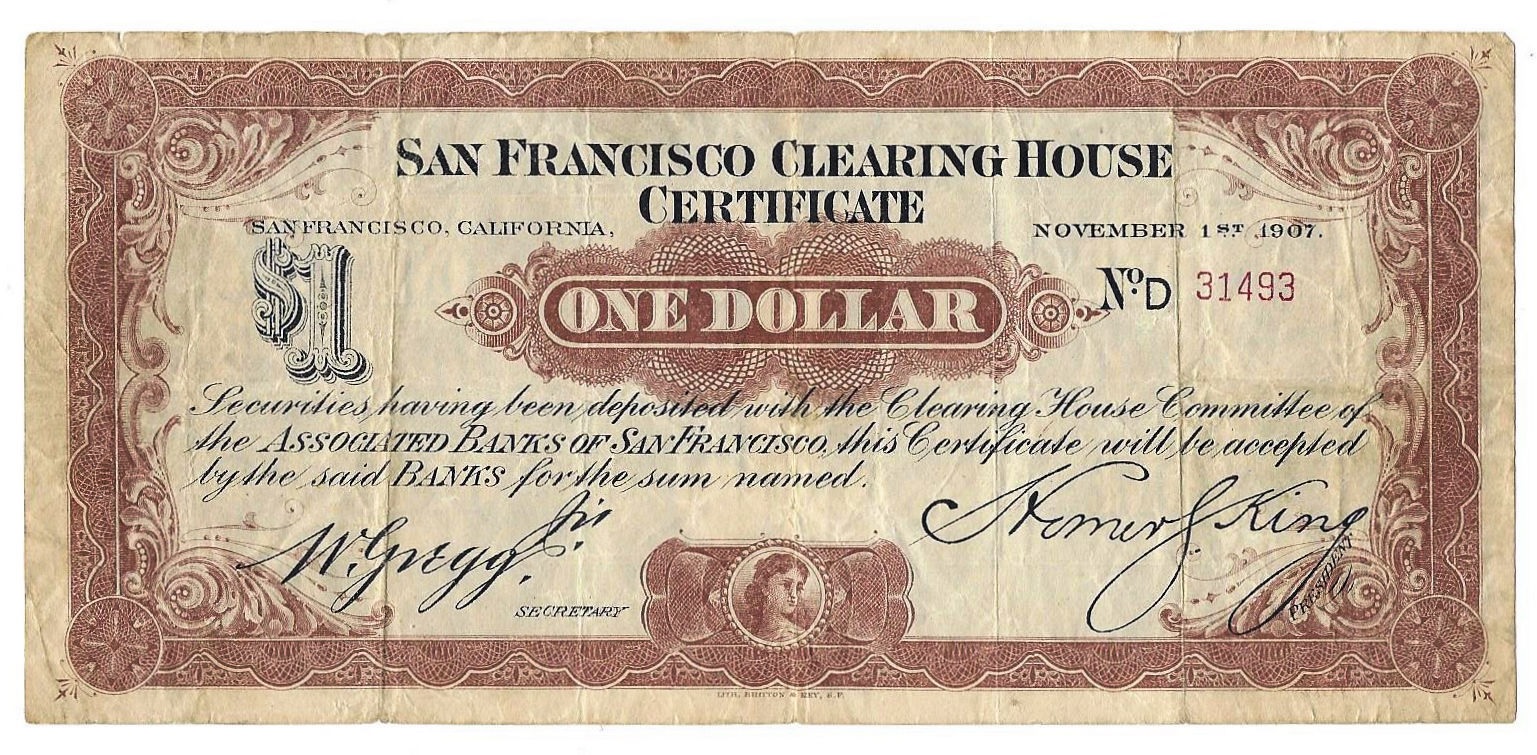
ANSWER: The book you refer to is propaganda. There are quotes in there that he simply made up about the Rothschilds. Go ahead and try and find the source. I have written about this before. That book is highly dangerous for it completely misrepresents and fails to understand that elastic money began in the 1850s and was created privately by clearing houses. It worked perfectly fine and it was not economically disastrous but BENEFICIAL!

The ability to create money by the Federal Reserve is essential. However, that design was directly beneficial for it would buy ONLY short-term corporate paper in a crisis when banks could not lend. Buying in corporate paper saved jobs. The key was a simple fact it was corporate and NOT the government. Corporates have to pay back – the government does not.

It was not that the Fed was evil, it was that the Fed was usurped by Congress during World War I and directed to buy only the paper of the government. It was that aspect that has altered the role of the central bank and is demonstrated who the ECB in Europe now own 40% of all government debt and they cannot stop without creating a crisis.

The Creature of Jekyll Island advocates what Jackson did, and that will lead to a massive Sovereign Debt Crisis among the States and undermined the entire economy both domestically as well as internationally. That is by no means the answer. The answer lies in the curtailment of politicians. The banks owned the Fed BECAUSE it was a bailout system that they paid into. It was never intended that taxpayer money would be used to bail out banks. Once the banks became the seller of government debt, they then had a grip on government and with the Fed only buying government debt, the entire system is nothing like the intended design.

Interbank Market Collapsing


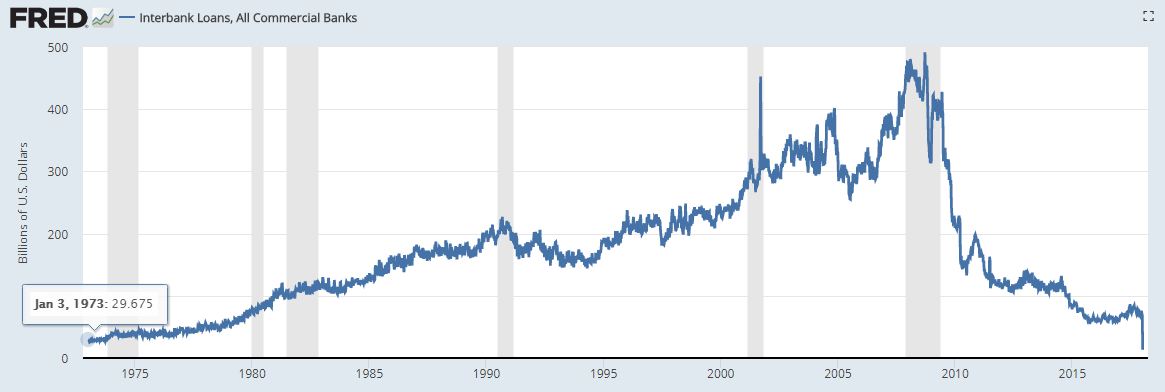
QUESTION: Mr. Armstrong; Has interbank lending collapse due to a lack of confidence concerning counter-party risk?

Thank you for being a rare source with experience

ER

ANSWER: Yes that is a correct statement. The failure of Lehman and Bear Sterns was the result of interbank lending when they could not make good on the collateral they posted the day before in the REPO market. Then we had the collapse of MF Global, which was also a loss linked to the overnight markets. Now mix in the LIBOR scandal and banks were scrutinized for manipulating LIBOR rates in the interbank market.

The interbank lending market is a market in which banks extend loans to one another for a specified term, typically 24 hrs. Most interbank loans are for maturities of one week or less, the majority being overnight. Such loans are made at the interbank rate (also called the overnight rate if the term of the loan is overnight).

The collapse of this market is a clear warning that liquidity is extremely vulnerable. When crisis strikes, liquidity will simply vanish entirely. This warns that volatility will rise sharply and it appears to be predominantly focused in on the debt market.

The Analysts Are Turning Back to Bearish Again


CNN Money is reporting the headline “A top JPMorgan Chase executive is warning that stocks could fall as much as 40% in the next few years.” CNN reports that Daniel Pinto, JPMorgan’s co-president, said on Bloomberg Television he believed that market gains should continue for the next year or two. However, he added that investors were nervous could result in a “deep correction” of between 20% and 40%, “depending upon the market values at the time the downturn starts.”

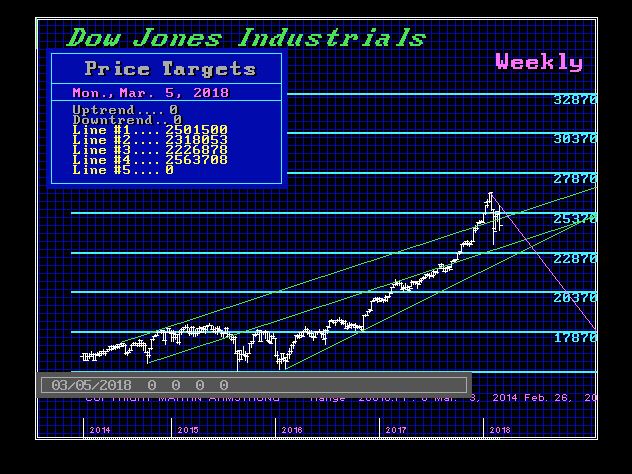
Indeed, this was the pause we were looking for from January. We did not see a collapse as in terms of 1987. Instead, this is simply the transition period where the marketplace must come to grips with a Sovereign Debt Crisis and that means rising interest rates will devastate the bond bubble. So exactly how does that equate to a 40% decline in equities?

What is clear is that the initial stages of this consolidation period involved the marketplace coming to grips with the shift from PUBLIC to the PRIVATE rationale. In other words, inflation, rising interest rates, the rapid rise in interest rates, explosion in public debt, and the inability of governments to fund their never-ending deficit spending at the federal, state, and local levels. Then as the economy begins to worsen, this will also historically lead to trade wars.

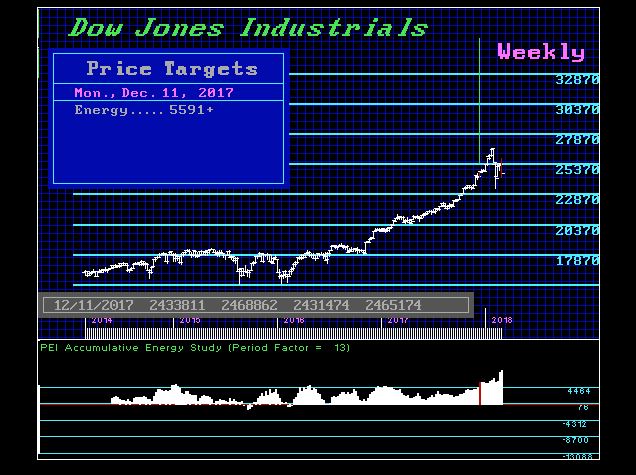
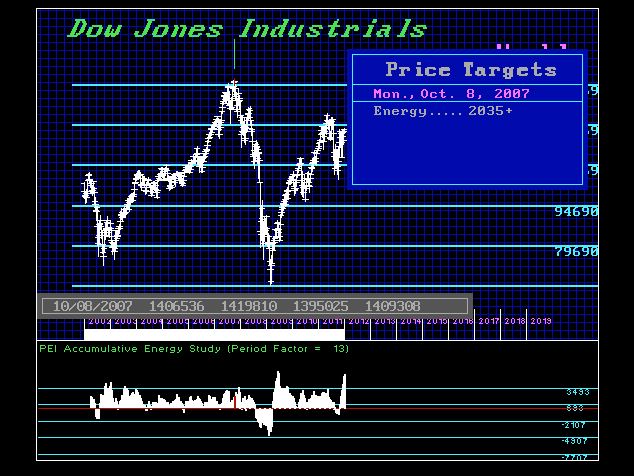
This is good news. We need the majority of analysts to turn bearish in order to restore the upward bias we have enjoyed for the past 8 years. We can see that our Energy Models are not in a position for a major high. They have been rising, not declining as new highs were made. This strongly suggests we will still see higher highs in the years ahead. The more analysts we get back to bearish, the strong the breakout to the upside later on.