Diamonds replacing Gold?


There has been an effort to use diamonds in place of gold since you can travel with them without setting off metal detectors. But the real problem has been the untrained eye can easily be fooled. The Singapore Diamond Investment Exchange (SDiX), has launched a new product they hope to compete with gold. Perhaps this may have some traction, but again, it is hard to see how this will really compete with gold unless someone is trying to move money from one country to another.

Saudi Arabia in Search of Cash


QUESTION: I read your blog about the Saudi’s potentially selling a large private equity position from China in Aramco rather than accessing the public markets. You have pointed out the need for the Saudi’s to modernize their economy to be less dependent on oil income and to monetize that resource for capital improvements/diversification, but how do they do that without giving away to much control over their oil resources to China?  Wouldn’t a single significant stake by a private investor (country in this case) give up to much control over their single greatest resource (at least for the immediate future)?  I’m thinking of the disaster that is Venezuela as an example of the poor employment of foreign investment.
ANSWER: I fully understand your point. However, the Saudi’s need money. They spent too much money expecting oil to be $200 forever. They are now starting to issue bonds. Saudi Arabia has peaked economically and looks at UAE and sees the diversification. But Saudi Arabia would have to relax their religion. Here is a picture I took on the beach in Abu Dhabi. They are tolerant of Western Culture. You cannot create a world economy without separation of church and state.
Venezuela has always been a ruthless dictatorship. The wealth from oil never made it to the people.

Is Europe Repeating the 1930s?


Europe is now replicating the 1930s and the mistakes it made with austerity back then as well outside of Germany. Of course, Merkel has imposed the German view of austerity based on their experience but has ignored the opposite experience of the rest of Europe that led to the 1931 Sovereign Debt Crisis and mass defaults.

It was the year of 1925 when then chancellor of the Exchequer, Winston Churchill, returned Britain to the gold standard. Britain was trying desperately to reestablish itself as the financial capital of the world as if nothing had taken place. Returning to the gold standard resulted in wages being forced down to compete with America.John Maynard Keynes at the time pleaded that this was madness. The pound was overvalued against the dollar by 10% trying to reestablish confidence in Britain but the net result crippled exports and unemployment began to rise and workers engaged in strikes for having wages reduced even though the pound was worth more officially.

Churchill acted in an effort to restore Britain but he was dead wrong. Keynes proved to be correct and this lesson has still been ignored by Europe today. The overvalued pound led to deflation and ultimately forced the economic collapse in 1931. The capital was fleeing Britain and bankers were pleading for austerity to retain bond values. The Labour government collapsed and a coalition national government was formed. They ignored the pleas of the bankers and abandoned the gold standard overnight. The pound fell from $4.85 to $3.40 against the dollar.
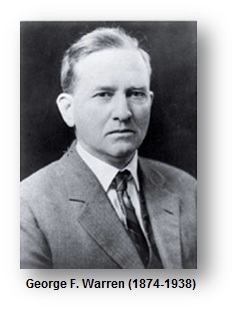
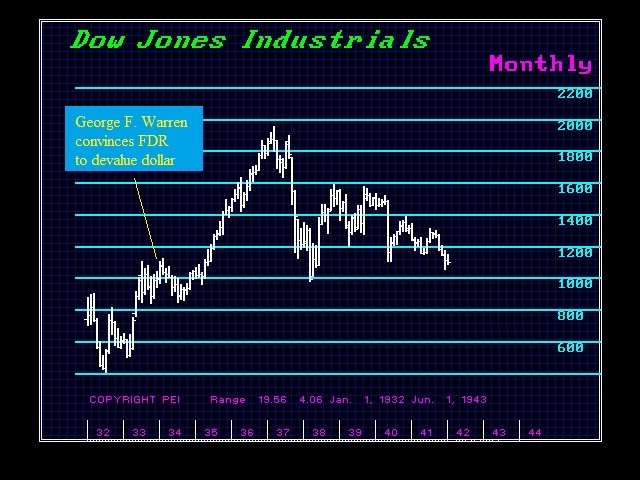
Warren-3NEVERTHELESS, despite the dire forecasts of ultimate catastrophic consequences if Britain abandoned the gold standard, the economy held and began to recover. There was no revolution in the streets as predicted. The devaluation of the pound actually stimulated the economy and the austerity crowd proved to be completely wrong. Within just four years, the British industrial production had risen by 25% and unemployment fell from 3 million to 2 million. It was this experience that provided the support for the economist George Warren (1874-1938) who convinced Roosevelt that austerity was wrong and devaluation would also kick-start the American Economy. None of Roosevelt’s Brains Trust was ever experienced in economics. Most were simply lawyers trying to get around the Constitution. They too argued for austerity as Merkel does today. However, Roosevelt looked at the events of 1925-1931 in Britain and listened to Warren. The dollar devaluation is what turned the economy around at that moment in time.
dj3242-m-warren

The USA share market began to recover from the depths of the Great Depression. History repeats, but I have stated it is like a Shakespeare play – the plot remains the same, but the actors change over hundreds of years. The lessons of history, therefore, repeat over and over again albeit by the same foolhardy reasoning.

Europe is trapped in similar orthodoxy to that of their prewar forebears. In Germany, they hold the firm belief that inflation is the greatest evil to inflict humankind. Yet the ECB has mastermind the greatest monetary expansion in history without success of stimulating anything. The policy of quantitative easing has been done only at the government level as taxes and tax enforcement has risen and thereby the people and consumption have been totally ignored for fear of inflation. This approach has created an economic nightmare that actually threatens to bankrupt the ECB. Unlike the US Federal Reserve which has the power to create elastic money, the ECB needs authority from government.

They do not flinch even when a quarter of high street shops close. They are like doctors laying the sick in the snow to see who will survive. Yet they hurl cash at friendly bankers and watch it vanish into the maws of directors and offshore speculators. And they dole out billions to prop up a euro of which they are not even members.

Keynes was right in 1925 – and proved right in 1931. Flexible exchange rates are a more painless way of forcing down labor costs and promoting trade than government austerity. Inflation is a better way of easing debt. The remedy for depressed demand is increased demand, simple as that. The risk of inflation in Britain at present is trivial compared with that of deflation and recession. And at least Britain’s currency can float. Imagine if it were part of the euro and trade had to cope with a pound probably 20% higher in value than now.

Hardly a month passes without another euro crisis and more imposed austerity. It is as if Keynes had never lived. Yet water still refuses to flow uphill. Heavily indebted countries certainly need to restructure their public sectors in the long term – and have plausible plans to do so – but they cannot repay debt, short or long term when they are in recession. Increasing unemployment and suppressing demand impedes growth and is no use to anyone.

Worse, Europe’s drawn-out austerity is undermining the very authority required to enforce it. When governments fall, no package can be enforced. Greece was forced last month into de facto default. Who would now buy a Spanish bond? What is the value of a Dutch finance minister? What price Nicolas Sarkozy’s signature on a bailout deal? As long as the euro shackles the continental economy in austerity it will never achieve political stability or a return to growth.

The euro was a Locarno dream. It was the last cry of the 20th century, envisaging a brave new order in which bankers and businessmen, workers and peasants, would stand arm in arm, singing Ode to Joy. All labor costs would become equal. There would be fiscal and regulatory integration across the entire continent. The euro would unlock the door of united states of Europe. Ireland and Greece would be to Germany what Nevada is to New York. The euro would squeeze and stretch the peoples of Europe until they were one.

This concept of a union must rank among the great mistakes of history. Like other pan-continental visions, it has proved no match for the crooked timber of European mankind. Its acolytes cannot bear revisionism or tolerate dissent. They have driven Greece into chaos and Spain into severe depression, with half its youth now unemployed. The Eurocrats do not care. Their incomes are secure. They dance only round the euro and claim its blood sacrifice. They will do anything but admit they were wrong.

The one salvation on the horizon is a true democracy. Last week the French electorate said no to more austerity and the Dutch government fell for the same reason. Spain faces a similar crisis, and the streets of Athens hold untold dangers. Even in Britain polls suggest an electorate unconvinced by the longevity of what by any standards is mild austerity. The peoples of Europe have had enough. The prospect of imposing on its nations the budgetary disciplines required for more German bailouts is unthinkable.


The Six Groups of Investors and Traders


The recent report by the Commodity Futures Trading Commission (CFTC), shows that the professional investors have continued to bet on falling Dow Jones “short” as private investors are starting to bet heavily on rising prices ( “Long”). Professional investors remain suspicious of a further rise in the US stock market. The private investors’ view is exactly the opposite. The question is; Who will be right?

There have been plenty of times that the professional is dead wrong and the average person on the street has actually outperformed the professionals. Reuters reported that 69% of hedge fund investors expected the second half of 2017 to be worse than the first half. So why are the professionals so pessimistic?

When you live and breath the market every single day, it is hard to get a grip on vertical markets. The professionals, more so that even the average street investor, tends to do worse in such markets because it makes them uncomfortable. Then there is the self-gratifying notion that the market is over when the retail invest comes in. But they tend not to look at the fact that there is a huge difference between the average retail investor and the person who has never invested who rushes in to join the party at the top simply be everybody else if there.

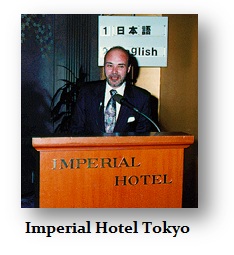
I have told the story before how I was doing an institutional only seminar in Tokyo at the Imperial Hotel. This individual bribed someone in the hotel to get in. He came up to me and apologized offering to pay. He said he just had to speak to me. I asked him what was the problem, He explained he had bought the Japanese share market on the very day of the high and now it was crashing. His investment was $50 million. But the intrigue came when he said it was the first time in his life he had purchased any stock. He then had my attention since I was talking to the guy who bought the high.

I asked him what made him buy that day for the first time in his life? He said brokers had called him every year saying the Nikkei rallied on average 5% every January with the New Year. He watched it for 7 years and then finally bought the high. That is what I mean as the difference between the average retail investor and the fool who rushes in at the end because everybody else is there. It is when that final group of people rush in that marks the end of the market – not when simply average investors buy who follow the market generally.

We have four actual groups:

  1. smart strategic big money (long-term portfolios)
  2. professional short-term traders
  3. the day trader who thinks he is limiting his risks
  4. program traders who try to arbitrage ticks
  5. the average retail investor
  6. the fool who rushes in at the last minute

In most real good vertical markets, it is the professional short-term traders who keep trying to sell the new highs. This has been the group that has been bearish ever since 2009. They never saw new highs coming, and they still will try to sell every new high today. They falsely believe that they are “professional” and so they will be right and the average investor is the fool. But the average investor sees the trend for what it is, goes with the trend, while the short-term “professional” keeps trying to beat the market.

Usually, the day trader who thinks he is limiting his risks and the program traders who try to arbitrage ticks will typically get caught when they suddenly find the lack of liquidity traps than in a position they cannot get out of.

Dow & the Euro


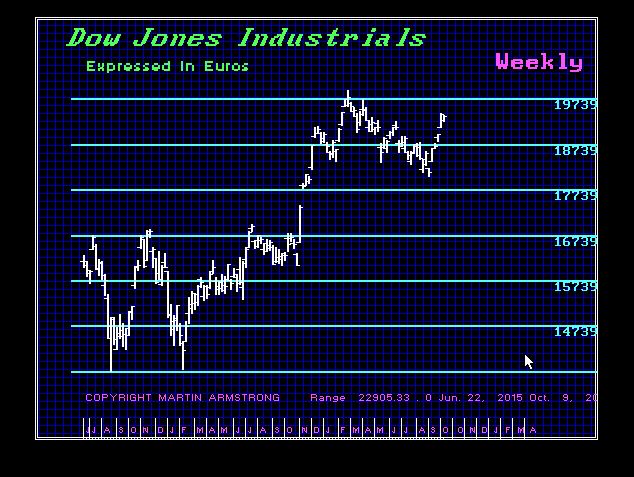
Our Capital Flow models have been spot on showing the strength of the rally in the Dow is driven by foreign inflows. We have moved right up to the Weekly Bullish Reversal in the Dow in Euro Terms. If we elect this today, expect a sharp rally to test the top of the channel we have been pointing out and our ideal number in the 23,000 zone.

Welcome to the Vertical Market. This is like a party where everyone is drunk, nobody is having a good time, and they just can’t remember exactly how they ended up here.

The crisis building in Europe is having a profound impact as real money starts to move.

October 19th – 30 Year Anniversary 1987 Crash


COMMENT: 30 years ago today I was sitting in a brokerage firm in New Castle Pennsylvania on a personal computer that had 720 K of RAM and ran at 1 GHz watching the market and sitting looking at the charting. Prices on stocks were running between 15 and 30 minutes late, nobody knew what was going on. All we knew was things were dropping, dropping, dropping and dropping, everyone was confused. It was crazy. The volume was bigger than they’d ever seen before. Therefore, they could not keep up with the bids and the ask.

I was short the market with every penny I owned and I had no idea how well I was doing. We tried calling places to get current prices if you could get through and even if you did they did not have current quotes, it was pure chaos. When the dust cleared at the end of the day the brokerage firm I was with had gone bankrupt and had lost most everybody’s money.

I had bought a ton of OEX puts and the person who owned the firm. Instead of processing them through regular channels, he decided to write against me on his own. He did not have the money to cover them. I was right on the market but wrong about who I placed my bids through. Three days later all the brokers at this firm were laid off, fired or let go… however you want to put it…. the friend who had the PC and the stock charts. I helped him move all the stuff out to his house. The next year he started his own brokerage firm.

The interesting thing is 5 to 10 days before that drop I told everybody we were in for a major crash but nobody wanted to believe me. But it was in the charts and I tried to show them this.

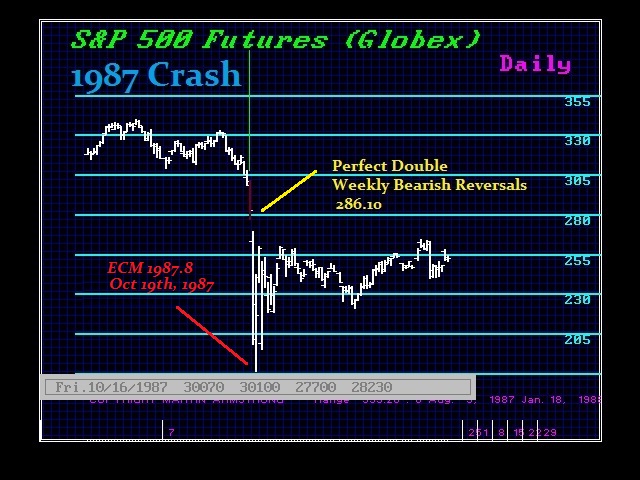
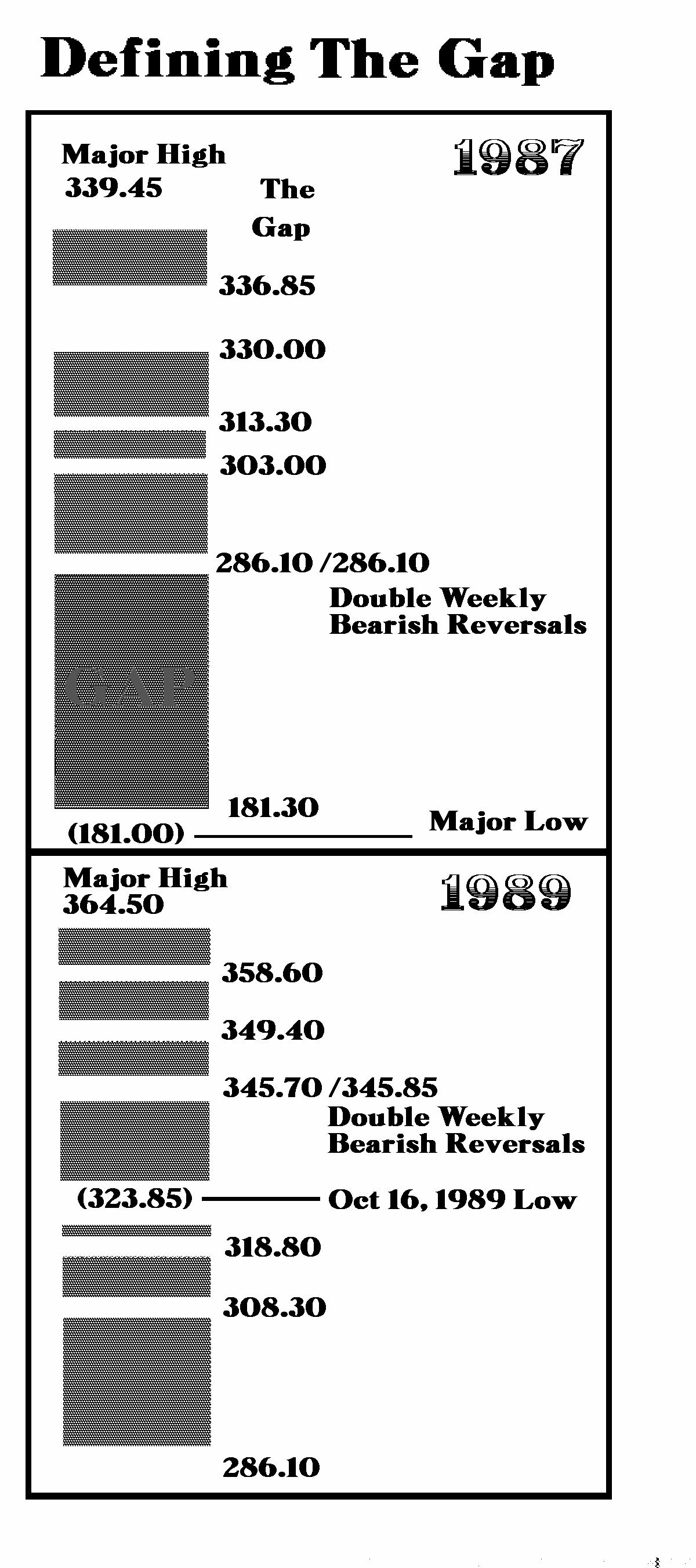
REPLY: Welcome to the old man in the corner club. You know. The old guy in the trading room who use to say this is just like 1929 when we were kids. Now we talk about 1987 which was 30 years ago. I was giving a WEC that weekend. We just elected a set of Double Weekly Bearish Reversals. The Arrays called for a low in 2 days. There were no other reversals between 286 and 180.

I remember standing up there trying to find some technical support between 286 and 180. I could not. There was nothing between the two even technically. The audience asked me what would happen? I said look, it sounds nuts, but we should move down 10,000 basis point in two days.

I myself could not believe it. But people paid me for what the computer had to say, not my opinion.

When that happened, it was right on the ECM date. It was absolutely perfect to the T.

Everyone was calling for the 1929 collapse. The model said new highs by 1989. That’s when brokerage houses were begging me to please come and speak to their retail audiences. I agreed and went to Toronto for Midland Daugherty. They filled the place with thousands of people.

Australian brokers and British brokers were all lining up to have me speak to their clients. It was all in their self-interest. They were paying back then $100k to get me to speak to their clients because I only did Institutional. It was an interesting time.

Canada’s Hunt For Taxes Turns on Minimum Wage Earners


The hunt for taxes has turned to employees of companies. Any benefit you give an employee is considered “soft-income” and is to be taxed. In the USA, the maximum value of a gift I can hand an employee is $25. I can’t even give them a decent bottle of champagne for New Years.

In Canada, this same idea of taxing any employee benefit has gone all the way to hunting the minimum wage earners. The politicians have classified any discount an employee gets as tax-avoidance and they want their nickel and dime. A minimum wage store employee who gets a 20% discount on anything the store sells or if a waitress gets a free meal while working is to be taxed. The Income Tax Act of the Canada Revenue Agency is now targeting not the “rich” but minimum wage earners since the rich are leaving. When an employee receives any sort of a discount on merchandise or a free meal because of their employment, the value of the discount is to be included in the employee’s income and taxed.

The hunt for taxes is just going to get worse until the people rise up, as they have always done, and probably start yelling the same words: No Taxation Without Representation!” Politicians are doing the same thing that sparked the French Revolution with their arrogance when taxes reduced the standard of living and people could no longer survive. The response of the government was “let them eat cake” and that did not sit very well even if those words were not really spoken – it was the rumor attached to  Marie Antoinette

Left Opposes Lowing Taxes on Rich in France to Bring them Home


An online petition from the left in France is demanding that Macrone tell the “truth” about the tax rate the top 100 French will be taxed. They refuse to look at economics and insist that whatever wealth the rich have really belongs to them. Naturally, they have already gathered more than 10,000f French signatures demanding “truth” from their government. They want to know the plans for a far-reaching abolition of the rich tax. It does not matter that so many have left France and will not return. That is always irrelevant to the left.

Fear of Heights – Vertical Markets


The rally in the US share market has been a VERTICAL MARKET as our computer has been warning would unfold. A VERTICAL MARKET is one that takes off yet leaves the vast majority behind because they just cannot believe the rally. I have been warning that this is the most hated bull market in history. The entire bull run during the 1920s was 97 months and we passed that mark last April.


They wrote the book on When Genius Failed over the Long-Term Capital Management (LTCM) debacle. People who create models make one fatal mistake – they are cheap when it comes to data. They even won the Nobel Prize for the model that blew up in the LTCM debacle. Why did genius fail? Because their model was based on data only back to 1971 when the floating exchange rate system began.

Now we have the ECB vice-president Vitor Constancio warning of the dangers of new price bubbles on the markets. Nobody seems to understand this market and they never will without a database that stretches back at least a few hundred years. You simply have to see how the market reacts under all conditions, Here t6he Dow Jones Industrial Index we extended back to 1790. The computer bought the low in 2009 and has been adding to long-term positions.

Constancio is totally clueless. He has referred the task of investigating this bubble to the regulatory authorities, which he says are known specialists in this area. Of course, if they really knew what was going on they would tell him. They also have no actual trading experience so how are they going to judge what is taking place based upon personal opinion?

The ECB’s caution has its reason becaue they too fear what is going to happen when they exit from the bond program if they even can. The program has transformed from economic stimulus to a plain outright program to reduce the financing interest rates of the over-indebted Euro-States keeping them on life-support. If this support by the ECB is eliminated, the outbreak of a new debt crisis in Europe could send interest rates soaring and a collapse in confidence in government. Therein lies the crisis. Once capital figures out that it is the governments who are in trouble, it becomes Mario bar the door!

After the WEC, we will make available for $750 – How to Trade a Vertical Market

Cryptocurrencies & the Scam


There is a serious new fraud centering around Cryptocurrencies. There have been some trading platforms set up that are suddenly changing the rules in mid-game. People who have tried to sell t6hings like Monaco Card etc. on these platforms have discovered that their accounts are frozen because they do not have the money to pay people. The excuse is they need to now suddenly PROVE who they are to liquidate. The requirements are onerous and simply a DELAY tactic. These platforms are a FRAUD and should be reported to the SEC.

There was a company IGBE (International Gold Bullion Exchange) back in the early 1980s. They were offering selling gold bullion coins at the spot, which was below cost, but the catch was 90-day deferred delivery. They were actually not booking the gold and expected it to continue to decline.

Cryptocurrencies are no different from any other investment product. It is a misrepresentation that they offer an alternative to the dollar. No matter how much money one made on Bitcoin, they still have to sell it to realize that profit and how are they measuring that profit? In dollars of course.

Beware of the fraud in these trading platforms that are now suddenly freezing people’s accounts claiming security to prevent people from selling.