
Armstrong Economics Blog
Re-Posted Jul 15, 2016 by Martin Armstrong
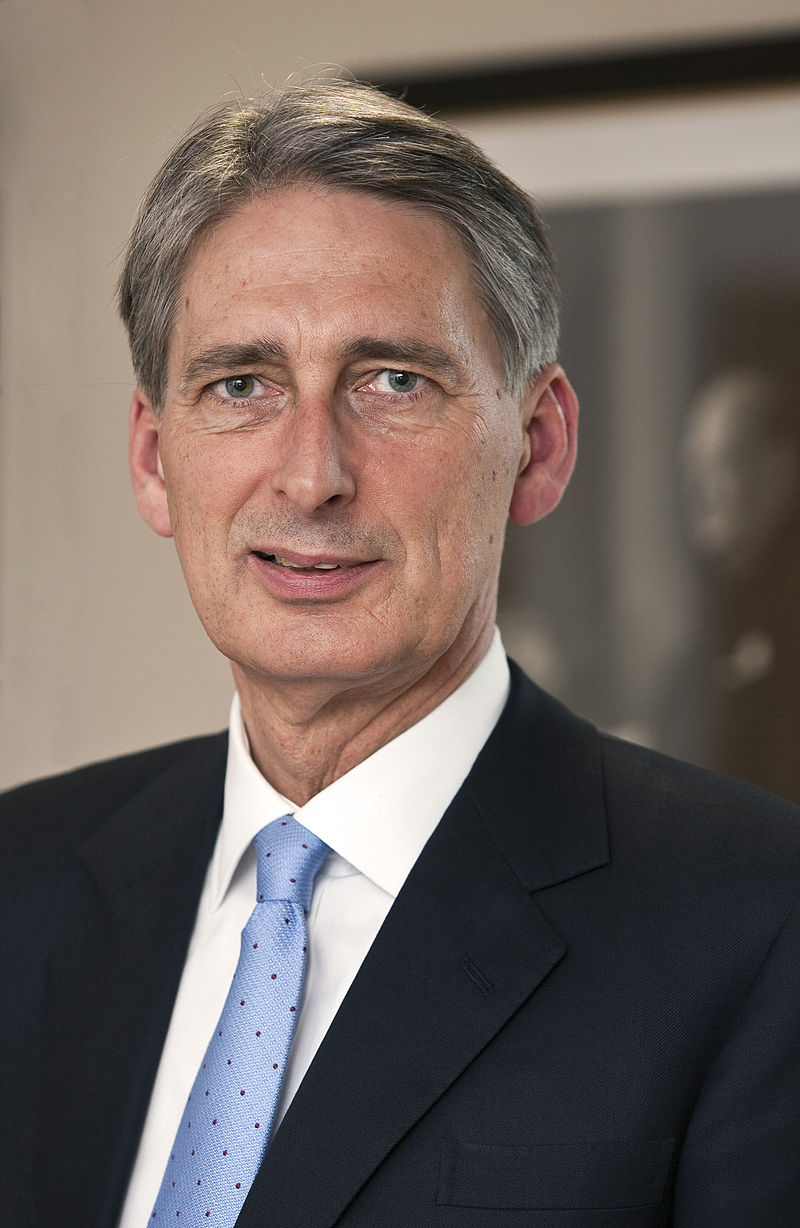
The new British Finance Minister Philip Hammond, was appoint as Chancellor of the Exchequer on July 13th, 2016. Hammond is a welcome relief and has come out and departed with Draghi and Merkel stating: “The markets need calming signals. You need to know that we will do everything necessary to keep on track the economy. “ Hammond came out and stated that it is time to rethink the economic policy of his country and in reality Europe. He stated rationally that the entire idea of austerity was the appropriate response to the financial crisis of 2008. However, Hammond stated bluntly that the world is in a completely different position today. Effectively, Hammond outright fundamentally rejected the economic policies of Angela Merkel. What we are beginning to see is an economic revolution against the idea of Merkel’s austerity programs. From Italy and France, we are also hearing the same rebellion.
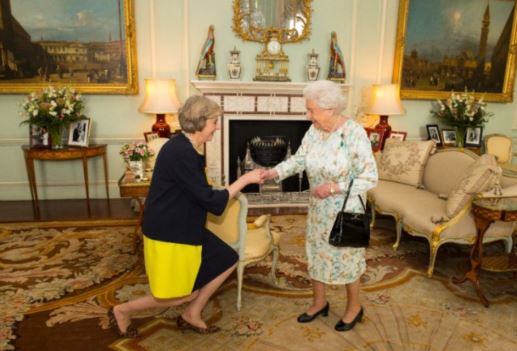
 heresa May became the new Prime Minister of Britain on Wednesday and formally met with the Queen to ask permission to lead her government. May is now embracing BREXIT as such members are dominating her cabinet and on top of that, May made the main Brexit campaigner Boris Johnson her foreign secretary. May is positioning Britain to exit the EU. This is fantastic news for Britain may survive rather than be dragged down by the collapse of the EU. This would be a restoration of economic sanity.
 Centinel2012