Socrates Progress Report


We are progressing in uploading all the memory modules. Soon, we will have all modules plugged in. I had an interesting meeting with one institution. One CFO still questioned if there was any human involvement in the reports. He said that the writing was too good for just a machine and assumed someone had to be editing them. I laughed, and explained with covering over 1,000 instruments currently and about 9,000 more to go, I asked how many people would it take to do that? There cannot be any human involvement for the sheer size of the project would consume probably every person who has ever lived that was interested in analysis.

For example, Socrates will employ technical analysis itself and write its conclusions. Once again, there is no human behind this for it would be impossible to put out over 3,000 individual reports every day using humans. This is what it wrote for the Dow Jones Industrial Index on the daily level.

After the historical high was established during 2018, a major low was created on 12/26/2018 at 2171253 which was 51 days from that major high.

Meanwhile, the Downtrend Line from that major high of 2018 to the subsequent reaction high of 2627782 formed 26 days thereafter resides at 2404847. This had provided the original technical resistance which has been exceeded and can potentially become support going forward. The post high low was established at 2171253. We have not elected the two short-term Bullish Reversals from that important post high low on the daily level but we have elected both the long-term Bullish Reversals.

The more recent Downtrend Line constructed from the last high of 2624142 to the subsequent reaction high of 2615598 stands at 2608763 while drawing a channel provides us with support at 2557422. The market has already penetrated intraday this support provided by the bottom of the channel. However, the market has bounced back and closed above it warning that it is holding right now.

The whole object here is to provide consistent analysis that is FREE from any human bias, conflict of interest, or personal opinion. Here you have Larry Williams stating that they cannot forecast the economy because it is far too complex like the weather.  I believe even our forecasts on the downturn toward cold rather than warm has been correct and it has done so years in advance. ONLY by connecting everything globally can we see the real trend.

It is my hope that Socrates will provide the best management tool for society moving into the future. Kind of like the Biblical story of Joeseph and the Pharoh when he forecast 7 years of plenty followed by 7 years of drought. We cannot alter the cycles in motion and we should not try as Marx and Keynes did. We should understand the trends and prepare thereby living with them in harmony. The weather is turning toward global cooling. This is when disease increases (plagues) set in motion by malnutrition. If we understand the trend, we simply prepare for it instead of blaming everyone else but reality.

The BP Oil Spill was a disaster. However, any company that could show it had a loss in 2008 got in line with their hand out and were paid. They did not have to show any connection to the oil spill that caused their loss. The 2007-2009 economic decline produced losses by itself. There is always someone who has to be blamed.

The Red Tide of 2018 actually disrupted more businesses than the BP Oil Spill. But the Red Tide could not be blamed on a single company with deep pockets. You could not sue God or nature. A simple model on Red Tide demonstrated it was not farmers and chemicals but a 13-year cycle. On top of that, such events extended back to 1648 and predate chemicals or the Industrial Revolution.

While there are people in New York who hate our models because when they have lost big time in their attempts to manipulate markets like 2007-2009, they turn to blame our model claiming we are always too influential. They shift the blame rather than admit that their own corruption has led so many times to blow up the world economy. If we really understood the world and how everything is connected, we could manage the economy far better and even eliminate war which seems to rise as a means to shift blame to someone else when it is often our own governments that skew everything up.

This is what I hope to leave behind.
 

Socrates’ Forecasts Are Already Identifying the Approach of a New Business Cycle


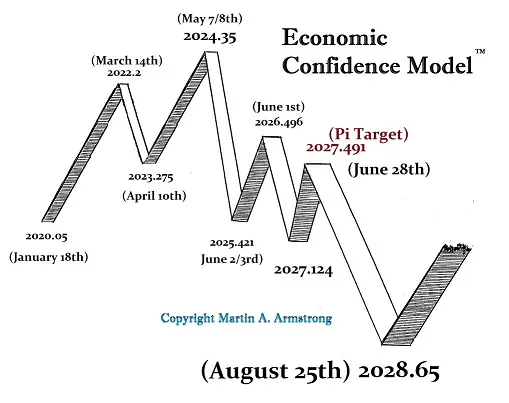
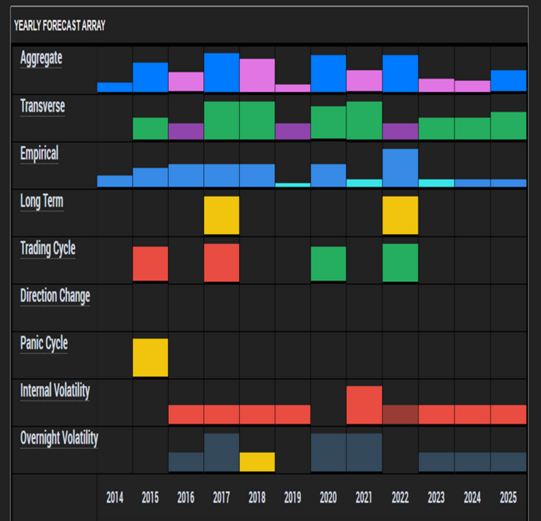
The Socrates’ Array on Vancouver real estate published back in 2015 picked the high in 2017 and the crash into 2019. The high in the top line was forecasting 2017 rather nicely. Note that things begin to change in 2020-2021. Not that prices in real terms rise, but this is lining up with the ECM turn in January 2020 and the start of a new business cycle. This next one will be more dominated by the decline in confidence in government and the rise of political tension that will be worldwide from separatist movements to the fracture of political parties.

No matter where we look, markets are beginning to reflect a new business cycle is approaching. While this will be one of the focuses at the upcoming Rome WEC May 3rd/4th, the shift in global trends is really amazing. We will also be providing a training session on Channel Moves, which in themselves, is rather rare.

World Economy – Which End is Up?


QUESTION: Hey Martin
First of all, great work with the new Socrates. Thank you very much for getting it to us.

You have said that rates are exploding with fed raising rates for the pension funds and because of the lost confidence in government, at least here in Europe.
Am I correct when I take what you have said, as European, to invest in short term US government paper, short term US corporate paper?
That way I won’t get much yield but I get to benefit from the currency also?
Isn’t floating rate paper also good in times like this?

I also get that there is no other place, so the Dow will go up so I want some exposure to that also?
The commodities are bottoming in 2020 so I want to get some exposure to them also?
But how about real estate?

We as small investors don’t have any other choice but REITs, especially apartment REITs and you have talked against them, saying that they are volatile. So is it best to AVOID REITs and that way real estate all together?
Even if it is a hard asset and a inflation hedge? Also as a European it would not hurt to have some USD income?

With the taxes going up and socialists getting in to power all over I guess it is better to invest in accumulating funds instead of distributing ones?
If you could please find the time to comment on this. I know that there are lots of people asking the same questions as I am.

JP

ANSWER: We are all connected. There is no possible way for any country to move counter-trend to the whole. The European Central Bank and the Bank of Japan have destroyed their bond markets. Their stupid idea of Quantitative Easing and lowering rates to zero and negative was under their theory that people would borrow if it was cheap enough. Over the years, I have received calls from banks asking me if I wanted to borrow money. They call because we run high cash balances and have no debt. They always want to lend money to people who do not need it, but that then begs the question, what would I do with it anyway? If you have nothing in mind you want to buy then you are not interested in borrowing. Yes, there are margin loans for investors in shares. But I am talking about borrowing to expand or buy some business. That is what the Central Banks failed to grasp. If there is no CONFIDENCE in the future, you will not borrow at any rate.

The Bank of Japan could simply agree to tear up its federal bonds. That would impact its balance sheet whereas Japanese bonds are not really held outside the country. The ECB, on the other hand, has no such option for the debt it holds is of individual member states since there was never any consolidation of the debt federally. As far as the US Federal Reserve, its holding of federal debt is under 20% of the $22 trillion and 30% of the debt is held by foreign governments with 28% held by interagency. The US could not be saved if the Fed tore up its bonds. It is not enough.

The pension funds are also linked to government debt. Defaulting on government debt would wipe out all pension funds. The interconnectivity is not considered by so many who summarily assume we can just tear it all up.

Rates will rise to start 2020/2021 as the general public begins to see there is trouble in the wind. The Bank of Japan and the ECB have already destroyed their bond markets and there will be no going back. There will be no buyers when they need them. This is why you need to stay short-term as a buyer of debt and if you are a borrower, then lock it in for as long as you can at a fixed rate.

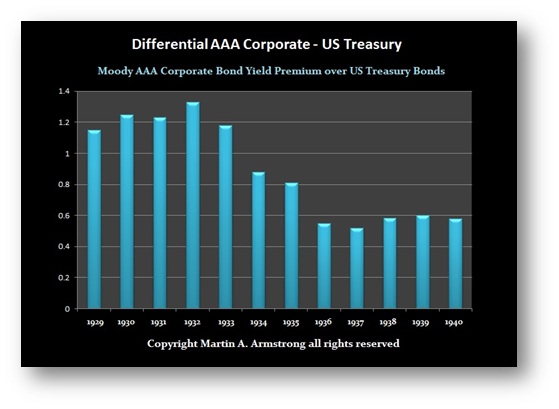
This is a cycle where governments are collapsing. Clearly, stay in the private sector.  Blue-Chip corporate debt SHORT-TERM is better than a government. Even during the Great Depression, AAA corporate debt appreciated. The spread above US Treasury dropped from about 1.3% to 0.5% and the US was the safe haven back then as well. It was Europe which defaulted along with South America and Asia.

Real Estate is not a movable asset so it can be taxed and you cannot leave. They will raise taxes dramatically trying to survive. But governments cannot avoid their collapse for nobody is willing to step up and take decisions for the long-term.

Equities are liquid. This is going to be a game between value and liquidity. Remember! The City of Detroit suspended all debt in 1937. They resumed and paid it off with cheaper dollars in 1963. So they claim they never defaulted. Liquidity is also a top priorit

Britain & Labour’s Proposal for a Permanent Customs Union


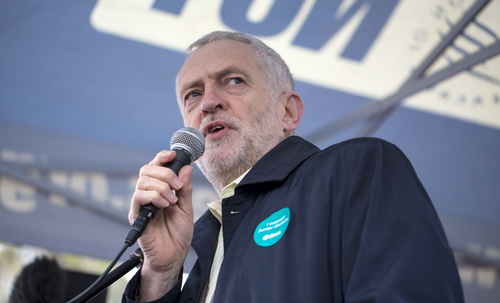
The leader of the British Labour Party, Jeremy Corbyn, is desperately trying to prevent the Labour Party from fracturing and splitting into two parties. Most Labour Party members want a second referendum in the hope that the people would vote to Remain this time around. Many Labour members remain under the impression that the policy agreed at a conference last year was that the party would support a second referendum if it could not force a general election. However, that policy maintained that as “a public vote” was one of the options that had to remain on the table.

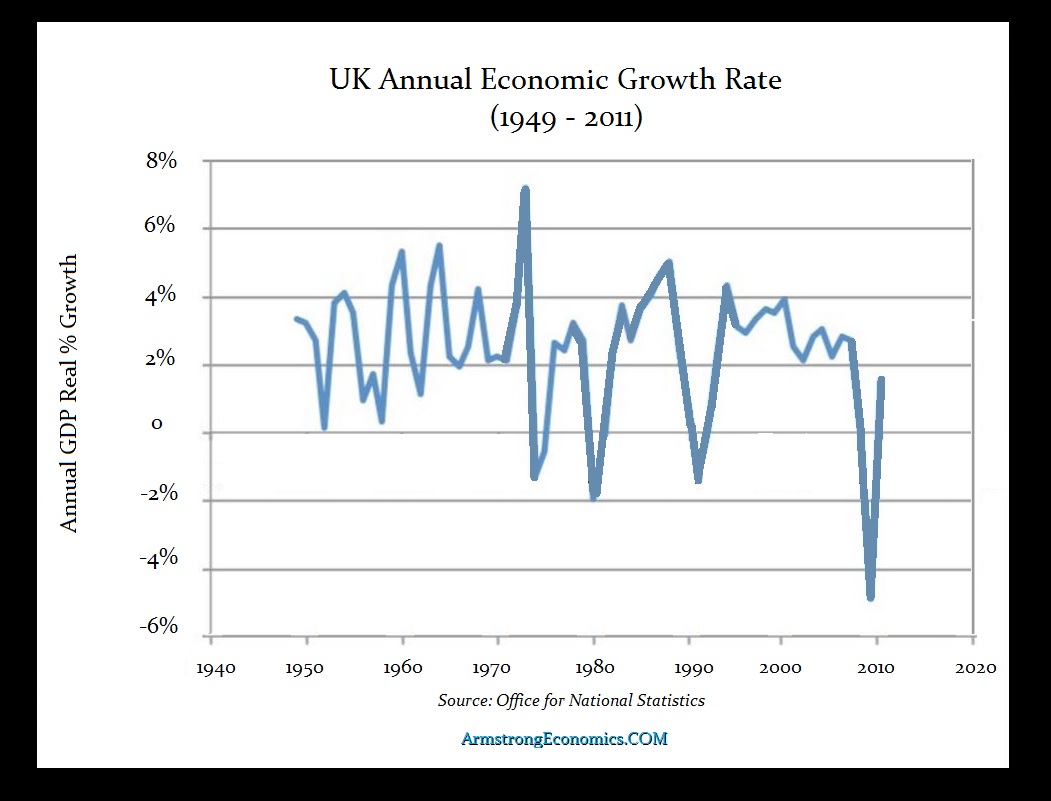
Instead of moving that option to the forefront, Corbyn has abandoned that posture and asked for a permanent customs union – one “that includes a UK say on future EU trade deals.” This means that Labour is proposing a new permanent customs union with the European Union (EU) after Brexit which would allow the UK “a say” in future trade deals. Britain never wins any trade deal anyway and it has witnessed nothing but a declining economic trend ever since it joined the EU.

Anyone who would bother to look at trade would immediately see that the EU needs the UK. The biggest market for Germany to sell cars is the UK since it maintains the old-world mercantilist economic model. That means that the UK has a better consumer market that supports Europe – not the other way around. Belgium and the Netherlands have a higher per capita income compared to Britain which is significantly higher than that of Germany. Remaining in the customs union would be a disaster. The UK could not negotiate its own deal with the USA for France would be able to veto it from the start.

European Tour – The Calm Before the Chaos?


I am writing from Frankfurt here for meetings ahead of the chaos awaiting the May elections. In Frankfurt, while the economy is clearly slowing, the financial capital is booming. New skyscrapers are rising to join those of Commerzbank, Deutsche Bank, DZ Bank, Helaba and others on Frankfurt’s skyline. This is another sign that there is a disparity between the financial world and the main street.

Nevertheless, behind the facade is a weakening banking sector that the ECB seems to be inspiring. Forcing negative interest rates where the banks must pay the ECB 0.4%, their rate of return on equity has fallen into a crash mode. The German banks’ average earnings have dwindled from once 4% back in 2010 to barely 1% into last year. Deutsche Bank, the biggest, tried to compete with Wall Street and paid the price. After four years of losses, finally, in 2018, Deutsche Bank made its first annual profit which was just a 0.4% return on equity.

As always, politics enters the game rather than logic. The German government wanted to see a Commerzbank and Deutsche Bank merge and offered some undisclosed assistance.  That assistance would most likely be writing off a portion of the 15% the German government still owns of Commerzbank, which is the legacy of a bail-out and a merger with the stricken Dresdner Bank back in 2008-2009. The government does not own shares in  Deutsche Bank.

The books of Commerzbank show the same problems as in Deutsche Bank so a merger between the two does not appear to solve any crisis. There are in addition rumors that Commerzbank is being considered by both French and Italian banks for a takeover. The prospects of a merger with Deutsche Bank from a non-German bank may be too ambitious politically speaking.

The German government is coming under great stress for the two biggest banks are not really very healthy at this moment and suitors are foreign – not German. Deutsche Bank could be merged with the French BNP, but that would be a loss of pride. Meanwhile,  the management at Deutsche Bank would prefer a deal with Switzerland’s UBS. A previous German bank, HVB of Munich, was taken over by Italy’s UniCredit. That was one embarrassment politicians seem reluctant to repeat. The bail-in policy was devised because politicians did not want to have to contribute to bank failures they saw as inevitable in Southern Europe. To have foreign banks eying up German banks, the pillar of the EU, somehow strike a deep blow into the political heart of the EU.

The ECB’s negative interest rate policy is seriously harming European banks yet they cannot figure out an alternative without having to admit there is a major flaw in the entire structural system in Europe. Forcing banks to pay the ECB to deposit reserves is really absurd.

What is most interesting is that the emotions are running high over issues such as BREXIT and the Euro Crisis. It appears that analysts from major institutions are not allowed to discuss anything to do with debt consolidation. This appears to be off the table for discussion. The proposals to create a Euro Bond are separate and distinct leaving the current national debts to be held by each member state. That hardly removes the threat of one member failure impacting the whole of the EU.

Meanwhile, there is a silent move to reduce exposure to Italian debt held by non-Italian institutions. There remains a concern that Italy could possibly follow Britain. There is growing respect that even the hint of such a possibility that Italy would withdraw from the Eurozone can result in a sharp decline in the value of Italian debt even if they never move to actually exit the Eurozone. Italy was one of the original founders of the Euro.

Overall, there appears to be a general consensus that everyone should just keep the Euro at all costs. However, without major structural reforms, it is hard to see how the problems will not take on a life of itself. The refusal to consider a debt consolidation leaves the Euro vulnerable to the politics of each member with rising popular trends in politics.

The Eurozone’s third-largest economy, Italy, already has debts of about €2.3 trillion euros, which is the equivalent to 132% of its GDP. However, it takes more than 4% of Italy’s GDP is now being used to service its debt load and this is with historically low interest rates. There are concerns behind the curtail that Italy can play a game of chicken. If they decide to leave the Eurozone, what about all the Italian debt held by the ECB? Who will lose? The Italians, Brussels or the financial markets as a whole?

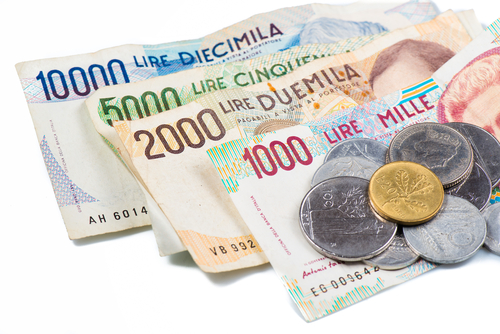
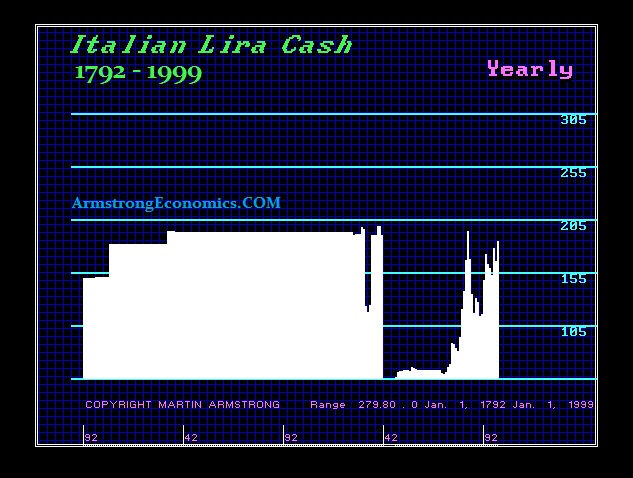
The lira was the official unit of currency in Italy until January 1, 1999, when it was replaced by the euro (euro coins and notes were not introduced until 2002). Old lira-denominated currency ceased to be legal tender on February 28, 2002. Beginning on January 1, 1999, all bonds and other forms of government debt by Eurozone nations were denominated in Euros. The value of the Euro, which started at USD 1.1686 on December 31st, 1998, rose during its first day of trading, Monday, January 4th, 1999, closing at approximately US$1.18. The Euro replaced the former European Currency Unit (ECU) at a ratio of 1:1 (US$1.1743).


Converting its national debt at 1.18, only resulted in economic chaos that devasted Italy. Whatever it owed previously in lira was suddenly now Euro. They experience their national debt doubling in real value the same as if you borrowed in Swiss franc for a mortgage that saw the Swiss franc double in value.  With the Euro trading in the 1.13 level, it is finally below the original conversion rate but even that ignores all the costs of services at high price levels.


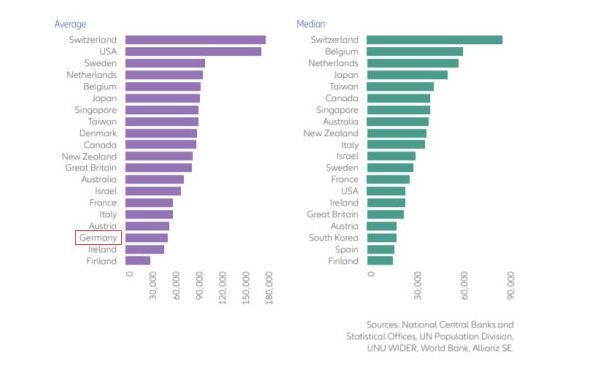
By no means did Italy benefit from joining the Eurozone. To participate in the new currency, member states had to meet strict criteria such as a budget deficit of less than 3% of their GDP, a debt ratio of less than 60% of GDP, low inflation, and interest rates close to the EU average. Both France and Germany have been over that 60% level. France’s debt is currently at 97% of GDP while Germany is at 64% of GDP. Italy is 138% of GDP and Greece is at 178%. The Netherlands is at 56.7% of GDP, Austria is at 78.4%, Belgium is at 103% while Spain is at 98%. For comparison, the USA stands at 78%. This strict criterion has really failed to work and it was all mandatory simply because they refused to consolidate the national debts from the outset.

Greece failed to meet the criteria and was excluded from participating on January 1st, 1999. Eventually, Greece joined the Euro with the help of manipulations by Goldman Sachs on June 19th, 2000 when the drachma was fixed at 340.75.

This tour here in Europe is most interesting for the concerns are rising and there is a clear flight from Italian debt. Some of the most conservative portfolios in Europe have raised their exposure to the dollar from 5% to 30% which was attributed to the significant rally in the Dow since December. We even have central banks buying gold in search of diversification and a hedge against the uncertainty on the horizon come May. Needless to say, we have selected Rome for this year’s midterm WEC for this is the center of political attention behind the curtain.

Peak in Investment Grade Corporate Debt Matures by 2021


We have a very interesting crisis building in addition to the political chaos we see coming in 2020. By the time we reach 2021, we will have over $2 trillion in investment grade corporate debt maturing. This is going to present some very interesting problems. Up to now, we have advised our corporate clients to borrow at these rates and lock it in for 30 to 100 years. The bulk of corporations, who we do not advise, funded themselves short-term. With about $2 trillion maturing by 2021, they will end up pushing interest rates higher from there onward.

GDP Release: 4th Quarter Growth 2.6%, 2018 Annualized 2.9%, 2018 Yearly Real GDP 3.1%…


The Bureau of Economic Analysis, BEA, finally released the fourth quarter growth rate estimate for 2018.  The 4th quarter growth result at 2.6% exceeded expectations, and shows the U.S. economy is growing stronger than almost all economic forecasts.

WASHINGTON DC – In the fourth-quarter, U.S. gross domestic product grew at an annualized rate of 2.6%, according to the latest data from the Bureau of Economic Analysis.

Thursday’s report beat expectations, with consensus economists polled by Bloomberg looking for growth to slow to 2.2% during the final three months of the year. The domestic economy grew at a pace of 3.4% in the third quarter and 4.2% in the second quarter.

Despite the softening in GDP in the fourth quarter, overall growth in 2018 was solid. Real GDP grew at a pace of 3.1% in 2018, measured from the fourth quarter of 2017 to the final quarter of 2018. This represented a stronger pace of annual growth than the 3% targeted by the Trump administration. (read more)

The professional political class and corporate financial media are once again trying to talk down the strength of the U.S. economy.  However, the Main Street economy is powering through despite their efforts.

There is a visible connection between the Wall Street multinationals and the financial media; both are riddled with anxiety over Trump’s economic policies that favor Main Street over Wall Street and it shows in the media coverage.  I digress.

“Consumer spending continued to grow solidly and, most encouragingly, business investment growth recovered sharply after a dip in the third quarter. Despite big external headwinds and financial market volatility in the fourth quarter, U.S. firms are not retrenching sharply on capex. Labor market strength and ongoing fiscal stimulus should see domestic demand expanding by enough to keep GDP growth above potential in 2019, despite a rising drag from net trade.”

— Brian Coulton, Fitch Ratings.

“Business investment was a big positive surprise, with nonresidential spending soaring 6.2% on the back of a 6.7% jump in equipment spending and a honking 13.1% increase in intellectual property products.”

— Sal Guatieri, BMO Capital Markets.

The rate of import goods, a deduction from GDP, slowed down between the third and fourth quarter and consumer spending was higher than anticipated.  That’s good news, but that’s not the whole story….. for Main Street it gets even better.

The current inflation rate (PCE index) was once again measured at 1.6%.  However incomes are rising faster than inflation.  This leads to more “disposable income”:

Disposable personal income increased $218.7 billion, or 5.7 percent, in the fourth quarter, compared with an increase of $160.9 billion, or 4.2 percent, in the third quarter. (TABLE 8)

(pdf – BEA source)

BEA: During 2018 (measured from the fourth quarter of 2017 to the fourth quarter of 2018), real GDP increased 3.1 percent, compared with an increase of 2.5 percent during 2017.

The Full Picture: Business investment into Main Street USA continues to increase.  Manufacturing jobs and durable good employment in Main Street continues to increase.  Wages continue to rise.  Inflation on most consumer goods remains low.  Disposable income is growing, which means more consumer spending.  More consumer spending means higher rates of economic growth and an expanding economy.

MAGAnomics is working.

TheLastRefuge@TheLastRefuge2

U.S. economy grew faster than expected in Q4 https://news.yahoo.com/4q18-gdp-first-and-second-estimate-130025490.html?soc_src=hl-viewer&soc_trk=tw  via @YahooNews

U.S. economy grew faster than expected in Q4

In the fourth-quarter, U.S. gross domestic product grew at an annualized rate of 2.6%, according to the latest data from the Bureau of Economic Analysis.

news.yahoo.com

67 people are talking about this

TheLastRefuge@TheLastRefuge2

GDP surprise chalked up to unexpected consumer spending during shutdown, R&D growth https://on.mktw.net/2TgXj0M 

Consumer spending during shutdown, R&D growth led to GDP surprise, economists say

Here’s what economists are saying about the 2.6% growth in gross domestic product during the fourth quarter, which was faster than consensus expectations.

marketwatch.com

49 people are talking about this

The Decline in Quality is Part of the Cycle


QUESTION: Hi Marty,

Wanted to ask you if you are noticing the same thing as me regarding the ‘quality’ of goods and services these days and if this is history repeating itself again, such as the fall of the Roman empire?

To explain, I am noticing that the quality of the goods and services I buy whether durables or consumables is terrible and only getting worse. Nothing is built to last (such as tools, electronics, even vehicles), and the quality of consumables such as food and services is b-grade at best and it is hard to find alternatives.

I live in Australia and just about everything is made overseas, such as China. I bought a simple axe from a hardware store and it lasted 3 weeks. Had it replaced and it lasted 3 more weeks. Went back to see if I could find one made in Australia and could not find any.

Rents are expensive but landlords treat you like your scum, not to mention insurance companies.

Car registration is expensive and yet the quality of our roads is terrible.

Economists often say competition is good but they don’t seem to recognize how the quality of our produced goods and services is suffering a result.

I delivered some building materials to a client one day and he proceeded to tell me how he had a fancy door made and shipped from China for less than $1700, but that to have the same door made locally, he was quoted $6400. I proceeded to then tell him, that is ok for you as you have saved money, but are you aware that every time we buy stuff from China, China’s mountain of Australian dollars gets bigger and bigger, and the only place they can spend those Australian dollars is back here in Australia, and so is it any wonder that Chinese investors are buying up our real estate? The mans’ face went WHITE!!!

Are you noticing the same thing and are you able to draw a parallel between now and other historical times?

DW

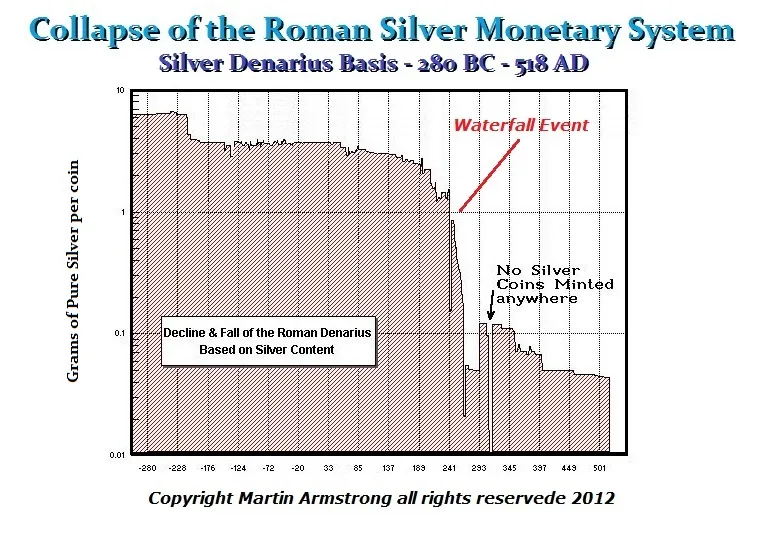
ANSWER: Both the quality of goods and services declined during the 2nd century (post-180 AD), and society began to decline overall even morally. An interesting view is that of an outsider looking in. The author of this interesting quote is the famous 10th-century Arab geographer and historian Abu al-Hasan al-Mas’udi (c. 896–956AD) of Baghdad. He reflected upon what unfolded in Europe, expressing the grim reality in the early Middle Ages through a foreigner’s eyes. In outlining the peoples of the world for his contemporaries, an Arab geographer of the day described Europeans as having “large bodies, gross natures, harsh manners, and dull intellects . . . those who live farthest north are particularly stupid, gross and brutish.” He described the fall of Rome, and in describing western civilization, he effectively used similar concepts that the classical historians like Herodotus and Tacitus had once used to describe the barbarian world outside of European civilization.

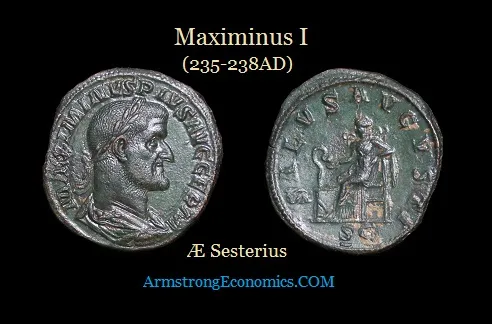
The sequence of events leading up to such drastic changes begins with high taxes and hunting the rich as we are witnessing today. Maximinus I declared all private wealth belonged to the States which was just one more step to the left from Bernie Sanders, Elizabeth Warren, and AOC. Once you do that, the result is the hoarding of wealth and that ends up contracting investment creating an economic death spiral. Education declines and regulation rises as the government seeks more power. The overall trend creates a precipitous drop in quality of life, and all the very reasons for the rise of civilization are then reversed and the trend moves from concentration to separation. This is the overall general scheme as to the reasons why Rome fell.

Keep in mind that the Dark Ages were about 600 years. So we need not worry about this complete collapse in our lifetime. Nevertheless, we are experiencing the early stages of the decline and fall of Western Civilization. The government pensions will create the same trend of fragmentation and turning government employees against the people. We will see the split of the European Union and the same in Canada as well as Australia. The United States will also split as some regions will reject the socialist regions and their attempts to subjugate their beliefs to their own.

If Rome’s sheer size made it difficult to govern because centralized government always fails. This contributed to the ineffective and inconsistent leadership which only served to magnify the problem as we are witnessing today as politics also has become highly polarized. Being the Roman emperor became a highly risky position during the 2nd and 3rd centuries. Civil war became commonplace as people made attempts to take power or to separate. This would thrust the empire into chaos, which we will begin to experience after 2020. The Praetorian Guard—the emperor’s personal bodyguards—assassinated and installed new sovereigns at will, and once even auctioned the spot off to the highest bidder who was Didius Julianus (193AD). There were two rival bidders but Julianus won paying 25,000 sestertii per man, which was the high bid and he was duly declared Emperor. However, the Praetorians were not loyal to him and he was beheaded on June 2nd after a reign of only 66 days.

The Praetorian Guard became the same as we have today with the Deep State, illustrated in the FBI, CIA, and NSA all conspiring to overthrow Trump. This political chaos also extended to the Roman Senate as it has currently in modern times. The Senate became a cesspool of corruption that failed to temper the excesses of the emperors due to its own widespread corruption and incompetence (i.e. gridlock). As the situation worsened, civic pride waned and many Roman citizens lost trust in their leadership. Trajan Decius (249-251AD) was the first Roman Emperor to be killed in battle with the Barbarians. That had a great impact on the confidence of the people in government. They suddenly saw themselves as vulnerable. Then, in 260 AD, the Roman Emperor Valerian I (253-260AD) was captured and kept as a slave to the Persian king. That was the final straw, and we see the collapse of the Roman Monetary System within 8.6 years.

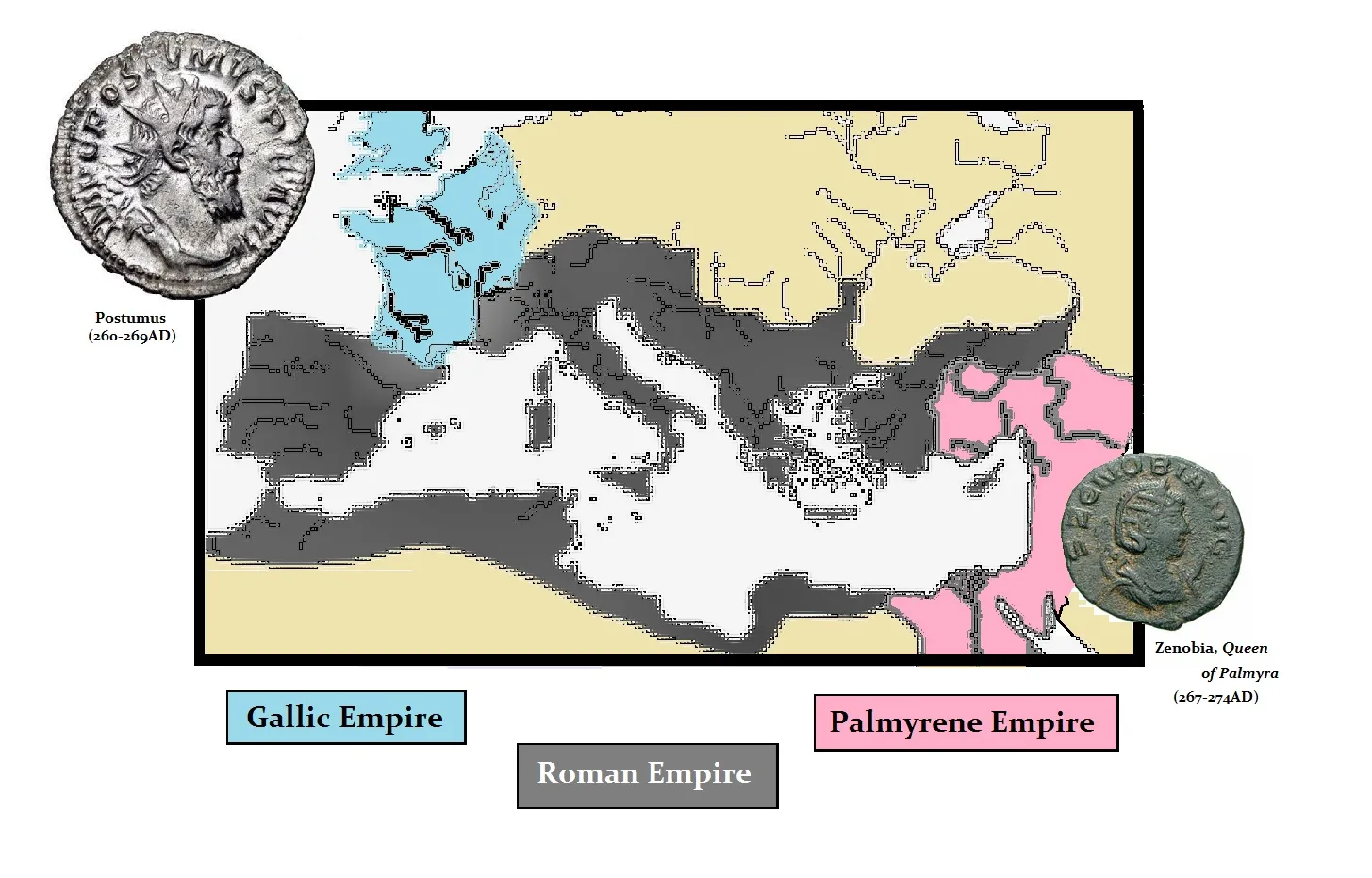
The Barbarian attacks on Rome partially stemmed from a mass migration caused by the Huns’ invasion of Europe in the late fourth century. As the Huns moved West, the barbarians were compelled to invade. Once they saw that Rome was vulnerable following the capture of Valerian, the invasions began in mass. This led to the Roman Empire dividing into three regions. Postumus (260-268 AD) led the rebellion creating the Gaulic Empire (Britain-France-Spain) and in the East Zenobia carved out her Empire based in Syria.

We are simply following the very same pattern in the same order. History repeats simply because human nature never changes. We would always like to think we are smarter and different. That has never proven to be anything more than a preferred delusion.

Warren Buffett Loses Billions


QUESTION: It is no secret that you went head to head against Warren Buffett in his silver manipulation. He is having a very bad year with his buy and hold value strategy. It looks like without making billions on the side manipulation of commodities, he is no better a fund manager than anyone else. Care to comment on his strategy?

WD

ANSWER: The Warren Buffett strategy of value investing and buy & hold is entirely dependent upon the direction of the market. The Warren Buffett strategy is a long-term value investing approach passed down from Benjamin Graham’s school of value. “Buffett is considered to be one of the greatest investors of all time. His investing strategy, value, and principles can be used to help investors make good investment decisions.” This is all the propaganda. It applies to an economy that is in a long-term inflationary trend that is really left over from the Great Depression days.


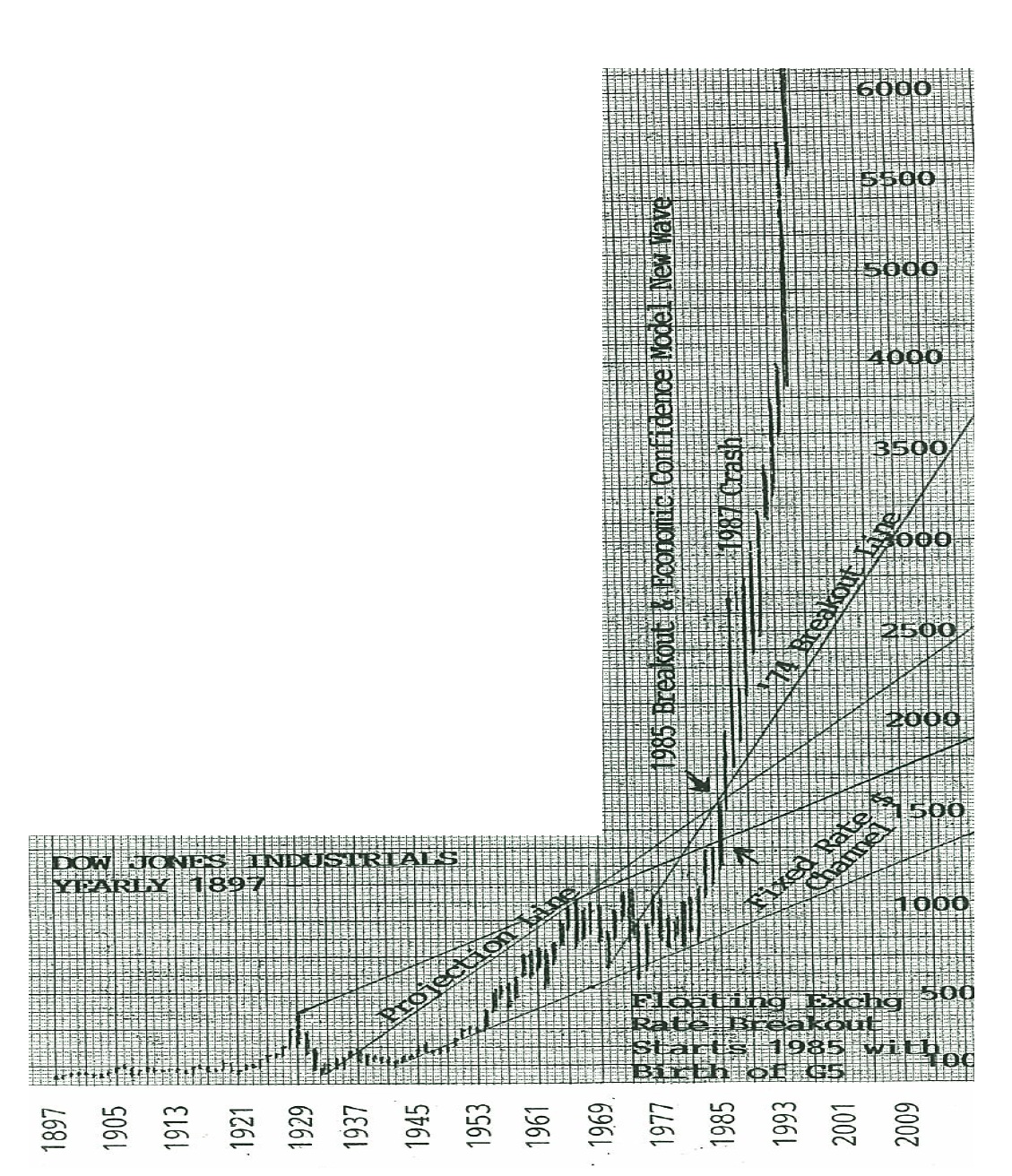
I was blamed for the takeover boom because I was advising a lot of the takeover players around the world. I simply showed clients the chart on the Dow in terms of book value and that the historic low that took place in 1977. I merely illustrated that you could buy a company, sell its assets, and double or triple your money because the market was so underpriced going into the end of a Public Wave. This Private Wave began in 1985 and that was the breakout of the market.

Anyone who simply bought stocks in 1985 made a fortune. Warren Buffett famously avoided investing in technology stocks. Nevertheless, he had bought Big Blue, then sold Apple and Oracle. He was so old school brick & mortar that he really missed the technology shift.

His buy & hold strategy fails because it ignores cycles. Anyone who bought stocks in 1985 and just held as the Dow rose from 1,000 to 21,000 beat even Warren Buffett. He takes positions in companies and cannot flip when the business cycle turns. He lost $4.3 billion in a single day. That is not a fund manager in my book.

Buffett did not believe the rally as most others going into 2018. For years, Buffett was building up its cash rather than investing. He began to invest during the third quarter, actually buying the high since the NASDAQ peaked in August, the S&P 500 in September, and then the Dow on October 3. He bought some banks like JPMorgan Chase and Oracle for the first time.

Obviously, his timing was not very good and his strategy of buy and hold does not fare very well in a decline.

World Financial Outlook for 2019


The 2019 Outlook Report covers the world. The Report will be priced at $1200 and will address the major markets. We will let everyone know as soon as it is available.