Is Cryptocurrency a Government Plot?


QUESTION: You have said that the future will be cryptocurrencies. The Bank of Canada has come out and acknowledged what you have been saying that such private issue challenges the government’s profit structure. Do you think electronic money will be viable sooner or later down the road?

PG

ANSWER: Electronic currency is ALREADY the bulk of the money supply. When you deposit $100 in a bank, it lends out $90 from your deposit and your bank statement still reflects you have $100. However, the person who borrowed the money now has $90 in their account. The government did not “print” money to cover that extra $90, rather they just created “electronic” money.

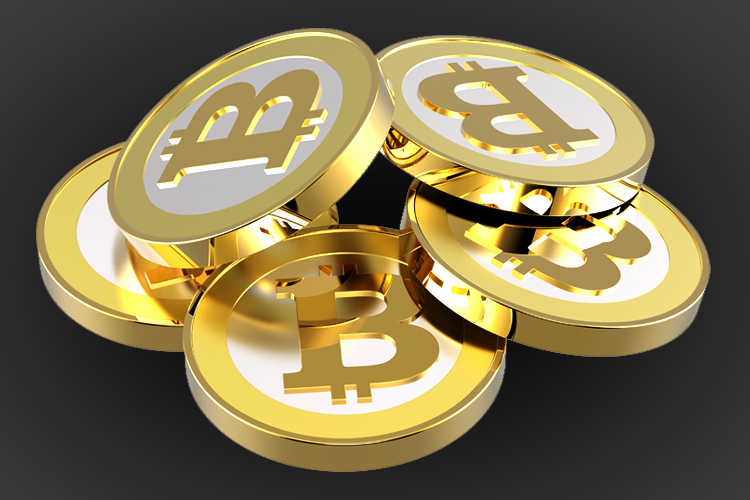
So what is the big thing about cryptocurrencies? The idea is that it is money that will not depreciate and is strangely not “fiat.” Yet, it is no different than the electronic money created by the bank, which is also outside the strict domain of government.

If you just look at the price of Bitcoin, it demonstrates that this is merely a speculative boom indistinguishable from the Dot.COM Bubble, which also reflected a new era in technology. If Bitcoin was truly an alternative currency that was supposed to retain its value, the mere fact that the rice has soared like any stock proves that it is by no means a “store of wealth” that somehow is better than currency in which it must still be converted to use in the bulk of the economy.
If the power grid failed, everyone would be broke. You could not even buy food. Society would revert immediately back to barter. There are risks to any form of electronic money be it a bank or crypto. The government WILL move toward cryptocurrencies THAT THEY WILL CONTROL, not the private sector. I have stated before, they argue electronic money eliminates cash crime from bank robberies, drugs, prostitution, etc., but it introduces more sophisticated hacking computer crimes.

The crime issue is the excuse, but the real issue remains the hunt for taxes. I have to wonder if the government is not behind this entire cryptocurrency phenomenon. Satoshi Nakamoto is the name assigned to this mysterious unknown person or people who designed Bitcoin and created its original reference implementation. Nobody knows who invented this technology. It is entirely possible that this movement is a false flag created by the government to move society to accept the end of tangible money. It is very strange that the person who invented this technology is unknown and has not stepped forward to demand some royalty.
Senate Approves Trump’s Tax Reform


The U.S. Senate on Saturday narrowly approved a tax reform, moving Republicans and President Donald Trump a big step closer to their goal of slashing taxes which will create an economic boom in the United States and draw-in capital from around the globe.

This will put tremendous pressure upon Europe, Canada, and even Japan which all tax their economies significantly to the suppression of economic growth. The United States will have the lowest unemployment rate if this passes compared to the lost generation in Europe of high unemployed youth.

Commodity Prices Before 1259


QUESTION: Mr. Armstrong; You mentioned that your chart on wheat was back to 1259 excluding ancient data. Is it really possible to collect data on commodity prices in ancient times?

Thank you

GD

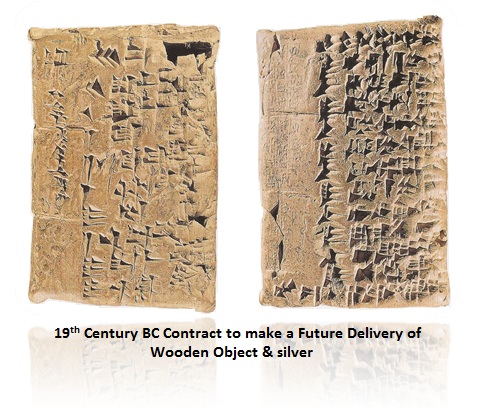
ANSWER: Oh yes. We have commodity prices extending back even into Sumerian times. All sorts of legal contracts and invoices for trade were recorded on clay tablets. Pictured here is a futures contract for the delivery of a wooden object and silver. Futures contracts were first invented in ancient times.

Tablets have even been discovered with written language that was previously unknown. Excavations at the Kültepe in central Turkey have uncovered 23,000 tablets. Some 12,000 cuneiform tablets were found in the ancient city of Kanesh, which was a major hub of trading, and they provide trade records including business transactions, accounts, seals and contracts. Many people working together have been able to reconstruct trade in ancient times and have clearly shed light on the vast economic trade network of goods such as wool, wine, and precious metals across the Anatolian plateau during the 19th Century BC. They were able to identify 15 cities which have already been found, and another 11 cities which remain undiscovered.

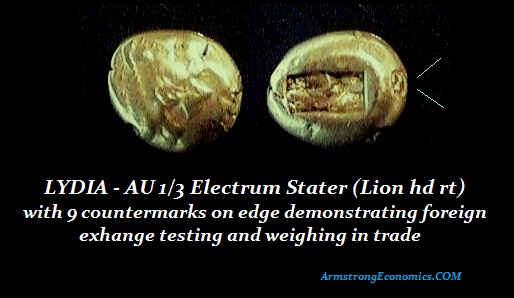
Using analytical correlation overlays of tablets recording trade and commodity prices from various cities, it is possible to recreate the probable locations of lost cities. Here is a 1/3 electrum stater of the ancient city of Lydia, in Turkey. There are NINE foreign exchange dealer markings on the edge of this coin showing that it traveled extensively in trade.

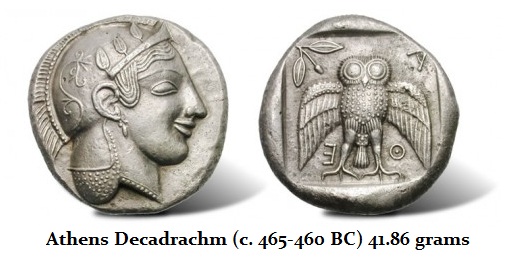
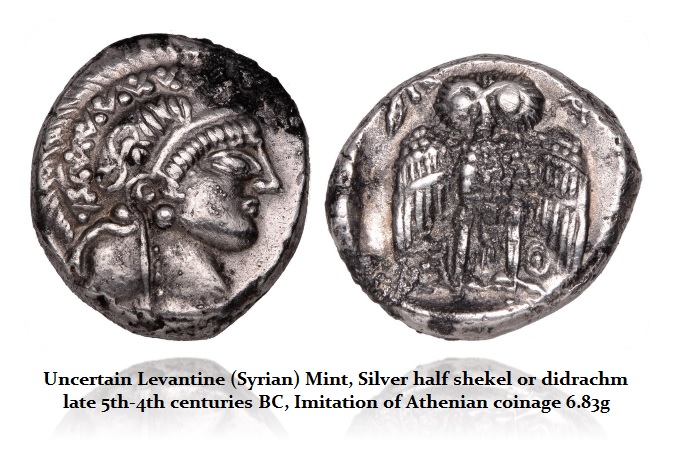
We know an awful lot about trade, commodity prices, and the movement of money flows from ancient times. This is an Athenian Decadrachm. It would have been like having a $1,000 bill if not more. While they were struck in Athens, they have been found in port cities outside of Greece. That is a sure indication that this large denomination was used for trade, not in local commerce. Here is a Syrian imitation but while they use the design of the Decadrachm, they made a two drachm denomination which were never issued. This illustrates that the Athenian coins they saw in trade were the Decadrachms.

Hammurabi-StellaEven Hammurabi’s legal code of the 1780 BC period records wages, prices, and the rule of law. We also have the Edict of Diocletian (284-305 AD) who instituted wage and price controls during the 3rd century AD.

The bread consumption in ancient Rome was extremely high. In Roman movies, we often hear how Rome depended upon Egypt for grain. The average male roman ate about 2 pounds of bread a day. The unit of measurement for wheat was the Modius (plural: modii). One modius equaled 20.7 libra (1 libra (Roman pound) = 322.5 g) or 6.67 kg. Therefore, the average monthly bread consumption for just one person was about 4 modii (26.68 kg = 58.8 pounds). One modius produced 16 – 20 one pound loaves of bread. Romans tended to survive on bread, olives, and wine. We know from records uncovered in Pompeii that 1 modii of wheat sold for 7 sestertii = 28 as and
1 modii rye sold for 3 sestertii = 12 as.

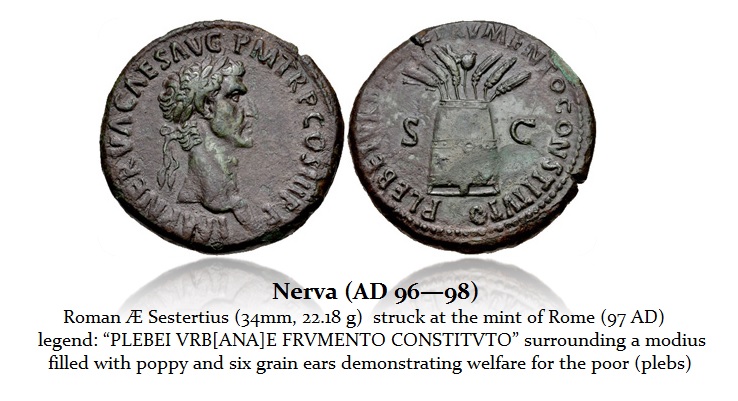
Here is a Roman Sestertius showing a modus filled with wheat. This was the welfare program for the poor (plebs) to keep them happy. Give them sports and bread, and they left the politicians alone. That is much the same today. Give them food, football/soccer and they politicians can keep raising taxes and corruption explodes until the food and sports run out.

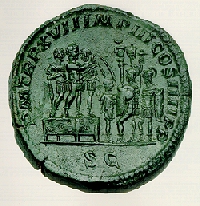
A private secretary or scribe would earn 15  a month while a Legionary Soldier at the lowest level would earn 20 denari per month.  From the time of Gaius Marius (157-86 BC) onwards, legionaries received 225 denarii a year. This basic pay rate remained unchanged until Domitian (81-96 AD), who increased it to 300 denarii per year. Because of the steady gradual inflation during the 2nd century, there was no further rise until the time of Septimius Severus (193-211AD), who increased it to 500 denarii a year. Here is a Sesterius with Septimus’ son, Caracalla (198-217AD) addressing the troops.


Why does the Mainstream Media Suppress the Truth?


COMMENT: Mr. Armstrong; You are the only person who has ever even explain a vertical market. After reading your report, I have come to understand so much more about markets. Thank you for explaining the difference between a Phase Transition blip and a Plateau Move.

However, what has also jumped out at me is the fact that you stand alone in the analysis because you have actually been a hedge fund manager. That begs the question, why has the mainstream media not acknowledged your analysis? The only answer is because they are not interested in reporting news but are simply too corrupt to even expose the truth when it goes against the government.

That is my take on this entire mess. They ignore you because they want to report the fake news.

Cheer

LB

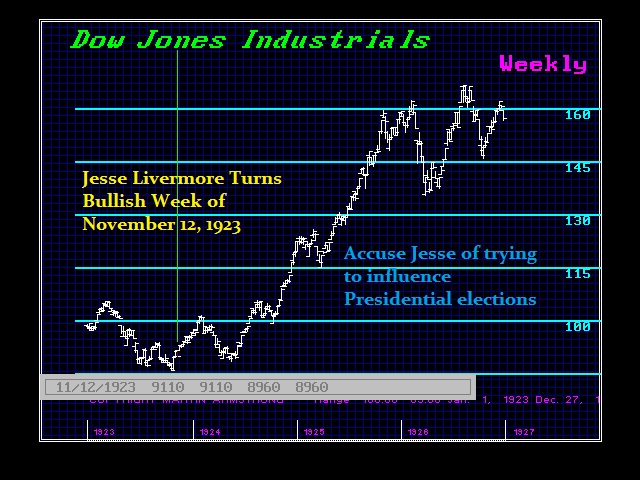
REPLY: That is an interesting perspective. The Wall Street Journal falsely accused Jesse Livermore of turning bullish on the market, as I did following the 2007-2009 correction, accusing him of trying to influence the presidential election. When the market broke out and rallied, all the other publications took swipes at the WSJ saying everyone reported Jesse’s comments except the WSJ.

What we must also consider is that we forecast the entire world, which nobody else does. Consequently, if they dared to report that our forecasts ALONE were correct, then they just might have to acknowledge WHY they were correct and open up Pandora’s Box.

The implications behind that forecast are very deep. On the Private Blog, we showed how the Dow is making new highs and the German Dax has fallen. The real world ramifications of tracking global capital flows undermine domestic analysis, changes politics, and upsets academia. That is a very tall order so it is best to pretend we do not exist.

Evidence of International Trade from the 12th Century


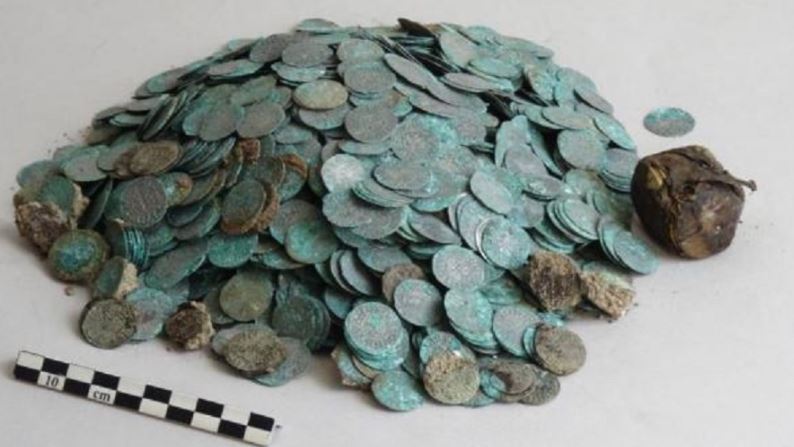
Some Archaeologists in France with the National Center for Scientific Research announced that they have unearthed a hoard of 2,200 silver deniers and oboles, 21 Islamic gold dinars, a very impressive gold signet ring from the Abbey of Cluny, located in Saône-et-Loire, reported by Mining. While they have claimed this is the largest hoard and seem confused as to why there were 21 Islamic gold dinars, their lack of knowledge of the world monetary system has been exposed by their claims.

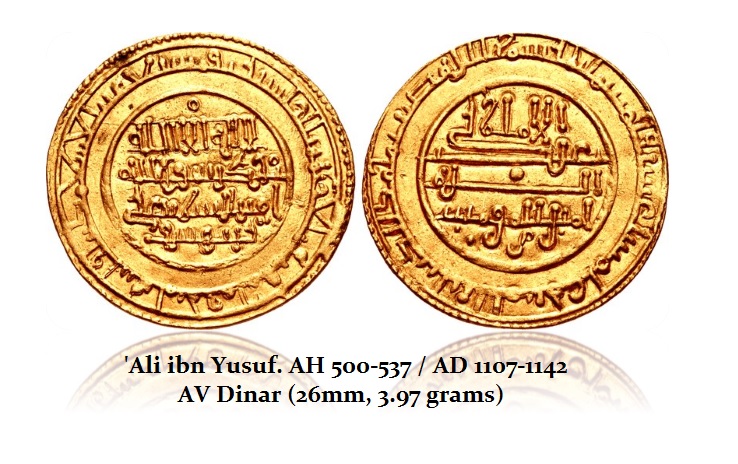
The gold dinars were minted between 1121 and 1131 under the reign of Ali ibn Yusuf (1106–1143). There was no gold coins issue by Europeans until the 13th century. The gold dinars were replacing the Byzantine coinage, which was being debased going into the Great Monetary Crisis of 1092. The dominant coinage to replace Byzantine was that of the rising Islamic empire.

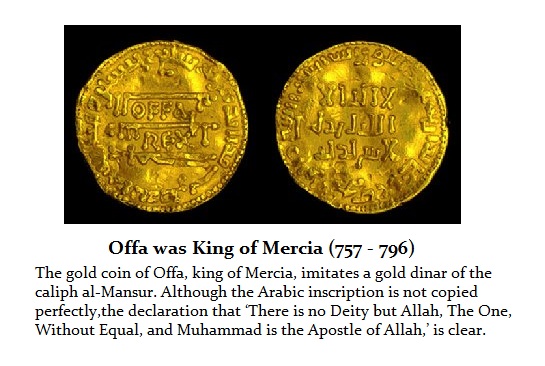
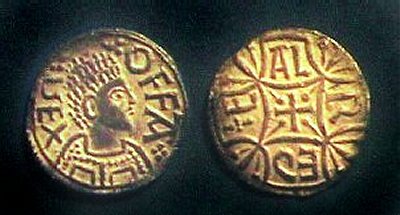
Further proof that Islamic dinars were replacing Byzantine coinage in world trade is the rare issue of Offa, who was a king in Mercia, England (757-796). It was Offa who reestablished the silver coinage in Europe coming out of the Drak Age. He struck this coin copying the Islamic writing with no real understanding what it even said. He then inscribes his name “OFFA REX” (king Offa) as a statement of power. However, the mere fact he is imitating the Islamic dinar demonstrates it acceptance in international trade as early as the 8th century.

While the archaeologists seem astonished to find gold Islamic dinars in France, they obviously lack the knowledge of the monetary system. Part of the Dark Age was driven by superstition. Bathing fell out of practice because a Roman bathhouse began to imply a brothel so it became un-Godly to bathe. Being able to use charts and maps was the work of the devil. Captains of a ship were usually Jewish who had no religious problem with such instruments.

The Arabs controlled the seas and as such trade. Therefore, we find Islamic gold dinars throughout Europe as evidence of world trade. They are rare since most had nothing to really trade. Nevertheless, a hoard with 21 gold dinars reflects someone of wealth and engaged in international trade.

Soros Throws in the Towel


COMMENT: Marty; You have beaten Soros. Don’t know if you have seen this, but they now report “George Soros finishes his crash bets against the US stock market. The investor legend seems to have lost its way and acts with little fortune. Now he has to reveal himself.”

PC

REPLY: Interesting. Soros became famous with the bet against the pound. But let’s make this very clear. That was a “riskless” trade betting against the break of a peg. If you are wrong, the peg holds and you get your money back. If you are right, you make a fortune. Everyone was betting against the pound. That was the coup against Margaret Thatcher who really wanted to take Britain into the euro. They forced the pound into the Exchange Rate Mechanism (ERM)  and placed it at a high rate became Europeans still think the higher the currency the stronger the economy, which results in deflation. That was an easy trade. It is no different from going to a casino and betting or red or black and when you lose, they give your money back until you win.
Soros is old school. He still believes in the Quantity Theory of Money and has been a punter short-term, but when it comes to long-term strategy, sorry, I do not believe he actually grasps the entire picture.

Anyone who has been bearish on the US stock market since 2010 constantly calling every new high the final high, is attempting to forecast with personal opinion. That will not survive the type of move we have been in since the 2009 low. Even Barron’s laughed at out forecast that the Dow would make new highs back in June 2011. All of these people (MAJORITY) totally misconstrue even how the economy really functions because they are still influenced by the theories that were indoctrinated into in school after the 1930s. They obviously lacked the curiosity to challenge what was being taught and look with open eyes and mind and simply ask – Did it work?

Top 30 Risky Banks – Does it Really Matter?


The Royal Bank of Canada (RPC) has been added to the list of the top 30 banks posing the greatest risk. The top US bank is JP Morgan which is now the only bank required to hold an extra 2.5% of common equity after its US peer Citigroup moved down a tier required to hold 2% extra.

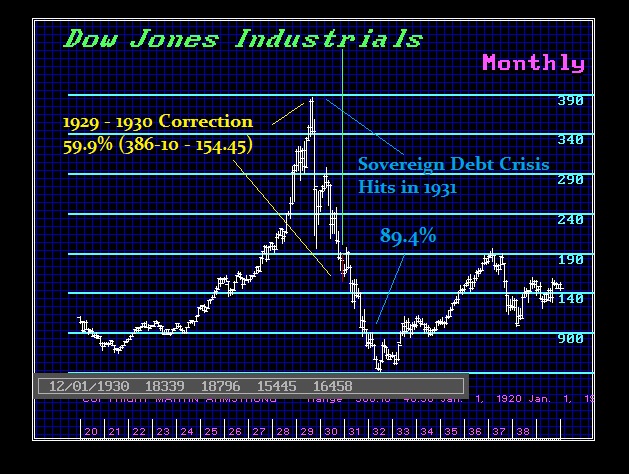
All of this is very nice, but also misleading. The Stress Tests by no means are realistic. It is assuming a single failure and certainly does not even take into consideration a CONTAGION, which nobody understands and there have been no models that will even simulate such events outside of what we have specialized in. The CONTAGION is what created the Great Depression and Herbert Hoover in his memoirs explain how capital acted “like a loose cannon on the deck of the world in a tempest-tossed ers.” Even the CONTAGION that hit in 2010 when Greece petitioned the IMF for a loan and traders immediately looked to see which country would be next, people do not understand that once blood is drawn, capital responds rapidly in the entire spectrum.

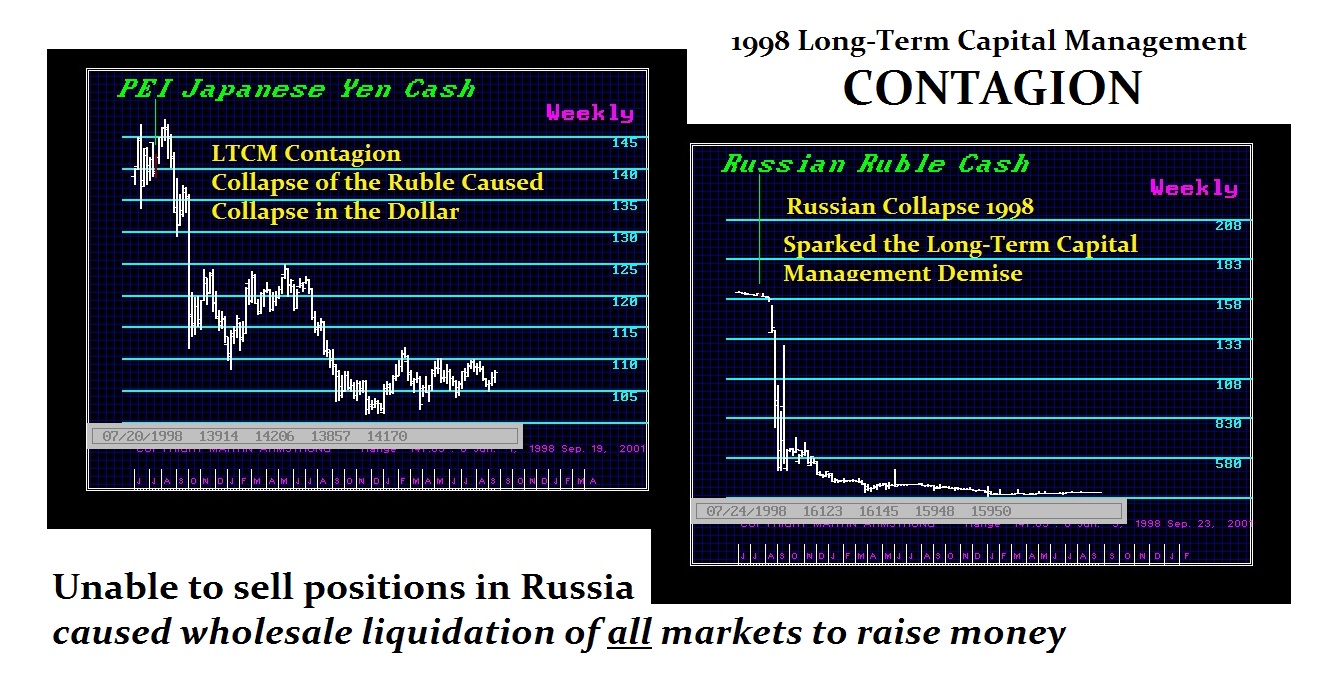
Even during the Long-Term Capital Management debacle in 1998, the crisis was in Russia. That sets off a need for liquidity and then all other markets are liquidated trying to raise cash. This is how a CONTAGION unfolds overpowering the fundamental analysis entirely.


Economics to this day still does not comprehend the CONTAGION that hit in 1931. It is the CONTAGION that presents the most significant clear and present danger to society as a whole. This is what reshapes countries and politics. We saw in 1933 Hitler, Mao, and FDR all come to power.

High-End Real Estate Starting to Enter Crash Mode


The high-end market in Connecticut is starting to decline. The hedge fund manager Stanley Druckenmiller bought his estate in 2004 for $23 million. He had it on the market for $31.5 million. The best offer he got was $25 million. He took the money and ran. Smart move! With a real estate tax of about $154,000 annually, looks like a break-even deal after 13 years.


The high-end real estate boom is now turning sour. We are looking at property values declining in London, Australia, New Zealand, Hong Kong, New York, and even Miami. The shift will now turn toward MOVABLE assets as capital departs from the fixed asset class.

Canadian Finance Minister Admits Selling Stock but Denies It Was Because He Knew Tax Hikes were Bearish


The Canadian Finance Minister Bill Morneau is refusing to say whether he sold millions of dollars worth of company stock just days before introducing tax changes that may have caused share prices to drop. This type of insider-trading is what politicians always manage to get away with no matter what the country. This dispute is rather interesting. Here the opposition is accusing him of selling the stock because he knew that raising taxes would cause the stock to drop. This is showing that the politicians were well aware of raising taxes would be bearish for the Canadian economy. That’s just OK as long as they get theirs.

Morneau has admitted selling the shares. What he is disputing is why he sold them. “I’m hearing that shares that I sold after I got into office, around the time I got into office, was somehow something inappropriate.

Société Générale Announces Major Reduction in Staff & Branches


COMMENT: Mr. Armstrong; Your warning about the European Banks has come to a head today. Société Générale has announced it is closing 300 branches and firing 3450 staff. Everything you have been saying is proving to be correct when nobody else seems to even discuss the matter.

I hope you come back to Paris. A conference here would be very well attended.

PGS

REPLY: Yes, the French bank Société Générale announced a massive staff reduction jobs. The chairman of the board Frederic Oudea, said that the entire banking industry in Europe is facing serious cuts and the withdrawal of Société Générale is preparing for turbulent times that await us beginning in 2018. It is closing about 15% of its branches. It is also selling off individual business units. He was quoted by the London Financial Times:

“I am convinced that the European banking sector is going through a kind of new industrial revolution that is likely to extend over the next decade.”

What we are being called in about by major banks is far more than simply consulting/forecasting. We are dealing with LEGAL issues that will be unfolding with the coming monetary crisis. More and more major concerns need us to address the restructuring of the monetary system they can see is coming.

The tide is turning and it is a hard turn. There is now appearing a German documentary making its debut concerning the mysterious death David Rossi back on March 6th, 2013, who was the communications chief of the Monte dei Paschi di Siena bank. He fell out of his office window and died. His death has never been truly explained whether it was a suicide or a murder. This film exposes his death within the context of the tense situation within the bank and financial system in Europe.

Politicians have been finagling banks for a long time trying to hide the truth about the failed Euro. The filmmakers were interviewed by Deutsche Wirtschafts Nachrichten in which they report that the 2009 takeover of Banca Antonveneta by Monte dei Paschi at an insane price was under the supervision of the Banca d’Italia. The state they have a document with the signature of Mario Draghi at the time approving the deal at an extremely high price. The argument is basically that the absorption of  Banca Antonveneta was similar to the bailout of a failed bank which started the 1931 Banking Crisis.

What you must understand is that to sustain the Euro, which is all about keeping the power in Brussels, there have been massive transfers from the north to the south of Europe. This includes Greece, Italy, and Spain. The entire crisis has been the conversions of their previous national debts to Euro. Then the Euro doubled in values. Southern Europe has paid a vast price that has decimated their economies and driven the unemployment of the youth to as high as 60% in regions. This is the LOST GENERATION all to support the power base in Brussels.

The EU and the ECB have completely failed. This is the entire issue. The bailouts of Southern Europe have created a permanent Euro rescue scheme that has completely failed to help anyone. Greece is the poster-child of the Euro. It is impossible for Greece to ever repay the debts. Italy is still in crisis and Spain is on the verge of watching its budget blow-up starting in 2018.

Europe has entered a phase where it is no longer about trying to create jobs and a sustainable economic growth. This is now all about holding on to power in Brussels. Nobody will address the issues in advance. Thus, we are being called in by banks who see the handwriting on the wall and want to survive the chaos. This is more of a LEGAL restructuring than just consulting.