March Housing Sales Drop 2.4%, Year Over Year Decline of 22% From March 2022


Posted originally on the CTH on April 20, 2023 | Sundance

As higher interest rates continue to put pressure on borrowers, the ability of the average person to afford a mortgage diminishes.  Higher mortgage rates lead to downward pressure on residential home values as fewer borrowers can afford higher payments.  Simultaneously, commercial real estate is dropping in value as vacancies continue increasing.

Put both of these issues together and already tenuous banks holding mortgage bonds as assets can become more unstable.

This dynamic creates the continual tremors in the background of an economy already suffering from high inflation and low consumer purchasing of durable goods.

A perfect storm starts to realize.

(Wall Street Journal) U.S. existing-home sales decreased 2.4% in March from the prior month to a seasonally adjusted annual rate of 4.44 million, the National Association of Realtors said Thursday. March sales fell 22% from a year earlier.

March marked the 13th time in the previous 14 months that sales have slowed. The housing market had a surprisingly strong February, when sales rose a revised 13.75% from the previous month. But after mortgage rates ticked higher, March sales resumed the extended period of declines.

The housing market’s slowdown is now starting to weigh on prices, which have fallen on an annual basis for two consecutive months for the first time in 11 years. The national median existing-home price decline of 0.9% in March from a year earlier to $375,700 was the biggest year-over-year price drop since January 2012, NAR said.

Median prices, which aren’t seasonally adjusted, were down 9.2% from a record $413,800 in June. Home prices in the western half of the U.S. experienced some of the biggest gains for many years but are now falling the fastest.

[…] Housing starts, a measure of U.S. home-building, fell 0.8% in March from February, the Commerce Department said this week. Residential permits, which can be a bellwether for future home construction, dropped 8.8%.

The housing market slowdown shows one of the main ways that the Fed’s aggressive interest-rate increases are rippling through the economy. Housing is one of the most rate-sensitive economic sectors, and high housing costs have been a big contributor to inflation. (read more)

Before looking at today’s graph showing median existing home values, remember me saying this in 2021?:

“I said in June, at a macro level home prices had reached their peak (last two weeks of May, first two weeks of June was apex).  Obviously, there are some geographic home value increases still happening as COVID related regional issues and work opportunities are shifting populations.  There is also a lag and ripple effect that takes time to work through the economy.  The macro-apex will not be visible until next year.”

When I said that in 2021, people said I was wrong.   Well, with hindsight now visible within the data as it is reflected, look at the result:
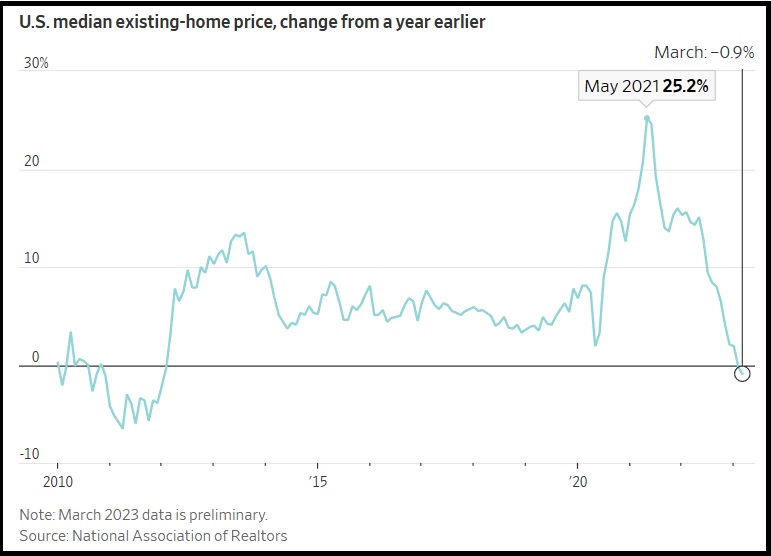
May and June 2021 was the peak of year-over-year percent of change in median home value increases.

So, what was going on?

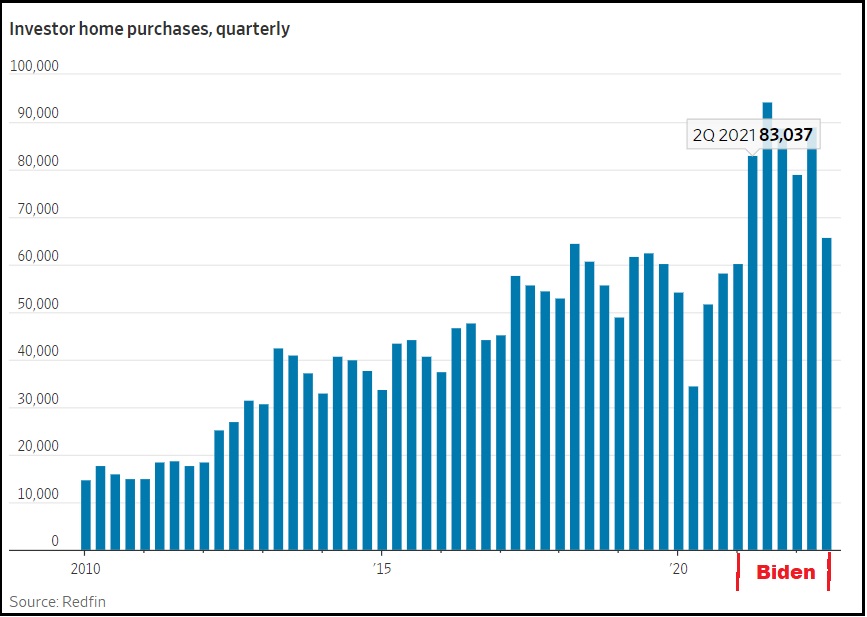
As CTH outlined in 2022:  If you look closely at the timing (keep in mind the data reporting lag) what you will notice is that financial institutions began a big surge in purchasing hard assets, specifically real estate, as soon as Joe Biden took office (Jan ’21), and the economic policy became evident.   Intangible financial instruments became an immediate risk as the professional financial control groups recognized energy policy would drive inflation (supply side) and devalued money would fuel it (demand side).

As an offset to predictable inflationary policy (the insiders’ game), institutional money (Blackrock, Vanguard etc) was moved into hard assets with tangible value.

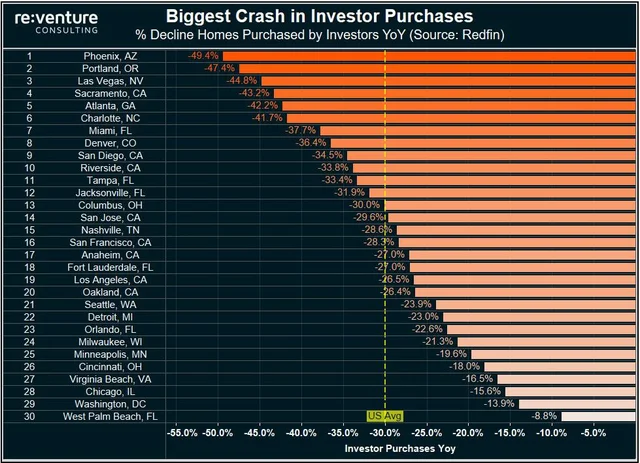
This shift in asset allocation, institutional sales, helped fuel a false surge in home prices and their valuations.  CTH was writing about this in 2021, and sounding alarms as it took place.  25% of all real estate purchases were being made by institutional investors.
We The People got screwed. 

The dynamic was predictable.  The Biden administration economic policy, energy policy and monetary policy, was going to cause massive inflation.  CTH was shouting about it in early 2021 and warning everyone to prepare for waves of price increases that would naturally surface first on high-turn consumable goods, and then embed into longer-term durable goods.

Despite claims to the contrary, this 2021 inflationary explosion had nothing to do with the pandemic or supply chain shortages.  It is entirely self-created by western governmental policy; the collective ‘Build Back Better’ agenda.  You can see now from the background moves within the financial sectors, they too knew the reality and their money shifts reflected that despite their ‘transitory’ pretending they were mitigating their own exposure.

We the People were yet again going to be victims of specifically intended monetary, regulatory, energy and economic policy.

The investment class rulers of the WEF assembly shifted assets to avoid the pain that we would feel.   We “would own nothing and be happy,” and their shifts would position them to own everything and be in control.

Overall govt spending and regulatory controls drove inflation for these past two years.  The ‘demand side’ was blamed, despite the lack of demand. I will be proven right when history is concluded with this.  Interest rates were raised by central banks in an effort to support the policies that are driving ‘supply side’ inflation, not demand side.

Energy policy was/is crushing the consumer by driving up the cost of all goods and services.  To support the overall goal of changing global energy resource and development (a false and controlled global operation), central banks raised interest rates.  Various western economies, including our own, have been pushed deeper into a state of contraction by central banks crushing consumer demand, and eliminating investment via increased borrowing costs.

In short, the goal was/is to lower energy consumption by shrinking the economic activity.  This, according to the BBB plan, was needed at the same time as energy development was reduced.  These economic outcomes are not organic, they are all being controlled by collective western government agreement.

Within this control dynamic, there was always going to be a point where the reaction of the people to their economic reality means the financial control elements need to shift direction.  They will always maximize profit and minimized risk, while knowing what the larger objective remains.

Just like every other durable good, housing demand contracts as prices and costs become unaffordable.  The loss of equity within your home is damaging to your own value or ability to borrow against it.

From the perspective of an institutional asset, that same equity drop is an investment loss.  However, the investment loss is not materialized until the sale of the lower valued asset is completed.  Retaining declining real estate on investment books, creates an artificially high appearance of the investment result; unless and until the real estate is sold at a diminished value.

As mortgage rates rise, just as a consumer would pull back from the housing market, so too will institutional investment groups now control the slow dumping of the asset to remove the equity they pumped into it.  Much of the investment housing will be retained as rental housing, with the monthly rents being part of the returns on the investments.    However, as this dynamic unfolds further investment purchases of houses stop, because the asset overall is declining in value.  This halt of investment activity also worsens a steeper drop in home values.

Notice this line within today’s WSJ article: “The housing market had a surprisingly strong February, when sales rose a revised 13.75% from the previous month.

What happened in February?  The BIG CLUB [Blackrock, Vanguard, Citadel, etc.] moved liquid assets out of banks into hard assets (real estate), to avoid a predictable banking issue which surfaced a month later in March.  They knew what was going to happen in banking, they moved their own assets to avoid it.

Gold & the Dow Rally Together? OMG


Armstrong Economics Blog/Dow Jones Re-Posted Apr 14, 2023 by Martin Armstrong

COMMENT: Well, the goldbugs are wrong again. This claim that the stock market must crash and only gold will rise is as you say sophistry. It looks like gold and the Dow are rallying together. I can see how they are just promoting a cult-like agenda.

Thanks for being objective

MH

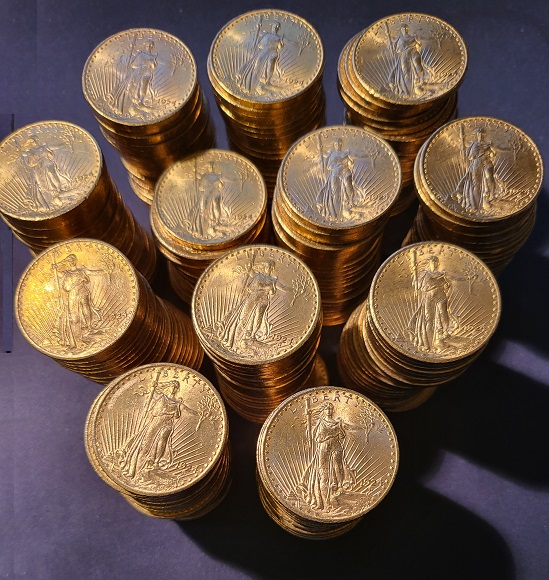
REPLY: We became the biggest institutional adviser because there was never an agenda. Everything goes up, and everything comes down. There is an old saying among actual traders – NEVER marry the trade. I buy gold personally. I just bought a hoard of $20 gold pieces all uncirculated and all dated 1924. I do not regard it as a trade, just a stash for the long-term. It will go up and go down. Do not pretend that something only goes in one direction.

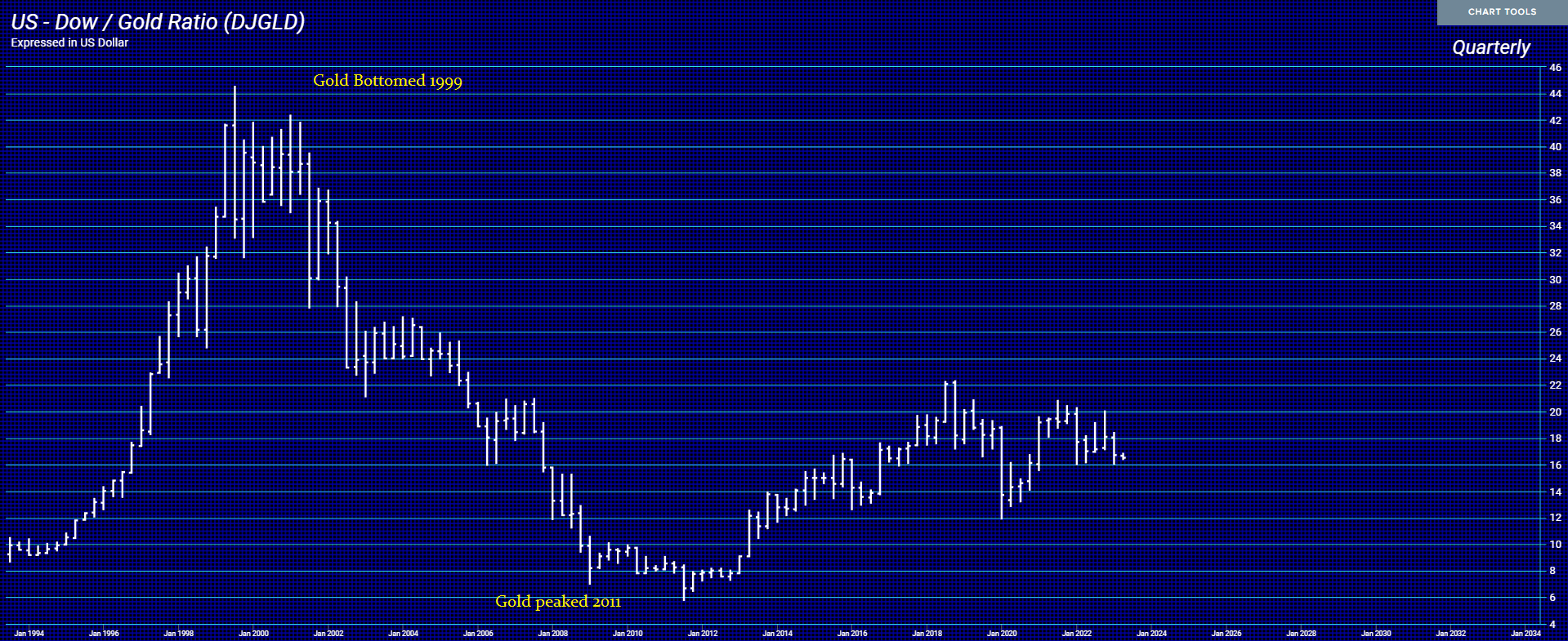
Here is a chart from Socrates on the Quarterly Level of the Dow/Gold Ratio. Anyone who only forecasts a single direction is NOT an analyst – they are a promoter like a used car salesman. No matter what we look at, there is a time to buy and a time to sell. EVERY market functions that was.

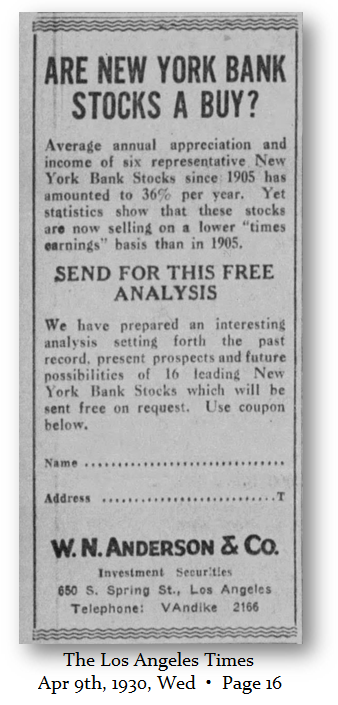
Here is an advertisement from April 9th, 1930 pitching Bank Stocks. Brokers were telling people to buy all the way down, average in, but it took 26 years for the Dow to reach the 1929 high again. Anyone selling any product will ALWAYS tell you to BUY. That is their business. It is up to you to come to terms with how ALL markets really move. Hence, there is always a TIME TO BUY just as there is a TIME TO SELL.

The Myth of Fair Value


Armstrong Economics Blog/Understanding Cycles Re-Posted Mar 13, 2023 by Martin Armstrong

QUESTION: If the metals are not trading at a fair value relative to everything else, then does that not prove they are manipulated?

SN

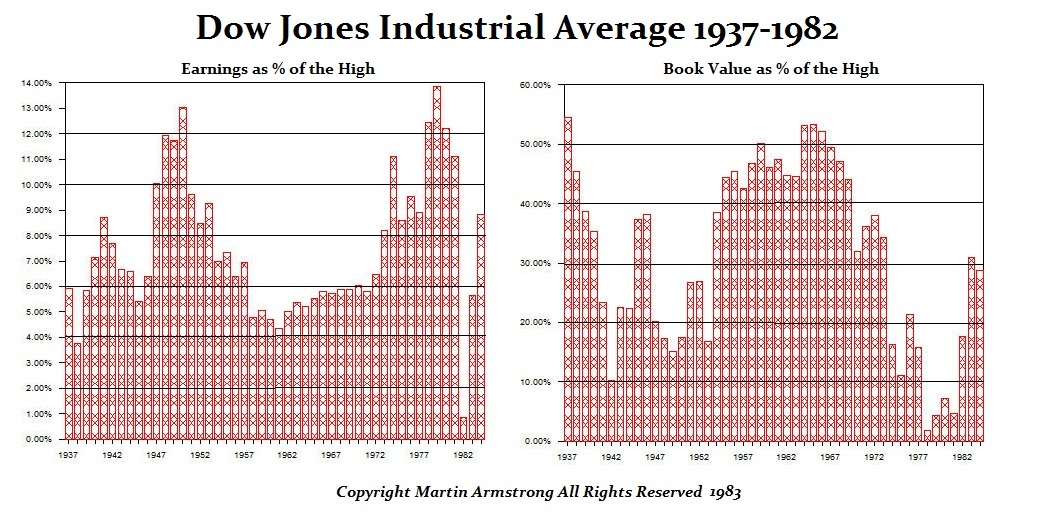
ANSWER: Your problem is the assumption that everything must be trading at some fair value. That is up there with the theory of random walks.  ALL markets trade for periods where they remain well below fair value. That was the entire takeover boom of the 1980s which they also blamed on me because I was advising many of the takeover players. I simply showed these charts back then which show in terms of book value, the Dow Jones bottomed in 1977. The market was grossly undervalued because you could buy a company, sell all its tangible assets, and double or triple your money. Michael Douglas’ famous speech in that movie about “greed” would not even be possible if everything always trade like some mythical robot at fair value. Everything overshoots and undershoots.

The metals are NO DIFFERENT. Every market swings between grossly UNDERVALUED and then grossly OVERVALUED. This is part of the business cycle. If there were no periods of gross undervaluations, there would not be a sudden boom either.

This is what you have to come to grips with. There is such a thing and the business cycle. Our cyclical analysis would not be possible if everything was trading at a flat line of fair value. This nonsense in metals is made up of people who have been wrong, and need to blame someone else. It is like blaming climate cycles on CO2. This notion of fair value is rooted, I hate to tell you, in Marxism, because he too did not understand  the business cycle.

The Fed & the Misinformation


Armstrong Economics Blog/Central Banks Re-Posted Jan 11, 2023 by Martin Armstrong

QUESTION: Marty, I was there at your Berlin conference when one of the attendees openly admitted he was from the Bundesbank. He was very open about it. There have been other central bankers at your WEC. I suppose they have to attend just to get a whiff of the trend. Powell has come out and asserted the Fed’s independence and it will not make policy based on climate change. That was very refreshing.  The bulk of analysts still cry about the creation of money at the Fed are insisting that a recession is coming because when the Fed stops printing, we will see a correction worse than 2008. Some call this a confetti party. Many claims to be fed watchers, but have never stepped inside their door. Meeting the people I have at your WEC events, you are always in the center and I can see it is not your opinion but Socrates that they want to listen to for an unbiased view. So will there be a huge correction when this party is over or have the fed watches been talking sophistry with no real insight?

HD

PS: What about a Dubai WEC because the world imposes vaccine passports?

ANSWER: I know, This is the typical myopic domestic view that the Fed is in a very dangerous situation and a wrong move in any direction could cause a financial system meltdown worse than 2008. The argument is that since we have a debt-based monetary system if the Fed stops increasing the money supply this will lead to an economic withdrawal process that will be worse than 2008-2009. Once more, this is only looking at the domestic economy. They live with blinders on and do not see the world around us with respect to the globalization policies that are all in chaos.

Even at Davos in 2003, Alejandro Toledo, then President of Peru, urged the participants to listen to the voices of those protesting outside and to build a bridge with the participants of the Porto Alegre anti-globalization conference. “We must give a human face to the global economy and globalization,” he said. “Managing the economy is not an end in itself, but a means to improve the quality of life. Globalization is meaningless if it does not contribute to reducing poverty all over the world. “ Schwab preaches equality but at the price of Authoritarianism and the loss of individual rights.

The Fed is not between a rock and a hard place domestically. It just made it clear that it is not like the ECB and is not in the climate change business. The Fed is INDEPENDENT and will not be bullied by Biden. The Fed understands that it has become the world’s central bank and its actions in raising rates have had a far greater impact externally particularly in emerging markets because so many other nations issue their debt in US dollars.

The focus is not entirely on the nonsense of the domestic number of the money supply. If a foreigner buys property in the United States, they convert their currency to dollars, and in effect that increases the domestic money supply for that capital now free up cash domestically. The Fed has no control over that aspect and central banks have become aware of this effect which is not taught in economics class and not factored into the doomsday forecasts all based on the same reasoning forever.

All the analysis is constantly based on the Quantity Theory of Money which no longer works in our global economy. That was the foundation of the money theory that emerged with Sir Tomas Greshan who was the agent for the British crown. He saw that when Henry VIII debased the coinage, the value declined in Amsterdam when the exchange rate was solely based upon the metal content of the currency.

All we have ever heard is that the Fed has the power to create money out of thin air. They never explain why the Fed was given that power. You cannot have a fixed money supply as the population increases, then you end up with DEFLATION which is the rise in the value of money. They are married to the argument and nothing you can do will deter them from that saying. During the Great Depression, people hoard their money and do not spend it. That was why the ECB went to negative to try to force people to spend money. You can DOUBLE the money supply but if the people hoard it, you will never create inflation.

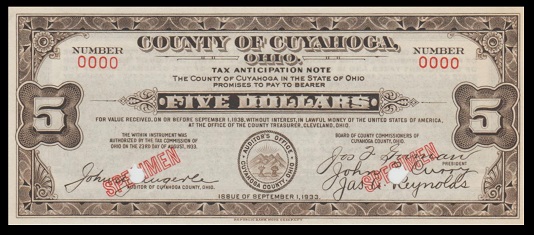
Because people hoard their cash, there was a huge contraction in the velocity of money. This resulted in massive shortages and it led to over 200 cities issuing their own money to try to enable a local economy to still function for there was not enough cash to even pay anyone for services.

INFLATION is actually the decline in the purchasing power of the currency as measured against assets. DEFLATION is the rise in the value of money and the decline in the value of assets. The way the term “inflation” is handled today, the government puts the blame on the private sector. During DEFLATION we are blamed for not spending our money.

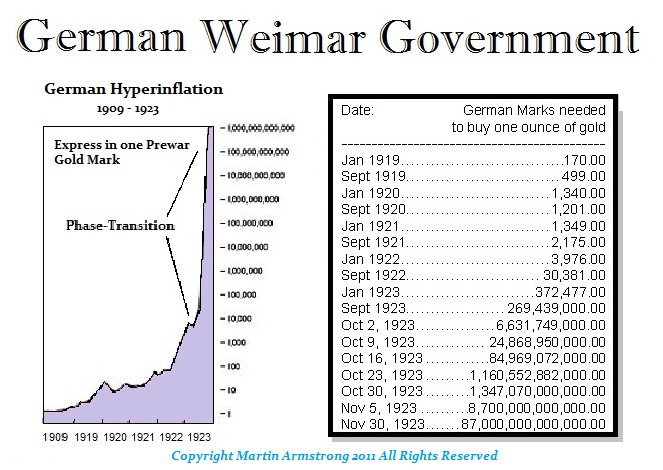
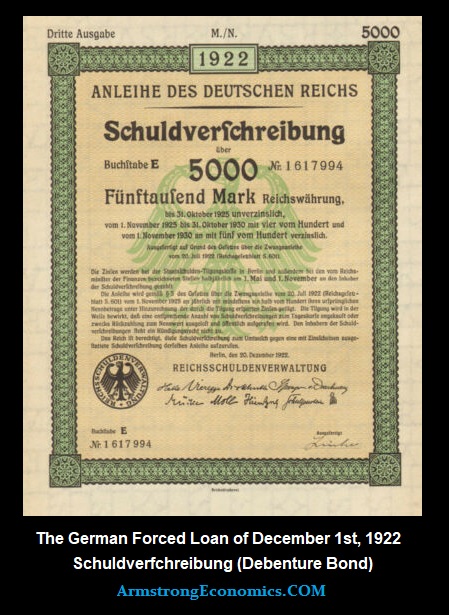
All this talk about bail-ins and bail-outs misses the point. They act as if they in the end really matter. HYPERINFLATION will never arrive based on increasing the money supply. It arrives with the collapse of CONFIDENCE in the government. Germany imposed a forced loan and confiscated 10% of everyone’s assets in December 1922. Germany lost the war and in 1918 there was a Communist Revolution that led to the creation of the Weimar Republic. The money supply increased 10 fold during 1922 when they were struggling to meet the reparation payments. That undermined the confidence in the government. But it was December 1922 when they confiscated  Note that the hyperinflation took off in 1923 after that forced loan. It was no longer safe to have assets in banks.

This idea that we are headed into so black hole all because the Fed creates money is insane. That misinformation that the German Hyperinflation was all because of printing money was totally absurd and a lie. Once the government stole 10% of everyone’s assets, that was the final straw. They then had to print just to try to cover costs and meet reparation payments.

The Lesson of Germany is seriously distorted and has inflected the view of money supply and inflation which ignores the actions of the government. That is the real issue.

Why I Look at the Dow First


Armstrong Economics Blog/Economics Re-Posted Nov 28, 2022 by Martin Armstrong

COMMENT: Why do you focus on the Dow over the S&P 500 and others?

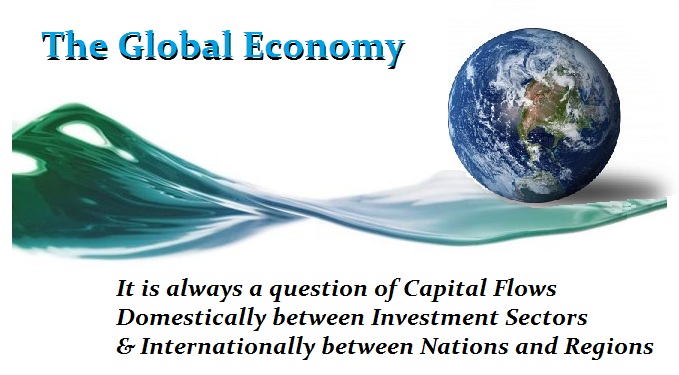
ANSWER: New analysts claim that the S&P 500 provides a better picture of the markets compared to the Dow. Although the S&P 500 obviously has a larger catalog, the Dow is a direct reflection of international capital flows. Look toward the Dow to see where big money is moving.

The S&P 500 is domestic-oriented, and fund managers and institutions tend to focus on this index. The NASDAQ typically reflects retail, often tech-heavy, and usually does not peak at the same time. Each index offers a completely different perspective. The Dow Jones Industrials is the big money. You will notice that this index leads the way. It is the first out of a key low because it is typically the foreign capital based on currency. You will also notice the Dow tends to top out first because the big money tends to pull out first also due to currency.

Capital is flowing like never before, and the smart money is on the move. Socrates users have access to our capital flow heat map that shows where money is moving in real time. The USD remains the last safe haven, and money is pouring into the US. Look to the Dow for the best international perspective.

Interest Rates Rise will Not be Slow


Armstrong Economics Blog/Interest Rates Re-Posted Nov 13, 2022 by Martin Armstrong

This interview with FXStreet is from 2015. Some are surprised at the consecutive rate hikes, but our models have been indicating for a very long time that rates would rise rapidly. There would be no soft landing. Central banks maintained artificially low rates for far too long and were backed into a corner. They created a problem long ago, and it will cause pain for “some time,” as Powell usually states, for the situation to be under control.

2022 WEC: In the Dollar We Trust


Armstrong Economics Blog/World Economic Conference Re-Posted Nov 8, 2022 by Martin Armstrong

At the World Economic Conference in 2021, the Armstrong Socrates model predicted that 2022 was going to be volatile and chaotic featuring a strong US dollar, a huge move in interest rates, a major bond market decline, fertilizer and food shortages, as well as escalating geopolitical tensions in Ukraine.

What now? Socrates forecast that 2023 will be more volatile and chaotic, featuring violent moves across all markets as monetary and geopolitical tensions and debt problems intensify.

At this year’s World Economic Conference, November 11-13, Martin Armstrong will talk about what’s next for the US dollar and other currencies, the liquidity/credit crisis, as well as price targets for oil, gold, stocks, bonds/interest rates, and stocks.

Give yourself an “unfair” advantage over the markets by joining us at this year’s conference remotely or in person. Meet Martin Armstrong – have your questions answered and get the best roadmap for 2023 and beyond in the investment business.

Halloween Spending Amid Inflation


Armstrong Economics Blog/USA Current Events Re-Posted Nov 1, 2022 by Martin Armstrong

Spread the love

The National Retail Federation estimated that 172 million Americans spent $10.6 billion on Halloween this year, or $100 per person. Around $1.2 billion went into costumes for children, not to be outdone by adults spending $1.7 billion on their own costumes. Around $710 million was spent on pet costumes as well. Around 67% of consumers handed out candy, 51% decorated, 47% wore a costume, 44% carved pumpkins, and 26% participated in a Halloween party. Halloween spending is back to pre-pandemic levels, but inflation is to blame.

Food, candy, pumpkins, décor – all of these items cost significantly more in 2022, but Americans are still willing to spend. Candy alone is up 13.1% from last year, surpassing food inflation at 11.2%.

This is foreshadowing for the Christmas season, which historically is the most lucrative time for retailers and a big boost for overall GDP. Around 25% of all retail spending occurs in November and December each year, but many have already begun holiday shopping as stores are forced to offer more appealing sales. Retailers who fail to profit in the remaining months of 2022 will be forced to downgrade their forecasts and re-evaluate their businesses in the current economy. Layoffs and store closures are likely, and many retailers have already halted hiring. Americans do not have more disposable income to spend on the holidays, but those who can are willing to pay inflated prices to participate in age-old traditions.