When Will Interest Rates Rise?


QUESTION: In the recent past you have spoken about rising interest rates in the USA being imminent. Just wondering where we stand on that front as rates have been in a downtrend since peaking last fall?

Thanks,

Pete

ANSWER: The rise in interest rates comes with the turn in the ECM in January. However, what you have to understand is there will be a divergence between private and public rates. The central banks really cannot raise rates without creating a budget crisis. The more likely outcome is that governments are losing their ability to borrow in the real market. The public rates are more likely to become simply pegs that render them useless in all practical terms. We have already witnessed this in Europe. The central bank created negative interest rates. All they have done is to kill the viable domestic bond markets.

Millennials Saddled with Student Loans that Prevents them from Becoming Homeowners


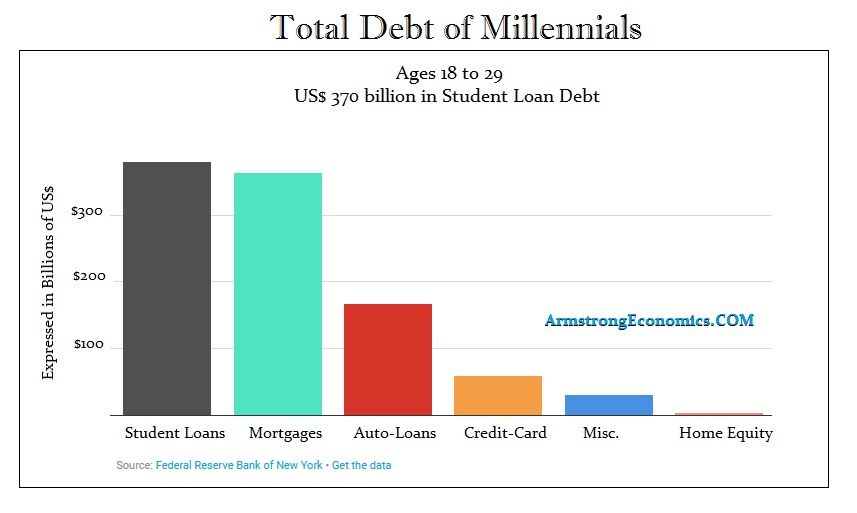
New findings are out from the New York Federal Reserve that reveal a troubling outlook for millennials who have now reached over US$1 trillion of debt, but the worst of it is student loans. This is a sharp rise of 22% over the past five years and is worse than any other generation in history. This debt crisis among millennials casts a dark cloud over the real estate market. With such high debt levels, this is a serious restraint upon obtaining home mortgages.

Ironically, millennials are much more conservative than the debt balances may indicate, but this could also be because of the student debt. In fact, in comparison to previous generations, this group is significantly more fiscally conservative with credit cards. Many into their 30’s are still living at home. With high student debt, many cannot afford a home, but another level cannot even afford an apartment. There is a new trend emerging whereby old motels are becoming housing. They lack the credit to rent an apartment with a security deposit. The new alternative is to rent per day in these old motels with rates of $50 to $80 per day.

This is not painting a very nice picture of the American Dream. To get the donations from the bankers, the Clintons served them up on a platter by making student loans non-dischargeable in bankruptcy. The Clintons signed into law economic fraud and slavery. These kids are paying for degrees and then cannot find a job in what degree they have studied.

Universities are notorious for handing out degrees for fields with no prospects of employment. So many went for degrees in Marine Biology wanting to help dolphins. The prospect of a job was never high on the list of probabilities. There are studies that show colleges are not providing jobs. They have turned higher education into just a business and buyer beware. In fact, the research has found that those jobs requiring a bachelor’s degree list more soft skills than technical skills among the set of requirements. On top of that, there is a trend of rising suicides due to student loans.

Student loan debt is now the second highest consumer debt category — second only to mortgages as a whole and higher than credit card debt. There are more than 44 million borrowers who collectively owe $1.5 trillion in student loan debt and growing. Even Zillow’s research, the big realtor, has reported that student debt has impacted the real estate market in many ways by reducing future buyers. The real shocking number is that 40% of millennials are still dependent on mom and dad. The excuses seem endless. Student loan debt can make buying a home IMPOSSIBLE! This is part of the reason real estate has been in a bear market since 2007 when we look at the average home.

Why Are Capital Controls Destructive?


QUESTION: Controls v Protectionism

If capital controls would be such destructive measure, then China already has in place what one would consider Capital Controls and if they were to lift their control a lot of money will leave China – why is that not destructive: as you mention that the centre of finance will move east to China.

BHL

ANSWER: Sorry, I suppose I was not detailed enough. Capital controls are destructive when they are imposed to prevent foreign capital from leaving. They are a red flag that warns nobody else will invest. In the case of China and Russia, when that airtight policy was imposed upon their own people, then it retarded economic growth.

The bulk of Bitcoin traffic was used to get capital out of China. We see a lot of Chinese buyers around the world, even in real estate.

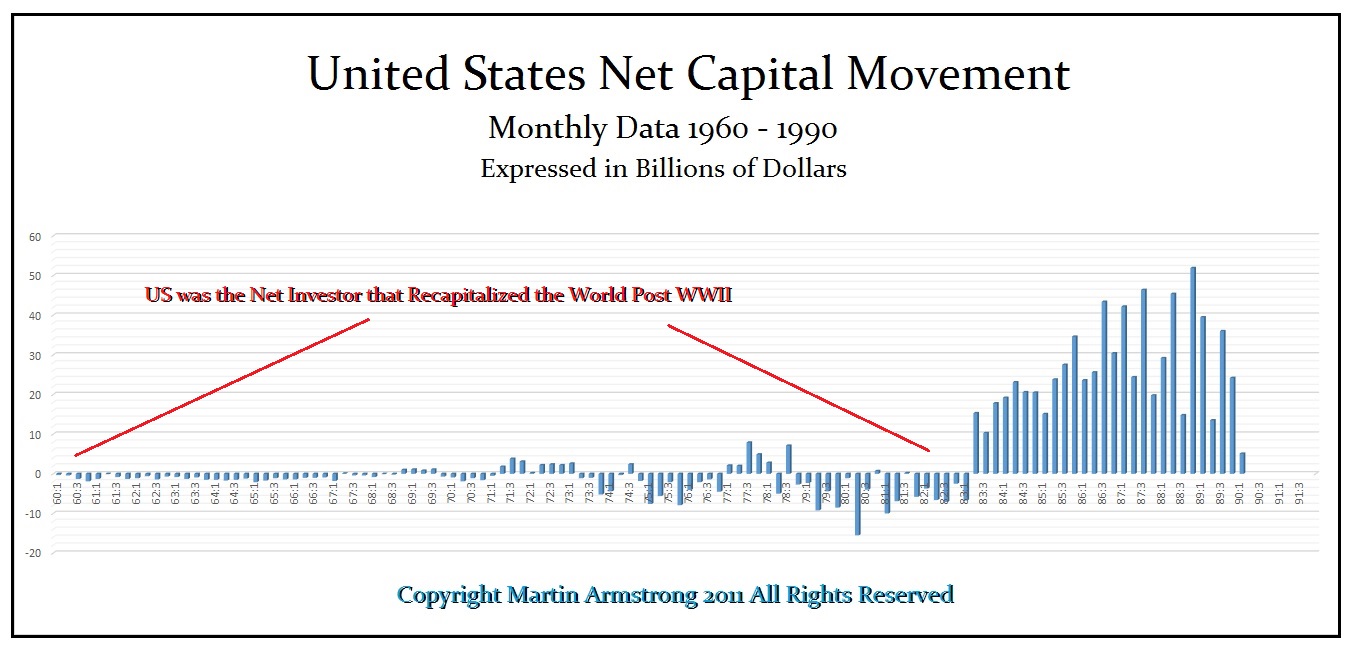
China is trying to gradually move toward an open market. When capital is free to flow in and out, then China will be ready to displace the USA as the financial capital of the world. Had the United States imposed capital controls after the war, then both China and Europe would still be in an economic dark age.

How to Improve Work Ethic


Valuetainment

Published on Nov 10, 2016
For detailed notes and links to resources mentioned in this video, visit http://www.patrickbetdavid.com/improv… Visit the official Valuetainment Store for gear: https://www.valuetainmentstore.com/ If you don’t have a strong work ethic, I can’t work with you. Here’s why. If you don’t have a strong work ethic, you’re not going to give the highest return possible on the knowledge and skill passed on to you. Why should I put time into you if the duplication part is not going to return? So in this video I get into 15 ways to improve your work ethic. #1: Be Predictable – 8:14 #2: Consistency – 10:24 #3: Prepare the Night Before – 10:53 #4: Do More – 12:06 #5: Subscribe to the “Now” Mentality – 14:10 #6: Find Running Mates – 15:56 #7: Don’t Fall for the “Work Smart Only” Concept – 16:43 #8: Cut Distractions – 18:25 #9: Absolute Focus – 18:58 #10: Have a To-Do List – 19:35 #11: Eat Right – 20:01 #12: Plug the Leaks – 20:16 #13: Cut the Fat – 12:12 #14: Drop Perfection – 22:13 #15: To Avoid Burnout, Have Your Own Escape – 23:22


DNA of an Entrepreneur


Valuetainment

Published on Nov 3, 2015
DNA of an Entrepreneur- Patrick shares eye opening facts about entrepreneurs in a live setting that will disrupt your existing perception about entrepreneurship. Do you have the DNA of an Entrepreneur? Visit the official Valuetainment Store for gear: https://www.valuetainmentstore.com/ The Startup Entrepreneur Tour http://www.patrickbetdavid.com About the tour: Patrick Bet-David and his production team took off on a 30 day, 10,000 mile trip across the U.S. The reason? Inspire more people to become entrepreneurs. Official Startup Entrepreneur Tour Highlights Video: https://www.youtube.com/watch?v=qjcho… Connect with Patrick on twitter: http://www.twitter.com/patrickbetdavid Article on Entrepreneur: http://www.entrepreneur.com/article/2… To see more videos from Entrepreneur Network partner, Patrick Bet-David check out VALUETAINMENT https://www.youtube.com/user/patrickb…

The Truth Behind the Affordable Care Act – Learn Liberty


Published on Mar 23, 2016

SUBSCRIBE 195K
The Affordable Care Act (popularly known as “Obamacare”) promised to lower costs and give everyone in America access to health care coverage. 6 years later, has it lived up to its promises? Learn More: http://www.learnliberty.org/ Watch more Learn Liberty videos on health care technology, policy, and entrepreneurship — plus get a free, on-demand video course. http://www.learnliberty.org/health-care/ Did the ACA get you covered or not? Have your own health care bills gone up or down? Check out more of Dr. Davies’s research on http://mercatus.org/antony-davies For more videos about where we’ve been and where we’re headed in health care, check out http://learnliberty.org/health-care We’ll also be holding a livestream tomorrow (3/24) at 3:00pm (EST) on our Facebook page (https://www.facebook.com/LearnLiberty/) with Dr. Robert Graboyes. How do we fix the current problems in our health care system to create better care for more people at lower costs? Be sure to tune in to ask your questions about the economics of health care!

Does the Minimum Wage Hurt Workers?


Published on Apr 9, 2012

SUBSCRIBE 195K
Do minimum wage laws actually hurt workers? Learn more: http://bit.ly/1HVAtKP The minimum wage sounds nice on the surface: workers earning $8 per hour would certainly be better off if they were earning $12 per hour instead. But economics professor Antony Davies explains that this view of the minimum wage overlooks an important detail: The minimum wage does not force employers to pay a particular wage to every worker; it forces employers to pay a particular wage to every worker they choose to keep. While the minimum wage may be well-intentioned public policy, it often huts the very workers most in need of our help.


Printing Money to Cover the Cost of Government


QUESTION: Hi Marty,
I have read that Lincoln’s treasury issued “Greenbacks” to help fund the North during the civil war.
1. Was this a direct printing, issuing of paper currency, aka like your “The Solution” ? (Bill Still, creator of the money masters documentary claims such…)
2. Others claim that it was meant all along to be backed by gold, and they point to the Specie Payment Resumption Act of January 14, 1875 as evidence..
So many different conflicting opinions / explanations out there, and was hoping you would tell us all what you believe about the Greenbacks. Thanks once again for all you do!

DC
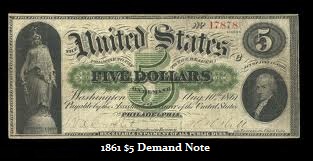
ANSWER: Paper currency was issued to fund the Civil War beginning in 1861. Demand notes were issued between August 1861 and April 1862 to fund the American Civil War in denominations of 5, 10, and 20 USD. Demand notes were the first issue of paper money by the United States that achieved wide circulation. They were used to pay expenses incurred during the Civil War including the salaries of its workers and military personnel.

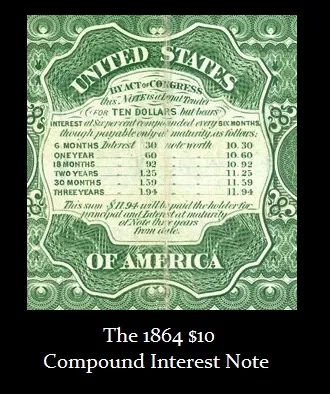
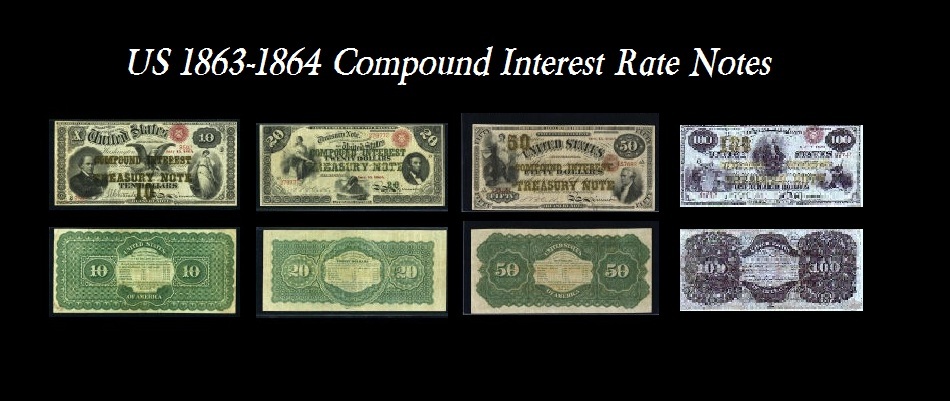
There was a reluctance to accept the demand notes, for there was no intent on redeeming them in gold. Instead, the government issued currency that was really a form of circulating bearer bonds. They were interest-bearing notes that had the table on the reverse, expressing the value of the note in terms of interest.

Demand notes became known as “greenbacks,” which distinguished them from the interest-bearing notes that displayed the interest table on the reverse. The demand note only had green ink.

The demand notes were discontinued, and their successors were the legal tender notes. The legal tenders could not be used to pay import duties, which were the taxes imposed at that time (indirect taxation). Demand notes took precedence and were acceptable. As a result, most demand notes were redeemed.

Therefore, the issue of paper money to pay the expenses worked. There was no such promise to repay these notes in gold when they were issued.

World Trade


COMMENT: Hi Marty

I agree with Trump. Assembling in the U S is not sufficient. We need the supply chain parts (eg manufacturing ) in the US. What do we do when we get in a war with say China – do we submit an order to china for parts to assemble a ship? Does not fly.

Kyle Bass and Bannon have come out speaking about the duty american companies have to our country. They use our legal system, tax system, to date favorable non tariffs and other incentives — where is the pay back to us? The days when our country was simply for sale and being sold out by politicians is gone – or we won’t have much of a country left. We have lost about half of our manufacturing jobs since nafta.

It needs to stop. Too bad if countries whine and cry that we can no longer be taken advantage of
We have been used and abused for a long time…people are sick of it.

thanks for the blog

Alice

REPLY: It is true that parts are shipped and then the final assembly takes place in the USA. But we also have to ask why did manufacturing leave in the first place? I testified before the House Way & Means Committee on this topic back in 1996. They wanted to know why no American companies got contracts in China to do the Yellow River Dam, which went to the Germans. I explained that Americans are taxed on worldwide income whereas Europeans pay taxes on what is earned in their territory. Why should someone pay taxes on income generated outside the USA when they are not using any services in the United States? It turns out that we are economic slaves because whatever we produce anywhere belongs to the government. It is no different from the 19th century – we are still the property of the state.

What we must understand is that American companies began to set up offshore just to be competitive. It was not that labor was $5 an hour v $15. That is the popular image they create to target corporations. The real problem is our tax code looks like the brainwave of a schizophrenic.

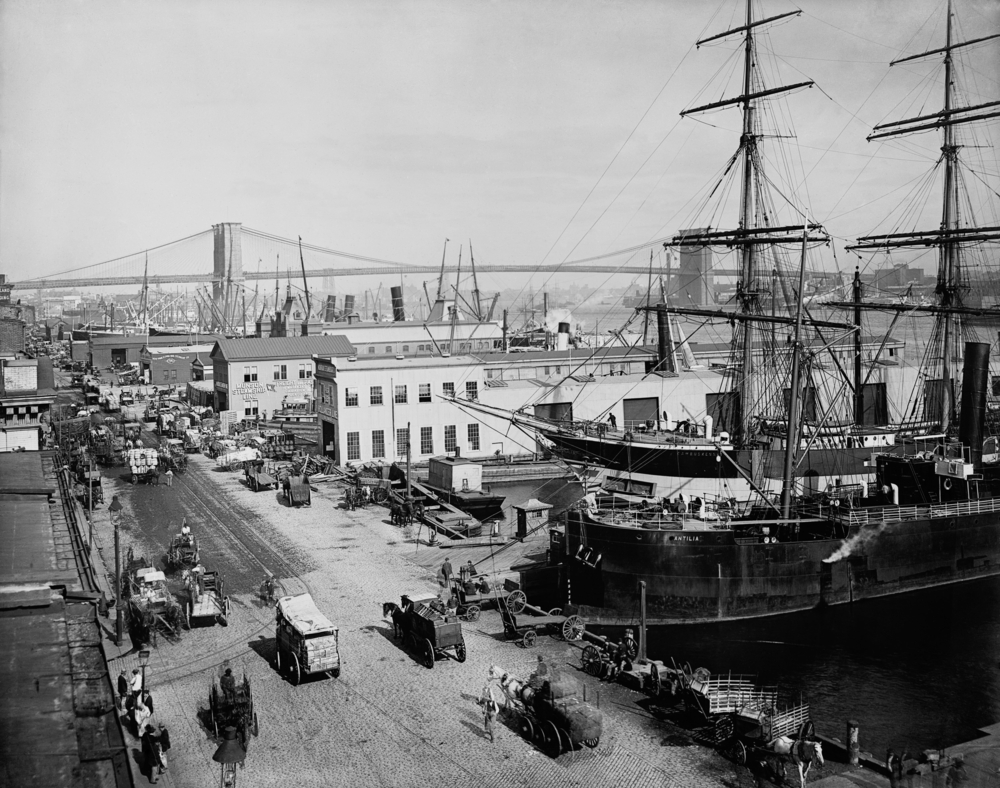
On top of that, we had a period of really hostile unions. Just look at New York City. Here is a photo of horse-drawn express wagons, moored ships, and piers at New York City’s South Street Seaport back in 1901. New York City was the largest port for trade. The unions became so corrupt and militant, they simply drove the port to other cities. There is nothing left in New York City anymore.

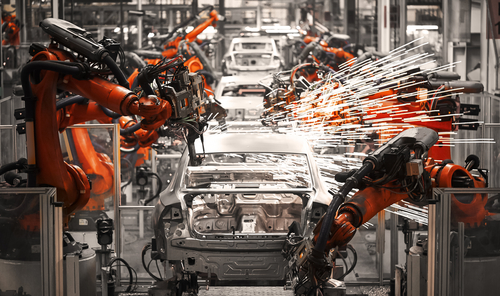
Then there was the fact that the militant unions took the position that they were exploited so the quality of their work declined. The Germans and Japanese offered quality and that was fair competition which eventually forced changes in the United States. Instead of workers, not much is done by robots. If we are really concerned about jobs, then address the elimination of income taxes which would make American workers more competitive. Restore the Constitution to indirect only.

Corporate Buy Backs


Many people are confused as to why corporations have been buying back their shares in mass. The latest figures for 2018 are in and they demonstrate that the S&P 500 listed companies spent more on dividends and buybacks in 2018 than they actually made in total reported earnings ($1.26 trillion vs $1.1 trillion). What is really fascinating is that of the 500 listed companies, 444 have bought back their own shares. Buybacks alone have actually come in at 66% of reported earnings over the last five years. Since 2014, buybacks and dividends combined have exceeded the total increase in S&P 500 market capitalization by $1.3 trillion. In other words, buybacks alone represent 87% of the increase in S&P 500 market capitalization during that period.

Buying back shares at this stage has been massive, but companies have been taking advantage of the cheap interest rates. When interest rates collapsed to artificially low levels, it became economically more efficient to buy back the shares at such a low cost, and this, in turn, will increase the dividend yields. This mix of low interest rates has had a reverse impact on equities. There is no question that companies are keenly aware of just how important their buyback programs are to their share prices. As long as interest rates are cheap, then it’s hard to see them stopping unless the cost of borrowing forces them to do so. This is also setting the stage for a shortage in equities when capital begins to realize that there is a huge problem brewing on the public debt side of the balance sheet.