Moving from QE to Just Monetizing Government


QUESTION: Mr, Armstrong; Why the push for lower interest rates again in developed markets? You have stated the QE has been a total failure. Are they incapable of doing anything else?

KE

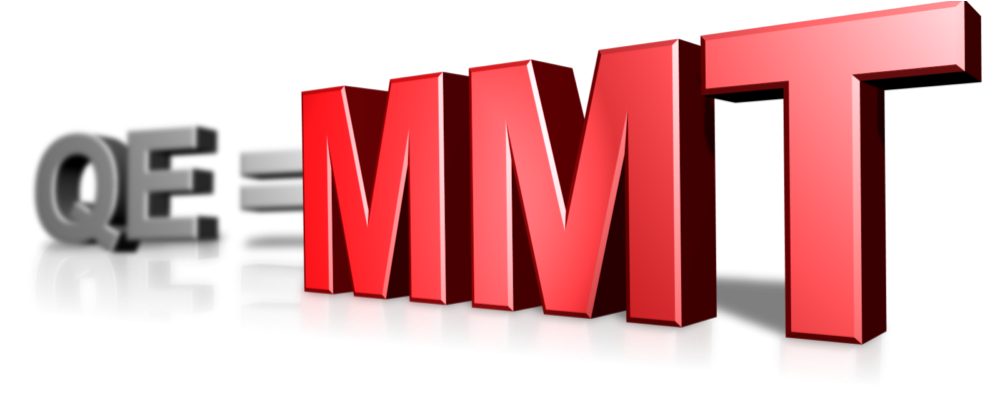
ANSWER: We are switching from QE to a new reality of budget management. If interest rates rise on government bonds, the budget blows out. At this stage, the Fed is toying with the idea of setting benchmark rates for 2 to 10-year instruments. This will be different than QE. It will be the collapse of government bond markets on a global scale.

ETF v Mutual Fund


QUESTION: Are ETFs really better than a mutual fund for tax purposes?

HS

ANSWER: The primary difference between mutual funds and ETFs (exchange-traded funds) is that while an open-end mutual fund is priced once based upon the market closing, ETFs as well as a closed-end mutual funds trade all day. This actually goes back to the Panic of 1966 when mutual funds were open-ended but traded on the exchange and were bid up and down based on emotion rather than net asset value. The crash took place because mutual funds were at times selling well above net asset value.

If we look at the reforms post-1966, investors in mutual funds buy or sell them directly from the mutual-fund companies themselves. That creates a different tax structure than an ETF in which purchases go to the market and the ETF is simply created by purchasing the underlying basket.

Mutual funds and most ETFs are governed by the Investment Company Act of 1940. Therefore, this legislation treats them like a pass-through company. When a mutual-fund investor wants to sell, the fund sells shares of appreciated stock to generate cash which creates a taxable capital gain. Since most funds operate as simple pass-through vehicles, those tax liabilities from the gains accrue to all investors in the fund including those who have not sold any holding.

ETFs actually do avoid that type of tax issue. ETFs are not direct buyers or sellers of shares as a mutual fund. The ETF is created by a market maker with a special contract with the ETF provider. The investor has the newly created ETF share which is created by purchasing all of the holdings in the underlying ETF. This basket of shares is given to the ETF issuer thereby creating the ETF shares.

Because an ETF is not a direct buyer of the underlying shares as in a mutual fund, the ETF itself is not a buyer or seller. The basket of shares are swapped and are therefore in-kind transactions, thus there is no pass-through capital-gains tax bill. This is the tax advantage of an ETF over a mutual fund.

Creating the Euro & Germany Was Denied the Right to Ever Vote to join the Euro


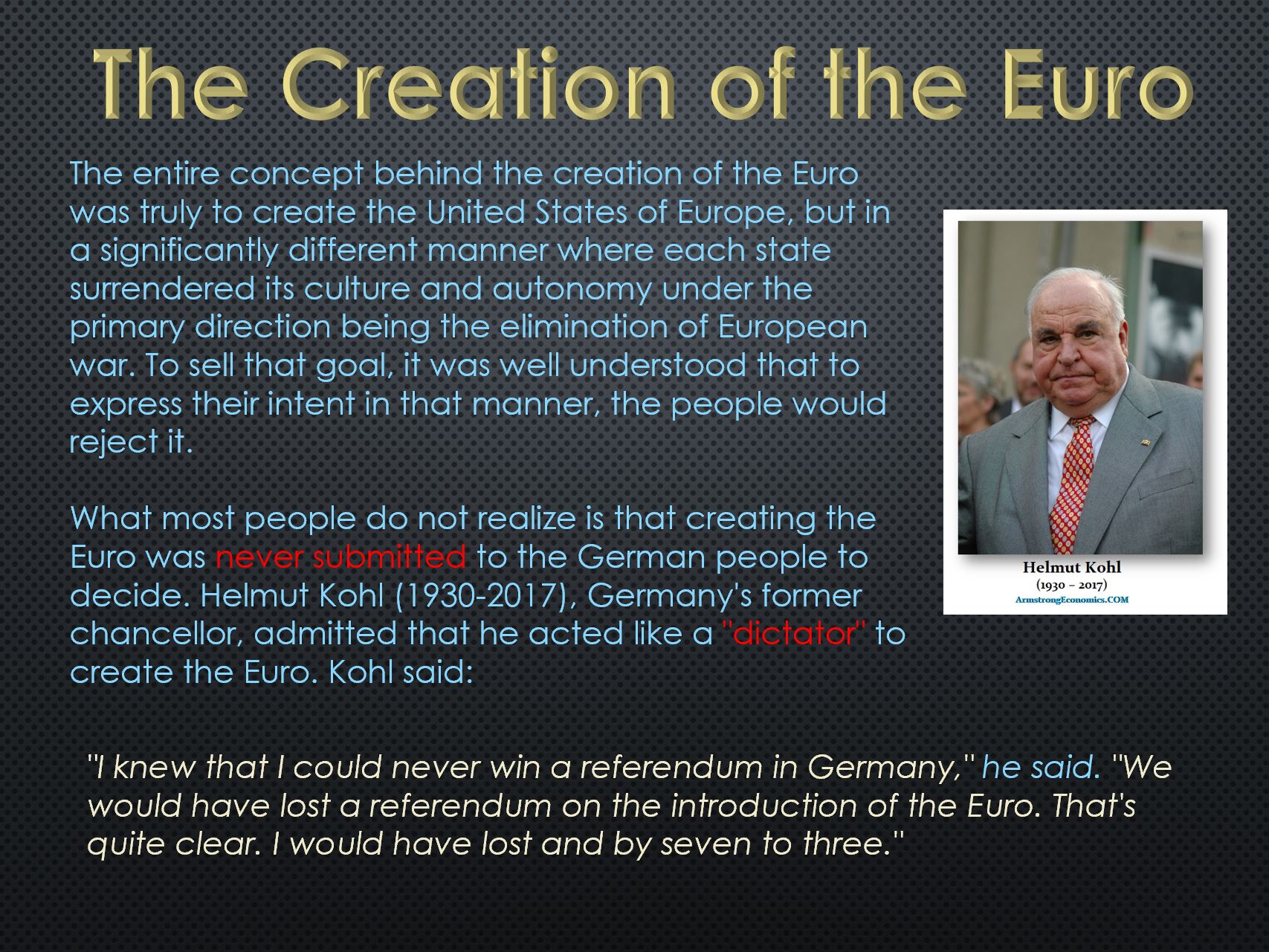
COMMENT: Marty; I just wanted to say that this WEC in Rome was one of your best, NOt that Nigel Farage was there calling you the alternative to Davos, but you really do your research and your contacts behind the curtain become self-evident. Nobody in the audience every knew that the German people were denied the right to vote on joining the euro. The most important economy was denied any democratic process.

See you in Orlando

PG

ANSWER: Yes, I was amazed at how even the central bankers who attended were unaware of that fact. This is part of the reason for the rise in the AfD in Germany. From the outset, the theory has been to federalize Europe to prevent a world war. They assumed the people would never vote for it so they hide the real agenda. The people are not those who create wars – it is always those in power.

What they have done is to fuel the flames of history that remind people of the differences that are culturally embodied within the languages.

How Did Rome Put Money into Circulation with no Central Bank?


QUESTION: How were ancient coins placed into circulation?

DR JB

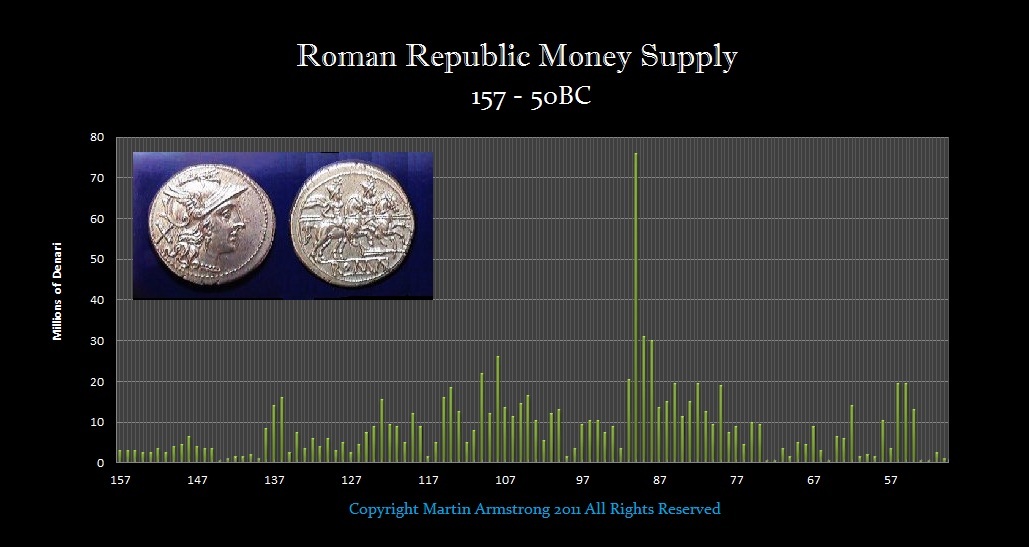
ANSWER: That is actually a very interesting question. As the legend goes, the Gauls (French) attempted to invade the city of Rome quietly, but had frightened the sacred flock of geese that made a lot of noise. This alerted the Romans to the surprise attack giving us the word “monere” meaning in Latin to warn. The Temple of Juno then became popularly known as the Temple of Juno Moneta. Since this is where the coins were minted, we now arrive at the word “money” that springs from the origin of this legend and place that was an ancient mint.

Our term such as capital flow is also derived from the Latin word “currere” meaning “to run” or “to flow” and this is where the money flowed from giving us the word “currency” meaning the flow of money. This is why Juno Moneta is pictured on Roman coins as holding the balance scales in one hand and a cornucopia in the other symbolizing endless bounty or wealth. This is the birth of the term money and currency.

Now, since Rome had no national debt and no central bank, we immediately wonder how on earth did this function? The government-owned the mines and thus they coined money to meet their expenses.  Unlike our modern governments, they did not have a huge welfare state. They did subsidize food. But the coinage was used to pay the troops and government expenses and thus this is how the money was put into circulation. They would increase the output in times of war and decreased it in times of peace for the most part.

The End of Keynesian-Monetarist Theory


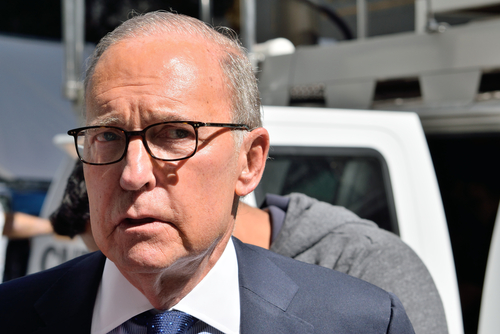
QUESTION: Thank you for your great work. I have read this article where Kudlow says: White House economic adviser Larry Kudlow predicted that it is possible the Federal Reserve won’t hike interest rates again during his lifetime: My question is do you think he is right? And what will the consequence be if the interest rate remains where it is – For example, the next 10 or 20 years?
P.S. Of natural causes, we do not know how long time Kudlow lives.
Best regards
L/Sweden

ANSWER: Perhaps he got bad news from his doctor or it is a political statement that is just absurd. What he is really saying is that Quantitative Easing has so destroyed the Keynesian model that there is now no other alternative for central banks to control the economy. If they raise rates, the budget explodes. We are witnessing the end of Keynesian.Monetarist theory.

Will Social Security Exist in 2021?


QUESTION: Hi Martin,
You mentioned in a 2016 blog post that “We will probably see the end of this Social Security program by 2021.772 (October 9, 2021)”. Does this forecast still have a high probability of occurring? If so, won’t this be devastating to retirees, especially those with little or no retirement savings? My employer no longer offers a pension plan to employees, only a 401K plan.
Ref. “Negative Interest Rates Destroying the World Economy”, Apr 17, 2016.
Kind Regards,
DA

ANSWER: I do not see this unfolding as a default. They will have to revise the system one way or another. There is more likely to be a huge split in interest rates from the private sector compared to the public at the federal level. As I have stated before, I tried to would with Congress back in the ’90s in reforming Social Security transforming it into a wealth fund that was allocated out among managers. The Democrats would not vote for it so this is why Social Security today cannot survive. It invests 100% in government bonds. That means it does not even earn a fair interest rate.


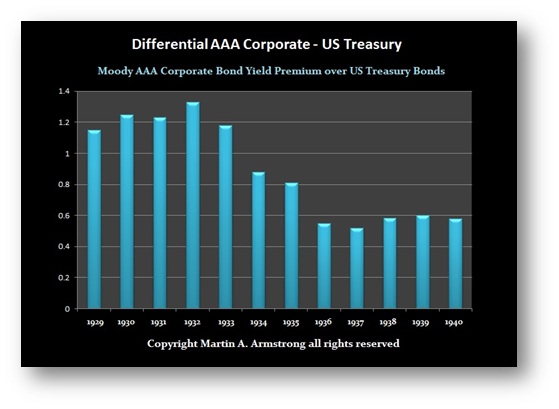
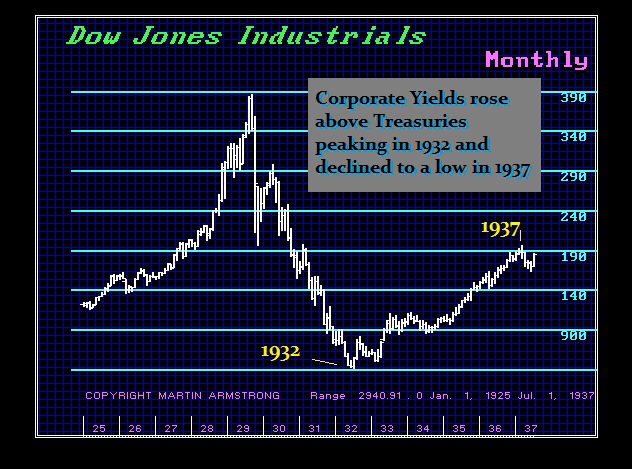
When people feared the private sector, AAA corporate rates soared peaking with the bottom of the stock market in 1932 and then declined to bottom with the rally into 1937. What we face now is the collapse of Social Security because it is restricted to buying only government debt where the interest rates are artificially maintained at absurdly low levels. Therefore, Social Security is already constantly being reduced in benefits. It cannot continue in this manner. It will have to be reformed and changed entirely. I do not believe that they will stop paying people. The way they default is reducing payments and the payments will not be enough to sustain themselves. Look at Venezuela. They honor their pensions, but what you get today will buy only a cup of coffee.

The likelihood of Social Security remaining as it is today is ZERO. Private sector rates will rise v manipulated government rates. We have entered into the Great Unknown economically. The Quantitative Easing of the Bank of Japan and the Europeans Central Bank have wiped out the free markets and ended government borrowing as a viable free market. The far more interesting aspect of interest rates will become the spread between corporate and public at the federal level.


What Will the Fed do in a Contagion?


QUESTION: I have been following your blog for a number of years, public and private. I read the blog concerning “European Politics.” In it you state the capital flight will be a contagion. I understand what the influx of European capital will have on the DOW and S&P, but much less certain of the duration of the impact and contagion. My question is two part; 1) what impact will the contagion have on the US Dollar and how do you expect the US Fed to react interest rate wise and 2) duration of equities move up – short-lived or longer-term trend is your friend.

Thanks

CF

ANSWER: The contagion will last probably 2 years at best. There was such a contagion during the Great Depression. That is what Milton Friedman used to criticize the Fed. All this gold came to the USA pushing the dollar higher, but the Fed refused to monetize it. The backing of gold behind the dollar doubled between 1929 and 1931.

This time we are on a floating exchange rates system so the Fed cannot sterilize the capital inflows as it did during the Great Depression imposing austerity as Germany demand today. Today, the capital inflows are targeting the equities because the interest rates are artificially low. If the stock market explodes, the Fed will be criticized by Congress for creating asset inflation and creating a bubble with low-interest rates.

Unlike the Bank of Japan and the European Central Bank, the US bond market is the only thing trading. The Fed is not trapped as are the other central banks. At some point, the Fed will be obligated to raise rates to fight against the asset bubble, but that will then attract even more capital and push the BoJ and ECB over the edge.

Keep in mind that ONLY a rising dollar compel monetary reform in the USA. During 1934 Roosevelt devalued the dollar and in 1985 they created the G5 to stage an organized group to manipulate the dollar lower. All those people touting gold will rally and the dollar will crumble are clueless. A lower dollar will increase corporate profits and reduce trade deficits. ONLY a higher dollar will break the monetary system.

Modern Monetary Theory & Why Central Banks are lost in the Wilderness without a Map


QUESTION: Dear Martin,
Would you like to enlighten me on your stance on the Modern Market Theory that is being touted by some in finance and politics please?

VV

ANSWER: The basis upon which MMT has emerged is actually logical for those who lack the understanding of how to conduct research. Since QE has lasted in Europe for 10 years+ without success in creating inflation, they take this as proof that the government can just print without concern of inflation. Money has value only because it is legal tender. I have written about this subject before – MMT.

I will address this in a detailed report because all economic models have now failed. This is part of the Great Unknown we have entered in Economic Theory. Central Banks are without a map and are now lost in the wilderness.

Are Two-Tier Monetary Systems a Possible Tool?


QUESTION: Mr. Armstrong; It seems few people even understand that there have been two-tier monetary systems. Do you think this can be a possible tool in the currency crisis you are forecasting for 2021?

Thank you;

Looking forward to Rome and meeting Mr, Farage as well

PC
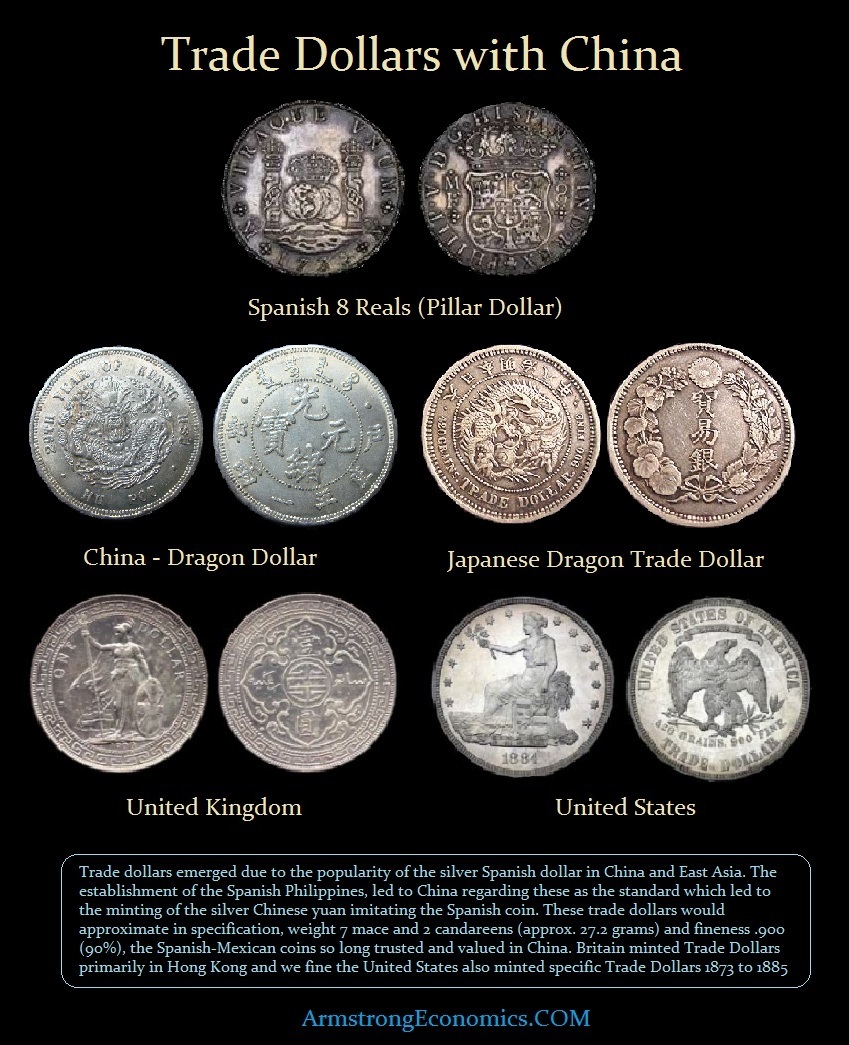
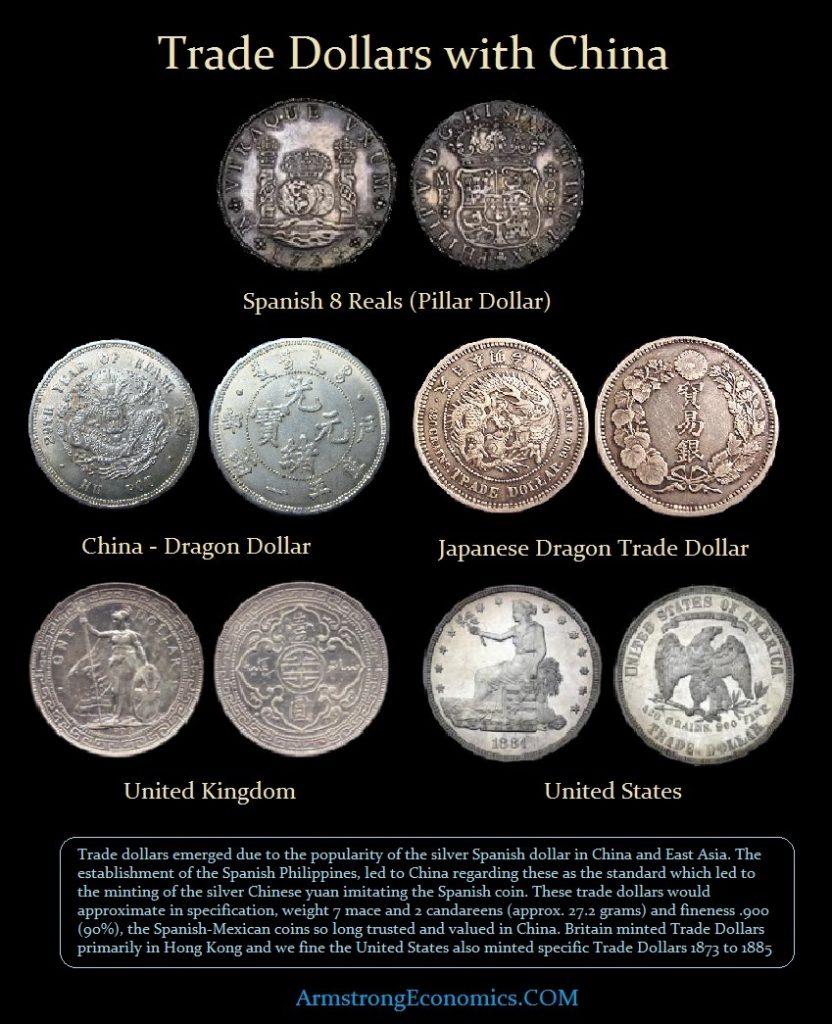
ANSWER: Various countries used to mint trade dollars in silver with different weights for external trade with China. That was a two-tier monetary system for trade during the 19th century. But there have been instances where there were two separate currencies that were also used as capital controls to isolate the domestic economy from the external international capital flows. This was the case with South Africa.

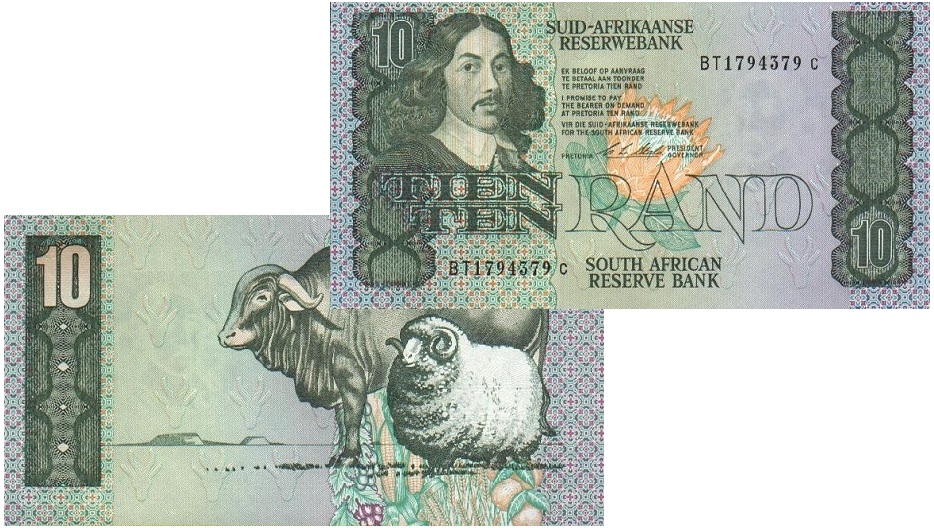
An important example of an official deliberate two-tier monetary system is the modern monetary history of South Africa. Until the late 1960s, South Africa had a fixed exchange rate for its currency. The rand was pegged to major foreign currencies, as was the case under the Bretton Woods system.

It was during 1979 when the South African government switched to a system that formally expressed parity against the dollar. The value of the rand followed changes in the balance of payments and moved roughly with sterling and other weaker currencies until 1985 when the dollar soared and the birth of the Plaza Accord took place.
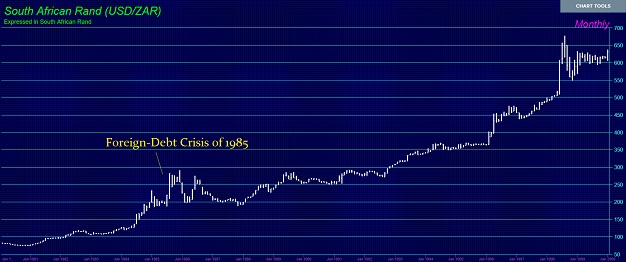
The foreign debt crisis of 1985 caused the rand to depreciate at a spectacular rate and the dollar rose in value. The rand fell to an all-time low of less than 40 cents to the US$. The rand recovered somewhat in 1987, reaching 43 cents, but it declined steadily thereafter into 1998. The rand collapsed to about 26 cents against the US$ in late 1995. Between February 1, 1996 and May 1, 1996, the rand lost roughly 16% of its exchange value, falling from R3.7 to R4.33 = US$1, or a value of about 23 cents to the US$.

The government realized that its domestic policy objectives were incompatible with international investment. They then created a parallel currency to act as a two-tier currency unit they named the “Financial Rand.” This hybrid currency was used exclusively for the movement of nonresident capital during the 1980s and early 1990s. The Financial Rand developed out of currency-exchange controls instituted in the early 1960s, known as the “blocked rand.” The Financial Rand was available only to foreigners for investment in South Africa and was created by the sale of nonresidents’ assets in the country.

Therefore, South Africa created a formal two-tiered currency system, which insulated the country’s foreign reserves from politically motivated capital flight. Since any divestment by nonresidents was automatically met by new investment, and the price of the Financial Rand varied independently of the commercial rand, a stability was achieved.

The Financial Rand invariably stood at a discount to the commercial rand, but the size of the discount depended on South Africa’s relative attraction as an investment destination. The discount stood at almost 40% during most of 1992 during the political crisis. The Convention for a Democratic South Africa (CODESA) began in December 1991 at the Johannesburg World Trade Center, attended by 228 delegates from 19 political parties. Mandela remained a key figure and after de Klerk used the closing speech to condemn the ANC’s violence, he took to the stage to denounce de Klerk as the “head of an illegitimate, discredited minority regime”.

This confrontation caused the rand to collapse. CODESA 2 was held in May 1992, at which de Klerk insisted that post-apartheid South Africa must use a federal system with a rotating presidency to ensure the protection of ethnic minorities. Mandela opposed this idea and demanded a unitary system governed by majority rule. Following the Boipatong massacre of ANC activists, Mandela called off all negotiations, and called for a special session of the UN Security Council and proposed that a UN peacekeeping force be stationed in South Africa to prevent “state terrorism.” Calling for domestic mass action, in August the ANC organized the largest-ever strike in South African history, and supporters marched on Pretoria. The rand declined to about 20% by late 1993.

Reserve Bank governor Chris Stals, under pressure from the banking and business communities, said that the government would phase out the Financial Rand in 1994 or 1995, assuming that South Africa’s foreign currency reserves reached at least R20 billion and that the discount between the financial and the commercial rends narrowed to about 10%. Foreign currency reserves were low in early 1994 but thanks to a dramatic reversal of the capital outflow in 1993, foreign currency reserves increased throughout 1994 and into early 1995.

Finally, by March 1995, with foreign reserves of only about R12 billion, the government abolished the financial rand. The newly unified currency began to trade on international currency markets, marking a vote of confidence in South Africa’s business potential.

Only a two-tier currency system can possibly weather the economic storm on the horizon from the collapse of the European Union at the hand of this lethal combination of policies. The next banking crisis will most likely begin in the Eurozone due to a continued failure to resolve the systemic weaknesses of its construction. The failure to have consolidated the debts means that the failure on the state level will ripple through the entire European economy. In the United States, state debt is not used for reserves. The failure of California will only send bond seekers into the federal debt who are fleeing state and municipal debt. We see that in Europe as capital fled from most members concentrating in Germany, which is the US Treasury equivalent within the Eurozone. With the first bail-in under the BRRD agreement, the contagion will be devastating as was the case when Michigan closed its banks in 1933 in the USA.

The Financial Rand fell below the domestic commercial rand when the 1992 political crisis unfolded, and capital fled South Africa unwilling to invest in a nation that might move into civil war. The two-tier currency system can and does help to distinguish between domestic and international capital flows.

There is the potential to create a two-tier monetary system with a new type of international currency that is separate and distinct from that of the domestic currency. This would allow the US dollar to end its reserve status and end the clash between domestic and foreign policy objectives.

 

The Fate of Europe


QUESTION: Marty; Your capital flow models have been remarkable. Do you see Europe as ever getting its act together? We need support to get decisions approved as you know. Will you provide that for us to present to the men above?

Thanks.

Nice to see you in Europe. Rome should be great at this time of year.

PDC

ANSWER: I have covered that is a special report for attendees. It took me a month to write this one. I have tried to cover every aspect so we can deal with the forecasting at the conference rather than all the supportive history. I understand that institutions need the support to justify their decisions. This is the report everyone needs for their files to CYA as the say for decisions.

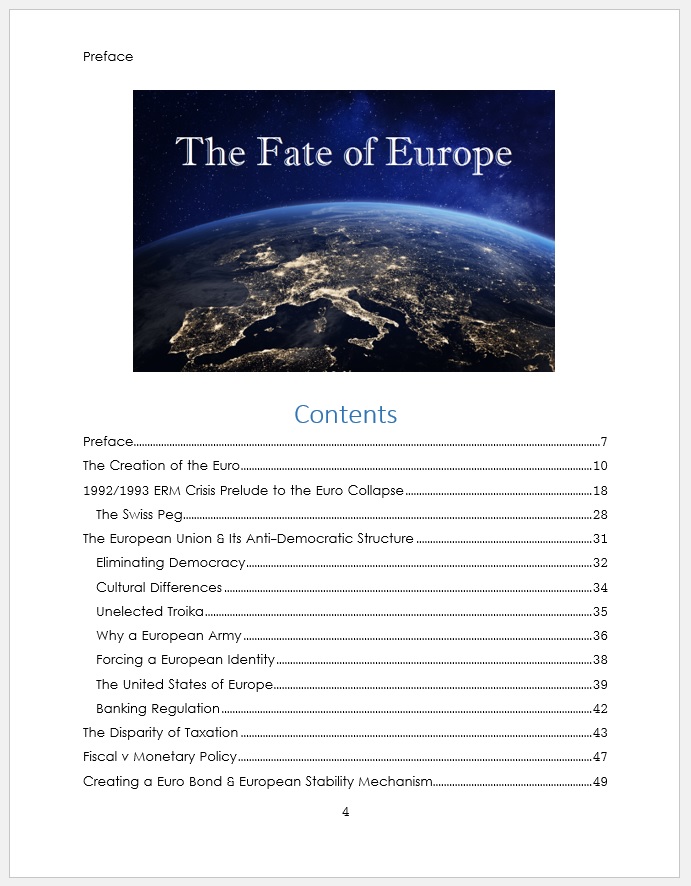
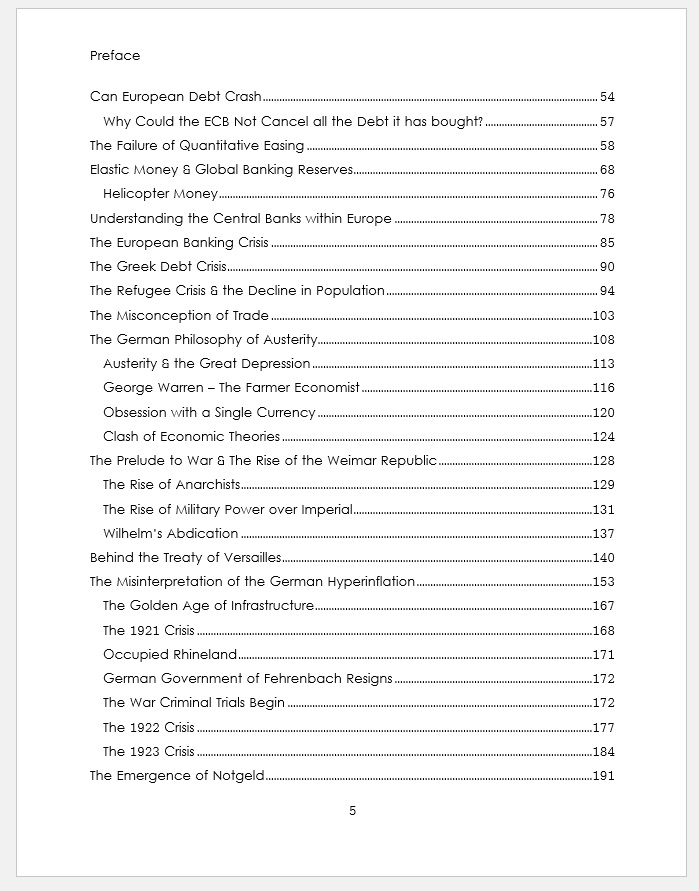
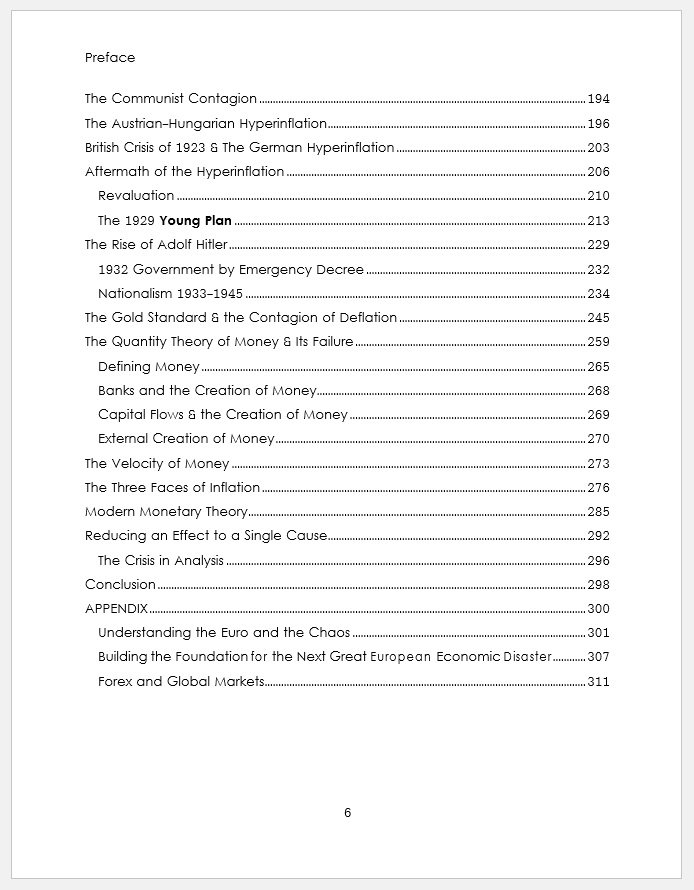
Things look very dicey for Europe and this will be a very interesting WEC. Here is the Index of the Report. I believe this will answer all questions and provide the backup you need to present to any board of directors.