McDonalds Dumps Trial of Plant Meat Because Customers Would Not Purchase – Next up, Bug Meat


Posted originally on the conservative tree house on August 5, 2022 | Sundance

McDonalds has announced they are dropping their program testing plant-based meats because people didn’t like it.

As noted by the Washington Times, “other trials at Panda Express and Yum! Brands (KFC, Taco Bell, and Pizza Hut) have also ended without a subsequent product launch. Beyond Meat products at Dunkin’, Hardee’s, and A&W have been discontinued after launching.”

Apparently, American consumers do not want to eat fake meat; at least not fake meat made from plants.

Next up….  Bug meat.

…”The menus will feature items such as cricket tacos or a Thai larb salad and recipes that use an innovative cricket meat-alternative which packs about 30 per cent protein – and requires around 1800x less Greenhouse gas to produce than beef.”  (LINK)

Good News, Gasoline Prices Drop – Bad News, Demand for Gasoline Plummets to Pandemic Era Levels


Posted originally on the conservative tree house on August 5, 2022 | Sundance 

The good news is that gasoline prices have dropped in the past several weeks to an average of $4.13/gal.  However, the bad news is that most of the drop in price is related to gasoline demand dropping to the same level as July 2020 during the pandemic lockdown phase.

Obviously, $4.13/gal is still a very high price for gasoline, and that is leading to fewer people purchasing gasoline.

(Via Fox) – […] New data from the Energy Information Administration (EIA) shows that gas demand dropped from 9.25 million barrels per day to 8.54 million per day last week. That’s 1.24 million barrels per day lower than last year and “in line with demand at the end of July 2020,” when there were widespread virus-related restrictions and fewer people were hitting the road, according to AAA. 

The latest demand figures bolster a recent AAA survey that revealed 64% of drivers had changed their driving habits or lifestyle since March to offset the high prices at the pump. (read more)

If you think about the position of the Organization of Petroleum Exporting Countries (OPEC or OPEC+), it makes sense for them to recognize the intentions of the western leaders to shrink the western industrial economies and respond accordingly.

OPEC knows North American and European leaders are intentionally reducing economic activity in an effort to lower the economy to match the lower level of energy production. This is the “managing the transition phase” of the Build Back Better agenda, the intentional shrinking of the economy through energy and monetary policy.

Knowing that, it makes sense that OPEC would not produce additional oil into a globally shrinking economic system.  Producing more oil would be against their own economic interests.

Labor Report, 528,000 Jobs Gained in July, Large Gains in Restaurants and Services, Unemployment Rate 3.5%


Posted originally on the conservative tree house on August 5, 2022 | Sundance 

A few days ago, we were discussing the disconnect within the economy as it relates to corporate valuations.  The Bureau of Labor Statistics report today [DATA HERE] highlights another economic disconnect, this time with labor.  According to the BLS survey 528,000 jobs were added to the economy in July, the unemployment rate drops to 3.5%.

The household data [Table A] shows the number of eligible workers unemployed dropped 242,000; however, the number of eligible workers no longer in the workforce increased by 239,000.  The total labor force is shrinking as unemployment drops.

Keep in mind the previous BLS survey of job openings (JOLTS report) showed available jobs dropped 605,000 in July.  “On the last business day of June, the number and rate of job openings decreased to 10.7 million (-605,000) and 6.6 percent, respectively. The largest decreases in job openings were in retail trade (-343,000), wholesale trade (-82,000), and in state and local government education (-62,000).” [JOLTS survey]

Going back to today’s release, 303,000 part-time jobs were added in July; these are workers working part-time for economic reasons.  The Household Data shows that within the leisure and hospitality sector [Table B-1] restaurants and bars added 74,000 jobs.

If we combine both BLS surveys two days apart is: 605,000 job openings cancelled, and 528,000 new jobs gained.

Of the 528,000 new jobs gained, 303,000 were part time jobs with the largest growth in the jobs in restaurants and bars.

Again, blending data from both reports and focusing on retail.  The retail sector cancelled 343,000 job openings in July, and the retail sector added 21,600 jobs in July.  Within the retail sector (table B-1), jobs at automotive dealers, furniture stores and clothing/apparel stores dropped by a combined 7,200 jobs.

BIG PICTURE:  ♦Energy prices are squeezing consumers and paychecks. ♦Energy driven inflation is high.  ♦Rising housing costs, food costs, gasoline costs and energy costs have hit the consumer hard.  ♦Credit card balances have jumped (highest increase since ’02).  ♦Consumer sales on non-essential items have dropped.  ♦Factory activity around the world (Asia and Eurozone) is slowing or has stopped.  ♦Durable goods inventories have climbed everywhere.  ♦Shippers of durable goods are not shipping. ♦Employment in auto sales, furniture and clothing have all declined.  All of these datapoints align.

Everything in that “big picture” is fact based on current data, and it all makes sense.  However, there is still a disconnect in the big picture.

How does an economy add over 4 million jobs this year, while simultaneously shrinking?

The value of those jobs has to diminish in proportion to the economic contraction.  The disconnect only reconciles if the wages which lead to eventual spending.  With wage growth at 5.2% and the cost of everything up 9.1% (inflation), the difference between the two is how the economy shrinks even with more jobs added.

Think of all the activity (buying stuff, eating out, ordering food etc) as units. All of the unit activity costs more money, but the earnings of the workers is only keeping pace with half of the increase in price.  Therefore, less units are being engaged made, sold and purchased.

The GDP, which measures the value of everything created in the economy (minus imports) dropped 1.6% in the first quarter and 0.9% in the second.  The unit economy is contracting.

As I have said before, “an intentionally managed decline of western economic activity should have a direct impact on the private corporations within those economies.  If the politicians are collectively going to stop energy development, raise energy prices (inflation), then use monetary policy to shrink the economy down to the level of energy available, we would normally think corporations were going to make less money.

However, in our current scenario, as long as price increases (energy inflation) can be passed along and wage gains can remain low, the profitability remains strong.  Here’s the worst part of this dynamic.  The people investing in the profit get richer, the workers creating the profit get poorer.

Our Joe Biden economy, and the economy of the western nations that are following this same climate change agenda, is getting smaller.  Within the smaller economy, the rich are getting richer and the workers within the Joe Biden economy are getting poorer.

Waking Up From a Coma in 2022


Awaken With JP Published originally on Rumble on July 30, 2022

Imagine you woke up from a 19 year coma and it’s the year 2022…

Geopolitical Nightmare


Armstrong Economics Blog/Geopolitical Re-Posted Aug 5, 2022 by Martin Armstrong

My mother died at 99. She had her wits about her til the end. Not everyone loses their mind. Henry Kissinger, I regard as the finest geopolitical analyst in history. That person in the Biden Administration who is the real president writing the scripts is only interested in climate change and the Great Reset. They pushed the sanctions against Russia, which have divided the world and ended the global economy. They are already preparing ways for us to eat bugs. Cricket powder is starting to show up in the food supply.

Meanwhile, there is absolutely no evidence that any sanction against a country has ever worked. Iran has been under sanctions for as long as I can remember. These morons are pushing the world into a serious geopolitical confrontation that will not end nicely. We have reached the 8.6-year turning point from the 2014 Ukrainian Revolution. This does not speak well for what we face in 2023. All I can say is I really hope the Democrats do not allow illegal aliens to vote. I fear that will spark a serious uprising, and then you will get a REAL insurrection — not a fake January 6th event to create publicity for the November 2022 election.

Fertilizer Bans Lead to Food Scarcity


Armstrong Economics Blog/Agriculture Re-Posted Aug 4, 2022 by Martin Armstrong

Canada’s Trudeau is proposing to reduce fertilizer with the globalist goal of achieving zero emissions by 2030. Every indicator says that food scarcity is on the rise, and yet politicians are continually making it harder to farm. Trudeau’s plan entails a 30% reduction in fertilizer and is a direct threat to the food supply.

Fertilizer Canada believes this plan will begin hurting agriculture as soon as 2023. The agency believes that Canada may lose over 160 million metric tons of spring wheat, canola, and corn between 2023-2030 alone. Alberta Minister of Agriculture Nate Horner stated that the world is looking at Canada to increase food production amid scarcity and that the government is doing much more harm than good with this ban. “The world is looking for Canada to increase production and be a solution to global food shortages. The Federal government needs to display that they understand this. They owe it to our producers,” he stated.

Who else placed bans on fertilizer, and how did it go? Let’s look at Sri Lanka, which is currently in ruins. Disgraced former President Gotabaya Rajapaksa promised to transition to “organic” farming. In April 2022, the government banned synthetic fertilizers and pesticides and forced two million farmers to switch to organic farming. The plan failed and the downturn was swift. Rice production fell 20% in six months and continued to fall until the nation began importing rice for the first time in recent history.

The Rajapaksa Administration knew it was in serious trouble by 2021 and tried to offer farmers incentives for losses incurred. Now, over 86% of the population of Sri Lanka is food insecure. Countries looking to ban or reduce fertilizer must realize that the outcome will lead to less food. Should we let people starve to “save” the environment?

The Inequality of the World Economy


Armstrong Economics Blog/Economics Re-Posted Aug 4, 2022 by Martin Armstrong

QUESTION: Mr. Armstrong; I have followed your comments on the future of inflation for the last five years at least since a friend attended your conference. I must say you have alone singlehandedly defeated every economic theory I have studied.

Since the start of this pandemic in 2020, most prominent neoliberal economic voices warned of the danger that the spending would create inflation. The U.S. spent more as a share of GDP than any major economy on this planet. There was a mix of direct payments to citizens, forgivable loans to small businesses, and then new pandemic-related federal spending. Yet the data showed inflation in the United Kingdom has hit nearly 10% and European inflation rates were higher. Every G7 nation had higher rates of inflation than the United States. This called into question that there was a possible disconnect between the rationale behind tightening U.S. monetary policy and the actual causes of ongoing inflation rises.

Your favorite economist, Larry Summers, from nearly the beginning of that fiscal response, warned this would trigger inflation. At first, he seemed correct. However, by the start of 2022, U.S. inflation did outpace the average for OECD nations. Yet here in 2022, inflation externally to the U.S. is now surpassing all U.S. levels, and the forecasts of the neoliberal economic thought are in open to doubt as to their outcome.

Your argument against the Quantity Theory of Money appears to be vindicated. Since the U.S. had printed much more money than other economies, then how was it possible that the U.S. would have the lowest inflation rates? The discussion in some circles has tried to explain that at first, the U.S. stimulus remained has been overshadowed by non-monetary factors such as shortages. That has been your expectation years in advance.

Now even wages have risen dramatically ever since the end of unemployment benefits to adjust for the rise in inflation. Yet employment has still not recovered for prime-age workers compared to 2019 levels.

I understand you are not interested in teaching at a university. Perhaps it is time for you to write a textbook to provide a better view of the complexity of the world economy. We are obviously in new territory.

Would you care to explain how inflation is significantly higher outside the United States despite the fact that the U.S. expanded its money supply greater than any other nation?

SK

ANSWER: I know this is a very complex question that most people, no fewer politicians, want to think about. Aside from COVID and the supply chain, Biden & the Green’s attack to end fossil fuels is just totally insane. The US was self-sufficient under Trump. Biden has done everything to undermine that and they have no idea what they are doing. They are making the US economy vulnerable. However, outside the USA, nations are NOT self-sufficient, and the further you move down the rank, the greater it is that their population is living hand to mouth.

Europe has no energy. This push by the Greens in Germany and Austria is just completely insane. Remove Putin in Russia, and you will get a hardline replacement who will see that this is the moment to take Europe, and Europe tried to invade Russia twice before. Cutting off the energy and the Greens have made Europe vulnerable, which the Neocons and NATO salivate over finally getting to use their toys.

Gasoline in Europe sells by the litre. One gallon = 3.7 liters. Since gasoline in Europe is about €2.07 Euros, now €7.82, which is now about $8.21 up to $10 a gallon compared to the US national average of $4.642.

The dramatically higher cost of energy in Europe is driving inflation substantially higher in Europe because it also filters over into the cost of transporting everything, right down to food. The inherent problem we always have is that we tend to judge everyone else by ourselves. The world is really different outside the United States. In Japan, the price of gasoline per gallon works out to ¥646.548. Japan, instead of taxing gasoline, the government subsidizes it by about ¥100 per gallon. Thus, the consumer pays about the same as an American.

The higher the fuel cost, the higher the inflation, at least until the Greens force everyone to ride bicycles, stop heating their homes in winter, and truckers revert back to horse and wagons.

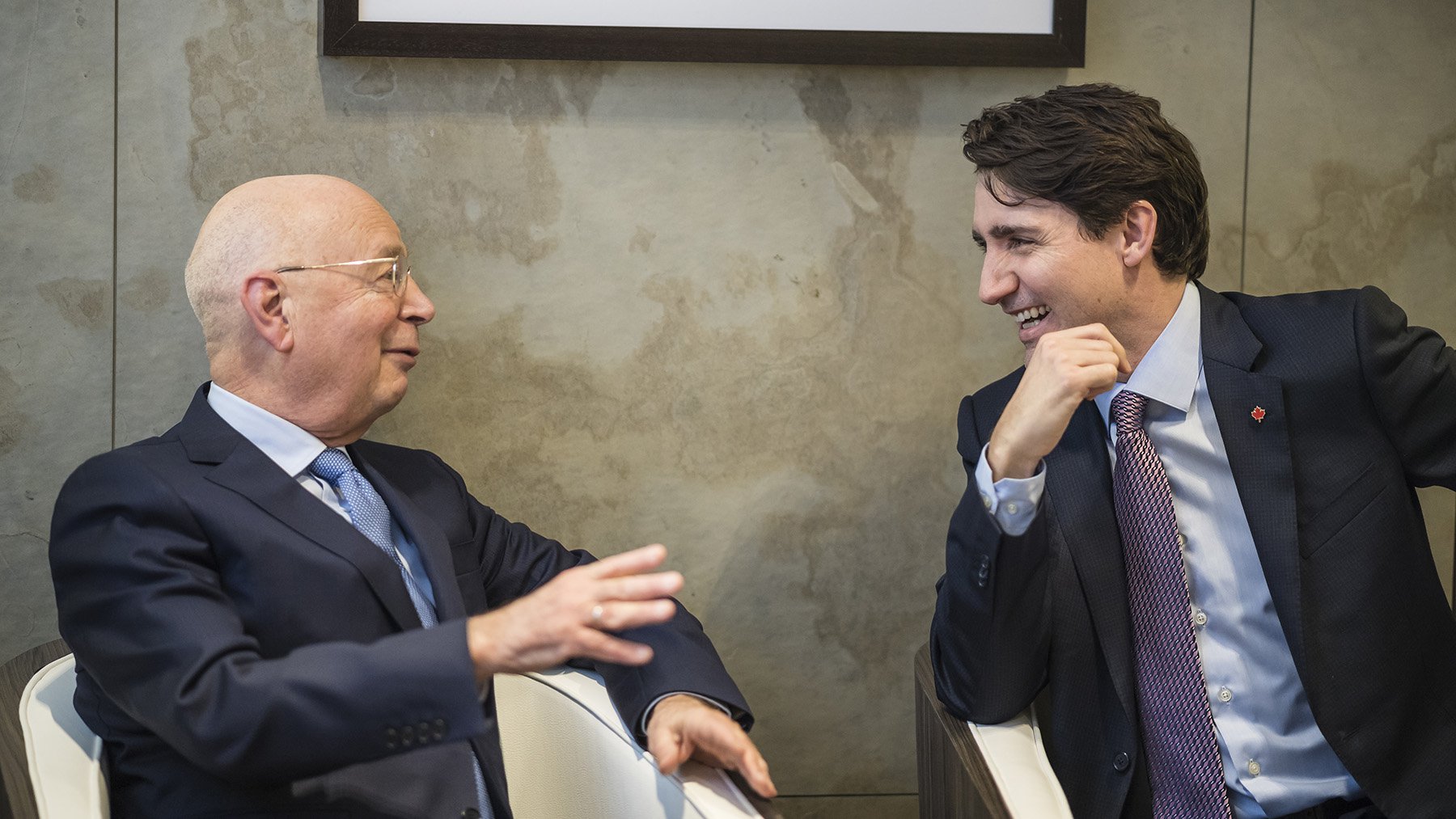
While we have Klaus Schwab claiming inequality is a huge problem, and we need to return to his world of equality, he obviously never considered anyone outside of his own circle. The world is vast. Perhaps we should take all his wealth so he can be equal in wealth to a goat herder in Africa. I’m sure that would solve all the problems of the entire world.

When Will the Baby Formula Shortage End?


Armstrong Economics Blog/Gov’t Incompetence Re-Posted Aug 4, 2022 by Martin Armstrong

It has been about a month since Abbott Laboratories reopened its formula plant in Michigan, but the US is still in desperate need of baby formula. The plant ceased operations in February after certain formulas were recalled for containing bacteria after infants became sick. Abbott had a huge 40% stake in the formula market within the US. The production plant was supposed to resume operations in June but this was pushed back a month due to flooding in the area. Certain states saw out-of-stock rates near 60% in July, but the national average currently sits at 30%.

The White House secured 17 Operation Fly Formula missions and imported enough powder to make 61 million bottles. The Defense Production Act was revoked to remove some tariffs, but this was a temporary fix. US consumers need enough formula for 65 million bottles per week. Experts now believe that the shortage will last into the fall months.

The Food and Drug Administration (FDA) failed to act in a prompt manner. Some of the red tape and regulations are to blame. FDA Commissioner Robert Califf testified in July, displacing blame from the FDA, and saying that they simply did not know. “No law requires manufacturers of these products to notify FDA when they become aware of a circumstance that could lead to a shortage of these products. Without this information, the Agency may have little or no insight as to when a major shortage may occur, preventing us from taking potential mitigation efforts until a crisis becomes apparent,” Califf said. He believed that formula availability to normalize in up to eight weeks.

An investigation shows that the FDA was first notified of formula contamination in December 2021. In fact, 128 complaints were filed between December 2021 and March 2022. The FDA certainly was aware of the contamination before they took action. The White House also took too long to respond as Biden did not invoke the Defense Production Act until May 2022, when 40% of formula was unavailable. This issue should have been solved months ago but persists due to government incompetence.

BMW Warns Investors of Lower Production Forecast, Incoming Factory Orders Declining


Posted originally on the conservative tree house on August 3, 2022 | sundance 

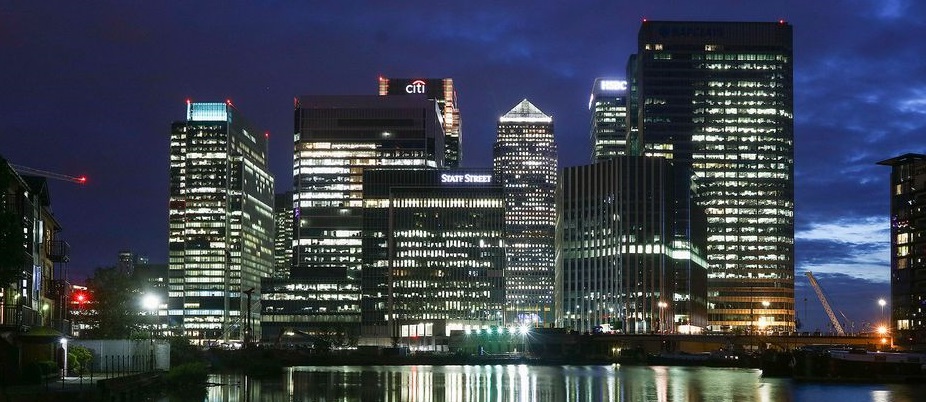
Whenever we are discussing the intentionally managed decline of the western countries, it is important to remember the closely connected relationship between multinational corporations and the political leaders of those nations.  Specifically, their public-private connections as they run through the World Economic Forum assembly.

An intentionally managed decline of western economic activity should have a direct impact on the private corporations within those economies.  If the politicians are collectively going to stop energy development, raise energy prices (inflation), then use monetary policy to shrink the economy down to the level of energy available, we would normally think corporations were going to make less money.

That preceding paragraph is not controversial.  It simply explains exactly what is happening; that is the situation.  However, for some weird reason the system that evaluates corporate wealth is not responding negatively to the reality of the situation.

Traditionally, we would think destroying the economy would be against the interests of the multinational corporations who benefit from economic expansion.  However, in the era of subsidized and controlled economic management, I’m not so sure the corporations are stakeholders in economic growth.  Something is profoundly disconnected, or else the corporations would be raising hell with the politicians.

BERLIN, Aug 3 (Reuters) – BMW (BMWG.DE) lowered its output forecast and warned of a highly volatile second half on Wednesday, pinpointing supplies of energy in Europe and chips worldwide as the two crucial factors to the carmaker hitting full-year earnings targets.

New incoming orders were beginning to fall but order books remained filled for the next few months, chief executive Oliver Zipse said. (read more)

All of the basic indicators point in one direction.

Energy prices are squeezing consumers and paychecks. Energy driven inflation is high.  Rising housing costs, food costs, gasoline costs and energy costs have hit the consumer hard.  Credit card balances have jumped.  Consumer sales on non-essential items have dropped.  Factory activity around the world (Asia and Eurozone) is slowing or has stopped.  Durable goods inventories have climbed everywhere, without customers to purchase them.  All of these facets are happening exactly as we would expect.

However, the value of the companies negatively impacted by everything above, is not dropping at the same rate of the financial impact each company is incurring.  It’s as if the entire financial system is pretending that things are not as bad as they are.  This announcement from BMW is a good example of that.

Consider another example.  According to the employment data, and even accepting the data is skewed, somewhere around 3.9 million jobs restarted or were created in the first six months of this year.  Yet, despite that job growth the GDP declined -1.6% in the first quarter and -0.9% in the second.

How does an economy add almost 4 million jobs while simultaneously shrinking?

Either people are (1) less productive, or (2) working less hours, or (3) holding multiple jobs…. or a combination of the three.

Trying to filter through the economic noise to see beyond the horizon is becoming more difficult.

So, let’s bring this conversation down to Main Street.  What do you see around you?  What’s going on economically in your community?

Do you see lots of people in stores and shopping malls?

Do you see a lot of new purchases being made?

How are your family, friends and the people in your community being affected by this economy?

Western Nation Economic Recession, Maersk Shipping Group Forecasts Weak Shipping Demand as Warehouses Fill with Unsold Durable Goods


Posted originally on the conservative tree house on August 3, 2022 | sundance 

A few months ago, amid all of the headline warnings about inflation and prices of essential products, CTH noted that if we were to continue waiting about six months, we would see a massive backlog of unsold goods and as a consequence the prices of non-essential durable goods would begin a rapid decline.  That exact scenario is about to unfold.

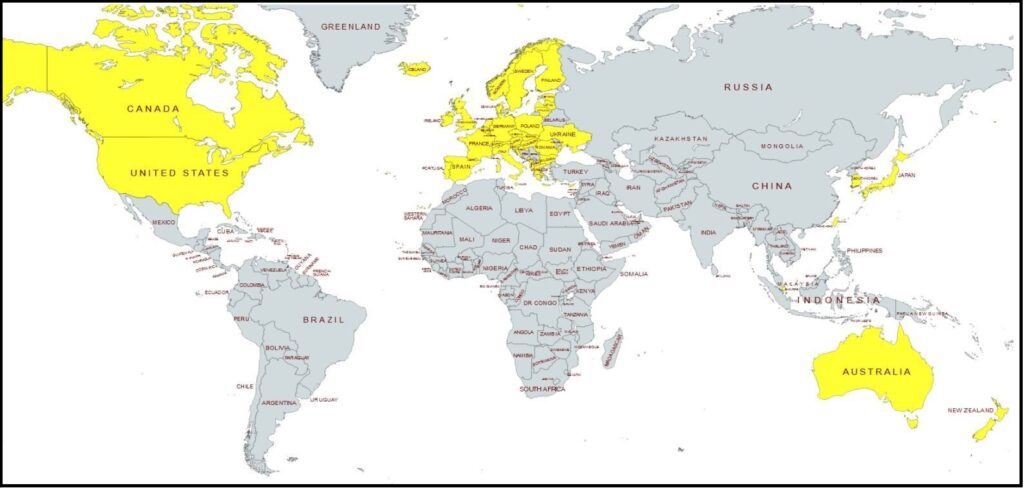
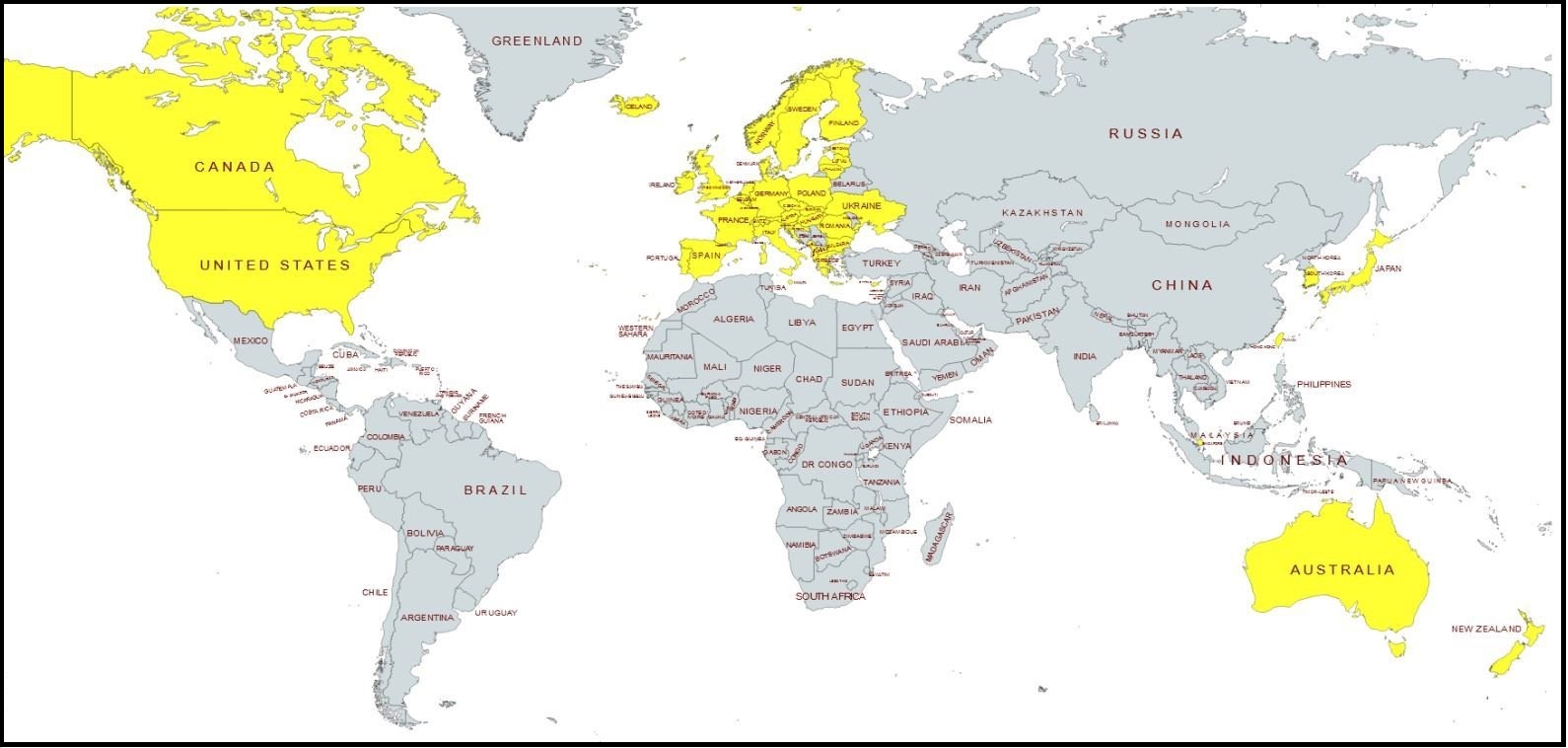
Keep in mind, this is not necessarily a collapse of total global economic activity; what we are seeing is a collapse of western nation economic activity that is impacting the rest of the world.  A great economic fracturing is taking place as the western nations intentionally shrink their economy.  The supplier nations are feeling the consequences.

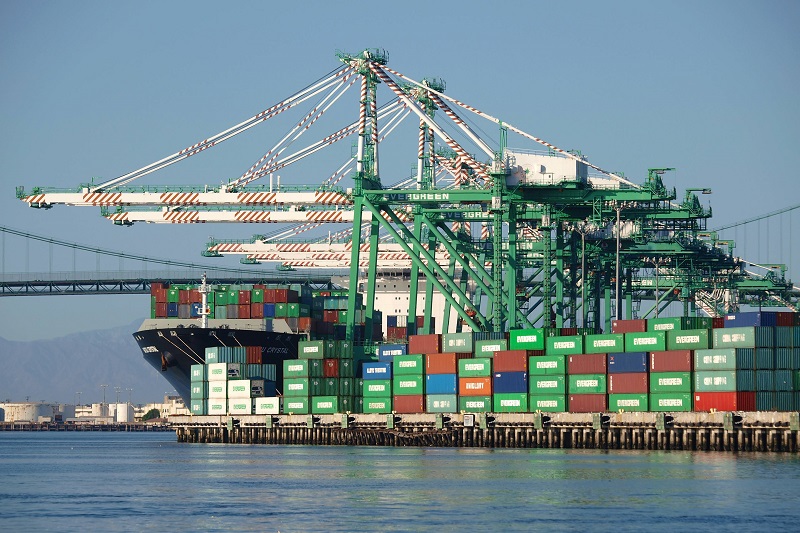
Maersk is the international shipping company that delivers millions of containers of goods all around the world, mostly by ship.  They are warning that warehouses are full of previously delivered goods, unsold consumer durable goods, as retail sales have come to a standstill.

The amount of inventory in warehousing is so extreme, major wholesale and retail groups have run out of storage space (link).

COPENHAGEN, Aug 3 (Reuters) – Shipping group Maersk (MAERSKb.CO) expects global container demand to fall this year as sales of durable goods come to a “standstill”, leaving flat-screen TVs and furniture piling up in warehouses, the company said on Wednesday.

A surge in consumer demand and pandemic-related logjams holding up containers in key ports had boosted freight rates and profits in the shipping industry in recent quarters, yet the cost-of-living crisis has reversed that trend.

[…] “Sales of durable consumer goods have come to a standstill,” Chief Executive Soren Skou told journalists at the company’s headquarter in Copenhagen. “Consumers have bought what they need for now of new sofas, kitchens, flat screens and garden furniture.”

In the United States, the country’s largest warehouse market is already full as major U.S. retailers warn of slowing sales of the clothing, electronics, furniture and other goods.

Mearsk said the number of containers it had loaded on to ships fell by 7.4% in the second quarter compared with a year earlier. (read more)

Keep in mind, South Korean factory output is now negative (electronics etc). European factory output is now negative (industrial equipment).  Japanese factory output has dropped dramatically, and U.S. factory output has stalled.   All of these issues overlay the statements by Maersk that shipping is not needed.

The western economies are contracting in response to the collective energy policies of the Build Back Better climate change agenda, and the high cost of energy that comes from stopping energy production.

Energy production in western nations has been slowed or stopped (Build Back Better).  Western nation inflation is being driven by higher energy costs as a result of less energy products being produced, oil, coal, gas.  Western banking groups have raised interest rates to slow down the economic engines to meet the drop in energy production.

All of this is being done with intent, purpose and control.  This is a managed decline.