
Armstrong Economics Blog/World Trade Re-Posted Oct 31, 2022 by Martin Armstrong
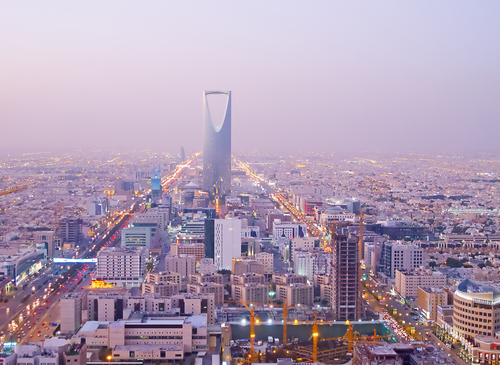
The Davos in the Desert meeting has humiliated Washington. The president himself was unable to secure a deal with Saudi Arabia, and now America’s elite are congregating in Riyadh to discuss trade. The New York Times released an article claiming that Saudi Crown Prince Mohammed bin Salman “duped” Joe Biden into thinking that he would increase oil production. Now, the White House is claiming that Joe’s failed visit to Saudi Arabia had nothing to do with oil.
Perhaps Uncle Joe was working on his tan? White House Press Secretary Jean-Pierre said that the situation has been “mischaracterized” and said the NYT article was fake news. “Look, we’ve also been clear that, our trip, that the President’s trip to the Middle East was not about oil,” she stated. “What the President is focused on currently and today and has been for the past several months since the war started — remember, because of Russia’s war, we have seen a spike in gas prices, so as you hear us say, Russia’s tax hike, and so, we have done everything that we can and continue to do the work — the President has — to lower the prices for the American people. That’s why you have seen gas prices go down.”
Blame is on “Russia’s tax hike” and not Washington’s inability to negotiate or maintain diplomatic relations with strategic trading partners. The NYT article claims that the kingdom promised it would “accelerate an OPEC Plus production increase of 400,000 barrels per day already planned for September” followed by an additional 200,000 bpd increase from September to December. OPEC+ decreased production by 2,000,000 bpd instead.
Due to this failed arrangement, oil prices rose right before the 2022 US midterm elections. Biden released Strategic Petroleum Reserves in response to temporarily bring prices down, as he does not want America to see the repercussions of this failed deal.
 Centinel2012