Nations Issue Politically Charged US Travel Advisories


Posted originally on Mar 24, 2025 by Martin Armstrong 

airplan air travel airtravel

Numerous nations are warning their citizens not to travel to the United States ahead of the busiest months for tourism. These are not true travel warnings but fabricated suggestions to deter people from visiting the United States for political reasons. These “advisories” are making worldwide headlines as the world turns its back on America.

Globalist leaders disagree with America’s policy of securing the border. “A criminal conviction in the United States, false information regarding the purpose of stay, or even a slight overstay of the visa upon entry or exit can lead to arrest, detention, and deportation upon entry or exit,” Germany’s foreign ministry stated. Yet, anyone visiting a foreign nation must meet these same requirements and could be denied entry for an array of reasons.

Three German citizens were separately denied entry in recent weeks, and their stories made worldwide headlines. This is standard operating procedure, as these travelers had incorrect papers. The same instance happened with a woman from the United Kingdom who was denied entry for having an incorrect visa. Again, none of this is new or a cause for concern.

Still, the United Kingdom issued a warning to potential travelers. “You should comply with all entry, visa and other conditions of entry. The authorities in the U.S. set and enforce entry rules strictly. You may be liable to arrest or detention if you break the rules,” the guidance reads. Precisely—you must abide by the rules to gain access to a foreign nation.

Denmark’s Ministry of Foreign Affairs has also issued a travel advisory for the United States but for a different reason. The United States now requires passport holders to state their assigned sex at birth—male or female—on their record. There are only two options, and yes, this is a safety concern. Someone could easily create a fake identity to enter on illegal grounds. Customs officers must see identification that matches the person in front of them. Denmark is now warning citizens that they could face discrimination.

Other nations like Canada have unofficially advised citizens to take precautions when visiting the United States.

The World Travel & Tourism Council’s (WTTC) 2024 Economic Impact Research found that the tourism sector added $2.36 trillion to US GDP in 2023, a 7% increase from the year before. Over 18 million Americans are employed in this crucial sector.

These advisories are not intended to protect the people. There is no danger in visiting the United States. In fact, Europe has increased its entry requirements more so than the United States, but Trump derangement syndrome has spread like a pandemic.
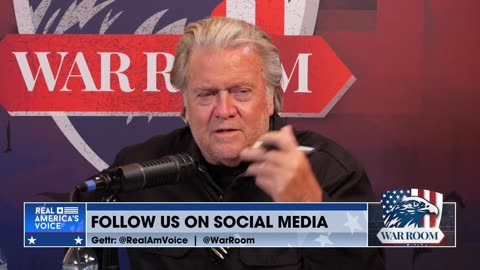

SCOOP: OMB Will Start Impoundment, Steve Bannon Discusses Existential Threat Of Debt


Posted originally on Rumble By Bannon’s War Room on: Mar 22 2025, at 1:00 pm EST

Interview: Global Trends by Martin Armstrong


Posted originally on Mar 23, 2025 by Martin Armstrong 

MartinArmstrongImage

Global Trends By Martin Armstrong : ‘It’s Being Driven Largely By Underlying Economics’

Exclusive interview with Martin A. Armstrong by Matt Ehret, Piero Messina and Lorenzo Maria Pacini.

Economist Martin Armstrong speaks again with SouthFront. In his interview, Armstrong offers some insights into the main issues of the geopolitical and economic agenda…

Read more: https://southfront.press/global-trends-by-martin-armstrong-its-being-driven-largely-by-underlying-economics/

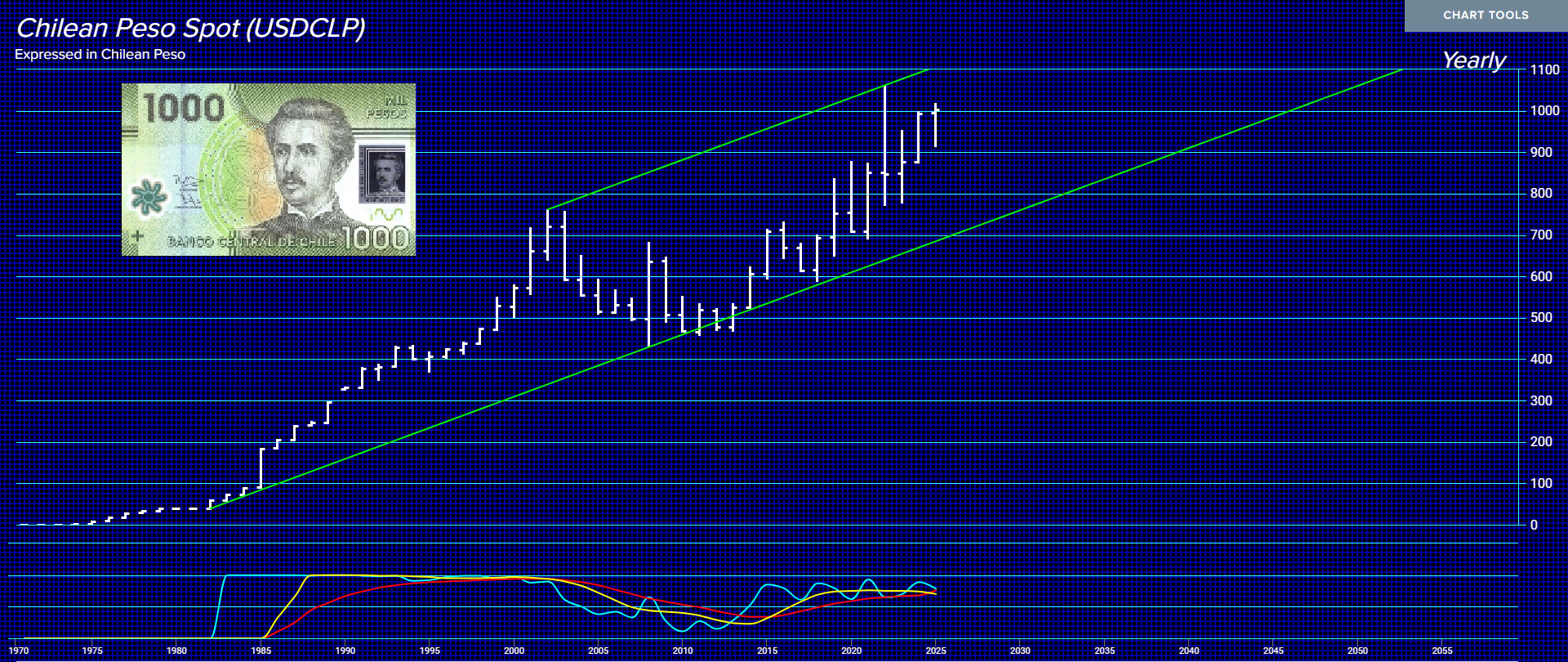
Chile – The Outlook


Posted originally on Mar 22, 2025 by Martin Armstrong 

Chile_Y Peso 3 22 25

QUESTION: Dear Mr. Martin Armstrong:

I hope you are well and enjoying your front-beach house, in the Sunshine State. I ask you:

1. What is better for U.S.A., right now?
2. Is a strong U.S. Dollar or is a weak U.S. Dollar?

I look forward to hearing from you as soon as possible.

Sincerely,

Juan
Santiago of Chile.

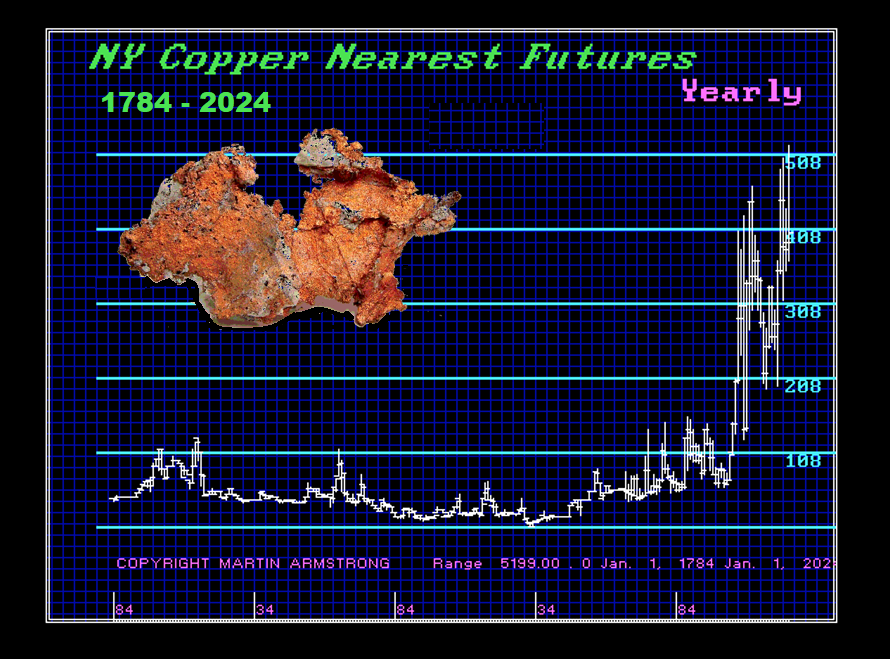
CPNYNF Y 1784 2024

ANSWER: Potential risks in Chile include a global recession reducing demand for copper into 2026, political instability in Chile, and eventually, a stronger US dollar, making emerging market assets less attractive. While Trump wants a lower dollar to sell more widgets, the problem remains that the push for war in Europe provides an underlying demand for dollars. In addition, the EU is rushing to cancel the paper currency and move to digital as part of the capital controls that have been put on the plate. It does not matter what Trump wants for the dollar; neither he nor any country can alter the fate of the currencies, which are set in motion by many things, especially war.

In Europe, they are not about to suddenly surrender to their Marxist socialist agendas. “A New World Order With European Values” adorned the banners and signs at the World Forum meeting in Berlin. They have declared that the greatest threats facing humanity are the resurgence of populism and free speech. They are advocating silencing anyone who disagrees with them. Just amazing.

The LEFT is losing ground, so this is when they become more authoritarian. They justify themselves by saying that populist movements have victimized the people, so this also leads them to conclude that free speech must end.

This trend is dominant in Canada and Europe, and the countertrend has been Argentina and Trump in the USA. Despite Trump’s idea of a weaker dollar, the lack of common that has engulfed the LEFT, where they refuse to admit that they are ever wrong, will have a profound. impact on the next two years.

Chile’s politics will hinge on the constitutional process, economic management, and societal demands. President Boric faces a critical window to deliver reforms, but polarization and external pressures pose risks. The right could capitalize on setbacks, setting the stage for a contentious 2025 presidential election.

President Gabriel Boric (left-wing coalition Apruebo Dignidad) has been in office since March 2022. His administration focuses on social reforms, environmental policies, and reducing inequality. Challenges include managing economic stagnation, inflation, and public security concerns. The success in Argentina has the potential to become a contagion, and South America could rise as a restored economic land if it finally sheds the LEFTIST agenda that has stagnated the economy overall.

British Press Call for World War III?


Posted originally on Mar 22, 2025 by Martin Armstrong 

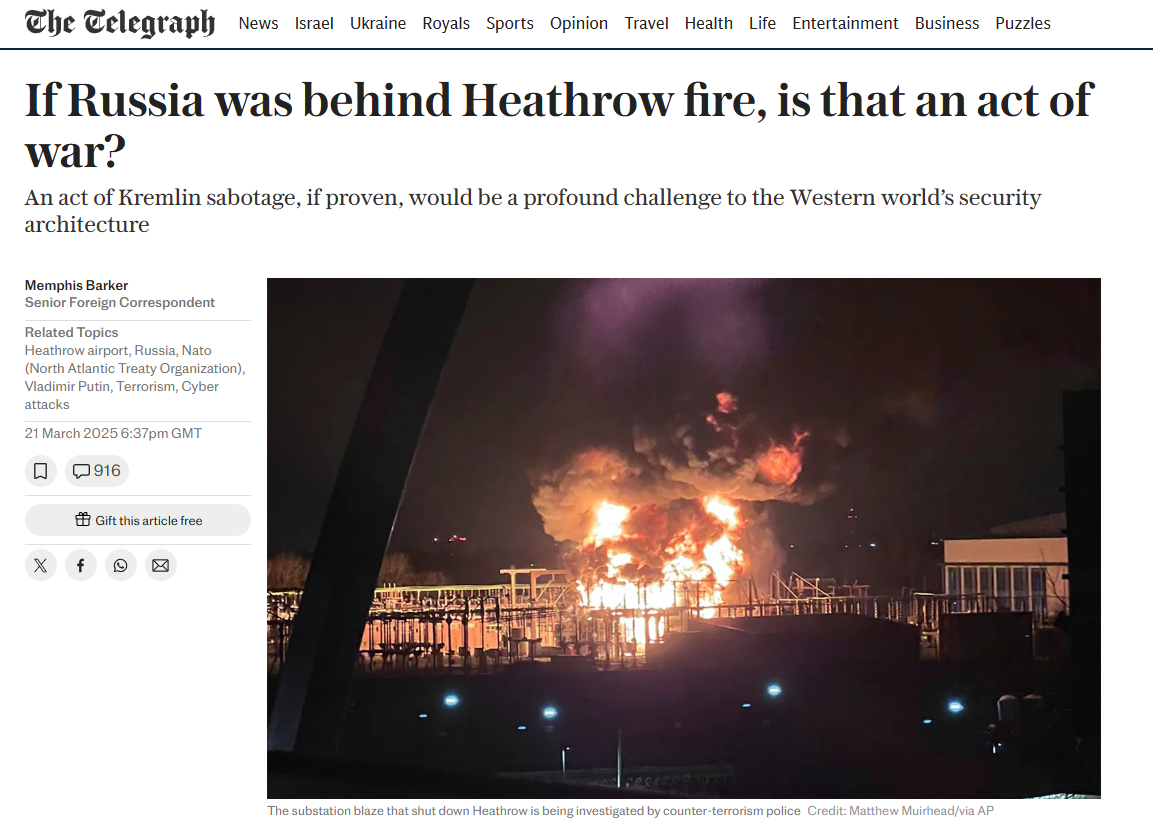
2025_03_22Heathrow_fire_is_that_an_act_of_war_

At this stage in this game of warmongering, the British press not only keeps saying that Russia trembles less at the thought of their nuclear power but is pushing the image that Britain is invincible. The latest is the electrical fire that shut down Heathrow Airport for 24 hours. There are openly speculating that this was an act of war by Putin. So, I supposed that justifies World War III and nuking Moscow. The Telegraph wrote:

But as the West has expelled so many Russian spies in the years since then, Putin now relies on unprofessional foreign gangsters to carry out sabotage attacks across Europe. Some are Bulgarian spies, as The Telegraph reported in late 2024. Others are British nationals, such as 20-year-old Dylan Earl, who admitted to burning down a Ukrainian-owned business in west London.

Perfectly reasonable. Let’s torch all of the world for an electrical fire that shut down the airport for 24 hours. Starmer can destroy Russia in seconds, so no worries; Putin is terrified of Starmer and will not be able to retaliate. Hence, the Telegraph will sell heaps of more newspapers since the British Empire will rise again.

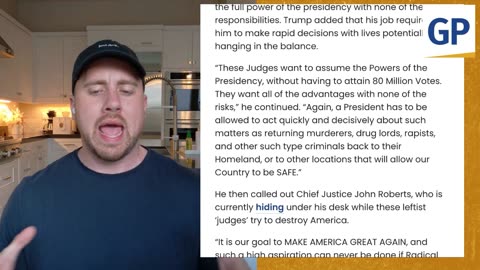
OUTRAGE: Activist Judge TWISTS Trump’s Jan 6 Pardons, Forces J6er to Surrender! | Elijah Schaffer


Published originally on Rumble By The Gateway Pundit on Mar 21, 2025 at 11:00 pm EST

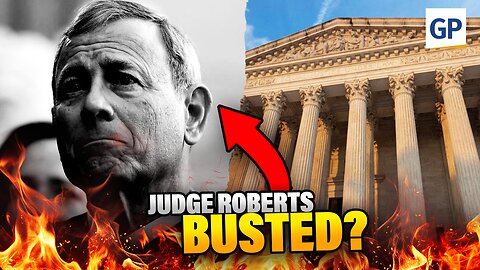
EXPOSED: Chief Justice Roberts BUSTED in Secret Elitist Judge Club | Elijah Schaffer


Published originally on Rumble By The Gateway Pundit on Mar 21, 2025 at 11:00 pm EST

Martin Armstrong and Mike Campbell Discuss Global Uncertainty


Posted originally on Mar 22, 2025 by Martin Armstrong 

Why the Fed Cannot Reduce Rates to Offset Tariffs


Posted originally on Mar 21, 2025 by Martin Armstrong

Interest Rates Percent

President Donald Trump is urging the Fed to cut interest rates to offset the inflation that will be caused by tariffs. “The Fed would be MUCH better off CUTTING RATES as U.S.Tariffs start to transition (ease!) their way into the economy,” Trump wrote. “Do the right thing. April 2nd is Liberation Day in America!!!” Reducing interest rates will NOT offset inflation caused by tariffs because the two variables are not directly related.

Tariffs increase costs due to supply, while interest rates influence demand. When tariffs are imposed, the cost of imported goods rise, increasing prices for consumers and businesses. This cannot be offset by lowering interest rates, as rate cuts stimulate borrowing and investment rather than addressing price increases caused by trade barriers. In fact, lower interest rates can exacerbate the problem by weakening the currency, making imports even more expensive, further fueling inflation.

Historically, tariffs have led to stagflation—rising prices combined with economic stagnation—rather than the demand-driven inflation central banks typically target. The Smoot-Hawley Tariff of the 1930s, for example, severely disrupted global trade and worsened the Great Depression. Similarly, Trump’s trade war with China during his first term did not lead to any economic boom but instead forced businesses to adjust supply chains, raising costs for consumers.

Lowering interest rates in this environment offsets capital flows, decreasing confidence and weakening the purchasing power of the currency. The result is a cycle in which consumers face higher costs while the central bank loses the little control it has to manage inflation. The idea that the Fed could actually control inflation is based on outdated Keynesian economics concepts that were drafted when the US had a balanced budget. Now, most demand comes from the government itself, the largest borrower and creator of debt. This is why Jerome Powell spoke out against Joe Biden for creating the largest spending package in US history and multiplying the public sector. The government will never pay off its debts, and the interest payments on that debt alone have been astronomical.

Relying on rate cuts to counter tariff inflation ignores the root cause of the issue. The real solution lies in reducing trade barriers and not relying on tariffs to increase the demand for domestically made goods.

Transitory Tariff Inflation?


Posted originally on Mar 21, 2025 by Martin Armstrong 

Powell Jerome

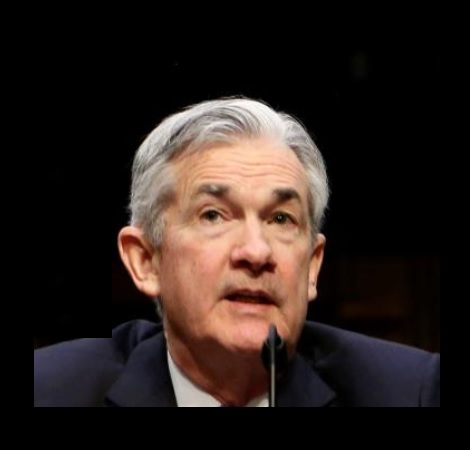
Fed Chair Jerome Powell said he expects inflation to be “transitory,” a word reminiscent of America’s situation three years ago when the Fed repeatedly urged the public to underplay inflation as it would improve. Conditions did not improve, as we later learned, and the Fed will have a hard time convincing the markets that this time is different.

“It can be the case that it’s appropriate sometimes to look through inflation, if it’s going to go away quickly, without action by us, if it’s transitory,” Powell said. “That can be the case in the case of tariff inflation. I think that would depend on the tariff inflation moving through fairly quickly and, critically, as well on inflation expectations being well anchored.”

Consumer spending is crucial to the US economy. Retail spending in February increased 0.2% after declining 1.2% in January, according to the Department of Commerce, but fell beneath predictions for a 0.6% monthly increase. Total sales from December 2024 to February 2025 rose 3.7% from the same period one year ago, but growth remains minimal.

People do not spend when confidence is low. The University of Michigan’s consumer sentiment survey indicated a 10% decline in consumer sentiment this March compared to February, citing a “high level of uncertainty.”

The National Federation of Retailers stated that February sales had slowed as a direct result of tariff threats. “Consumer spending dipped slightly again in February due to the combination of harsh winter weather and declining consumer confidence driven by tariffs, concerns about rising unemployment and policy uncertainty,” NRF President and CEO Matthew Shay said. “Unease about the probability of inflation and paying higher prices for non-discretionary goods has the value-conscious consumer spending less and saving more. But for the moment, year-over-year gains reflect an economy with strong fundamentals.”

Retail is America’s largest employer in the public sector, adding $5.3 trillion to annual GDP. One in four Americans, 55 million people, are employed through this crucial sector.

Naturally, the cost of living is causing much upheaval as people spend more on less and save what they can. It would be ignorant to say that tariff disputes do not have a direct negative impact on the economy. Powell likely coined a new term, “tariff inflation,” which I expect we will hear more frequently.