Armstrong Economics Blog/Economics Re-Posted Dec 19, 2021 by Martin Armstrong
QUESTION: Marty; would you comment on David Stockman’s assistance that the fundamental consequence of 30 years of Fed-fueled financial asset inflation is that the prices of stocks and bonds have way overshot the mark.
Thank you
HW
ANSWER: David Stockman was the Director of the Office of Management and Budget (1981–1985) under President Ronald Reagan. He is very old-school and such a statement in economics is like pretending we are still in the world of horse & buggies and you must pull your new-fangled car off the road if it frightens the horses.
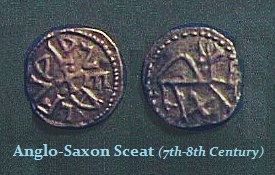
The statement presumes everything in the economy is driven exclusively by domestic events. It’s not his fault. They still teach these theories in universities. It is all based upon the old world of Austrian Economics which dates back to when the exchange rate among nations was based solely on the metal content of their coinage. At this point in economic history, no single nation truly provided the dominant monetary system. There were coins that emerged such as the Anglo-Saxon sceats. But they did not carry a premium because of their economic power.
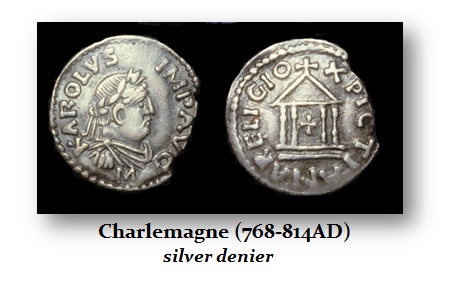
It wasn’t until the 8th century that the French developed the silver denier copying the Roman silver denarius. This became the main coinage of Europe. But once again, it did not carry a premium because of its economic power.
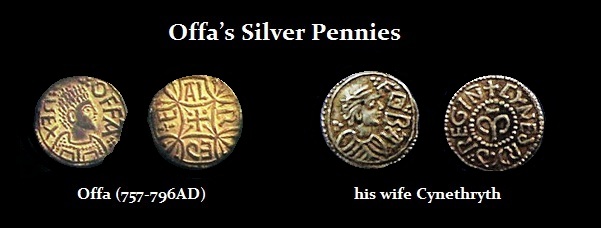
We find that the English King Offa copied the French and created what became known as the English silver penny. This really established forex exchange rates based entirely upon the metal content.
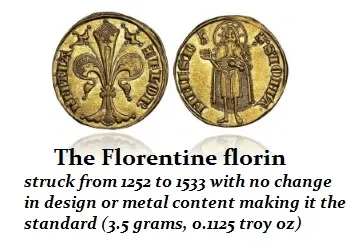
By the 13th century, this is where we begin to see the dominant gold florin of Florence become the more recognized high-value denomination that became a recognized monetary unit of Europe. Other nations then began to issue imitations of the gold florin.
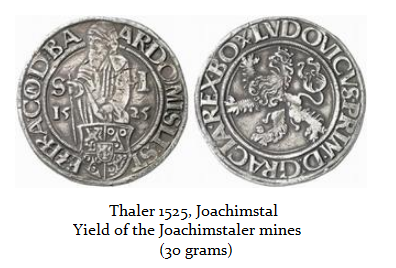
The German bankers, the Fuggers, emerged as the leading Augsburg merchant-banker, who then provided loans to local rulers secured with the produce of their mines. Eventually, by 1525, the Joachimsthaler of the Kingdom of Bohemia was the first thaler ideally with a weight of 31 grams or one troy ounce.
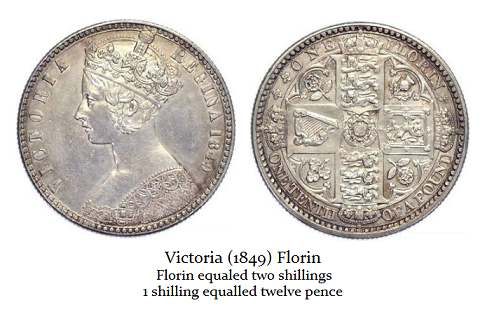
We can see that 600 years later, England issued a silver Florin which represented 24 pence. Florence achieved its independence in 1250 and began to issue the first gold coin for Europe post-Dark Age. The gold Florin was worth 20 silver Grosso. So we can see the gradual inflation whereby the 19th century an English Florin was 24 pence. Equivalent in value of the English Florin was 10 Florins equaled a pound. Even the Hungarian Forint was a reference to the gold Florin of Florence, home of the Medici bank.
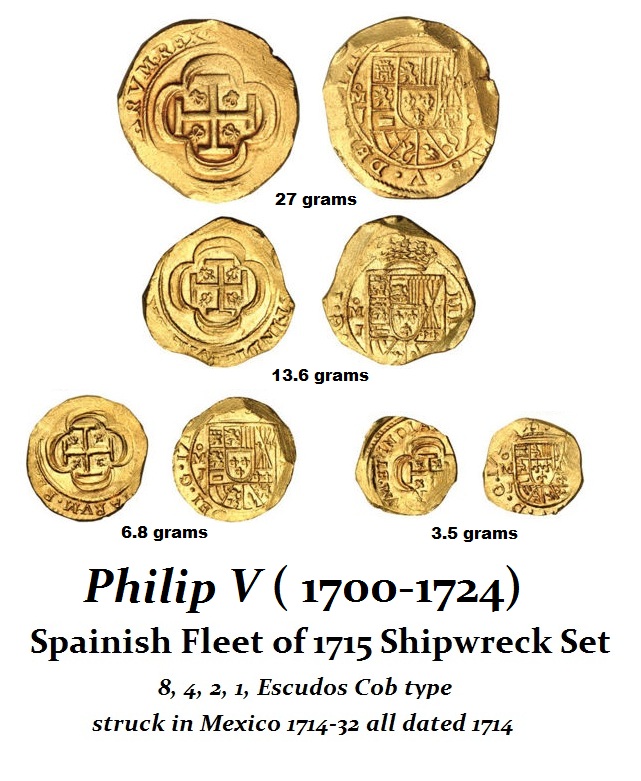
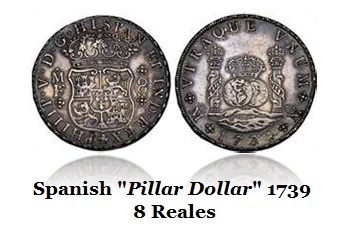
The wealth of Spain was consumed by Europe but it did not become the dominant currency. In America, the Spanish coinage became dominant and the one-ounce silver coin modeled on the Thaler (8 reales) became the model for the US dollar which was a rejection of the British monetary system.
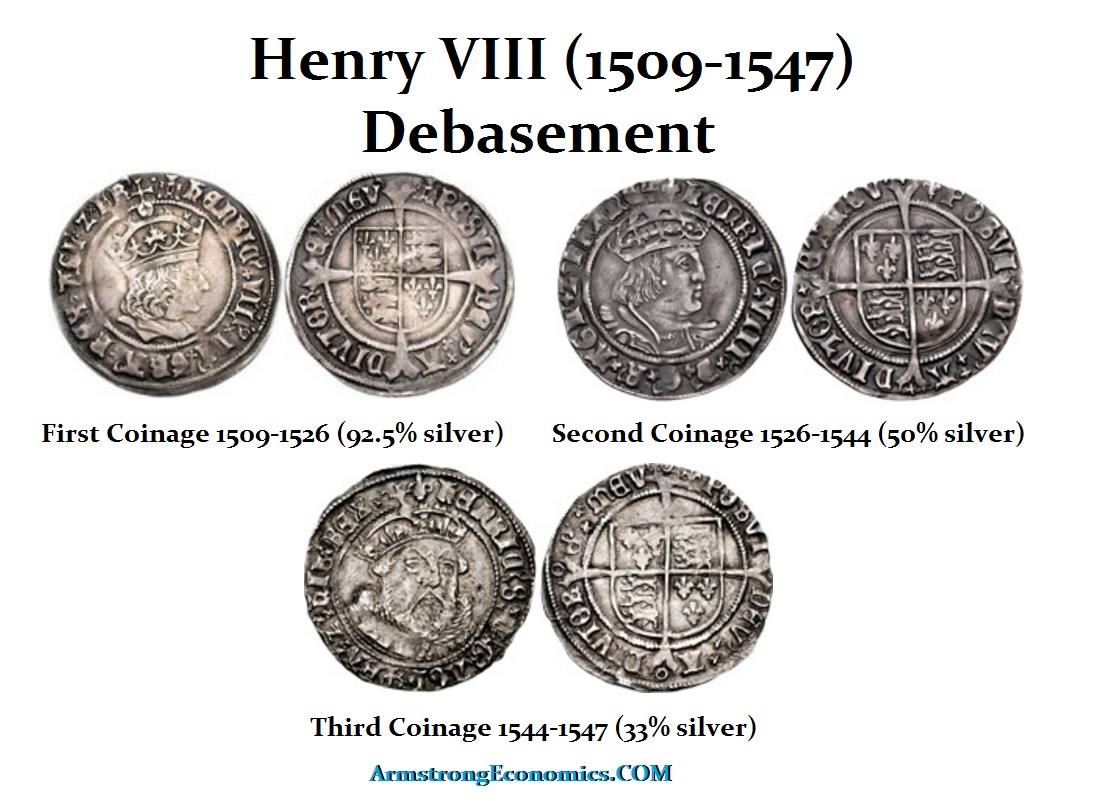
The Austrian School was based upon Gresham’s Law whereby the debasement of the coinage of Henry VIII drove the higher silver content coinage out of circulation. These ideas were entrenched in a period where there was no dominant financial capital of the world. What is missing from this view of money is that of the economic power of the state.
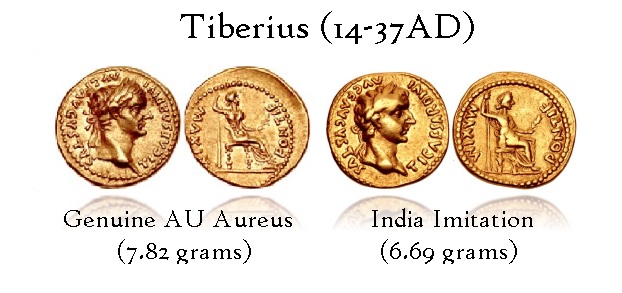
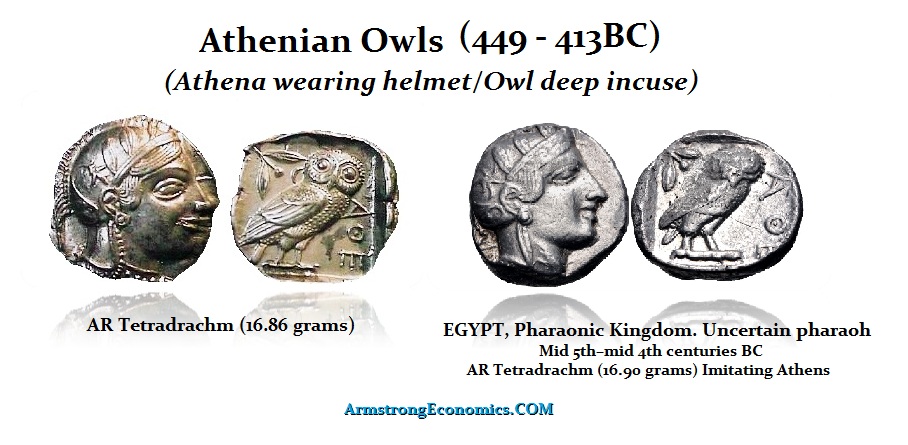
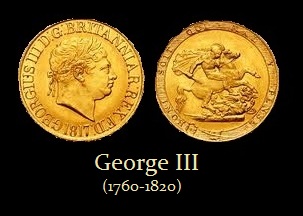
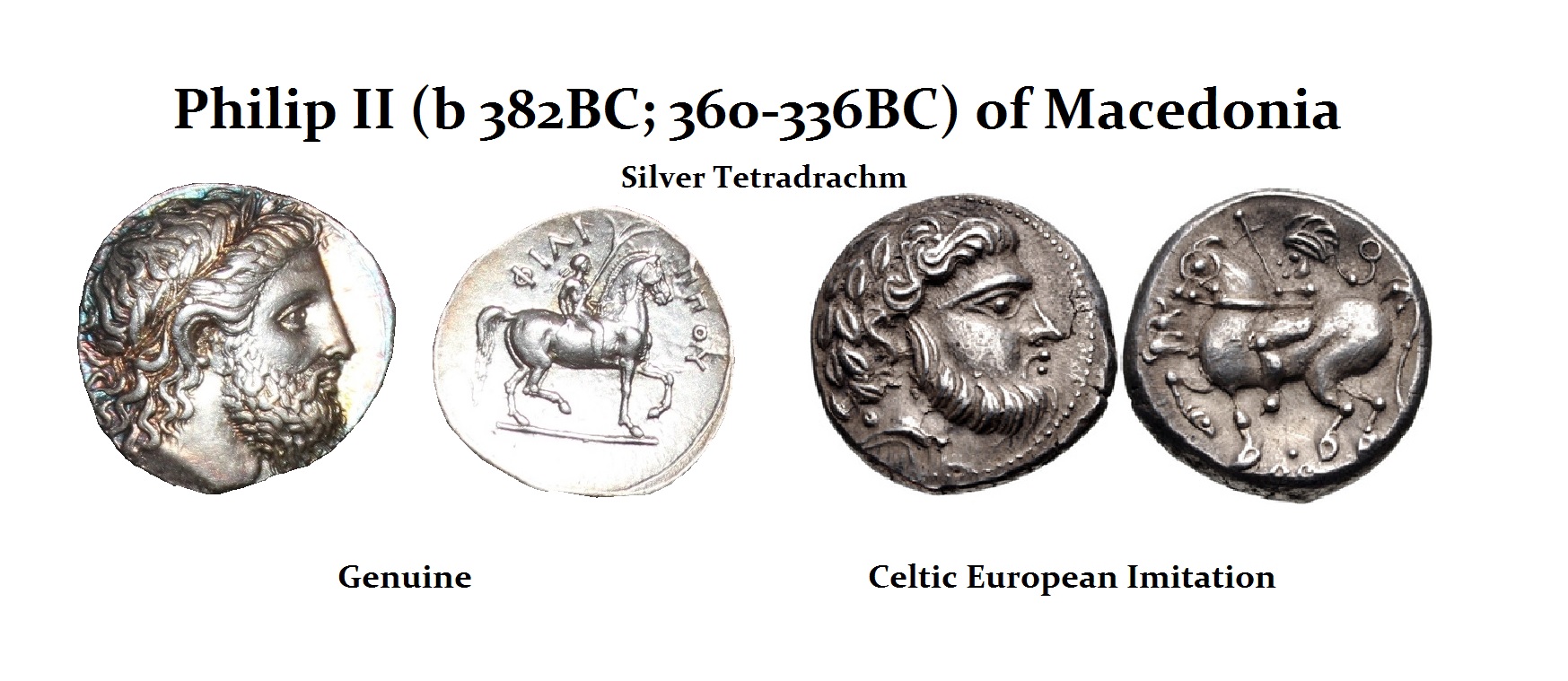
There are “imitations” of ancient Greek and Roman coins where the metal content is on par and sometimes even heavier. This proves that gold in the form of a Roman coin carried a premium to simply raw gold or had that peripheral state-issued gold or silver coinage in its own name.
Here we have an Athenian Silver Tetradrachm which became a world currency imitated by Egypt for external trade when Egypt did not issue their own coinage until they were conquered by Alexander the Great.
It was the British pound that emerged as the dominant world currency because of its economic power and imperialism. We then find bonds issued by even China in British pounds just as today nations issue debt in US dollars denominations.
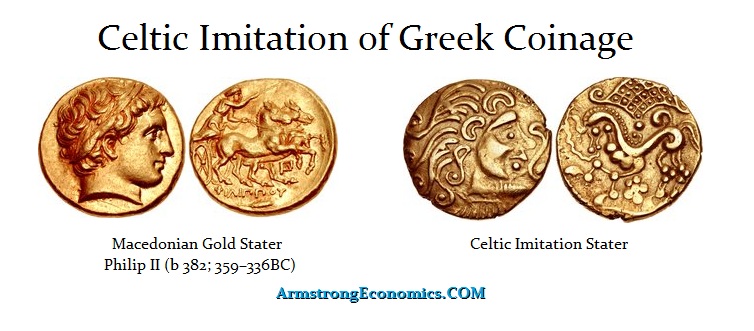
Even the Celts of Europe imitated the coinage of Macedonia. What is missing from the entire Austrian School is that a currency can emerge to be worth more than its metal content based upon its economic power.
Today, in the realm of paper money, fiat is no longer a viable theory. Japan, Germany, and China, all rose from the ashes to become major world economies without gold or tangible resources. What has emerged is the value of a currency is based upon the economic productivity of a nation. That is what backs a currency – nothing else. This Keynesian view of interest rates and money supply are no longer key factors when the dollar is used around the world and even 70% of the paper dollars circulate outside the USA.
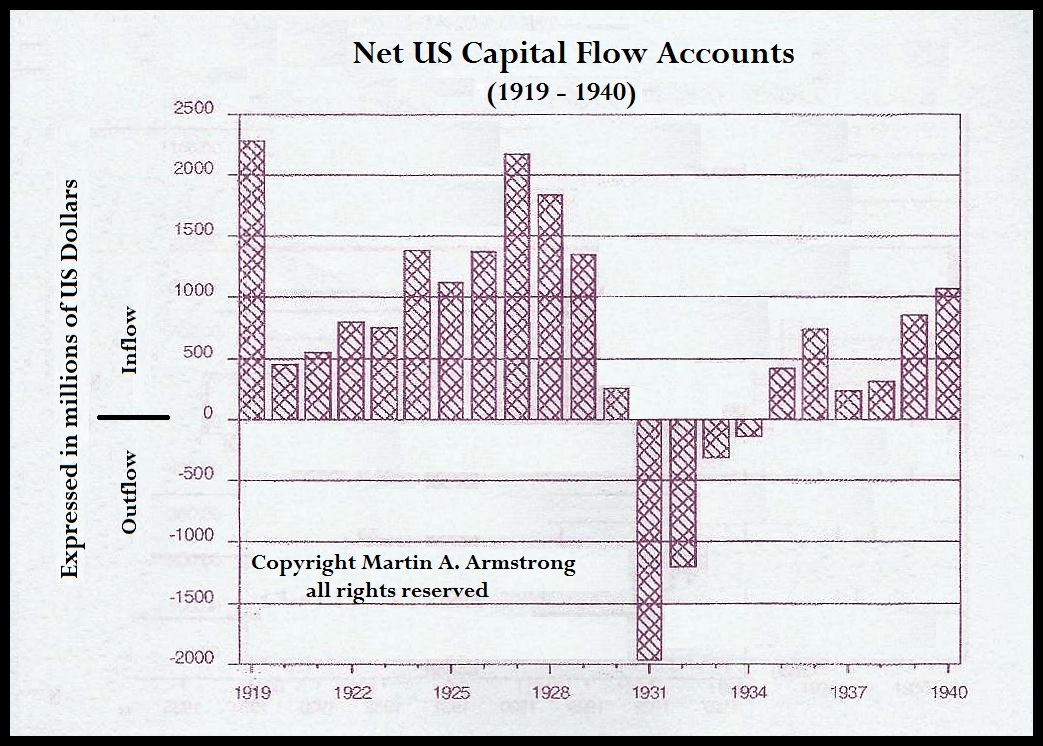
The rise in the stock market has NOTHING to do with this nonsense of the Fed. This statement entirely ignores the fiscal spending that the Fed cannot control. Capital rushes around the world and concentrates at times in a country for a profit. When it does, it increases the domestic money supply when a foreigner buys stocks, bonds, or property in your country.
The Roaring Twenties took place BECAUSE of World War I. The capital fled Europe seeking safe harbor in the USA. That increased the dollar and dollar investments. The inflows peak with the peak in real estate in 1927.
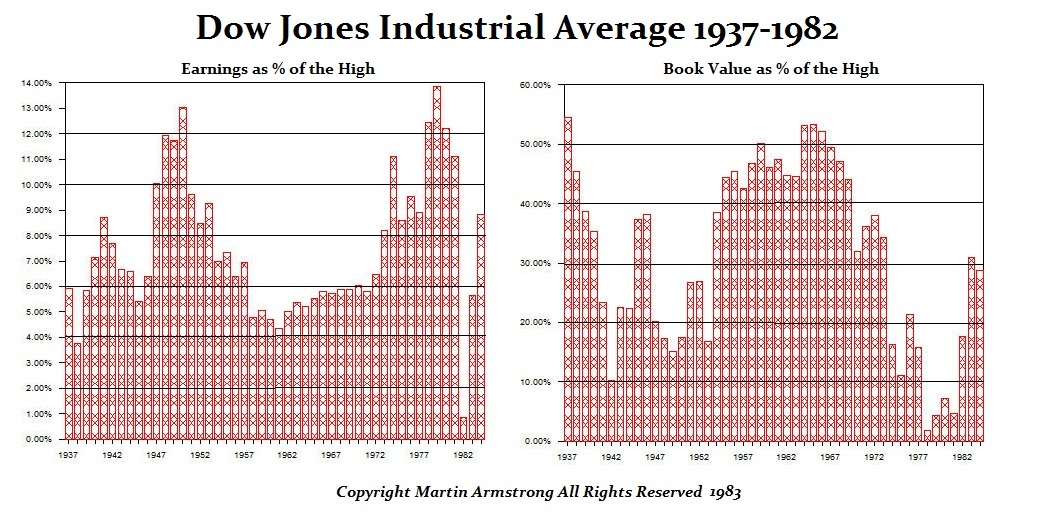
So sorry! This idea that the market is up solely because of the creation of money is just absurd. The propaganda of the socialists that capitalism was evil following the Great Depression, which they did not understand, led to investment concentrating on bonds and the Take-Over Boom of the 1980s which I was blamed for advising takeover buyers based on these charts that showed the low in the book value in 1977. Yes, I was advising several takeover tycoons. If you could buy a company, sell its assets, and triple your money, obviously the market was way undervalued following the end of the Public Wave in 1985.
We have to look at the entire world – not just isolated domestic policy.




 Centinel2012