Posted originally on the conservative tree house on March 2, 2022 | sundance
Hindsight is not only 20/20, in this case it’s a little alarming.
Last year, we were discussing the massive increases in food and farming costs associated with increased fertilizer prices. By the time we got to late January, the World Bank (WB), United Nations (UN) and the Davos / World Economic Forum (WEF) group were discussing it. At first the perspective was the potential for lower crop yields creating increased global famine.
However, if we apply a little hindsight from the geopolitical world surrounding the current issues in Europe, specifically Ukraine, and then consider the background of what the Biden team were doing, while Russia, Belarus and China were stockpiling, things look a little more concerning than just lower crop yields as an outcome of higher natural gas prices – vis-a-vis nitrogen fertilizer.
As noted by Forbes last month, “Russia and China have imposed export restrictions on fertilizer. Both are, or were, big exporters of plant food. The decline in exports makes getting the vital nutrients harder across the globe. China and Russia account for 29% of world exports for nitrogen-based plant food. The two countries also have significant, albeit, smaller shares of the phosphate and potash markets, respectively, the report states.”
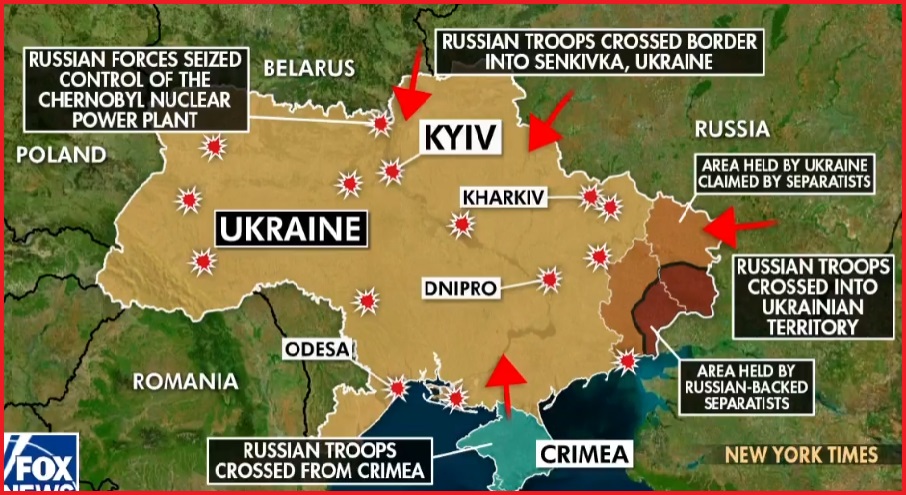
Now, keep in mind how Belarus helped Russia with the current military operation.
In August of 2021 the United States, Canada and the EU hit Belarus with punitive sanctions on the one-year anniversary of what they called a fraudulent election. As noted by Politico at the time, “The sanctions partially ban imports of potash fertilizer, petrol and petrol-based products from Belarus.” […] Targeting Belarus’ potash sector was a strategic move insofar as the country is the second largest exporter of the fertilizer behind Canada, covering 21 percent of the world’s potash exports in 2019.
In September of 2021, at the same time as China was investing heavily in the purchase of U.S. farmland, Beijing simultaneously announced a ban of export for phosphates until June of 2022. With China banning export of the source material, the global fertilizer market now needed to look elsewhere for future purchases.
We now know that Russia and China were talking geopolitical strategy with each other long before the Russian army crossed the border into Ukraine. However, in the weeks before they launched their military operation, in late January, Russia also triggered a full ban on the export of ammonium nitrate.
Against the backdrop of Ukraine’s importance as a “breadbasket” for the EU, similar in strategic importance as California is for the U.S., these background moves by Russia and China now appear coordinated. China moved first to block the key ingredient for fertilizer, then Russia moved to do the same about four weeks before they launched militarily.
Both the Chinese and Russian moves could be viewed as proactive food security positions against any reactive sanction activity that would target food production. Individually each of these moves may seem small, but take them collectively, and there’s an alarming big picture.
If you remove the raw material fertilizer products from China, Belarus, Russia and now Ukraine from the global marketplace, that’s over two-thirds of the total global supply gone. As bumbling Joe would say, “That’s a big effen’ deal,” big enough to create havoc when it comes to the 2022 farm growing season in just about every country.
Assuming strategic government intervention, the U.S. and Canada can withstand it (albeit with massive price increases for farmers) but many other countries around the world will be in big trouble with a much lower harvest yield. One nation that would be particularly vulnerable is Brazil – the world’s second largest exporter of soybeans (U.S. #1, Brazil #2).
Did China, Russia and their strategic partners plan this out?
Apply hindsight and the answer seems obvious, yes.
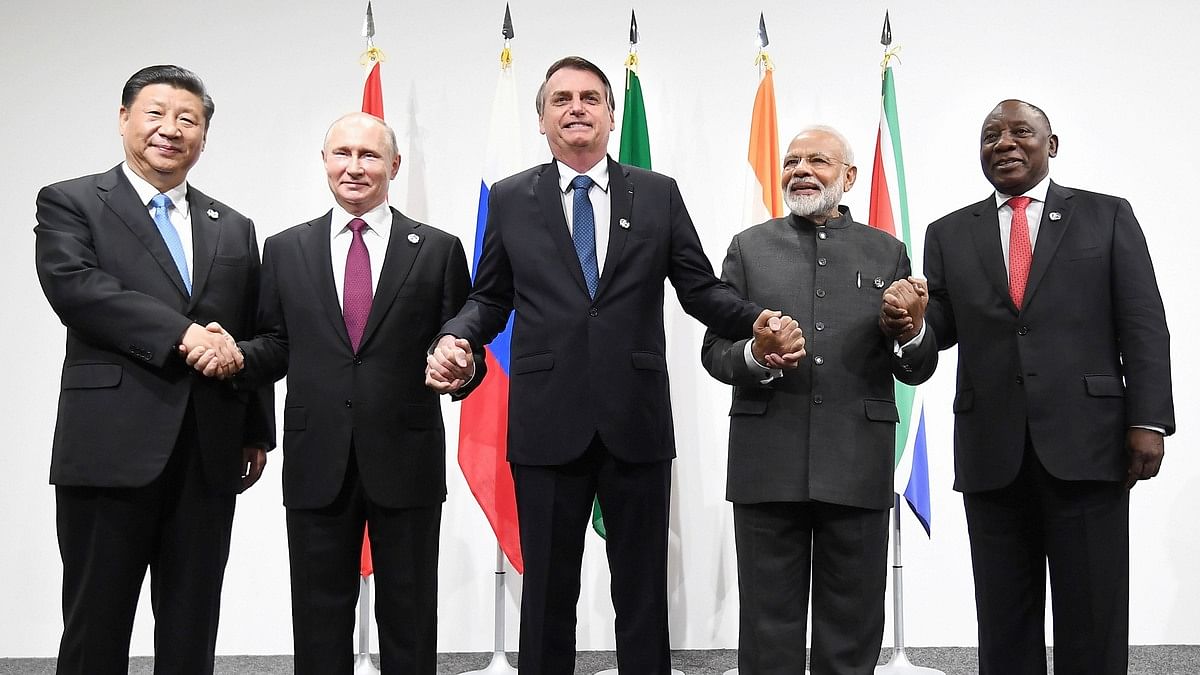
Overlay what we have previously discussed about the geopolitical dynamic of the BRICS group (Brazil, Russia, India, China and South Africa).
BRICS is a key strategic geopolitical trade partnership that was created during Obama, was weakened during Trump, and now with Obama back at the helm of globalist advancement – likely way more important. The core of BRICS’ purpose is a countermeasure against the coordination of globalist multinational corporations. BRICS is somewhat an anti-WEF assembly.
Do you remember everyone getting mad at India for not supporting the U.N Security Council resolution against the Russian invasion of Ukraine? Well, again, apply hindsight. Brazil, Russia, India, China and South Africa (BRICS) have a strategic geopolitical relationship framed around trade.
Given the scale of their population, food security is a BIG issue for India. If we are about to enter a food war, specifically where food now becomes a national security issue, there’s no way India would want to be on the short end of that conflict.
Things are sketchy as heck right now, because this food war picture is pretty clear.
However, if the BRICS group join in a digital trade currency together, which would effectively negate any sanctions the rest of the world might attempt, we can katy-bar the door, because actual rockets and missiles come next. The U.S./EU/UN message will shift from Putin killing Ukrainians, to Putin/Xi starving the world.
Xi Jinping (China), Vladimir Putin (Russia), Jair Bolsonaro (Brazil), Narendra Modi (India) and Cyril Ramaphosa (South Africa)
Posted originally on the conservative tree house on March 2, 2022 | sundance
Kamala and Pete have been in a contest to see who can use the most words without actually saying anything. Previously, Pete set the record during his presidential bid of 2020. However, in 2021 Kamala got serious about the contest. Harris fired her communications team and brought in new brand image consultants to help her finally achieve that first-place status which was so elusive.
Appearing on NBC’s “Today” show with Savannah Guthrie, the additional training paid off. Kamala Harris was asked about the U.S. economic impact of sanctions on Russia and whether stopping purchases of Russian oil was possible. This was the opening Harris had been looking for to highlight her sharpened linguistics.
Using the communication team notes for reference (watch her eyes), for almost a minute Kamala Harris assembled 247 various words in a random sequence. The result is remarkable. WATCH: (prompted):
Posted originally on the conservative tree house on March 2, 2022 | sundance
Everything including oil, natural gas, wheat, and fertilizer is skyrocketing in price right now. Ten- and twenty-year records are being eclipsed, as energy prices are soaring on the back of oil flirting with $114 a barrel. Unfortunately, here comes more inflationary pain, and everything is being blamed on the Russia-Ukraine conflict.
Toward the end of last year, we warned that fertilizer costs were going to harvest costs in 2022 (field to fork, go deep), long before Ukraine came into the picture. Unfortunately, future wheat prices reached $10.59 a bushel today, the highest since March 2008. Additionally, corn prices have passed their highest rate since December 2012.
It may seem like those crops are not that important. However, keep in mind that corn, wheat and soybeans represent the baseline for not only grain production in the U.S, but they are also the primary feed products for proteins: chicken, pork and beef. We are going to feel this second wave surge at the grocery store. Hopefully everyone has prepped.
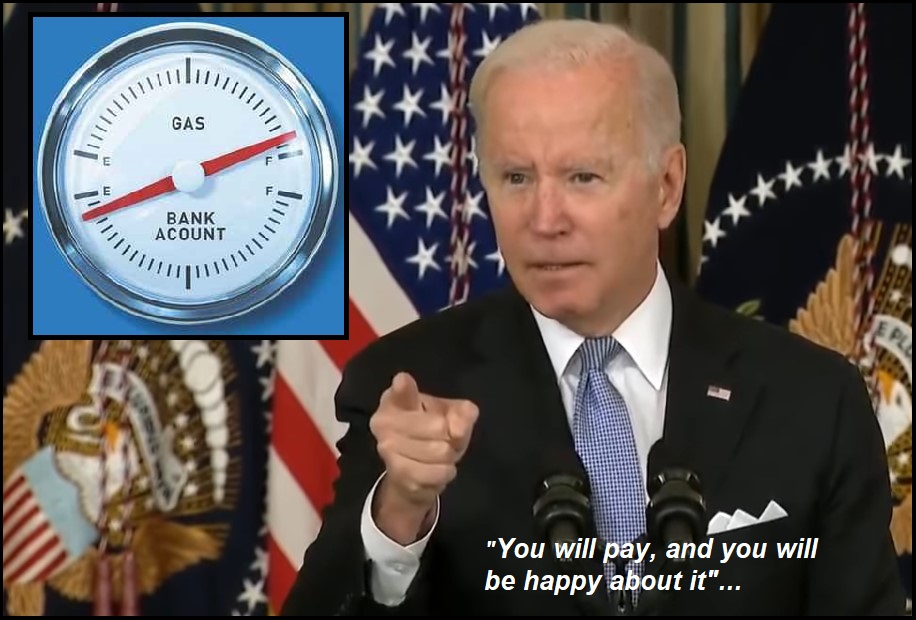
Additionally, oil prices have jumped to near eight-year highs. Brent crude, the global oil benchmark, rose as high as $113.94 a barrel, the highest since June 2014, and has been trading around $111 for most of the day. If you were paying $4/gal for gas, these oil rates add around another .50¢ today alone. Yes, you read that correctly, inbound tankers of gasoline will offload at your convenience store at a rate ten percent higher than yesterday.
Making matters worse, the Joe Biden energy policy -focused almost exclusively on green energy- is making any investment in domestic oil production tenuous at best. The major oil companies are wary of spending money for U.S. energy development in a climate where the U.S. government is specifically against that effort.
(WASHINGTON) – […] investors seem to be reluctant to invest in fossil fuel stocks. Major US oil stocks have lagged behind the broader market for most of the last two years, teaching executives a hard lesson: Use the recent windfalls to reward investors, not sink more wells.
“Oil and gas companies do not want to drill more,” said Pavel Molchanov, an analyst at Raymond James. “They are under pressure from the financial community to pay more dividends, to do more share buybacks instead of the proverbial ‘drill baby drill,’ which is the way they would have done things 10 years ago. Corporate strategy has fundamentally changed.”
To that end, while companies like ExxonMobil, Chevron, Marathon and Phillips 66 expect to spend more on exploration and other capital spending in 2022, none of those companies expect to hit 2019 spending levels. (read more)
This economic pain is being intentionally inflicted on a national and international level. This is a feature, not a flaw, in the ideological quest for a “Build Back Better” society, or in the words of the World Economic Forum, “The Great Reset.”
The use of the Russia-Ukraine conflict is the purposeful deployment of a distraction and justification for economic hardships that have little to do with Ukraine or Russia. We were on this path long before Ukraine entered the picture. Global government, including our own, are using the Ukraine crisis as an excuse for an energy based economic outcome they created.
The multinational corporations who drive WEF financial policy, are targeting the policy of government. From their corporate perspective, this is all a simple matter of increasing income. This is a very bad scenario right now.
Fascism was traditionally defined as an authoritarian government working hand-in-glove with corporations to achieve objectives. A centralized autocratic government, headed by a dictatorial leader, using severe economic and social regimentation and forcible suppression of opposition.
The World Economic Forum (WEF) was created to use the same fundamental associations of government and corporations. Only this time, it was the multinational corporations who organized to tell the government(s) what to do. The WEF was organized for multinational corporations to assemble and tell the various governments how to cooperate with them, in order to be rewarded by them. Corporatism was/is the outcome. The government is now doing what the multinationals tell them to do, and in return, the multinationals install the compliant politicians.
Fascism, the cooperation between government and corporations, is still the underlying premise; the World Economic Forum simply flipped the internal dynamic putting the corporations in charge of handing out the instructions.
What results is a slightly modified definition of fascism:
…A massive multinational corporate conglomerate, telling a centralized autocratic government leader what to do, and using severe economic and social regimentation as a control mechanism, combined with forcible suppression of opposition by both the corporations and government.
Doesn’t that define our current reality?
The instructions from the multinational corporations to government would be called the “Great Reset“, or as commonly transposed by the government officials receiving the instructions, “Build Back Better”.
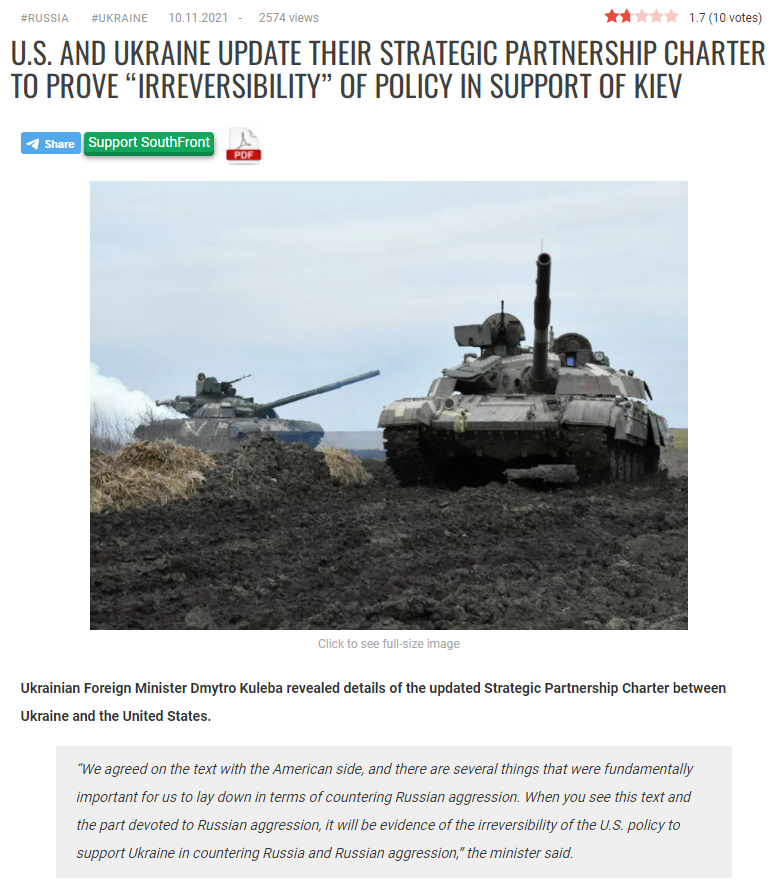
QUESTION: You said that perhaps Biden misled Zelensky into thinking the US would support Ukraine. When do you think he did that?
DH
ANSWER: Back in November 2021 when they entered into an agreement. Biden has sent troops ONLY to those nations in NATO. They clearly realize Putin’s point that NATO has been constantly moving eastward. It is not just Ukraine. Putin warned that if Finland and Sweden entered NATO that too would have devastating effects. As long as the West portrays itself with the white hat and only Putin is unreasonable, this is the foundation of propaganda that is necessary to get the people to support a war against Russia.
My concern is that this is not going to simply be a war against Russia. You better include all the Chinese and Russian allies which include not just Iran and North Korea, but many other states including Serbia. I do not see why Ukraine fights to keep two Russian provinces when this is just a throwback to 19th-century imperialism because of borders. The American Revolution was fought over the same ideology.
Look, I wrote back in 2013 that “[t]he history of Ukraine is incredibly important in the entire Cycle of War” and that “Ukraine Maybe The Most Important Country To Watch.” I advised people on how to win their revolution in Ukraine in 2014. I have tried to defeat my own computer and have failed. This is not my personal opinion. You cannot forecast these things from a gut feeling.
Why has Zelensky refused to compromise? This makes no sense. Relinquish Donbas which wants to leave Ukraine and end the war. Then if Putin does not stop, we have a different situation. I hope Zelensky is not going this for other countries rather than his own people. You can scream that Putin is evil all you want. That will not stop the war, and then you must ask is this worth seeing your own family die on the battlefields of Ukraine? What is to gain other than bragging points for world leaders?
Posted originally on the conservative tree house on March 1, 2022 | Sundance
Col Douglas Macgregor appeared for a sit-down interview with Tucker Carlson tonight to discuss the latest developments in the Russia-Ukraine conflict.
So far, Macgregor is the one who has been the most accurate in his assessments when compared to the results on the ground in Ukraine. If what Macgregor outlines in this interview is correct, and there’s no reason to believe it isn’t, then President Putin has been planning this operation for a long time.
As the multinational corporations, multinational banks, collective corporate and political west along with the EU, NATO and media, tell Ukraine to keep fighting, it appears Russia is moving through a methodical plan they have no hope of stopping. This would explain why the Russian convoys are pausing before going hardcore on the cities and population centers. WATCH:
Posted originally on the conservative tree house on March 1, 2022 | Sundance
Tonight at 9:00pm ET the installed occupant in the White House will whisper, shout and mutter out loud as he reads words written by others. The executive is required to deliver an annual ‘state of the union’ notification to the legislative branch.
The script reading begins at 9:00pm ET and will be broadcast on all major television networks. Consider this an open discussion thread for your thoughts and comments if you are listening to the reading.
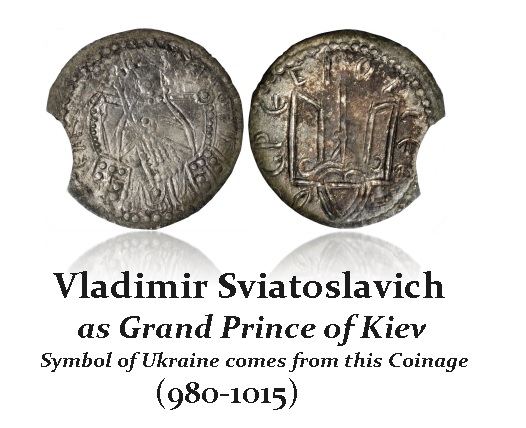
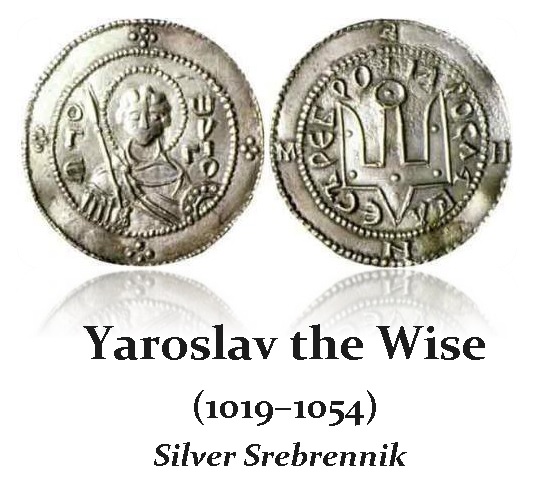
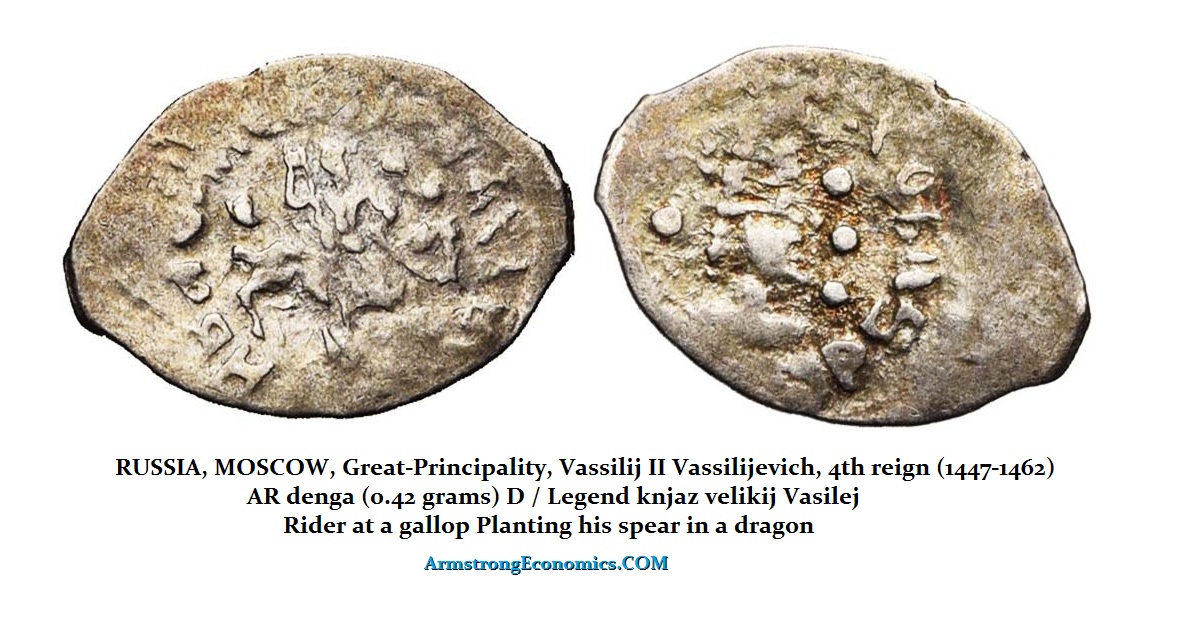
The Russian Monetary System began also with cattle (skot) during the Kievan period. Skins of small animals and precious metals were used as fixed-value exchange rate based upon barter goods. Up until the end of the 12th century, cattle was the unit of account but commerce took place with the skins of small animals. Actually, furs became the common method of payment for they were valued in terms of cattle, but were much easier for transport and divisibility for small transactions. This made small furs much more suitable for money and they were also an important item of export. Written sources began to speak of such units of payment as kuna (marten’s fur, from kunitsa, a marten), belka or veksha (squirrel), veveritsa (ermine) and nogata (fur with legs, from Arabic nagd, a good or full-value coin), and also of pieces of fur (resana), muzzle furs (mordka) and paw furs (lapka).
The word for silver was “serebro” which became more and more common to denote money as trade with the Byzantine world increased. The Old Russian words kuna and nogata, come from the old “fur money” or “leather money,” thereby retaining their meaning as metal money began to emerge. The names continued in use even though the money began to change to metals given the trade with the Byzantine world. The Rus relied upon foreign produced money. Both Byzantine silver coins and the silver dirhems of the Arab Caliphate are found in Ukraine and parts of Russia confirming trade existed.
It is clear that there was a change from “fur money” to silver and the oldest Russian unit of value was the “grivna”, which was based on the Arab coinage system. We begin to find only from the 10th century onwards that local coinage began to be struck and once this took place, then coins became the actual unit of payment in markets. This enabled the expansion of the economy and really the rise of Russia out of the barter age. The “grivna” became both a unit of account an money by weight. Its value equaled to that of 96 gold dinars (s[o]lotniki) or 144 silver dirhems (s[e]rebreniki).
The ruble has been the Russian unit of currency for about 500 years. It was The monetary reform system instituted by Peter the Great (b 1672;1682-1725) that was a century ahead of most others in that it was based on the decimal system. The basic monetary unit, first coined in 1704, was the silver ruble of 100 kopecks. Other silver coinage consisted of the poltina (one-half ruble), polupoltina (one-fourth ruble), grivennik (ten kopecks), altyn (three kopecks) and kopeck. There were two copper sub-multiples of the kopeck: den’ga (one-half kopeck) and polushka (one-fourth kopeck); and three gold multiples of the ruble: double ruble, chervonets or “ducat” (about 2 and one-half rubles), and dvoinoi chervonets (double chervonets). Unfortunately, Peter’s profligate expenditures steadily eroded most of the value of this otherwise admirable currency. Still, Peter’s reforms made a lasting impact on Russia and many institutions of Russian government traced their origins to his reign.
The amount of precious metal in a ruble varied over time. In a 1704 currency reform, Peter the Great standardized the ruble to 28 grams of silver. While ruble coins were silver, there were higher denominations minted of gold and platinum. By the end of the 18th century, the ruble was set to 4 zolotnik 21 dolya (almost exactly equal to 18 grams) of pure silver or 27 dolya (almost exactly equal to 1.2 grams) of pure gold, with a ratio of 15:1 for the values of the two metals.
In 1817, the ruble was reduced from .986 find gold to .917. This would be further reduced to .900 by Alexander III in 1886. The gold 5 ruble weighed .1929 oz. This was actually nearly the same net weight of the 1802 issue at .986 finess with a net weight of .1928 oz.
In 1825, platinum coins were introduced with 1 ruble equal to 77⅔ dolya (3.451 grams). The denominations were 3, 6, and 12 rubles.
On December 17th, 1885, a new standard was adopted which did not change the silver ruble but reduced the gold content to 1.161 grams, pegging the gold ruble to the French franc at a rate of 1 ruble = 4 francs.
This rate was revised in 1897 to 1 ruble = 2⅔ francs (0.774 grams gold). A 15 ruble gold coin was issued with a weight of .3734 oz. Effectively, this was a revaluation whereas the coin was the same weight as the 10 ruble, wihch had been issued since 1886. The 5 ruble weighing .1867 of an oz under Alexander III from 1886 had been reduced to .1244 oz.
The ruble was worth about .50 USD in 1914.
With the outbreak of World War I, the gold standard peg was dropped and the ruble fell in value, suffering from hyperinflation in the early 1920s. With the founding of the Soviet Union in 1922, the Russian ruble was replaced by the Soviet ruble. The pre-revolutionary Chervonetz was temporarily brought back into circulation from 1922-1925
Before November 1, 1990, the dollar cost 63 kopecks, but there was no opportunity to buy it at such a rate. November 1 of the year 1990 established a commercial rate of 1.8 rubles per dollar. The first trading session was opened on April 9, 1991, in one of the premises of the USSR State Bank, where a blackboard had providently been brought in order to record deals. Following the only concluded transaction (for 50 thousand cashless dollars) the ruble was for the first time ever rated commercially. The real exchange rate of the US dollar against the ruble made up 32.35 rubles per dollar. By the end of the year one dollar was estimated at 169.20 rubles under inflation of about 160% (the percentage is very approximate, as there is no accurate statistics). Prices were set free, people felt lack of products in shops, the USSR collapsed but the Russian Federation hadn’t been formed yet. This period turned to be the time of troubles for former Soviet people.
At the same time stock exchanges entered the market, though the process of their formation was quite spontaneous. The first Russian Exchange was registered in May of 1990 and was called Moscow Commodity Exchange. November 21, 1990, Moscow Central Stock Exchange was the second on the list. The first valuable securities trading session in the USSR was held only several months later.
In general by the end of 1991 Russia registered 182 commodity and stock exchanges. The RF left behind the whole planet by number of exchanges and variety of concluded transactions. That time Russian exchanges used to trade any possible commodities and security papers. When the Soviet supply system wrecked, exchanges took on a role as middlemen. The majority of goods were in deficit, even money: the president of the State Bank complained in his secret letter to M.S. Gorbachev that the Finance department failed to mint enough money to keep pace with inflation.
New Russian exchanges traded wood, sugar, paper, building materials, cars, computers and even bread! Very soon Russia numbered over 1000 exchanges, though most of them couldn’t be called traditional stock structures, as essentially they operated as trade fairs.
First rare bidders had to face an absolute lack of legislation regulating trading sessions and transactions. One of the most intrinsic legislative initiatives of 1990 happened to be the Commodity Exchange Activity Resolution of the RSFSR Cabinet Council. The resolution maintained the order of exchanges’ registration and heir functions. The distinctive feature of laws passed then is their laconism. The most significant laws regulating the stock market appeared in December of 1991.
Despite the chaos ruling the market after the USSR collapse, there had already existed companies, which later came to prominence. It’s hard to define the field of their activity then, but it is known that January 18, 1991, the today’s Russian leading investment company Troika Dialog was founded, and in 1991 the information agency AK&M was established.
Princes of Novgorod
Rurik (b ?-879; 862-879) Oleg of Novgorod (regent) (b ?-912)
Grand Princes of Kiev
Askold and Dir (non-Rurikids) (b ?-882; 842/862-882) Oleg of Novgorod (regent) (b ?-912) Igor I (b ?-945; 913-945) Saint Olga of Kiev (regent) (b ?-969) Sviatoslav I the Great (b 942–972; 962-972) Yaropolk I (b 958/960–980; 972-980) Saint Vladimir I the Great (b 958–1015; 978-1015) Sviatopolk I the Accursed (b 980–1019; 1015-1016) Yaroslav I the Wise (b 978–1054; 1016-1018) Sviatopolk I the Accursed (b 980–1019; 1018-1019) Yaroslav I the Wise (b 978–1054; 1019-1054) Iziaslav I (b 1024–1078; 1054-1068) Vseslav of Polotsk (b 1039–1101; 1068-1069) Iziaslav I (b 1024–1078; 1069-1073) Sviatoslav II (b 1027–1076; 1073-1076) Vsevolod I (b 1030–1093; 1077-1077) Iziaslav I (b 1024–1078; 1077-1078) Vsevolod I (b 1030–1093; 1078-1093) Sviatopolk II (b 1050–1113; 1093-1113) Vladimir II Monomakh (b 1053–1125; 1113-1125) Mstislav the Great (b 1076–1132; 1125-1132) Yaropolk II (b 1082–1139; 1132-1139) Viacheslav I (b 1083/2-1154; 1139-1139) Vsevolod II (b ?-1146; 1139-1146) Igor II (b ?-1146; 1146-1146) Iziaslav II Panteleimon (b 1097–1154; 1146-1149) Yuri I the Long Arms (b 1099–1157; 1149-1150) Viacheslav I (b 1083/2-1154; 1150-1150) Iziaslav II Panteleimon (b 1097–1154; 1150-1150) Yuri I the Long Arms (b 1099–1157; 1150-1151) Iziaslav II Panteleimon (b 1097–1154; 1151-1154) Viacheslav I (b 1083/2; 1151-1154) Rostislav I (b 1110–1167; 1154-1155) Iziaslav III (b ?-1162; 1155-1155) Yuri I the Long Arms (b 1099–1157; 1155-May 15, 1157) Iziaslav III (b ?-1162; May 1157-December 1158) Mstislav II (b 1125–1170; December 1158-Spring 1159) Rostislav I (b 1110–1167; April 1159-February 1161) Iziaslav III (b ?-1162; February 1161-March 1161) Rostislav I (b 1110–1167; March 1161-March 1167) Vladimir III (b 1132–1173; Spring 1167-Spring 1167) Mstislav II (b 1125–1170; May 1167-March 1169)
Grand Princes of Vladimir
Saint Andrei I Bogolyubsky (b 1110–1174; May 1157-June 1174) Mikhail I (b ?-1176; 1174 September 1174) Yaropolk (b ?-after 1196; 1174-June 1175) Mikhail I (b ?-1176; June 1175-June 1176) Vsevolod III the Big Nest (b 1154–1212; June 1176-April 1212) Yuri II (1189–1238; 1212-April 1216) Konstantin of Rostov (b 1186–1218; Spring 1216-February 1218) Yuri II (b 1189–1238; February 1218-March 1238) Yaroslav II (b 1191–1238; 1238-September 1246) Sviatoslav III (b 1196–1252; 1246 1248) Mikhail Khorobrit (b 1229–1248; 1248-January 15, 1248) Sviatoslav III (b 1196–1252; 1248-1249) Andrey II (b 1221–1264; December 1249-July 1252) Saint Alexander I Nevsky (b 1220–1263; 1252-November 1263) Yaroslav III (b 1230–1272; 1264-1271) Vasily of Kostroma (b 1241–1276; 1272-January 1277) Dmitry of Pereslavl (b 1250–1294; 1277-1281) Andrey III (b 1255–1304; 1281-December 1283) Dmitry of Pereslavl (b 1250–1294; December 1283-1293) Andrey III (b 1255–1304; 1293-1304) Saint Michael of Tver (b 1271–1318; 1304-November 1318) Yuri (III) of Moscow (b 1281–1325; 1318-November 1322) Dmitry I the Terrible Eyes (b 1299–1326; 1322-September 1326) Alexander of Tver (b 1281–1339; 1326-1327) Alexander of Suzdal (b ?–1331; 1327-1328) Ivan I of Moscow Kalita (b 1288–1340; 1328-March 1340)
Grand Princes of Moscow
Ivan I Kalita (b 1288; November 1325-March 1340)
Simeon the Proud (b 1316; 1340-1353)
Ivan II the Handsome (b 1326; April 1353-November 1359)
Saint Dmitry I Donskoy (b 1350; November 1359- May 1389)
Vasily I (b December 1371; May 1389-February 1425)
Vasily II the Blind (b 1415; February 1425-March 1462)
Ivan III the Great (b 1440; April 1462-November 1505) Vasily III (b 1479; November 1505-December 1533)
House of Rurikovich
Ivan IV the Terrible (b 1530; January 1547-March 1584)
Feodor I (b 1557; March 1584-January 1598)
House of Godunov
Irina (disputed) (b 1557?; Feodor I’s daughter January 7-15, 1598; d October 1603)
Boris I (b 1551?; February 1598-April 1605)
Feodor II (b 1589; April 1605-June 1605)
Pseudo-Rurikovich usurpers
False Dmitry I (Grigory Bogdanovich Otrepyev) (b 1581?; June 1605-May 1606)
False Dmitry II (b. 1582?; July 1607-December 1610)
False Dmitry III (Sidorka) (b ?; March 1611-May 1612)
House of Shuysky
Vasiliy IV (b 1552; May 1606-July 1610)
House of Vasa
Vladislav I (b 1595; September 1610-November 1612 (deposed))
House of Romanov
Michael I (b 1596; July 1613-July 1645)
Alexis I the Quietest (b 1629; July 1645-January 1676)
Feodor III (b 1661; January 1676-May 1682)
Sophia (regent) (b September 1657; May 1682-August 1689; d July 1704)
Ivan V jointly with Peter I (b September 1666; June 1682-February 1696)
Emperors of Russia
(Also Grand Princes of Finland from 1809 until 1917; and Kings of Poland from 1815 until 1917)
Peter I the Great (b June 1672; with Ivan V 1682–1696; June 1682-November 1721; February 1725, St. Petersburg, Russian Empire)
Catherine I (b April 1684; February 1725-May 1727)
Peter II (b 1715; May 1727-January 1730)
Anna (b 1693; February 1730-October 1740)
Ivan VI (disputed) (b 1740; October 1740-December 1741; murdered July 1764)
Shlisselburg, Russian Empire
Elizabeth (b 1709; December 1741-January 1762)
Peter III (b 1728; January 1762-July 1762 (murdered))
Catherine II the Great (b 1729; July 1762-November 1796)
Paul I (b 1754; November 1796-March 1801 (assassinated))
Alexander I the Blessed (b 1777; March 1801-December 1825)
Constantine I (disputed) (b 1779; December 1-26, 1825) d June 27, 1831)
Nicholas I (b 1796; December 1825-March 1855)
Alexander II the Liberator (b 1818; March 1855-March 1881 (assassinated))
Alexander III the Peace-Maker (b 1845; March 1881-November 1894)
Saint Nicholas II (b 1868; November 1894-March 1917; July 17, 1918 (executed))
Michael II (disputed) (b 1878; March 15-16 March 1917; June 12, 1918 (murdered))
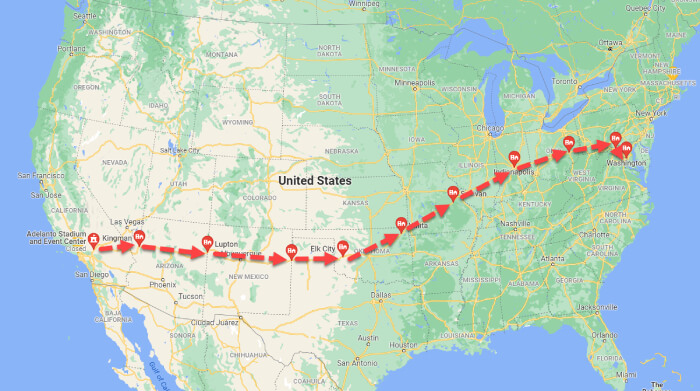
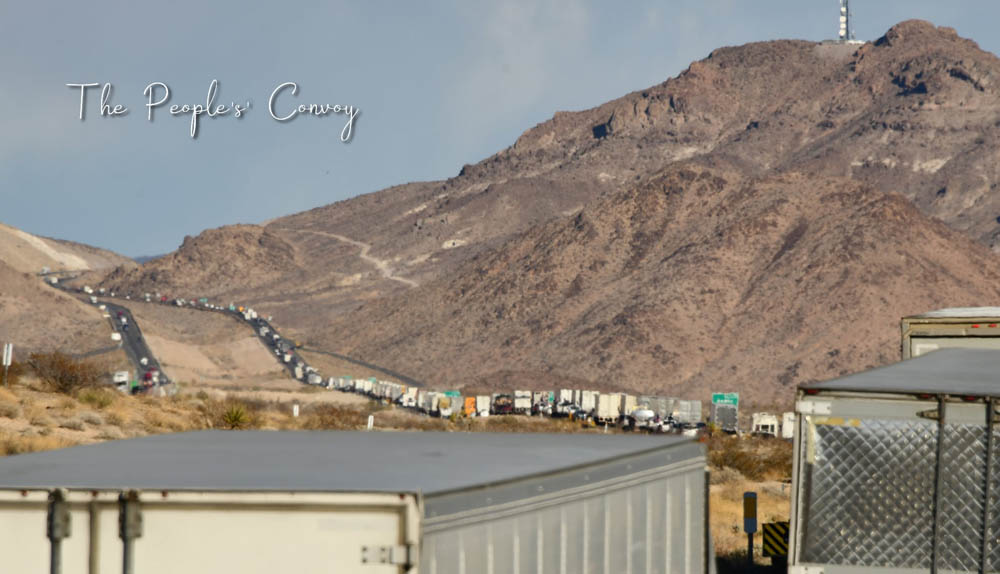
As the world looks to the tyranny occurring in Europe, a group of protestors has formed to amass The People’s Convoy, inspired by The Freedom Convoy in Canada. The convoy began in California and will cross the US until reaching Washington DC.
Trucker’s Declaration:
“We the People of the United States, in Order to restore our once perfect Union, re-establish Justice, insure domestic Tranquility, provide for the common defense of all, promote the general Welfare, and secure the Blessings of Liberty, do ordain and establish the restoration movement of The People’s Convoy for the United States of America.”
The people are demanding that the Biden Administration repeal all COVID-related mandates. Numerous states and cities have repealed vaccine and mask requirements, but a portion of our society is still unable to participate in the world due to Biden’s tyranny that has no medical backing. A friend of mine traveled two hours this past weekend to visit her elderly grandfather in a New York hospital. She was denied entry as they were checking vaccine passports and IDs to match. She does not know if she will be able to see him again.
The convoy began with a prayer and a vow to protest peacefully, despite the media claiming these people are (the new hot phrase) Nazi sympathizers. Instead, the convoy is composed of THE PEOPLE regardless of sex, race, religion, age, or class status.
Most importantly, the convoy is reminding our elected officials: “YOU work for US.” We pay their salaries, we put them into power, and they are elected to make decisions based on the demands of the people they represent. “Our constitution was written to provide enough power to act on a national level, but not enough to deprive the people of fundamental rights. The people are prepared to see this challenge through — as we have seen through all challenges to our Freedom in the past. And we will prevail and prosper.”
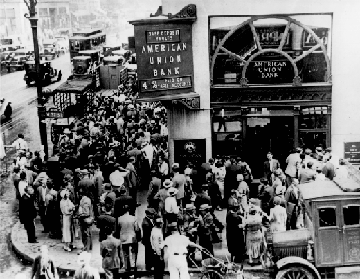
(Image of Americans lining up to withdraw cash during the Great Depression)
The Central Bank of the Russian Federation is speaking carefully and confidentally to prevent an official bank run. “In recent days, the demand for cash has grown. To meet the increased demand, the Bank of Russia increased the issuance of cash to banks, and replenishment of ATMs will continue this weekend,” the bank announced the day after the war began. Historically, people have withdrawn their cash during times of war and political uncertainty. Human nature remains the same no matter what time period or country we view. We hoard wealth we when are fearful of the future, and when everyone rushes to the banks to withdraw their money they soon realize that there is not some safe inside the bank neatly stacking their money. The liquidity simply does not exist.
Russia’s central bank is also providing financial support to all sanctioned banks. “Banks will perform all ruble operations and provide relevant services to all customers as normal. All customer funds in foreign currency will be preserved and may be withdrawn in the currency of account. The Bank of Russia is prepared to provide banks with financial support in rubles and foreign currency,” the press release stated. “Banks remain highly resilient and have great potential to develop lending to the Russian economy. The balance sheet of each bank is predominantly (over 80%) denominated in rubles. Foreign currency loans have been granted mainly to solvent Russian companies that will continue to service them.” The Kremlin likely factored sanctions into their war plan, but it remains to be seen if they underestimated the impact those sanctions would have on their overall economy.
I have created this site to help people have fun in the kitchen. I write about enjoying life both in and out of my kitchen. Life is short! Make the most of it and enjoy!
This is a library of News Events not reported by the Main Stream Media documenting & connecting the dots on How the Obama Marxist Liberal agenda is destroying America






 Centinel2012