BUMPED by request. Unfortunately, there is a lot of wrong information being discussed and shared. Even reputable regional media are giving inaccurate information, making wrong interpretations {LINK}, and generally getting the explanations wrong. Additionally, there’s general misinterpretations of ordinary outages based on the day of the week (Sunday) and bad weather in the Northeast {ex Twitter Thread}.
All of these #BidensEmptyShelves assumptions, which are being heightened by increased attention and social media, are leading to confusion.
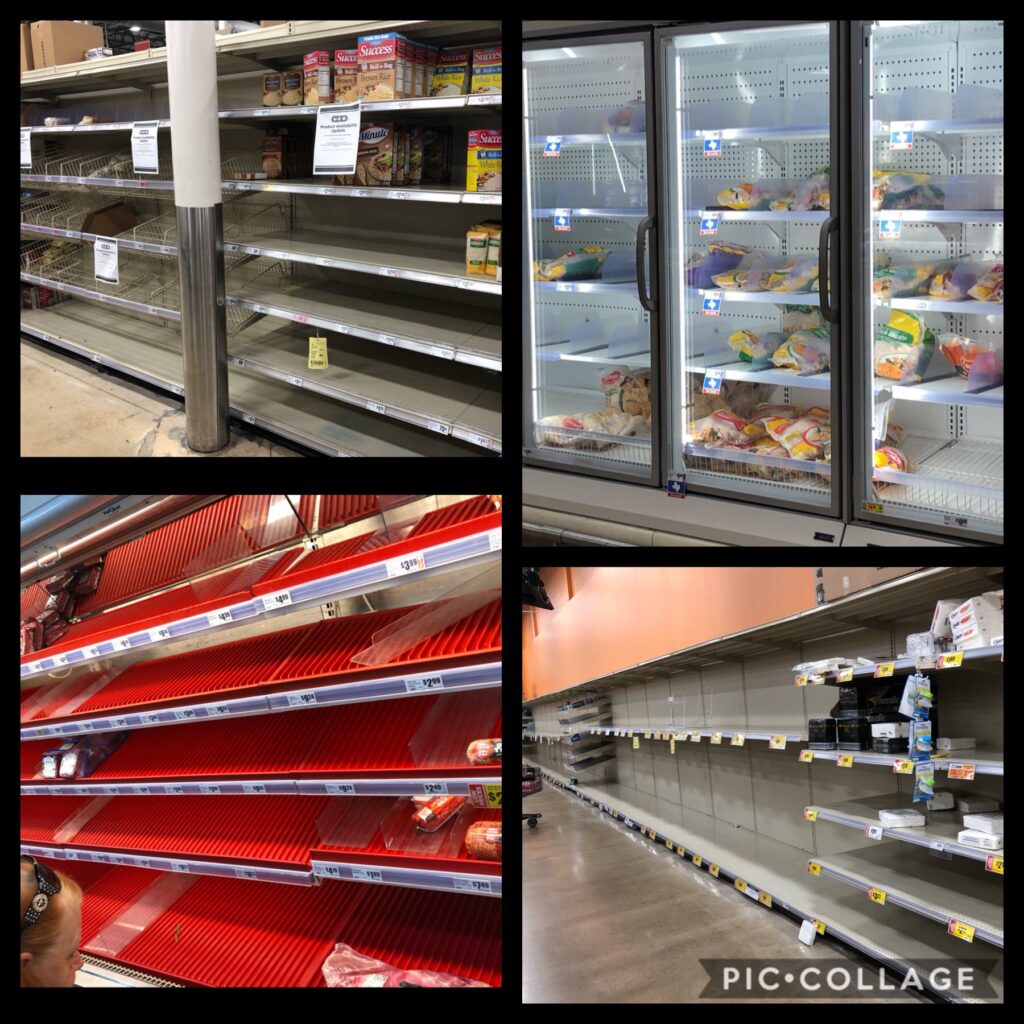
An empty retail shelf or case for a 24, 36 to 48-hour period is not, I repeat, NOT, part of a systemic supply chain disruption. Those are mostly location and regional specific out of stock situations caused by localized events, weather and employee shortages.
What CTH has been describing for the past several months is NOT what is noted above. What we have been describing is a long term supply chain crisis that will slowly unfold over a period of about a week or two, and then remain a problem over time, for a period of 6+ months. {GO DEEP}
The thirteen bullet points below are the issues we will first notice as the general food supply chain begins to show signs of that type of vulnerability. This outline explains why it is happening and how long it can be expected.
In the previous October, November and December warnings, we emphasized preparation and counted down the 90-day window. Now, as we enter the final two weeks before mid/late January, the date of our original prediction, it appears that some media are starting to catch up, and the larger public is starting to notice.
Feel free to note in the comments section what is happening in your area. Hopefully, most of us are much better positioned than the average person who has not been following this as closely over the past several months.
Initial food instability signs in the supply chain. Things to look for:
(1) A shortage of processed potatoes (frozen specifically).
And/Or a shortage of the ancillary products that are derivates of, or normally include, potatoes.
(2) A larger than usual footprint of turkey in the supermarket (last line of protein).
(3) A noticeable increase in the price of citrus products.
(4) A sparse distribution of foodstuffs that rely on flavorings.
(5) The absence of non-seasonal products.
(6) Little to no price difference on the organic comparable (diff supply chain)
(7) Unusual country of origin for fresh product type.
(8) Absence of large container products
(9) Shortage of any ordinary but specific grain derivative item (ex. wheat crackers)
(10) Big brand shortage.
(11) Shortage of wet pet foods
(12) Shortage of complex blended products with multiple ingredients (soups etc)
(13) A consistent shortage of milk products and/or ancillaries.
These notes above are all precursors that show significant stress in the supply chain. Once these issues are consistently visible, we are going to descend into food instability very quickly, sector by sector, category by category.
At first, each retail operation will show varying degrees of the supply chain stress according to their size, purchasing power, and/or private manufacturing, transportation and distribution capacity.
♦ BACKGROUND – Do you remember the dairy farmers in 2020 dumping their milk because the commercial side of milk demand (schools, restaurants, bag milk purchasers) was forcibly locked down? Plastic jugs were in short supply, and the processing side of the equation has a limited amount of operational capacity.
To remind us of how the issues started in 2020, a dairy farmer helps to explain:
“Are we dumping milk because of greed or low demand, no. It’s the supply chain, there are only so many jug fillers, all were running 24/7 before this cluster you-know-what.
Now demand for jug milk has almost doubled. However, restaurant demand is almost gone; NO ONE is eating out.
Restaurant milk is distributed in 2.5 gal bags or pint chugs; further, almost 75 percent of milk is processed into hard products in this country, cheese and butter. Mozzarella is almost a third of total cheese production; how’s pizza sales going right now??
A bit of history – Years ago (40+) every town had a bottler, they ran one shift a day, could ramp up production easily. Now with all the corporate takeovers (wall street over main street) we are left with regional “high efficiency” milk plants that ran jug lines 24/7 before this mess, no excess capacity.
Jug machines cost millions and are MADE IN CHINA. Only so many jugs can be blown at a jug plant. We farmers don’t make the jugs, damn hard to ramp up production.
I’m a dairy farmer, believe me NO dairyman likes dumping milk; and so far there is NO guarantee they will get paid. Milk must be processed within 48 hours of production and 24 hours of receipt in the plant or it goes bad. Same with making it into cheese and butter, and neither stores well for long.
The same supply line problems exists where restaurants are supplied with bulk 1 pound blocks of butter or single serv packs or pats; and cheese is sold in 10 to 20 pound bags (think shredded Mozzarella for pizza). Furthermore, it is not legal for this end of the supply chain to sell direct to consumers in most states.
Take cheddar cheese for instance; it goes from mild to sharp to crap in storage. Butter, frozen, only stores for so long and then must be slowly thawed and processed into other uses as it gets “strong”. At Organic Valley we cook it down into butter oil or ghee for cooking.
We are headed for the same problem with canned veggies. The vast majority of produce comes off and is processed in season; canned or frozen. The supply is already in cans for the season; restaurants use gallon cans or bulk bags of frozen produce.
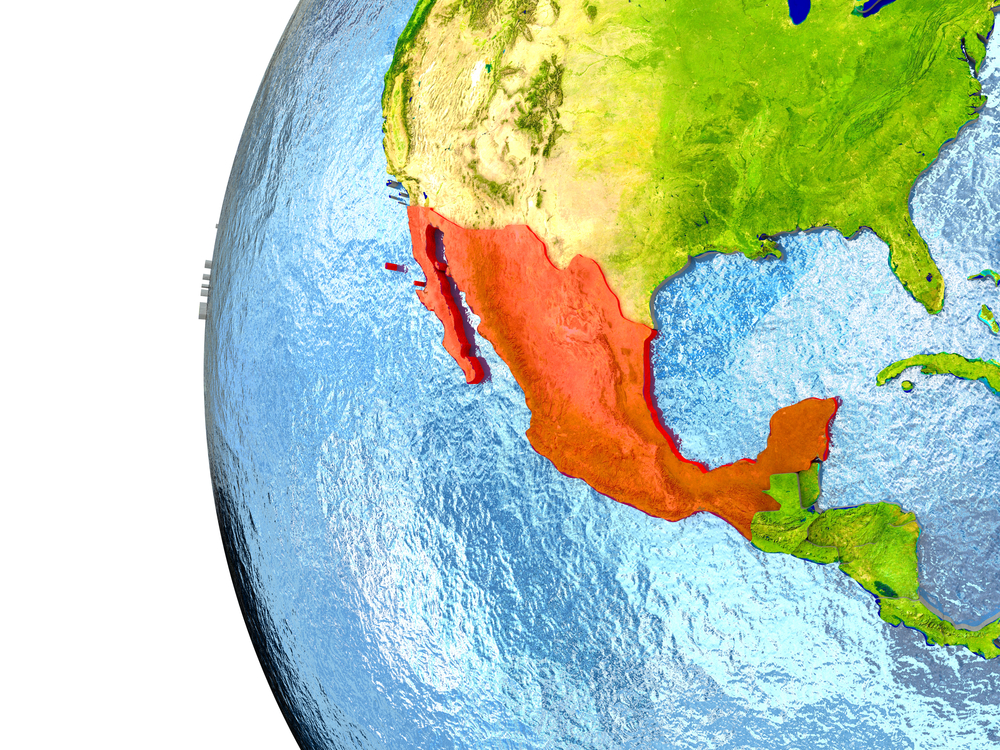
At some point we will run out of consumer sized cans in stock because home size sales are up (40%+) and restaurant sales are almost nonexistent. Fresh produce out of U.S. season comes from Mexico (different climate). I’m talking sweet corn, green beans, peas, tomatoes, all veggies are seasonal in the USA. Fresh, out-of-season, row crops are imported. (There are exceptions, like hydroponic grown, but small amount of total).
Someone mentioned “time to raid all those bins of corn”. Those bins on the farm contain yellow corn, cattle feed and totally unfit for human consumption, now or at harvest.
Eggs? Same problem. Bakeries and restaurants of any size use Pullman egg cases, 30 dozen at a pop, 30 eggs to a flat, 12 flats to a case. There are only so many 1 dozen egg cartons available and only so many packing machines.
Industrial bakeries and processors of packaged food buy bulk liquid eggs, no carton at all. Also in many states it is illegal to sell this supply-chain directly to consumers.
On your standard buffet of any size, do you really think they boil eggs and peel them? They come in a bag, boiled and diced; those nice uniform slices of boiled egg you see on your salad, a lot of them come in tubes boiled and extruded at the same time, just unwrap and slice. Your scrambled eggs come in a homogenized bag on most buffets.
Another example of Main Street being gutted and “improved by wall street” NO local egg processors available or many small egg producers either, all corporate and huge, contracted to sell to the corporate masters.
This is a warning the same problems exist in all supply chains.
The supply chain is farked.”
~ David Osterloh, Dairy Farmer
Potato farmers and fresh food suppliers were also told to dump, blade or plough over their crops due to lack of commercial side demand. These issues have longer term consequences than many would understand. These are fresh crops, replenishment crops, which require time before harvest and production.
The retail consumer supply chain for manufactured and processed food products includes bulk storage to compensate for seasonality. As Agriculture Secretary Sonny Perdue noted in 2020, “There are over 800 commercial and public warehouses in the continental 48 states that store frozen products.”
Here is a snapshot of the food we had in storage at the end of February 2020: over 302 million pounds of frozen butter; 1.36 billion pounds of frozen cheese; 925 million pounds of frozen chicken; over 1 billion pounds of frozen fruit; nearly 2.04 billion pounds of frozen vegetables; 491 million pounds of frozen beef; and nearly 662 million pounds of frozen pork.
This bulk food storage is how the total U.S. consumer food supply ensures consistent availability even with weather impacts. As a nation, we essentially stay one harvest ahead of demand by storing it and smoothing out any peak/valley shortfalls. There are a total of 175,642 commercial facilities involved in this supply chain across the country
The stored food supply is the originating resource for food manufacturers who process the ingredients into a variety of branded food products and distribute to your local supermarket. That bulk stored food, and the subsequent supply chain, is entirely separate from the fresh food supply chain used by restaurants, hotels, cafeterias etc.
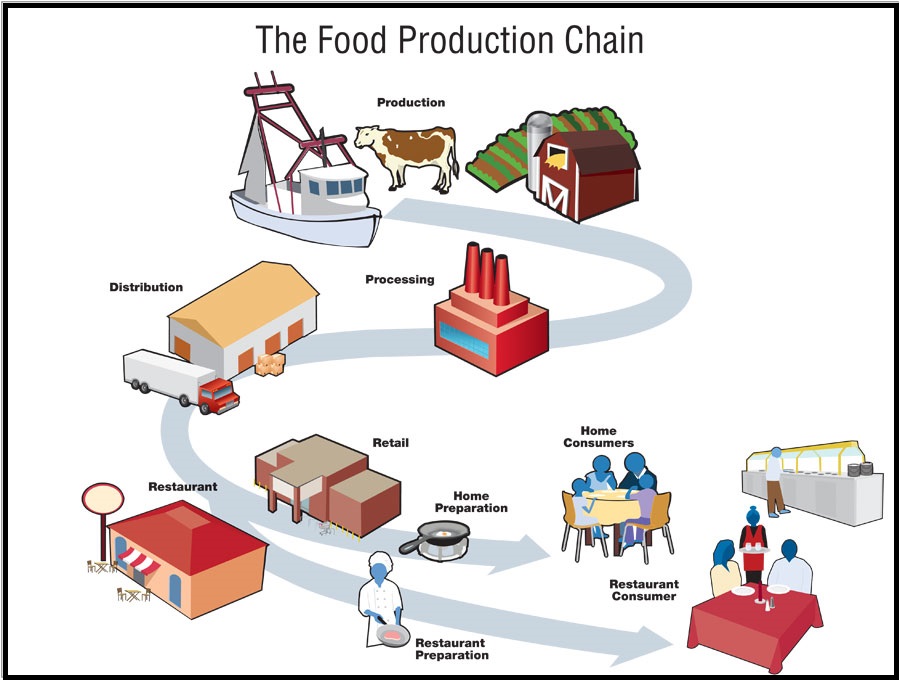
Look carefully at the graphic. See the fork in the supply chain that separates “food at home (40%)” from “food away from home (60%)”?
Food ‘outside the home’ includes restaurants, fast food locales, schools, corporate cafeterias, university lunchrooms, manufacturing cafeterias, hotels, food trucks, park and amusement food sellers and many more. Many of those venues are not thought about when people evaluate the overall U.S. food delivery system; however, this network was approximately 60 percent of all food consumption on a daily basis.
The ‘food away from home‘ sector has its own supply chain. Very few restaurants and venues (cited above) purchase food products from retail grocery outlets. As a result of the coronavirus mitigation effort, the ‘food away from home’ sector was reduced by 75% of daily food delivery operations. However, people still needed to eat. That meant retail food outlets, grocers, saw sales increases of 25 to 50 percent, depending on the area.
Covid regulations destroyed this complex supply chain in 2020. It takes time to recover, because the replenishment is based on harvest cycles. This stuff must be grown.
When the food at home sector was forced to take on the majority of food delivery, they immediately hit processing constraints. The processing side of the supply chain to funnel food into suppliers for the grocery store has “x” amount of capacity. That system cannot (not feasible) and did not expand to meet the 20 to 50% increase in demand.
Think about potatoes. A potato farmer sells into one of the two paths “food at home” (retail stores, or a processing supplier) or “food away from home” (commercial food or commercial food processors). Other than bulk raw potatoes, the harvest goes into: (1) processing or (2) storage.
(1a) processing for retail sales (40%), ex. Ore Ida frozen potatoes, canning, or any of the other thousand retail products that use potatoes, whole or mashed.
(1b) processing for commercial sales (60%), ex. McDonalds french fries, or any of the thousand restaurant, lunchroom and cafeteria needs that use potatoes, whole or mashed.
♦ Processing – When 1b was shut down in 2020, 1a quickly reached maximum retail processing capacity. Massive multi-million machines and food processing systems have a capacity. The supplies they use also have a capacity: plastic bags, cardboard, trays, bowls, etc. The 1a processing system can only generate “X” amount of retail product at maximum capacity.
The remaining 1b commercial product was shut down. A massive percentage of 1b (commercial) potatoes have nowhere to go, except waste.
♦ Storage – Each processor in 1a stores product (deep cold or frozen storage) for 365-day processing and distribution. Those storage facilities have a limited amount of capacity. The 1b customers need fresh product for the majority of their outlets. Ergo, storing for 1b customers who might eventually be allowed to open later only works for a short period of time. The fresh potato sales missed by 1b outlets = the 1b discard by potato farmers.
When you restart 1b suddenly the 1b short term (fresh) storage product is quickly depleted. Refilling that 2020 storage is dependent on a new 2021 harvest, which simultaneously has a greater immediate demand because the supply chain on the processing side was boxcar’d (over capacity) and then reset to a higher capacity playing catchup.
The amount missing from 2021 storage, because it was used instead of saved, is essentially equal to the amount that was wasted in 2020.
Now you end 2021 will less reserves because storage is depleted, because a greater percentage of the current harvest was immediately used. You enter into the beginning of 2022 (winter) in a race to try and spread out the stored potatoes as you cross your fingers and race against the clock for the next harvest before running out.
You probably noticed – but attached to this issue is yet another motive to keep people (employees) away from large industrial cafeterias and even students from school lunchrooms. The total food supply chain needs time, and harvests, to catch up.
In the example above you can replace *potato* with just about any row crop or retail/commercial food commodity like milk.
The reason I list the shortage of potatoes as the #1 precursor is because every food outlet sells a potato in some form. Every supermarket and every single restaurant (fancy, sit down or fast food) sells some form of potato. Potatoes are demanded by every single food outlet; therefore, a shortage of potatoes is the first noticeable issue.
The 2020 demand disruption problem now becomes a 2021/2022 supply chain problem on both the fresh and processing side (depleted inventories), with each vector now competing for the same raw material: wheat, soybeans, grains, beans and stored row crops.
Making matters worse, the protein suppliers also need grain as feed for cattle, pigs, cows, chickens, etc.
[Note: who gets the short straw? The pet food manufacturers]
That’s the nub of the background supply chain issue in the food sector. Additionally, recovery is not a single-issue problem.
The recovery price and shortages relate to everything from current oil and gas prices to diesel engine oil prices, to fertilizer and weed killer costs, to plastic costs and petroleum packing shortages (Styrofoam especially), to cardboard and sustainable packaging costs, to energy costs and transportation/delivery costs. All along this complex supply chain there’s also workers and higher payroll costs.
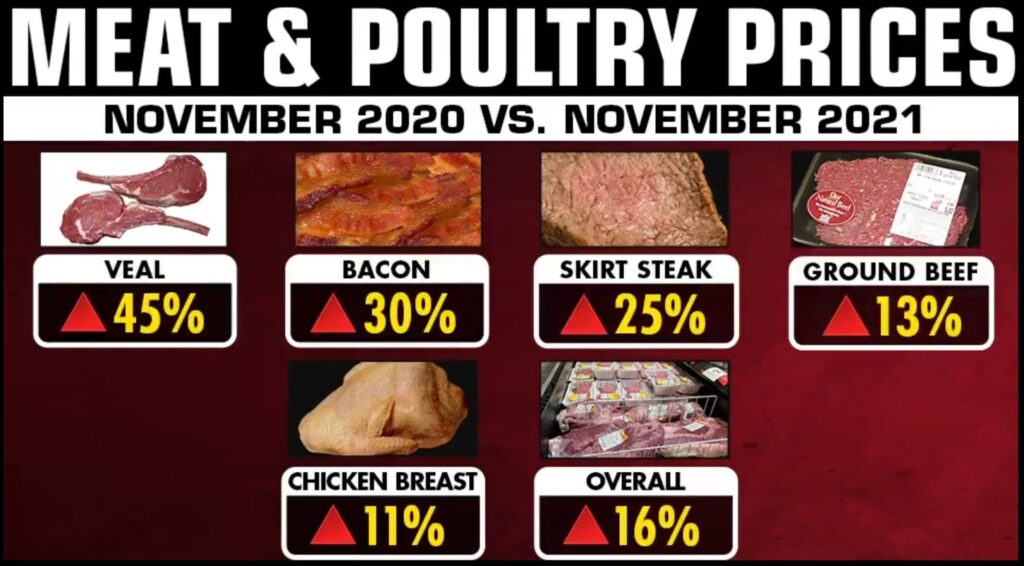
Thus, we get the double-edged sword of higher prices (inflation) and simultaneous shortages.
Here’s what you can do to offset grocery store shortages (while possible):
(1) Buy the generic or store brand equivalent (sub-set inside retail supply chain)
(2) Purchase the organic version (another sub-set inside retail supply chain)
(3) Purchase the powered/dehydrated version (potatoes, milk, etc) and experiment (jazz it up).
Each retail operation, or chain of stores, will show varying degrees of the supply chain stress according to their size, purchasing power, and/or private manufacturing, transportation and distribution capacity.
This is where field to fork supplier relationships can make a big difference. However, every outlet regardless of their operational excellence, is going to have significant shortages in their inventory. It’s an unavoidable outcome of the previous chaos.
On average, the retail shortages will last for about as long as one full harvest schedule (4 to 6 months) depending on the commodity. By September of 2022, the various sector should be relatively recovered.
However, government intervention could make the issues worse, or the recovery time take longer, depending on how they respond when people get seriously stressed in a few weeks. The densely populated urban areas are going to be making a lot of noise and demanding the government fix the crisis.
Final note on INFLATION – The short term prices will go up again. Another 10, 20 up to 50% should be expected depending on the item. Those prices will eventually level off, but it’s doubtful they will be able to come back down until supply and demand find some equilibrium again, if ever. Right now, predicting future retail prices is too far off to even fathom.
I hope this outline provides you with information to help you make decisions for your family.








 Centinel2012