June Minutes Report Decoded


Posted  originally on Jul 11, 2025 by Martin Armstrong 

Interest Rates Percent

The Minutes Report by the Federal Reserve indicates that the central bank is unlikely to cut rates at the next Federal Open Market Committee meeting on July 29-30. FOMC members unanimously maintained the borrowing range between 4.25%-4.5% where it has stood since December 2024. The central bank knows that it has limited power to control inflation through rate cuts, and stimulating demand is a moot point when the government is the largest borrower.

Instead of noting that the government simply borrows in perpetuity, Fed members focused on uncertainty surrounding tariffs and a potentially weakening labor market. Chairman Jerome Powell stated that cutting rates was a “closer call” as the 2% inflation target as been out of reach for several years. “With regard to the outlook for inflation, participants expected that inflation would continue to move toward 2 percent, although they noted that recent higher-than-expected readings on inflation, and the effects of potential changes in trade and immigration policy, suggested that the process could take longer than previously anticipated,” the FOMC minutes said. The last CPI reading was 2.7% with the PCE coming in at 2.4%.

The ongoing Trump v Powell feud is potentially spilling over into policy. Despite non-foreign-born citizens picking up over 2 million jobs as a direct result of deportation efforts, the Fed believes that the weakening labor market could be the result of deporting cheap labor. “Almost all participants judged that upside risks to the inflation outlook had increased. As reasons for this judgment, participants cited recent stronger-than-expected readings on inflation and the likely effects of potential changes in trade and immigration policy,” the minutes said. Unemployment fell to 4.1% with June posting an increase of 147,000 jobs.

The Fed is also blaming Trump’s tariff policies for inflation. “Ultimately, the cost of the tariff has to be paid, and some of it will fall on the end consumer,” the Fed Chair told reporters in June. “We do expect to see more of that over the course of the summer.”  Powell is confusing a one-time price adjustment with a monetary-driven inflationary wave that began in 2015 and soared after the pandemic. As previously noted, “almost all” participants saw trade policy as an upside risk to inflation. “Many participants noted that the eventual effect of tariffs on inflation could be more limited if trade deals are reached soon, if firms are able to quickly adjust their supply chains, or if firms can use other margins of adjustment to reduce their exposure to the effects of tariffs,” the Minutes stated.

A ”couple” of members stated rate cuts could happen at the next meeting, with Fed Governors Michelle Bowman and Christopher Waller going on record to say that they believe rate cuts are appropriate this month. “Several” officials said the overnight rate “may not be far” from target, believing a bit of adjustment could bring inflation to target. The “dot plot” of individual officials indicates a divide on the outlook of cuts.

The Minutes Report noted that two rate cuts could potentially happen in 2025, followed by additional cuts over the next few years. Powell has less than a year left in office, and the president is certain to appoint someone who will abide by his policy that he sees through the eyes of a borrower and not a lender.

The Better Investment — ETFs or Mutual Funds?


Posted originally on Jul 7, 2025 by Martin Armstrong 

ETF Tax

The primary difference between mutual funds and ETFs (exchange-traded funds) is that while an open-end mutual fund is priced once based on the market closing, ETFs, as well as closed-end mutual funds, trade all day. This actually goes back to the Panic of 1966 when mutual funds were open-ended but traded on the exchange and were bid up and down based on emotion rather than net asset value. The crash took place because mutual funds were, at times, selling well above net asset value.

If we look at the reforms post-1966, investors in mutual funds buy or sell them directly from the mutual fund companies themselves. That creates a different tax structure than an ETF in which purchases go to the market and the ETF is simply created by purchasing the underlying basket.

Mutual funds and most ETFs are governed by the Investment Company Act of 1940. Therefore, this legislation treats them like a pass-through company. When a mutual-fund investor wants to sell, the fund sells shares of appreciated stock to generate cash, which creates a taxable capital gain. Since most funds operate as simple pass-through vehicles, those tax liabilities from the gains accrue to all investors in the fund, including those who have not sold any holdings.

ETFs actually do avoid that type of tax issue. ETFs are not direct buyers or sellers of shares as a mutual fund. The ETF is created by a market maker with a special contract with the ETF provider. The investor has the newly created ETF share, which is created by purchasing all of the holdings in the underlying ETF. This basket of shares is given to the ETF issuer, thereby creating the ETF shares.

Because an ETF is not a direct buyer of the underlying shares as in a mutual fund, the ETF itself is not a buyer or seller. The basket of shares is swapped and is therefore an in-kind transaction; thus, there is no pass-through capital-gains tax bill. This is the tax advantage of an ETF over a mutual fund.

Ep 3679b – Obama Framed Trump, Then Overthrew The US Gov, Treason, Destruction Of The D Party


Posted originally on Rumble By X 22 Report on: July 3, 2025 at 6:15 pm EST

Ep 3678b – [DS] Just Took A Huge Blow, Shutdown, Overthrow Of The US Gov Has Gone Mainstream, Pain


Posted originally on Rumble By X 22 Report on: July 2, 2025 at 7:45 pm EST

FREEMAN: “Gold-Backed Debit Cards Are Here, And The Movement Is Just Getting Started.”


Posted originally on Rumble By Bannon’s War Room on: June 19, 2025, at 1:00 pm EST

Obama Killed the War Powers Resolution Act


Posted originally on Jun 18, 2025 by Martin Armstrong |  

US legislators are fighting to prevent America from becoming involved in the Israel-Iran conflict, but it is too late. The war cycle cannot be stopped, and the next cycle will peak in 2026/2027 on target. Our computer warned that there was an elevated risk for a confrontation beginning in 2025 on a global scale.

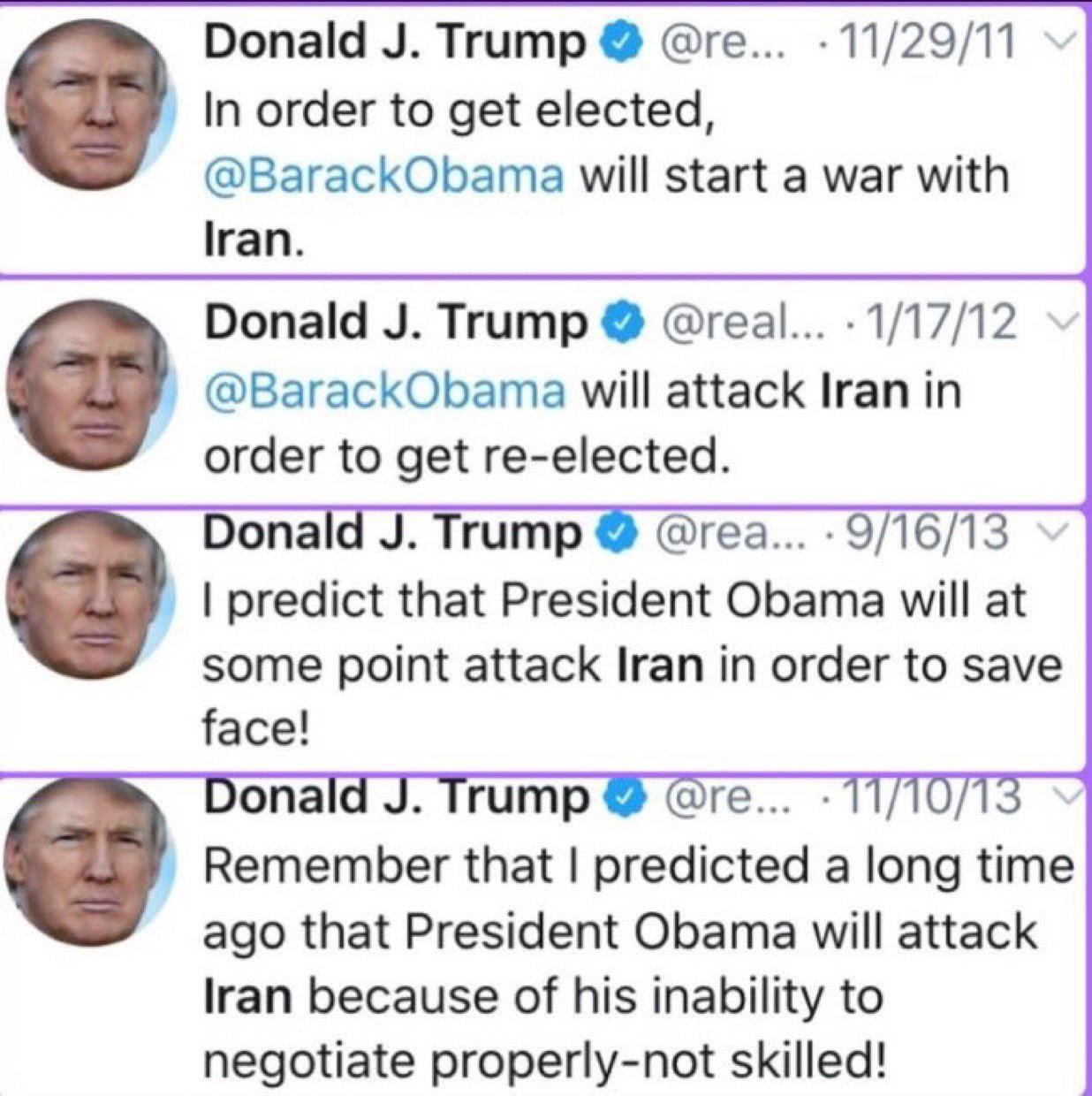
US senators on both sides of the political spectrum are attempting to introduce legislation that would prevent Donald Trump from declaring war on Iran. The Bipartisan House War Powers Resolution has received support from the Republican Senator Thomas Massie, who is perhaps the most outspoken against declaring war on Israel’s behalf. “This is not our war. But if it were, Congress must decide such matters according to our Constitution,” Massie stated. The bill is not an actual bipartisan bill, as Massie is the only Libertarian leaning Republican championing such a measure. Many are now questioning the GOP as everyone seems keen to attack Iran. Yet, Donald Trump repeatedly promised that the US would not enter into any foreign wars under his command. In fact, Trump accused Obama of attempting to attack Iran back in 2011, but Obama had other priorities in the Middle East.

Iran.Trump_.Obama_

Senator Bernie Sanders introduced the No War Against Iran Act, which would prohibit the use of federal funds for military action against Iran without approval from Congress. The only exception would be if war was declared through the War Powers Act, or War Powers Resolution of 1973, which grants the POTUS the ability to send American troops into battle if Congress receives a 48-hour notice. The stipulation here is that troops cannot remain in battle for over 60 days unless Congress authorizes a declaration of war. Congress could also remove US forces at any time by passing a resolution.

ObamaGadaffi

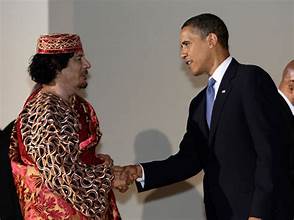
The War Powers Act was last enacted under Barack Obama in 2011 when he sent troops into Libya. The resolution had not been enforced since 1998 when President Bill Clinton sent armed forces into Kosovo. Yet, Obama was able to bypass the law and the military remained in Libya for over 60 days without Congressional approval, marking the first time in US history that a president defied the War Powers Act. House Republicans attempted to block any federal funding, but their efforts were ultimately unsuccessful. Obama single-handedly dismantled the entire War Powers Act, as it did not matter what Congress did or did not do—the president had the sole authority to wage war.

There was a major ECM turning point on June 13, 2011. That marked the beginning of a new 8.6-year wave within the broader 51.6-year cycle. What happened right then? The Arab Spring, the destruction of Libya, and a sharp rise in geopolitical instability. That intervention was unauthorized and illegal by constitutional standards.

Senator Tim Kaine would also like to invoke the War Powers Act, but these people must understand that the act died in 2011 when the US entered Libya to overthrow Gaddafi. The government can say anything to propel a nation into war, and weapons of mass destruction are a tried and true premise. What makes this more dangerous is that we’ve since entered a cycle where unelected bureaucrats—Neocons, intelligence operatives, and shadow advisers—run foreign policy, not the American people or even Congress. Obama’s disregard for the War Powers Act helped solidify that shift.

The Deporter-in-Chief – Barack Obama


Posted originally on Jun 12, 2025 by Martin Armstrong 

Once upon a time, requiring noncitizens to return home was not controversial. The left is not protesting migration; rather, they are protesting Donald Trump. Former President Barack Obama broke records for deportations under his administration and received bipartisan support.

Forcible removals reached 400,000 in 2012 alone, a record-high number for deportations at the time. Obama became the president to oversee the highest number of migrant removals with over 3 million people forcibly or voluntarily leaving the United States between 2009 and 2017. Only far-left extremist groups complained, labeling Obama the “Deporter-in-Chief.”

In comparison, George W. Bush expelled 3 million migrants, with Bill Clinton only removing 900,000. Prior to Trump, immigration rules were common sense. I could not travel to [insert the name of any country here], overstay my visa or illegally enter, and then expect that nation to financially support me and my extended family indefinitely.

https://www.tiktok.com/embed/v2/7492468301675679022?lang=en-US&referrer=https%3A%2F%2Fwww.armstrongeconomics.com%2Finternational-news%2Fpolitics%2Fthe-deporter-in-chief-barack-obama%2F&embedFrom=oembed

“If they committed a crime, DEPORT THEM, no questions asked,–they’re gone!” Hillary Clinton said on the campaign trail. She said that migrants who wished to become naturalized citizens should be required to learn English, pay a fine for illegally entering the US, pay back taxes, and wait in line for their turn to legally immigrate. The Democrats cheered her plan. Again, these were common-sense concepts.

ObamaDeportation

The media now remembers Obama for providing an easier path for citizenship and pandering to groups who repeated the “don’t separate families” line. Yet, Obama campaigned on the promise of removing illegal migrants because it was a danger to national security and a burden to taxpayers.

The pandemonium we see today has absolutely nothing to do with migration. Migration is the excuse to attack Donald Trump, the most hated man in politics, to cause and blame him for nationwide chaos. The Democratic Party once had values, but they no longer stand for anything other than violence and opposition without proposed solutions.

Japanese’s Sovereign Debt Crisis


Posted originally on Jun 5, 2025 by Martin Armstrong 

Japan_Debt_Crisis_2025 6 5 25
Japan_Debt_Crisis_2025 INDEX 6 5 25

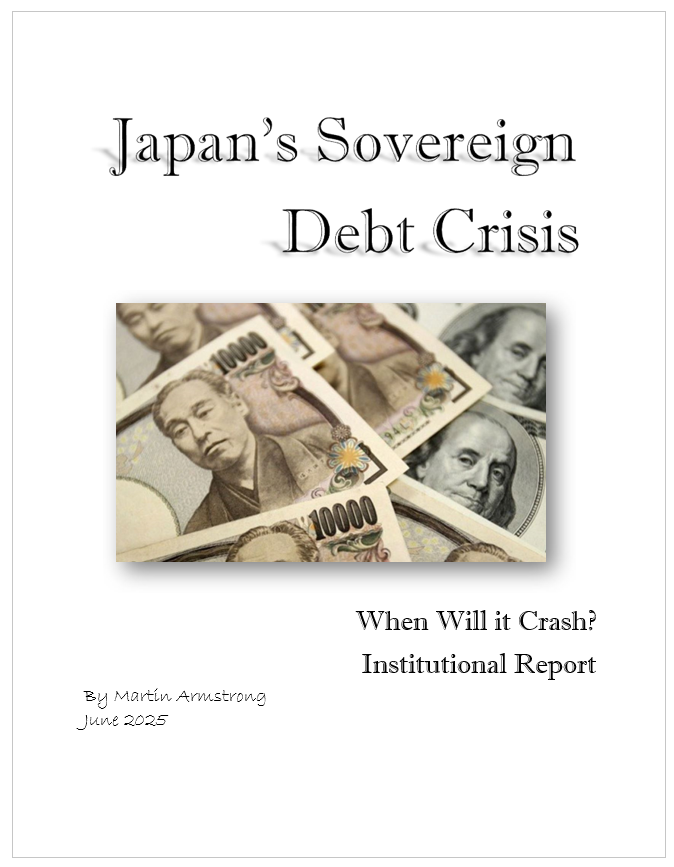
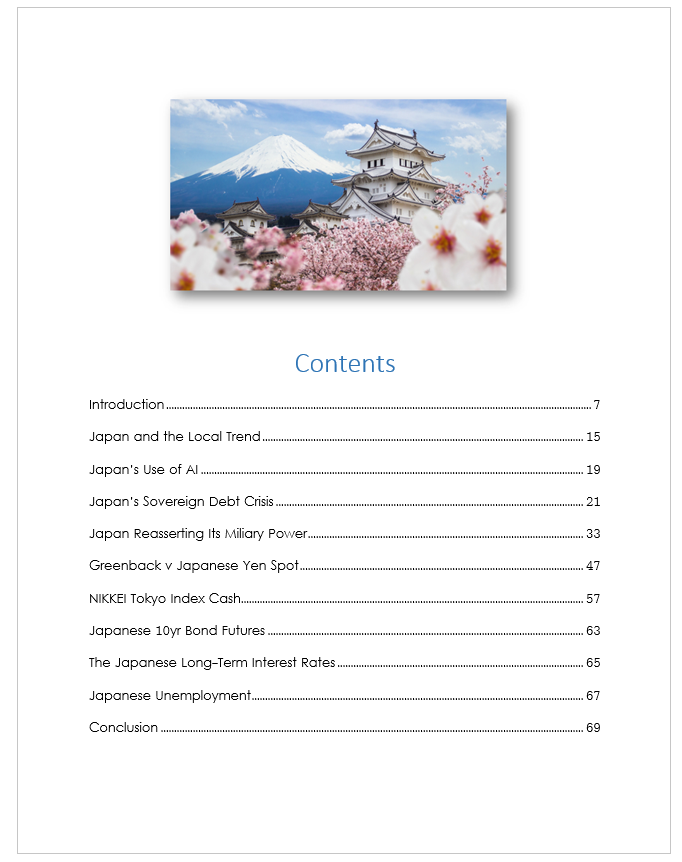
This is the first installment for our Institutional Clients concerning the two countries at the greatest risk of DEFAULT – Japan and Germany. We have provided the forecast for Japan’s default and explained in detail the internal battle between the Government, the Bank of Japan, and the Private Sector. This report exposes the truth about who holds what and the threat to instability as Japan also tries to cozy up close to NATO as a diversion for its fiscal mismanagement.

Investors have long fretted about the sustainability of Japan’s government debt as other nations, including Germany, are facing unsustainable fiscal mismanagement across the developed world. Japan has garnered the most attention due to its highest debt load relative to economic output and the heaviest debt-service burden. At the same time, the excuse has been that they are mostly self-funded, and as such, appearances are deceptive. Still, all Western nations are on a collision course with a sovereign debt crisis that will bring them all crashing down when the line at the door stops buying the new debt to roll over the old.

Japan’s fiscal mismanagement is not significantly worse than that of others. The pandemic, climate change, sluggish growth, and financial crises, accompanied by a lack of confidence, have led to an increase in government debt for many wealthy countries. At more than 250% of GDP, Japan’s gross debt stands out. Combined with sluggish growth and a shrinking population, many financiers and economists see it as an existential risk. The real question this report addresses is the real story behind the curtain, and when does this come to a head?

“Negotiators Are Able To Wipe Out The Debt.” Jillian Barberie On Done With Debt


Posted originally on Rumble By Bannon’s War Room on: June 3, 2025, at 2:00 pm EST

Silver Bars vs Coins


Posted originally on May 31, 2025 by Martin Armstrong 

SilverCoins

QUESTION: Marty,
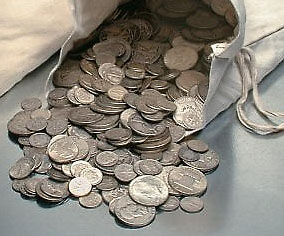
There seems to be a growing trend with States approving gold and silver coins as acceptable payment methods. You have always said that it would be coins and not bars. However Florida now states that the silver must be 99% pure. How will this affect the pre 65 constitutional coins like dimes, quarters and half dollars generally referred to a junk silver? Junk silver coins will of course be worth more if the price of silver increases however it appears that one may not be able to use them for any daily transactions. Would one be better off selling their junk silver and converting it to silver rounds immediately? What does Socrates or Socrates Jr think on this topic as it is certainly a new wrinkle.
Thanks !
JimJ

ANSWER: I understand the act, and it only illustrates my point that when it comes to a silver bar, 99% of the people out there would NEVER know the difference between that and a bar of Nickel. That’s what I said; I prefer the pre-1965 silver coins because the average person can easily identify the date. They are ALREADY legal tender. So they are not demonetizing the silver coins.

Roll of Silver Eagles

The Roll of 20 – 2025 $1 American Silver Eagles are 99.9% silver. However, they are denominated as $1. This may be more confusing to the average smuck on the street. Personally, I have bags of silver coins, and I have a hoard of $20 gold coins that came from a central bank, which found them tucked away in the basement vault. They are all uncirculated 1924 Saints. This was a private offering.

1924 Gold Hoard 3