August – the Month Market Shifts and Blood & War


Posted originally on Aug 2, 2025 by Martin Armstrong 
Pax Romana
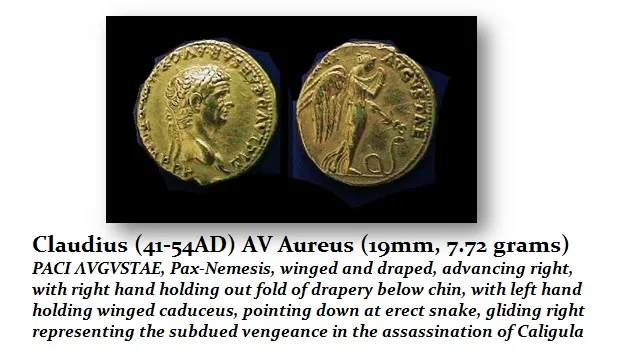
Claudius AY Pax Nemesis

History shows that diplomacy, international cooperation, and economic interdependence have been the only ways to prevent wars. But overcoming deep-seated motives for conflict remains an impossible challenge.

Power & Control (Leaders or nations may seek dominance over others)
Fear of losing power (Leaders will start conflicts to divert attention from internal problems)
Resources & Economic Gain (Wars are often fought over valuable resources like oil, water, minerals, or trade routes)
Ideology & Belief Systems (Religious, nationalist, or political extremism, like communism vs capitalism, has fueled hatred and justified war)
Fear & Security Concerns (Leaders may order preemptive strikes from perceived threats)
Revenge & Retribution (Historical grievances, past defeats, or ethnic/sectarian tensions)
Miscalculation & Escalation (Diplomacy fails, assassinations, border clashes spiral into larger wars)
Alliances (like those before WWI) can drag multiple nations into war.
Human Nature (Many believe aggression is innate (evolutionary survival instinct), remains in some
while others believe war is a learned behavior shaped by culture and institutions.)
Tribalism (favoring one’s own group over others has led to wars.)

Historical evidence suggests that major military campaigns and invasions have more frequently begun in spring or summer rather than winter. It seems that perhaps we need a personality test to cull out people who would create war as a personality defect. Yet, even in market activity, there has been this mysterious aspect where investment trends shift to liquidation trends at the end of the summer. Do wars and market liquidations somehow influence seasonal trends?
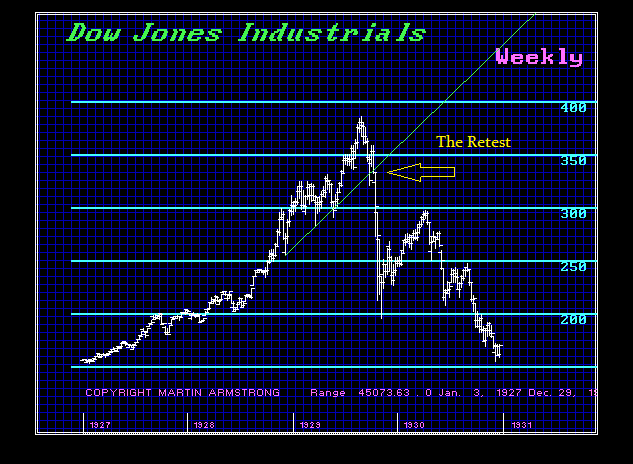
1929 Crash the Bear Market Retest W

Historically, August has been a significant period for war, just as Sepetember often produces those major highs or when markets began to crash, like in 1929. Many have pondered the August/September time period for political and financial upheavals. For example, here is just a brief overview of when stock markets began to crash or peaked and started falling in September, similar to 1929:

1929 – Great Depression Prelude September 3, 1929: The Dow Jones Industrial Average peaked.

1987 – Black Monday Prelude late September 1987, markets became volatile, with signs of strain building, followed by a crash on October 19, 1987.

2000 – Dot-Com Bubble Deflation saw the Nasdaq had already started declining in March 2000, but many tech stocks began sharper declines again in September as earnings missed and sentiment turned negative.

2001 – Post-9/11 Crash came on September 17, 2001 (markets reopened after 9/11): Major indices fell 7–14% that week.

2008 – Global Financial Crisis Escalation saw Lehman Brothers collapse on September 15, 2008.

2022 – Inflation & Rate Hike Driven Decline after a bear market rally in summer, markets reversed sharply in mid-September due to inflation and Fed rate hike signals. The September 13, 2022 CPI report triggered a 4–5% drop in one day, one of the worst days in years.
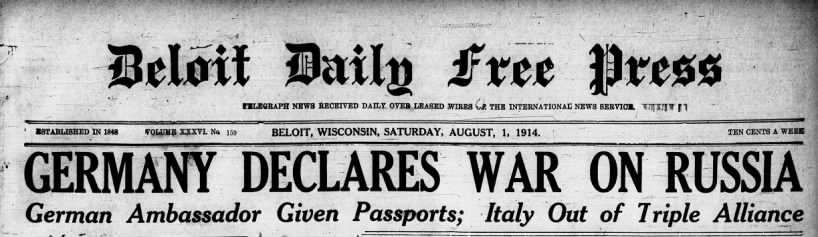
August 1 1914 declare war

World War I (August 1, 1914): The global conflict began when Austria-Hungary declared war on Serbia, following the assassination of Archduke Franz Ferdinand. This triggered a chain reaction of alliances, leading to a world war. Germany declared war on Russia on August 1st, 1914.

August 2 1990 Iraq invades Kuwait


Gulf War (August 2, 1990): Iraq, under Saddam Hussein, invaded Kuwait, prompting a U.S.-led coalition response. The conflict escalated quickly with Operation Desert Shield and later Desert Storm.
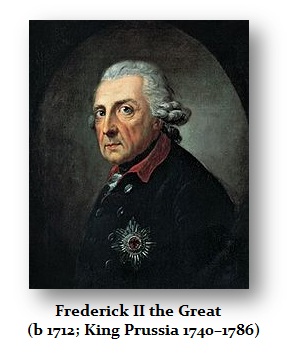
Frederick II The Great


Seven Years’ War (August 29, 1756): Often considered a global conflict, it began with Frederick the Great of Prussia’s invasion of Saxony, drawing in major European powers and their colonies.
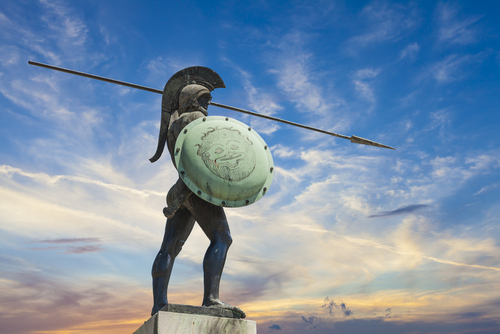
Battle of Thermopylae

Many significant battles have occurred in August throughout history. Of course, the most famous was none other than the Battle of Thermopylae (480 BC, August) when the famous stand of 300 Spartans under King Leonidas against the Persian army led by Xerxes in Greece.
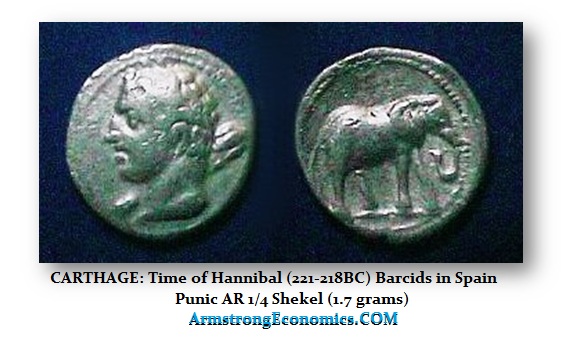
Hannibal Quarter Shekel 221 218BC

The Battle of Cannae (August 2nd, 216 BC) saw Hannibal’s Carthaginian army annihilate a much larger Roman force in one of history’s most significant tactical victories in military history.
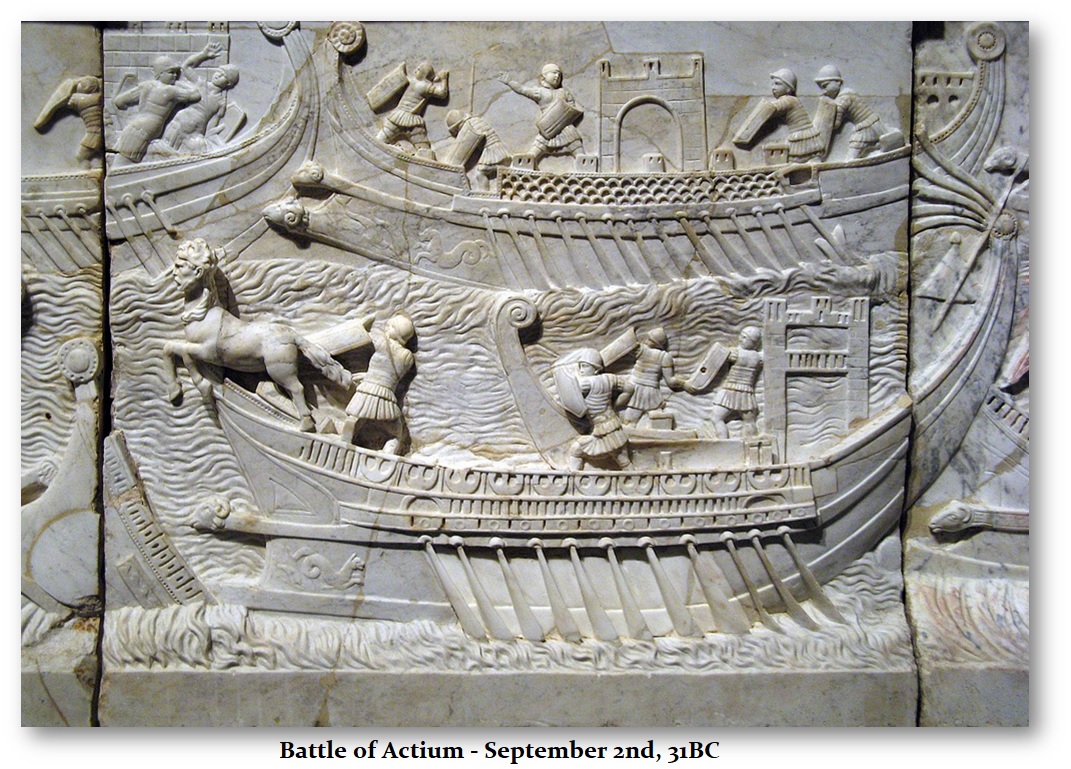
Battle of Actium 31 BC

The Battle of Actium was when Octavian/Augustus defeated Mark Antony and Cleopatra. They were preparing for the battle in late August and the final battle took place on September 2nd, 31BC . This was the end of the Roman Republic, and Octavian emerged as Augustus, giving birth to imperial Rome.

There was the Battle of Maserfield (642AD, August 5), which was fought near present-day Oswestry in Shropshire, England. It was a significant conflict between the Anglo-Saxon kingdoms of Northumbria and Mercia. The battle weakened Northumbria, leading to its temporary division into Bernicia and Deira. Mercia, under Penda, emerged as a dominant power in central England.
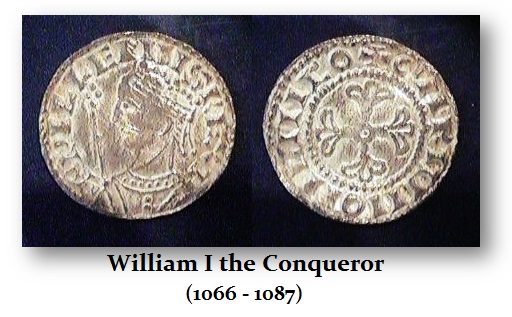
WILLIAM 1 the conqueror

Then there was the famous Battle of Hastings (1066AD, October 14, but with August preparations), when William the Conqueror’s invasion began taking shape in August with Norman forces gathering.
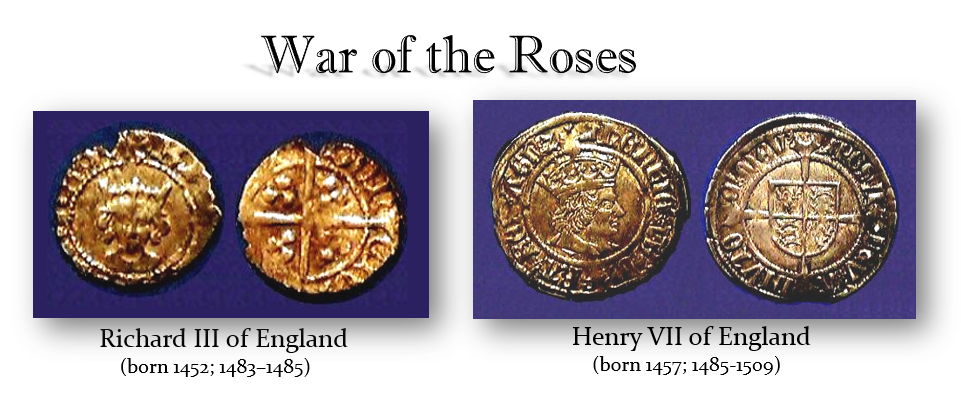
War of the Roses

The Battle of Bosworth Field (1485AD, August 22): Decisive battle of the Wars of the Roses, where Henry Tudor defeated Richard III, becoming King Henry VII of England.
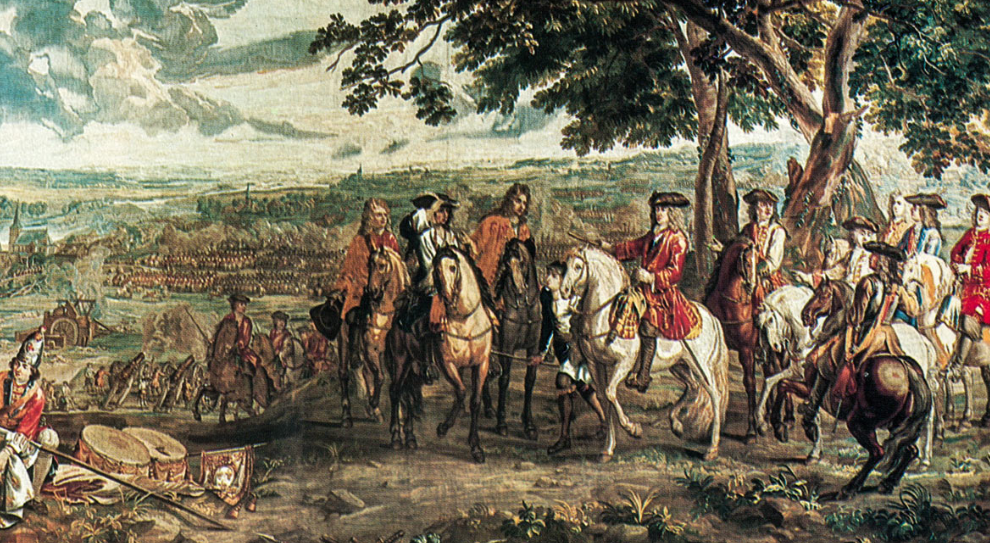
Battle of Blenheim

The Battle of Blenheim (1704AD, August 13), was a significant victory for the Grand Alliance (comprising England, Austria, and the Netherlands) against the French and Bavarian forces during the War of the Spanish Succession. This battle marked a turning point in the war, demonstrating the vulnerability of the French army and ensuring the safety of Vienna from invasion. It was a significant victory for the Grand Alliance (led by John Churchill, Duke of Marlborough) against France in the War of the Spanish Succession.
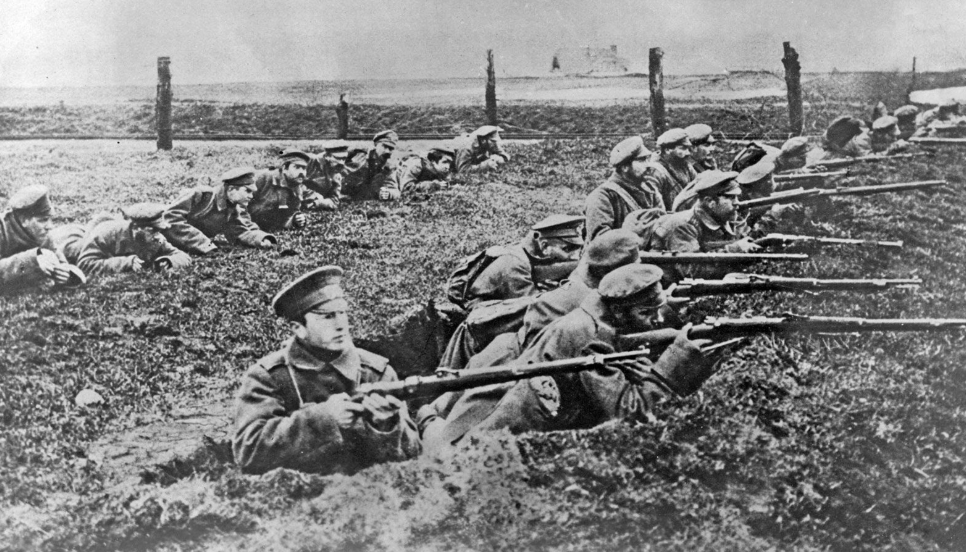
Battle of Tannenberg

The Battle of Tannenberg (1914AD, August 26–30) was a significant conflict during World War I, fought between August 23 and August 30, 1914, in East Prussia (now Poland). It involved the German Eighth Army against the Russian First and Second Armies. World War I battle where Germany defeated Russia on the Eastern Front.
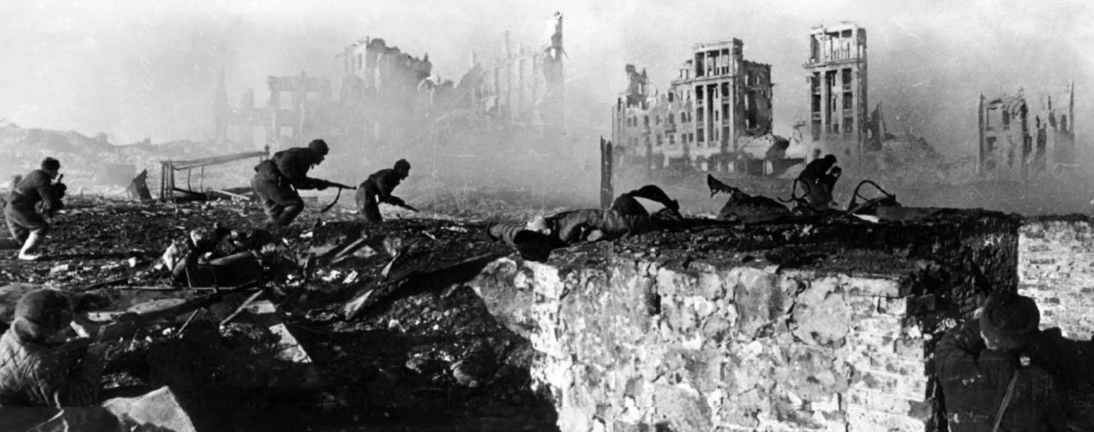
battle_of_stalingrad

The Battle of Stalingrad (August 23, 1942 – February 2, 1943) was a major World War II battle between Nazi Germany and its allies against the Soviet Union for control of Stalingrad (now Volgograd), a key industrial and strategic city on the Volga River. It is considered one of the bloodiest and most decisive battles in history. A turning point in World War II, where Soviet forces eventually defeated the German army after brutal fighting.
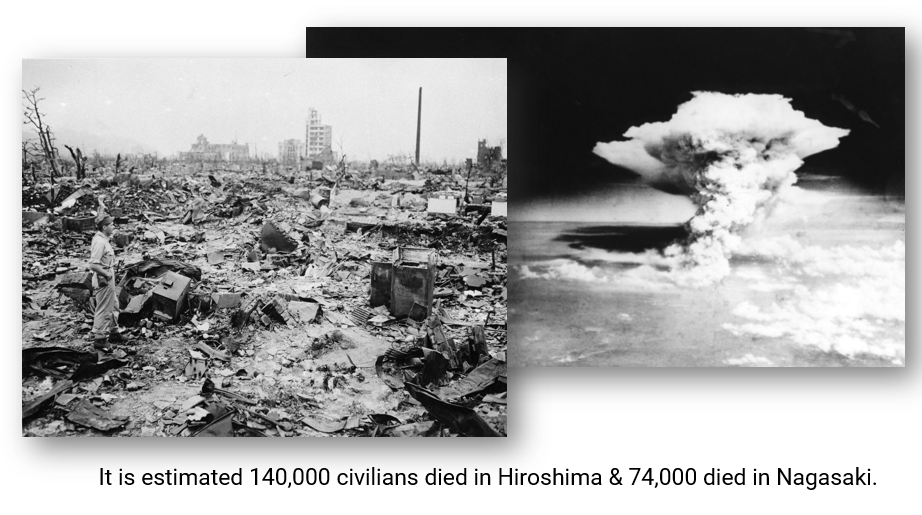
Hiroshima Nagasaki 1945

The atomic bombings of Hiroshima and Nagasaki occurred on August 6, 1945, and August 9, 1945, respectively, during World War II. The United States dropped the first atomic bomb, “Little Boy,” on Hiroshima at approximately 8:15 AM local time, followed by the second bomb, “Fat Man,” on Nagasaki at around 11:02 AM local time.

On August 15th, 1920, this was when Communist Russia invaded newly independent Poland, and they defeated what many assumed was an invincible Red Army. This was the Battle of Warsaw, the free world’s first significant victory over communism. Poles refer to this victory as the “Miracle on the Vistula.”

The Warsaw Uprising, which began on August 1, 1944, was a major World War II operation by the Polish underground resistance of some 40,000, led by the Home Army (Armia Krajowa), to liberate Warsaw from Nazi German occupation. It lasted 63 days (until October 2, 1944) and was known as Operation “Tempest” (Burza).
Those Who Write the Laws Always Exempt Themselves


Posted originally on Aug 1, 2025 by Martin Armstrong |  

The PELOSI Act, which BANS Congressional stock trading, has just passed out of committee, 8-7. I have personally been asked by a Congressman who is no longer there for information. “The number one question from my constituents is where to put their money these days.” I did everything to prevent myself from laughing. When the Insider Trading nonsense was crafted, they deliberately excluded themselves.

Yet I advised on so many takeovers, and the Assistant US Attorney, Richard Owens, tried so hard to come up with a charge to cover up what they did, and I did not even have a trading account for stocks, which really pissed him off. He checked my entire family. He was angry because he could not find anything and said, “You are one smart SOB.” Yet, I was not a member of a board and was informed of what they wanted to do, which would be indistinguisable from a person in Congress.

I got my son a summer job in a brokerage house while he was in college. They had to vet not just him, but me for a simple job for the summer. Yet Congress is exempt, and I suspect they will ensure that exceptions for spouses and trusts (not so blind) will be in there. That does NOT apply to those of us outside of Congress.

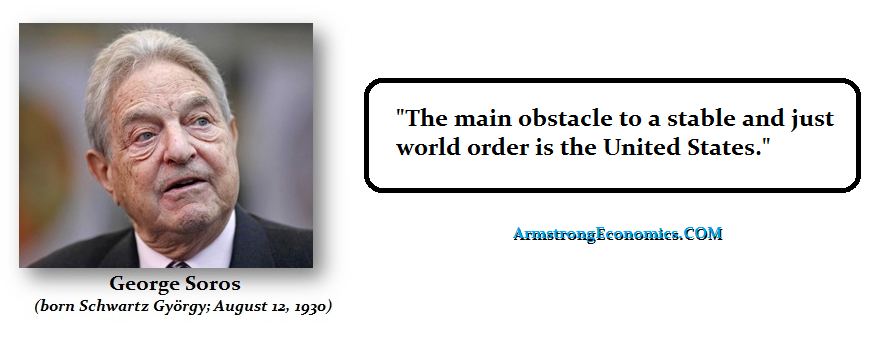
Soros Assisted Hillary and Obama in Russian Collusion Hoax


Posted originally on Aug 1, 2025 by Martin Armstrong 

Soros US must fall

Newly declassified documents reveal that George Soros assisted Hillary Clinton in creating the Russian collusion hoax in an attempt to discredit Donald Trump and deceive the American public ahead of a presidential election. Special counsel John Durham’s 2023 report has been largely declassified and now reveals the link between Soros’s Open Society Foundations and the Clintons.

Leonard Benardo, the senior vice president at George Soros’s Open Society Foundations, and Clinton foreign policy adviser Julianne Smith openly discussed their plan to discredit Donald Trump by linking him to Russia’s Vladimir Putin and demonize both men.

Obama Soros

“During the first stage of the campaign, due to lack of direct evidence, it was decided to disseminate the necessary information through the FBI-affiliated…technical structures… in particular, the Crowdstrike and ThreatConnect companies, from where the information would then be disseminated through leading U.S. publications,” the classified annex said. “The media analysis on the DNC hacking appears solid…. Julie [Campaign Advisor] says it will be a long-term affair to demonize Putin and Trump. Now it is good for a post-convention bounce. Later the FBI will put more oil into the fire,” Soros’s employee stated.

The report added, “HRC [Hillary Rodham Clinton] approved [Campaign adviser Julie’s] idea about Trump and Russian hackers hampering U.S. elections. That should distract people from her own missing emails.”

The plan? “The point is making the Russian play a U.S. domestic issue… In absence of direct evidence, Crowdstrike and ThreatConnect will supply the media, and GRU [Russia’s Main Intelligence Directive] will hopefully carry on to give more facts,” the emails from Benardo stated.

Durham noted that Clinton and her campaign began to leak lies to the media around July 2016. Clinton had hoped that the scrutiny would cause the FBI and other intelligence agencies to investigate allegations, further defaming Trump’s character to the American public. Durham wrote that “it is a logical deduction [REDACTED] [Julianne] Smith was, at minimum, playing a role in the Clinton campaign’s efforts to tie Trump to Russia” and stated it is undeniable that there was a clear plan to sway public perception ahead of the election.

Hillary_Clinton_had_emails_on_server_more_classified_than_top_secret_CBS_News
ButHerEmailsHat

Senate Judiciary Committee Chairman Chuck Grassley, R-Iowa, declassified the Durham report and accused the Obama Administration of fairly investigate the situation when there were intelligence reports “showing the Clinton campaign may have been ginning up the fake Trump-Russia narrative for Clinton’s political gain, which was ultimately done through the Steele Dossier and other means.” The reports of Clinton’s wrongdoings were hidden for years. “History will show that the Obama and Biden administration’s law enforcement and intelligence agencies were weaponized against President Trump,” Grassley stated. “This political weaponization has caused critical damage to our institutions and is one of the biggest political scandals and cover-ups in American history. The new Trump administration has a tremendous responsibility to the American people to fix the damage done and do so with maximum speed and transparency.”

Comey James Testify

FBI Director James Comey, under the guidance of former President Obama, hid the Clinton e-mail scandal from the public. On July 5, 2016, Comey announced that the Clinton email scandal investigation had concluded and Hillary was innocent. His only critique was that Clinton was “extremely careless,” although his initial speech draft used the term “gross negligence.” In the same speech, Comey declared that his agency was keenly focused on investigating GOP nominee Donald Trump for colluding with Russia to sway the election. The FBI also obtained intelligence reports in 2016 showing communications between Rep. Debbie Wasserman Schultz (D-FL), the chairwoman of the Democratic National Convention, and “two different individuals who worked for the Soros Open Society Foundations.”

Clinton Lynch

Former Attorney General Loretta Lynch met former President Bill Clinton on the Phoenix tarmac in a clearly suspicious meeting a few weeks before Comey’s announcement.

“Under Comey’s leadership, the FBI failed to perform fundamental investigative work and left key pieces of evidence on the cutting room floor. The Comey FBI’s negligent approach and perhaps intentional lack of effort in the Clinton investigation is a stark contrast to its full-throated investigation of the Trump-Russia collusion hoax, which was based on the uncorroborated and now discredited Steele dossier. Comey’s decision-making process smacks of political infection,” Grassley stated.

DOJ Inspector General Michael Horowitz launched an investigation that determined foul play. “The initial [REDACTED] report suggested that then-Attorney General Loretta Lynch and then-FBI Director James Comey were interfering in the Midyear investigation to help the Democratic and Republican candidates, respectively.”

National Review Democrats Wont Certify Trump Win

“By way of forming a consensus relative to the candidacy of Hillary Clinton, Barack Obama, leading the Democratic Party (DP), sanctioned use of all administrative levers to remove possibly negative effects of the FBI investigation of the business of the Clinton Foundation and the email correspondence of the State Department. Based upon information from Wassermann Schultz [sic], the FBI does not anticipate any kind of direct evidence against Clinton, as there was timely deletions from the email servers,” the report said. “The political director of the Hillary Clinton staff, Amanda Renteria [PH], regularly receives information from Loretta Lynch of the Department of Justice, on the plans and intentions of the FBI. Active work is being done on clarification mostly with potential witnesses: the primary witnesses are a number of computer specialists in the Clinton private circle. They represent the only tools which may be used in this matter. Therefore, the threat is minimal…”

This is groundbreaking corruption and a direct attack on American democracy by Obama, the Clintons, Comey, Soros, and everyone who aided them or turned a blind eye to the corruption that they knew had occurred. This is far larger than simply defamation—the Democrats backed by foreign influence (Soros) attempted to manipulate the outcome of the 2016 US Presidential Election. Their plot failed and the people prevailed. If this blatant disregard for democracy is overlooked there is a grand chance it could reoccur. The people on both sides of the aisle should be absolutely outraged that politicians and intelligence agency believe they have the right to decide on our leadership.

IRS Shed 26K Workers in June


Posted originally on Aug 1, 2025 by Martin Armstrong 

IRS building

Joe Biden’s proposed IRS army has been dismantled. An astounding $80 billion was granted to the IRS under the Inflation Reduction Act to militarize the tax agency against US citizens who are expected to pay for government mismanagement. The Inflation Reduction Act had hidden provisions to hire tens of thousands of new agents, but the trend has officially reversed.

There were around 102,100 IRS employees when President Donald Trump began his second term in January 2025. During his first six months, the agency declined to 75,700 employees, or a 26% reduction. June 2025 saw a steep decrease of 26,400 workers, as many stayed on through the most recent tax season. Layoffs continued in July, although the exact count has not been published at the time of this writing.

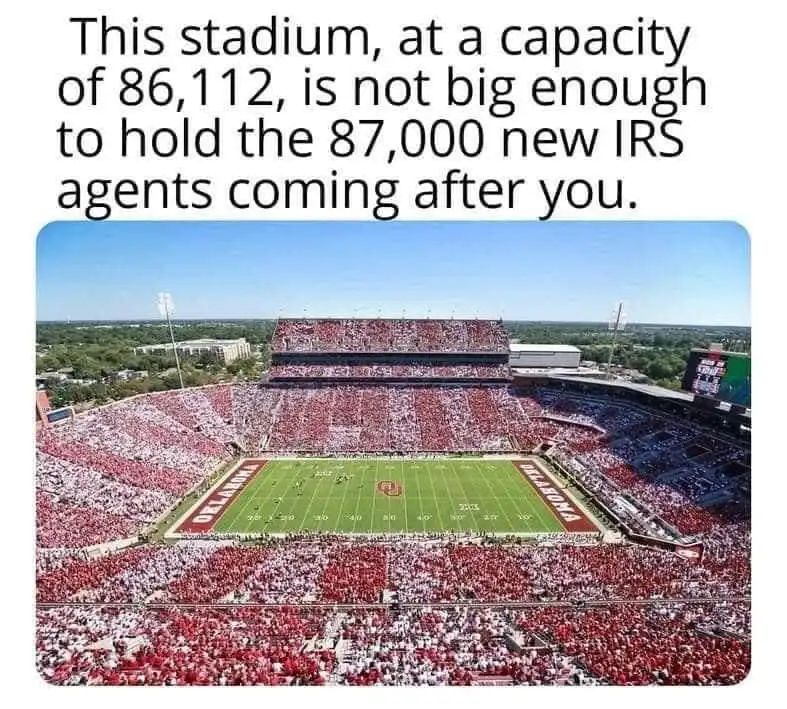
IRS.FootballField

The Oxford Academic published a study in February 2025 that found that the IRS generates $12 in revenue for every dollar it spends on auditing households earning above the 90th percentile. Audits of below-median-income taxpayers yielded $5 in revenue, and this is the demographic most likely to be hunted by the IRS as easy prey. They do not have the same resources and outlets to maximize tax benefits, and study after study has shown that middle America feels the brunt of the tax burden. On average, the study found, $1 spent on audits in general initially raises $2.17 in revenue.

Did people actually believe that the IRS needed 87,000 new employees to target the 600+ billionaires living in America? There is no loose change in taxes, the higher you go up in income. Yet, some politicians believe that the economy will suffer due to the reduction in the tax police.

The US government slashed its IRS annual budget by nearly 20% or $2.5 billion from $12.3 billion for FY2025 to $9.8 billion for FY2026. America has not seen faster or larger budget cuts to the tax authority in modern history. The IRS may be collecting less revenue BUT the people are NOT the problem. The government continues to spend in perpetuity with no end in sight, budgets are a mirage for the public. For you see, the government could NEVER collect enough in tax revenue to cover its spending—plain and simple. Reducing government spending in general is a small step in the right direction.

Inflation Outpacing Wages for 40% of Americans


Posted originally on Aug 1, 2025 by Martin Armstrong |  

Inflation

Wages in America have been unable to keep up with inflation. A new report by the Atlanta Fed found that 40% of America’s workforce now earns less than the inflation-adjusted cost of living, which is primarily affecting the lowest earners. Wages outpace inflation in thriving economic conditions, but we are amid a wave of stagflation.

The Wage Tracker data found that 57% of the US workforce experienced pay increases that did outpace the cost of living, but the remaining 43% are facing a decline or stagnation in lifestyle. Nominal wage growth was 3.4% from June 2024 to June 2025 while inflation was 2.7% for that same period, meaning that pay has outpaced inflation by a mere 0.7 percentage points. Last month, the three-month average annual growth in the Atlanta Fed Tracker was 4.2% or 1.5 percentage points above CPI. Real wage growth adjusted for inflation was around 0.7%, adding about $9 per week extra for the average American.

Low and middle-income households reported feeling the brunt of the price increase, with 76% of lower and moderate-income respondents declaring that their financial well-being is in jeopardy as the essentials are rising rapidly in comparison to pay.

Electrical engineers saw the highest increase in wages with a 6.3% rise, followed by legal and marketing with an increase of 5.1%, and project management at 4.6%. Physicians and surgeons saw the highest increases amid COVID, but that pay growth trend has not continued as they are earning only 0.8% more this year on average. Driving (1%), software development (1.4%), and logistic support (1.7%) were among the slowest growing categories. Naturally, many of these professionals were already earning a living that outpaced any inflationary gains.

Wages were outpacing inflation as of early 2024, a stark turnaround from the historically high inflation felt in 2022. It is of no surprise that over half (52%) of Americans reported that they believe their income is not rising to meet inflation, with only 11% of respondents feeling that their wages are surpassing inflation. Northwestern Mutual’s 2025 Planning & Progress Study also found that 51% of US adults believe inflation will continue to rise in 2025. In comparison, only 25% believe prices will come down, while 24% believe it will stagnate.

Again, 57% of the workforce is experiencing a rise in pay that has outpaced inflation. The problem here is that low-wage earners lack the ability to increase their value at their place of employment. Companies are routinely outsourcing these roles to third-party nations like India where lower wages are sufficient to meet the cost of living. This risks an increase in the welfare state that ends up trickling down to the taxpayers.

Neocons Are Still in Charge in DC


Posted originally on Jul 31, 2025 by Martin Armstrong 

Graham Blumenthal Zelensky

QUESTION: Mr. Armstrong, is the US in the hands of the Neocons all over again? Trump’s threats against countries buying Russian oil seem to violate international law, and Congress’s imposition of 500% tariffs for noncompliance with Trump’s demand appears to be fulfilling your computer forecast. Would you comment on this 500% tariffs bill?

FK

Sanctions

ANSWER: The two Neocons Senators who belong in prison for hate crimes in any other country, Lindsey Graham (R‑SC) and Richard Blumenthal (D‑CT), who introduced this bill for a sweeping 500% tariff on countries buying Russian oil/gas. This bill has not yet passed. Unfortunately, this is a measure gaining significant support. This is the Sanctioning Russia Act of 2025, which would authorize such steep tariffs on countries that continue buying Russian energy products. It has 84 co-sponsors, and it indeed proposes a 500% tariff on goods imported from countries purchasing Russian oil, gas, uranium, or petrochemicals—even if those goods are otherwise unrelated. President Trump has publicly endorsed the bill, while retaining a waiver provision—meaning he could choose whether to apply or exempt countries if the bill is passed.

Cheney Elizabeth Lynne

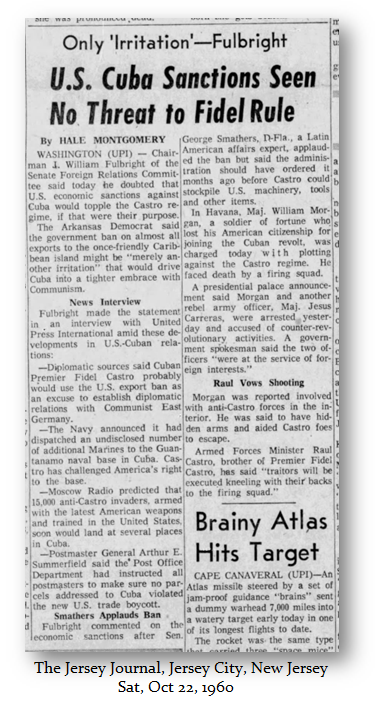
This is yet another nail in the coffin of destroying Western Civilization. As I explained, sanctions are always the tool of the Neocons that makes them feel powerful and all warm and fuzzy inside. As I mentioned, they imposed sanctions on Cuba in 1960, as Castro was a horrible communist leader. Well, he dies, and the sanctions are still there to this day. I am sure Trump’s 180-degree turn is transforming him into an economic dictator threatening the world economically, which is putting a big grin on Liz Cheney’s face.

book_upright_9425971

Trump is now following the Neocon Rule Book. Threaten your opponent, call him hateful names, and do not talk to ensure there will be no possibility of peace. I am shocked at Trump’s 180 turn. He may think he can intimidate Putin, but he is DEAD WRONG! Worst yet, imposing sanctions on Russia is one thing. Now, threatening actions against anyone who buys energy or used shoes from Russia can be sanctioned up to the proposed 500%.

BRICS Currency

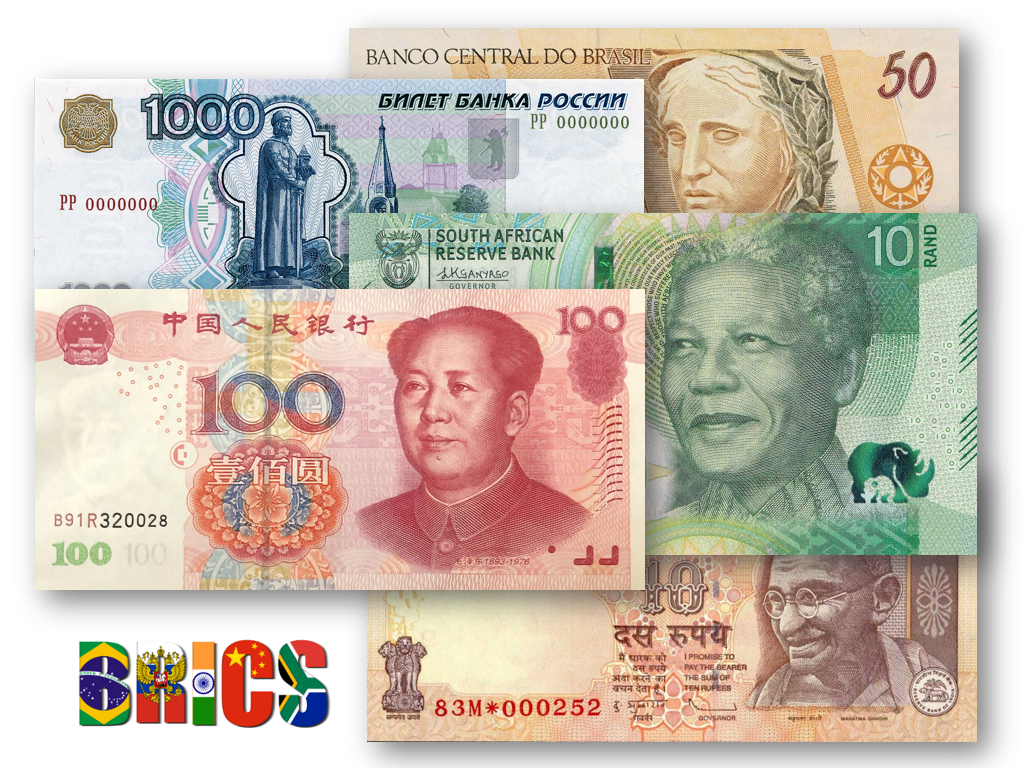
The sanctions of removing Russia from the SWIFT system were a red flag to the world. The US is becoming a dictator to the world. If you do not comply with the demands of the US, they will remove you from the SWIFT system, and you will be isolated from the world economy. They led to BRICS, especially after the Biden Administration threatened China that it would be removed if it helped Russia. Thus, BRICS was born from that geopolitical threat, and they destroyed the world economy. The dollar can no longer be used as a weapon.

fiscal_cliff_10937_h264_19201 ezgif.com video to gif converter

Trump wants to destroy BRICS and protect the dollar’s role in the world economy, which is a joke. You cannot threaten countries that they must comply with US demands and expect them to follow you over the edge. BRICS was created in response to these strong-arm tactics of the Neocons. They are in charge of US foreign policy, and Liz Cheney is popping the champagne – they have Trump following their rule book.

Though the Neocon bill has bipartisan support because there are Neocons on both sides of the aisle, thanks to this strong sponsorship from two ruthless, un-American Neocons, this is a significant threat to international security. This bill has not yet passed Congress, and any person in Congress who votes for it should be dragged out of Congress, kicking and screaming, for they do not represent the people. Moreover, there is also a broad package requiring congressional approval for new tariffs—the Trade Review Act of 2025 (S.1272)—that is also under consideration. It faces opposition from the White House, which has threatened a veto.

Parallel to the legislative process, courts are examining whether Trump’s existing tariffs—imposed under the International Emergency Economic Powers Act (IEEPA)—were lawful. A May 28, 2025, ruling by the U.S. Court of International Trade struck down these tariffs, though enforcement is paused pending appeal. Then on July 31, 2025, the U.S. Court of Appeals for the Federal Circuit is currently reviewing the legality of President Trump’s tariffs, with judges expressing skepticism about his authority to impose them without congressional approval. A ruling is expected soon, which could have significant implications for trade policy and presidential powers. This could go to the Supreme Court.

The legal argument before the panel of 11 members of the US Court of Appeals for the Federal Circuit in Washington was stunning. Trump’s use of the International Emergency Economic Powers Act to circumvent Congress’s power to levy tariffs was, in fact, I believe, illegal. Neal Katyal, a lawyer for the plaintiffs, argued that Trump’s citation of a statute that doesn’t even mention tariffs to launch an unprecedented trade war was a “breathtaking claim to power that no president has asserted in 200 years.”

A majority of the panel from both camps, Democratic and Republican, expressed varying levels of skepticism about Trump’s position. Any decision will likely take weeks and would almost certainly be stayed to give the US Supreme Court time to consider a request for review. I believe this is in part behind the pending legislation to grant this authority that Trump has usurped.

Louis XIV War

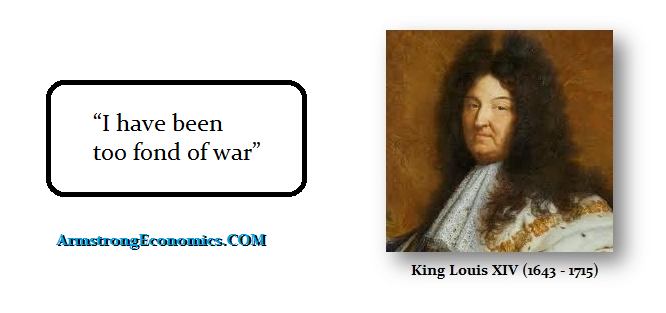
The NEOCON of the 17th Century was King Louis XIV, who waged endless wars, bankrupted France, and only on his deathbed did he finally lament: “I have been too fond of war.” It is hard to get into their head to come up woth some logical explanation of their thought process.

Here is Lindsey Graham talking about just killing Russians and how that puts such a smile on his face. This is, I believe, a psychopath. There is just no explanation for what has caused his deep-seated hatred of the Russian people. They care nothing for human life or all the people who must die to carry out their objectives. That includes our troops who die on the battlefield to put that smile on Graham’s face, along with Cheney’s.

Categories:Rule of LawNeoconsTrade War

Armstrong on Russian TV


Posted originally on Jul 31, 2025 by Martin Armstrong 

RT 7 31 25 Tariffs

Sanctions – the Neocon Tool That Has Never Worked Even Once


Posted originally on Jul 30, 2025 by Martin Armstrong 

The fact that Trump is threatening sanctions against India for buying Russian oil and to hammer Russia to somehow force Putin to his knees and accept whatever terms Europe demands, proves that Trump is now taking advice from Lindsey Grachm, NATO, their puppet EU leaders, and the Neocons with the likes of Cheney in the background witgh a HUGE smile on her face.

Cuba Sanctions 1960

Cuba (1960s-present): U.S. sanctions have failed to topple the Castro regime or force democratic reforms. Despite economic hardship, the government adapted through alternative trade partners and domestic resilience, suggesting sanctions can entrench regimes and slter the world economy, which has taken place with the development of BRICS. The U.S. embargo (blockade) against Cuba remains in place, requiring Congressional action to lift it entirely. While some sanctions have been eased temporarily, no administration has completely ended them. After more than 60 years, this stands as a prime example of how sanctions have NEVER worked even once.

Nordstream Pipeline Russia

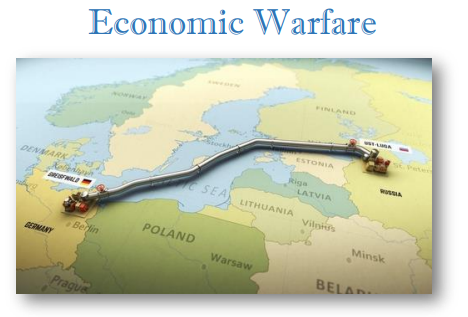
The United States has imposed sanctions on German and other European companies involved in the construction of the Nord Stream 2 gas pipeline, which was designed to transport Russian natural gas to Europe. In 2019–2021, the U.S. sanctioned firms like Swiss-based Allseas (forcing it to withdraw) and later targeted Russian and German entities.

The U.S. imposed sanctions on the Soviet-European gas pipeline in 1982 (under Reagan), targeting Western companies supplying equipment for the Urengoy–Pomary–Uzhhorod pipeline, which supplied gas to Western Europe. The U.S. opposed this project due to concerns over European energy dependence on the USSR. They, too, failed and had to be relaxed under Allied pressure.

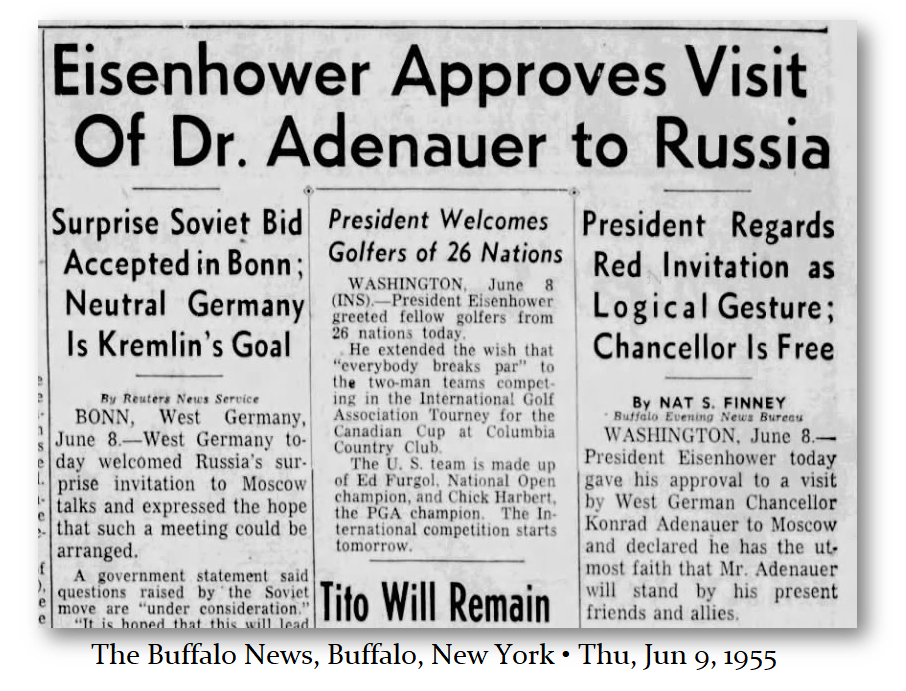
Adenauer 1955 visit Russia

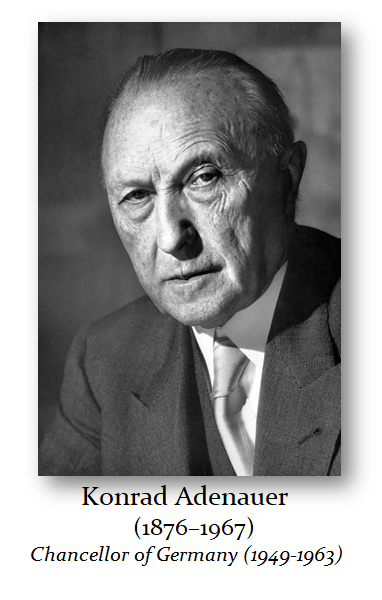
The Neocons, from the outset of any negotiations between Germany and Russia back in the communist days, did everything in their power to deny Germany access to Russian energy. It was 1955 when West German Chancellor Konrad Adenauer (1876-1967) visited Moscow in June and then established diplomatic relations for the first time between the new Federal Republic of Germany and the Soviet Union. The Neocons were outraged, but President Eisenhower saw it as no threat given Adenauer’s oppression by Hitler. The Necons wanted to prevent any meeting but Eisenhower declined.

Adenauer Konrad 1876–1967 Chancellor 1949 1963

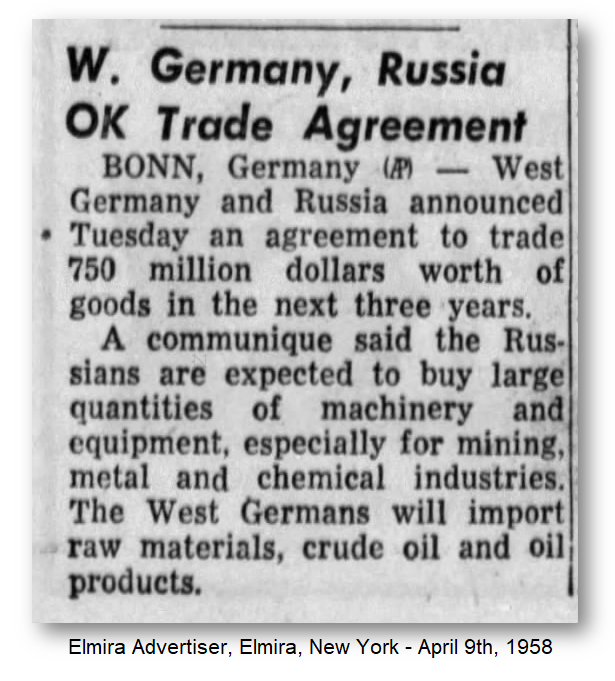
Adenauer was Chancellor from 1949 to 1963. Adenauer was one of the first opponents of the leader of the Nazi Party. Konrad Adenauer helped draft a constitution completed in May 1949. He opened the door for the trade agreement that followed in 1958, and by 1960, bilateral trade between the countries was booming.

1958 Russia German Trade Agreement

The Trade Agreement was reported worldwide by the Associated Press on April 9th, 1958 (1958.271). Even so, from the very beginning, that trade link between Germany and Russia was controversial, to say the least. The United States, at the direction of the Neocons, was always against it and would criticize Germany behind every closed-door session. However, the US intimidation failed because it was necessary for the German people and their future.

While the U.S. did not impose formal sanctions on German pipe producers in 1955–1958, it actively discouraged such trade, setting the stage for the 1960s pipe embargoes. The major crackdown came later, but diplomatic and economic pressure began in the late 1950s.

Iraq (1990s): UN sanctions after the Gulf War devastated the economy, reducing GDP by nearly 50%, but Saddam Hussein’s regime remained intact. Political change only occurred after the 2003 invasion, not sanctions alone, and civilian suffering often strengthened regime propaganda.

North Korea (2000s-present): Decades of sanctions have crippled the economy but haven’t shifted the Kim regime’s policies or structure. Black market trade and Chinese support have mitigated impacts, and the regime uses isolation to reinforce control.

South Africa (1980s-1990s): Comprehensive sanctions, including trade bans and financial restrictions, the Neocons insist, contributed to ending apartheid. However, there was already internal resistance. It still took 14 years before any democratic reforms took place by 1994. Studies estimate that the sanctions reduced South Africa’s GDP only by 1-2% annually.

Iran (2010s): Heavy U.S. and EU sanctions targeting oil exports and banking, which the Neocons insist forced Iran to negotiate the 2015 nuclear deal (JCPOA). Oil revenues dropped by over 50% from 2011 to 2013, and inflation soared, but the regime did not fall. The regime didn’t fundamentally change its political system, showing again that sanctions have NEVER even once overthrown the core governance.

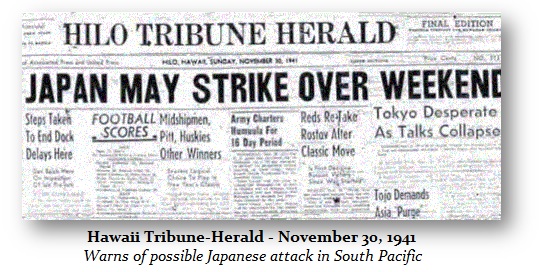
Hawaii Tribune

FDR deliberately imposed sanctions on Japan to get them to attack the United States, all because Congress would not authorize joining World War II in Europe. That led to a Senate investigation later because it became so obvious that FDR even knew when Pearl Harbor would take place and deliberately allowed thousands to be killed just so he could enter the war. It came out that US had broken the Japanese code and knew all about the attack. There was even a lead to the press a few days before reporting that they were about to be attacked.

Before the attack on Pearl Harbor on December 7, 1941, President Franklin D. Roosevelt (FDR) imposed a series of escalating economic sanctions on Japan in response to its aggressive expansion in Asia, particularly its invasion of China. These sanctions were meant to pressure Japan into halting its militaristic actions, but ultimately contributed to the tensions that led to war.

In 1938, FDR imposed a “moral embargo” on aircraft and aviation parts sales to Japan following its bombing of Chinese civilians. This was not a formal ban but a strong discouragement of exports. Then in July 1939, FDR announced the termination of the 1911 U.S.-Japan Treaty of Commerce and Navigation, removing legal barriers to future trade restrictions. This took effect in January 1940.

Now that the door was open for sanctions, in July 1940, the U.S. restricted exports of aviation fuel, lubricants, and high-grade scrap metal to Japan under the Export Control Act. That was followed by the September 1940 complete embargo on scrap iron and steel.

Then, FDR, like the West has done to Russia, froze all Japanese assets in the U.S. (July 26, 1941), effectively cutting off trade and financial transactions. That was followed by a complete oil embargo along with Britain and the Dutch government-in-exile. Since Japan relied on the U.S. for 80% of its oil, this was a crippling blow. FDR knew that Japan would take it as an act of war, as they then saw these sanctions as an existential threat, as they crippled its ability to fuel its military and industry.

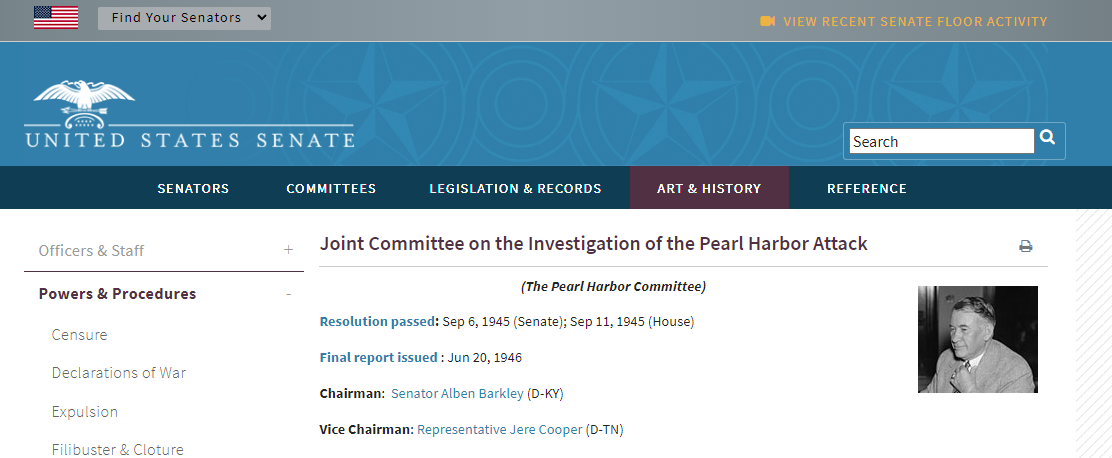
1945 1946 US Senate Investigation Pearl Harbor

The oil embargo, in particular, forced Japan to either negotiate a withdrawal from China (which it refused) or seize oil-rich territories in Southeast Asia (which risked war with the U.S.). The sanctions contributed to Japan’s decision to attack Pearl Harbor (December 7, 1941) to neutralize the U.S. Pacific Fleet before invading British and Dutch colonies. These sanctions deliberately pushed Japan toward a desperate military confrontation, culminating in the attack on Pearl Harbor and the U.S. entry into World War II, which was the objective of FDR from the outset. The outrage was so intense that in 1945, after the war, the Senate was forced to investigate FDR’s action and whitewashed the affair, claiming they were unsure if FDR had been fully advised of the Pearl Harbor attack in advance, even though leaks made the papers in advance.

SANCTIONS

There is NOT a single incident to demonstrate that sanctions have EVER worked. Nevertheless, the Neocons constantly advise heads of state to impose sanctions, hoping that they will bring about the collapse of that government. They will not work this time either and the real risk is that they will lead to war as we saw in FDR’s actions against Japan.

Why US GDP Rose 3% Q2 2025


Posted originally on Jul 31, 2025 by Martin Armstrong  

GDP 3

Data from the Commerce Department shows that the US gross domestic product rose 3% in Q2 on a seasonally inflation-adjusted basis. The figure may have surpassed estimates by around 0.7%, but it does not indicate the beginning of a rising trend.

First, the figure has already been adjusted for inflation to fit a narrative. The first quarter saw a sharp uptick in imports as businesses attempted to avoid tariffs. Imports then declined by an astounding 30.3% last quarter, with exports falling by 1.8%. A good portion of the final figure is due to net trade swings that distorted the reading. Demand did not necessarily fall in Q2, but was offset by the surge experienced during the uncertainty at the beginning of the year.

GDP rises when imports drop due to the Keynesian formula: GDP=C+I+G+(X-M).

  • C = Consumer Spending
  • I = Investment (business capital spending, housing, inventories)
  • G = Government Spending
  • X = Exports
  • M = Imports

Imports (M) are subtracted from this calculation as GDP measures the DOMESTIC production. A rise in imports is considered an indicator that more goods were produced abroad, therefore, they subtract them from GDP. When imports decline, (X-M) rises and leaves the impression that fewer foreign goods/services were consumed in the US. Imports declining should not be considered growth, but the US refuses to move away from Keynesian model thinking.

Consumer spending, two-thirds of total GDP, rose by 1.4%, but this was offset by a decline in business spending. Final sales to private domestic purchases rose 1.2% in Q2 compared to 1.9% in Q1, indicating weakening demand. Unemployment declined to 4.1% in June after the economy added around 150,000 new positions this year.

This is neither a reason to celebrate nor a reason for concern. Every headline is praising the 3% uptick as a major win without realizing that not much has changed—the American economy is still experiencing stagflation.

Should India Continue Buying Russian Oil?


Posted originally on Jul 31, 2025 by Martin Armstrong 

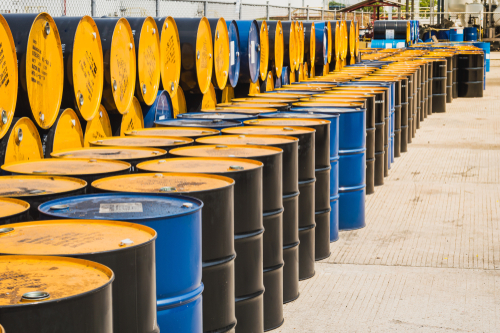
Crude Oil Production

President Trump announced a 25% on India beginning August 1 due to its continued purchase of Russian oil. “Remember, while India is our friend, we have, over the years, done relatively little business with them because their Tariffs are far too high, among the highest in the World, and they have the most strenuous and obnoxious non-monetary Trade Barriers of any Country,” the president posted to Truth on Wednesday morning. “Also, they have always bought a vast majority of their military equipment from Russia, and are Russia’s largest buyer of ENERGY, along with China, at a time when everyone wants Russia to STOP THE KILLING IN UKRAINE,” he added.

India began drastically increasing its imports of Russian crude at the start of the Russia-Ukraine war in 2022, with good reason, as the oil became significantly cheaper and India was able to resell it at a premium to nations that simply wanted to bypass all things Russia. In January 2022, India was importing around 68,000 barrels per day (bpd) in Russian crude, which represented only 0.2% of crude imports. The war broke out a month later and by June India was importing 1.12 million bpd from Russia who overtook Iraq as the nation’s top supplier. Nearly a year later in May 2023, Russian imports peaked at 2.15 million bpd, with India currently importing around 1.7 million to 2.1 million bpd as of July 2025.

Around 35% to 40% of India’s crude oil now comes from Russia. Now, Russian crude was around $50 per barrel in May 2025 when imports to India peaked. Middle Eastern grades were around $10 to $20 higher at the time. The deal was a no-brainer.

India-US bilateral trade hit $118.4 billion in 2024. India exported approximately $79.4 billion in goods to the US and imported $39 billion. The current trade deficit with the US sits at $45.7 billion. A 25% tariff could cost India billions in lost revenue from exports and threaten jobs in key sectors such as autos, chemicals, jewelry, gems, electronics, and textiles. Other Asian exporters would become more desirable, but China actually purchases more Russian crude than India at this point and other nations in the region have drastically smaller economies. Estimates state India could risk losing $15 billion to $20 billion annually as a result of the 25% tariff.

Now, if India were forced to buy from the Middle East for $10 to $20 more per barrel, the nation would need to spend around $6 to $10 billion more on energy annually. India does refine and resells Russian crude and is said to bring in around $1.5 billion to $3.5 billion from that practice.

On paper, it would seem as if India has more to lose by continuing to purchase Russian oil. However, the US is showing the world that it has the ability to dictate political policy through economic warfare. India declared that it remains committed to continuing “mutually beneficial bilateral trade” with the US after the 25% tariff was announced. The US will go after all BRICS nations in an attempt to dismantle the alliance, but BRICS members have shown that they no longer need to rely on the West, and tariffs from the US may not hold the same leverage as they once did.