The Largest Humanitarian Crisis That No One Discusses


Armstrong Economics Blog/War Re-Posted Mar 21, 2022 by Martin Armstrong

Yemen has been at war for the past seven years. A once great land of ancient trade, Yemen has become one of the poorest nations in the Arab world. Their GDP for 2021 was expected to reach only 26.9 billion USD. The World Bank estimated that over half of Yemen’s population lived in poverty prior to the pandemic, and that figure has now reached 71% to 78%.

The United Nations recently declared that 19 million people will go hungry in the coming months. Yemen is completely reliant on exports for basic necessities and 90% of its food supply is imported. One-third of imported wheat comes from Ukraine and Russia. The World Food Programme (WFP) said five million people are at “immediate risk” of slipping into famine-like conditions, and that their program needs $887.9 million to feed 13 million people over the next six months. Over 20.5 million people are without safe water as well.

Around 75% of the $14 billion donated to the nation came from the United States, Saudi Arabia, the United Kingdom, the United Arab Emirates, Germany, and the European Commission. The World Bank expects inflation to reach 45% in Yemen this year but the rial is already worthless and the nation has yet to adopt a safe reserve currency.

I have yet to see a Yemeni flag or virtue signaling for the people living in this particular war-torn country as it is not part of the agenda. The media rarely reports on Yemen and most journalists likely would not be able to recognize Yemen’s flag. People are not driving around with “We Stand With Yemen” bumper stickers, and schools are not requiring children to make sense of this war. The public does not discuss or shed tears for the people of Yemen who live in unfathomable conditions because they are not a piece of the larger agenda and no one can profit off of their suffering at this time.
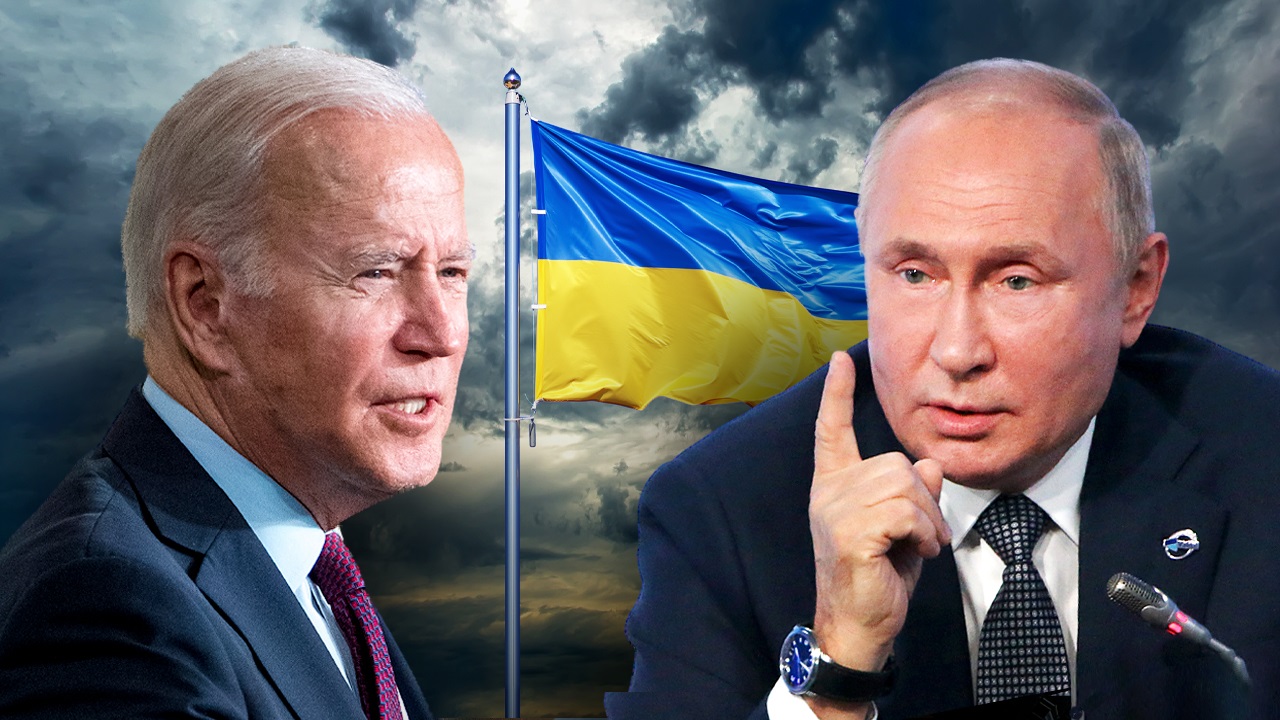
Leaders of Saudi Arabia and the United Arab Emirates Refuse To Take Biden Phone Calls, Both Spoke to Vladimir Putin


Posted originally on the conservative tree house on March 8, 2022 | Sundance

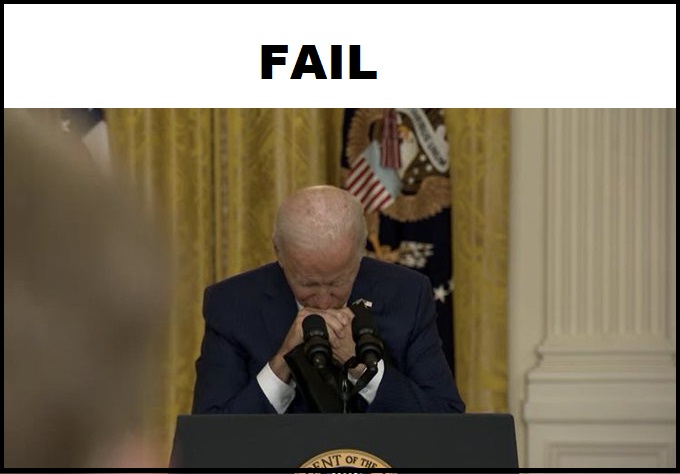
Remember when Joe Biden tried to claim, because of his election, the U.S. was respected again?  Yeah, well, not so much.

Apparently, the Biden administration planned to go hat in hand to the Middle East for help with oil production.  However, Saudi Arabia and the UAE refused to even take Joe Biden’s calls.

(Wall Street Journal) […] Saudi Crown Prince Mohammed bin Salman and the U.A.E.’s Sheikh Mohammed bin Zayed al Nahyan both declined U.S. requests to speak to Mr. Biden in recent weeks, the officials said, as Saudi and Emirati officials have become more vocal in recent weeks in their criticism of American policy in the Gulf.

“There was some expectation of a phone call, but it didn’t happen,” said a U.S. official of the planned discussion between the Saudi Prince Mohammed and Mr. Biden. “It was part of turning on the spigot [of Saudi oil].”

[…] One U.S. official said the Biden administration has worked diligently to strengthen Saudi and Emirati missile defenses, and that America would be doing more in the coming months to help the two Gulf nations protect themselves. It may not be all the two countries want, the official said, but the U.S. is trying to address their security concerns.

But the Saudis and Emiratis have declined to pump more oil, saying they are sticking to a production plan approved between their group, the Organization of the Petroleum Exporting Countries, and a group of other producers led by Russia. The energy alliance with Russia, one of the world’s top oil producers, has enhanced OPEC’s power while also bringing the Saudis and Emiratis closer to Moscow.

Both Prince Mohammed and Sheikh Mohammed took phone calls from Russian President Vladimir Putin last week, after declining to speak with Mr. Biden. (read more)

MBS and Sheikh Mohammed are not blind.  They know the Obama-Biden teams support the Muslim Brotherhood who are the political wing of the Islamic extremist figures creating unrest in the Middle East.