Project Veritas Obtains Hidden Military Documents Showing NIH Intent to Create SARS-CoV-2, Using Gain of Function Research


Posted originally on the conservative tree house on January 10, 2022 | Sundance | 285 Comments

Project Veritas has obtained military documents hidden on a classified system [HERE – and HERE – and HERE] showing how EcoHealth Alliance approached DARPA in March 2018, seeking funding to conduct gain of function research of bat borne coronaviruses.

The proposal, named Project Defuse, was rejected by DARPA over safety concerns and the notion that it violated the gain of function research moratorium.  However, according to the documents, NIAID, under the direction of Dr. Fauci, went ahead with the research in Wuhan, China and at several sites across the U.S.

[WASHINGTON, D.C. – Jan. 10, 2022] Project Veritas has obtained startling never-before-seen documents regarding the origins of COVID-19, gain of function research, vaccines, potential treatments which have been suppressed, and the government’s effort to conceal all of this.

The documents in question stem from a report at the Defense Advanced Research Projects Agency, better known as DARPA, which were hidden in a top-secret shared drive.

DARPA is an agency under the U.S. Department of Defense in charge of facilitating research in technology with potential military applications.

Project Veritas has obtained a separate report to the Inspector General of the Department of Defense written by U.S. Marine Corp Major, Joseph Murphy, a former DARPA Fellow.

The report states that EcoHealth Alliance approached DARPA in March 2018, seeking funding to conduct gain of function research of bat borne coronaviruses. The proposal, named Project Defuse, was rejected by DARPA over safety concerns and the notion that it violates the basis gain of function research moratorium.

According to the documents, NIAID, under the direction of Dr. Fauci, went ahead with the research in Wuhan, China and at several sites across the U.S. (read more)
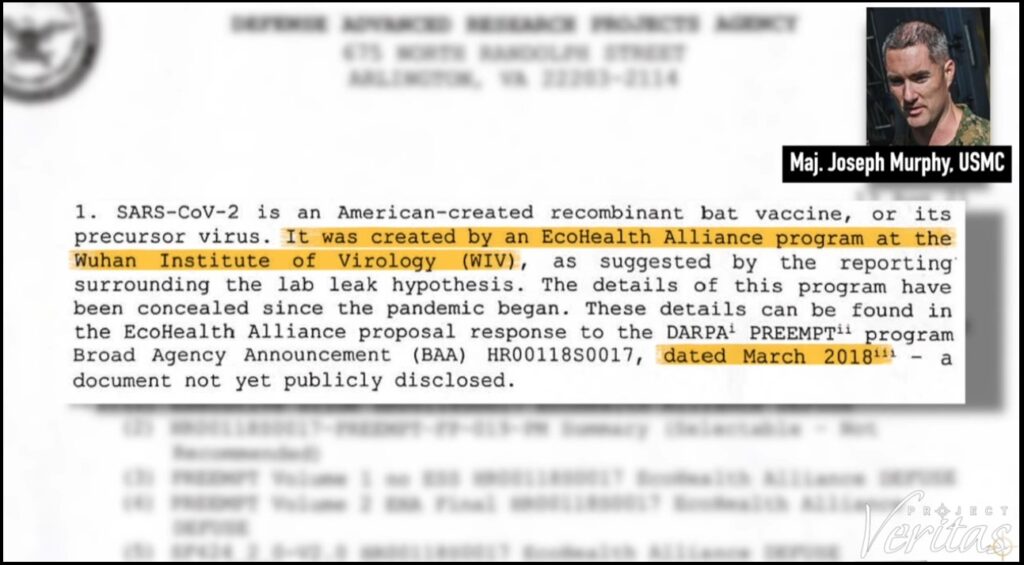
Here’s my answer to the question posed by James O’Keefe.

In the original pdf guidance for the 2014 research pause of into weaponization of SARS viruses there was an important footnote [LINK]:
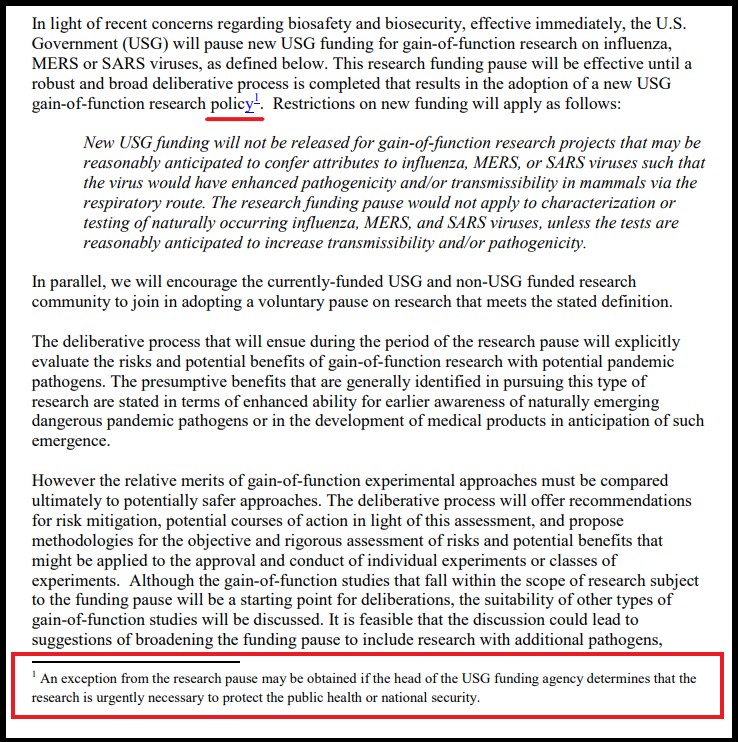
[FN¹  SOURCE – U.S. Government Gain-of-Function Deliberative Process and Research Funding Pause on Selected Gain-of-Function Research Involving Influenza, MERS, and SARS Viruses – pdf, page 2 – October 17, 2014]

Timeline:

♦ October 17, 2014 – U.S. funding of SARS to create a biological weapon was paused due to the extreme risk of a pandemic.  However, the pause allowed agencies within the U.S. government to continue funding if they determined “the research is urgently necessary to protect the public health or national security.” [LINK]

♦ 2014 through 2020 the Pentagon continued funding research in Wuhan, China. Fear of discovery would explain why many top officials in the U.S. Defense Department were against the Trump administration [with increased severity after the COVID pandemic began]. [LINK]

♦ May 2016 – [An Election Year] – “after thorough deliberation and extensive input from domestic and international stakeholders, the NSABB [National Science Advisory Board for Biosecurity] issued its recommendations. NSABB’s central finding was that studies that are expected to enhance Potential Pandemic Pathogen (PPP) have potential benefits to public health but also entail significant risks. NSABB recommended that such studies warranted additional scrutiny prior to being funded.”  Anthony Fauci is on the NSABB.

♦ January 9, 2017 – [Four Days after the Susan Rice Oval Office meeting with Obama, Biden, Comey, et al] – The Obama Administration re-authorizes funding for the creation of SARS biological weapons.  “Adoption of these recommendations will satisfy the requirements for lifting the current moratorium on certain life sciences research that could enhance a pathogen’s virulence and/or transmissibility to produce a potential pandemic pathogen (an enhanced PPP).“ [LINK]

Given the workarounds, exceptions and plausible deniability for the consequences, built into the original moratorium guidance in 2014, the defense department was operationally permitted to keep funding the biological weapons research in Wuhan, China.  The 2014 ban was a funding moratorium in name only; however, it appears the funding for U.S. research in North Carolina was stopped.

What was reauthorized in 2017, just before President Trump took office, was the need to use “national security” as an excuse to continue the research.  It also appears funding of SARS as a biological weapon inside the U.S. (North Carolina) was now permitted again.

REFERENCES SO FAR:  – 2017 – Policy Guidelines from Obama Administration – 2014 – pdf link of Research Funding Pause – National Science Advisory Board (Wiki) – Pentagon Funding for SARS research 2013 through 2020.

If you accept that the Pentagon would never spend to develop a biological weapon in China (Wuhan Lab) unless they already had developed that weapon on their own (North Carolina Lab), then the question about the release of that weapon starts to take shape.

Remember, the State Department was looking into the origin until Joe Biden shut them down and redirected the goal to the Intelligence Community.  In essence, Biden handed the mission to the Fourth Branch of Government.   Not surprisingly, after a few months the IC said their results were “inconclusive.”

♦ [Excerpt] – […] In one State Department meeting, officials seeking to demand transparency from the Chinese government say they were explicitly told by colleagues not to explore the Wuhan Institute of Virology’s gain-of-function research, because it would bring unwelcome attention to U.S. government funding of it.

In an internal memo obtained by Vanity Fair, Thomas DiNanno, former acting assistant secretary of the State Department’s Bureau of Arms Control, Verification, and Compliance, wrote that staff from two bureaus, his own and the Bureau of International Security and Nonproliferation, “warned” leaders within his bureau “not to pursue an investigation into the origin of COVID-19” because it would “‘open a can of worms’ if it continued.”

[…] In late March, former Centers for Disease Control director Robert Redfield received death threats from fellow scientists after telling CNN that he believed COVID-19 had originated in a lab. “I was threatened and ostracized because I proposed another hypothesis,” Redfield told Vanity Fair. “I expected it from politicians. I didn’t expect it from science.” (read more)

♦ Washington (CNN) – “President Joe Biden’s team shut down a closely-held State Department effort launched late in the Trump administration to prove the coronavirus originated in a Chinese lab over concerns about the quality of its work, according to three sources familiar with the decision.

The existence of the State Department inquiry and its termination this spring by the Biden administration — neither of which has been previously reported — comes to light amid renewed interest in whether the virus could have leaked out of a Wuhan lab with links to the Chinese military. The Biden administration is also facing scrutiny of its own efforts to determine if the Chinese government was responsible for the virus.

♦ “On Wednesday, Biden issued a statement that he has directed the US intelligence community to redouble its efforts in investigating the origins of the Covid-19 pandemic and report back to him in 90 days.” (LINK)

♦ [WASHINGTON DC] – The intelligence community failed to conclusively identify the origin of the coronavirus following a 90-day investigation ordered by President Biden, but experts are divided on why. 

A report by the Office of the Director of National Intelligence (ODNI) found that officials were unable to rule whether the virus escaped from a lab or spread to humans through an infected animal.  But the ultimate conclusion reached by the $85 billion-a-year community was that it would be unable to pinpoint the origin of the virus if China didn’t fully cooperate.  (LINK)

If you have followed how the U.S. Intelligence Community operates, you can see a pretty clear picture emerge of a strong likelihood surrounding what took place.

The U.S. Defense Dept developed SARS-CoV-2 in North Carolina.  The 4th Branch (Intelligence Community) wanted to use it.  The Pentagon restarts funding for development of SARS-CoV-2 in partnership with Wuhan, China – setting up the cover story.  The 4th Branch (Intelligence Community) then uses the virus by releasing it in/around Wuhan.  Everything after that is simply part of the 4th Branch covering their tracks.  Wuhan, China becomes the patsy.

The IC release of COVID-19 would have two transparent motives for the 4th Branch:  (1) Get rid of Trump via mail-in ballots, and intelligence assistance toward the 2020 election result; and (2) Expand their influence and control operations as the most powerful force in U.S. government.

One of the central players, who likely knows the details behind who exactly executed the release, is former Secretary of State Mike Pompeo, who has been blaming the Chinese almost exclusively.  [Methinks he doth protest too much.]  Pompeo is the ultimate weapon of the deep swamp.

Former DNI John Ratcliffe is also a staunch figure pointing at Wuhan, China.  Keep in mind DNI Ratcliffe was the recipient of the 4th Branch Intelligence Community products that pointed to Wuhan, China, though Ratcliffe had no involvement.

If it sounds like this thesis is too far ‘out there‘, then you may not fully understand how the Fourth Branch of Government operates…..

…… Also, there were trillions at stake.  He could not be allowed to win.

[Understand The Fourth Branch of Government]

CDC Finally Admits 75 Percent of COVID Deaths Happen in Patients “With at least Four or More Comorbidities”


Posted originally on the conservative tree house on January 10, 2022 | Sundance | 598 Comments

This issue has always been at the heart of the internal data that was never turned over for review.  For two years, people have wanted to know the distinction and general health position of the people who were categorized as dying from COVID.   What was their previous health status?

For reasons that can only be reconciled by admitting it was purposeful to their objectives, the CDC never released any information showing the background health status of those who were categorized as dying from COVID.  However, recently the CDC said they were going to assemble those various subsets of key data for the public.

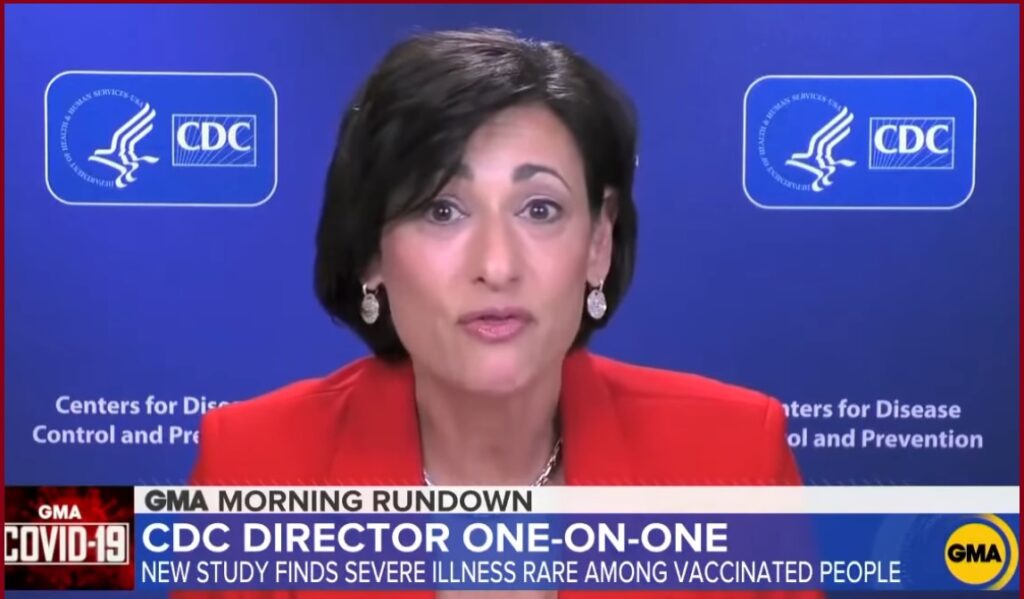
On January 7th, only being discussed today, CDC Director Rochelle Walensky made the admission, on a CBS morning broadcast, that 75% of those who are classified as dying from COVID had at least four underlying pre-conditions: “Over 75 percent had at least four comorbidities, so really these are people who were unwell to begin with.”…  WATCH:

Meanwhile, this same institution is pushing another set of booster jabs upon healthy people with no preconditions.   Madness!

Obviously, all of these recent admissions are because the politics of COVID has become a liability to the same people who were exploiting it.  The reality of COVID is now harder to hide… the narrative must adapt accordingly.

Lowering Our Expectations Has Political Consequences – Economists Reviewing Public Polling Note Inflation and Economy Now the Number One Concern


Posted originally on the conservative tree house on January 10, 2022 | Sundance | 342 Comments

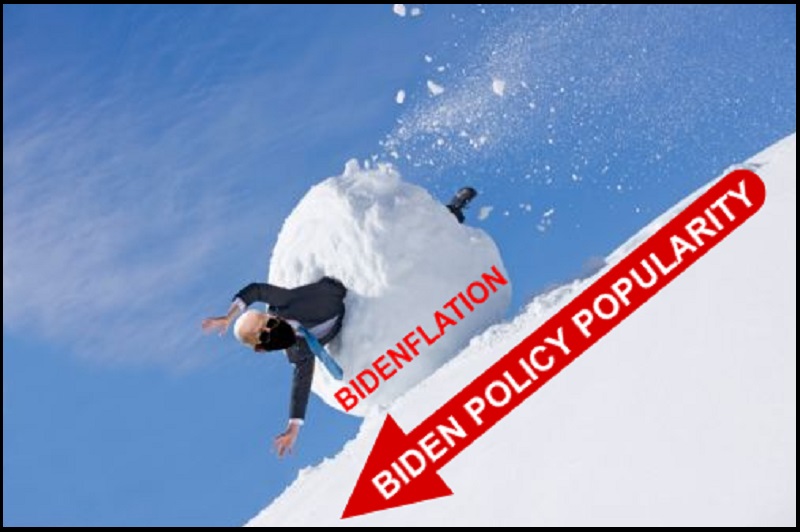
It is difficult to imagine how the Biden administration can possibly spin the economic reality of increasing, unavoidable inflation making the economy weaker over the next year.  However, somehow, they will try.

The AP is reporting that 68% of Americans now say the economy overall is their number one concern.  Meanwhile, the federal reserve of New York is reporting the inflation results from December are likely to be the same, if not higher, than the inflation results in November.

The Biden administration has continued to push additional federal spending under the auspices of Build Back Better as the bridge to offset the impact from their Green New Deal energy policies.  In fact, if you look at how the massive spending effort has been shaped, it becomes clear the overall goal is to push a new energy policy and then hide the impact by using COVID as the cover for the subsidies to try and offset the impacts.

It is a sneaky program when reviewed in totality.  Shut down oil and natural gas production, cancel leases, block pipelines and use the regulatory arm to shut down any additional growth in the oil and gas industry, including refinery capacity.  Then, try to hide the consequences by subsidizing the core constituencies who would normally be immediately impacted.

Unfortunately for the Biden architects, no amount of legislative spending is going to be able to offset the massive economic impact of implementing the Green New Deal by executive order, regulatory changes and administrative policy.  The American people are not blind to consequences, and when they start to look deeper into the causes of this inflation, what they discover is easy to see.

Gas prices jumped 50 to 60 percent and appear to be maintaining that level with no foreseeable change in the future.  The plastics, fabrics, containers and ancillary products all created from petroleum are also increasing at a rate similar to fuel.

The manufacturing system, processing, warehousing and distribution costs are also directly proportionate to the increases in energy costs.  Nothing in the supply chain or the consumer economy is unaffected; it is all connected and as a result unavoidable.

We will find out tomorrow how the inflation data from December compares to the reality of 10 to 50% increases at the store.  However, one thing is certain, the inflation is here to stay for the duration – or at least until the unsustainable price increases cause a contraction on the demand side for consumers.

WASHINGTON (AP) — Heading into a critical midterm election year, the top political concerns of Americans are shifting in ways that suggest Democrats face considerable challenges to maintaining their control of Congress.

A poll from The Associated Press-NORC Center for Public Affairs Research finds that management of the coronavirus pandemic, once an issue that strongly favored President Joe Biden and his fellow Democrats, is beginning to recede in the minds of Americans. COVID-19 is increasingly overshadowed by concerns about the economy and personal finances — particularly inflation — which are topics that could lift Republicans.

Just 37% of Americans name the virus as one of their top five priorities for the government to work on in 2022, compared with 53% who said it was a leading priority at the same time a year ago. The economy outpaced the pandemic in the open-ended question, with 68% of respondents mentioning it in some way as a top 2022 concern. A similar percentage said the same last year, but mentions of inflation are much higher now: 14% this year, compared with less than 1% last year. (read more)

The vaccine mandates are only exacerbating the issues, as worker pressures will only increase additional impacts to the supply chain.

We are facing the perfect storm for major problems.  Massive and persistent inflation, a critical shortage of products and a workforce that is forcibly removed from operating the machinery inside the economy.   All of this Biden administration damage cannot be attributed to bad policy, not at this scale.

This level of cumulative economic impact is being done intentionally, in order to put leftist ideology over the best interests of the American public. You know it, I know it and the broader American middle class are feeling and seeing it directly.

We prepare our affairs accordingly.

Important Omicron/COVID Research


The preprint landscape, January 10, 2022

Robert W Malone MD, MS 31 min ago867

A number of significant preprint articles came out recently with good scientific design and important conclusions. Below are a few:

Protection afforded by prior infection against SARS-CoV-2 reinfection with the Omicron variant medRxiv Jan 6, 2022

BACKGROUND Natural SARS-CoV-2 infection elicits strong protection against reinfection with the Alpha (B.1.1.7), Beta (B.1.351), and Delta (B.1.617.2) variants. However, the Omicron (B.1.1.529) variant harbors multiple mutations that can mediate immune evasion. We estimated effectiveness of prior infection in preventing reinfection (PES) with Omicron and other SARS-CoV-2 variants in Qatar.

HIGHLIGHTS

  • Protection afforded by prior infection in preventing symptomatic reinfection with Alpha, Beta, or Delta is robust, at about 90%.
  • While such protection against reinfection with Omicron is lower, it is still considerable at nearly 60%.
  • Prior-infection protection against hospitalization or death at reinfection appears robust, regardless of variant.

Although this study is not a head to head comparison of natural immunity versus vaccine induced immunity, it does suggest that protection afforded by natural infection is superior to vaccine induced immunity.

Effectiveness of COVID-19 vaccines against Omicron or Delta infection medRxiv Jan 1, 2022 doi: https://doi.org/10.1101/2021.12.30.21268565

Methods Applying the test-negative design to linked provincial data, we estimated vaccine effectiveness against infection (irrespective of symptoms or severity) caused by Omicron or Delta between November 22 and December 19, 2021. We included individuals who had received at least 2 COVID-19 vaccine doses (with at least 1 mRNA vaccine dose for the primary series) and used multivariable logistic regression to estimate the effectiveness of two or three doses by time since the latest dose.

(The study included 3,442 Omicron-positive cases, 9,201 Delta-positive cases, and 471,545 test-negative controls).

HIGHLIGHTS:

  • In contrast, receipt of 2 doses of COVID-19 vaccines was not protective against Omicron.
  • Vaccine effectiveness against Omicron was 37% (95%CI, 19-50%) ≥7 days after receiving an mRNA vaccine for the third dose.

Updated projections for COVID-19 omicron wave in Florida. medRxiv Jan 6, 2022 doi: https://doi.org/10.1101/2022.01.06.22268849

Abstract

In this report, the authors use a detailed simulation model to assess and project the COVID-19 epidemic in Florida. The model is a data-driven, stochastic, discrete-time, agent based model with an explicit representation of people and places.

Highlights:

  • Using the model, the authors find that the omicron variant wave in Florida is likely to cause many more infections than occurred during the delta variant wave.
  • Due to testing limitations and often mild symptoms, it is anticipated that omicron infections will be underreported compared to delta.
  • They project that reported cases of COVID-19 will continue to grow significantly and peak in early January 2022
  • That the number of reported COVID-19 deaths due to omicron may be 1/3 of the total caused by the delta wave.

Lifestyle changes during the coronavirus disease 2019 pandemic impact metabolic dysfunction-associated fatty liver disease. Liver International. 07 January 2022 (peer reviewed)

The coronavirus disease 2019 (COVID-19) pandemic precipitated lifestyle changes. The authors aimed to clarify whether COVID-19–induced lifestyle changes affected the development of metabolic dysfunction–associated fatty liver disease (MAFLD).

Metabolic associated fatty liver disease (MAFLD) affects 20-30% of the worldwide population and is becoming the most common cause of chronic liver disease, cirrhosis and hepatocellular carcinoma (HCC). MAFLD is the hepatic expression of metabolic dysfunction correlated with a variety of metabolic comorbidities including obesity, dyslipidemia, hypertension and type 2 diabetes (T2DM).:

Methods

This retrospective longitudinal study included 973 participants who underwent health checkups between 2018 and 2020. Participants’ clinical characteristics and lifestyle habits were investigated. Independent lifestyle predictors of MAFLD development before the pandemic (2018–2019) and during the pandemic (2019–2020) were identified using logistic regression analysis.

Results

  • In 2018, 261 (27%) patients were diagnosed with MAFLD. Before the pandemic, 22 patients developed new MAFLD. During this time,
  • Routine late-night meals were identified as an independent lifestyle predictor of MAFLD development (hazard ratio [HR] 2.54, 95% confidence interval [CI] 1.02–6.36, P=0.046). In contrast, 44 patients developed new MAFLD during the pandemic.
  • During this time, higher daily alcohol intake was identified as an independent lifestyle predictor of MAFLD development (HR 1.03, 95% CI 1.01–1.05, P=0.008).
  • In participants aged <60 years, daily alcohol intake and the proportion of participants who ate 2 times/day were significantly higher in patients who developed MAFLD during the pandemic than in those who did not.

Conclusions

New MAFLD diagnoses increased during the COVID-19 pandemic. Changes in lifestyle factors, particularly in those aged <60 years, must be monitored and addressed as the pandemic continues.

Basically, this study suggests that people are eating and drinking more – leading to unhealthy lifestyle changes. What was not answered was whether this was due to remote employment, lock downs, stress or some other cause.

The risk between morbid obesity and severe COVID-19 outcomes is real. More public education and research is needed in this topic area.

Other interesting news items on the web:

The Wall Street Journal has an excellent opinion piece, written by my good friends Dr. Luc Montagnier and Jed Rubenfeld

Omicron Makes Biden’s Vaccine Mandates Obsolete

There is no evidence so far that vaccines are reducing infections from the fast-spreading variant.

Jan. 9, 2022 5:20 pm (Illustration: David Gothard)

Australia Faces Food Shortages


Armstrong Economics Blog/Australia & Oceania Re-Posted Jan 10, 2022 by Martin Armstrong

The coronavirus and supply shortages have indeed shown us that truckers are essential workers. Unfortunately, around half of employed truckers in Australia have been absent from work due to COVID quarantine requirements. Some have the virus, while others are simply asked to quarantine after exposure. Regardless, anywhere from one-third to half of truckers are absent on any given day.

Worsening matters, one in five supermarket employees are absent on any given day due to Australia’s strict isolation requirements. Additionally, 10% of retail workers in Australia are also missing on any given day. In fact, some food suppliers have reported around 70% of their factory workers are temporarily out of work due to quarantine laws.

Prime Minister Scott Morrison defines “close contact” as anyone who has spent a minimum of four hours with anyone who tests positive for COVID. Anyone who comes into close contact with the diseased must isolate for a week and take a rapid antigen test (RAT) on the sixth day. Due to this rule, countless stores and warehouses have been forced to close temporarily.

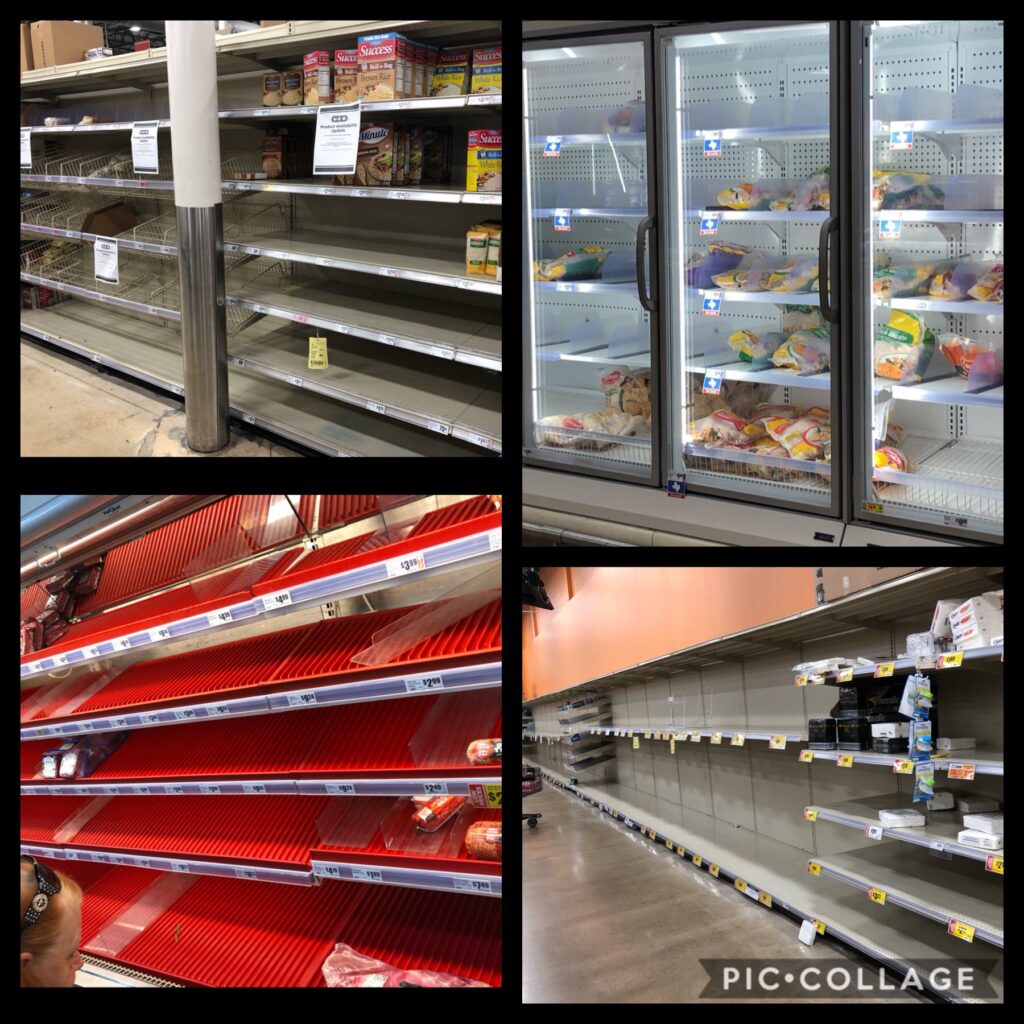
Pictures of bare shelves are appearing throughout the internet. Supermarkets claim the empty shelves are exclusively due to supply chain issues rather than panic buying. Certain groceries stores, such as Coles, have introduced purchase limits (i.e., rations) since food is in such short supply. A spokesperson from Coles told ABC Australia that they anticipate that it will take “several weeks” to fully recover.

Adding another element into the disaster, rapid test kits are in short supply. “We have a completely predictable scenario where drivers are delivering rapid tests to be sold on the shelves of supermarkets and pharmacies — but they, like most Australians, can’t access them themselves,” National Secretary Michael Kaine said. PM Morrison removed regular testing requirements for truck drivers days ago, but the damage has already been done. We should expect the supply chain and food shortage to continue in Australia until these unsustainable laws are removed.

Greenland Bans Oil and Gas Exploration


Armstrong Economics Blog/Energy Re-Posted Jan 10, 2022 by Martin Armstrong

In July 2021, Greenland ceased issuing licenses for oil and gas exploration. Now, Greenland has announced that the ban will be permanent. The government cited climate change as their main concern, and Greenpeace cheered their decision. The announcement would leave one to believe that Greenland actually had a good amount of oil reserves. Major oil companies such as ExxonMobil, Chevron, Shell, and Eni have been scouring Greenland since the 1970s for oil unsuccessfully.

Some may recall that in April 2020, former President Trump actually attempted to buy the sovereign territory, but not for natural resources. The Trump Administration wanted Greenland as a strategic military location to repel China and Russia from dominating the Arctic region. This angered Danish authorities and the US handed over $12.1 million for “sustainable economic development,” meaning they needed to secure a consulate on the world’s largest island.

Four-fifths of Greenland (836,000 square miles) is covered by the only permanent ice sheet outside of Antarctica. Sure, there are likely oil and mineral recourses beneath the ice, but after 50 years of exploration, Greenland’s announcement to ban further exploration seems lackluster.

“The future does not lie in oil. The future belongs to renewable energy, and in that respect, we have much more to gain,” a spokesman noted. Keyword: future! There is no current sustainable energy to replace fossil fuels at this point in history. That technology does not exist on a wide enough scale to power the world. So again, this announcement sounds like another nation bowing to the Build Back Better agenda to show the world that they are adhering.

Easing the Semiconductor Shortage Through Domestic Manufacturing


Armstrong Economics Blog/Technology Re-Posted Jan 10, 2022 by Martin Armstrong

As Biden said, the current crisis will end at the state level. Well, luckily Governor Ron DeSantis is continuing to support his promise to improve the economy with dealings that will benefit the nation. DeSantis previously announced plans to open Florida ports around the clock and measures to attract new labor to the Sunshine State.  The governor is now investing $10 million in semiconductor production, a crucial albeit an increasingly rare part that is vital for technology.

DeSantis accused the Chinese Communist Party of stealing American technology and threatening the global semiconductor supply chain. America is overly dependent on foreign imports of semiconductors, and although Taiwan, a US ally, mass manufactures semiconductors, its reliance and political strife with China could lead to trouble.

“We cannot be captive, key sectors of our economy should not be captive to some of these foreign nations, in particular, outfits like the Communist Party of China…So the more we have this capacity within our own country but particularly within our own state here in Florida, the more opportunities there are going to be here for people and the more secure both our economic supply chains will be and our national security,” DeSantis stated.

Strong manufacturing is crucial to the American labor force. In fact, each manufacturing job supplements an additional 7.4 jobs in other industries. The Semiconductor Industry Association (SIA) stated that global sales of semiconductors totaled $48.8 billion in October 2021, marking a 24% annual increase.

The Biden Administration has been reluctant to address China’s stronghold over the semiconductor industry in fear of retaliation. Former President Trump attempted to curb China’s borderline monopoly by withholding American machinery used to make the chips. China simply found a way to create those machines on their own (it is a free market after all). Bloomberg reported that China accounts for over 50% of the chip industry’s sales, which have surpassed the $400 billion mark. If China chose to retaliate, as the US and China tend to do, then it would have an impact on the overall growth prospects for US tech.

It Begins in Mexico


Armstrong Economics Blog/Vaccine Re-Posted Jan 9, 2022 by Martin Armstrong

COMMENT: Hello Mr. Armstrong.

Apparently here in Mexico, a few states have from this weekend started to employ the obligatory vaccination certificates to go to public places per Omicron.  I live in one of the affected states and my wife had to go back and get her vaccination certificate to get inside.  She told me it was surreal seeing the entire store empty of people on a weekend when the activity there is usually hustle and bustle.

The affected states since this weekend were Tlaxcala and Baja California.  Puebla is about to impose the mandates.

The central government is on record saying that such mandates are not constitutional and such an attempt by any state would be fought.

Things just got interesting here.  The only good thing I guess is that in Mexico they offer the Russian and Chinese vaccinations too.  I wouldn’t touch the mRNA jabs with a thirty and nine and a half foot pole.

BD

REPLY:  This is getting insane. In the Philippines, they are threatening to arrest unvaccinated if they leave their homes. Bob Saget died at 65 within days after he announced on Twitter he just got the Booster. Of course, nobody will ever point the finger at these vaccines. This is all about control and no longer about health.

Furthermore, a lot of people are getting very angry at Trump for turning a blind eye to vaccines. Meanwhile, the FDA has conspired with the Post Office and is seizing all shipments containing Ivermectin or Hydroxychloroquine. They are clearly being directed to prevent any treatment other than vaccines.

Turkey Seizes 25% of All Foreign Reserves of Companies


Armstrong Economics Blog/The Hunt for Taxes Re-Posted Jan 9, 2022 by Martin Armstrong

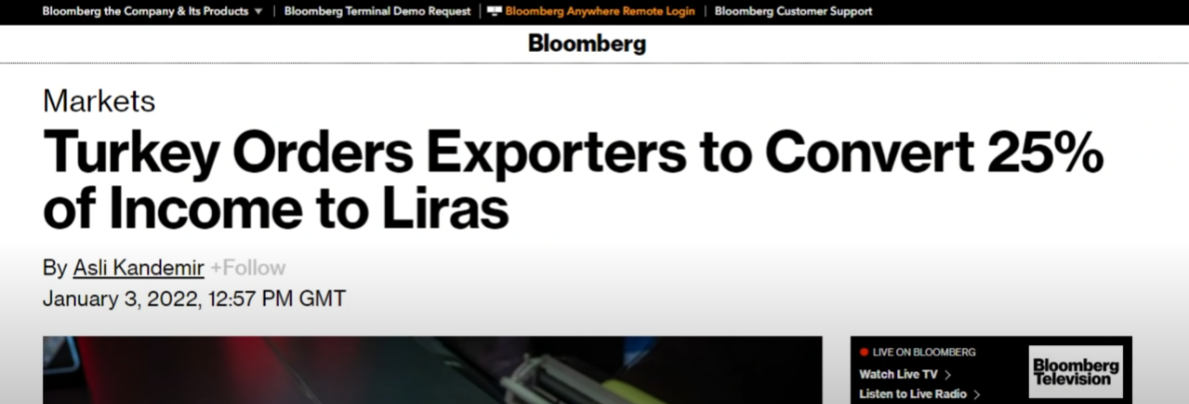
I have been warning that governments will do whatever they like as we enter this last 13 years phase into 2032 when this all just collapses. Turkey has seized 25% of all income of exporters in foreign currency reserves requiring them to be converted to lira to boost Turkey’s foreign reserves.

I have been warning that Europe is not just tightening the allowable purchases in cash, they will move to impose currency controls to prevent capital fleeing Europe. This will be coming so be prepared.

Temporary Empty Shelves Are Not a Supply Chain Crisis, It Is Important to Understand the Difference


Posted originally on the conservative tree house on January 9, 2022 | Sundance | 184 Comments

BUMPED by request. Unfortunately, there is a lot of wrong information being discussed and shared.  Even reputable regional media are giving inaccurate information, making wrong interpretations {LINK}, and generally getting the explanations wrong.  Additionally, there’s general misinterpretations of ordinary outages based on the day of the week (Sunday) and bad weather in the Northeast {ex Twitter Thread}.

All of these #BidensEmptyShelves assumptions, which are being heightened by increased attention and social media, are leading to confusion.

An empty retail shelf or case for a 24, 36 to 48-hour period is not, I repeat, NOT, part of a systemic supply chain disruption.  Those are mostly location and regional specific out of stock situations caused by localized events, weather and employee shortages.

What CTH has been describing for the past several months is NOT what is noted above.  What we have been describing is a long term supply chain crisis that will slowly unfold over a period of about a week or two, and then remain a problem over time, for a period of 6+ months. {GO DEEP}

The thirteen bullet points below are the issues we will first notice as the general food supply chain begins to show signs of that type of vulnerability.  This outline explains why it is happening and how long it can be expected.

In the previous October, November and December warnings, we emphasized preparation and counted down the 90-day window.  Now, as we enter the final two weeks before mid/late January, the date of our original prediction, it appears that some media are starting to catch up, and the larger public is starting to notice.

Feel free to note in the comments section what is happening in your area.  Hopefully, most of us are much better positioned than the average person who has not been following this as closely over the past several months.

Initial food instability signs in the supply chain.  Things to look for: 

(1) A shortage of processed potatoes (frozen specifically).

And/Or a shortage of the ancillary products that are derivates of, or normally include, potatoes.

(2) A larger than usual footprint of turkey in the supermarket (last line of protein).

(3) A noticeable increase in the price of citrus products.

(4) A sparse distribution of foodstuffs that rely on flavorings.

(5) The absence of non-seasonal products.

(6) Little to no price difference on the organic comparable (diff supply chain)

(7) Unusual country of origin for fresh product type.

(8) Absence of large container products

(9) Shortage of any ordinary but specific grain derivative item (ex. wheat crackers)

(10) Big brand shortage.

(11) Shortage of wet pet foods

(12) Shortage of complex blended products with multiple ingredients (soups etc)

(13) A consistent shortage of milk products and/or ancillaries.

These notes above are all precursors that show significant stress in the supply chain.  Once these issues are consistently visible, we are going to descend into food instability very quickly, sector by sector, category by category.

At first, each retail operation will show varying degrees of the supply chain stress according to their size, purchasing power, and/or private manufacturing, transportation and distribution capacity.

♦ BACKGROUND – Do you remember the dairy farmers in 2020 dumping their milk because the commercial side of milk demand (schools, restaurants, bag milk purchasers) was forcibly locked down?   Plastic jugs were in short supply, and the processing side of the equation has a limited amount of operational capacity.

To remind us of how the issues started in 2020, a dairy farmer helps to explain:

“Are we dumping milk because of greed or low demand, no. It’s the supply chain, there are only so many jug fillers, all were running 24/7 before this cluster you-know-what.

Now demand for jug milk has almost doubled.  However, restaurant demand is almost gone; NO ONE is eating out. 

Restaurant milk is distributed in 2.5 gal bags or pint chugs; further, almost 75 percent of milk is processed into hard products in this country, cheese and butter. Mozzarella is almost a third of total cheese production; how’s pizza sales going right now??

A bit of history – Years ago (40+) every town had a bottler, they ran one shift a day, could ramp up production easily.  Now with all the corporate takeovers (wall street over main street) we are left with regional “high efficiency” milk plants that ran jug lines 24/7 before this mess, no excess capacity.

Jug machines cost millions and are MADE IN CHINA. Only so many jugs can be blown at a jug plant.  We farmers don’t make the jugs, damn hard to ramp up production.

I’m a dairy farmer, believe me NO dairyman likes dumping milk; and so far there is NO guarantee they will get paid. Milk must be processed within 48 hours of production and 24 hours of receipt in the plant or it goes bad. Same with making it into cheese and butter, and neither stores well for long.

The same supply line problems exists where restaurants are supplied with bulk 1 pound blocks of butter or single serv packs or pats; and cheese is sold in 10 to 20 pound bags (think shredded Mozzarella for pizza).  Furthermore, it is not legal for this end of the supply chain to sell direct to consumers in most states.

Take cheddar cheese for instance; it goes from mild to sharp to crap in storage. Butter, frozen, only stores for so long and then must be slowly thawed and processed into other uses as it gets “strong”.  At Organic Valley we cook it down into butter oil or ghee for cooking.

We are headed for the same problem with canned veggies.  The vast majority of produce comes off and is processed in season; canned or frozen.  The supply is already in cans for the season; restaurants use gallon cans or bulk bags of frozen produce.

At some point we will run out of consumer sized cans in stock because home size sales are up (40%+) and restaurant sales are almost nonexistent.  Fresh produce out of U.S. season comes from Mexico (different climate).  I’m talking sweet corn, green beans, peas, tomatoes, all veggies are seasonal in the USA.  Fresh, out-of-season, row crops are  imported.  (There are exceptions, like hydroponic grown, but small amount of total).

Someone mentioned “time to raid all those bins of corn”.  Those bins on the farm contain yellow corn, cattle feed and totally unfit for human consumption, now or at harvest.

Eggs? Same problem.  Bakeries and restaurants of any size use Pullman egg cases, 30 dozen at a pop, 30 eggs to a flat, 12 flats to a case.  There are only so many 1 dozen egg cartons available and only so many packing machines.

Industrial bakeries and processors of packaged food buy bulk liquid eggs, no carton at all.  Also in many states it is illegal to sell this supply-chain directly to consumers. 

On your standard buffet of any size, do you really think they boil eggs and peel them? They come in a bag, boiled and diced; those nice uniform slices of boiled egg you see on your salad, a lot of them come in tubes boiled and extruded at the same time, just unwrap and slice. Your scrambled eggs come in a homogenized bag on most buffets.

Another example of Main Street being gutted and “improved by wall street” NO local egg processors available or many small egg producers either, all corporate and huge, contracted to sell to the corporate masters.

This is a warning the same problems exist in all supply chains.

The supply chain is farked.”

~ David Osterloh, Dairy Farmer 

Potato farmers and fresh food suppliers were also told to dump, blade or plough over their crops due to lack of commercial side demand.  These issues have longer term consequences than many would understand.  These are fresh crops, replenishment crops, which require time before harvest and production.

The retail consumer supply chain for manufactured and processed food products includes bulk storage to compensate for seasonality. As Agriculture Secretary Sonny Perdue noted in 2020, “There are over 800 commercial and public warehouses in the continental 48 states that store frozen products.”

Here is a snapshot of the food we had in storage at the end of February 2020: over 302 million pounds of frozen butter; 1.36 billion pounds of frozen cheese; 925 million pounds of frozen chicken; over 1 billion pounds of frozen fruit; nearly 2.04 billion pounds of frozen vegetables; 491 million pounds of frozen beef; and nearly 662 million pounds of frozen pork.

This bulk food storage is how the total U.S. consumer food supply ensures consistent availability even with weather impacts.  As a nation, we essentially stay one harvest ahead of demand by storing it and smoothing out any peak/valley shortfalls. There are a total of 175,642 commercial facilities involved in this supply chain across the country

The stored food supply is the originating resource for food manufacturers who process the ingredients into a variety of branded food products and distribute to your local supermarket. That bulk stored food, and the subsequent supply chain, is entirely separate from the fresh food supply chain used by restaurants, hotels, cafeterias etc.

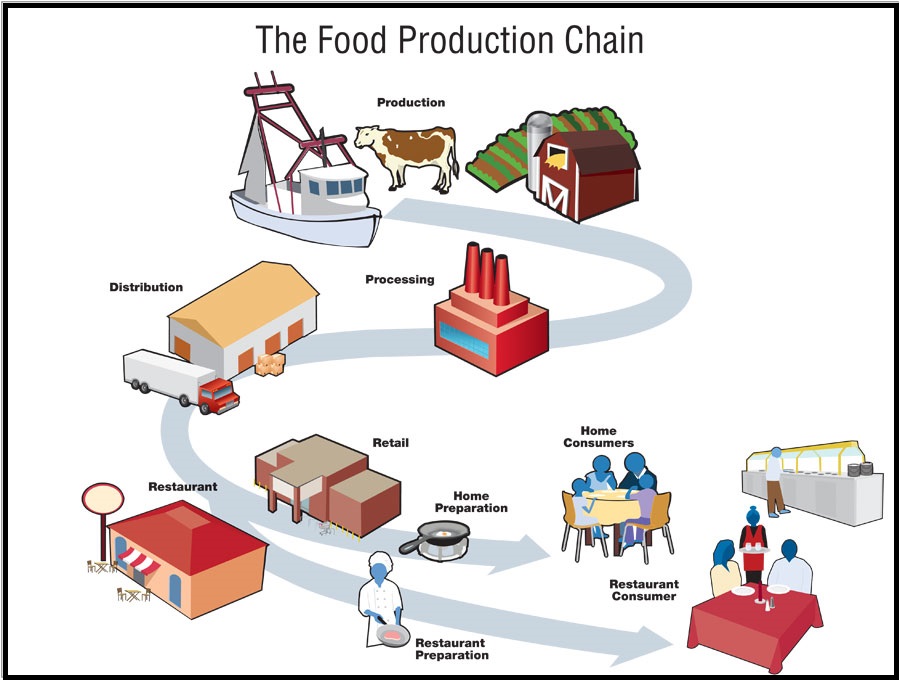
Look carefully at the graphic.  See the fork in the supply chain that separates “food at home (40%)” from “food away from home (60%)”?

Food ‘outside the home’ includes restaurants, fast food locales, schools, corporate cafeterias, university lunchrooms, manufacturing cafeterias, hotels, food trucks, park and amusement food sellers and many more. Many of those venues are not thought about when people evaluate the overall U.S. food delivery system; however, this network was approximately 60 percent of all food consumption on a daily basis.

The ‘food away from home‘ sector has its own supply chain. Very few restaurants and venues (cited above) purchase food products from retail grocery outlets. As a result of the coronavirus mitigation effort, the ‘food away from home’ sector was reduced by 75% of daily food delivery operations. However, people still needed to eat. That meant retail food outlets, grocers, saw sales increases of 25 to 50 percent, depending on the area.

Covid regulations destroyed this complex supply chain in 2020.  It takes time to recover, because the replenishment is based on harvest cycles.  This stuff must be grown.

When the food at home sector was forced to take on the majority of food delivery, they immediately hit processing constraints.  The processing side of the supply chain to funnel food into suppliers for the grocery store has “x” amount of capacity.  That system cannot (not feasible) and did not expand to meet the 20 to 50% increase in demand.

Think about potatoes.  A potato farmer sells into one of the two paths “food at home” (retail stores, or a processing supplier) or “food away from home” (commercial food or commercial food processors).   Other than bulk raw potatoes, the harvest goes into: (1) processing or (2) storage.

(1a) processing for retail sales (40%), ex. Ore Ida frozen potatoes, canning, or any of the other thousand retail products that use potatoes, whole or mashed.

(1b) processing for commercial sales (60%), ex. McDonalds french fries, or any of the thousand restaurant, lunchroom and cafeteria needs that use potatoes, whole or mashed.

♦ Processing – When 1b was shut down in 2020, 1a quickly reached maximum retail processing capacity.  Massive multi-million machines and food processing systems have a capacity. The supplies they use also have a capacity: plastic bags, cardboard, trays, bowls, etc.  The 1a processing system can only generate “X” amount of retail product at maximum capacity.

The remaining 1b commercial product was shut down.  A massive percentage of 1b (commercial) potatoes have nowhere to go, except waste.

♦ Storage – Each processor in 1a stores product (deep cold or frozen storage) for 365-day processing and distribution.   Those storage facilities have a limited amount of capacity.   The 1b customers need fresh product for the majority of their outlets. Ergo, storing for 1b customers who might eventually be allowed to open later only works for a short period of time.  The fresh potato sales missed by 1b outlets = the 1b discard by potato farmers.

When you restart 1b suddenly the 1b short term (fresh) storage product is quickly depleted.  Refilling that 2020 storage is dependent on a new 2021 harvest, which simultaneously has a greater immediate demand because the supply chain on the processing side was boxcar’d (over capacity) and then reset to a higher capacity playing catchup.

The amount missing from 2021 storage, because it was used instead of saved, is essentially equal to the amount that was wasted in 2020.

Now you end 2021 will less reserves because storage is depleted, because a greater percentage of the current harvest was immediately used.  You enter into the beginning of 2022 (winter) in a race to try and spread out the stored potatoes as you cross your fingers and race against the clock for the next harvest before running out.

You probably noticed – but attached to this issue is yet another motive to keep people (employees) away from large industrial cafeterias and even students from school lunchrooms.   The total food supply chain needs time, and harvests, to catch up.

In the example above you can replace *potato* with just about any row crop or retail/commercial food commodity like milk.

The reason I list the shortage of potatoes as the #1 precursor is because every food outlet sells a potato in some form.  Every supermarket and every single restaurant (fancy, sit down or fast food) sells some form of potato.   Potatoes are demanded by every single food outlet; therefore, a shortage of potatoes is the first noticeable issue.

The 2020 demand disruption problem now becomes a 2021/2022 supply chain problem on both the fresh and processing side (depleted inventories), with each vector now competing for the same raw material: wheat, soybeans, grains, beans and stored row crops.

Making matters worse, the protein suppliers also need grain as feed for cattle, pigs, cows, chickens, etc.

[Note: who gets the short straw? The pet food manufacturers]

That’s the nub of the background supply chain issue in the food sector.   Additionally, recovery is not a single-issue problem.

The recovery price and shortages relate to everything from current oil and gas prices to diesel engine oil prices, to fertilizer and weed killer costs, to plastic costs and petroleum packing shortages (Styrofoam especially), to cardboard and sustainable packaging costs, to energy costs and transportation/delivery costs.   All along this complex supply chain there’s also workers and higher payroll costs.

Thus, we get the double-edged sword of higher prices (inflation) and simultaneous shortages.

Here’s what you can do to offset grocery store shortages (while possible):

(1) Buy the generic or store brand equivalent (sub-set inside retail supply chain)

(2) Purchase the organic version (another sub-set inside retail supply chain)

(3) Purchase the powered/dehydrated version (potatoes, milk, etc) and experiment (jazz it up).

Each retail operation, or chain of stores, will show varying degrees of the supply chain stress according to their size, purchasing power, and/or private manufacturing, transportation and distribution capacity.

This is where field to fork supplier relationships can make a big difference.  However, every outlet regardless of their operational excellence, is going to have significant shortages in their inventory.   It’s an unavoidable outcome of the previous chaos.

On average, the retail shortages will last for about as long as one full harvest schedule (4 to 6 months) depending on the commodity.  By September of 2022, the various sector should be relatively recovered.

However, government intervention could make the issues worse, or the recovery time take longer, depending on how they respond when people get seriously stressed in a few weeks.  The densely populated urban areas are going to be making a lot of noise and demanding the government fix the crisis.

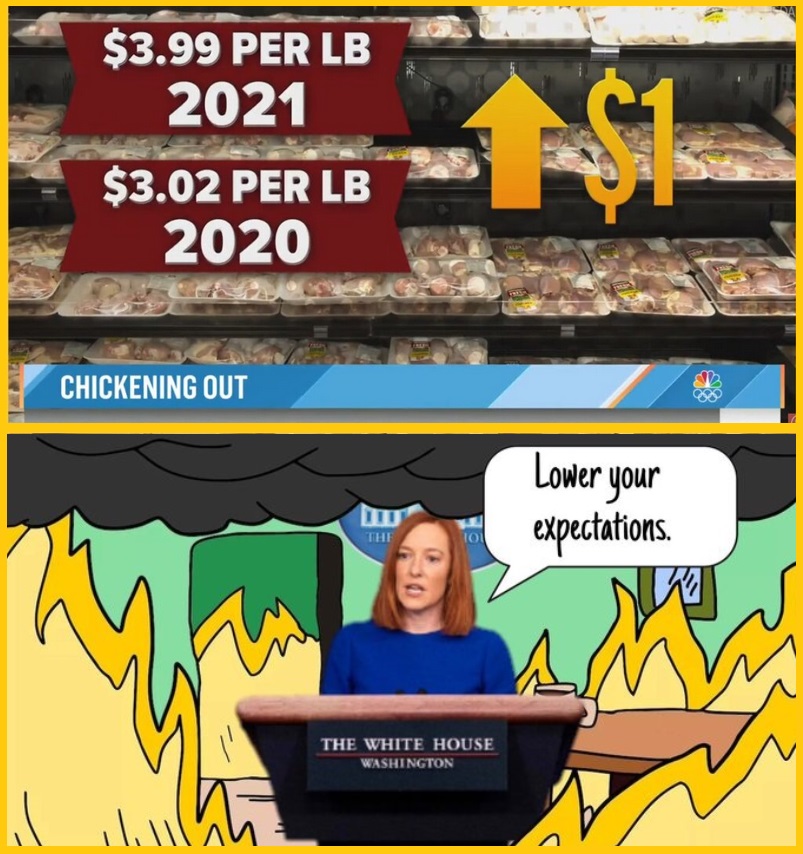
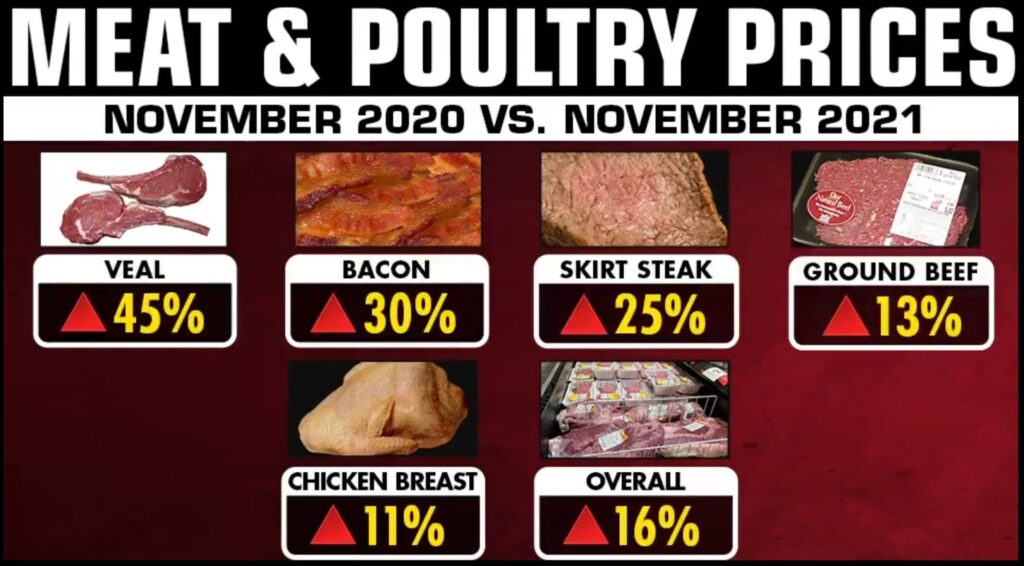
Final note on INFLATION – The short term prices will go up again.  Another 10, 20 up to 50% should be expected depending on the item.  Those prices will eventually level off, but it’s doubtful they will be able to come back down until supply and demand find some equilibrium again, if ever.  Right now, predicting future retail prices is too far off to even fathom.

I hope this outline provides you with information to help you make decisions for your family.