The talking heads have been warning of a housing crash, but that is not what Socrates indicated. The 30-year fixed rate is around 6.89% at the time of this writing. Housing costs continue to rise, causing the costs of servicing mortgage debt to rise. Housing inventory is limited, and a recent report explains why we saw mass layoffs in the banking sector. The demand is still there and it is a sellers’ market. Cash is king when it comes to real estate for those who can afford it. Mortgage lenders are in trouble. In fact, only 32% of mortgage companies were profitable in 2022 compared to 98% in 2020.
The Mortgage Bankers Association (MBA) recently announced that independent mortgage banks and subsidiaries of chartered banks lost around $301 for every mortgage they financed in 2022. This marks a 113% decline from the prior year’s average and the first-time banks are seeing losses on mortgage products. This is not 2008 when banks handed out loans to anyone who asked.
“The rapid rise in mortgage rates over a relatively short period of time, combined with extremely low housing inventory and affordability challenges, meant that both purchase and refinance volume plummeted,” said Marina Walsh, CMB, MBA’s Vice President of Industry Analysis. “The stellar profits of the previous two years dissipated because of the confluence of declining volume, lower revenues, and higher costs per loan.” Production costs reached a high of $10,624 per loan last year. Productivity was 1.5 loans originations per production employee, down from 2.5 per employee the year prior, and an indicator of why we are seeing layoffs in the banking sector. No one is refinancing at these rates either and most chose a fixed rate, as we saw what happened in 2008 with adjustable costs.
First-time mortgages reached an all-time high of $323,780 last year, up from $298,324, the largest annual increase since the MBA began collecting data. The increased cost of loans increased the cost of serving mortgages. The MBA expects volume to decline further in 2023 before rallying in 2024 and 2025. The banking crisis may lead to banks and lenders selling off their mortgage debts once they cannot afford to service the debt. Again, the housing crisis today is not relative to the 2008 crash.
QUESTION #1: Dear Martin Armstrong, Thank you for your unwavering support of humanity and truth. The question I have is about the growing number of countries seeking to divorce themselves from the USD in favor of the alternate BRICS system. Yet when I try to make sense of the current Secured Dollar Funding Complex involving Cash Lenders, Fixed Income and Repo Clearing Banks, Commercial Paper, CD’s, Syndicated and Interbank Loans, Wholesale, Retail and Corporate Deposits, Corporate & Sovereign Bonds, etc. How likely is the world to cleanly disconnect from this entangled web and over what anticipated time frame, rapidly or a long drawn out affair? Sincerely,
Roy
QUESTION #2: Marty, is all this sudden talk about dethroning the US dollar coming just when April was a major target for the Euro bounce?
HJ
COMMENT #3: You have always said when China starts selling dollars, it is time for war. It looks like they are right on schedule.
Pete
ANSWER: All of this talk of dethroning the dollar is right on time. Yes, April was the target and we should be very careful here for this April/May period is critical on a global basis. As for the BRICS displacing the dollar in the trade as so many are saying, this only PROVES they are just putting out biased claims being anti-dollar with pure sophistry. This reveals that they do not understand anything about the economy, trade, or international finance.
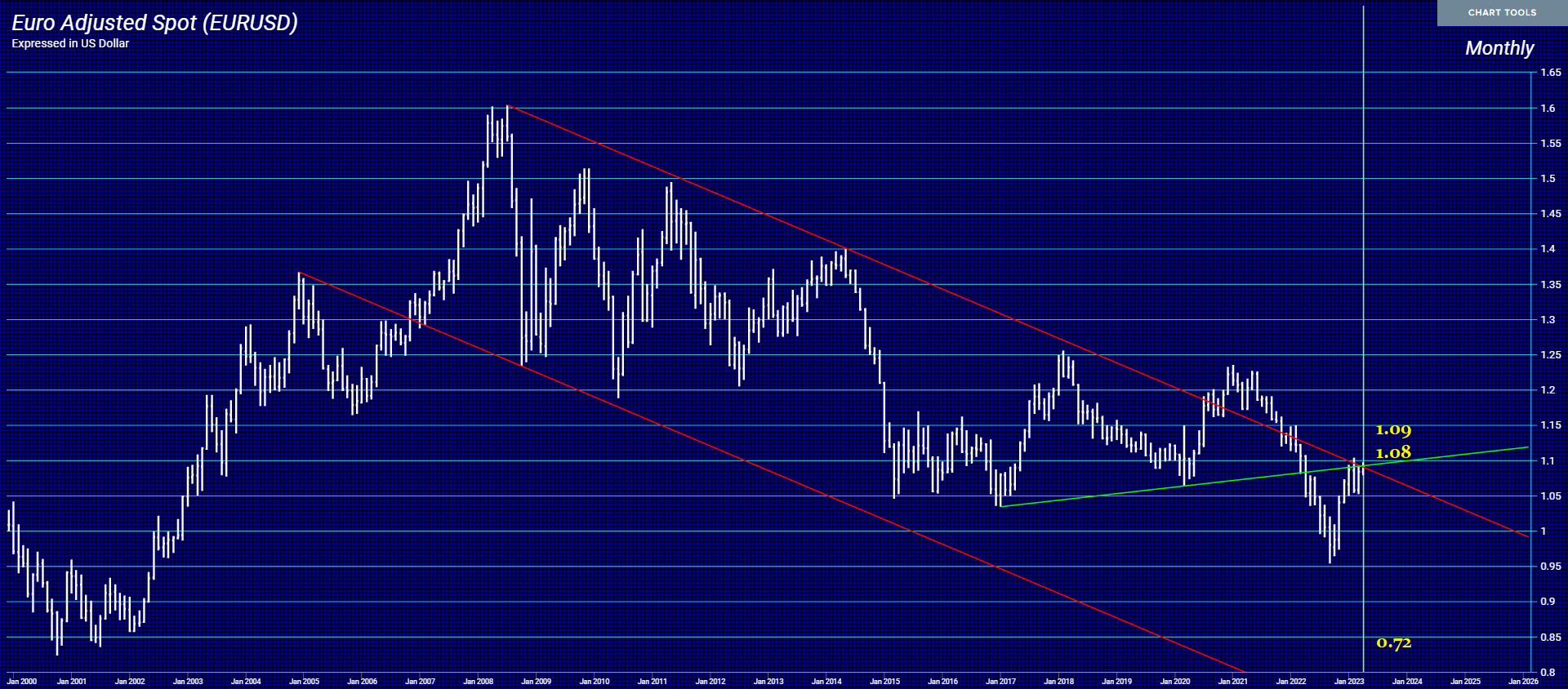
Yes, the Euro elected a Monthly Bullish Reversal (Buy Signal). However, it MUST exceed 11100 on a monthly closing basis to suggest the euro can advance further on a sustained basis. If the Euro exceeds intraday the February high, then a monthly closing below 108 would warn we may be looking at the war and the flight to the dollar would unfold. I would expect that capital controls would be introduced by the end of the year.
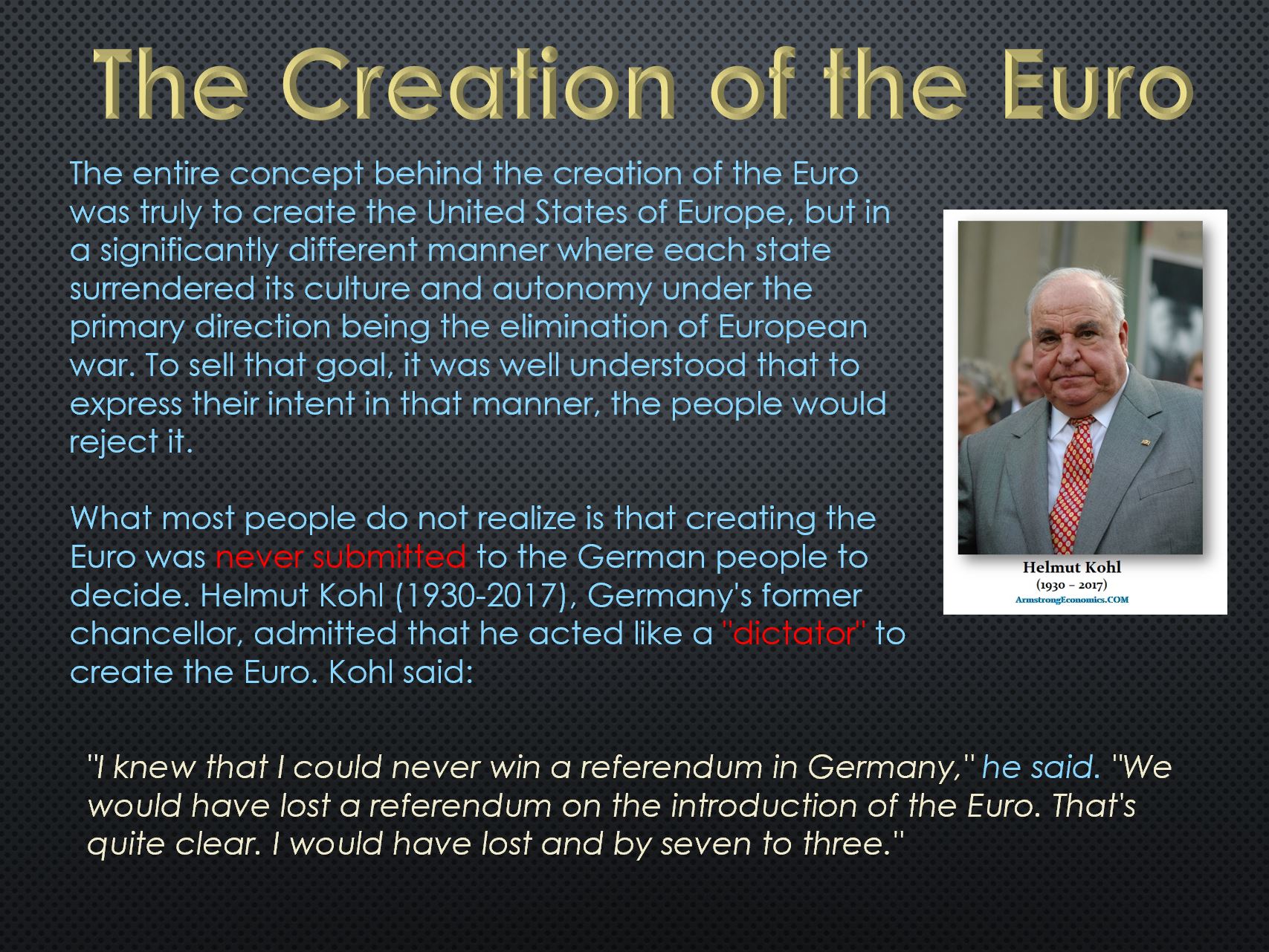
First of all, the very reason they created the Euro was to end FX risk and to create a single market. If the BRICS create a competitive currency, then they are introducing FX Risk and that will REDUCE trade with the United States. If the dollar declines, then they will suffer a loss of trade. What makes the US dollar the reserve currency is the fact that the US is the largest consumer-based economy that everyone wants to sell to. I find it laughable how these people pretend to understand finance but are ignorant in reality offering nothing but sophistry.
They can create whatever currency they desire, but they cannot force the FX risk on their buyers. I helped to reorganize the Japanese auto industry where they priced their cars in dollars to the States and took back the FX Risk to be managed. They beat the Germans who were pricing their cars in DMarks during the 70s and soon their sales were declining to the Japanese. I was then later called in by German companies to teach them about FX Risk. and market share. Creating some new reserve currency is pointless if they put the FX risk on their customers.
As far as China, I cannot believe how the bias has skewed the analysis. People are actually saying they are selling dollars because the dollar will be dethroned. China has been dependent on the US economy to make money. They would NEVER sell dollars to simply dethrone the reserve status of the dollar. They are selling dollars because YOU DO NOT FUND your enemy. We are headed into war. They know that. This is all geopolitical and those who just hate the dollar are going to get sucker punched because they are missing what is really going on here.
They have been buying gold NOT because they are bullish – but because they must sell US bonds for in times of war the US will just default on all bonds held by China. I think it is time to get your head out of the sand and open your eyes. This is not about dollars and gold. This is about preparing for World War III.
Posted originally on the CTH on April 12, 2023 | Sundance
In the latest round of statistics from the Bureau of Labor and Statistics (BLS) the March inflation data has been released [DATA HERE]. The Consumer Price Index (CPI) climbed 0.1% in March after advancing 0.4% in February. This puts the 12-month CPI outlook at 5% inflation. [See Modified Table A on Left]
A 4.6% decline in March gasoline prices was offset by higher rental and housing costs. That was the primary driver of the lowered inflationary data as gasoline is weighted heavier in the impact.
However, that said, gasoline prices are already rising again after Saudi Arabia and other OPEC+ oil producers early this month announced further oil output cuts. This puts the April CPI data (starting to be assembled this week) on track to increase over March.
Overall, in the big picture the data shows the plateau of sorts as we described for this spring. This plateau will be followed by another bump as a result of current input costs and prior energy costs traveling through the supply chain.
Energy services, electricity and natural gas, are stable but higher than last year. The crop cycles carry those increased costs from field to fork. Consumers cannot avoid those food prices increasing. The more processing involved in the food sector, the higher the price increase.
Housing increases are another unavoidable cost and generally cycle with a lag within them. As leases expire, the new lease rates increase accordingly. The same is true for insurance rates. Both unavoidable sectors have a rolling lag that hits the consumer upon renewal.
On the wage side [DATA HERE] wages went up .03% but the work week declined 0.3%. Essentially nullifying earnings growth with fewer worked hours. With inflation at 0.1%, real wages declined .01%.
For the total 12-month cycle noted by the BLS data, “real average hourly earnings decreased 0.7 percent, seasonally adjusted, from March 2022 to March 2023. The change in real average hourly earnings combined with a decrease of 0.9 percent in the average workweek resulted in a 1.6-percent decrease in real average weekly earnings over this period.” For the year, wages continue to fall far short of inflation; meaning real wages are negative. Actual real wage growth has been negative for 24 consecutive months.
The main street economy is feeling all of these impacts. The paper economy (Wall St) is not feeling these impacts at the same level. The chasm between the haves and have-nots is widening.
Posted originally on the CTH on April 11, 2023 | Sundance
A few days after the terror attack of 9-11-01, someone in media asked George W. Bush what Americans can do to help. Dubya’s response drew instant criticism, because he asked people to go shopping… but in the big picture, President Bush knew what could happen if the economic freeze continued.
When it comes to politics and economic outlooks, trust your instincts. The economics of the ‘thing’ is always the reason the ‘thing’ exists or does not exist.
When you are looking at economic news, always remind yourself… the people producing the news have a vested interest in maintaining a very specific outlook. The motive behind what Dubya said in September of 2001, pertains every bit as much today. Economic outcomes can topple entire governments.
Remember, this current ‘supply-side energy policy driven inflation‘, a purposeful effort to shrink the economy and yet tenuously maintain control, has never happened before. The people behind the Build Back Better agenda are, in reality, experimenting with a theory. DATA…
(ISM) – The Institute for Supply Management’s PMI contracted for the fifth straight month in March registering 46.3, the lowest level since May 2020. Any reading below 50.0 indicates contraction. The employment index declined by 2.2 percent to a level of 46.9.
Most of the impediments to manufacturing growth — such as shortages and lockdowns — have subsided, said Tim Fiore, chair of the ISM’s manufacturing survey committee, with the exception of pricing. ISM’s pricing index fell below 50 in March but at 49.2 remains higher than pre-pandemic levels.
“The beginning of the second half may not be the beginning of a recovery,” said Fiore. “Manufactures reduced headcounts because of uncertainty of demand and over-ordering has burned off. Demand isn’t coming back quickly enough to support current headcounts.”
All these trends were prevalent in March, he added, although the PMI has only lost 3 to 4 points since October 2022.
Back in December, ISM panelists anticipated an uptick in demand by the beginning of Q2. “We thought this recovery would be lumpy, but I think this indicates the recovery has been delayed,” Fiore said. “I think we are talking about expansion toward the end of Q3—it’s unlikely we’ll see a lot of activity in the summer.” (read more)
It’s not a recovery now, it will not be a recovery this year.
On a per unit basis, we have been in an economic contraction cycle since mid 2021. However, because economic outcomes are measured in dollars, the shrinking unit output, and the fewer units being sold at wholesale and retail level, is being hidden.
Inflation has hidden serious drops in unit purchases…. and fewer unit purchases mean lowered production output…. and lowered production output means less production is needed.
(CNBC SURVEY) – Inflation, economic instability and a lack of savings have an increasing number of Americans feeling financially stressed.
Some 70% of Americans admit to being stressed about their personal finances these days and a majority — 52% — of U.S. adults said their financial stress has increased since before the Covid-19 pandemic began in March 2020, according to a new CNBC Your Money Financial Confidence Survey conducted in partnership with Momentive.
Anxious and uncertain about whether they can get a better handle on their money, some may be intimidated by the prospect of creating a budget or unsure of where to stash their cash to get the highest returns. Others may be wondering how to begin saving for retirement when they’ve gotten off to a late start.
“People are worried that the money they’ve saved won’t last and are worried they’re going to have to lean more on their credit cards and other sources of debt just to get by,” said Bruce McClary, a senior vice president at the National Foundation for Credit Counseling. (read more)
If you want to know what’s going on in the larger U.S. economy, just look around you.
Don’t turn on the television and read the newspaper to see what is happening in the U.S. economy for your purchasing or life planning. Just look around you.
Look at restaurants and bars. Do you see continued high-volume business or not.
Look at the grocery stores. Do you see continued optimism, or not.
Look at the malls and shopping centers. Do you see foot traffic, or not.
Look at the real estate in your neighborhood – your local view. Do you see prices going up or going down.
That’s the reality of the economy as it impacts you….. and critically, that’s the reality of the economy nationwide.
When it comes to data and economics, do not let the media created ‘illusion of the thing‘ cloud your ability to see the reality of the thing.
Posted originally on the CTH on April 5, 2023 Sundance
For his opening monologue and first interview tonight, Fox News host Tucker Carlson outlined the ramification of non-western nations now trading in alternative currencies to the U.S. dollar. {Direct Rumble Link Here] As the dollar diminishes in value, and as an outcome of Biden using U.S. treasury bonds as part of the sanction regime against Russia, various non-western nations now perceive holding dollars as exposing themselves to risk.
Carlson is joined by Luke Gromen who accurately notes the dollar as a global trade currency may continue, but foreign nations holding U.S. treasury bonds as an asset will likely start contracting. The result of U.S. treasury bonds returning after maturity with no repurchase, would be an inability of the U.S. to borrow against their sale. This could, perhaps likely will, severely diminish the amount of money the U.S. congress can spend. WATCH:
None of this should come as a surprise to those who have paid attention. Factually, in March of last year, one month after the Russian sanctions were announced, the International Monetary Fund’s (IMF) Deputy Managing Director said the sanctions against Russia are likely to undermine the US dollar’s global dominance as a trade currency. Everyone could see this coming.
(Inside Paper) – March 2022 – […] “The dollar would remain the major global currency even in that landscape, but fragmentation at a smaller level is certainly quite possible,” Gopinath said in an interview with the Financial Times. She went on to say that some countries have already begun to renegotiate the currency in which they are paid for trade.
According to Gopinath, the drastic restrictions imposed by Western countries in response to Russia’s military operation in Ukraine may result in the formation of small currency blocs based on trade between individual groups of countries. Furthermore, the use of currencies other than the dollar or the euro in global trade would result in a further diversification of central banks’ reserve assets. (read more)
The efforts of NATO and the western alliance to crush the Russian currency have failed. The Russian ruble currency has jumped back from the sanctions and is now even stronger than before the sanctions were put into place.
With China and India supporting ongoing trade with Russia, and with Saudi Arabia responding coldly to the U.S. working on a deal with Iran for nuclear weapons, the geopolitical strategy of NATO, G7 and the proverbial western alliance increasingly looks like it will backfire.
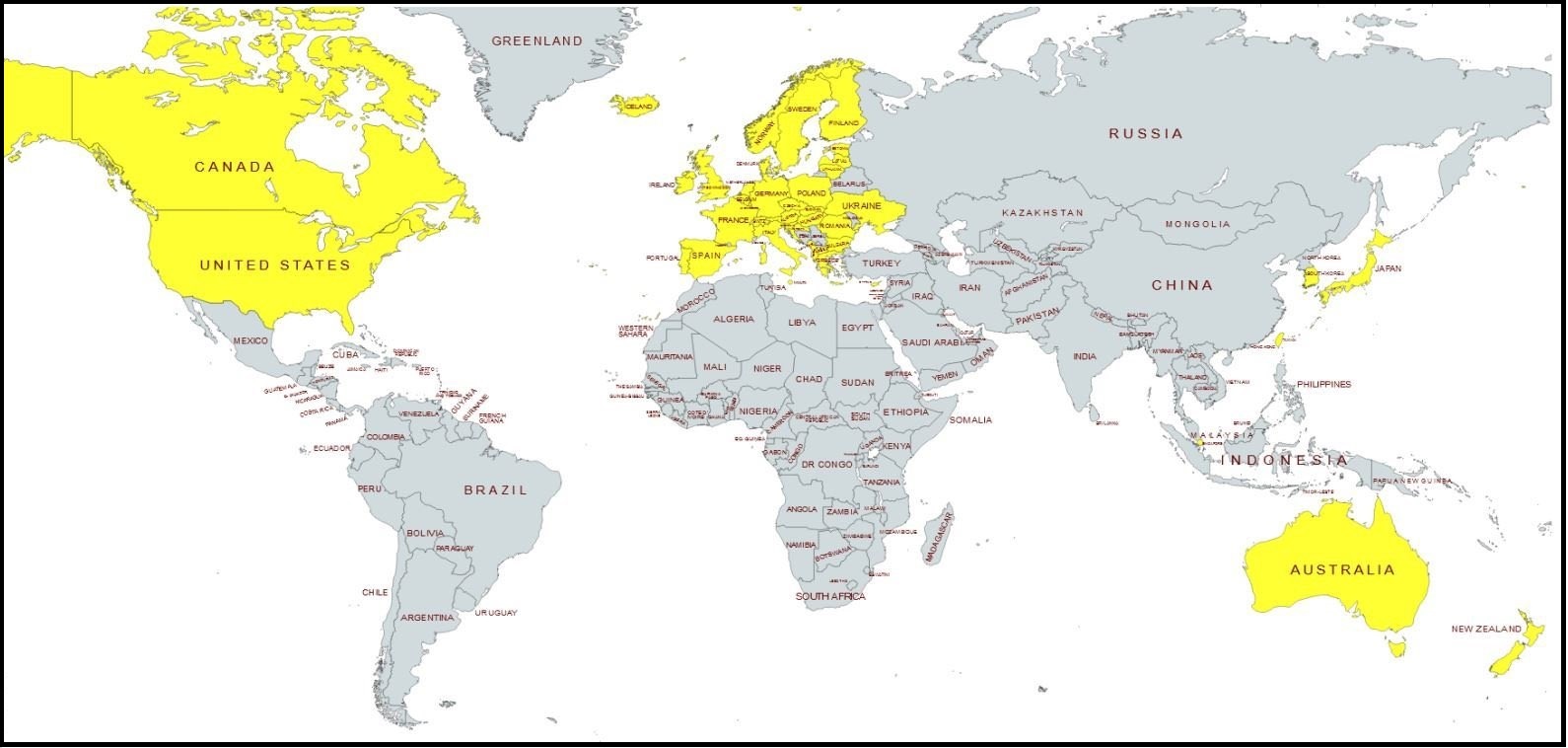
Yellow Team -vs- Gray Team: Remember, China just brokered a deal to lessen hostilities between Iran and Saudi Arabia. The fulcrum of that agreement was economics.
Meanwhile in North America, Mexican President Andres Manuel Lopez-Obrador has said he was not willing to join the energy suicide pact pushed by Joe Biden and Justin Trudeau…. A policy break in the trilateral relationship which suddenly, and not coincidentally, aligns with the timing to make Mexico a pariah to the U.S. vis-a-vis a renewed media push on the drug cartel narrative.
BIG PICTURE NOT BEING DISCUSSED – The western politicians followed the climate change instructions of the WEF multinational corporations and banks (Build Back Better) and post-pandemic immediately started reducing energy development. The central bankers then began raising interest rates to shrink the economies of the same western nations to the scale of the now diminished energy production.
The raising of interest rates is now hitting the national and multinational banks impacted by government policy that was following WEF orders. Now the western politicians are stepping in with the government controlled central banks to backstop the national banks and multinationals. Can you see the dynamic?
Team yellow is suffering the consequences of their own ideological policy as enacted. Team grey is not going to help team yellow get out of a crisis team yellow created, which was intended to hurt team grey.
I know a lot of goldbugs hate my guts because I do not constantly only say BUY and I point out that NOT only gold and silver survive the collapse of a currency.
I once had a German client who was a multimillionaire back in the 1970s. When the German government collapsed, he was buying all the old coins that were base metals for scrap. They were nickel and copper and some aluminum. It was presumed that they were all then worthless.
The new government could issue the paper money, but they lacked the metal to strike a whole new coinage. They then announced that the old coinage would retain a value as fractions of the new currency. He became a multimillionaire overnight. I use to enjoy his stories of the transition since he lived through it there in Germany.
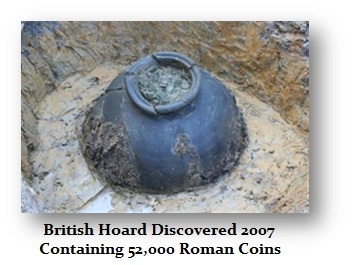
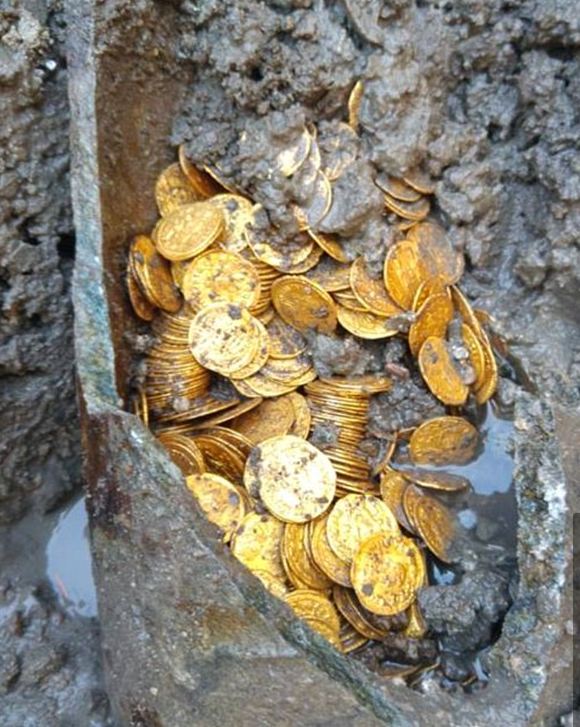
His stories of living through such monetary reforms helped me understand the mechanism behind such events. As I have explained, even in times of geopolitical stress, that is the period when we find the greatest number of hoards of even ancient coins.
Just like the stock market, gold has risen and fallen in value. The propaganda about Bitcoin was the same nonsense – the hedge against central banks and a “store of value” when it is simply no different from anything else that trades – it moves up and down. There is NO STORE OF VALUE in human history. Everything rises and falls. That was what Karl Marx was trying to stop – the Business Cycle of booms and busts.
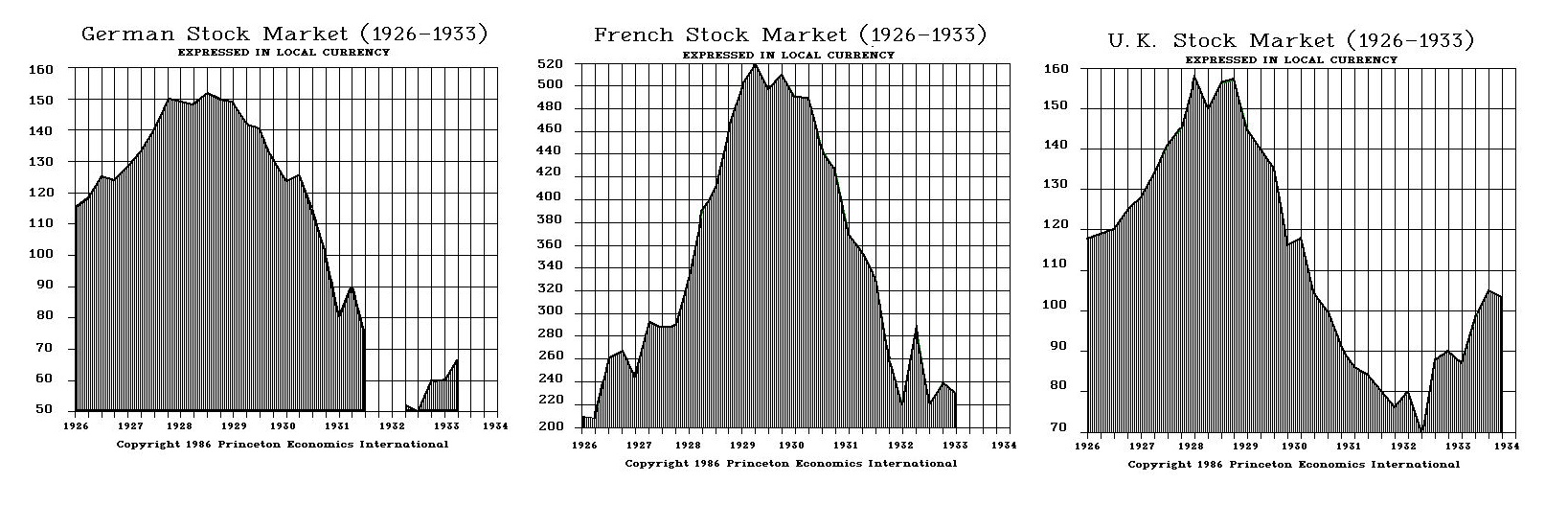
Sorry, I am not a Marxist. There is a cycle to everything and that means that there is a TIME to BUY and a TIME to SELL. The stock brokers in the Great Depression told people to hold. The market always comes back. Others told them to average in. It took 25 years for the stock market to reach the old 1929 high (it exceed the 1929 high in 1954 on the Dow).
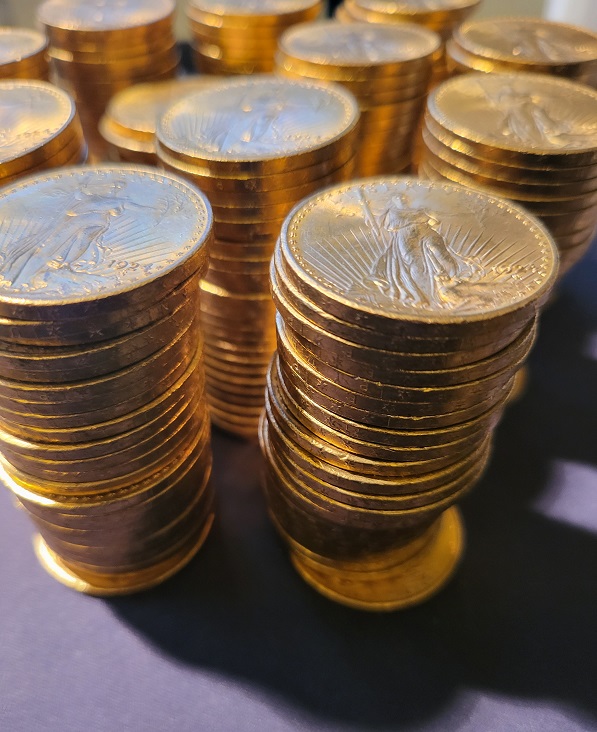
I buy gold but in coin form. The one consistent form of value historically has is generally been food if you go that far down the rabbit hole. However, a loaf of bread from 1930 will not do you much good today despite the fact it was just 12 cents back then. Now that was an investment if it would survive 100 years.
Precious Metals will do well, but I would prefer them in coin form. You may know what they are, but it is the other person who has to know before it has any value. That average person must be able to identify that it is real. That will be your problem. You won’t get change for a cup of coffee with a kilo bar of gold.
I have suggested the pre-1965 silver coins for small transactions. But real estate, art, ancient coins, antique cars, rare coins, and the stock market will all have some value being redenominated into whatever new currency emerges and that will depend on the government. The German stock market rose with hyperinflation and was re-denominated in the new currency in 1925. Like most other markets, it rallied and peaked going into 1929. So I’m sorry if the truth hurts. But the stock market will NOT go to ZERO and only gold will rise if the dollar crashes. There is no such period in history that hints at such nonsense. This is propaganda made up by those trying to sell gold and will say anything just like a used car salesman.
No matter what the tangible object might be,
it will rise and fall with the business cycle. It always has, and it always will.
QUESTION: Governments create their own sovereign fiat currency, to facilitate trade, among other reasons. So counterfeit is punishable, in some countries, by death, & at minimum, incarceration. Currency is supposed to be sacrosanct, created under the most exacting conditions. So what to do when your own gov’t engages in what is essentially officially endorsed counterfeit? I mean, the “money” has become almost meaningless, unless you’re on the receiving end. For non-insiders like me…buy PM.
HS
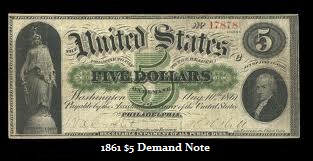
ANSWER: I have trouble with this misinformation always about the only money is gold and paper dollars are worthless fiats, which have rebuilt the world many times over since 1861 and the introduction of the paper dollar.
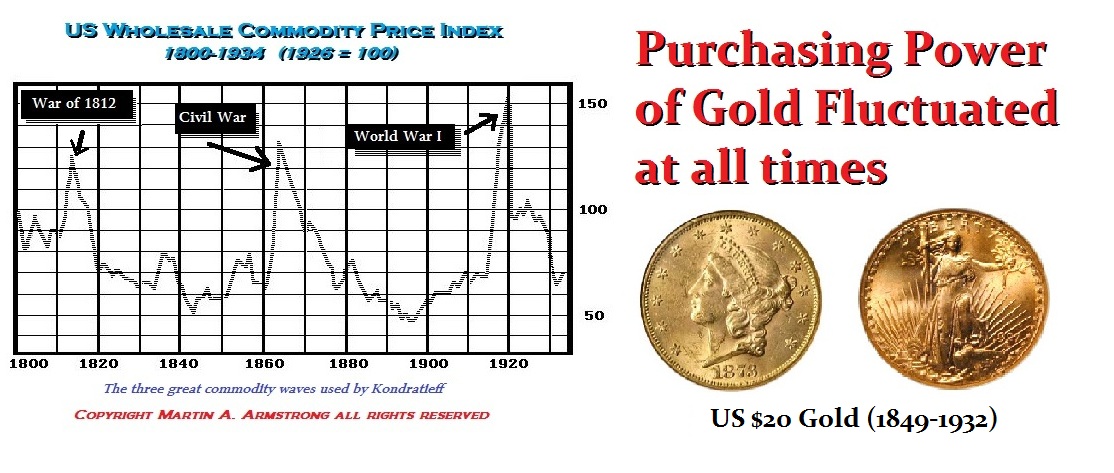
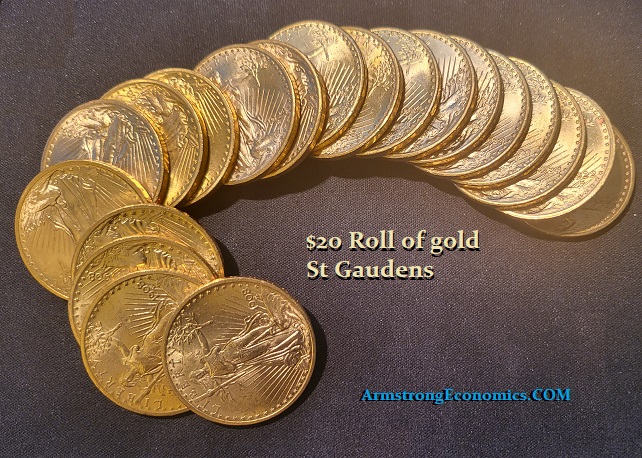
The propaganda of the goldbugs which has led so many to lose so much has been this nonsense that gold is the hedge against inflation. When the gold coin was money during the 19th century, it rose and fell in purchasing power no different than any paper currency. These people sell fiction like a used car salesman just to sell their product. It honestly does not matter what money is. It always is just a derivative of barter. I give you this for that. You will accept paper money because you know that others will accept it from you. A woman tried to spend a $20 gold coin at Walmart and they refused to accept it because they did not know what it was. She then took them to the back and exchanged them for $20 bills.
Try going to Starbucks and spending a $20 gold coin and asking for change. Unless the salesperson knows what it is, they will refuse.MONEY has always been nothing more than a belief system. That’s all!
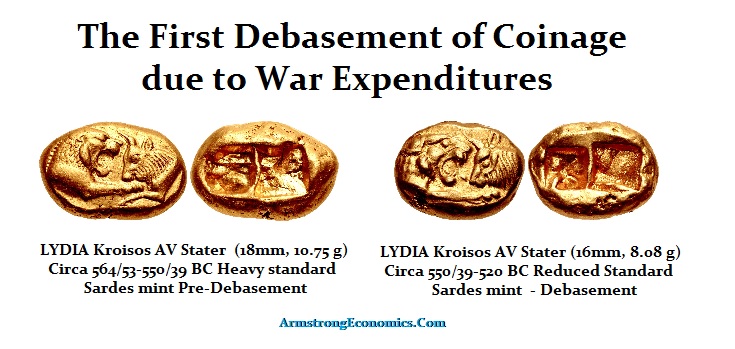
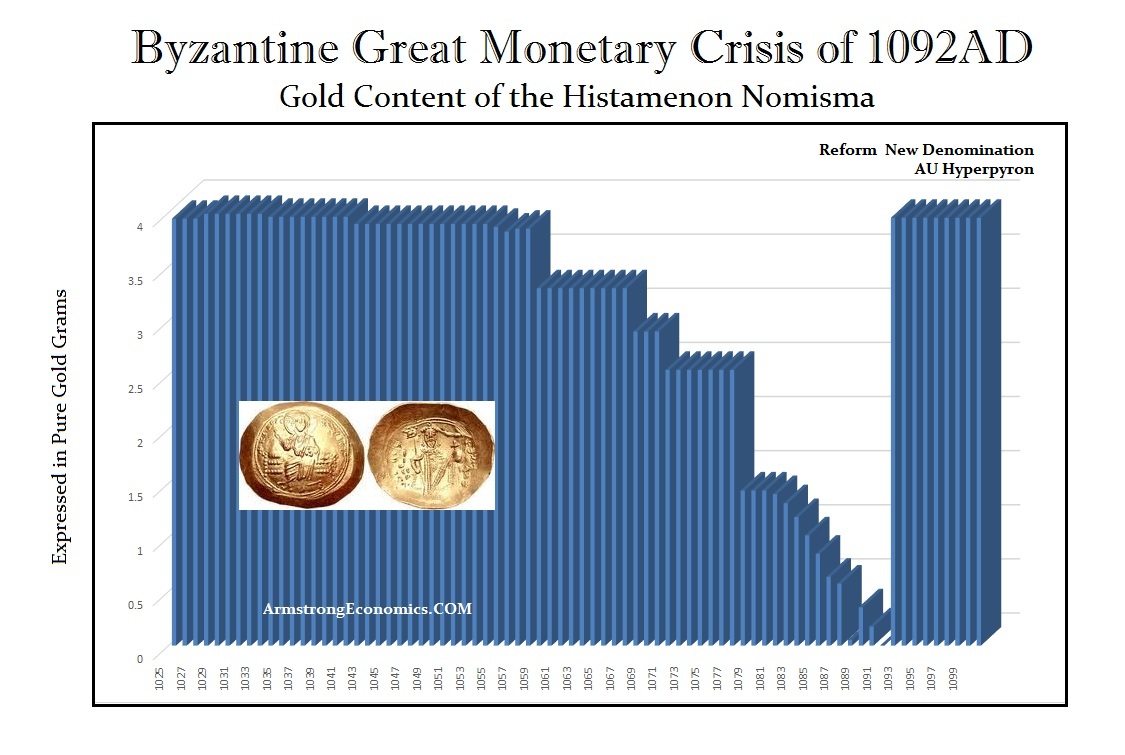
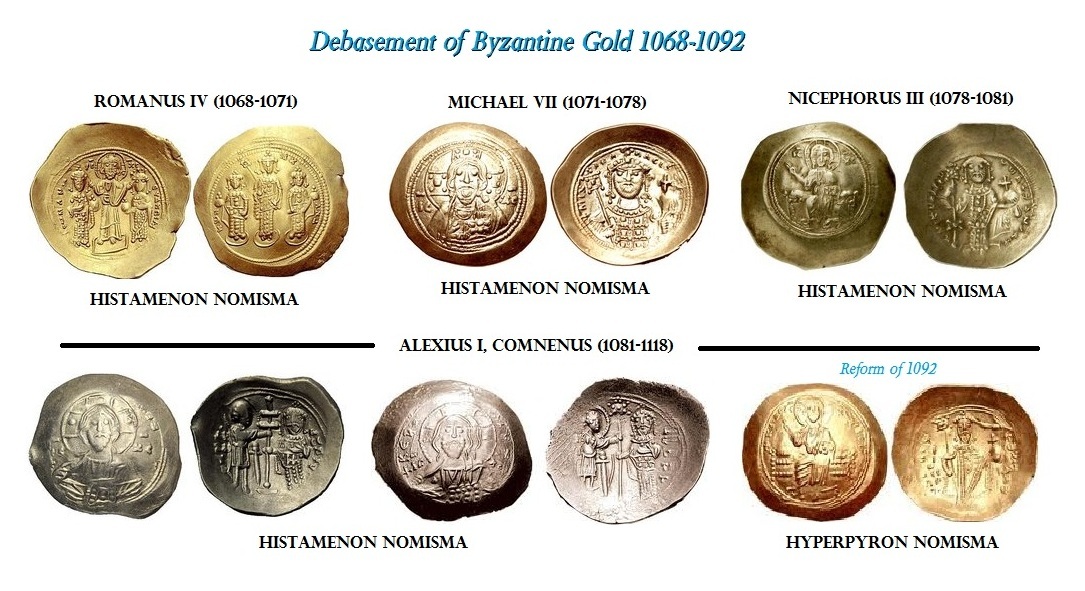
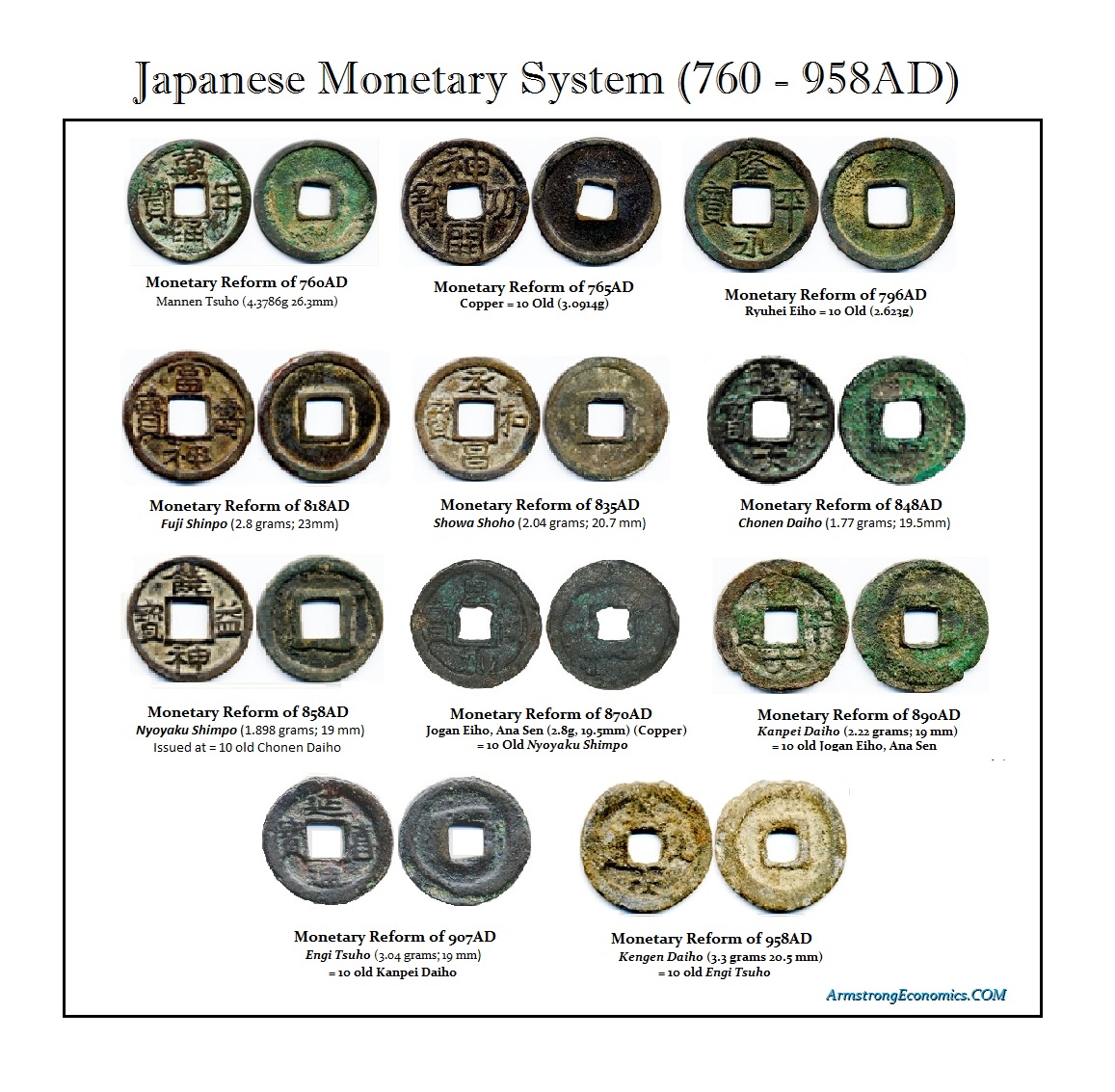
FIAT simply means by arbitrary decree. Just because a currency is gold or even silver, does NOT make its value intrinsic. Governments have debased their coinage and reduced the weight declaring its value shall be whatever they say. I have written about how Japan did that and eventually, the people refused to accept Japanese coins and they stopped minting them for 600 years.
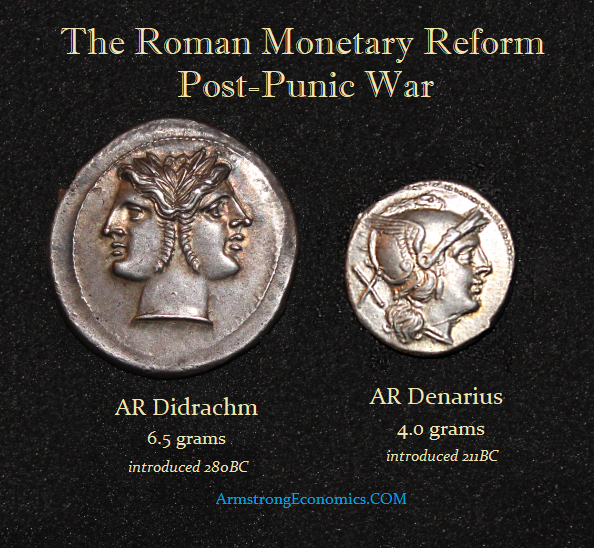
The Romans reduced the weight of their silver coinage from 6.5 grams to 4 grams and only because they defeated the Greeks, the Roman monetary system became standard.
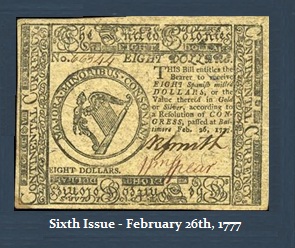
During the American Revolution, people accepted the Continental Currency. Money has always simply been predicated upon what people will accept.
Gold has no value whatsoever unless the other person also believes it has value. Gold or silver has no value intrinsically any more than a paper dollar or a bag of rice unless there is an unspoken agreement among people that it is a valuable medium of exchange.
This is the truth. All else is propaganda. Money has been many things throughout thousands of years from seashells to cattle and even slave girls.
Saint Patrick in the 5th Century AD upon his arrival in Ireland, found that MONEY was expressed in human slave girls. He wrote in his Confession,“I think that I have given away to them no less than the price of fifteen humans.” This passage shows something very important. First, MONEY is not defined as the Medium of Exchange exclusively. It also serves the purpose of a Unit of Account. This becomes the true function of MONEY even more so than what it is. MONEY is a language of value.
FIAT is when the government dictates what something is and that will be Digital Central Bank Currency. But if everyone accepts it, then it becomes the medium of exchange.
QUESTION: Hello Martin, Been reading your writings with keen interest for over 15 years now since while you were incarcerated. My question is: The way you paint a picture of the past economies going back hundreds and thousands of years through the discovery of coinage hoards is brilliant. How will a future “Martin Armstrong” from say 500 to 1,000 years from now be able to utilize that methodology of discovering the history of this era when we’re largely a computer digital transaction society? (Especially if government-planned digital currency takes over?) Thanks. Jerry S.
ANSWER: I know the crypto-people do not like my view that digital currency is entirely dependent upon the power grid and once money is in any official exchange, it will be subject to government regulation. Just look at Tik Tok. The government wants to ban it because they CANNOT get into the data and who is saying what. It has nothing to do with China. They are not interested if you paid the babysitter next door, but Congress is. They have backdoors into everything – not Tik Tok. That has become the hub for many threats to their form of society called the dreaded CONSERVATIVES.
Reading historical accounts of things would never provide the real picture. The coinage has been the breadcrumbs that lead to the truth. I can see the real level of debasement, and when put together with historical accounts, we can get a real picture of history. We must also respect that some periods are black holes and the coinage is what turns on the light.
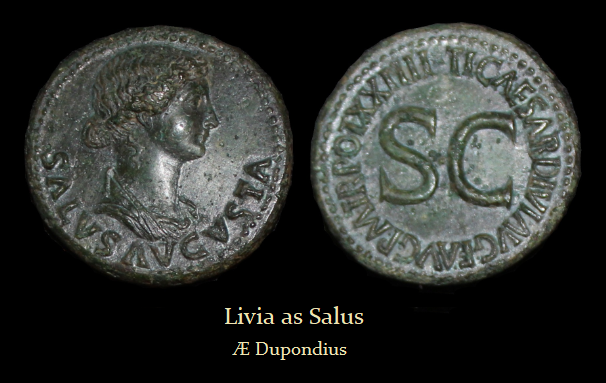
For example, it is the coinage that enables us to confirm much of history and I believe we will see the future follow the past. The wife of Augustus, Livia, the first empress of Rome, was a very powerful woman. The real power behind the thrown. I suggest watching the series – Domina. It is far better than any fictional story. It was his mother, Livia, who pushed him to be Emperor.
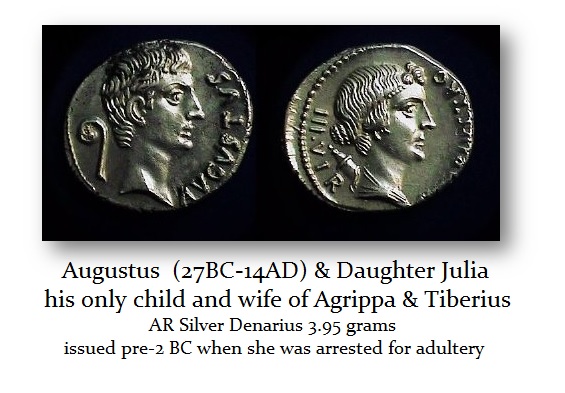
Livia was renowned for her intelligence but was also one of the most beautiful women in Rome. Tiberius was not her favorite – that was his brother Drusus. Tiberius had a son with his first wife Vipsania who was born in 14BC. Livia compelled Tiberius to marry Augustus’ daughter Julia as a way to the throne. Augustus was not fond of Tiberius for he was simply unsocial. His marriage to Julia was like a mixture of oil and water. She sought sexual parties and ignored Tiberius and was finally exiled by her father.
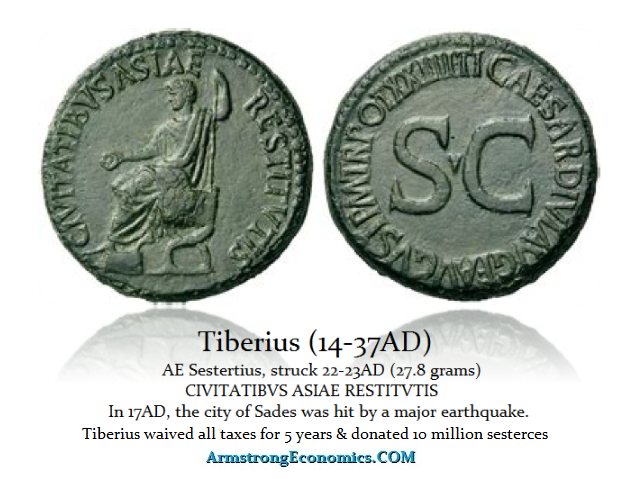
Frome the coinage, we can confirm that Tiberius responded to a major earthquake that destroyed much of Asia, modern-day Turkey. Tiberius issued coins for the aid of Asia. We also know that he waived all taxes for 5 years and donated 10 million sesterces for relief. What politicians would ever system taxes as a tool of relief today?
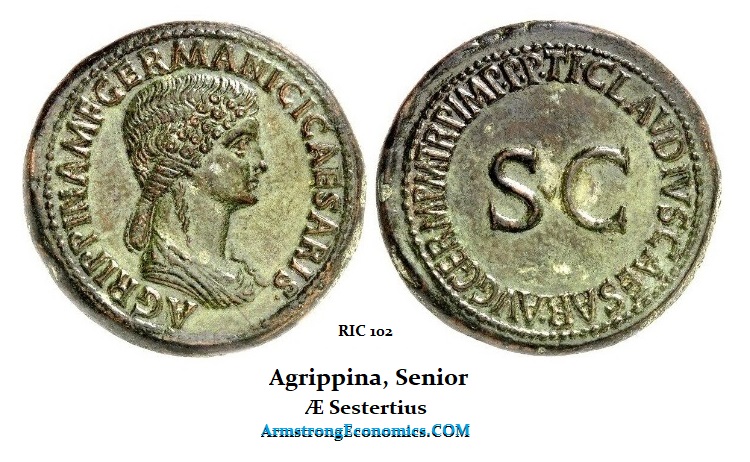
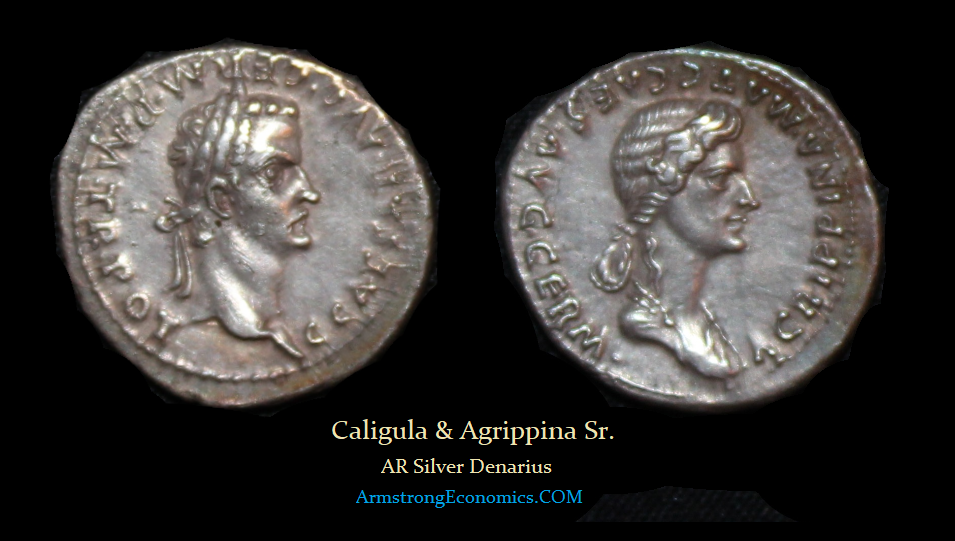
Augustus’ heir was to be Germanicus (15BC-19AD) who was the son of Nero Claudius Drusus, the younger brother of Tiberius, and Antonia, who was the daughter of Mark Antony and Augustus’ sister Octavia. He was married to Agrippina, Sr, who was the daughter of Agrippa and Augustus’ daughter Julia. Agrippina seems to have been the independent-minded woman who blamed Livia for the death of her husband.
Agrippina, Sr. was such a disruption politically that Tiberius was compelled to banish her like her mother in 29AD where she eventually died of starvation in 33AD. Her son, Caligula, seems to have inherited her insanity, and her daughter Agrippina, Jr, as well. She is actually the first woman on Roman coinage displaying her name. Livia’s portrait would be used but always styled as some goddess.
Of course, her son Caligula has warranted films exclusively devoted to his. He is famous for insulting the Senators by making his horse a senator. Caligula was born in 12 AD. He was named as Tiberius’ heir in 37AD and it has been long suspected that Caligula smothered Tiberius to death to take the throne. He was notorious for his depravity and cruelty. He was assassinated by the Praetorian Guard on January 24th, 41AD.
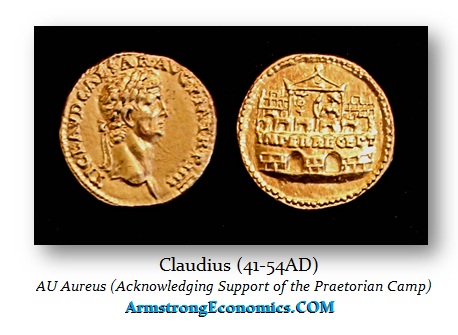
The Praetorian Guard needed an emperor or there was no point in them being the Praetorian Guard. They turned to Claudius and made him emperor. You can see from his coinage the image of the Praetorian Guard camp on the reverse announcing that he was made emperor by the Praetorians.
There is a great series of these events done years ago by the BBC. It was based on the book I Claudius and the series bares the same name – I. Cludius. That too is a worthwhile series that was produced decades ago.
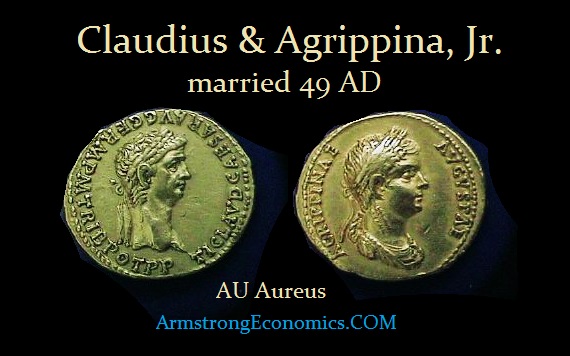
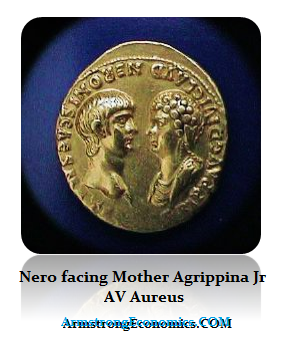
In fact, Agrippina Jr, sister of Caligula, was not only the mother of Nero who ordered her killed for her dominance, but she married he uncle Claudius to secure the throne for Nero. Once again, we find her portrait on coins alongside her son, Nero, which also reflected her dominance and effective rule of the empire. Some have likened her to Hillary Clinton for her cunning and effective rule behind the curtain.
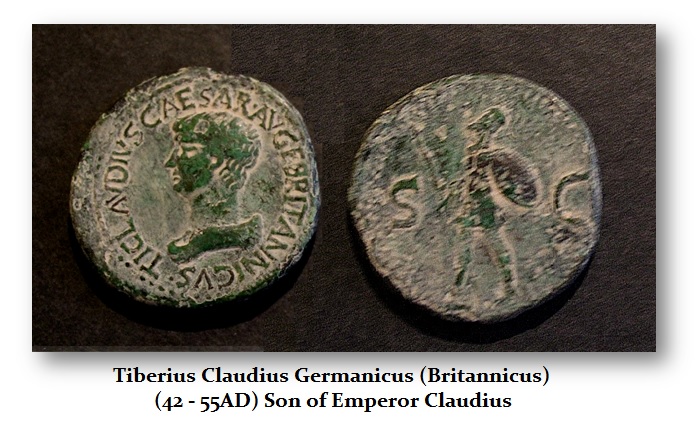
To ensure Nero would become Claudius’ heir, she poisoned Claudius’ son – Britanicus. It shows what a bad apple can do to the whole lot. Many have pointed to the fact that it was the dominance and cunning of the women that brought down the Julio-Claudian Dynasty.
Nevertheless, the coinage not merely confirms history, but also provides a window through time for us to see how human nature never changes, and as such, the future becomes merely a repetition of human contrivances.
To answer the question if future historians will be able to do what I have done if the currency is eliminated and we have just electronic digital currency, I believe the answer lies in the past. We can see something rather astonishing right here during the reign of Tiberius (14-37AD).
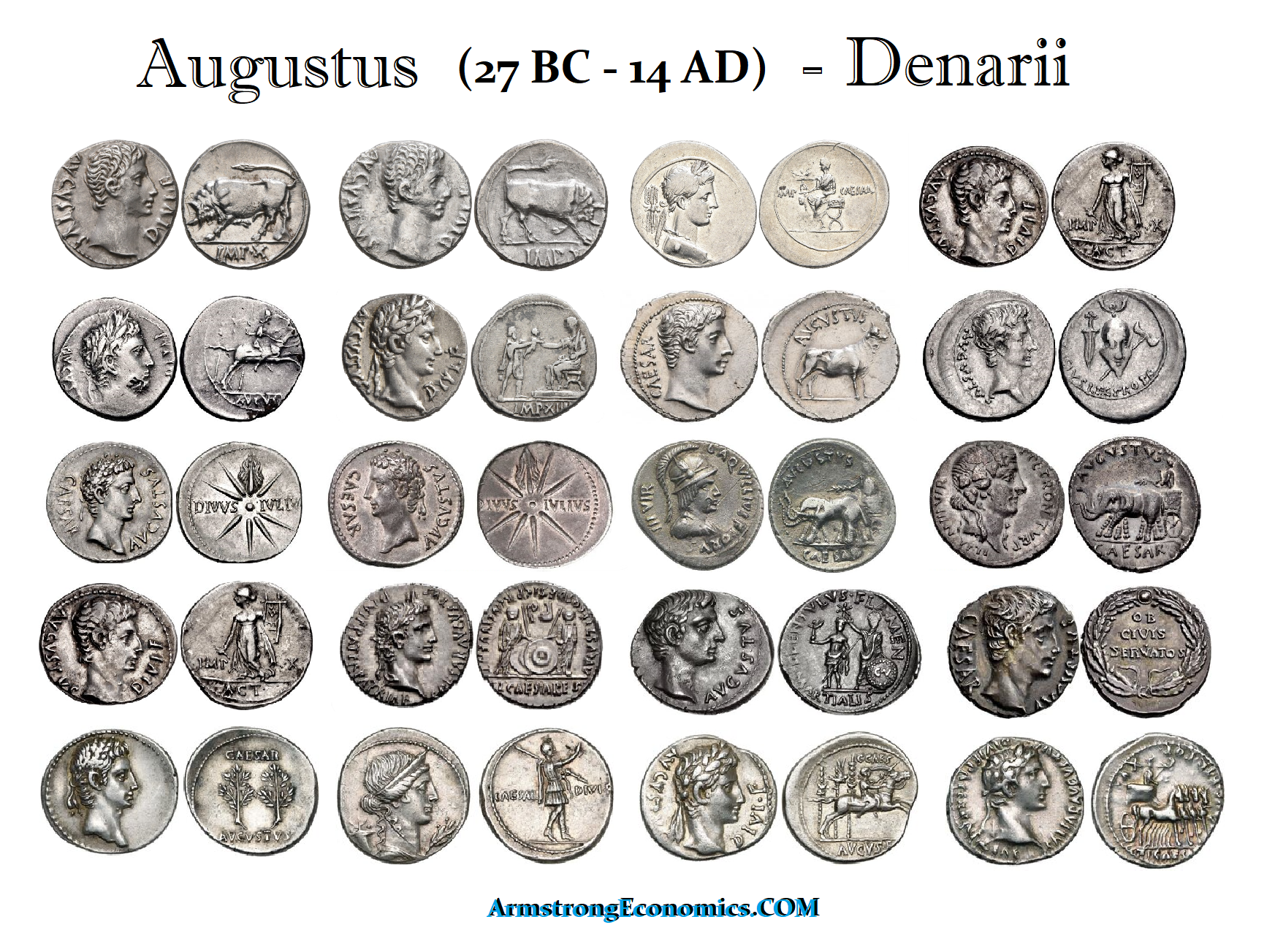
Augustus/Octavian (heir to Julius Caesar) became the first emperor of Rome following the defeat of Cleopatra and Mark Antony in 30 BC. He was granted the title Augustus in 27BC by the Senate for saving Rome from the proxy war of Cleopatra who used Mark Antony to try to conquer Rome. However, because he was the first emperor, it appears that he blanked the empire with coinage to justify his position as emperor, not king, which was really the same thing. There are over 500 different silver denarii types. I have never even heard of a collector assembling each type.
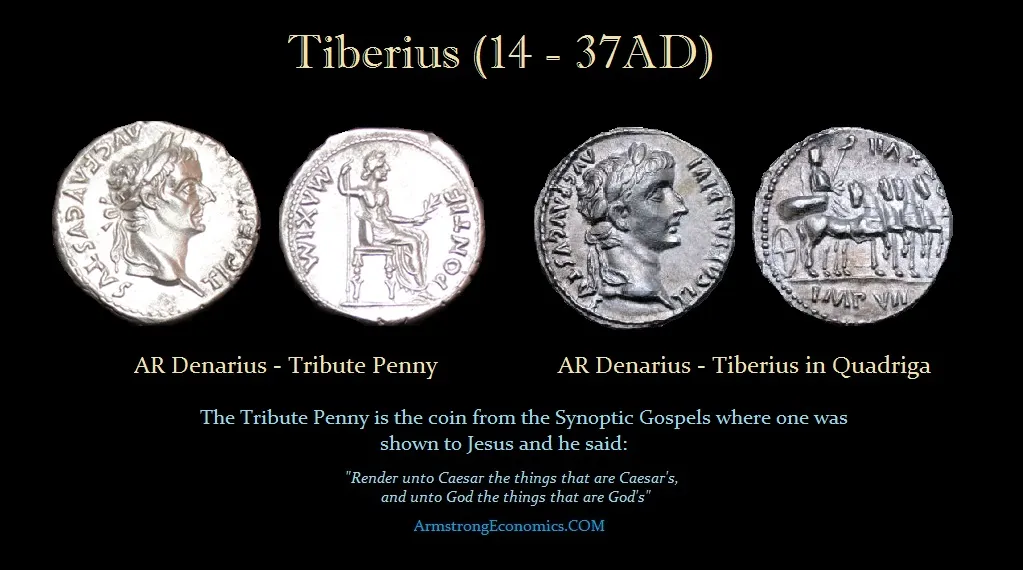
Against that backdrop, being indeed a reluctant emperor and forced into an unhappy marriage, it is understandable that being an unsocial workaholic, the circumstances most likely drove Tiberius deeper into seclusion. He rarely left Rome. In fact, he would not even attend the gladiator games. This is the extent of his coinage – two types. That’s it! Instead of the proliferation of coinage under Augustus, spending was curtailed and we can determine that from the coinage, not contemporary accounts. This led to a SHORTAGE of money, and in such a recession. That became the Financial Panic in 33AD.
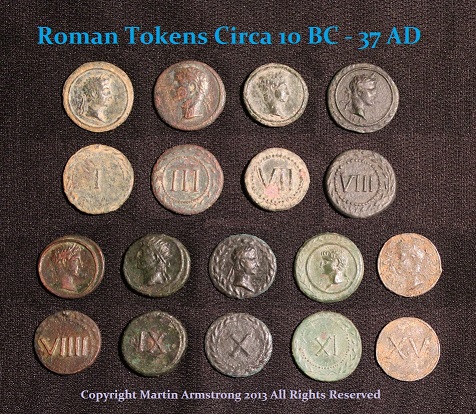
Because of the shortage of money, this is where we find the first time that the private sector began to issue its own coinage. Some have claimed they were some sort of token. But they are confined to this period of Tiberius where there was a Financial Panic and a shortage of coinage compared to the reign of Augustus.
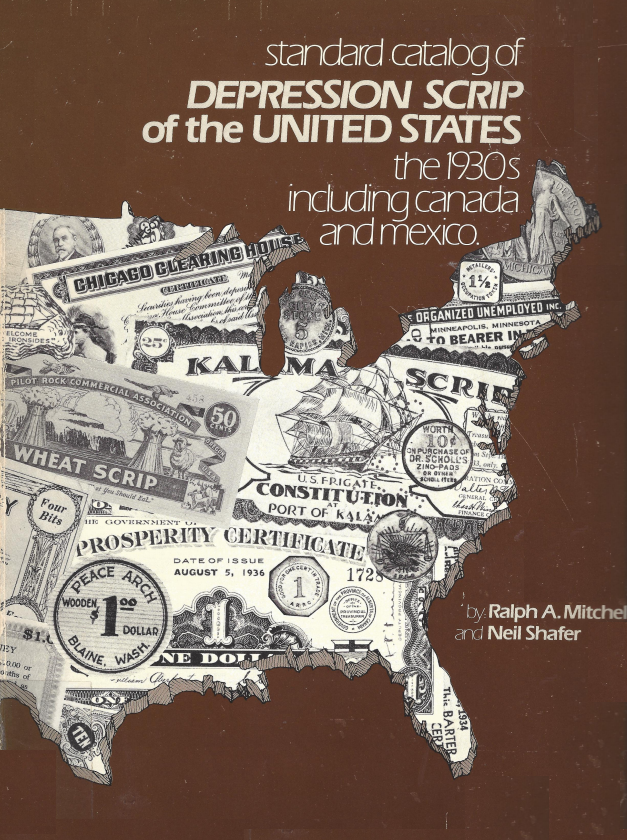
During the Great Depression, because there too the austerity measures of the government created a shortage of currency. Thus, over 200 cities in the United States began to issue their own currency for local use.
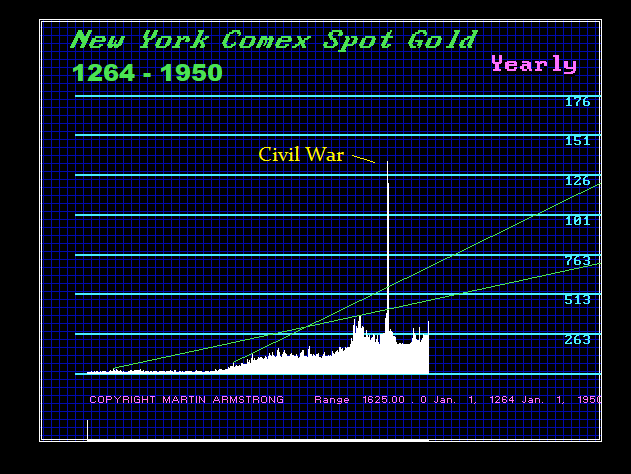
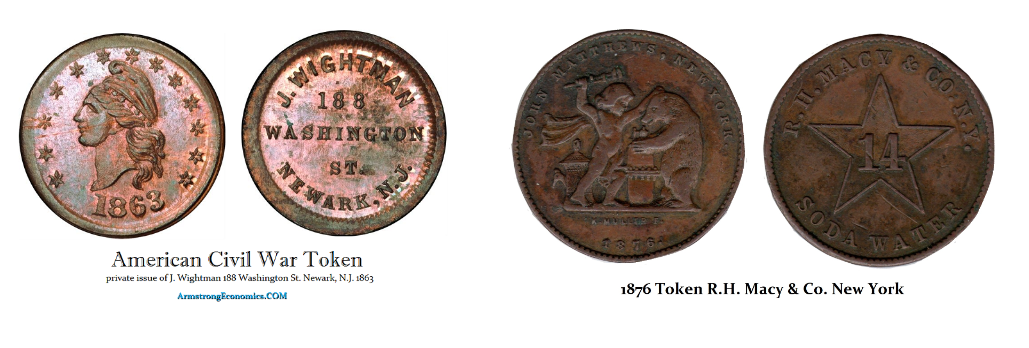
Likewise, during the Civil War, there was also a shortage of money There is a whole array of private coinage during that event. Then there was the hard time that followed the Panic of 1837, Again we have private coinage surfacing. The same again took place with the Panic of 1873.
In Japan, because of the corruption of the government always devaluing the currency of the previous emperor, the Japanese finally just stopped accepting the coinage of their own government. The economy reverted to one of barter and they used the coinage of China. Japan lost the authority to even issue coinage for 600 years until the Meiji Era.
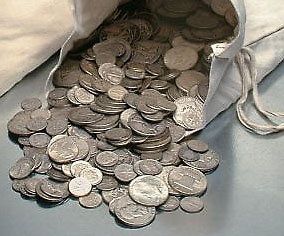
Cryptocurrency will fade with the collapse of governments. It will be too dependent on a unified power grid. If history is any guide, we will return to a barter system combined with perhaps old identifiable coinage that the average person will recognize. That is one reason why I do not recommend bars of silver or gold, but the old coinage. Bags of pre-1965 silver coins in the US or similar in Europe and Canada where the average person can look at a date and accept it whereas they cannot tell the difference between a var of silver or nickel.
Do not make the mistake of judging others by yourself. You may know was a bar of silver is, but that will not help you if the other person does not. There are videos on YouTube where people are offered a silver bar or a chocolate bar and they take the chocolate. Not everyone knows what you may know. Keep that in mind.
So at the end of the day, we will have to rebuild society from the ground up post-2032. A currency need not be backed by anything. Its value is ALWAYS based upon a belief system. The same is true with gold and silver. They had no utility value, only as jewelry from the outset. They were valued because at first, the kings reserved gold only for their adornment.
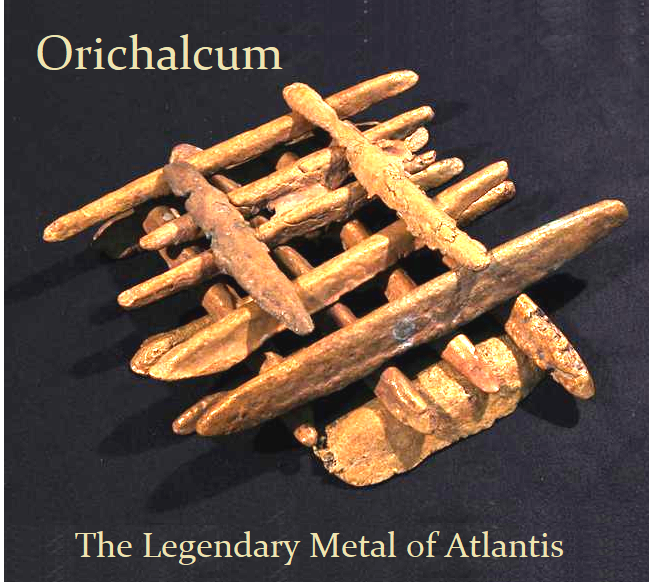
Orichalcum, brass, is the legendary metal mentioned in the story of Atlantis in the Critias of Plato. In fact, orichalcum was considered second only to gold in value and it held a greater value than even silver. It was said to have been mined in many parts of Atlantis in ancient times. These ingots of orichalcum were discovered in a shipwreck that had sunk 2,600 years ago, off the coast of Gela in southern Sicily. The ingots are an alloy consisting of 75–80% copper, 15–20% zinc, and smaller percentages of nickel, lead, and iron. In other words, they are brass. Because the color is closer to gold, this was highly prized.
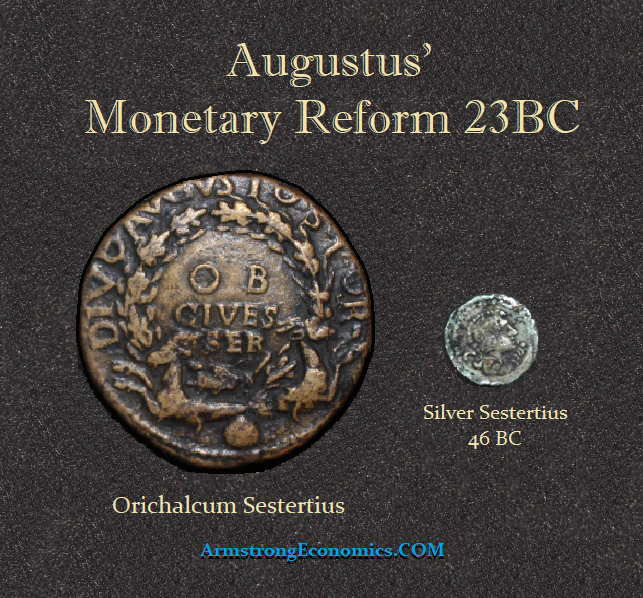
The Greeks rarely used orichalcum for coinage in the Hellenistic world. It was used experimentally by Romans under the reigns of Octavian and Mark Antony. Where we begin to see orichalcum used in the coinage consistently is dated to the monetary reform of Augustus (23 BC). It was then that he introduced sestertii and dupondii were struck in orichalcum (Cu-Zn alloy) rather than silver and bronze. The sestertius of the Republican era was a tiny silver coin of about 0.7 grams. Later, the monetary reform Nero made during 63–64 AD, introduced the use of orichalcum to the denomination of the as, semis, and quadrantes.
Following the Civil War with the death of Nero, orichalcum was replaced in the coinage with bronze. It is highly likely that someone figured out how to make orichalcum and its premium just collapsed. Counterfeiters had long figured out how to mix wrap a coin in silver and strike it to make it appear it was silver, but also to use chemicals to cause the silver to appear on the surface. We cannot rule out that someone had figured out how to make brass and thus it lost its premium.
The value of any currency is entirely based on belief. Once the ancients figured out that orichalcum was just an alloy and could be made, then it no longer seems as more valuable than silver. Even cryptocurrency is worthless. Its entire valuation is simply based that others believe it has some value. Money at its most basic core during a financial crisis is predicated upon its utility value. Hence, in Japan, bags of rice became money. It is unlikely that even cryptocurrency will survive the transition post-2032. Precious metals ONLY in the form of some recognizable coin will be accepted like the Japanese accepted Chinese coins. Barter will return as it always has. That will most likely be in the form of food.
QUESTION: Mr. Armstrong; Who is being irrational? The markets or the analysts?
KE
ANSWER: That’s simple. It is the analysts. The markets are ALWAYS correct. When you have bank failures unfolding, people will withdraw money out of caution. It is the very same reason there are ancient hoards of coins. You find coins in times of economic stress and uncertainty. This is a purely RATIONAL human response to uncertainty. It consistent for thousands of years. For any analyst to claim the markets are acting “irrationally” only proves they should look for another profession.
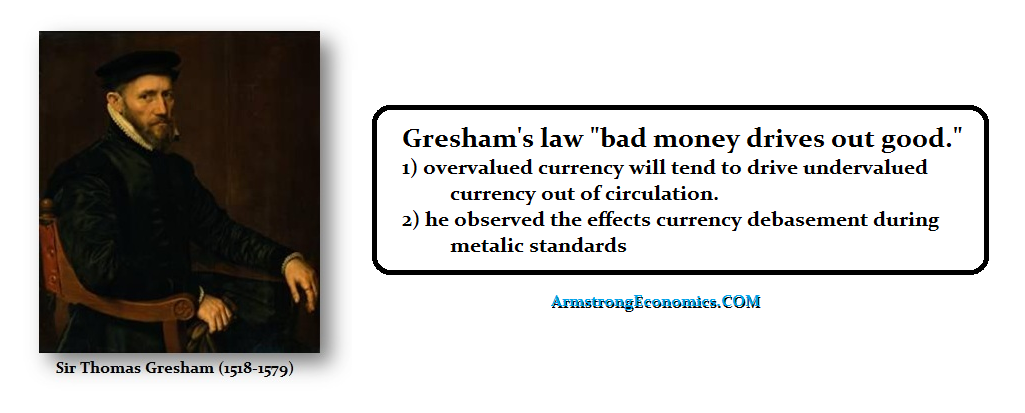
Sir Thomas Gresham began his career in 1543 working at Mercers’ Company at the age of 24 years old. He left England for Antwerp/Amsterdam which was the financial center of the day much like Wall Street. That was where he became a merchant businessman which was where banking existed in those days. He became an agent for King Henry VIII in the Antwerp/Amsterdam market. He became a trader and in so doing, he began to observe how capital moved.
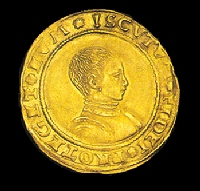
The interesting aspect was that he was called in as a sort of crisis manager as I have been during financial upheavals. In 1551, Sir William Dansell, who was King’s Merchant there in the markets, ended up putting the English Government into a financial crisis thanks to his mismanagement. The English turned to Gresham for advice since he became quite astute at trading. They adopted his proposals. It was then that Gresham proposed a very ingenious tact. He advocated a FOREX intervention to push the pound higher on the Antwerp change. His intervention proved so successful that in just a few years King Edward VI had discharged almost all of his debts. By pushing the pound higher, he was able to repay the previous debts by devaluing them.
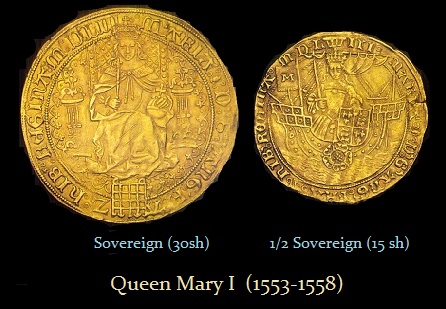
Therefore, the English Crown sought Gresham’s advice in all their finances until Mary came to the throne in 1553. Gresham was instantly pushed aside for Alderman William Dauntsey, who lacked trading experience and quickly sent the Crown into financial stress. Gresham was called back to deal with the mess once again.
Under Queen Elizabeth’s reign (1558–1603), he continued as a financial agent of the Crown and also became the Ambassador Plenipotentiary to the Governor of the Netherlands. This was the period of civil unrest in Antwerp which compelled him to return to England in 1567. This is also when the English had the founding of the Royal Exchange to compete with the Netherlands. It was Gresham who made the proposal to build, at his own expense, a bourse or exchange. This demonstrated that Gresham was a trader and understood how capital flowed. Apart from some small sums to various charities, Gresham bequeathed the bulk of his property (consisting of estates in London and around England giving an income of more than 2,300 pounds a year) to his widow and her heirs, with the stipulation that after her death his own house in Bishopsgate Street and the rents from the Royal Exchange should be vested in the Corporation of London and the Mercers Company, for the purpose of instituting a college in which seven professors should read lectures, one each day of the week, in astronomy, geometry, physic, law, divinity, rhetoric and music.[1] Thus, Gresham College, the first institution of higher learning in London, came to be established in 1597.
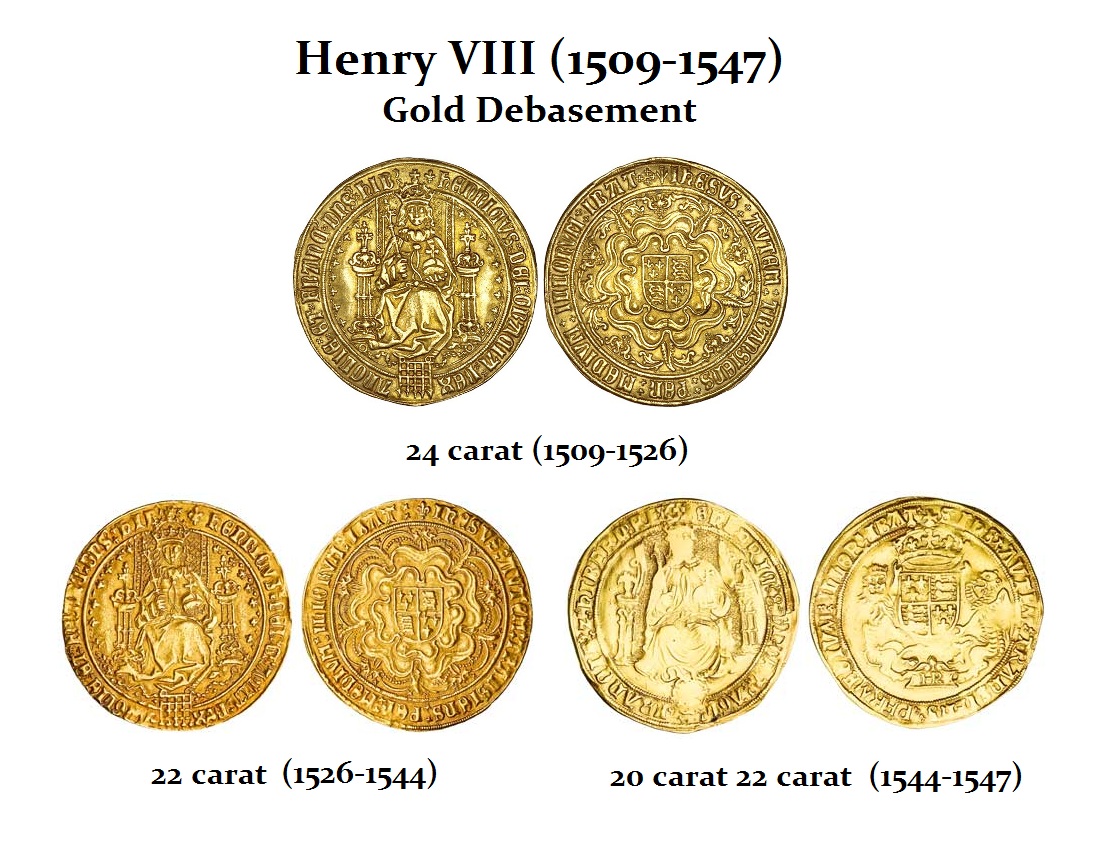
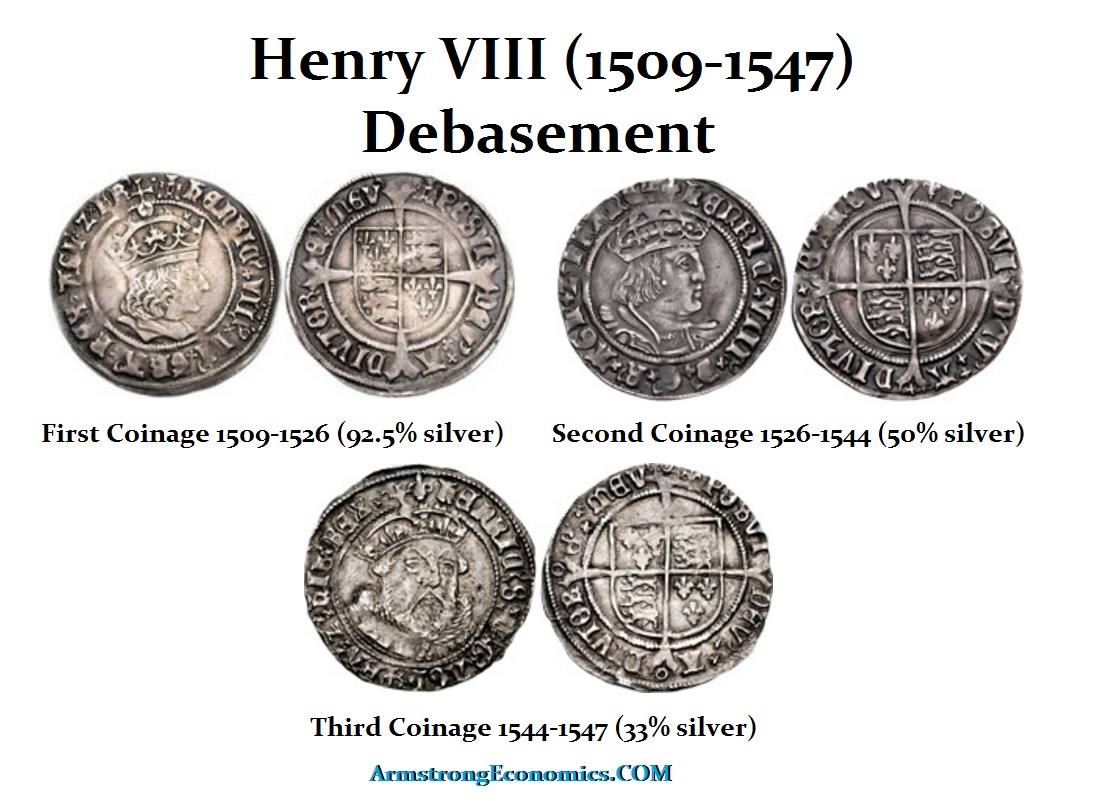
Gresham’s Law (stated simply as: “Bad money drives out good“). He concluded this from his observations that foreign exchange back then was based on the metal content and weight of the coinage. Therefore, as debasement took place, people would hoard the old coinage of higher quality and spend the debased. Thus, the bad money drove out the good and actually shrunk the money supply in circulation.
He urged Queen Elizabeth to restore the debased currency of England. In so doing, you got to repay old debts with debased currency. Governments to this day practice that same trick. Repaying a 30-year bond today the bondholder cannot buy what the money was once worth 30 years ago. The interest does not really compensate for the loss of purchasing power over long periods of time.
QUESTION: Hi. I do not understand why you keep advocating over and over how the depositors should be bailed out over 250k. It makes no sense from a moral hazard perspective. It is fact that should they do that, in spite of depositors signing agreements acknowledging that deposits over 250k would not be guaranteed, the Fed will also need to cancel all outstanding debt instruments, whose borrowers also signed an agreement that if they don’t pay they lose the asset. The moral hazard is so severe as to bloody the eyes. Why do you keep endorsing the bailout which will have to be at least initially funded by taxpayers even if they get the money back? The money to shore up bank reserves in exchange for collateral has to come from somewhere. What is the real fear, that people will move deposits direct to T-bills and in so doing, set up funding for a US CBDC? Please address the moral hazard aspect of your position. So far, I’ve heard nothing to defend the immorality of it.
FO ANSWER: Do not confuse a bank depositor with (1) an investor in a fund, or (2) bank shareholders & Management. A bank depositor is NOT an investor. The $250k is by NO MEANS sufficient for small businesses. They need to keep large amounts on hand for payroll etc. You do business and accept credit cards and they deposit that into your bank account.
Bank depositors are unsophisticated average people. The sophisticated investor moves their, money to a hedge fund or money market fund and fully understands that there is a risk associated with that investment. The bank depositor accepts no risk on any investment the bank makes. It does not give them, a piece of their profits. That goes to shareholders. It is a bailout of the entity and thus the shareholders which presents the moral hazard perspective.
If deposits in excess of $250 are NOT covered, you wipe out small businesses, they cannot pay employees and the ripple effect will be the total destruction of the entire economy. Your house will become worthless for its value will drop to only what someone can pay in cash.
There is a HUGE difference between investing and losing and simply depositing your money in a bank because we are moving to an electronic monetary system that there will be no way for a depositor to even demand money from a bank. Some are restricting wires to $3,000 and limiting the amount of cash one can withdraw. There is also not enough paper currency to facilitate bank withdrawal on a grand scale. Bank robbery will come to an end without cash.
None of that will unfold if a hedge fund fails. We must look deeper into this entire question.
I have created this site to help people have fun in the kitchen. I write about enjoying life both in and out of my kitchen. Life is short! Make the most of it and enjoy!
This is a library of News Events not reported by the Main Stream Media documenting & connecting the dots on How the Obama Marxist Liberal agenda is destroying America
















 Centinel2012