Is the Boom-Bust Cycle Dead?


QUESTION: Do you agree with Bridgewater’s Bob Prince that the Boom-Bust Cycle is over? Have they made an offer to buy you out yet?

SH

ANSWER: Absolutely no way. His theory is that the tightening of central banks all around the world “wasn’t intended to cause the downturn, wasn’t intended to cause what it did.” Prince explained, “I think lessons were learned from that and I think it was really a marker that we’ve probably seen the end of the boom-bust cycle.”

That is an interesting take, but it reflects the typical investment manager focus. They tend not to pay attention to history and always assume that the financial world started as far back as maybe 1971 if not 1990. The boom-bust cycle that he refers to has been the classical economic expansion and contraction in economic activity. However, the very book I just published, “Manipulating the World Economy,” deals with this issue of central bank intervention. He seems to think that since the financial crisis and monetary easing has disrupted that cycle, that it has fueled the longest-running bull market in stocks.

This is why Bridgewater has had a terrible year in 2019. They have completely misunderstood the market and do not grasp the capital flows and how they drive markets. Indeed, Bridgewater Associates, the world’s largest hedge fund firm, had a very difficult 2019 because of this view. The firm’s flagship Pure Alpha strategy was essentially flat in 2019, with Pure Alpha 18%, the more leveraged version, falling 0.5% for the year, according to an investor in the funds. It has been this fundamental focus which is why they missed the bull market.

The repo market is already proving the idea that the boom-bust cycle is dead. Interest rates are pushing higher and the Fed is desperate to try to prevent that rise. You cannot defeat the business cycle. Even Paul Volcker admitted that much (Rediscovery of the Business Cycle). Many people have thought that governments have killed the business cycle. They have ALL BEEN PROVEN to be wrong!
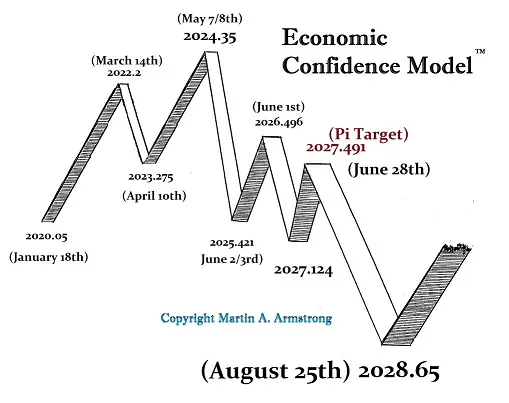
No, I have never met Ray Dalio that I remember. If I did, it was just in passing perhaps at some cocktail party. Bridgewater is not a client so the idea of some offer is not even plausible. It is one thing to take in a partner, it’s something entirely different to sell everything to some private firm which would then have exclusive use. That is not my goal and I would not live long enough to spend some mythical billion-dollar sell-out. Sorry, that is not my agenda. I would like to see Socrates help to better manage the world economy, not make money for a bank or hedge fund exclusively.
Quebec Issued the First Paper Money in the New World


QUESTION: Mr. Armstrong, a goldbug told me you were wrong that paper currency did not begin with the Civil War. I told him you have written plenty of times about the continential currency. I believe you said somewhere that paper currency did begin in America. Am I correct in that statement?

PC

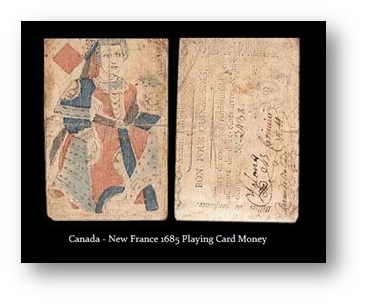
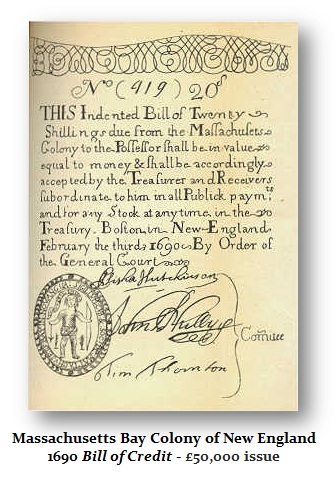
ANSWER: Ironically, the very first paper money in America was issued in Canada. In 1685, the colonial authorities in New France (Quebec) had no coin. A military expedition against the Iroquois, allies of the English, had failed and tax revenues were down as traders circumvented the taxes by dealing with the English. This predates the official first paper money issue of February 3, 1690, by the Massachusetts Bay Colony. This paper money issue was used to pay for its war in 1689 when the British demanded that Americans fight the French in Canada. Lacking coinage to pay the troops, the government issued certificates to the troops in lieu of paying them with coins.

Lacking coins, New France printed various face values on playing cards and affixed a seal to them. When the king’s ship arrived, they redeemed this “playing card money” in cash. This system was brought to an end after 1686, but it was necessary to return to it during the period 1689-1719. In 1714, card money equivalent to a value of 2 million livres was in circulation. Some cards were worth as much as 100 livres.

The king later returned to using playing card money in 1729 when the merchants demanded it due to the shortage of money. This issue of playing card money used white cards without colors. They cut or had their corners removed according to a fixed table. The whole card was worth 24 livres, which was the highest sum in playing card money. Depending on the number of corners that had been cut off, this is what determined the face value.

The first paper currency in what is now the United States was issued in 1690 in Massachusetts Bay. Because of the collapse of the Continental Currency, the United States did not issue any paper money until the Civil War. There were private bank issues which are known as broken bank note era from the 1840s. But the federal government did not issue paper money until the Civil War to fund its expenses

The Euro v Pound


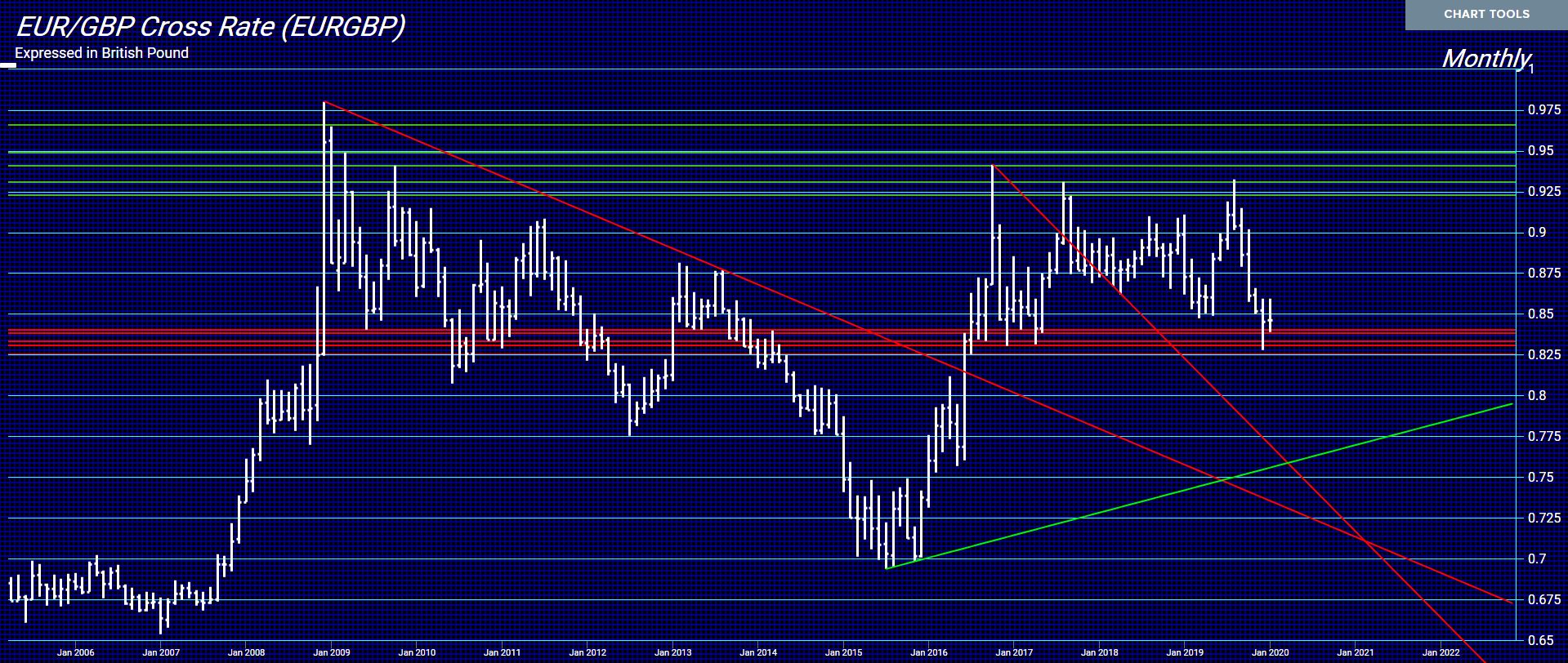
Despite all the yelling and threats on top of forecasts that Britain will fall apart without the EU, the markets do not reflect such a doomsday outlook. We do see 2021 and 2023 as important targets for turning points. The critical level will still remain at the 8250 level. If that is breached, then the political crisis in the EU will begin. The departure of Britain will leave a major hole in the budget of the EU which wants to fund its own army. As pressure rises on other members to chip in more money and raise taxes on their citizens even further, the European Project will remain a serious threat to the entire world economy.


Nigel Farage on the Meaning of Brexit


Nigel Farage’s Final Appearance in the EU Parliament


Brexit Day Has Arrived!


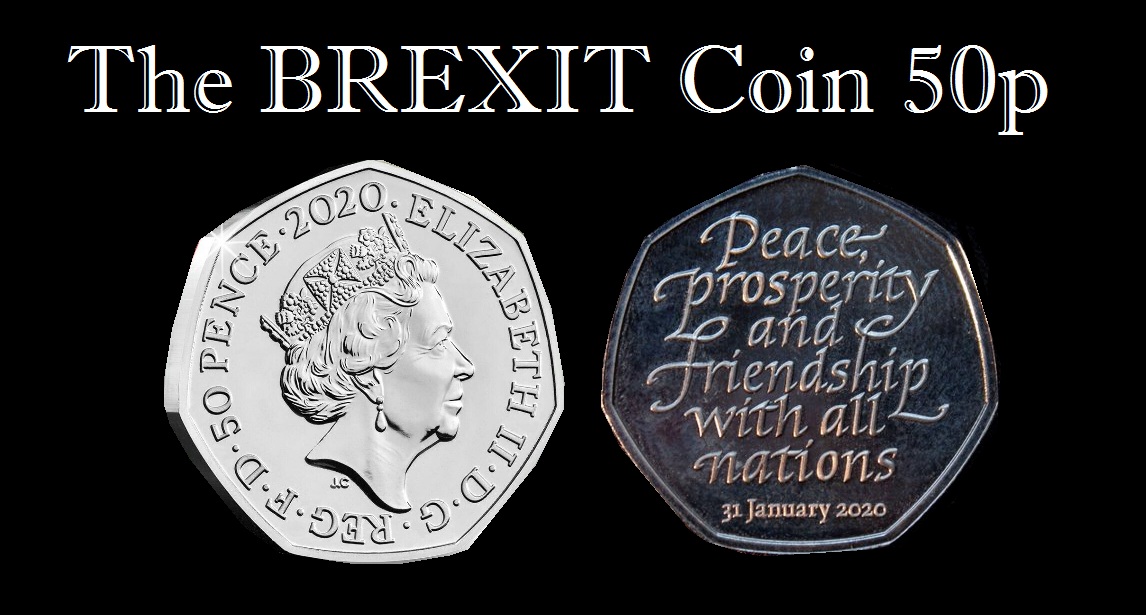
Welcome to Brexit Day! The British Mint is issuing a new 50 pence coin to mark leaving the EU at last. High-profile figures are already pledging to boycott the new coin. Alastair Campbell will boycott the coin because the slogan opposes his core beliefs. Philip Pullman will as well because, he says, it is missing an Oxford comma. These two people reflect the decline and fall of democracy. They simply refuse to accept the majority vote.

Of course, those who were in the “Remain” camp used every foul label they could find in the Oxford dictionary to desperately dehumanize those who voted to leave. The main label that stuck was to call them “racists” when the immigrants pouring from Merkel’s fatal mistake were claiming to be Muslim, which is a religion and not a race.

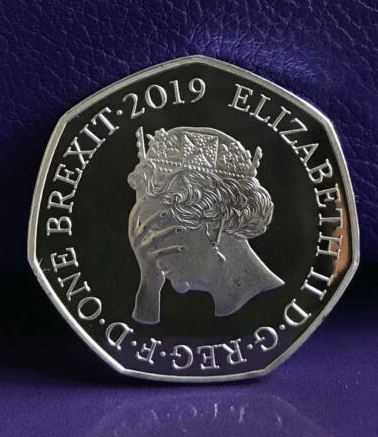
The “Remain” camp was even striking their own coins and selling them on eBay. These show the Queen holding her head when in fact the behind-the-curtain view was that she very much agreed with getting out of the EU.

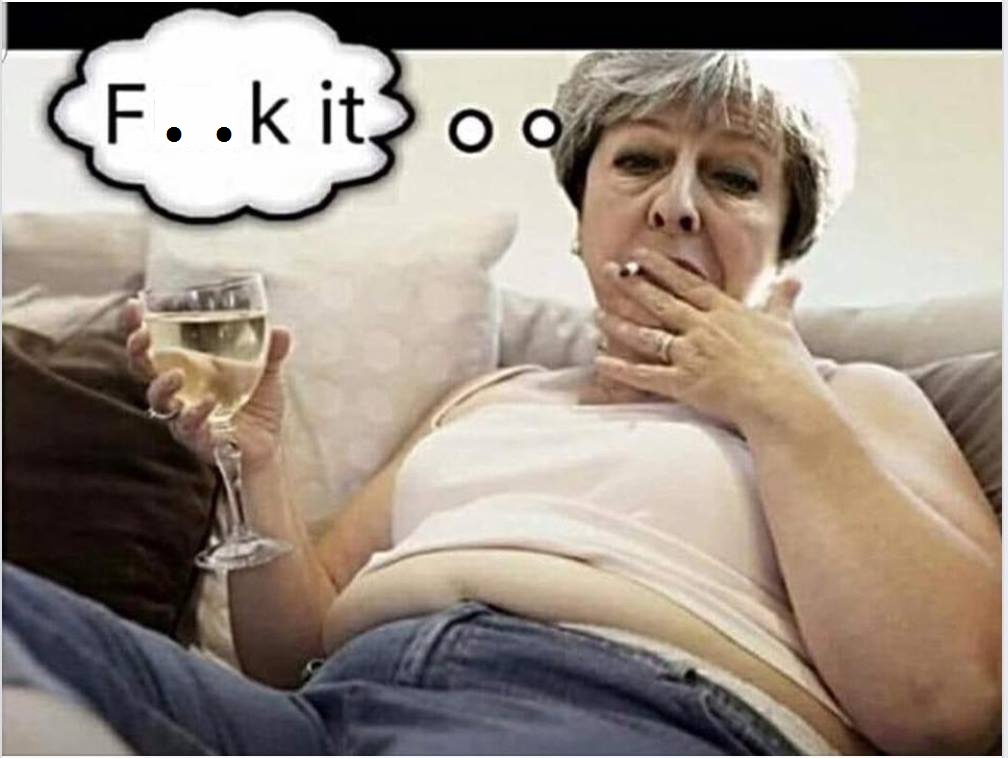
Theresa May was a career politician who personally wanted to REMAIN. She negotiated half-heartedly and that was reflected in her abysmal management of the government.


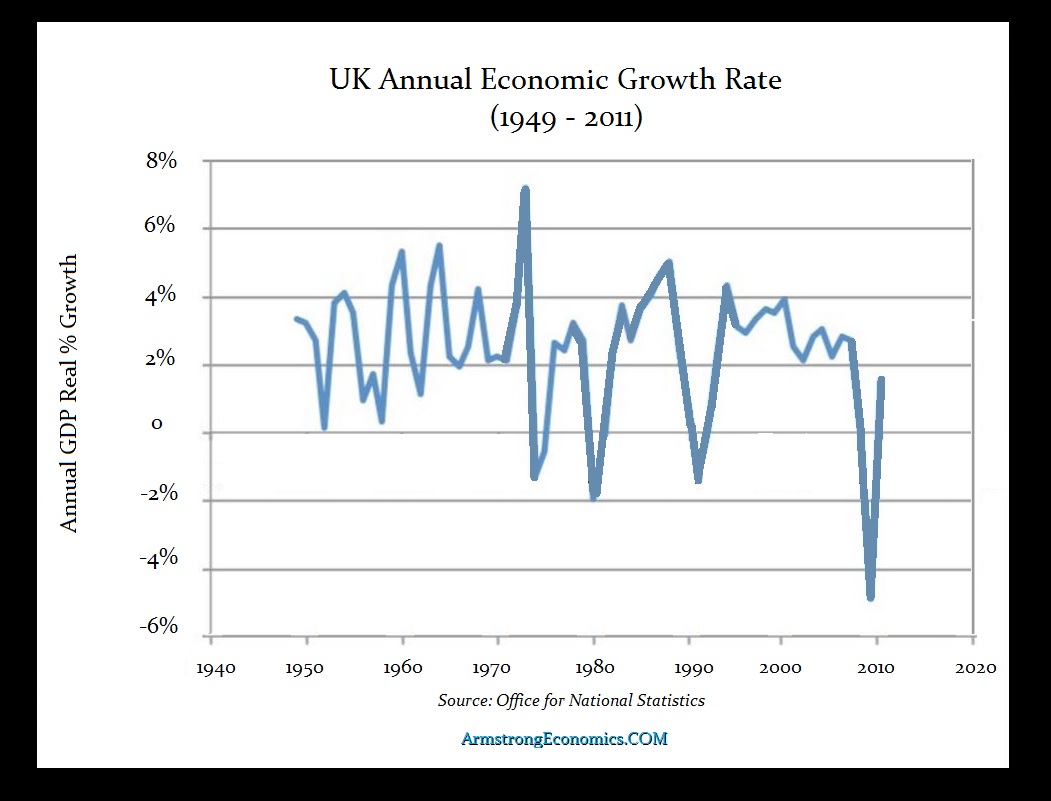
The most interesting aspect to demonstrate just how corrupt the politicians were in Britain who kept arguing to REMAIN was the fact that they were supporting their personal power and careers. All someone had to do was chart the government’s own statistics that proved Britain’s economic growth has declined ever since Britain joined the EU back in 1973. The continental Europeans in government have always resented the British, for without them they would be speaking German today. That has always left a resentful taste in their mouths. It’s kind of like how they say the best way to get rid of a friend is to lend them money.

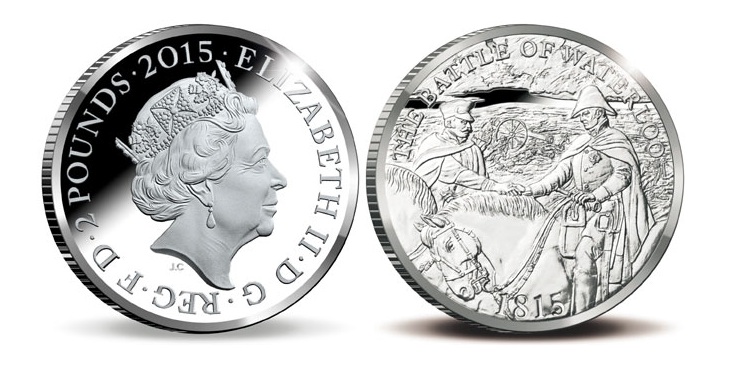
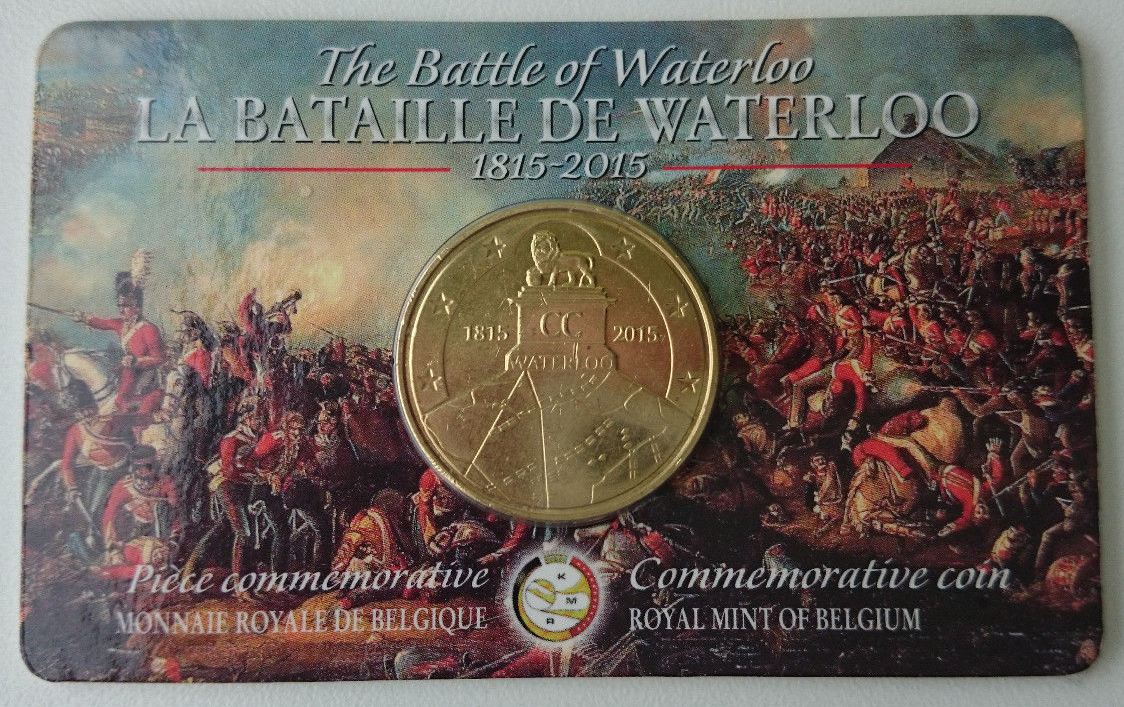
There will always be that resentment toward Britain. The French demanded that no EU member should issue coins that commemorated the defeat of Napoleon. There was a commemorative issue of coins, but they were not allowed to circulate pursuant to the demand of the French to join the euro. Resentments linger in Europe and always will. It is ingrained within the culture of so many hundreds of years of conflicts and war. The creation of the euro will never change history