The people of Panama have been protesting the obscene cost of living for weeks. President Laurentino Cortizo has promised to lower the cost of basic necessities such as food and energy, but the people are not satisfied. Teachers began protesting in July and went on an initialthree-day strike. This act of defiance inspired other groups who also took to the streets to call for price reductions.
Inflation in Panama sits at 4.2% as of May, while the unemployment rate hovered around 10%. Fuel costs have soared nearly 50% since January of this year. The issue here is that despite the country’s economy growing, the benefits have not been passed on to the people in any way. Many highly-skilled professionals, such as doctors, left the country long ago for countries where they’re paid competitively and access to medical care has become increasingly difficult.
Protestors blocked the Pan-American highway, which is the main route for most of Panama’s food. Even the Catholic Church stepped in during June to mediate the battle between the people and government. The first round of discussions mediated by the Catholic Church resulted in the government freezing the cost of 72 products. Additionally, the government will now allocate 6% of GDP to education by 2024. The Inter-American Highway, connecting Panama to the rest of Central America, was cleared but the supply constraints and resulted in significant losses.
Panama’s economy grew 17.8% in 2021, and 13.6% in Q1 of 2022. There is no reason for Panamanians’ quality of life to decrease when their economy is in a surplus. The protests will continue as the people have realized that their corrupt government does in fact work for them
American household has reached a new high, according to a report by the Federal Reserve Bank of New York. Total household debt has surpassed $16 trillion for the first time in American history. Americans have taken on $2 trillion in additional debt since the pandemic. Aggregate household debt balances rose by $312 billion in Q2 2022 alone, marking a 2% increase from Q1.
Mortgages were the largest contributing factor to the post-pandemic uptick after rising by $207 billion to $11.39 trillion. Americans have been relying more on credit to make purchases amid inflation, and credit card balances have spiked by $46 billion last quarter. Non-housing balances saw the largest uptick since 2016 after increasing by $103 billion. Auto loans saw a $33 billion rise as the cost of autos remained at a high.
Delinquency on debt “increased modestly” in all categories. Around 95,000 people faced bankruptcy in Q2 2022, which is still near historic lows. Of the $758 billion in new mortgage debt accumulated in the last quarter, 65% is held by people with credit scores over 760. Outstanding student loan debt reached $1.59 trillion last quarter, 5% of which was delinquent.
People may be able to pay off their debt now, but as inflation and interest rates rise, that will become increasingly difficult. While mortgage debt is no cause for concern, the over-reliance on credit purchases will not help Americans lower debt. Inflation must come down for the people to maintain their quality of life.
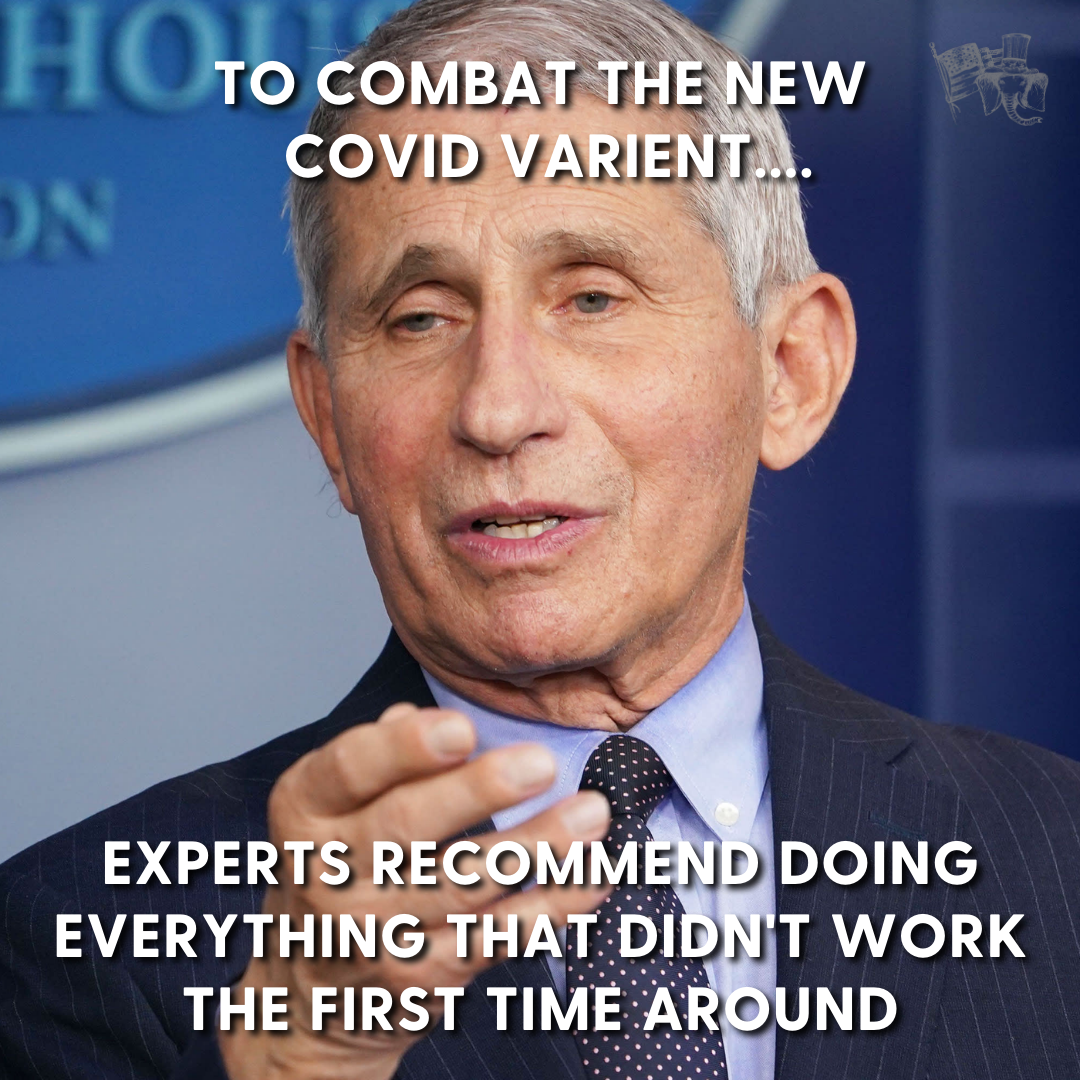
Dr. Anthony Fauci is relentless. Biden told us the fable of the winter of death and destruction last year. Now Fauci is warning that people are “going to get into trouble” if they’re not vaccinated and boosted by the fall and winter months.
After hearing of the countless side effects and realizing the vaccination does not prevent infection or transmission, most Americans do not want a booster. The Kaiser Family Foundation found that 70% of Americans, 228 million people, are currently not up to date on their vaccinations. Only 48.4% of Americans (children over five included) opted for a booster shot.
Fauci claims people should do it for their “community.” Why? I could have Moderna, Pfizer, J&J, and the rest injected into me, and it still would not prevent me from being prone to transmitting the virus. Fauci himself caught COVID, and even Biden continued to work and failed to isolate after testing positive for the virus. Fauci’s fears are falling on deaf ears as people are becoming aware of the truth – the vaccines do not work.
Posted originally on the conservative tree house on August 7, 2022 | sundance
After exhibiting a congressional perspective in line with democrats, and then voting to authorize the J6 committee along with President Trump’s impeachment, Michigan representative Pete Meijer lost his primary reelection bid to John Gibbs.
The CBS crew quickly contacted Meijer to provide him the opportunity to belittle the base of the republican party that rejected him from office. Silver spooner Pete Meijer was more than happy to accommodate the request and appears with Margaret Brennan. [Transcript Link] – WATCH:
[Transcript] – MARGARET BRENNAN: Michigan Congressman Peter Meijer is one of 10 House Republicans who voted to impeach former President Trump following the attack on the Capitol. Last Tuesday, he lost his primary race against a Trump-endorsed challenger. Congressman Meijer is with us this morning from Grand Rapids, Michigan. Good morning to Congressman. The person who won that primary is an election denier named John Gibbs, and he is backed by former President Trump. Why do you think Michigan Republicans favored him?
REP. PETER MEIJER: Well good morning, Margaret. And as you said, I lost my primary and that is on me. I take responsibility for that. But it’s important to note that it wasn’t just former President Trump, who was in this race, there was about a half million dollars that the Democratic Congressional Campaign Committee in their first expenditures of the 2022 midterms dumped in to help boost him.
So, we had a scenario where not only did I have the former president aligned against me, but in a rare showing of bipartisan unity, Nancy Pelosi and the House Democratic Campaign Committee, also united to try to knock me off the ballot. Now, this just highlights the cynicism and hypocrisy of our politics today. And frankly, it’ll be unknowable what that ultimate impact was, but the fact that we have the establishment left and the extreme right locking arms in common cause paints a very telling picture of where our politics are in 2022.
MARGARET BRENNAN” Right, what you’re talking about there is an ad that the Democratic Congressional committee campaigns spent $325,000 on to boost Mr. Gibbs, which was almost as much as Gibbs spent on his entire campaign. That’s what you’re referring to, that’s what our viewers are looking at right there. But do you think that ad really made a difference? I mean Democrats aren’t voting in this primary, it’s Republicans, why did Michigan Republicans fall for this ad?
REP. MEIJER: Well, you know, I think there is a clear question of agency here, of course, and at the end of the day, Republican voters are going to cast their votes as they see fit. I should note that this ad was not aimed at- was not playing on MSNBC, it was not playing in places where Democratic voters might see it, it was targeted in places to try to sway and convince Republican primary voters to try to give my primary challenger a boost up and over.
And I should add that my defeat was by roughly 3%, out of over 100,000 votes cast, we lost by less than 4,000 votes, and I think that’s important to remember, when you have very close elections like this. And obviously competing against very strong headwinds, having a Trump-endorsed challenger in a party where President Trump still holds over 75% approval. That a message of focusing on the substance of what I’ve been able to accomplish in office. I’m proud that our office is on track to set a record for the most number of bills signed into law by a freshman, that those type of accomplishments get lost in our current personality politics, get lost in a broader sense. And I think that is one of the fundamental challenges that we have as a country, and that is, frankly, frustrating Michigan families. We are dealing with a politics that does not reward substance that does not reward, you know, reality.
MARGARET BRENNAN: But does that mean–
REP. MEIJER: That focuses on rhetoric and personality above all else.
MARGARET BRENNAN: Do you think Democrats are going to get what they paid for here? Right? I mean, they’re betting that would be easier to defeat. Mr. Gibbs than you. Is your district going to go to a Democrat?
REP. MEIJER: It’s important to note, this is a district that President Biden won in 2020 by roughly nine points, I was one of five Republicans running for reelection in seats where the- where President Biden won in the 2020 elections by eight or more points. And so while I think there was certainly a cynical calculus at play with the Democrats meddling, this is a risky strategy. It’s a dangerous strategy.
Where President Biden is in his approval is so in the gutter, that it is hard to see that strategy- it is easy to see that strategy backfiring in a spectacular way, which is all the more reason why we should not be embracing the zero-sum idea of politics. We should not be embracing this- this notion that if we can keep a problem alive, keep it festering, but be able to gain a marginal advantage in the process, that that somehow equates to a victory. I think it’s a dark and cynical way of viewing our politics, that frankly, 48% of the electorate in the primary here rejected. They stood against that cynicism that they were focused on somebody who was working to deliver results.
MARGARET BRENNAN: Your Republican colleague Liz Cheney is about to face a primary August the 16th in her state, former Vice President Dick Cheney, her father, released this video.
Former VP Dick Cheney (SOT): “In our nation’s 246-year history, there has never been an individual who is a greater threat to our republic than Donald Trump. He tried to steal the last election using lies and violence to keep himself in power after the voters had rejected him. He is a coward. A real man wouldn’t lie to his supporters. He lost his election and he lost big. I know it. He knows it. And deep down I think most Republicans know it.”
MARGARET BRENNAN: Is Mr. Cheney right there because 57% of Republicans told CBS News, they’re more likely to vote for a candidate who gets an endorsement from the former president. Is the former president, the leader of the Republican Party or the biggest threat to our nation’s Republic?
REP. MEIJER: Well, I certainly think that President Trump wants to keep those numbers up. He wants that degree of influence, and I mentioned earlier the common cause between the extremes on the right, and the establishment left. Nancy Pelosi, I think she’s waking up every day crossing her fingers that Donald Trump runs in 2024, that he announces well ahead of the midterms, because right now, the midterms are set to be a referendum on President Biden’s leadership and Speaker Pelosi and many of my house Democratic colleagues do not want that. They want it to be a referendum on former President Trump and I think former President Trump wants that as well.
MARGARET BRENNAN: Well, we will be watching that primary. And Congressman, thank you for joining us today. We’ll be right back. (read more)
Posted originally on the conservative tree house on August 7, 2022 | sundance
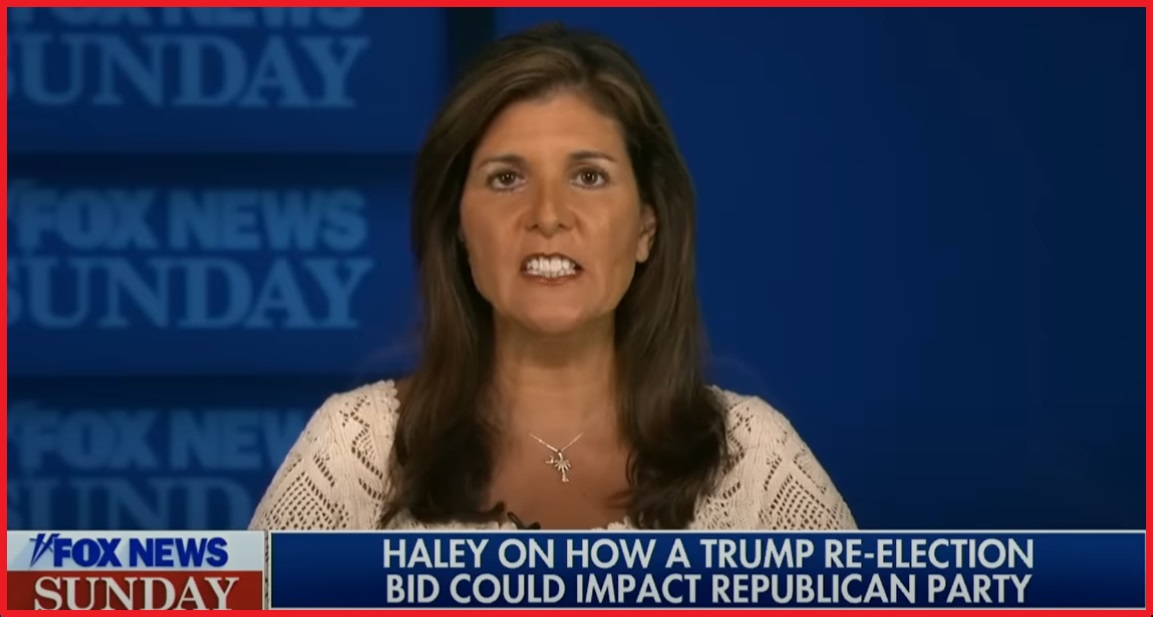
Reminder, Nikki Haley in February 2021: …”“I don’t think [Trump’s] going to be in the picture,” she said, matter-of-factly. “I don’t think he can. He’s fallen so far.” […] “We need to acknowledge he let us down,” she said. “He went down a path he shouldn’t have, and we shouldn’t have followed him, and we shouldn’t have listened to him. And we can’t let that ever happen again.” (link)
Two months later, April 2021, when asked about her 2024 presidential ambitions Nikki Haley says:…”Out of respect I would never do anything to go against [Trump], he knows that. I would have a conversation with him and talk to him about it should we decide we want to pursue it; but, um, no, I have a great respect for him, and I would never consider running against him.” (link)
Today when asked about her presidential ambitions Nikki Haley says, “if there’s a place for me.” WATCH (Prompted):
CTH has been warning about Nikki Haley ever since she asked Sarah Palin to help her win the South Carolina Governor’s race, and then stabbed Palin in the back with the most derisive negative commentary thereafter. Nikki Haley would never have been governor without Sarah Palin; those who know politics know this is absolutely true…. And Haley is a snake.
Use the CTH site search tool function and type in “Nikki Haley” for the results. Take a few Snickers bars because you are going to be there a while.
Why so much focus on Nikki Haley?
For the same reason CTH focused so heavily on Mitch McConnell; these are backstabbing liars of the highest order. These are the snakes from the poem President Trump recited quite often….
…These Haley types are the scheming DeceptiCons. Haley has no redeeming qualities if you are well versed in understanding the manipulative intents of the conniving big government, cocktail party, Wall Street republicans.
Nikki Haley is the Mitt Romney of John McCains.
October 2019 – Nikki Haley purchased a $2.4 million home in Kiawah Island, Charleston county, South Carolina (link). Nikki Haley released her book “With All Due Respect” on November 12th (link). Mrs. Haley also took a position on the board of directors for Boeing Co, likely an extension of success for her prior efforts recruiting Boeing to the state. (link)
The board position, home purchase and book tour follows a very predictable pattern for those who follow GOPe politics closely. Indeed, there is speculation Nikki Haley was/is positioning for a 2024 presidential bid; speculation that generally aligns with the pattern.
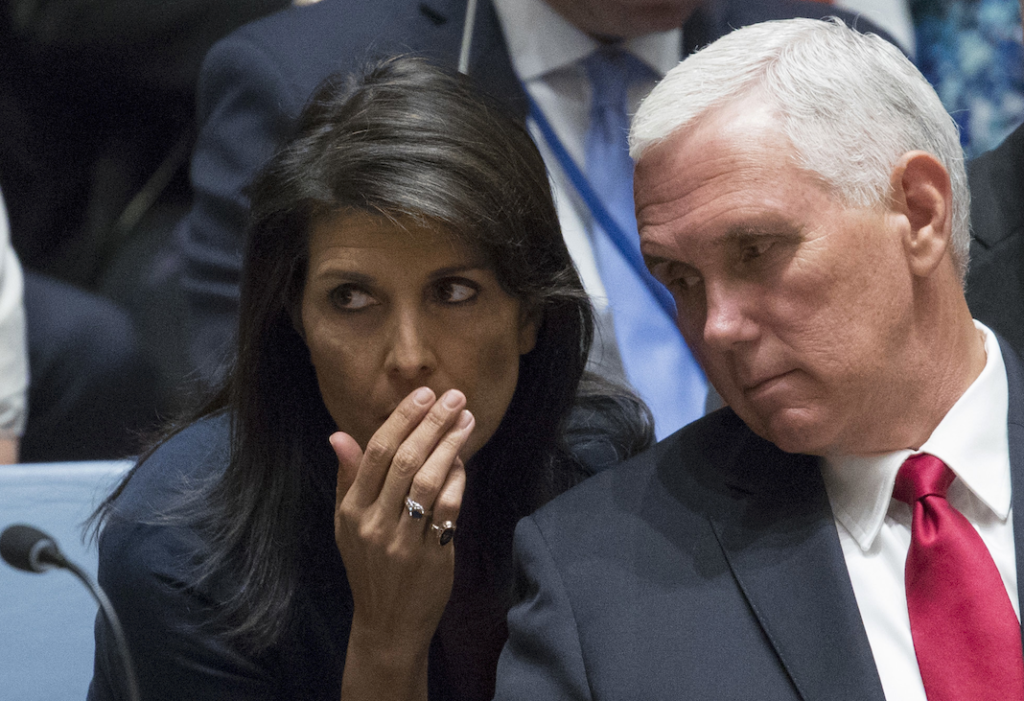
OCTOBER 2018 – Ms. Haley comes from the political house of Prescott/Bush; hence the original Rubio support in 2016 etc. She is a political animal from the establishment wing.
Within the traditional political class the customary approach to a White House run is to gain about five years of wealth in advance of a presidential run. Haley would be following a wealth process for a 2024 presidential run.
During this wealth accumulation period the cocktail party circuit (the billionaire crowd) will front-load wealth, purchase homes and all expenses etc, for the future candidate. This ‘Five Year Plan‘ was the same historic approach done for Ronald Reagan.
With a candidate in the private sector, the professional donor-class make investments in the candidate while it is legal to do so. The investments are made in anticipation of future influence. This is simply how money influences politics.
With the “Me Too” movement in high political value, the currency of Nikki Haley, as an investment candidate, is at the apex. Haley checks the right boxes; she is making a predictable move to capitalize on that process, politics and timeliness.
The U.N., as an institution, is also in alignment with the high-brow Prescott Bush clan. Ms. Nikki Haley is regarded by this clan as a very valuable commodity. If they can’t get Jeb, or another Bush (ie. Rubio) over the finish line, they will be much better positioned with investments in Nikki Haley.
Due to the increasing success of the MAGA or Trump Republican apparatus, Haley will need to carefully position herself as a stealth Decepticon and not upset the vulgarian hordes; ie. the new republican party base voter. As a smart and tactical politician Haley will invest heavily in the optics of supporting the MAGA movement.
Much like the primary of 2016 (w/ Jeb), the primary race of 2024 will determine if Haley can con enough people into not seeing her elitist Decepticon position.
The Bush clan and professional political cocktail circuit was rebuked in 2016, so we can anticipate their strategy in 2024 will be with those strategic lessons at the forefront.
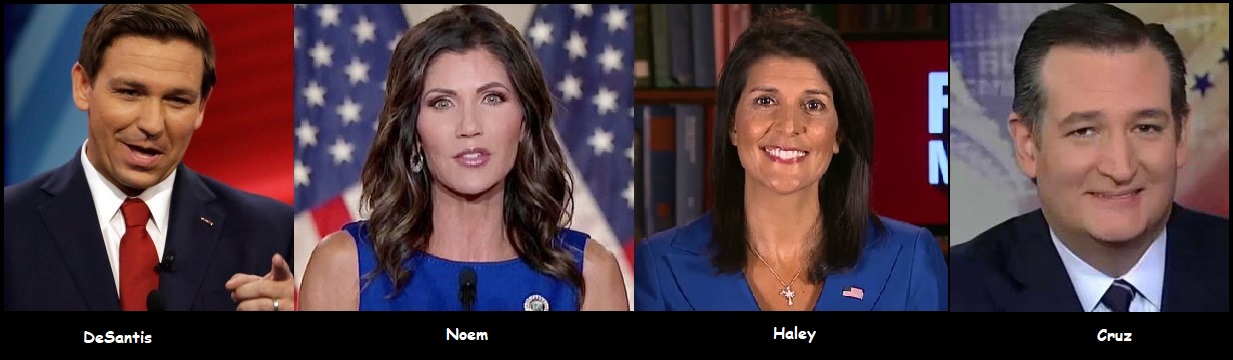
DeSantis = Closest to MAGA domestically, ergo most valuable to Wall Street for globalist economics.
Noem = MAGA-lite, with a twist of Koch. Club influencer. She’s in the race, guaranteed.
[ Watch out for the club to push a DeSantis/Noem ticket.]
Haley = Purebreed Decepticon. UniParty Establishment favorite. Endorsements from Bush and Cheney likely.
Cruz = Controlled opposition. Useful to draft Haley or Noem into the club lane in exchange for DOJ AG position.
WHAT TO WATCH FIRST – Pay attention to the club meeting this winter and the decision on how to line up and modify the 2024 primary election dates by state. AFTER the dates and sequence are established, then overlay the delegate changes to voter results from “winner take all” or allocated “proportionally.” These are club decisions with major ramifications. The RNC club is a private organization. They select the rules for the election.
Posted originally on the conservative tree house on August 7, 2022 | sundance
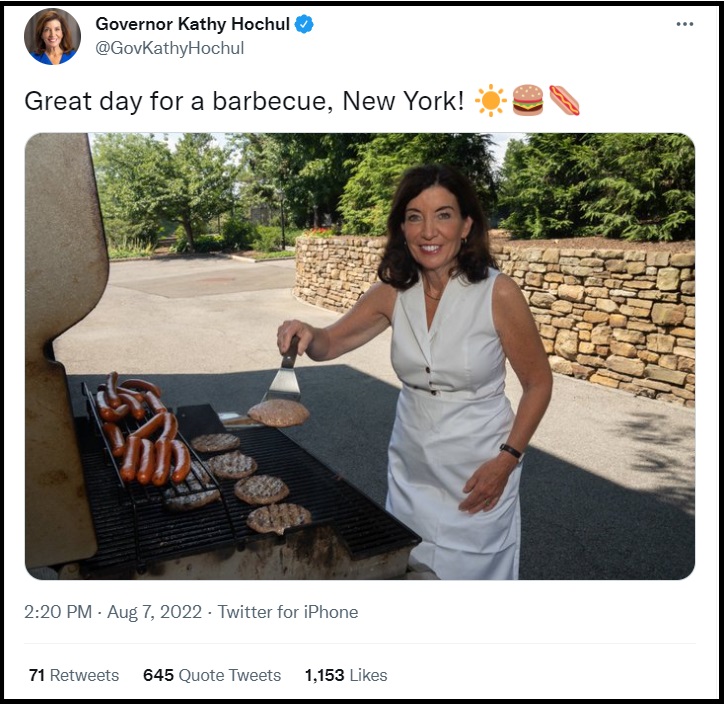
The glove has been thrown down, as New York Governor Kathy Hochul enters the national contest for political inauthenticity.
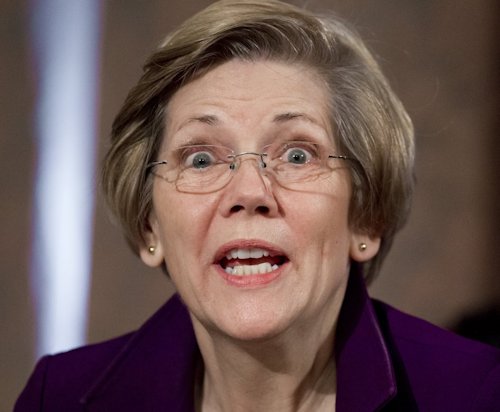
Prior to today, California Governor Gavin Newsom was the closest competitor within striking distance of Elizabeth Warren’s “I’m a git me a beer” moment. However, the assembly of advisors that guide team Hochul have now entered the contest with Hochul’s visual tweet earlier today:
Unfortunately, there are several progressive demerits which may keep Hochul from achieving maximum pander points. The biggest issue is beef, no longer an acceptable food product amid the left-wing judges. A tray of sustainable algae cakes would have been better. However, to be fair, there are rumors team Hochul was using ‘cricket burgers‘, which could offset the carbon demerits as presented by grilling.
Governor Hochul’s entry in the inauthenticity contest is certainly not the first one we will see this election year. However, she has proudly planted her flag.
Posted originally on the conservative tree house on August 7, 2022 | sundance
George Stephanopoulos has a new hero not named Obama. Skipping both the red and blue pills in favor of Xanax and whiskey, a visually verklempt Stephanopoulos uses Dick Cheney as the introduction to the 2022 midterm election victory map. The last 3 seconds of this clip are funny as heck.
Pay no attention to the 67% of Americans who say things are getting even worse, and instead let’s cheer Dick Cheney and baby killing, after all – they are weirdly connected in a way. Thus, George has figured the new DNC strategy. Brilliant.
Posted originally on the conservative tree house on August 7, 2022 | sundance
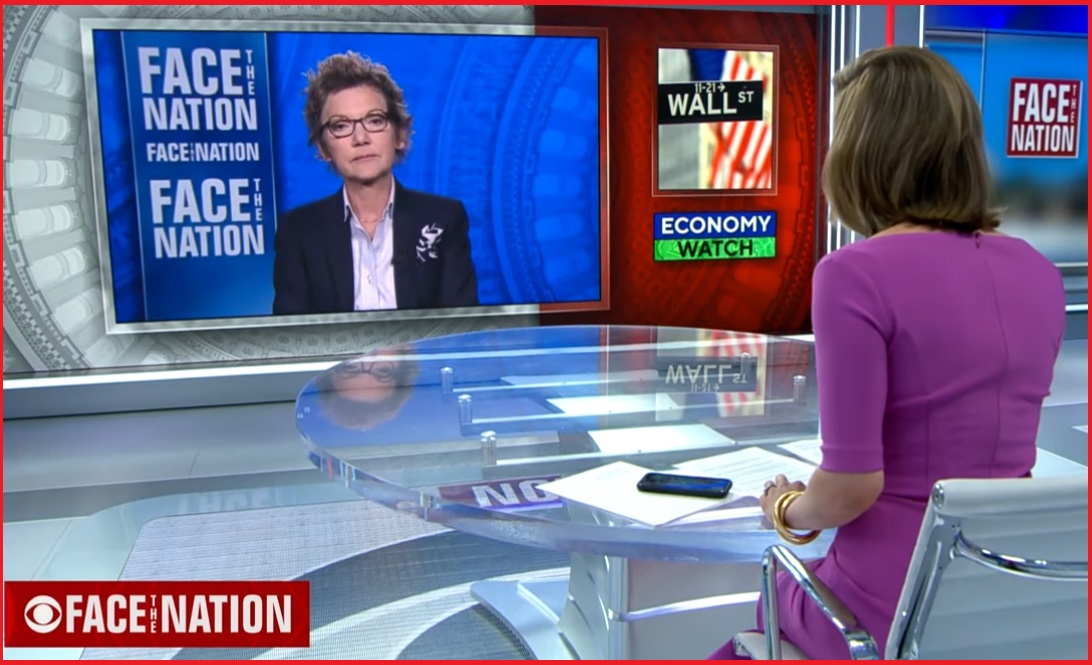
The great pretending continues. During a Sunday talk show appearance, San Francisco Fed Chair Mary Daley states, “what I see is supply and demand are just unbalanced. About 50% by my own staff’s estimates of the excess inflation we see is related to demand. The other 50% to supply.” Note, she is not talking about energy.
Margaret Brennan, maintaining her position as the professional CBS narrative engineer, never thinks to ask: (a) where is this demand you speak of, and what exactly are they demanding? and/or (b) What is this 50% inflation on the supply side connected to? Obviously, an actual probing of inflation wasn’t in the script. The great pretending continues. [Transcript Here]
CTH has stated without reservation that August’s inflation report will show a significant –albeit temporary– drop in inflation as measured by the govt. The drop in gasoline prices throughout July (created by a drop in demand) will allow the fiscal and monetary policy makers to falsely claim overall inflation peaked. However, after a brief respite the inflation now growing in the ground (massive increases in farm costs), will then launch into the food supply chain. This delayed food inflation will overtake the energy inflation in the latter part of this year. WATCH:
[Transcript] – MARGARET BRENNAN: We turn now to the state of the economy and the president of the San Francisco Federal Reserve Bank, Mary Daly. Good morning to you.
FEDERAL RESERVE BANK OF SAN FRANCISCO PRESIDENT MARY DALY: Good morning.
MARGARET BRENNAN: The San Francisco Fed said fiscal spending during the entirety of the pandemic, all the congressional funding contributed 3%- a 3% hike in inflation. Do you expect the congressional bill that’s about to pass to add to inflation as well?
DALY: Well, let’s remember that during the time that there was this fiscal relief during the pandemic, there was also monetary policy relief. And those were things necessary to get us through the pandemic. So that’s why that was such an important component in history, will be the judge, whether it was too much or too little. But right now, that’s where that was. And my staff have evaluated that. When I look forward, there are so many things going on in the economy right now, both domestically and globally. And we are struggling with high inflation. But the Fed is committed to bringing that down. And we’re looking at not only things that Congress passes, but also what happens across the entire world.
MARGARET BRENNAN: So do you think this bill will- will add to inflation? Has inflation peaked? Can you say that?
DALY: You know, I really can’t comment on pending legislation, and it’s really hard to tell because all the details haven’t been worked out yet and or the time frame in which those things will take place. So right now, I think the most important thing, Margaret, is that inflation is too high and the labor market is strong. The global economy is struggling with ongoing high inflation, and that’s what I’m focused on.
MARGARET BRENNAN: You are a labor economist. We had this surprisingly strong jobs number on Friday. Why was it so surprising? What was it that economists missed here? What was your takeaway?
DALY: You know, it’s super interesting. You know, it did surprise everyone who tries to figure out exactly what the number will be. And we were you know, a number of projections were well off. But, you know, frankly, if you’re out in the communities, if you’re you’re traveling anywhere, you’re you’re just going in your own community. I don’t think consumers are workers or businesses were that surprised. There’s help wanted signs all over the place. People are can find multiple jobs if they want them. Search times for jobs aren’t that long. So I think the labor market is continuing to deliver. It just tells me that people want to work and that people want to hire. But the universal truth is that inflation’s too high.
MARGARET BRENNAN: But does it still or does it indicate that recession is not where we are or where we’re going?
DALY: If you’re out in the economy, you don’t feel like you’re in a recession. That’s the bottom line. The most important risk out there is inflation. And I think the job market just confirms that.
MARGARET BRENNAN: Okay. We’re going to take a break and come right back with you. Mary Daly, stay with us. We have more questions.
*COMMERCIAL BREAK*
MARGARET BRENNAN: Welcome back to Face the Nation. We continue our conversation now with the head of the San Francisco Federal Reserve Bank, Mary Daly. In that jobs number on Friday, we also saw that wages rose, but they’re not rising as quickly as inflation is. How concerned are you that that shows inflation is really becoming embedded in the economy in a way that is really going to force sure your colleagues at the Fed to continue to have to hike rates.
DALY: You know, I don’t see inflation is embedded in the economy, the kinds of things that we would worry about just not being able to correct easily. What I see is supply and demand are just unbalanced. About 50% by my own staff’s estimates of the excess inflation we see is related to demand. The other 50% to supply. The Fed is really well positioned to bring demand down, and we already see the cooling forming in the housing market and investment. So I do see signs that the economy is cooling. It just is going to take some time for the interest rate adjustments we’ve made to work their way through. And we are far from done yet. That’s the the promise to the American people. We are far from done. We’re committed to bringing inflation down and we’ll continue to work until that job is fully done.
MARGARET BRENNAN: So it would still be appropriate to raise rates in September by half a percent?
DALY: Absolutely. And we need to be data dependent. It could. We need to leave our minds open. We have two more inflation reports coming out, another jobs report. We continue to collect all the information from the context we talk to you to see how this is working its way through the economy. But you mentioned, you know, wage growth a little bit above 5% inflation. Last print at 9.1%. Americans are losing ground every day. So the focus has to be on bringing inflation down.
MARGARET BRENNAN: One of the things the Fed can’t control is geopolitical risk. How concerned are you about what is happening in the Taiwan Strait right now?
DALY: Well, there’s so much going on globally, and I think that’s really something that we need to think about. It’s just getting through COVID, making sure the new variants don’t derail economic activity. We have central banks across the globe raising interest rates to try to bridle their own inflation. And we have ongoing developments that take place geopolitically or just more generally among countries and all of those things. The war in Ukraine, all of those things create headwinds, if you will, for the US economy and we’re going to have to lean against those headwinds for growth while we bridle inflation.
MARGARET BRENNAN: The Fed has its work cut out and I know we’ll be talking again. Thank you very much, Mary Daly. (LINK)
Geert Vanden Bossche, DVM, PhD General Manager at Voice for Science and Solidarity | The biggest challenge in vaccinology: Countering immune evasion posted originally on TS New on Aug. 1, 2022
Exposure of a highly C-19 vaccinated population to monkeypox virus (MPV) spilling over from an animal reservoir promotes asymptomatic human-to-human transmission in susceptible sexual minority communities (SMCs). MPV infection in SMCs could therefore evolve more infectious viral variants that spread to all parts of a highly C-19 vaccinated population and thereby prevent establishment of herd immunity
Increasing numbers of outbreaks of human monkeypox have been reported from across central and west Africa over the last 3-4 decades. Zoonotic infection with MPV in the current setting of limited smallpox vaccination and little orthopoxvirus immunity[1] in several parts of the world renders human populations more susceptible to contracting monkeypox disease. MPV has therefore been considered a well-suited candidate for a global epidemic.
As productive poxvirus infection is mostly symptomatic and viral transmission almost exclusively occurs through close contact with an infected animal or person or via virus-contaminated objects, such as bedding or clothing, it has been generally acknowledged that naturalepidemic outbreaks in humans can largely be contained through basic infection-prevention measures (including good hygiene practices). Unless the viral infection rate is high (e.g., in densely populated areas and poor [environmental] hygiene conditions), it is difficult to imagine how MPV could evolve to adapt to the human population, let alone how it could ignite a multi-country epidemic or even a pandemic in countries where MPV is not an endemic zoonosis. Pandemics typically occur with pathogens that cause so-called acute self-limiting infection, meaning that they have the potential to spread asymptomatically before inducing a type of natural immunity that prevents productive infection upon subsequent exposure and, therefore, generates herd immunity. Whereas until recently many still tended to believe that the threat of a globally spread MPV was a myth, cases are now being reported globally (at least in all highly C-19 vaccinated parts of the world) to the extent that WHO has now declared MPV a health emergency of international concern—all of this has happened within just a few months. This does not provide enough time for population-level innate immunity to become sufficiently trained to turn MPV infection, which is typically symptomatic (so-called ‘acute self-limiting viral disease’, ASLVD) into an infection that is predominantly asymptomatic (so-called ‘acute self-limiting viral infection’, ASLVI) and can therefore much more easily spread between people. On the other hand, adaptation of a virus to a new host population never implies natural selection of less infectious viral variants, on the contrary. If neither viral evolution nor immune training is responsible for shifting symptomatic into asymptomatic viral transmission (thereby allowing MPV to spread more efficiently from person-to-person and eventually become a pandemic), other non-evolutionary disease-mitigating influences must be considered. As spread of MPV is now particularly expanding in countries with high C-19 vaccine coverage rate and as ASLVD-enabling viruses that are predominantly transmitted through close contact do not spread rapidly, there must be a link between the type of population-level immunity in highly C-19 vaccinated populations and the rapid expansion in prevalence of MPV cases. It’s also important to note that—so far— MPV disease symptoms in these populations have been rather ‘mild’ and predominantly manifest in individuals from the gay and bisexual male community. This already suggests that sexual contact, especially when the latter is at risk of traumatizing the skin or mucosa (e.g., in case of anogenital intercourses), facilitates symptomatic MPV infection.
While I cannot unambiguously prove this, I strongly believe that the sudden emergence of a significant number of (mild) cases of MPV in highly C-19 vaccinated countries is not purely coincidental but related to enhanced activation of broadly reactive, MHC-unrestricted CD8+ T cells in vaccinees. I have previously reported on how a universal CTL (cytotoxic T lymphocyte) epitope can facilitate elimination of host cells infected with ASLVI- or ASLVD-enabling glycosylated viruses and thereby allow recovery from disease, however without inducing immunologic memory (https://www.voiceforscienceandsolidarity.org/scientific-blog/epidemiologic-ramifications-and-global-health-consequences-of-the-c-19-mass-vaccination-experiment). More specifically, MHC-unrestricted CD8+ T cells that now increasingly prevent C-19 disease in healthy vaccinees are the same as those required to abrogate productive infection with other glycosylated viruses that have evolved reduced susceptibility to our innate immune system[2], including poxviruses (https://www.frontiersin.org/articles/10.3389/fimmu.2021.740223/full).
Given the enhanced immune activation of pathogen-nonspecific CTLs[3] in C-19 vaccinees, MPV infection in C-19 vaccinees is likely to become abrogated at an early stage of productive infection, thereby dampening productive MPV infection and potentially causing asymptomatic/ mild infection in sexual minority communities (SMCs) of a highly C-19 vaccinated population. Consequently, MPV infection may even fail to induce MPV-neutralizing antibodies (Abs) in vulnerable[4], C-19-vaccinated individuals that are immunologically naïve to MPV (i.e., today persons younger than 45 to 55 years of age, depending on the country). However, it is reasonable to assume that asymptomatic MPV infection may elicit short-lived, low affinity anti-MPV Abs in these individuals (as has, for example, been reported in case of asymptomatic infection with SARS-CoV-2 (SC-2; https://www.medrxiv.org/content/10.1101/2020.06.22.20137141v2.full.pdf). As asymptomatic infections promote viral transmission within these minority communities, the infection rate of MPV in this vulnerable subpopulation is likely to grow over time. This rise in viral infection rate will subsequently increase the likelihood for previously asymptomatically infected persons from SMCs to become re-infected while titers of their short-lived, low-affinity anti-MPV antibodies are still relatively high. Binding of such low-affinity, non-neutralizing Abs to the virus is thought to enhance viral infectiousness and could thereby cause a disease outbreak in these communities. It is, therefore, reasonable to expect that the proportion of vulnerable individuals who develop virus-neutralizing Abs (i.e., upon their recovery from MPV disease[5]) in the C-19 vaccinated part of the population will increase over time. However, in vulnerable, non-C-19-vaccinated individuals, trained innate immune cells (i.e., NK cells) are likely to prevent MPV from breaking through this first line of immune defense and would therefore largely prevent priming of virus-neutralizing Abs. For the time being, symptomatic manifestations in highly C-19 vaccinated populations are predominantly mild and mostly occurring in SMCs. This suggests that even in cases of symptomatic infection, viral clearance via innate or adaptive cytolytic immune cells (in the case of non-C-19 vaccinated or C-19 vaccinated, respectively) is still effective enough to prevent more problematic symptomatology in most cases.
Rising virus-neutralizing Ab titers can only prevent monkey disease but not viral infection. Hence, re-exposure to MPV of C-19 vaccinated individuals who are in the process of seroconverting promotes natural selection of more infectious MPV immune escape variants while fostering asymptomatic transmission and thereby contributing to a further rise in viral infectious pressure. Due to the steadily growing infection rate in SMCs of highly C-19 vaccinated populations, the overall MPV-neutralizing Ab response in these communities is likely to exert suboptimal immune pressure on viral infectiousness and can therefore be expected to drive dominant circulation of naturally selected, more infectious MPV immune escape variants. Based on all the above, the enhanced infection rate mediated by asymptomatic transmission of MPV in SMCs of highly C-19 vaccinated populations is likely to increase the probability of adaptive evolution of MPV in these communities. It is, therefore, critical to monitor the selective landscape of MPV as unfolded in SMCs of highly C-19 vaccinated populations in order to verify whether the evolutionary trajectory is shifting towards promoting natural selection and expansion of immune escape variants that are more infectious (as is smallpox virus, for example).
Vaccination of vulnerable groups (SMCs) against MPV is likely to accelerate adaptive evolution of MPV in highly C-19 vaccinated populations and could thereby raise the incidence of (severe) MPV disease in vulnerable subsets of non-C-19-vaccinated individuals and ignite multi-country epidemics of MPV in non-C-19-vaccinated animal and human populations that are immunologically naïve to orthopoxvirus
Several countries are now about to start vaccination campaigns targeted at people who are at risk of contracting monkeypox disease using live attenuated, replication-incompetent smallpox vaccine. Both, individuals from SMCs engaging in high-risk sexual behaviors for MPV infection and close contacts of monkeypox cases (including very young children, pregnant women, elderly or immunocompromised individuals) are eligible for MPV vaccination (https://www.ecdc.europa.eu/sites/default/files/documents/Monkeypox-multi-country-outbreak.pdf). Live attenuated, replication-incompetent orthopox (e.g., smallpox) vaccines prime virus-neutralizing Abs in the vast majority of both vaccinated and non-vaccinated individuals (i.e., individuals < 50y). However, unlike live attenuated replication-competent orthopox vaccines[6], they do not train cell-based innate immunity. There can be no doubt that vaccination in the context of more infectious circulating MPV variants will further promote natural selection and dominant propagation of even more infectious immune escape variants and thereby allow MPV to evolve into a human pathogen exhibiting an even higher level of infectiousness (comparable to smallpox?). This situation is reminiscent of that which has been responsible for driving adaptative evolution of more infectious SC-2 (SARS-CoV-2) variants following C-19 mass vaccination campaigns. The evolutionary dynamics of MPV will only be expedited when vaccine coverage rates grow; they could eventually modify the current mode[7] and course of chain of MPV transmission such as to asymptomatically spread to all parts of a homogenously mixed, highly C-19 vaccinated population. This would increase the risk for C-19 unvaccinated subjects to contract MPV disease, especially for those who are particularly vulnerable to MPV disease because of Ab-mediated enhancement of viral infectiousness or enhanced susceptibility to MPV infection due to risky (sexual) behavior (see further below). Because of asymptomatic transmission, highly C-19 vaccinated populations would serve as a human reservoir of more infectious MPV immune escape variants.
Spill-over of more infectious MPV variants to populations that are immunologically naïve to orthopoxvirus is likely to trigger epidemics of MPV in poorly C-19 vaccinated countries
It is reasonable to assume that populations which do not ‘benefit’ from hyperactivation of cytotoxic CD8+ T cells will become more susceptible to productive infection with new, more infectious MPV variants (https://www.voiceforscienceandsolidarity.org/scientific-blog/epidemiologic-ramifications-and-global-health-consequences-of-the-c-19-mass-vaccination-experiment). This applies, for example, to several different animal populations as well as to human populations in poorly C-19 vaccinated countries (e.g., in Africa). Asymptomatic infections in highly vaccinated C-19 countries are likely to promote spill-over events involving transmission of more infectious MPV variants from these highly C-19 vaccinated human reservoirs to vertebrate animals (possibly even including livestock) and poorly C-19 vaccinated human populations that are immunologically naïve to orthopoxvirus. Asymptomatic transmission of more infectious MPV variants can also become problematic for the C-19 unvaccinated in highly C-19 vaccinated countries, particularly for C-19 unvaccinated children and vulnerable people (e.g., part of SMCs) who are immunologically naïve to orthopoxvirus.
In young children, rapid re-infection subsequent to previous asymptomatic MPV infection by more infectious MPV variants is likely to entail a rise in cases of Ab-dependent enhancement of MP disease[8] whereas risky sexual behavior renders individuals from SMCs more susceptible to viral infection. One can therefore expect the incidence rate of monkeypox disease to increase in both, non-C19-vaccinated children and SMC members.
Previous vaccination with smallpox (i.e., cowpox) vaccines will likely improve protection from MPV disease in the non-C-19-vaccinated but not in the C-19 vaccinated.
While recall of Abs induced by vaccination against smallpox virus in the past will provide an additional layer of natural immunity in the unvaccinated, repetitive recall of Spike (S)-specific infection-enhancing Abs[9] in C-19 vaccinated individuals by circulating SC-2 variants will allow the latter to outcompete other glycosylated pathogens for internalization into mucosa-resident dendritic cells, thereby reducing or potentially even preventing recall of previously smallpox vaccine-induced Abs. This would imply that older (> 45-50y) C-19 unvaccinated individuals are likely to benefit from their smallpox-vaccination in the past whereas their C-19 vaccinated peers may not. However, as already mentioned, the infection can be expected to be largely asymptomatic/ mild in the vast majority[10] of vaccinated and unvaccinated individuals in highly C-19 vaccinated populations, even in the absence of previous smallpox vaccination.
No child should be vaccinated against monkeypox during this C-19 pandemic
But even replication-competent smallpox vaccines can put the child’s health at risk. Akin to all other live attenuated & replication-competent vaccines (e.g., childhood vaccines), these vaccines are known to come with a risk of side-effects:
“Health complications can occur after receiving the vaccine, and the risk of experiencing serious side effects must be weighed against the risk of experiencing a potentially fatal smallpox infection. The vaccine may cause myocarditis and pericarditis, which are inflammation and swelling of the heart and surrounding tissues and can be very serious. Based on clinical studies, myocarditis and/or pericarditis occur in 1 in 175 adults who get the vaccine for the first time” (https://www.fda.gov/vaccines-blood-biologics/vaccines/acam2000-smallpox-vaccine-questions-and-answers).
Stated bluntly, vaccination of young children against MPV is at risk of provoking life-threatening disease.
Overall conclusion
The vast majority of C-19 vaccinees and C-19 unvaccinated individuals in highly C-19 vaccinated populations develop asymptomatic (or very mild) infection upon exposure to MPV. However, close and disruptive physical contact may promote viral entry through broken skin/ mucosa and is therefore more likely to cause symptomatic infection. Whereas strong training of cell-based innate immunity is likely to prevent productive infection of C-19 unvaccinated persons in highly C-19 vaccinated populations and contributes to herd immunity, hyperactivated cytolytic CD8+ T cells in C-19 vaccinated individuals can only enhance abrogation of productive infection, resulting in substantial mitigation of disease symptoms.
Due to the current advanced stage of the evolutionary trajectory of the C-19 pandemic in highly C-19 vaccinated SMCs, MPV is likely to evolve more infectious/ pathogenic variants. Public health authorities in several highly C-19 vaccinated countries have now started rolling out MPV vaccination campaigns targeted at SMCs. MPV vaccination in the ‘at risk’ groups typically use live attenuated, non-replicating smallpox vaccines. Although these vaccines are much less problematic in terms of vaccine-induced side effects (they have even been approved for use in immunocompromised or immunodeficient people), they can only prevent orthopox (including smallpox) disease—not productive infection. As the type of protection conferred by these vaccines is solely based on the induction of antigen-specific, virus-neutralizing Abs, MPV vaccination programs using this type of vaccines will inevitably expedite adaptive evolution of MPV and hence, further promote dominant circulation of more infectious immune escape variants. Consequently, even small-scale deployment of live attenuated, non-replicating orthopox vaccines targeted at preventing disease in vulnerable individuals are highly problematic in that they have the potential to rapidly turn highly C-19 vaccinated populations into a human reservoir for asymptomatic transmission of more infectious MPV variants to poorly C-19 vaccinated populations that are immunologically naïve to orthopoxvirus. Viral transmission from these reservoirs is therefore at risk of igniting multi-country epidemics in poorly C-19 vaccinated countries while increasing the risk of Ab-dependent enhancement of disease in young C-19 unvaccinated children and individuals at high risk of exposure to MPV (due to risky behavior) living in highly C-19 vaccinated countries.
Given the current epidemiologic situation, mandatory vaccination against monkeypox cannot be justified, regardless of C-19 vaccination status. In C-19 vaccinated populations, current vaccination campaigns will only promote further expansion of more infectious MPV variants. But even in non-C19-vaccinated countries, vaccination is not a reasonable option. This is because poxvirus epidemics do not generate herd immunity sensu stricto[12] and prevention, therefore, of world-wide poxvirus epidemics is only possible when the virus can be eradicated. However, eradication is only feasible provided there are no asymptomatic reservoirs and a global mass vaccination program is conducted with vaccines that are capable of preventing productive infection. The first condition is obviously not fulfilled since highly vaccinated countries now serve as asymptomatic reservoirs for MPV. The second condition cannot be fulfilled either since this would require usage of replication-competent vaccines, ideally in a pre-exposure prophylactic setting (or at least within a few days after suspected exposure). However, even replication-competent smallpox vaccines would not enable protection from productive infection by more infectious MPV immune escape variants for the latter will not be a good match for the vaccinal Abs and could, therefore, expedite propagation of more infectious variants in non-C-19 vaccinated populations too. Furthermore, side-effects caused by the existing replication-competent smallpox vaccines may raise additional concerns in regard of vaccine safety.
In conclusion, no C-19 unvaccinated person should engage in sexual behavior that is at risk of enhancing MPV infectiousness (e.g., anogenital intercourses) or be vaccinated with zoonotic orthopoxvirus types once human-to-human transmission of antigenically shifted (i.e., more infectious) MPV variants is occurring!
The current MPV pandemic is to be considered an indirect consequence of the unfortunate C-19 mass vaccination program and does not yet constitute a public health emergency of international concern. However, each vaccination program that uses non-replicating vaccines targeted at immunologically naïve ‘at risk’ communities to fight ASLVI-enabling glycosylated viruses[13] will expedite the expansion in prevalence of more infectious immune escape viral variants. This is why the MPV vaccination campaigns that are currently kicked off are not only likely to have a detrimental impact on individual health (particularly in C-19 unvaccinated children and vulnerable people) but should also be considered at risk of provoking a true public health emergency of international concern.
However, as far as highly C-19 vaccinated countries are concerned, the evolution of MPV towards establishing an asymptomatic reservoir of more infectious MPV variants is merely a ‘side-effect’ of the ongoing evolutionary trajectory of SC-2 in these countries. I therefore predict that the imminent detrimental health consequences of the C-19 mass vaccination program will soon obviate the need for further speculation on how the MPV pandemic/ multi-country epidemic is going to evolve in industrialized countries and, therefore, in third-world countries.
POSTSCRIPTUM
Vaccination of vulnerable groups against zoonotic influenza virus (MPV) in a highly C-19 vaccinated population will drive adaptive evolution of zoonotic influenza virus and ignite multi-country epidemics in C-19 unvaccinated countries
The immunological mechanisms underlying asymptomatic transmission of MPV from highly C-19 vaccinated populations to immunologically orthopoxvirus-naïve, C-19 unvaccinated individuals or poorly C-19 unvaccinated populations also largely apply to a zoonotic influenza virus. This is to say that vaccination (with a non-replicating zoonotic flu vaccine) of a C-19 vaccinated subpopulation that is at high risk of contracting zoonotic influenza infection is prone to further promoting the expansion of zoonotic flu virus and causing (severe) influenza disease in vulnerable people from the C-19 unvaccinated part of the population.
Which individuals are to be considered vulnerable to zoonotic influenza virus?
Whereas orthopoxviruses originating from various animal species induce cross-neutralizing Abs, influenza viruses from animal species do not induce broadly cross-neutralizing Abs. Individuals who received smallpox (i.e., cowpox-based) vaccines in the past are therefore not prone to developing Ab-dependent enhancement of viral infectiousness upon subsequent exposure to MPV. However, asymptomatic human-to-human transmission of an antigenically shifted influenza variant spilling over from an animal reservoir (e.g., birds) may become particularly problematic in individuals who have previously recovered from productive infection with a common seasonal influenza virus type or who have previously been vaccinated against predominantly circulating influenza virus types (i.e., primarily the elderly and people with co-morbidities are who are otherwise immune suppressed). Zoonotic infection of these individuals with an antigenically shifted viral variant (most likely avian influenza) will likely lead to more and more cases of Ab-dependent enhancement of influenza disease[14] in humans. However, severe disease is unlikely to occur due to trained cell-based innate immunity (in C-19 unvaccinated persons) or cell-based adaptive immunity (in C-19 vaccinated persons). Should public health authorities recommend vaccination of this vulnerable group against the zoonotic influenza virus (most like, avian influenza virus), we will undoubtedly witness circulation of more infectious variants in highly vaccinated populations, resulting in enhanced rates of disease predominantly in C-19 unvaccinated children (because of a higher chance of re-infection shortly after previous exposure) and individuals who have previously been primed with common (seasonal) influenza virus types.
Similar to the epidemic predictions made for MPV, asymptomatic transmission of zoonotic influenza (most likely avian influenza) from highly C-19 vaccinated populations will likely give rise to multi-country epidemics of zoonotic influenza in poorly C-19 vaccinated populations that are immunologically naïve to the transmitted zoonotic influenza virus.
Similar also to the risks associated with MPV vaccination of young children, immunization of young children with any type of zoonotic influenza vaccine is at risk of causing (severe) zoonotic influenza disease (i.e., in the case of replication-competent vaccines) or immunopathologies (i.e., in the case of replication-incompetent vaccines).
In conclusion, no C-19 unvaccinated person should be vaccinated with common (seasonal) or zoonotic influenza virus types once human-to-human transmission of antigenically shifted (i.e., more infectious) influenza variants is occurring!
References
1. Populations aged < 50y have not been vaccinated in the past against smallpox. The smallpox vaccine uses live attenuated, replication-competent cowpox (vaccinia) virus and largely protects against monkeypox disease.
2 Infections with these viruses typically cause acute self-limiting viral disease
4 For the purpose of this manuscript, ‘vulnerable’ refers to individuals from sexual minority communities (SMCs), wherein SMCs refer to gay and bisexual male communities engaging in high-risk sexual behaviors for MPV infection (e.g., anogenital intercourses)
5 Disease in vulnerable, C-19 vaccinated individuals occurs when the virus breaks through the cytolytic immune defense provided by the hyperactivated CTLs
6 Regardless of safety concerns about potential side-effects, live attenuated, replication-competent orthopox vaccines will not be effective when used in highly C-19 vaccinated populations. This is because elimination of MPV- infected cells by cytotoxic innate or adaptive immune cells (i.e., trained innate NK cells or CTLs in the non-C19- vaccinated or C-19 vaccinated, respectively) will largely prevent ‘vaccine take’.
7 Enhanced intrinsic infectiousness could even enable airborne transmission (e.g., via particle/ droplet aerosol) as in the case of smallpox
8 Re-infection with MPV in the presence of non-neutralizing, low-affinity anti-MPV Abs enhances viral infectiousness and, therefore, disease in young, C-19 unvaccinated children
10 The additional protective effect of past vaccination with smallpox vaccines might predominantly benefit the elderly (> 65 y) and vulnerable people.
12 Herd immunity sensu stricto relates to a level of naturally induced, protective immunity that has been established in the majority of the population and is high enough to protect the remainder of that population by virtue of diminished infectious transmission.
13 Although monkey pox is an ASLVD, it can be considered an ASLVI when spreading in a highly C-19 vaccinated population at this stage of the C-19 pandemic (i.e., due to hyperactivation of cytolytic CD8+ T-cells)
14 This is because the antigenically shifted immune escape variant from the animal reservoir will not properly match the vaccine-induced Abs.
I have created this site to help people have fun in the kitchen. I write about enjoying life both in and out of my kitchen. Life is short! Make the most of it and enjoy!
This is a library of News Events not reported by the Main Stream Media documenting & connecting the dots on How the Obama Marxist Liberal agenda is destroying America








 Centinel2012