Posted originally on Rumble By Bannons War Room on: Jan 22, 2025 at 11:00 pm EST
Posted originally on Rumble By Bannons War Room on: Jan 22, 2025 at 11:00 pm EST


Democracy has no place in the European Union. Brussels has complete control and each nation must present a puppet leader who adheres to the EU agenda. We saw it in Romania as they simply dismissed the election results. Now, Germany is considering a ban on one of the most influential parties that is growing in popularity.
The Alternative for Germany (AfD) has grown in recent years. Recent polls suggest that the AfD is the second most supported party in all of Germany. There is a correlation with AfD’s growing support and number of undocumented migrants infiltrating the German welfare state and causing crime to skyrocket. AfD has vowed to restore Germany for the people of Germany and implement mass deportation campaigns. The group does not want to adhere to the EU’s open border policy.
The party acknowledges the economic challenges facing the nation, like the ongoing housing and energy crises, and does not want their tax funds spent on climate change or war. In fact, the group is entirely skeptical of Germany’s place in the European Union. The party has repeatedly questioned Germany’s place in the alliance. Brussels cannot afford to lose its top economy.
Therefore, the establishment is considering an outright ban on the AfD party and 124 of 733 members of Bundestag support the application. Article 21 of the German constitution forbids political parties that “seek to undermine or abolish the free democratic basic order or to endanger the existence of the Federal Republic of Germany shall be unconstitutional.”
Article 21

[Political parties]

(1) Political parties shall participate in the formation of the political will of the people. They may be freely established. Their internal organisation must conform to democratic principles. They must publicly account for their assets and for the sources and use of their funds.

(2) Parties that, by reason of their aims or the behaviour of their adherents, seek to undermine or abolish the free democratic basic order or to endanger the existence of the Federal Republic of Germany shall be unconstitutional.

(3) Parties that, by reason of their aims or the behaviour of their adherents, are oriented towards an undermining or abolition of the free democratic basic order or an endangerment of the existence of the Federal Republic of Germany shall be excluded from state financing. If such exclusion is determined, any favourable fiscal treatment of these parties and of payments made to those parties shall cease.

(4) The Federal Constitutional Court shall rule on the question of unconstitutionality within the meaning of paragraph (2) of this Article and on exclusion from state financing within the meaning of paragraph (3).

(5) Details shall be regulated by federal laws.
So despite nearly 20% of the country supporting this political party, the establishment believes they need to dissolve. Critics consistently make the claim that the party is the next Third Reich and will produce the next Hitler.
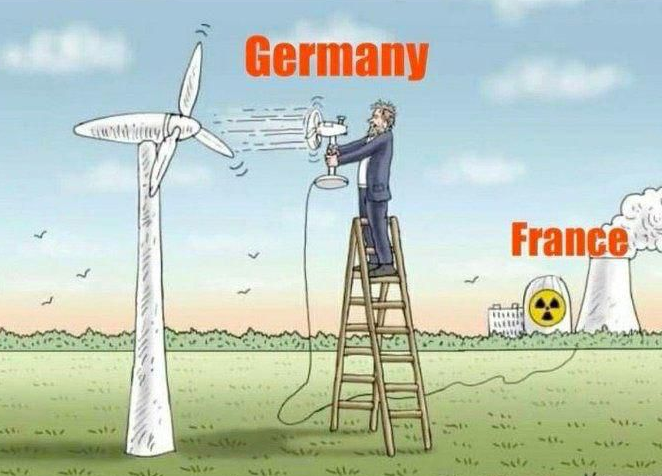

AfD co-head Alice Weidel has recently come under fire for mentioning Hitler in an interview with Elon Musk published on X. “[The National Socialists] nationalized the entire industry. … The biggest success after that terrible era in our history was to label Adolf Hitler as right and conservative. He was exactly the opposite. He wasn’t a conservative. … He was a communist, socialist guy. “I don’t deviate from this either: Adolf Hitler was a leftist,” she further added. Hitler was a crazed totalitarian dictator who came to power after Germany was left in shambles in the wake of World War I. He was neither a socialist nor a communist. Regardless, absolutely no one is attempting to revive the party of Nazis. The current path Germany is on will leave their economy in a destitute state once again as they are heading into a recession that will pull down all of Europe.
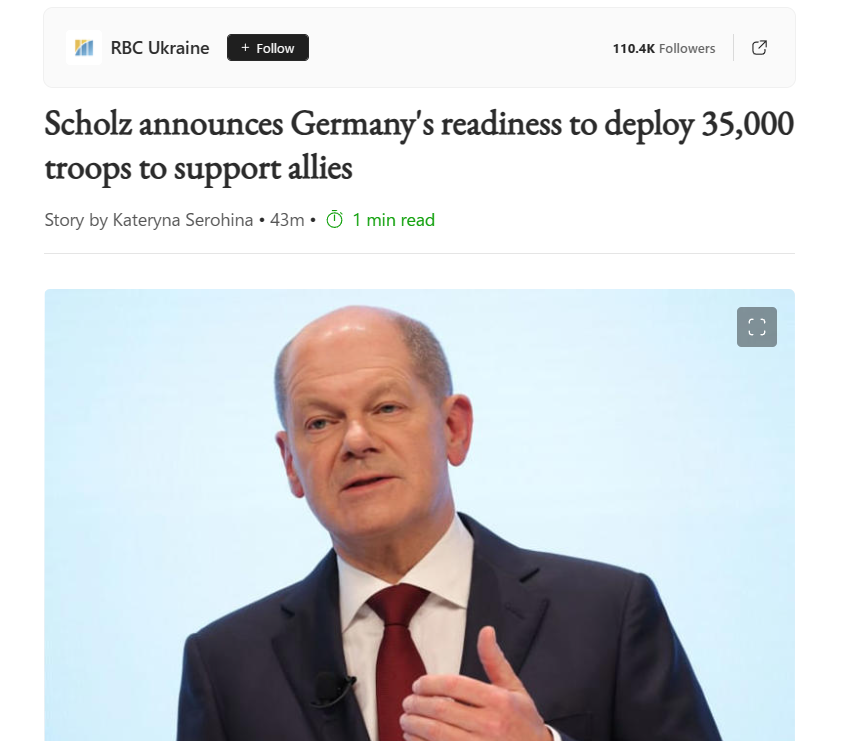
The people of Germany would like to abandon the initiatives set by Brussels that have contributed to the cost of living crisis. Olaf Scholz has fallen out of favor and left Germany with a massive hole in its budget. He is doing everything in his power to assist the neocons in creating the next world war that is certain to lead to inflation and worse conditions for the people. The establishment can ban a political party but it cannot ban ideologies. People will STILL continue to support anti-progressive policies and they’ll simply need to ban the entire democratic process of voting if they want to eliminate dissent.

FORMER President Joe Biden spent his first day eliminating America’s energy independence, while current President Donald Trump did the precise opposite. Donald Trump immediately declared a national energy emergency, stating a “precariously inadequate and intermittent energy supply, and an increasingly unreliable grid” threatens national security.
America is finally leaving the Paris Climate Agreement by executive order. Nothing has hurt the energy sector more than the climate change agenda. America was burdened by the globalist demand to eradicate fossil fuels and achieve net-zero greenhouse emissions by 2050. The sheer amount of money that has gone into this effort is astounding. Climate zealots want those in adherence to pay $5 TRILLION annually. The World Bank, the leader in climate finance, controls 52% of the total flow from all multilateral banks combined. Yet, they cannot account for $41 billion in funding, and no one can say where the money went.
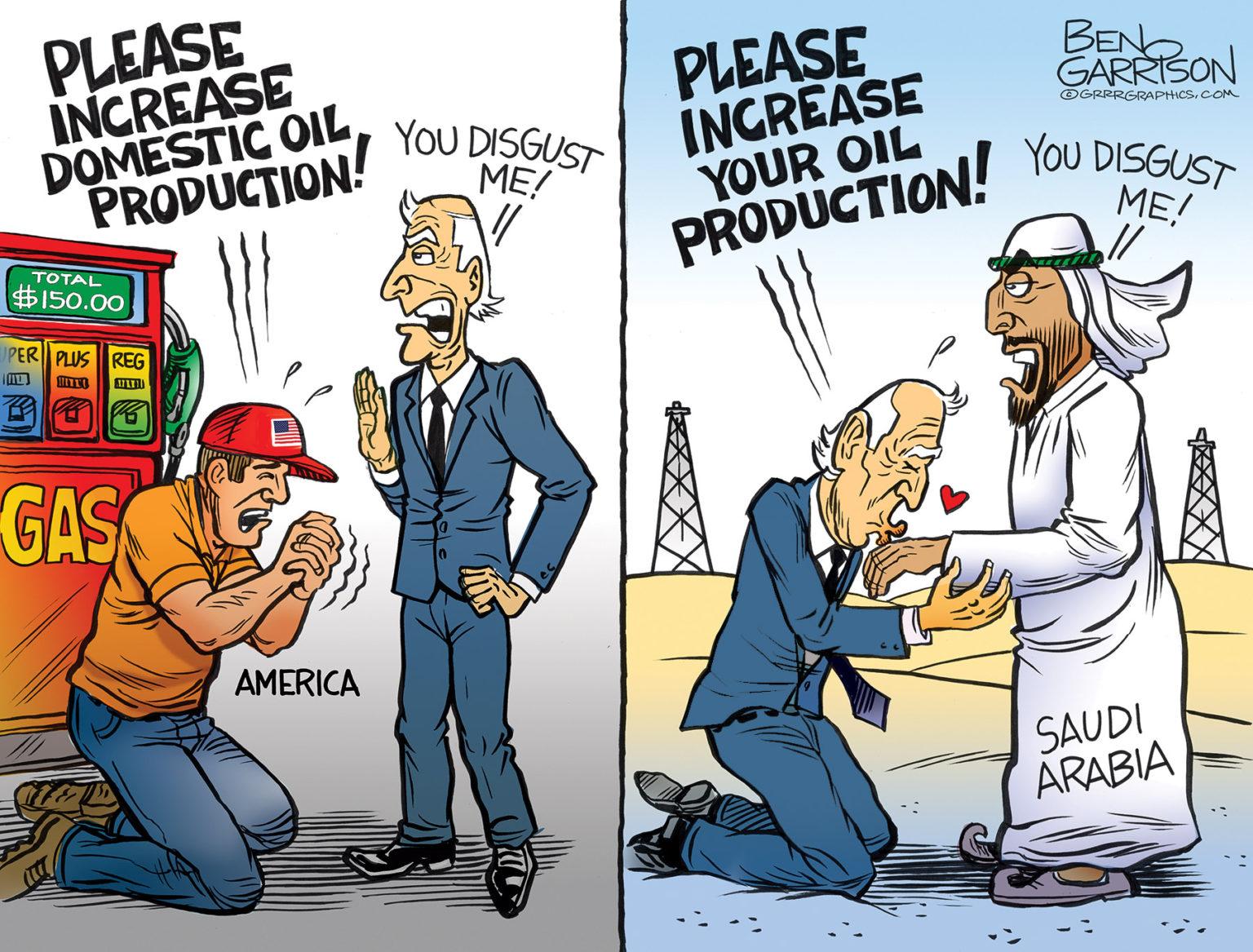
Domestically, the Inflation Reduction Act was America’s largest spending package in history. Biden, Yellen, and others all admitted that the core premise of the failed act was to combat climate change, but instead, they created a more inflationary environment, and nature remains unchanged. Climate change is not unlike the pandemic. It is merely a way to give unelected officials control over numerous nations, as the former WHO director explains in the video above.

The push for electric vehicles has been a massive failure and the auto industry has experienced a massive downturn. Trump reversed Biden’s plan for half of new cars on the road to be EVs. The grid does not need to be electric. The infrastructure does not exist and it is wasteful to focus on something so irrelevant when America is drowning in debt.
We heard the somewhat comical “drill baby, drill” comments from Trump throughout his campaign. Trump reversed Biden’s ban on gas and oil drilling projects that he implemented at the eleventh hour of his presidency. New drilling permits will be issued, especially in Alaska, where there are plans to expedite those permits. Permits for wind energy have been temporarily suspended.
The energy crisis was easier to create than it will be to repair. Removing the blocks the Paris Climate Change Agreement created is a massive step in the right direction. Perhaps the Keystone XL project could be a bargaining tool in the future as Trump has certainly started off on the wrong foot with Canada. It is largely expected that these measures will be met with pushback and litigation from the left. The good news is that America can be an energy-independent nation again.

President Trump fulfilled another campaign promise by canceling former President Biden’s executive order on artificial intelligence, removing federal regulations on the emerging technology. Separately, the President Trump announced a major new private AI infrastructure investment pledge backers say will create as many as 100,000 American jobs.
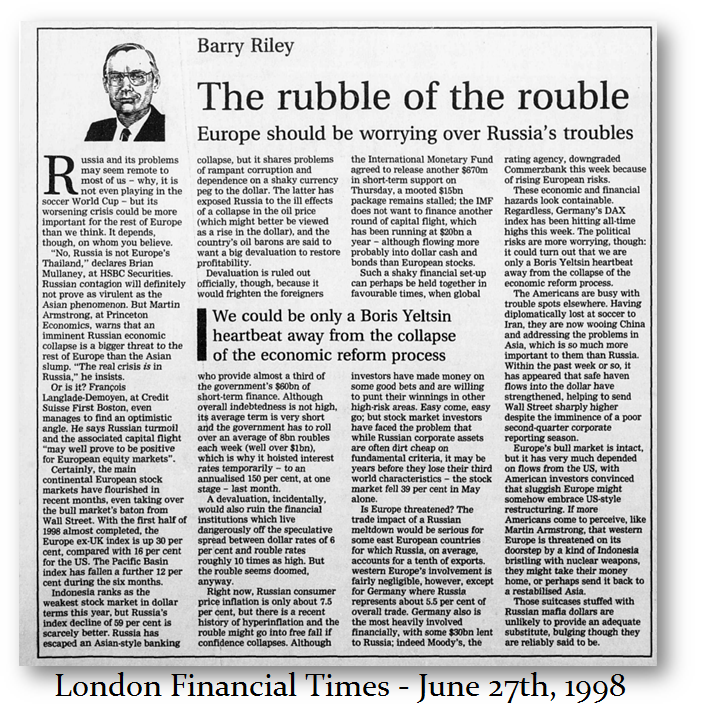
I did not want to start bashing Biden for that AI Executive Order. But it was clear that they could have seized once again my code that they wanted so desperately to control, and from their view it was being twisted around as national security that they did not want anyone to have access. This was all after the computer correctly forecasted not just the collapse of Russia in 1998 with the whole Long-Term Capital Management debacle, but it had targeted Ukraine as the place World War III would begin. This is also why I opened Socrates to the entire world, no longer just institutions.
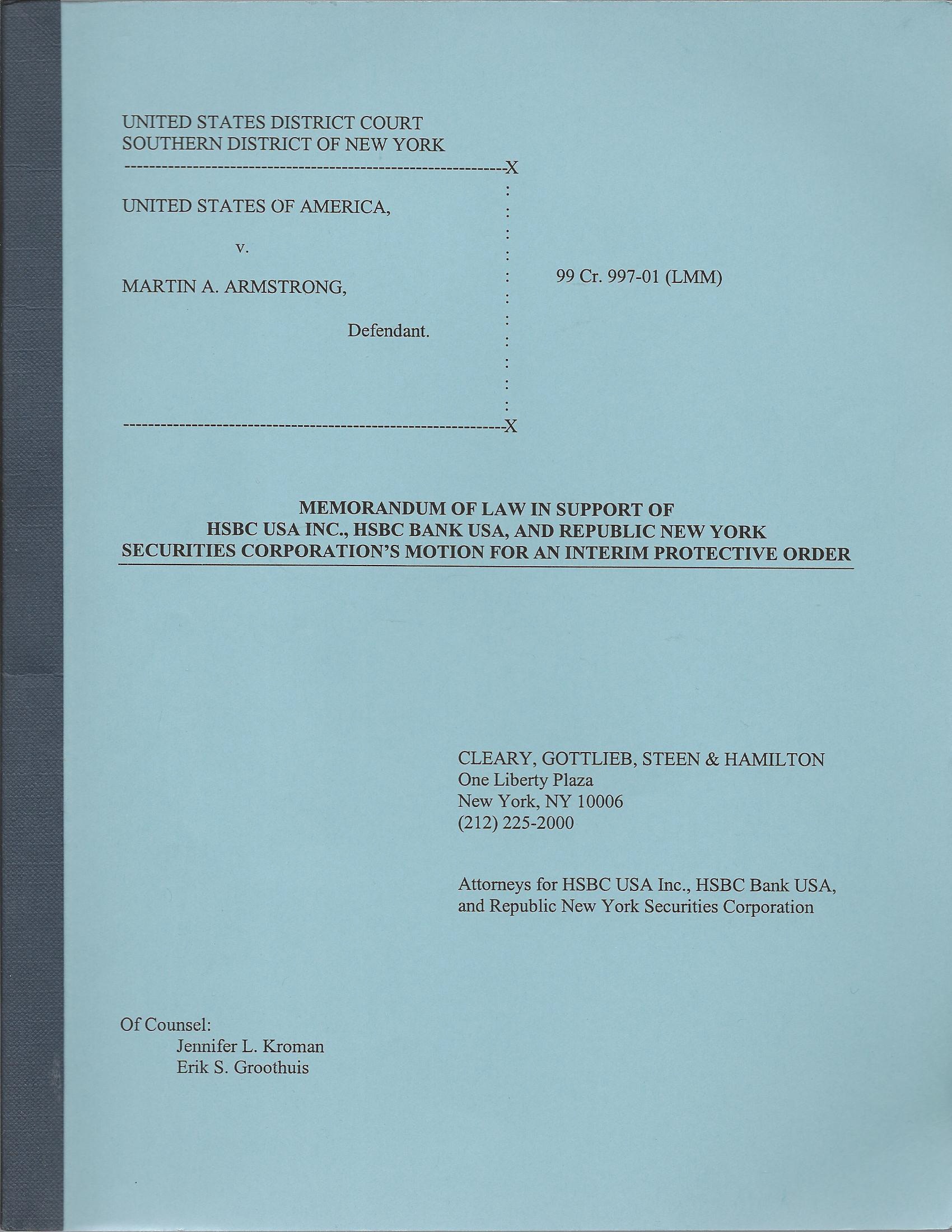
As most know, they put a gag order on me to prevent me from helping my clients against HSBC, which, in the end, they had to plead guilty, no fines, no penalties, just return the money that was stolen from my clients.

In the upcoming movie, the Forecaster 2025, there will be a scene where I believe the bankers had me thrown in the hole to stop my communications with the Congressional House Financial Services Committee even from prison. Because I have high-level expertise in banking, economics, politics, and foreign exchange, when the banks blew themselves up every time and went to Congress begging for a bailout, I was the one who typically would get called in because I was on the opposite side of the market manipulators. A member of the Financial Service Committee wrote to the BOP asking who put me in the hole that cut off all communications. They panicked in the face of a Congressional inquiry; everyone was throwing the warden under the bus, as they say. All to stop me from actually helping the country in times of crisis.
Walter Jones- Martin ArmStrong- BOP letters
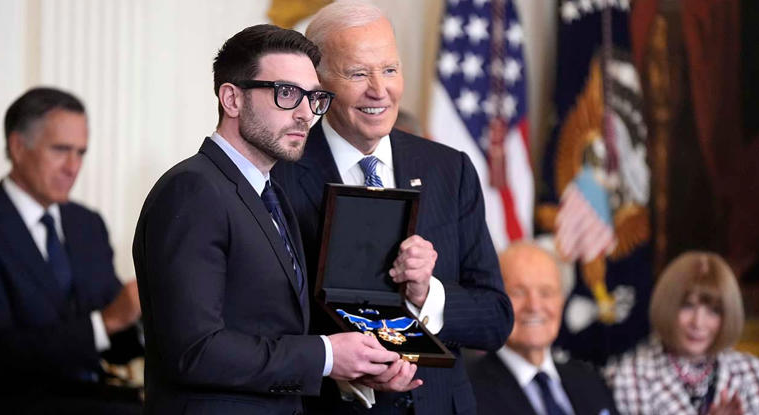
The Land of the Free and Home of the Brave was not all it was cracked up to be. The Deep State is very, very, very evil. It can often be bought for the highest bid, just like any billionaire on Trump’s side Biden calls an oligarch, but people who fund his side and the Deep State, like George Soros, are philanthropists supporting the LEFT deserving the highest honors. There was nothing honorable about Biden, and he will be remembered as probably the most corrupt president in American history.

We handed these T-shirts out at one of our previous WEC events. The options were not very pretty. Even resigning my citizenship to save my work opened the door for them to claim it would be worth XYZ over the next 10 years and would demand taxes on anticipated revenue just to leave. It reminded me of one of my favorite songs, Hotel California – you can check out and time you like, but you can never leave. That’s why people are saying I should take in a partner like Elon Musk to save Socrates. Interesting solution.

People have asked why we focus so much sunlight and attention toward the network silos that operate the Intelligence Community (IC) and as an outcome the national security focus of government. The answer is simple, as Mary McCord herself admitted publicly, the IC are the background approver for every weaponized approach of government, including the DOJ.
With that in mind, CTH has painstakingly made the case –with details and receipts– for a process of removing the IC silos from influence over the Office of The President. The Chief Executive must control all elements of national security policy and implementation.
Thankfully, the Supreme Court recently affirmed the plenary power of the executive branch, and the unitary power of the President in controlling every system within that branch of government.
That ruling (presidential immunity) further bolstered the solution we have continuously proposed. The IC silos must be decoupled from the Executive office definitions of national security, until such a time as the IC institutions can be bought to heel.
The most effective way to confront a rogue, hostile and corrupt IC apparatus is to take away their power. The best way to remove their power is to use their primary weapon, their silo structure, against them.
Turn each silo into an irrelevant echo-chamber by using the White House National Security Council as their replacement. Regardless of what triggers the various IC silo embeds try to pull (CIA, NSA, FBI, DIA, etc.) let them shoot blanks by removing their power over policy and process.
If the IC is isolated from influence, eventually the Legislative Branch, specifically the Senate Select Committee on Intelligence and the House Permanent Select Committee on Intelligence, will realize the ‘Seven Ways from Sunday’ group no longer hold power. The IC becomes a crew stomping their feet while no one pays attention.
This approach would be affected by restructuring the President’s National Security Council (NSC), the National Security Advisor (NSA Mike Waltz) and working with the Office of the Director of National Intelligence (DNI Tulsi Gabbard), in a synergistic process. The IC become simply information functionaries. The Nat Sec Council then validates and defines the information, creates the definitions of national security interest, and initiates the guidance to President Trump, who ultimately triggers any action.
Until yesterday there were only a few subtle signs that this ‘silo isolation’ approach was being accepted as the most effective optimal solution to the problem within the intelligence apparatus. However, yesterday President Trump signed an Executive Order [SEE HERE] doing exactly the type of restructuring that is needed.
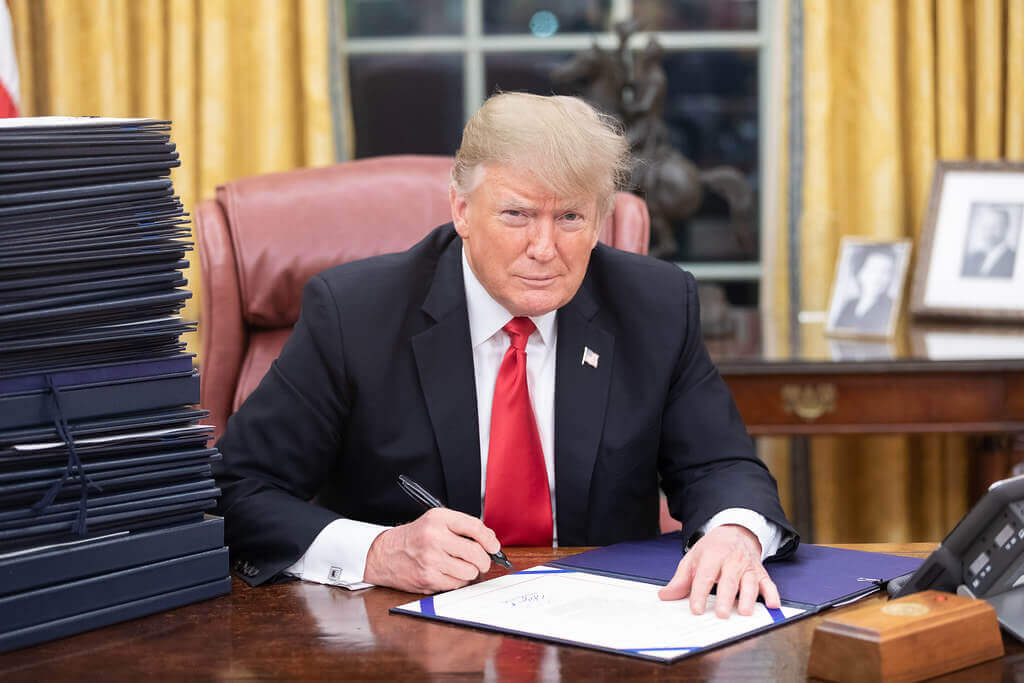
The XO is technical and deep in the weeds, but this is the process that has the greatest likelihood of success.
SUBJECT: Organization of the National Security Council and Subcommittees
By the authority vested in me as President by the Constitution and the laws of the United States of America, I hereby direct the following:
As President, my highest priority and responsibility is to ensure the safety and security of the United States and its people. The national and homeland security threats facing the United States are complex and rapidly evolving. These issues often do not fit neatly into the categories that single departments and agencies are designed to optimally address, a fact recognized and exploited by our strategic competitors and adversaries in their adoption of whole-of-government and even whole-of-society approaches.
The United States Government’s decision-making structures and processes to address national security challenges must therefore be equally adaptive and comprehensive. They must be able to competently design and execute cooperative and integrated interagency solutions to address these problems, and protect and advance the national interests of the United States. Therefore, to advise and assist me in this endeavor, I hereby direct that my system for national security policy development, decision-making, implementation, and monitoring shall be organized as set forth in this Memorandum. This Memorandum prevails over any prior orders, directives, memoranda, or other Presidential guidance related to the organization of the National Security Council (NSC or Council).
A. The National Security Council and Supporting Staff
1. Functions, Responsibilities, and Chairs.
(a) Functions and Responsibilities. The National Security Act of 1947, as amended (the Act), established the NSC to advise the President with respect to the integration of domestic, foreign, and military policies relating to national security. The Homeland Security Council (HSC) has the distinct purpose of advising the President on matters pertaining to homeland security. The NSC shall convene as the HSC on topic areas agreed to in advance by the Assistant to the President for National Security Affairs (National Security Advisor) and the Assistant to the President for Homeland Security (Homeland Security Advisor). Along with its subordinate committees and staff, the NSC shall be the President’s principal means for coordinating Executive departments and agencies in the development and implementation of national and homeland security policies, strategies, activities, and functions, their integration across departments and agencies within their purview, and for long-term strategic planning.
(b) Chairs. The President will chair the NSC. When the President is absent from a meeting of the Council, he may appoint a Cabinet-level official to chair.
2. NSC Staffing Responsibilities of the National Security Advisor.
(a) Role of the National Security Advisor. The National Security Advisor shall be responsible, as appropriate and at the President’s direction, for determining the agenda for the NSC, ensuring that the necessary papers are prepared, and recording and communicating Council actions and Presidential decisions in a timely manner.
(b) Role of the Homeland Security Advisor. When convened as the HSC, the duties referenced in subsection (2)(a) shall be the responsibility of the Homeland Security Advisor.
3. Designating NSC Members, Attendees, and Invitees.
(a) Membership. The NSC membership consists of the statutory members set forth in section 101(c)(1) of the Act (50 U.S.C. 3021(c)(1)):
The President;
The Vice President;
The Secretary of State;
The Secretary of the Treasury;
The Secretary of Defense;
The Secretary of Energy;
The Director of the Office of Pandemic Preparedness and Response Policy;
and additional members hereby designated by the President pursuant to section 101(c)(1) of the Act:
The Attorney General;
The Secretary of the Interior;
Chief of Staff to the President (White House Chief of Staff); and
The National Security Advisor.
When the NSC convenes as the HSC, members shall also include:
The Secretary of Homeland Security; and
13) The Homeland Security Advisor.
(b) NSC Meeting Attendees. The National Security Advisor retains the discretion to determine the attendee list for all meetings of the NSC, including by requesting the attendance of any senior official of the Executive Branch. The Homeland Security Advisor retains this same discretion when the NSC convenes as the HSC. This discretion shall be exercised based on the policy relevance of attendees to the issues being considered, the need for secrecy on sensitive matters, staffing requirements, and other considerations.
As regular practice, the National Security Advisor and Homeland Security Advisor shall include as additional non-voting attendees:
The Director of National Intelligence (non-voting advisor);
The Assistant to the President and Principal Deputy National Security Advisor (non-voting advisor and principal notetaker) or, when convening as the HSC, the Deputy Homeland Security Advisor (non-voting advisor and principal notetaker);
The Chairman of the Joint Chiefs of Staff (non-voting advisor); and
The Director of the Central Intelligence Agency (non-voting advisor).
(c) NSC Regular Invitees. Unless specifically restricted, these officials are invited to attend any NSC and HSC meeting as non-voting advisors:
The Assistant to the President and Counsel to the President;
The Assistant to the President and Deputy Chief of Staff for Policy;
The Assistant to the President for Policy; and
The Deputy Counsel to the President for National Security Affairs and Legal Counsel to the National Security Advisor.
4. Right to Propose Agenda Items.
Any NSC member attending a meeting in a voting capacity may propose, in advance and in accordance with a timeline set by the National Security Advisor or his designee, agenda items for their consideration.[1] The National Security Advisor will determine whether to include these items on the agenda. The Homeland Security Advisor shall have this same discretion when the Council is convened as the HSC.
5. The National Security Council Staff.
(a) Staff Fusion. There is a single NSC staff within the Executive Office of the President (EOP) that serves both the NSC on national security matters and the HSC when the Council is considering homeland security matters. The staff is headed by a single Executive Secretary, in accordance with section 101(e)(1) of the National Security Act of 1947 (50 U.S.C. 3021(e)(1)) and section 905 of the Homeland Security Act of 2002 (6 U.S.C. 495).
(b) Purpose. The purposes of the National Security Advisor and subordinate staff are to
(i) advise and assist the President in the course of conducting activities that relate to or affect the carrying out of the President’s constitutional, statutory, or other official or ceremonial duties pertaining to national or homeland security, pursuant to the Presidential Records Act of 1978, as amended;[2]
(ii) advise and assist the other members of the NSC (and the NSC when convening as the HSC), and others in the White House;
(iii) help the President plan and set priorities, in accordance with section II of the Message of the President in the Reorganization Plan No. 1 of 1977;
(iv) advise and make recommendations to the President with respect to, and establish, integrated domestic, foreign, and military policies and procedures for the departments, agencies, and functions of the Government relating to national and homeland security, pursuant to sections 2 and 101(b)(1) of the Act (50 U.S.C. 3002, 3021(b)(1));
(v) coordinate, facilitate, monitor, oversee, and review Administration policies and their implementation with respect to national security, and make resulting recommendations to the President;
(vi) help the President resolve major conflicts among departments and agencies with regard to national security, in accordance with section II of the Message of the President in the Reorganization Plan No. 1 of 1977.
(c) Fair, Balanced, and Thorough Processes. In accordance with sections I and II of the Message of the President in the Reorganization Plan No. 1 of 1977, the NSC staff shall ensure that the processes it organizes, coordinates, and manages fairly and thoroughly gather the facts, intelligence, and other relevant information necessary to NSC decisions; fully analyze the issues; consider a full range of views and options; assess the prospects, risks, costs, and implications of each option; and distill these options for the President, other NSC principals, and senior officials participating in the subsidiary committees of the NSC or HSC, in a fair, balanced, and organized way. The National Security Advisor and subordinate NSC staff shall represent the views and differences of NSC principals and other senior officials to the President with accuracy and fidelity.
(d) Policy Development. In accordance with sections I and II of the Message of the President in the Reorganization Plan No. 1 of 1977,[8] the NSC staff shall facilitate the development and refinement of interagency policy options, and develop additional options besides those proposed by departments and agencies as necessary, both to complement, supplement, and enhance their work, and to offer the President and other NSC principals and other senior officials a sufficiently broad menu of operationally feasible options for consideration, deliberation, and decision.
B. The Principals Committee
1. Principals Committee Establishment.
(a) (i) Functions and Responsibilities. The Principals Committee (PC) shall continue to serve as the Cabinet-level senior interagency forum for considering policy issues that affect the national security interests of the United States. The PC shall develop options and recommendations for the President on national security and homeland security matters requiring the President’s attention, and with the Committee’s full consensus shall set priorities, issue policy guidance, and facilitate coordination and integration on national security policy and implementation issues as appropriate that do not require Presidential attention.[9] Issues involving matters that are statutorily authorized for decision by a principal, or delegated to a principal by the President, can be coordinated and decided by the principals without requiring Presidential attention.
(ii) Voting and NSC Referral. Consensus is reached when all voting (i.e., non-advisory) attendees present either vote affirmatively for the same decisional option or formally abstain, and all such votes shall be recorded and minuted. Issues for which the Committee fails to reach consensus shall be referred to the NSC for decision, with a formal nonconcurrence required by at least one non-advisory attendee present for such a referral. Whether an issue requires Presidential attention, and the Committee attendees’ positions on the issue itself, shall be separately polled. If a voting attendee does not concur with the determination that Presidential consideration is not required, the issue shall be referred, along with the results of the PC’s deliberation on the issue itself and its recommendations, to deliberation by the NSC.
(b) Role of the National Security Advisor. The PC shall be convened and chaired by the National Security Advisor. The Chair shall determine the agenda, location, and meeting materials, in consultation with the appropriate attendees.
(c) Substitute Chairs. At his sole discretion, the National Security Advisor may delegate authority to convene and chair or co-chair the PC to an appropriate attendee of the NSC or EOP policy council senior official. The Homeland Security Advisor, who is Chair when the PC considers matters that would be raised to the NSC convening as the HSC, may similarly delegate such duties.
(d) Right to Propose Agenda Items. Any PC member attending in a voting capacity may propose, in advance and in accordance with a timeline set by the Chair, agenda items for consideration by the PC. The Chair will determine which, if any, shall be included.
2. Executive Secretary Responsibilities and Process.
(a) Responsibilities. The Executive Secretary shall ensure that the necessary papers are prepared, serve as executive secretary of the PC, and shall record and communicate accurately, and in a timely manner, the Committee’s conclusions and decisions, what was not decided, and any responsibilities for implementation by departments and agencies or taskings to the Deputies Committee or subsidiary policy coordination committees that have been agreed or assigned, if appropriate.[10] The Executive Secretary shall generally be assisted in these tasks by the senior directors and other NSC staff by the senior directors and other NSC staff.
(b) Dispute Resolution Process. If a PC voting attendee disputes that the conclusions or decisions of the PC were correctly minuted, this must be communicated in writing to the Executive Secretary and the National Security Advisor (and any substitute Chair if appropriate) within three business days, although those officials may allow additional time if exigent or extenuating circumstances require it. If resolution of the dispute cannot be achieved, and any necessary amended report of the PC proceedings was issued within a week of the dispute being communicated, the disputing attendee may appeal the matter to the White House Chief of Staff or, should that official so designate, to the White House Deputy Chief of Staff for Policy, whose decision shall be final.
3. Principals Committee Attendees and Invitees.
(a) Principals Committee Attendees.
(i) The National Security Advisor retains the discretion to determine the attendee list for all PC meetings on national security. The Homeland Security Advisor retains this same discretion when chairing the PC. This discretion shall be exercised based on the policy relevance of attendees to the issues being considered, the need for secrecy on sensitive matters, staffing needs, and other considerations. As regular practice, the National Security Advisor and Homeland Security Advisor shall include as additional non-voting attendees:
1) The Director of National Intelligence;
2) The Chairman of the Joint Chiefs of Staff;
3) The Director of the Central Intelligence Agency;
4) The Principal Deputy National Security Advisor;
5) the National Security Advisor to the Vice President; and
6) The Executive Secretary (principal notetaker).
(ii) PC Regular Invitees. Unless specifically restricted, these officials are invited to attend any PC meeting as non-voting advisors:
The Assistant to the President and Counselor to the President;
The Assistant to the President and Deputy Chief of Staff for Policy;
The Assistant to the President for Policy; and
The Deputy Counsel to the President for National Security Affairs and Legal Counsel to the National Security Advisor.
(iii) Staffing Invitees. At the discretion of the Chair, staff members of the NSC or other appropriate EOP policy councils may be invited to attend specific PC meetings to assist the Executive Secretary in the performance of their executive secretary duties.
C. The Deputies Committee
1. Deputies Committee Establishment.
(a) Functions and Responsibilities. The Deputies Committee (DC) shall continue to serve as the senior sub-Cabinet interagency forum for consideration of and, where appropriate, decision making on, policy issues that affect the national security interests of the United States. The DC shall review and monitor the work of the interagency national security process, including the interagency groups established pursuant to section D below. The DC shall work to ensure that issues brought before the NSC, the NSC when convening as the HSC, and the PC have been properly analyzed and prepared for decision. The DC shall also focus significant attention on monitoring the implementation of these policies and decisions and shall conduct periodic reviews of the Administration’s major national security and foreign policy initiatives.
(b) Role of the Principal Deputy National Security Advisor. The DC shall be convened and chaired by the Principal Deputy National Security Advisor. The Chair shall determine the location, agenda, and meeting materials in consultation with the DC attendees.
(c) Substitute Chairs. At his sole discretion, the Principal Deputy National Security Advisor may delegate authority to convene and chair or co-chair the DC to an appropriate regular attendee of the DC or other appropriate EOP official. The Deputy Assistant to the President for Homeland Security (Deputy Homeland Security Advisor) shall chair meetings when considering issues that would be raised when the NSC is convened as the HSC. The Deputy Homeland Security Advisor has similar delegatory authority.
(d) Right to Propose Agenda Items. Any DC member attending in a voting capacity may propose, in advance and in accordance with a timeline set by the Chair, agenda items for consideration by the DC. The Chair will determine which, if any, shall be included.
2. Executive Secretary Responsibilities and Process.
(a) General. The Executive Secretary shall ensure that the necessary papers are prepared, and shall record and communicate accurately, and in a timely manner, the Committee’s conclusions and decisions, what was not decided, and any responsibilities for implementation by departments and agencies or taskings to subsidiary policy coordination committees that have been agreed or assigned, if appropriate. The Executive Secretary shall generally be assisted in this task by the senior directors and other NSC staff.
(b) Dispute Resolution Process. If a DC voting attendee disputes that the conclusions or decisions of the DC were correctly minuted, this must be communicated in writing to the Executive Secretary and the Principal Deputy National Security Advisor or the Deputy Homeland Security Advisor, as relevant, within three business days, although those officials may allow additional time if exigent or extenuating circumstances require it. If resolution of the dispute cannot be achieved, and any necessary amended report of the PC proceedings issued within a week of the dispute being communicated, the disputing attendee may appeal the matter to the White House Chief of Staff, or should that official so designate, the White House Deputy Chief of Staff for Policy, whose decision shall be final.
3. Designating Deputies Committee Regular Attendees and Invitees.
(a) Deputies Committee Attendees. The Principal Deputy National Security Advisor retains the discretion to determine the attendee list for all DC meetings.
The Deputy Homeland Security Advisor retains this same discretion when chairing DC meetings. This discretion shall be exercised based on the policy relevance of attendees to the issues being considered, the need for secrecy on sensitive matters, staffing needs, and other considerations.
As regular practice, the Principal Deputy National Security Advisor shall include as DC attendees:
The Deputy Secretary of State;
The Deputy Secretary of the Treasury;
The Deputy Secretary of Defense;
The Deputy Attorney General;
The Deputy Secretary of Energy;
The Deputy Director of National Intelligence (non-voting advisor);
The Vice Chairman of the Joint Chiefs of Staff (non-voting advisor);
The Deputy Director of the Central Intelligence Agency (non-voting advisor);
The Executive Secretary of the NSC (non-voting advisor and principal notetaker); and
The National Security Advisor to the Vice President.
When homeland security issues are on the DC agenda, the DC’s regular attendees will also include:
11) The Deputy Secretary of Homeland Security; and
12) The Deputy Homeland Security Advisor (chair).
(b) DC Regular Invitees. These officials are invited to attend any DC meeting:
The Deputy Director of the Office of Management and Budget; and
The Deputy Assistant to the President and Senior Policy Strategist.
D. Policy Coordination Committees
Management of the development and implementation of national security policies by multiple Executive departments and agencies typically shall be accomplished by Policy Coordination Committees (PCCs), with participation primarily occurring at the Assistant Secretary level. As the main day-to-day fora for interagency coordination and integration of national security policies, PCCs shall develop and provide policy options and analyses for consideration by higher echelon committees of the national security system. PCCs shall ensure timely responses to, and implementation and monitoring of, decisions, directives, objectives, instructions, inquiries, tasking, and policy guidance of and by the President, National Security Advisor, and the higher-echelon committees of the national security system.
PCCs shall be established at the direction of the National Security Advisor or Homeland Security Advisor, in consultation with the White House Chief of Staff or her designee. Members of the NSC staff will chair the PCCs.
PCCs shall review, coordinate, integrate, and monitor the implementation of Presidential decisions in their respective national security and homeland security policy areas. The Chair of each PCC, in consultation with the Executive Secretary, shall invite representatives of departments and agencies to attend meetings of the PCC where appropriate. The Chair of each PCC, with the agreement of the Executive Secretary, may establish subordinate working groups to assist that PCC in the performance of its duties.
Interagency Policy Committees (IPCs) chartered under the aegis of the process established by National Security Memorandum-2 (NSM–2) may continue to be operated as PCCs by the NSC staff until renewed or discontinued by the National Security Advisor.
E. General
(a) The President and the Vice President may attend any meeting of any entity established by or under this directive.
(b) This document is part of a series of National Security Policy Memoranda, which have replaced both National Security Memoranda and National Security Study Memoranda as the instrument for communicating relevant Presidential decisions. This directive shall supersede all other existing Presidential directives and guidance on the organization or support of the NSC and the HSC where they conflict, including National Security Memorandum–2 of February 4, 2021 (Memorandum on Renewing the National Security Council System), which is hereby revoked. This document shall be interpreted in concert with any Presidential directives governing other policy councils and offices in the EOP mentioned herein, and with any Presidential directives signed hereafter that implement this document or those Presidential directives.
[SOURCE]
This process hinges upon the execution of National Security Advisor Mike Waltz.
We will watch closely.

Not since Ted Cruz’s GOP nomination speech in 2016 had a political figure self-emolliated with such tone-deaf stupidity as Vivek Ramaswamy when he blamed American culture for the justification for why we need to import H1B tech workers. It’s been all downhill for him from that apex.
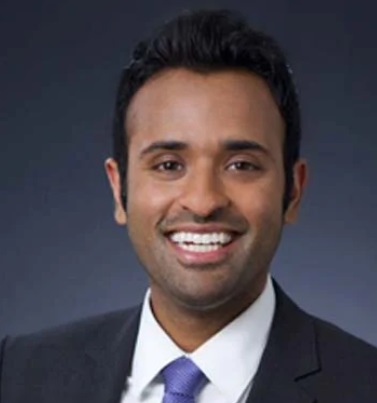
On the day before President Trump’s inauguration, Ramaswamy announced he would be departing from the Dept of Govt Efficiency which he was tasked to lead with Elon Musk.
Normally, at this point we would say farewell and then forget about the guy. However, there are now numerous reports Ramaswamy intends to run for Ohio governor. That would be a hot mess.
If Ramaswamy would win the GOP primary, which is debatable, he would be setting up Ohio for a democrat candidate to win in the general election. The reality of things as they stand now is that a large percentage of the GOP base will not support Ramaswamy given his controversial remarks in support of H1B visas.
Vivek can continue trying to clean up his commentary, but he ends up in no better position than Ted Cruz and his “vote your values” nonsense at the convention. There are certain times in a political career where success or failure is defined in a moment. Ramaswamy, created a hot mess all around him for everyone with his H1B statements and protestations.
Elon Musk was quick to notice the toxic nature of the pro=H1B position and has been walking backwards ever since. According to Politico, it was Elon Musk who wanted Ramaswamy to exit due to the public mess and distraction he created. [LINK] Whether that is true or not, we don’t know. However, it does seem possible.
WASHINGTON – […] On Monday, shortly after Trump’s inauguration, Ramaswamy wrote on X, formerly Twitter: “It was my honor to help support the creation of DOGE. I’m confident that Elon & team will succeed in streamlining government.”
Amid reports that the business owner may launch a gubernatorial campaign in Ohio, political commentators have linked his departure from DOGE to his potential plans to run for office. In his statement on Monday, Ramaswamy said, “I’ll have more to say very soon about my future plans in Ohio.”
Ramaswamy made the statement in response to a post by Taylor Popielarz, in which the Spectrum News national political reporter said, citing a source familiar with the matter, that Ramaswamy left “because he is announcing his run for governor of Ohio early next week and it became clear he couldn’t campaign and lead DOGE at the same time.”
The source who spoke to Popielarz added that Ramaswamy’s relationship with Musk was still good and that “Vivek will be cheering on DOGE.” (read more)
Many people know Sean Curran from the photograph in Butler Pennsylvania as he covered President Trump during the assassination attempt.
I’m not sure what experience Curran has in large organization leadership; however, in keeping with a very Trumpian theme where the people closest to the work are moved into positions of strongest influence, this appointment makes sense.

“It is my great honor to appoint Sean Curran as the next Director of the United States Secret Service. Sean is a Great Patriot, who has protected my family over the past few years, and that is why I trust him to lead the Brave Men and Women of the United States Secret Service.
Sean has 23 years of Law Enforcement experience, starting his career in Secret Service in 2001, as a Special Agent in the Newark Field Office, where he conducted protection, intelligence, investigations, recruitment, and logistics support for the district. During my First Term, Sean served as the Assistant Special Agent in Charge of the Presidential Protective Division, with direct oversight and responsibility of multiple protectees, and enhanced security plans for my residences.
Sean has distinguished himself as a brilliant leader, who is capable of directing and leading operational security plans for some of the most complex Special Security Events in the History of our Country, and the World. He proved his fearless courage when he risked his own life to help save mine from an assassin’s bullet in Butler, Pennsylvania. I have complete and total confidence in Sean to make the United States Secret Service stronger than ever before.
Thank you Sean, and Congratulations!”
A president deserves a protective detail he trusts.
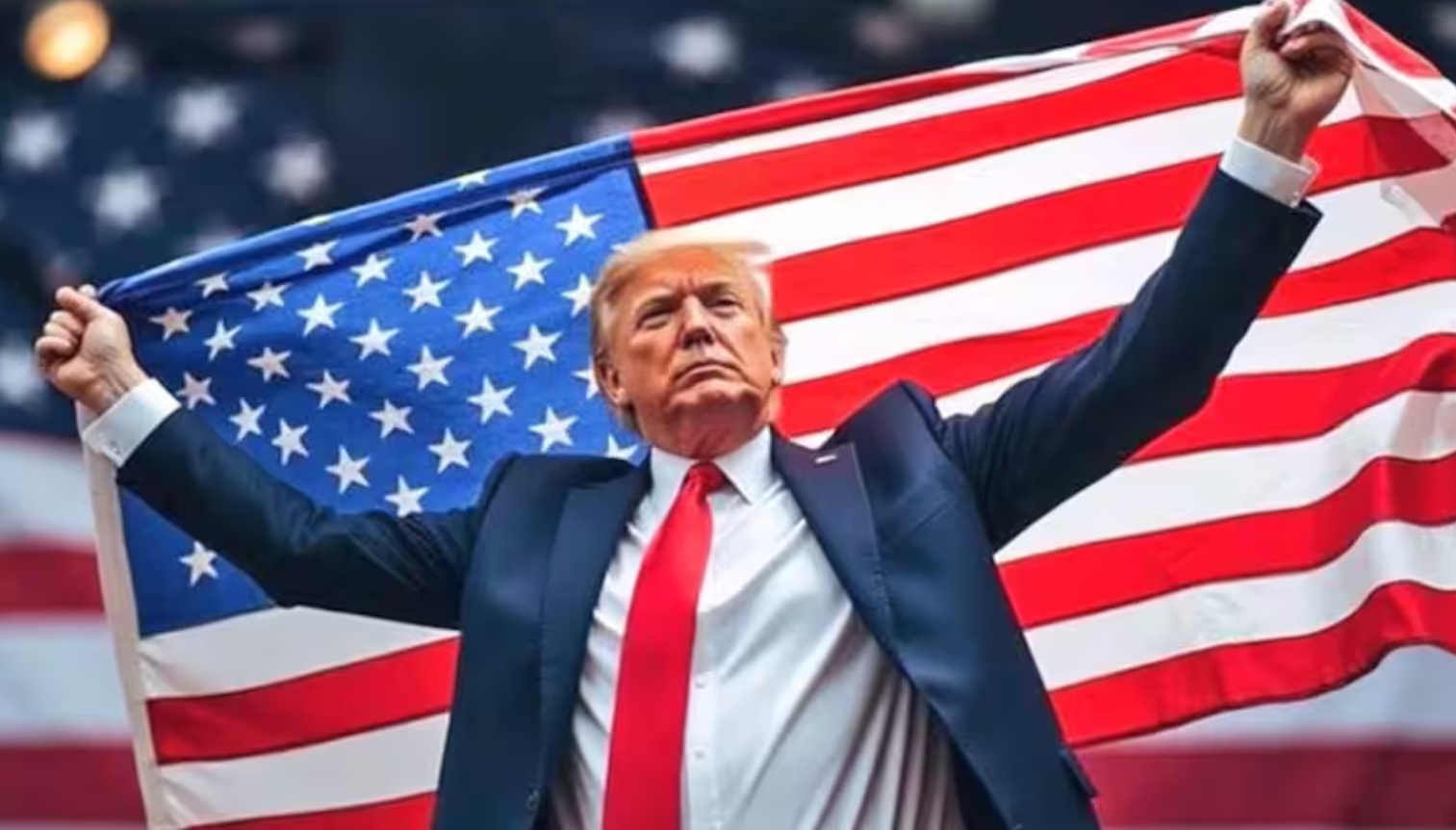
President Trump has delivered an incredible first 2 days as he immediately begins putting the America-First policy into place. Fox News Sean Hannity arrives at the White House to interview President Trump. WATCH:
.
Segment Two below:
.
I have created this site to help people have fun in the kitchen. I write about enjoying life both in and out of my kitchen. Life is short! Make the most of it and enjoy!
De Oppresso Liber
A group of Americans united by our commitment to Freedom, Constitutional Governance, and Civic Duty.
Share the truth at whatever cost.
De Oppresso Liber
Uncensored updates on world events, economics, the environment and medicine
De Oppresso Liber
This is a library of News Events not reported by the Main Stream Media documenting & connecting the dots on How the Obama Marxist Liberal agenda is destroying America
Australia's Front Line | Since 2011
See what War is like and how it affects our Warriors
Nwo News, End Time, Deep State, World News, No Fake News
De Oppresso Liber
Politics | Talk | Opinion - Contact Info: stellasplace@wowway.com
Exposition and Encouragement
The Physician Wellness Movement and Illegitimate Authority: The Need for Revolt and Reconstruction
Real Estate Lending
 Centinel2012