The Senate voted 67-31 to end debate on a reform bill to modify the Dodd Frank banking bill. While overall the approach is needed and will likely find White House support, the Senate Bill -as constructed- doesn’t do enough to modify the control held by massive multinational financial institutions, who hold lobbying power over congress. Unfortunately, the corruptocrat leadership in the Senate will not allow the house to modify the bill as needed.
 The current reform bill sets the tiered definition for lowered regulation at $250 billion in assets and there are some domestic banking beneficiaries. However, it doesn’t break up the investment division from influence over the commercial banking. The argument against breaking up the system is that if divisional separation is required – the banks best interests would naturally put the investment division ahead of commercial lending and the liquid capital within the overall economy would shrink.
The Trump/Mnuchin approach toward a secondary deregulated but financially sound banking system focused on commercial lending and was constructed around Community Banks and Credit Unions with far less regulatory and compliance hurdles.
WASHINGTON – All Republicans and more than a dozen Democrats voted to move the bill toward a vote on final passage, which is scheduled for Wednesday evening.
The bill, long expected to pass the Senate, faces an uncertain future in the House, where conservatives are demanding stronger curbs to Dodd-Frank before pledging their support.
[…] Banks with less than $250 billion in global assets would no longer be subject to yearly Fed stress tests or higher capital requirements meant to ensure risky firms could weather a lending crisis. Those banks would also be exempt from submitting for Fed approval a “living will” that outlines how the company could be liquidated upon failure without causing a widespread meltdown.
The threshold for tighter Fed regulation is currently set at $50 billion, and the increase would free several major regional banks, including SunTrust, BB&T, Citizens, Fifth Third, M&T and BMO Financial Corp., from those standards. Those banks all have at least $100 billion in assets, and among the bill’s biggest beneficiaries.
The bill also exempts banks that extend 500 or fewer mortgages a year from reporting some home loan data to federal regulators and broadens the definition of qualified mortgages. (read more)

President Trump meets with leadership of small banks and credit unions.
Back in July 2010 when Dodd-Frank banking regulation was passed into law, there were approximately 12 to 17 banks who fell under the definition of “too big to fail”.
Meaning 12 to 17 financial institutions could individually negatively impact the economy, and were going to force another TARP-type bailout if they failed in the future. Dodd-Frank regulations were supposed to ensure financial security, and the elimination of risk via taxpayer bailouts, by placing mandatory minimums on how much secure capital was required to be held in order to operate “a bank”.
One large downside to Dodd-Frank was that in order to hold the required capital, all banks decreased lending to shore-up their liquid holdings and meet the regulatory minimums.
Without the ability to borrow funds, small businesses have a hard time raising money to create business. Growth in the larger economy is hampered by the absence of capital.
Another downstream effect of banks needing to increase their liquid holdings was exponentially worse. Less liquid large banks needed to purchase and absorb the financial assets of more liquid large banks in order to meet the regulatory requirements.
The four to six big banks (JP Morgan-Chase, Bank of America, Citigroup, Wells Fargo, US BanCorp and Mellon) now control $9+ trillion (that’s “TRILLION). Their size is so enormous this small group now controls most of the U.S. financial market.
Because they control so much of the financial market, instituting a Glass-Steagal firewall between commercial and investment divisions (in addition to the Dodd-Frank liquid holding requirements), would mean the capability of small and mid-size businesses to get the loans needed to expand or even keep their operations running would stop.
2010’s “Too few, too big to fail” became 2016’s “EVEN FEWER, EVEN BIGGER to fail”.
That’s the underlying problem for a Glass-Steagall type of regulation now. The Democrats created Dodd-Frank which: #1 generated constraints on the economy (less lending), #2 made fewer banking options available (banks merged), #3 made top banks even bigger.
This problem is why President Trump and Secretary Mnuchin were working on a proposal to create a parallel banking system of community and credit union banks that are entirely external to Dodd Frank regulations and could act as the primary commercial banks for small to mid-sized businesses.
The goal of “Glass Steagal”, ie. Commercial division -vs- Investment division, would be created by generating an entirely new system of banks under different regulation. The currently remaining ten U.S. “big banks” operate as “investment division banks” per se’, and the lesser regulated community banks/credit unions operate as would be the “Commercial Side”.
Instead of fire-walling an individual bank internally within its organization, the Trump/Mnuchin plan was presented to fire-wall the banking ‘system’ within the U.S. internally. Hope that makes sense.
The Senate Dodd Frank reform bill does little to change this structural issue.






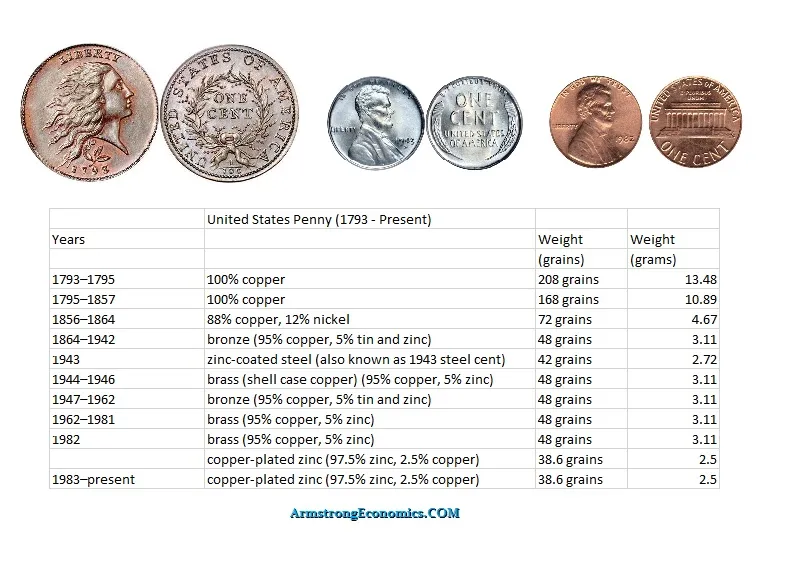
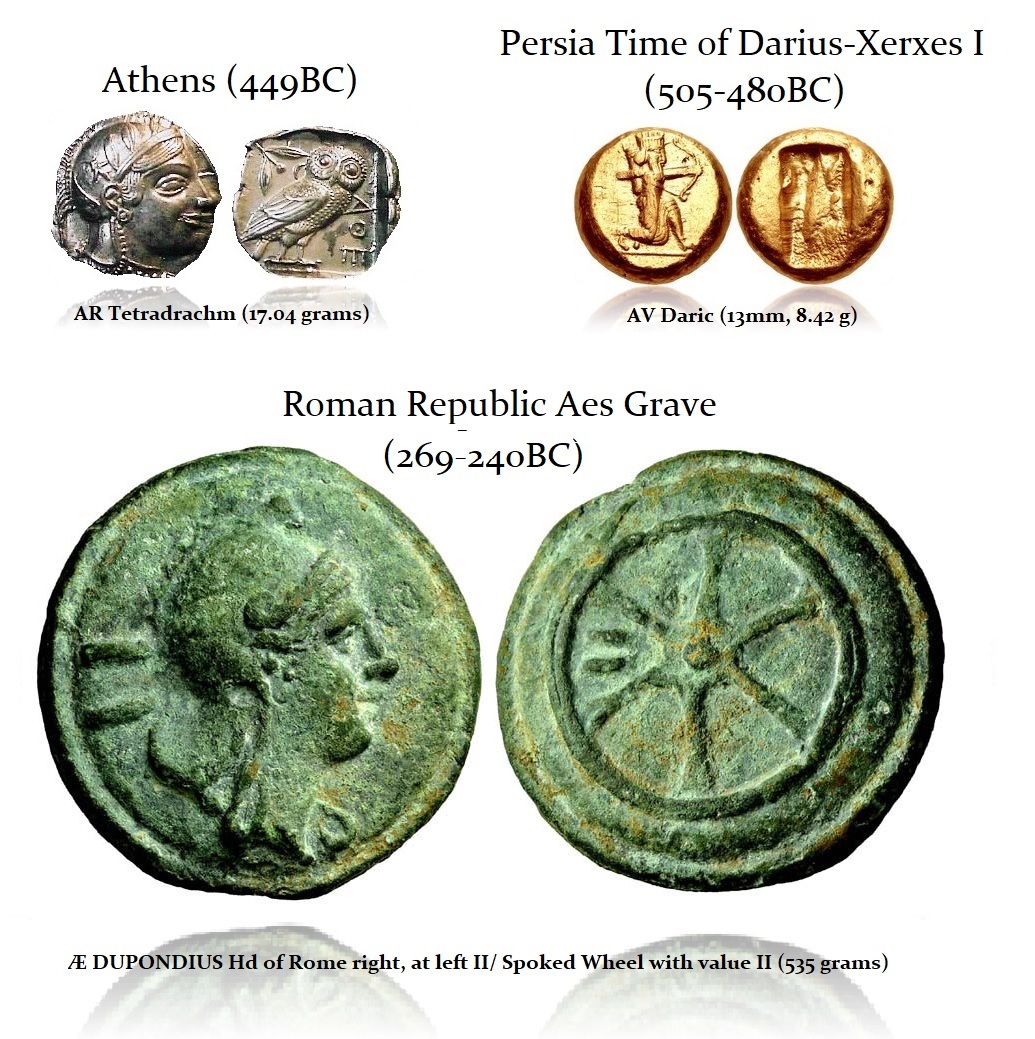

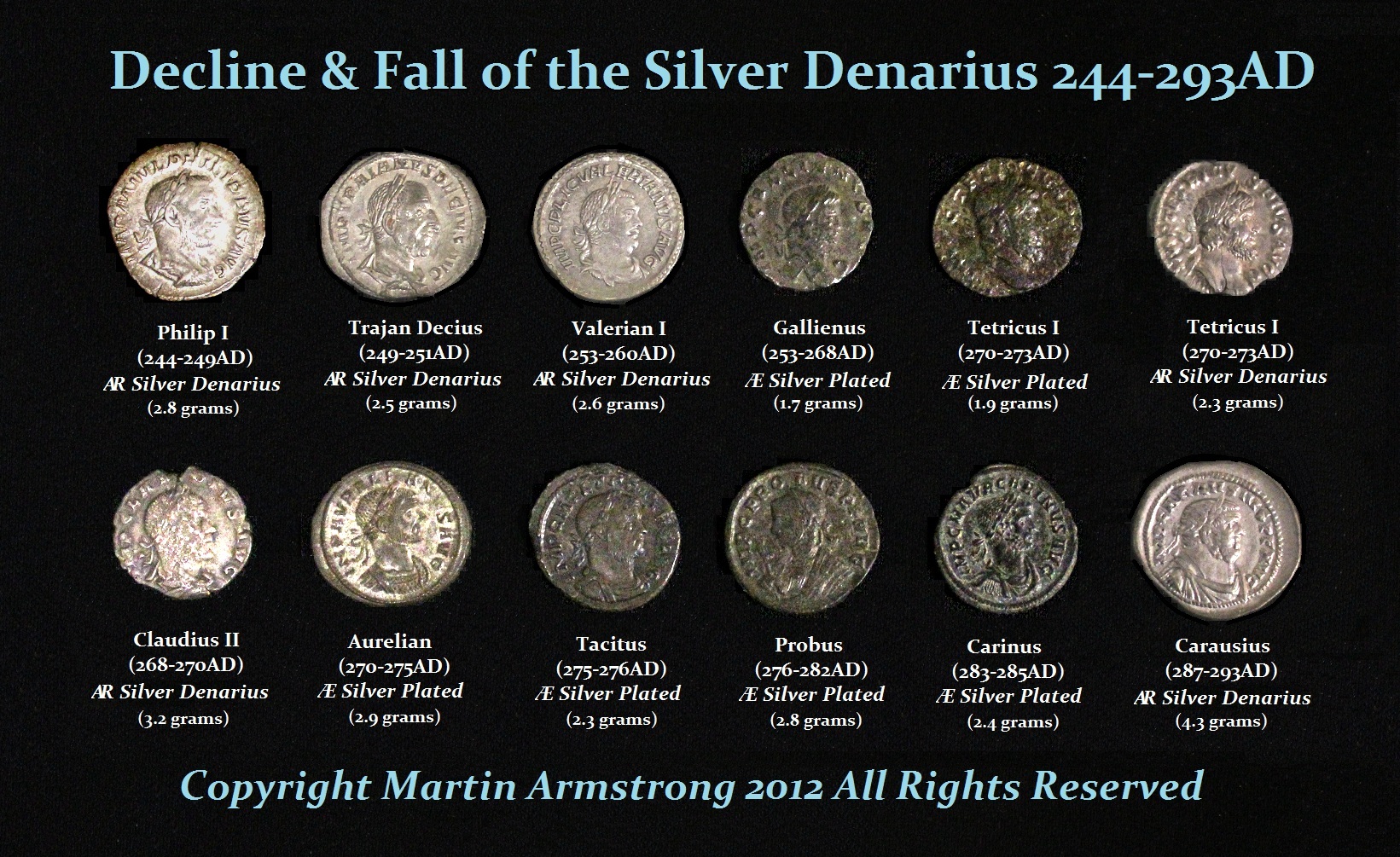
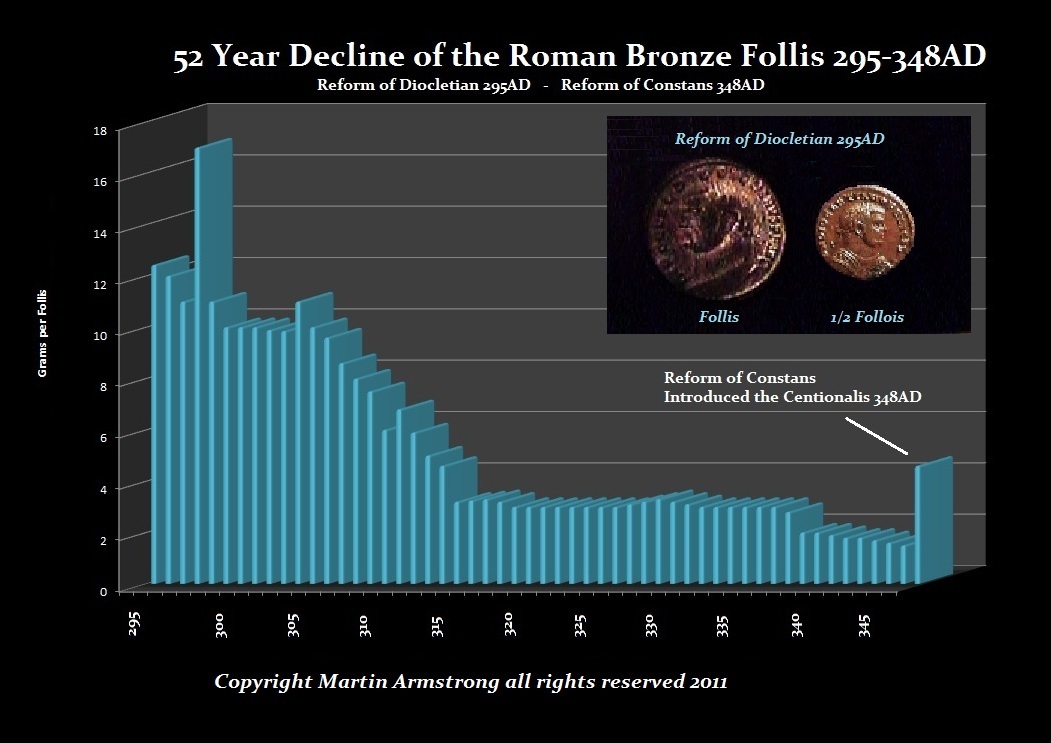
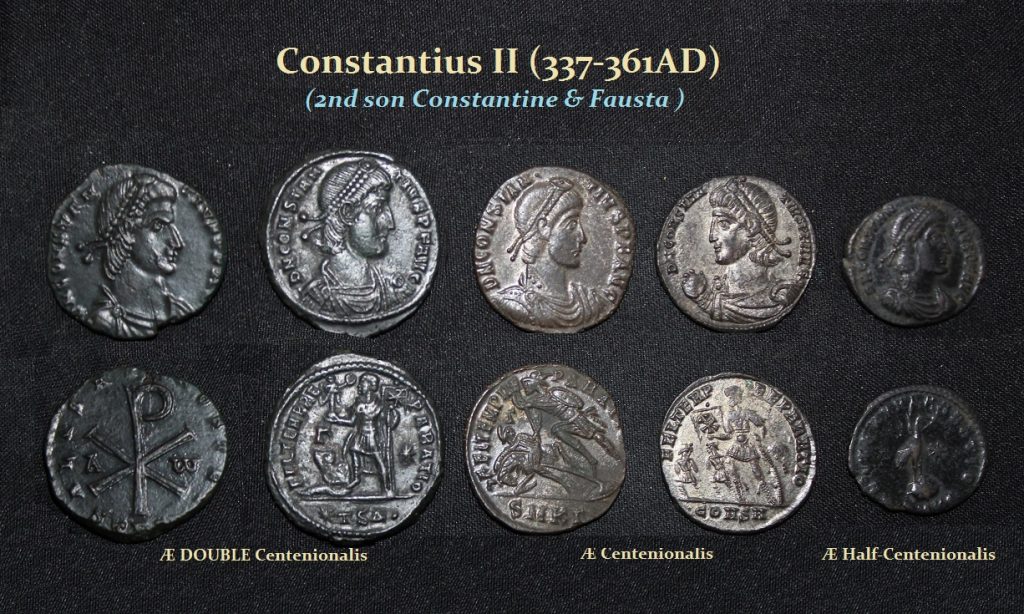 The bronze coinage simply keeps reducing as we see what is going on today. In 348 AD, a new bronze denomination was also introduced known as the “centenionalis” in a monetary reform carried out by Constantius II (337-361AD) with an initial weight of 6.6 grams. The weight almost immediately began to decline rapidly to 4.3 grams. He also introduced the half-centenionalis, which seems to continue to be produced and eventually becomes the standard until about 360AD. Despite the noble effort, the inflationary trend continued and the value of bronze kept rising forcing the discontinuation of this denomination 354 AD after just 6 years (one volatility cycle). This was then replaced by the reduced bronze denomination of about half the weight known today simply as the AE3 or half-centenionalis.




 Julius Caesar paid his respects to the tomb of Alexander the Great. The first Emperor of the Roman Empire Augustus declined the opportunity to visit any tombs saying that he came to see a King and not a bunch of dead people. Emperor