Why the Canadian Govt and Big Pharma are Waging War on an Ostridge Farm


Posted originally on May 18, 2025 by Martin Armstrong 

Canada’s Ostrich Cull Scandal: Are Big Pharma and Globalist Interests Pulling the Strings?
When I first heard about the ostrich farm in Edgewood, British Columbia, facing a forced cull of 400 ostriches, something immediately felt off. Sure, authorities claim they’re responding to an avian flu outbreak—but the deeper I dig into this, the more it smells of something else entirely. Let’s get right into it, because this isn’t just about bird flu—this is about science, censorship, profits, and powerful global interests that seem determined to control the narrative and crush alternatives.

The Edgewood Ostrich Outrage: How We Got Here

Picture a remote, idyllic farm in British Columbia’s Kootenay region, home to about 400 ostriches on 65 acres. On December 31, 2024, two ostriches tragically die of H5N1 avian flu, reportedly brought by wild migratory birds. This leads to a swift quarantine by the Canadian Food Inspection Agency (CFIA)—but that’s just the beginning.

Incredibly, after the initial outbreak, only about 40 birds (roughly 10% of the flock, mainly younger ostriches) succumb to the virus. Within just days, something remarkable occurs: the flock stabilizes, and the remaining 90% of the birds are thriving. Farm owner Karen Espersen observes that these ostriches seem to develop immunity, something clearly special and scientifically fascinating.

Yet despite the farm’s desperate pleas for additional testing and careful scientific study, the CFIA orders all ostriches culled—every last healthy bird—to supposedly “prevent the spread.” The family fights back, but on May 13, 2025, the Canadian Federal Court sides with the CFIA, leaving no room for appeal. The ostriches, despite clear evidence of recovery and possible immunity, are condemned to death.

Why the rush to destroy animals that might be holding keys to groundbreaking treatments? Why no interest in studying them further?

Ostrich Eggs and Antibodies: A Game-Changing Threat to Big Pharma?
Here’s where it gets interesting. Ostriches aren’t just giant flightless birds—they are potent biological factories. Their eggs contain powerful antibodies that have already demonstrated incredible therapeutic potential. Each ostrich egg can yield as many antibodies as 100 chicken eggs or 800 rabbits. That’s not just impressive, it’s potentially disruptive to the pharmaceutical industry.

Dr. Yasuhiro Tsukamoto (nicknamed “Dr. Ostrich”), a prominent Japanese veterinary immunologist, has been leading pioneering research using ostrich antibodies. His work, in collaboration with the Edgewood farm, produced breakthrough products during the COVID-19 crisis, including masks and nasal sprays coated with ostrich antibodies that neutralize viruses effectively. Hospitals in Japan even ran successful clinical trials using ostrich antibody nasal sprays for virus prevention.

Now, apply this logic to avian flu—a virus global health authorities (including the WHO and World Economic Forum) are increasingly hyping as “the next COVID,” predicting global outbreaks and calling for new mass vaccination programs. If ostrich antibodies could provide effective natural immunity or treatment against bird flu, that could render new vaccines—particularly expensive, patented mRNA vaccines—unnecessary or less profitable.

It’s not a stretch to see why pharmaceutical giants might perceive ostrich antibodies as a direct threat: cheap, natural, effective, and impossible to monopolize like lab-engineered vaccines.

The Pharma Connection: Is Big Money Silencing Alternative Solutions?
As I researched deeper, disturbing questions arose. According to the ostrich farm owners, CFIA officials bizarrely grilled them about their proprietary antibody research during quarantine meetings—unusual questioning, to say the least, for an agency supposedly just concerned with containment. Why was a regulatory agency suddenly so interested in proprietary intellectual property?

From my perspective, this screams of corporate influence—exactly the type of “public-private partnership” favored by groups like the World Economic Forum, where regulatory agencies and pharmaceutical interests often blend seamlessly.

Indeed, ostrich antibodies represent precisely the kind of “inconvenient science” that Big Pharma—and powerful globalist institutions like the WHO and WEF—would rather not let flourish. After all, if a farmer in British Columbia could produce inexpensive antibody-based solutions to avian flu, COVID, or other pandemics, why would governments invest billions in patented mRNA technologies championed by the pharmaceutical establishment?

This dynamic mirrors precisely what we’ve seen throughout COVID: affordable, natural solutions systematically sidelined in favor of profitable, patent-protected vaccines and treatments. And let’s be honest—the upcoming bird flu “crisis” narrative feels suspiciously similar to the lead-up to the COVID pandemic: a hyped-up global threat, new vaccines in the pipeline, and massive profits at stake.

A Pattern of Suppression: “Trust the Science”…or Else?
Critically, the CFIA’s rigid refusal to even consider alternative solutions or studies of these potentially immune birds exposes a deeper pattern of institutional inflexibility—or intentional suppression. Despite the farm’s strict quarantine, remote location, and documented immunity of surviving birds, authorities refused any meaningful investigation or testing, stubbornly adhering to blanket policies that conveniently shut down independent science.

Even respected veterinarians like Dr. Scott Weese from the University of Guelph have pointed out the irrationality: “We’re not eradicating H5N1 by culling these ostriches,” he said plainly. Premier David Eby of British Columbia even questioned why there’s no “case-by-case” flexibility, expressing frustration at the CFIA’s blanket policy.

Yet the authorities wouldn’t budge an inch. The message is clear: “Trust our science, no questions allowed.”

Public Outrage and the Fight for Truth
The outrage from the farm, community, and global observers has been intense. Activists and animal advocates descended on Edgewood, physically trying to block the cull and livestreaming desperate pleas for help. Even Robert F. Kennedy Jr., known for challenging the COVID vaccine narrative, weighed in, calling the planned ostrich cull “horrifying.”

The farm’s supporters—and I count myself among them—see this cull as part of a larger pattern: global health authorities and big-money pharmaceutical interests systematically suppressing any inexpensive, natural, and non-patentable solutions. The ostrich antibodies represent exactly the kind of disruptive innovation that global elites, aligned with pharma profits and pandemic narratives, want silenced.

Coincidence or Conspiracy? The Bigger Picture Emerges
Is it mere coincidence that, just as ostrich antibodies were demonstrating real promise as inexpensive, natural antiviral solutions, Canadian authorities swiftly moved to destroy the birds producing them?

While no court case or official inquiry directly proves Big Pharma influence on CFIA’s decision, context matters greatly. The aggressive stance of global health organizations promoting the avian flu as “the next big threat,” coupled with heavy investment in mRNA vaccine technology, makes ostrich-derived natural immunity research deeply inconvenient. Powerful financial interests would clearly benefit from removing such competition.

Even Canadian MLAs and animal-rights advocates are questioning whether something darker lies behind this incident. It may not be outright conspiracy—though that can’t be ruled out—but rather the structural, systemic alignment between big-money pharmaceutical interests, compliant government agencies, and international globalist institutions promoting centralized pandemic responses.

Looking Ahead: Fighting for Transparency and Real Science
This ostrich farm incident isn’t just another animal culling. It’s a symptom of a broader struggle—science versus profit, freedom versus control, transparency versus censorship.

We have an opportunity to push back, demanding full transparency from government and health authorities. We must insist on fair, unbiased scientific inquiry into promising alternatives, no matter how disruptive they may be to established financial or political interests.

Imagine if Canadian authorities had paused to thoroughly investigate these ostriches’ apparent immunity. Imagine a world where inexpensive, effective ostrich antibodies became a mainstream, natural alternative to costly pharmaceutical vaccines. Unfortunately, this scenario directly threatens too many entrenched interests to be allowed to develop without resistance.

We can’t allow powerful actors to squash independent innovation under the guise of “public health.” The Edgewood ostrich cull should be a wake-up call: it’s about far more than birds—it’s about the future of medical freedom, scientific transparency, and resisting the weaponization of fear-based pandemic narratives for profit and control.

Let’s keep our eyes wide open—and keep digging.
“The Apparatus Of The State Has Gone To Work Against The Insurgent Campaign,” Tom Dans On Romania


Posted originally on Rumble By Bannon’s War Room on: May 16, 2025, at 1:00 pm EST

“They’ve Created A 2nd World Economy” Col. John Mills On The CCP’s Illegal Gas And Oil Supply


Posted originally on Rumble By Bannon’s War Room on: May 15, 2025, at 9:00 pm EST

France Proposes 500% Tariff on Russian Oil


Posted originally on May 15, 2025 by Martin Armstrong 

Oil Tanker

The European Union recently implemented its 17th round of sanctions against Russia, in case the first 16 were insufficient. Jean-Noël Barrot, France’s Minister for Europe and Foreign Affairs, would like to take a harsher approach by placing a 500% tariff on anyone purchasing Russian oil.

“We must move forward because the current sanctions have not convinced Vladimir Putin to stop his war of aggression. Therefore, we must prepare for the expansion of devastating sanctions that could finally strangle the Russian economy,” the head of the French foreign ministry believes.

Bureaucrats consistently press for the same solutions that never address the problem. This plan would disproportionately hurt Baltic EU member nations who have repeatedly explained that they have absolutely no other alternative than to continue purchasing oil from Russia. The EU’s reliance on oil imports from Russia fell form 27% to 3% since the beginning of the war, but this does not account for individual nations who face individual challenges.

As of early 2025, around 60% of all oil imports to Hungary come from Russia. The nation is reliant on the Druzhba pipeline Slovakia still depends on Russia for up to 80% of its oil supply. Slovak Prime Minister Robert Fico has accused the EU of attempting to create a “new Iron Curtain” between Russia and the West, and called abandoning Russian oil “economic suicide.”

“On the contrary, by insisting on stopping energy supplies from the east, the EU authorities, guided solely by political considerations, create conditions for further gas price increases, which also has consequences for rising electricity prices,” Fico said in a speech broadcast on SMER’s YouTube channel. Slovakia’s petrochemical plants and refineries are preconfigured for Russia oil.  The nation would need to update infrastructure, pay higher transit fees, and pay more overall for the necessity of energy.

Fico visited the Kremlin last week and expressed an interest in maintaining relations with Russia.  As noted in a prepared speech:

“There are also sanctions, which do not work and cause damage to the European Union itself. Now the EU has come up with a proposal called Repowering. This is a halt to the supply of all kinds of energy resources. But let us talk constructively. You will understand very well what I am going to tell you now. If someone thinks that it is possible to buy fuel from Westinghouse and use it at our nuclear power plants, it is impossible.

A halt of gas supplies will cause instability. Our petrochemical plants were set up to use Russian oil for oil refining, and the shutdown may cause technological problems. I hope that our EU partners will learn about this when legal acts are adopted in connection with Repowering. If it is necessary for all 27 countries to agree, we will use our veto power to ban imports of all types of energy resources. If it is decided not to vote unanimously, but by majority, then major countries will take their decision.”

This is why the European Union has moved forward with decisions without unanimous votes. Brussels eliminated any remaining hint of democracy and are forcing all EU nations to abide by its commands. Votes will no longer matter as Brussels has full authority.

“EU sanctions on Russia have cost Budapest €19 billion ($19.9 billion) in the last three years, more than the country’s annual tax revenues,” Hungary’s Orban stated back in January when he begged the bloc to force Ukraine to permit Russian gas transit. Orban has repeatedly explained that the EU is damaging its own energy sector by sanctioning a nation it is not officially at war with, but every headline reads that he is a Putin puppet.

Placing 500% sanctions on nations importing Russian oil would harm EU trade overall. China is the top buyer of Russian crude, holding 47% of overall exports, followed by India at 38%.

“Russia has found ways to circumvent restrictions imposed by Europe and the US, so turning off the tap could take Russia by the throat,” French Foreign Minister Jean-Noel Barrot added.

The European Commission is still phasing out Russian oil for the bloc by 2027. Hungary and Slovakia have an upcoming deadline to present the commission with plans for how they plan to phase out Russian imports. Both nations have said they plan to fight Brussels but those at the top simply do not care about individual member states. This is one of the many reasons why the EU simply will not and cannot survive.

Alberta to Separate from Canada?


Posted originally on May 13, 2025 by Martin Armstrong 

MAA 400 Ounce C

I am back from my trip to Alberta, Canada. They will separate, and currently the polls show 40% want to leave. I also stopped by to visit the facility of SilverGoldBull operation in Calgary. This is me holding a 400-ounce bar of gold – central bank standard. I was very impressed with their operation. I was given a tour of the vaults. I do not get any commission, nor did they pay me to mention them. It was a very impressive operation, plain and simple. Not a one-man band.

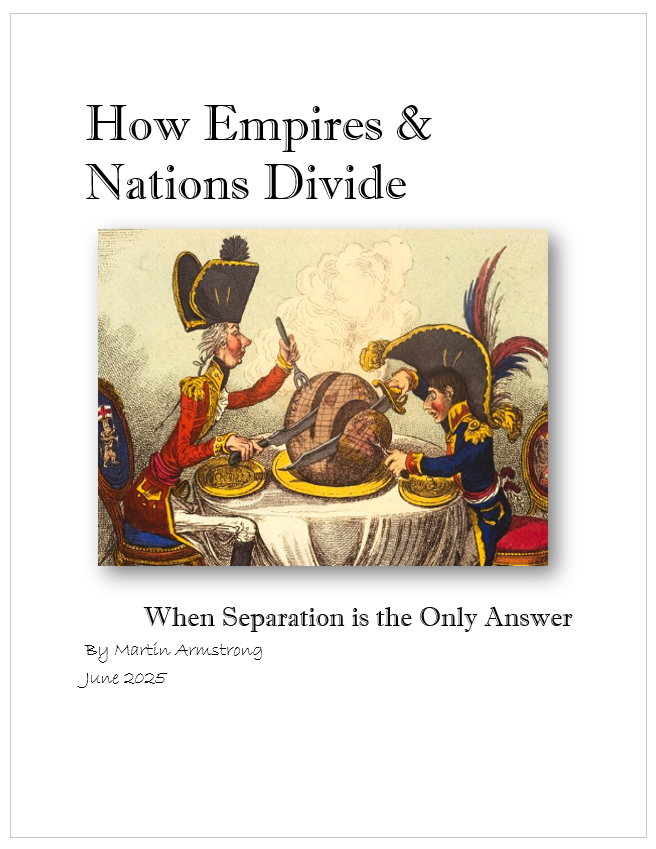
We are providing a manual on how to separate and the key issues that must be addressed. Many areas worldwide are seeking independence, and numerous requests have been made to address the economic side of separation. This is not advocating any particular government. This provides a historical review of separations, attempted separations, and revolutions. The shocking thing is that such events are achieved with LESS THAN a 50% majority.

How_Countries_Separtate

Over Half of Brits Would Not Fight for their Country


Posted originally on May 12, 2025 by Martin Armstrong 

britons wants you.WW2MilitaryRecruitment

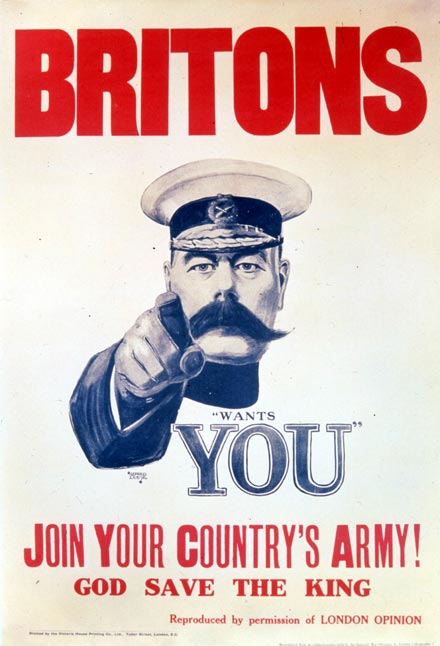
Starmer may be preparing his nation for battle, but he does not have the support of his nation. An Ipsos poll found that over half of Britons “would not fight for their country under any circumstances.”

The Victory in Europe Day celebrations coincided with the poll, causing no increase in patriotism. Only 35% of adults overall said that they would be willing to fight for their nation, with 17% undecided. Only 21% of women said they would take to battle, and 49% of men said they would like go to war.

Britan has already been invaded. The people did not fight when millions of foreigners invaded their country and permanently altered British society. England is no longer a Christian nation. They have abandoned their core traditions and beliefs for outsiders who vote for liberal policies. Taxes on citizens continue to rise as the government forces the people to pay for migrant social programs. Spending on the migrant crisis is expected to rise 30% in 2025 alone to an astounding £61 million.

Former Army officer Richard Gill, who served in Iraq and Afghanistan during a 15-year career, said, “The fact that so many would refuse to fight for Britain is a symptom of a deeper national malaise. We’ve stopped teaching pride in our country, its history, and its values… A nation unsure of itself cannot expect its people to defend it. That must change.”

Prime Minister Keir Starmer implemented the largest rise in defense spending since the Cold War, with government spending on defense to rise to 2.5% of GDP from April 2027. He would like to raise that amount to 3% in the next parliament, marking a £13.4 billion increase per year.

Britain voted to leave the European Union, and now its politicians are requesting the people to defend a nation that was never even permitted in the bloc due to corruption. Support for the war in Ukraine has significantly declined since 2022. A separate Ipsos poll found that only 53% of Brits supported the government sending weapons to Ukraine, which is a stark contrast to the 63% who were in favor when the war began. Two in five said they support sending peacekeeping troops to Ukraine, or 40%, and Russia has made it clear that any troops on the ground in Ukraine will be considered targets.

Starmer is no Churchill—the people will not blindly follow his regime into a senseless war.

Interview: Alberta Separation, USD, Recession


Posted originally on May 10, 2025 by Martin Armstrong 

Canada Attempts to Loosens Reliance on US Trade


Posted originally on May 9, 2025 by Martin Armstrong 

canada_flag_perspective_800_clr_1522

Canadian exports to the United States are beginning to decrease in light of the trade war. Statistics Canada announced that exports to the United States, Canada’s largest trading partner, declined 6.6% during the first month of tariffs while imports from the United States fell 2.9%. March 2025 was the second-highest recorded monthly increase in non-US trade for Canada.

Exports to nations outside the US rose 24.8%. Overall exports in March 2025 reached $69.9 billion, a slight decrease from February’s $70.04 billion posting, yet volume rose by 1.8%. The United Kingdom has been purchasing unwrought (crude) gold exports from Canada this year, totaling C$2.01 billion in January, C$1.64 billion in February, and C$1.64 billon this March.

Canada’s crude oil sea exports doubled on an annual basis to 8 million barrels this month. The United Kingdom and the Netherlands imported 69% of all crude oil exports to Europe. Hong Kong also increased its crude imports from Canada in March.

Overall merchandise trade exports declined 0.2% for the month, with imports falling 1.5%. The trade deficit fell to C$506 million, notably less than the prior month’s C$1.4 billion deficit as Canada is seeking buyers.

Canada cannot fully rely on trade outside the US. March saw a 6.6% monthly decline in exports to the US, which is bad news for Canadian businesses. Trade with the US for March was still strong at US$140.5 billion, notably due to an increase in pharmaceuticals and medicines ahead of forthcoming industry-specific tariffs. Autos also saw an uptick ahead of industry-specific tariffs, posting a 7.7% export increase for the month. Iron and steel products, already subject to a 25% tariff, fell 9%, while aluminum alloys and unwrought aluminum rose 4.4%.

The S&P Global Manufacturing PMI for Canada reached 39.1 in April 2025. Canadian manufacturing has not seen such a contraction since early COVID months when the global economy came to a standstill. Imposed and proposed US tariffs are stifling demand as purchasers do not know what to expect.

Those adhering to US boycotts fail to realize that the Canadian economy is structurally tied to the US economy. Infrastructure was designed to support trade through railways, trucking routes, and pipelines. Europe and Asia cannot replace the accessibility or scale of the US market. Additionally, the economy is closely aligned with the USD, and a major pivot would expose Canada to currency volatility. Canada may strengthen ties with other nations to fill margins but it cannot write off its top trade partner.

C

Friedrich Merz become Chancellor of Germany in a Deeply Divided Nation


Posted originally on May 6, 2025 by Martin Armstrong 

Merz Friedrich

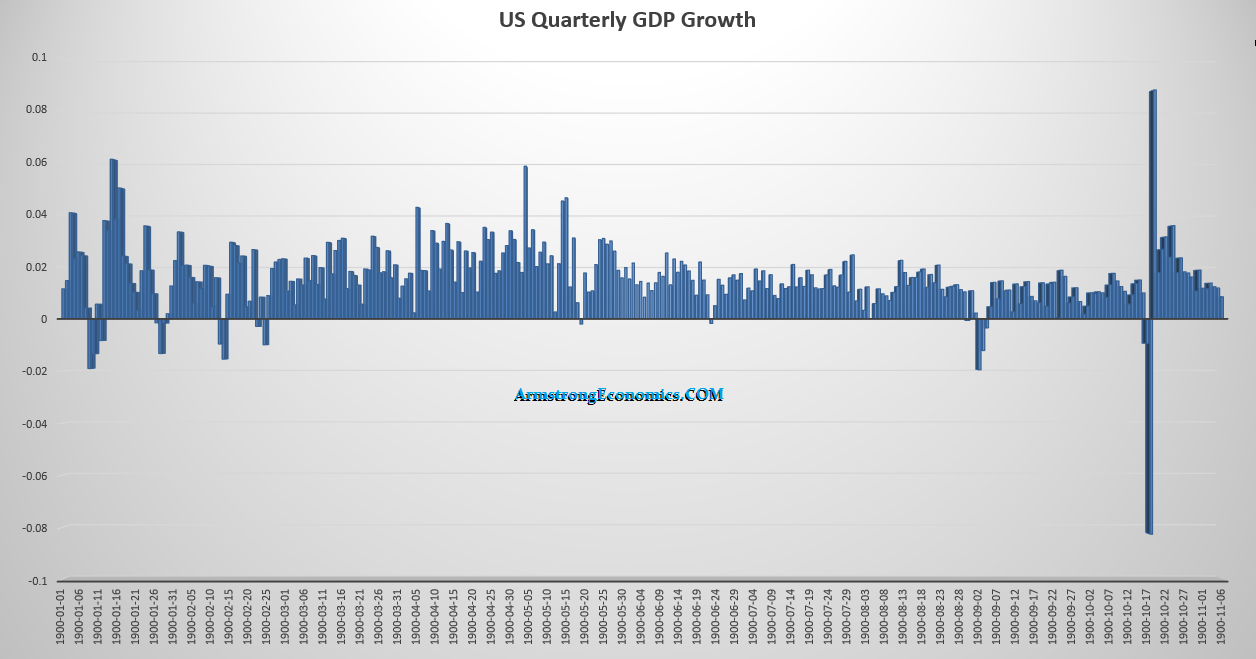
Friedrich Merz was elected as Germany’s chancellor in a second-round parliamentary vote on Tuesday after failing to secure the necessary support earlier in the day. Merz needed at least 316 of the 630 members of parliament to vote in his favor, but he received only 325 votes (51.5%). Like Mark Carney in Canada, Merz will be the final nail in Germany’s coffin. He is pro-World War III. Simply comparing the economic growth of Germany, Europe’s cornerstone of the EU economy, to that of the United States, illustrates that the greater the socialistic policies of controlling everything, even freedom of speech, produce far less economic growth. The German economy has shrunk by 3% or more thanks to COVID lockdowns, Climate Change, and Russian sanctions.

German GDP 1991 2024
US GDP Q 5 1 25

AfD Files Lawsuit Against “Extremist” Labeling


Posted originally on May 6, 2025 by Martin Armstrong 

Extremist

Political parties questioning the status quo are labeled as “far-right extremists.” And yet, these political parties represent the people far more than others in the Build Back Better category, who only have their bureaucratic interests in mind. We’ve seen it happen throughout the world, from the United States to Romania, and now in Germany with the rise of the Alternative für Germany (AfD) Party. Leaders of the AfD have filed a lawsuit after the Office for the Protection of the Constitution (BfV) labeled the group extremist domestic terrorists.

The AfD became the most popular political party in Germany this April. The party does not want to adhere to the EU’s open border policy, climate madness, or the Build Back Better agenda. In fact, they’ve openly questioned Germany’s position in the European Union. The EU would be completely lost without Germany’s backing,g and Brussels has been on high alert. AfD members have called for a “remigration” or mass deportation operation similar to what Trump is currently conducting in the US. The party has vowed to restore Germany for the people of Germany and implement mass deportation campaigns.

Their beliefs represent those of the German people. Yet, one would be hard-pressed to find a single article about AfD that does not include “extremist” in the description. German authorities have considered banning the party under Article 21 of the German constitution, which forbids political parties that “seek to undermine or abolish the free democratic basic order or to endanger the existence of the Federal Republic of Germany shall be unconstitutional.”

In no way is this party seeking to abolish democracy. Banishing a political party, however, does undermine democracy completely and silences the wishes of the people in favor of the bureaucrats. “Through our lawsuit, we aim to send a decisive message against the misuse of state authority to suppress and exclude opposition,” and that the move seeks to “distort democratic competition and undermine millions of votes,” the AfD stated.

US Secretary of State Marco Rubio voiced support for AfD over the weekend, stating that allowing German intelligence to label a political party an extremist group is “tyranny in disguise.” “What is truly extremist is not the popular AfD—which took second in the recent election—but rather the establishment’s deadly open border immigration policies that the AfD opposes,” Rubio wrote in a post on X.

“This is democracy. This decision is the result of a thorough & independent investigation to protect our Constitution & the rule of law,” the official X account for the German Foreign Office wrote in a reply to Rubio’s post. “It is independent courts that will have the final say. We have learnt from our history that rightwing extremism needs to be stopped.” Perhaps the foreign office has forgotten that a collapse in the German economy is what led to the rise of an actual extremist group.

The world has awoken, and all confidence in leftist regimes has vanished. The pendulum is swinging back toward conservatism due to the failed policies fueled by politicians who attempted to turn democratic democracies into socialist battlegrounds in the name of globalism. The people are rising not to embrace conservatism as a doctrine, but to reject the authoritarian overreach of governments that have lost all legitimacy.