In my interview with Maria Zeee, you may have heard us mention the propaganda efforts to make eating bugs seem normal. In 2018, actress Nicole Kidman made a video for Vanity Fair in which she eats “micro livestock” from a fancy silver platter. This is an insult to the people of food-deprived nations who are forced to eat bugs to survive. Notice how she uses chopsticks, a nod to some Asian cultures where this practice is not seen as abnormal. Numerous celebrities have stated that they incorporate bugs into their diets.
Canada has already begun to build an “alternative protein manufacturing facility” where they will farm crickets for human consumption. This is completely in line with Schwab’s agenda to reduce emissions (blame the livestock and not the factories) and control the world population. There is a reason that they are making farming increasing difficult across first-world nations.
In fact, the WEF released an article in 2021 entitled “Why we need to give insects the role they deserve in our food systems.”The article cites the growing population, a constant concern among the globalists, and claims that there will not be enough farmland to cultivate food for the estimated 9.7 billion people who will be stuck on this planet by 2050. The article continues:
“Now we need to overcome the last major barriers: preconceived ideas about insects as a source of food and legislation with regard to the use and consumption of proteins derived from insects. The ban on the use of insect as a source of protein has begun to evolve in Europe. In 2017, the authorization of the use of insect proteins was expanded from feed for pet food to include feed for aquaculture animals. This year the European Food Safety Authority (EFSA) reported that mealworms are safe for human consumption and a decision is expected to be made regarding the use of insects in pork and poultry feed.”
The European Union did in fact approve the use of some insect consumption in 2021. Even Forbes published an article praising the European Food Safety Authority (EFSA) for passing the measure. All proponents cite the same benefits that all come down to “sustainability” and saving the environment. Enjoy the mealworms and crickets. I cannot see this as a normal menu item and refuse to consume bugs for some madman’s agenda of ruling the world.
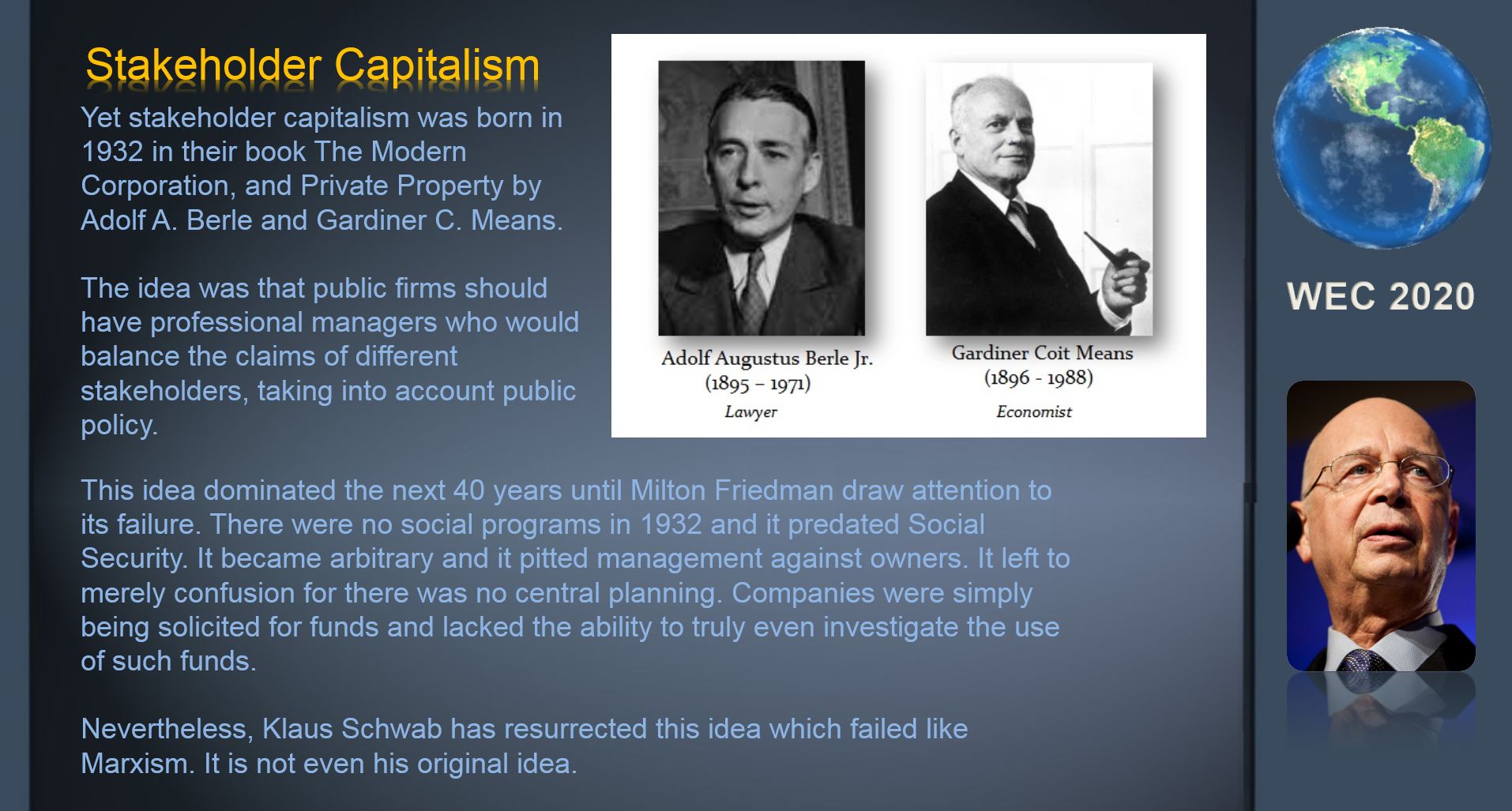
Klaus Schwab does not understand human nature or how the world economy functions. He preaches Stakeholder Economics which failed and was instituted during the Depression BECAUSE there were no government programs. The theory then was that companies should contribute to saving society. It failed because there was no coordination, for every company was independent, and they would contribute to what they saw or had a bias toward. His “Stakeholder Economics” is not his own idea. He took it from Berle and Means.
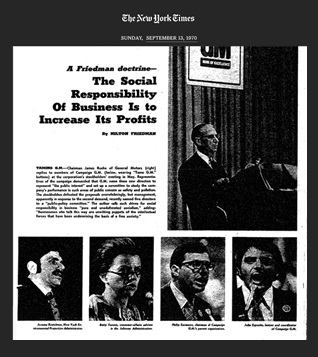
Milton Friedman, back in 1970, exposed how Stakeholder Economics was inefficient and stupid. He laid out that such a role was that of government, not corporations, whose #1 fiduciary obligation was to its shareholder. Under Schwab, I could say, “OK I will go public; everyone sends in money. I will give you shares in return and then say — OMG, there are people starving in Africa!” So, I decide to give 50% of all the profits to them and not my investors. This is Stakeholder Economics.
The history of the Volkswagen brand began with the “Käfer”; development work on this Nazi prestige project began in 1934. On May 28, 1937, it was formally established. The name was changed to “Volkswagenwerk GmbH” in 1938. With the outbreak of war, it became the arms industry. But it was produced under the direction of Hitler was called the Volkswagen (“people’s car”). This is the Stakeholder Economics of Schwab today. I can tell you that, personally, Schwab is a control freak. He runs the WEF with an Iron Fist. Errors are not tolerated.
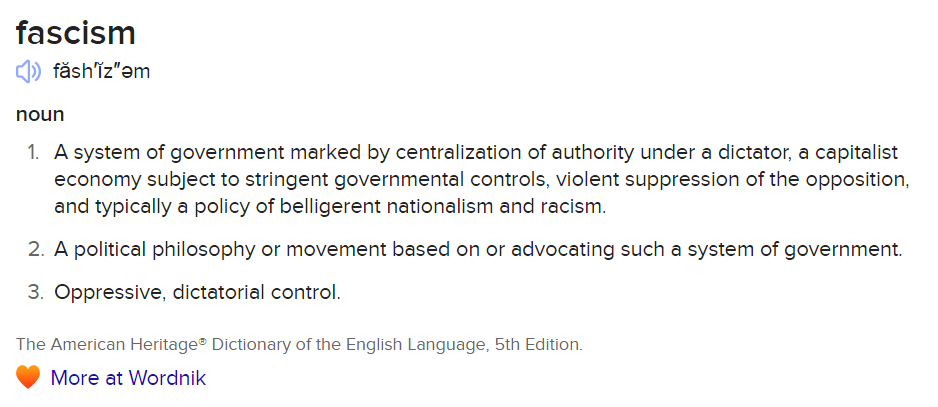
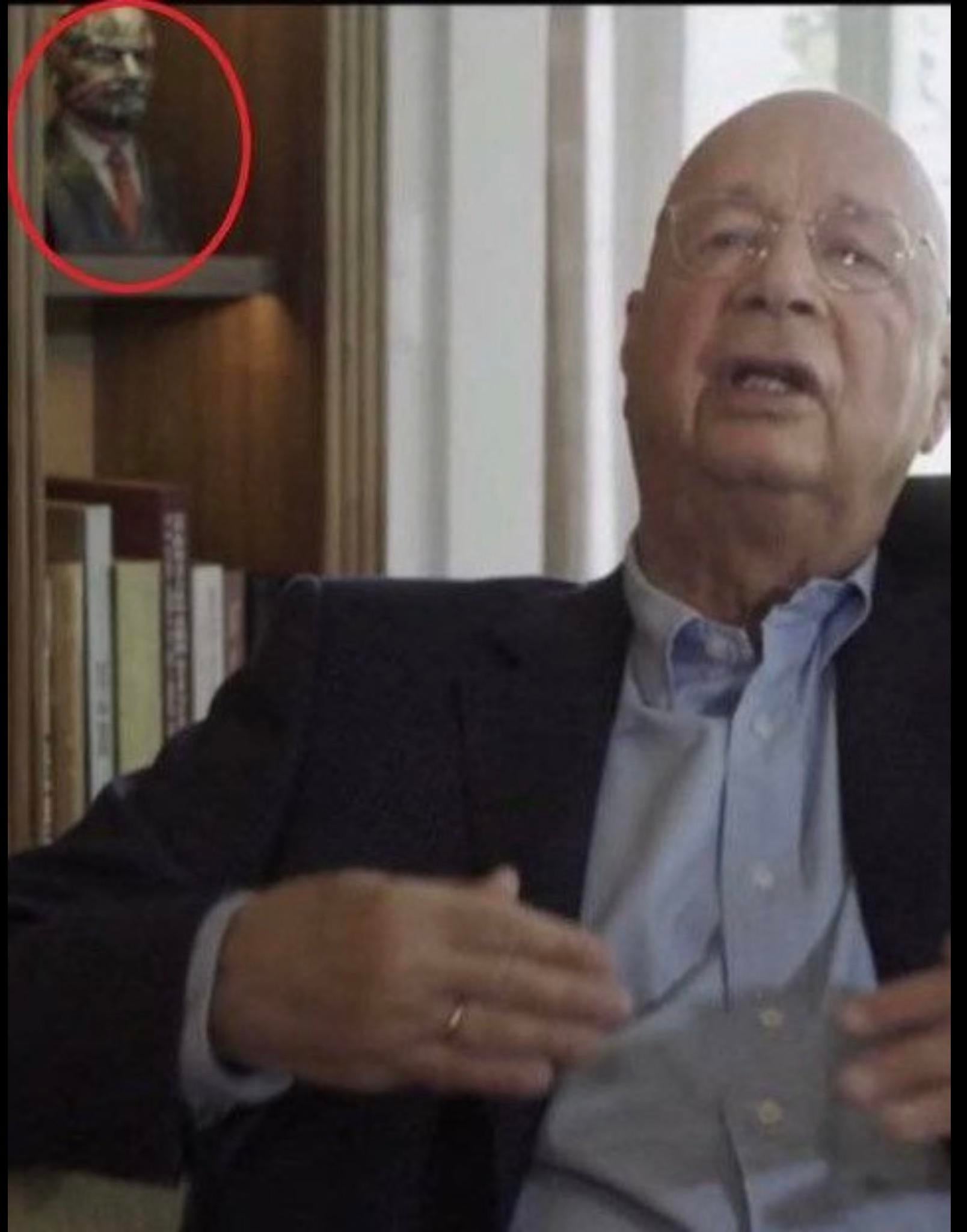
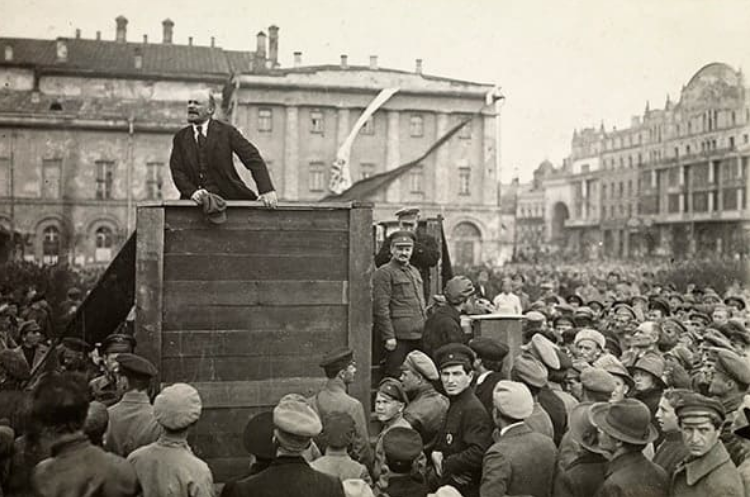
Schwab is actually advocating fascism where he wants to control the future by controlling the production of all corporations. His dream of world domination is much deeper than simply communism, where his hero remains Lenin.
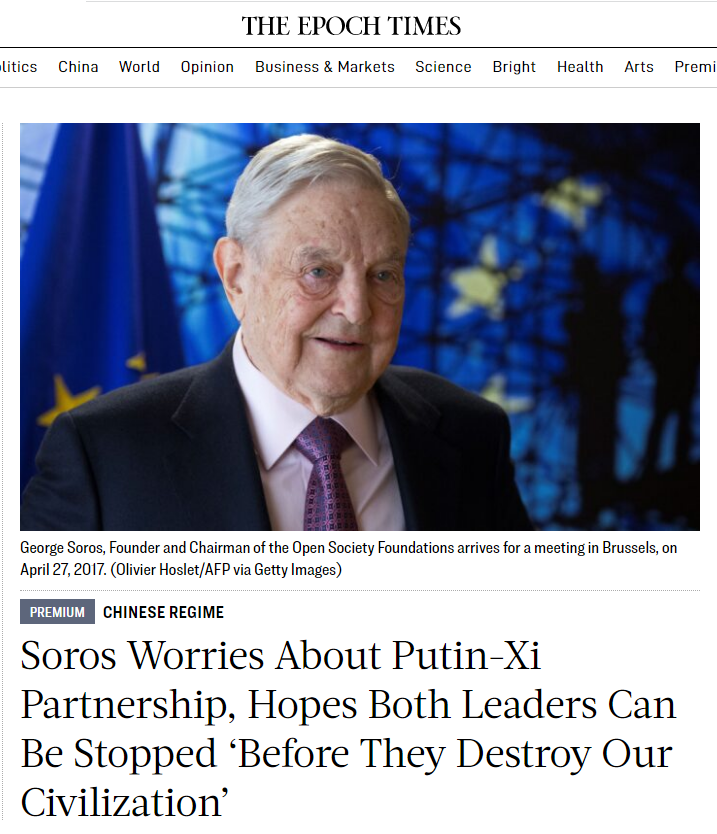
Lenin nationalized all manufacturing and industry throughout Soviet Russia. This is what Schwab is advocating to get them to “voluntarily” surrender their fiduciary duty to his one-world government to end the potential war as was structured in the EU. Schwab pushed for that and his bedfellows, George Soros, poured money into Britain to try to storm BREXIT.
The one-world government of the Roman Empire did not prevent civil war and uprisings. Julius Caesar said men believe what they want to believe. That certainly applies to Schwab and Soros. They only look at what they want to hear from the dead economic theories.
Lenin failed to understand human nature. He requisitioned surplus grain from peasant farmers to feed his Red Army in addition to nationalizing all manufacturing. These measures proved disastrous. Under the new state-owned economy, both industrial and agricultural output completely plummeted. The very people who understood how to run their companies or when to plant crops were capitalists who were typically killed or imprisoned. This policy led to an estimated five million Russians who died of famine in 1921 alone. The living standards across Russia plunged into abject poverty. This is the hero worshiped by Schwab!
There began a massive uprising, as we see in Sir Lanka. The civil unrest threatened the very existence of Lenin’s Soviet government. Lenin used the secret police (Cheka) to silence all political opposition. This was a rein of terror targeting both his opponents and challengers within his own political party. Schwab sees this as a necessary tool, and thus this is why he wants total digital ID to restrict movement using pandemics that will most likely be created for control. What they did with COVID may not have established a precedent. It may have hurt so many people that the attempt to initiate a repeat performance itself is more likely to erupt in civil unrest next year on a major scale.
Indeed, there was an attempted assassination on Lenin by Fanya Kaplan, who shot him in the shoulder and neck as he was leaving a Moscow factory in August 1918. Lenin was badly injured. This unleashed the Red Terror carried out by his secret police. They unleashed a campaign of mass executions against supporters of anyone who supported the czar. Russia’s upper classes and any Socialists who weren’t loyal to Lenin’s Communist Party found themselves on the target list.
Augustus (27 BC-14 AD) established the Praetorian Guard to protect the emperor. When Caligula was assassinated on January 24, 41 AD, the Praetorian Guard made Claudius Emperor, who had always been a Republican and played the role of the fool. He did not want to take the throne. He was advised by his Jewish friend Herod Agrippa to take it or he would be killed, for there were those in the Senate who would love to be emperor. So here you see a gold aureus of Claudius with the reverse showing the Praetorian camp. For you see, without an emperor, they were unemployed. They made Claudius emperor, and neither he nor the Senate had any choice.
Consequently, once Lenin created his Secret Police (Cheka), they were not about to let Russia slip back into a monarchy or a democracy, for that would have ended their power, as was the case with the Praetorian Guard upon the assassination of Caligula. The Cheka (Secret Police) is believed to have executed at least 100,000 so-called “class enemies” during the Red Terror between September and October 1918 following the assassination attempt of Lenin.
As a result, Lenin was forced to back down from his authoritarian government, instituting his New Economic Policy, which was a temporary retreat from complete nationalization. The New Economic Policy created a more market-oriented economic system, “a free market and capitalism, both subject to state control.” Lenin’s Red Army eventually won Russia’s civil war, and then in 1922, he formed the USSR with a treaty between Russia, Ukraine, Belarus, and the Transcaucasus (now Georgia, Armenia and Azerbaijan). Lenin thus became the first head of the USSR.
Between 1922 and his death in 1924, Lenin suffered a series of strokes that impacted his ability to speak, and it had been his charismatic delivery of speeches that gave him power, as was the case for Adolf Hitler. Both spoke with a passion that moved the crowds. This opened the door for Joseph Stalin, who was the Communist Party’s new General Secretary, and he quickly began to consolidate his power. Lenin resented Stalin’s growing political power and saw his ascendency as a threat to the USSR. Lenin’s Treaty for the USSR was one built upon mutual respect, whereas Stalin saw it all as one nation with all power at his fingertips.
Lenin died on January 21, 1924, at the age of 53. Knowledge of his death came after Stalin had already come to power. It was Stalin who stole all the food from Ukraine, killing some seven million, and he unleashed the Great Purge of 1936-38. He strengthened the Cheka (Secret Police) to firmly retain power in the same fashion that the Roman Praetorian Guard supported the emperor to retain their jobs.
Beware, this is the same power being crafted by Klaus Schwab. The digital ID for everyone and to create a “social” index of people is the exact way to instill control as well as fear.
Posted originally on the conservative tree house on August 2, 2022
Project Veritas has obtained whistleblower materials from official FBI training and instruction, highlighting images that are defined as evidence of Militia Violent Extremists or MVE’s. Among the material now identified by the FBI as extreme are pictures of the Gadsden flag, Betsy Ross flag, Patriot symbols, Molon Labe and a host of other historic images that are now defined as evidence of Militia Violent Extremism.
[WASHINGTON, D.C. – Aug. 2, 2022] Project Veritas released a newly leaked document today provided by an FBI whistleblower, which shows how the Bureau classifies American citizens it deems to be potential “Militia Violent Extremists” [MVEs].
In the document, the FBI cites symbols, images, phrases, events, and individuals that agents should look out for when identifying alleged domestic terrorists.
The “Unclassified/Law Enforcement Sensitive” document says it is for “FBI Internal Use Only.”
Of note, under the “Symbols” section, is a prominent citation of the Second Amendment, where it explains that “MVEs justify their existence with the Second Amendment, due to the mention of a ‘well regulated Militia,’ as well as the right to bear arms.”
Right below that, under the “Commonly Referenced Historical Imagery and Quotes” section, Revolutionary War images such as the Gadsden Flag and the Betsy Ross Flag are listed. Each flag displayed in the document comes with a brief description of what it means.
Under the “Common Phrases and References” section of the leaked document, Ashli Babbitt is cited as a person that MVEs consider to be a Martyr.
The same document also refers to Ruby Ridge, Waco, and even Timothy McVeigh, tying in traditional American ideas and symbols with radical and/or violent events in the past. (see and read more)
FBI Director Chris Wray is scheduled to appear before the Senate Judiciary Committee on Thursday [SEE HERE], perhaps someone will ask him about this.
It would appear, if we are to accept the narrative from the FBI, patriotic Americans are all dissidents now.
It’s not just the scale of the increase that is surprising; it’s the history of how long it has been since this scale of debt increase happened in a single quarter.
(CNBC) – […] Although average hourly earnings are up 5.1% from a year ago, prices have been rising much faster. The Consumer Price Index, which measures the average change in prices for consumer goods and services, jumped a higher-than-expected 9.1% in June, the fastest pace in over four decades.
To bridge the gap, more consumers are relying on credit cards to get by, which has helped propel total credit card debt to $890 billion.
Overall, credit card balances rose 13% in the second quarter of 2022, notching the largest year-over-year increase in more than 20 years, according to a report from the Federal Reserve Bank of New York.(read more)
This doesn’t sound like a good economic omen.
Posted originally on the conservative tree house on August 2, 2022 | sundance
Posted originally on the conservative tree house on August 2, 2022
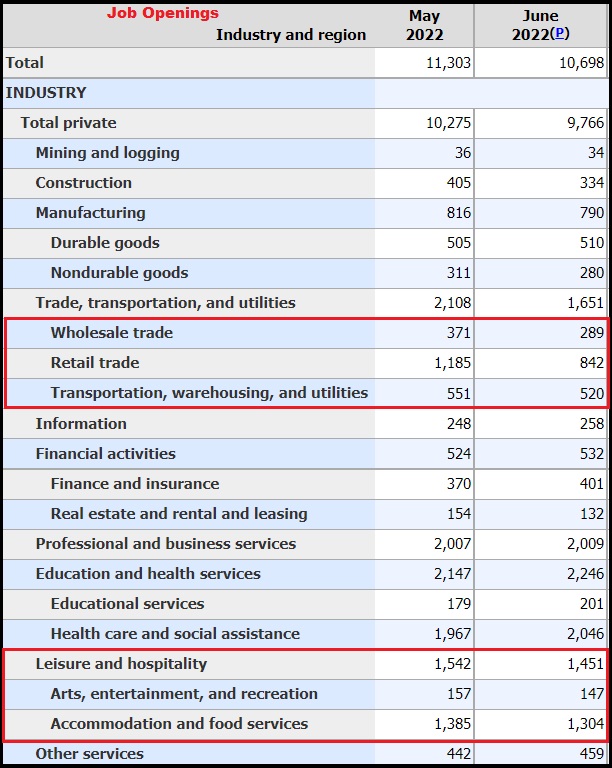
The Bureau of Labor Statistics (BLS) produces a monthly report of available job openings. The Job Openings and Labor Turnover Summary (JOLTS report) shows the number of available jobs at a captured moment in time. This JOLTS report [DATA HERE] is a summary of the last day in June.
As you can see within modified Table-1, the number of available jobs dropped by 605,000 in this report.
Hires and separations were little changed, so too was the number of people who quit their jobs. The big change in this JOLTS survey was the removal of available jobs. Employers cancelling job openings.
BLS – “On the last business day of June, the number and rate of job openings decreased to 10.7 million (-605,000) and 6.6 percent, respectively. The largest decreases in job openings were in retail trade (-343,000), wholesale trade (-82,000), and in state and local government education (-62,000).”
If we monitor the JOLTS report as an indicator of employment strength reflecting the general pattern of consumers, we can see a pullback in both the goods and service sector.
Retail job openings dropping 343,000 as consumer spending tightens even more due to inflation, and now we see the service side with leisure and hospitality dropping 91,000 openings.
Posted originally on the conservative tree house on August 2, 2022 | sundance
There was a lot of back-and-forth hostility between the government of China and the administration of Joe Biden in advance of Nancy Pelosi’s trip to Taiwan. Some Chinese state media even suggested a possibility that Pelosi’s plane could be shot down. However, none of the threats materialized.
Yesterday it was obvious the White House was attempting to diffuse the aggressive grievances of Beijing when spokesperson John Kirby, technically the NSC Coordinator for Strategic Communications, made a specific statement:
“The world has seen the United States government be very clear that nothing has changed — nothing has changed — about our One China policy, which is of course guided by the Taiwan Relations Act, the Three Joint U.S.-PRC Communiqués, and the Six Assurances. We have said — and we have repeatedly said — that we oppose any unilateral changes to the status quo from either side. We have said that we do not support Taiwan independence. And we have said that we expect cross-Strait differences to be resolved by peaceful means.”
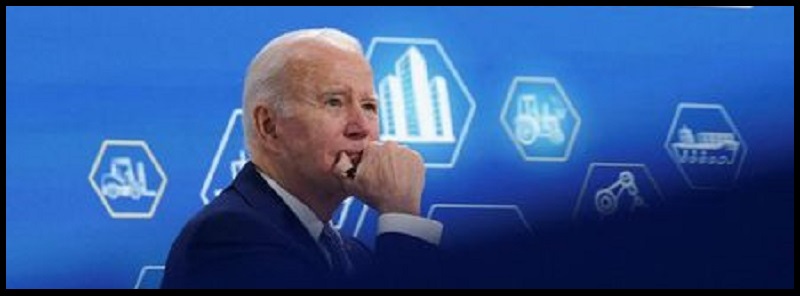
Those six words, “we do not support Taiwan independence,” was a very deliberate and public assurance to China. Essentially, the United States will not do anything to support the independence of Taiwan, do whatever you want. Joe Biden took a knee to Chairman Xi. As a result, Beijing dropped back their tone to traditional rhetoric saying in a statement Tuesday morning, the visit “seriously infringes upon China’s sovereignty and territorial integrity.”
Arriving late last night, Speaker Pelosi released the following statement: “Our visit is one of several Congressional delegations to Taiwan – and it in no way contradicts longstanding United States policy, guided by the Taiwan Relations Act of 1979, U.S.-China Joint Communiques and the Six Assurances. The United States continues to oppose unilateral efforts to change the status quo.”
The Biden administration then sought to overwhelm the media coverage of the Pelosi controversy by promoting the killing of al-Qaeda leader Ayman Al Zawahiri.
The Congressional Budget Office warned that US federal debt is expected to rise 185% within the next 30 years. Total debt holdings could double the size of US GDP by 2051. No politician or spender of this debt cares as they have no intention of paying it off. The Congressional Budget Office is calling this an optimistic forecast, given the previous estimate of debt soaring to 202% of GDP by 2051. The fact of the matter is that no one can foresee how much money politicians will continue to spend. Servicing the debt will become more expensive over time, expected to reach 10% of GDP by 2051, 7.4% in 2042, and 5.1% in 2032.
Most do not realize that the national debt is already at monumental levels. US gross federal debt to GDP reached 100% by 2012. The ratio remained somewhat stagnant until capitalism became sick with COVID in 2020, and the GDP to debt ratio rose to 128.1%. The figure stood at 137.2% by December of 2021 and has continued to increase.
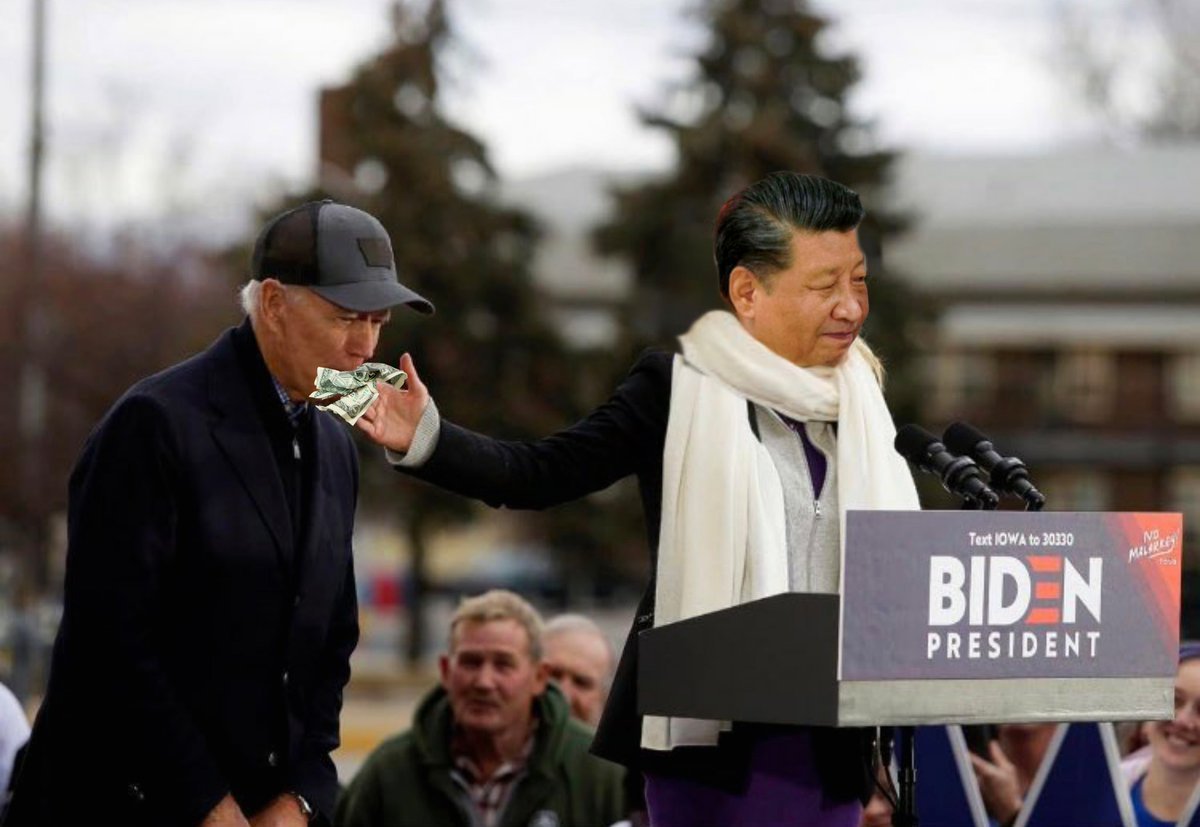
China no longer wants US debt and has begun to sell off its holdings. As other currencies decline relative to the dollar, US debt, and all government debt in general, no longer seems like a smart investment. We have reached a point where Congress can continue to pass bills and bribe voters with socialistic promises from their latest puppets because no one cares about the future of America. The US will be the last to fold but expect the inevitable as countries, city-states, and governments are all temporary in the eyes of father time.
Posted originally on the conservative tree house on August 1, 2022 | Sundance
In addition to the contraction in South Korean manufacturing announced last night, European manufacturing and factory activity is also contracting with less output, higher buildup of inventory and fewer orders for finished goods. The global recession is being measured fast and furious.
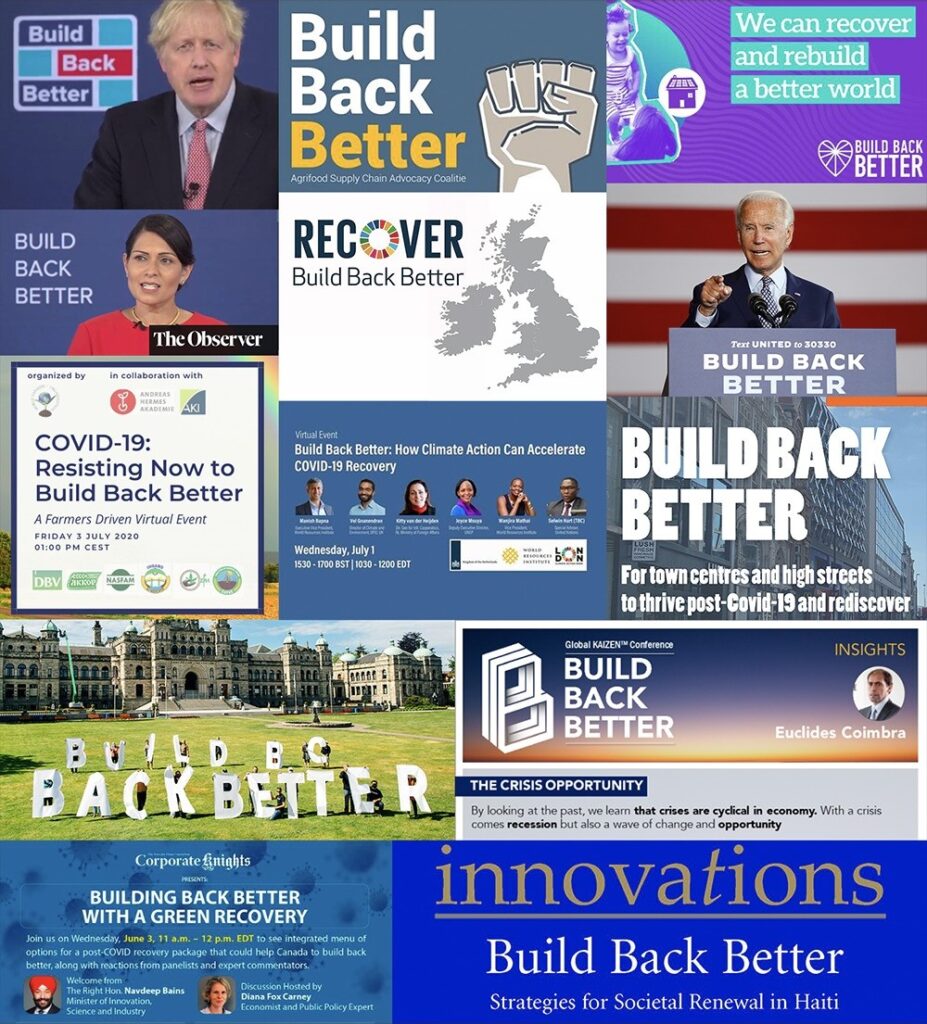
Every economic outcome is connected to a purposeful decision by the leaders of western industrialized nations to follow the Build Back Better climate change agenda. Higher energy costs, an outcome of the collective policy to stop new production of coal, oil and gas, which has transferred into higher food prices, farm prices, gasoline prices, heating and cooling prices as well as electricity rates, is forcing consumers to stop purchasing non-essential products.
The sale of durable goods collapsed in the first half of this year; however, no policymakers or bankers wanted to admit it and they kept saying there was an excess of demand. Now, with fewer customers for durable goods in the market, global manufacturing and factory outputs are dropping fast. Eventually the central planners are going to have to admit their pretended demand does not exist.
While there is a natural lag in the activity, the rate of factory contraction will be proportionate to rate of the drop in demand. Meaning we have only just begun to see the manufacturing decline that lags a few months behind consumer activity.
LONDON, Aug 1 (Reuters) – Manufacturing activity across the euro zone contracted last month with factories forced to stockpile unsold goods due to weak demand, a survey showed on Monday, adding to concerns the bloc could fall into a recession.
S&P Global’s final manufacturing Purchasing Managers’ Index (PMI) fell to 49.8 in July from June’s 52.1, just ahead of a preliminary reading of 49.6 but its first time below the 50 mark separating growth from contraction since June 2020.
An index measuring output, which feeds into a composite PMI due on Wednesday and seen as a good gauge of economic health, sank to a more than two-year low of 46.3. In June it was 49.3.
“Euro zone manufacturing is sinking into an increasingly steep downturn, adding to the region’s recession risks. New orders are already falling at a pace which, excluding pandemic lockdown months, is the sharpest since the debt crisis in 2012, with worse likely to come,” said Chris Williamson, chief business economist at S&P Global. (read more)
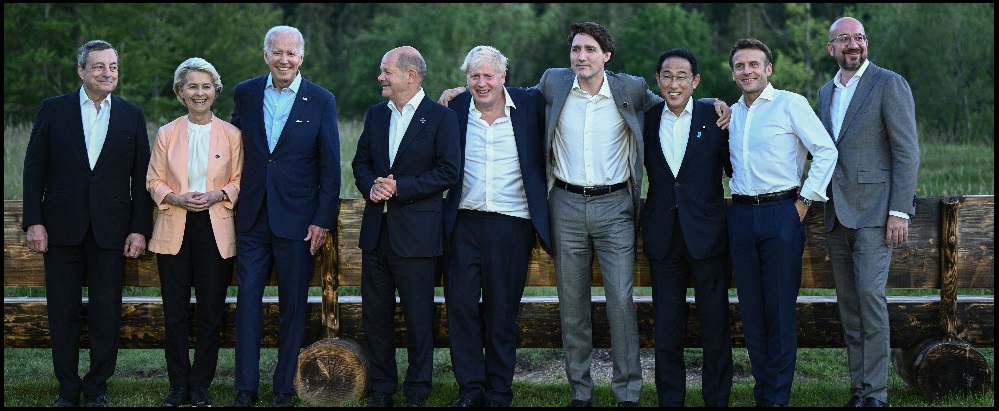
The WEF directed politicians are trying to bring energy demand down to match the energy shortage they have created. The various western government leaders, Biden included, want/need a recession to drop energy demand. The central banks and federal reserve are supporting the policymakers by driving up interest rates into the recession.
The combined effort leads to a shrinking of the global economy.
By lowering the economic activity and forcing their western nations into a joint collaborative and intentional recession, the central planners hope to offset the inflation they created by blocking coal, oil and gas production. By intentionally collapsing demand, the prices of excess non-essential goods will drop; however, there will be no one to purchase those goods at any price because global employment in a global recession is tenuous at best. This is the spiral they are trying to manage.
TOKYO (Reuters) – Japan’s manufacturing activity expanded at the weakest rate in 10 months in July, as pressure from rising prices and supply disruptions hurt output and new orders, suggesting a solid post-pandemic economic recovery is still some way off.
The final au Jibun Bank Japan Manufacturing Purchasing Managers’ Index (PMI) dipped to a seasonally adjusted 52.1 in July from the previous month’s 52.7 final.
That marked the slowest pace of growth since September last year, and was slightly lower than a 52.2 flash reading.
[…] Manufacturing activity suffered from contractions in output and overall new orders as well as a slower expansion in the backlog of work, the PMI survey showed.
[…] But a government official also warned downside risks for output remained as parts supply delays lingered. That is one of many reasons why the Bank of Japan remains resolutely committed to its ultra-low policies despite a global trend of rising interest rates to fight rampant inflation. (more)
It’s incredible how they various western leaders and bankers can still say there is too much demand, when every single economic indicator clearly shows that all consumer purchasing of non-essential goods and services has stopped.
We are seriously looking at a future employment scenario that might be as bad as it was during the economic lockdowns in the pandemic. This time all of the unemployment will have been created by intentional climate change policy.
These ideologues are seriously disconnected from the pain they are inflicting.
I was trying to wire money from my bank account in Italy to the one in the UK, just to realise that I can no longer transfer more than 6,000EUR per month.
The Soviet EUSSR is in full capital controls mode. I am missing the beauty of Italy every day, but I am so glad to live in Brexit UK. Good luck to the old continent.
SB
REPLY: I warned that all my sources were confirming, three very high up, that Europe would quietly impose capital controls on June 30, 2020. That has now taken shape. Europeans and not allowed to send more than 6,000 euros per month to another account outside the EU. Capital has been pouring out of Europe, and they beat not just the war drums but also the Green drums that forewarn of a severe economic decline for Europe.
Even in the United States, we have capital controls in place for a different reason — taxation. You will find it limited to try to wire more than $3,000 to an individual outside the United States. As I reported before, a friend in Singapore found me a service apartment and put down the first month’s rent for me. I sent him a wire, but when I got there, he said he never got it. I called my bank to put a trace on it, and HSBC returned it, saying they would not credit it to that account because they could not verify it was not secretly for me. I had to write him a check. You can wire to a business without a problem, but not to an individual. The hunt for taxes lives.
People have argued with me that I am wrong and it is capitalism that is collapsing. Sorry – socialism has brought us to the very sad end. Politicians can only run bribing voters, saying they will rob the rich to hand it to them. They can no longer borrow endlessly with no intention of paying anything back. That said, they know they will have to default. The question has been HOW?
This is what Schwab’s entire WEF is about. His Great Reset is because socialism is collapsing. I did our Solution Conference in 2015 because I knew what he was advising to world governments. The problem was that his way is that they become dictators, and he is even ending your right to vote. While they call Putin authoritarian, the head of the EU also does not stand for election. They are appointed by EU member politicians. This is what they want — ZERO right of the people to vote. They intend to control what we buy, where we live, and what we are allowed to say. So you can see, in my Solution, we retained democracy, so they were not handed ultimate power. Capital controls are part of this plot to end our freedom.
Posted originally on the conservative house on August 1, 2022 | Sundance
We are seeing the cascading impacts of the energy-driven inflation starting to ripple throughout the globe, specifically worsening economies who are dependent on the export of non-essential durable goods. South Korea manufacturing is the latest example.
The first quarter of 2022 started with a drop in U.S. consumer spending on non-essential durable goods like electronics. The net result of contracted consumer spending was a 1.6% negative GDP.
Inventories of goods started to build and by April/May of 2022 the Consumer Price Index (CPI) showed negative inflation in those sectors as discounts to move inventory were offered.
In June major manufacturer Samsung, headquartered in South Korea, announced they had told suppliers to stop sending component manufacturing parts for finished goods. (link)
By the end of July, the second quarter GDP in the U.S. again showed a contraction of 0.9%. Energy inflation was now creating a consumer spending recession, demand for non-essential goods dropped fast over the first half of the year.
Today, South Korea announces July manufacturing output contracted for the first time in two years, matching the prior announcement by Samsung:
SEOUL, Aug 1 (Reuters) – South Korea’s factory activity shrank in July for the first time in nearly two years, as output and new orders weakened amid continued inflation and supply chain woes, a private-sector survey showed on Monday.
The S&P Global purchasing managers’ index (PMI) fell to a seasonally-adjusted 49.8 in July from 51.3 in June, falling below 50 for the first time since September 2020. The 50-mark separates expansion from contraction in factory activity from a previous month.
Output fell for a fourth straight month and by the sharpest rate since October 2021, as new orders decreased for the first time in 22 months and those from overseas for the fifth month in a row. (read more)
All economies that are dependent on the manufacturing and export of durable goods are likely now seeing reduced factory outputs as fewer customers exist to purchase the final product. This will lead to a predictable rise in unemployment amid those same nations.
This situation is the reason why the Bank of Japan did not raise their central bank interest rates. They are attempting to offset the drop in global economic activity by keeping their currency value low as compared to the rest of the western countries. This will help move their exported goods at a discount.
Inside countries with large imports, the definition of “non-essential” purchases within each household now starts to shift. Upgrading electronics, jewelry purchasing, and other non-essential goods become the first to feel the impact. That contraction is then followed by appliances, furniture, clothing and eventually vehicles and high-cost durable goods.
As less and less disposable income is available, consumer spending gets increasingly prioritized. The service sector is likely starting to feel the consumer belt tightening, particularly those consumer goods and services that are dependent on middle class families.
Inflation in general is a corrosive issue that eats away at the ability of consumers to purchase products and services. Energy inflation is particularly damaging as it hits every sector of the economy with higher supply-side costs. Food prices, fuel, transportation costs, electricity rates etc. take a larger portion of the paycheck, leaving less room (if any) for non-essential purchases.
A shrinking global economy is the outcome of an intentionally managed decline to support the Build Back Better, climate change, agenda.
I have created this site to help people have fun in the kitchen. I write about enjoying life both in and out of my kitchen. Life is short! Make the most of it and enjoy!
This is a library of News Events not reported by the Main Stream Media documenting & connecting the dots on How the Obama Marxist Liberal agenda is destroying America













 Centinel2012