Scheme Finance – FDIC Asks Big Banks for Takeover Proposals and Bids for First Republic


Posted originally on the CTH on April 29, 2023 | Sundance

There’s something sketchy afoot in the world of high finance.  Following the collapse of Silicon Valley Bank, the most likely first contagion bank would have been First Republic Bank; both California banks carried similar vulnerabilities.  However, once the Treasury Dept agreed to cover all deposits, even those unsecured deposits over the $250k FDIC insurance protection, suddenly First Republic Bank survived.
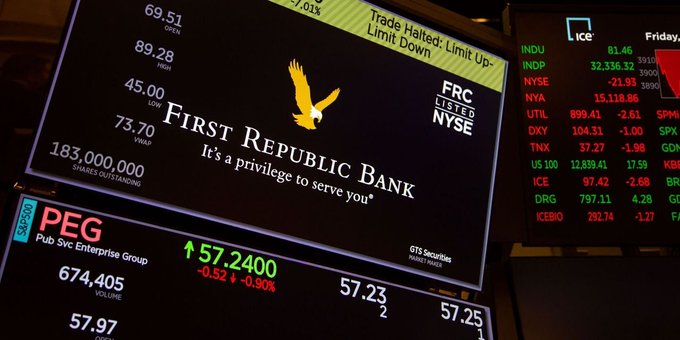
After the FDIC announcement, a group of 11 larger banks lent First Republic a tranche of money ($30 billion) to secure its holdings and help stabilize it.  Approximately six weeks passed, suspiciously perhaps the burn rate for the tranche in combination with risk averse exits says I, and suddenly First Republic starts destabilizing again.  [Insert Suspicious Cat here]

The First Republic stock value collapsed further last week, and the FDIC is now trying to get a takeover bid secured before government regulators are forced into a position of receivership.   I’m not dialed in to the banking industry, but it looks to me like the six-week interim phase was an agreement to give the illusion of stability and afford time for highly exposed, ¹likely well connected, stakeholders to exit.

With the Treasury taking the prior SVB position, thereby securing all deposits regardless of scope, the FDIC is now on the hook if the collapse includes a govt takeover.  The FDIC seems to be playing hot potato and looking for a buyer.  Additionally, the FDIC is asking JP Morgan-Chase if they are interested.  JPMorgan holds more than 10% of all deposit funds in U.S. banking.  From a regulatory position, JPM cannot legally take any more institutional deposits.  So, what gives?  It is all sketchy, all of it.

(Bloomberg) — The Federal Deposit Insurance Corp. has asked banks including JPMorgan Chase & Co., PNC Financial Services Group Inc., US Bancorp and Bank of America Corp. to submit final bids for First Republic Bank by Sunday after gauging initial interest earlier in the week, according to people with knowledge of the matter.

The regulator reached out to some banks late Thursday seeking indications of interest, including a proposed price and an estimated cost to the agency’s deposit insurance fund. Based on submissions received Friday, the regulator invited some of those firms and others to the next step in the bidding process, the people said, asking not to be named discussing the confidential talks.

Spokespeople for JPMorgan, PNC, US Bancorp, Bank of America and the FDIC declined to comment. Bank of America is considering whether to proceed with a formal offer, one of the people said. Citizens Financial Group Inc. is also involved in the bidding, Reuters reported, citing people with knowledge of the matter.

The bidding process kick-started by regulators — after weeks of fruitless talks among banks and their advisers — could pave the way for a tidier sale of First Republic than the drawn-out auctions that followed the failures of Silicon Valley Bank and Signature Bank last month. Authorities are stepping in after a particularly precipitous drop in the company’s stock over the past week, which is now down 97% this year.

Unclear to some involved in the process is whether regulators might use a bid for a so-called open-market solution that avoids formally declaring First Republic a failure and seizing it. The stock’s drop — leaving the company with a $650 million market value — has made such a takeover at least somewhat more feasible.

[…] A group of 11 banks that deposited $30 billion into First Republic last month — giving it time to find a private-sector solution — have proved reluctant to band together on making a joint investment. A few proposals that surfaced in recent days called for a consortium of stronger banks to buy assets from First Republic for more than their market value. But no agreement materialized.

Instead, some stronger firms have been waiting for the government to offer aid or put the bank in receivership, a resolution they view as cleaner — and potentially ending with a sale of the bank or its pieces at attractive prices.

But receivership is an outcome the FDIC would prefer to avoid in part because of the prospect it will inflict a multibillion-dollar hit to its own deposit insurance fund. The agency is already planning to impose a special assessment on the industry to cover the cost of SVB and Signature Bank’s failures last month. (more)

¹This is pure speculation on my part, but if you were a well-connected California big fish and you had exposure in FRB, after the SVB collapse you might ask the govt to construct an exit plan to assist you.

$11 billion flows in, you make your quiet withdrawals, and after exit the delayed outcome proceeds accordingly.

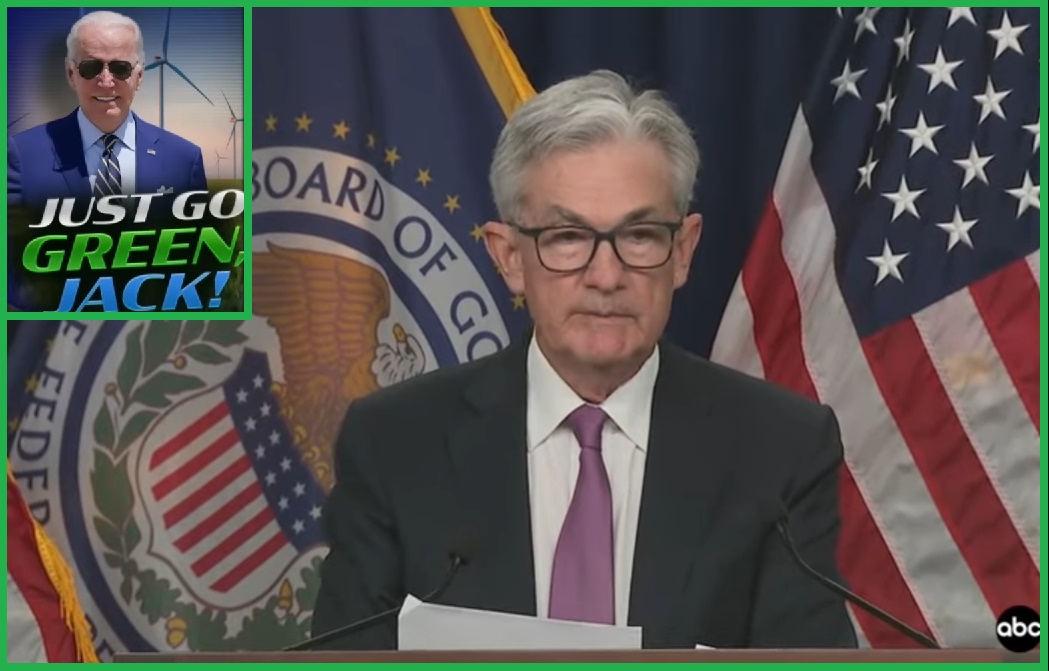
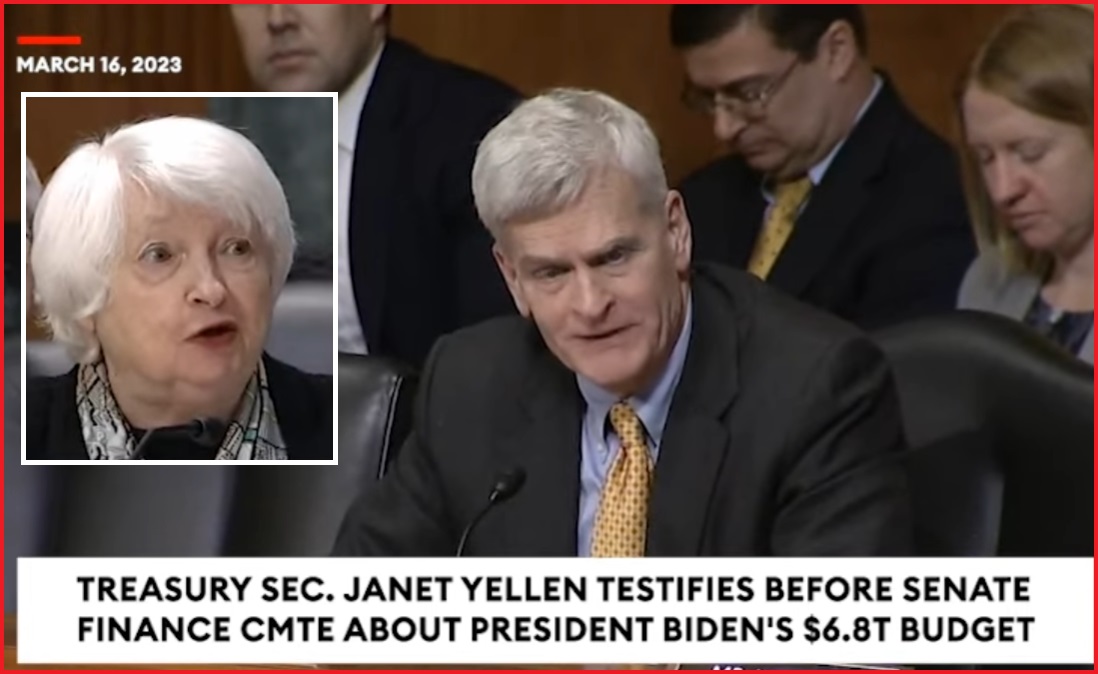
Senator Bill Cassidy Confronts Treasury Secretary Janet Yellen on Biden Tax Proposal, “That’s a Lie”


Posted originally on the CTH on March 16, 2023 | Sundance 

During today’s Senate Finance Committee hearing, Sen. Bill Cassidy (R-LA) questioned Treasury Sec. Janet Yellen about Social Security and the immediate cuts that take place in nine years if the current plan goes bankrupt.  The confrontation was professional, but also very focused.  WATCH:

.

C-Level Executives Sold Shares Weeks Before SVB Failed


Armstrong Economics Blog/Corruption Re-Posted Mar 13, 2023 by Martin Armstrong

A bank failure of this proportion has not been seen since 2008 when Washington Mutual failed. The majority of deposits in Silicon Valley Bank (SVB) are uninsured, meaning the FDIC’s $250,000 protection does not apply. Uninsured depositors will be provided receivership certificates and should receive an advanced dividend this week. The FDIC must sell off the remaining assets of SVC to determine how much it can provide to those uninsured depositors. The FDIC is encouraging borrowers to continue paying their existing loans. The bank was said to host $209 billion in assets and $175.4 billion in deposits as of December 2022. Washington Mutual held around $307 billion in assets when it went down.

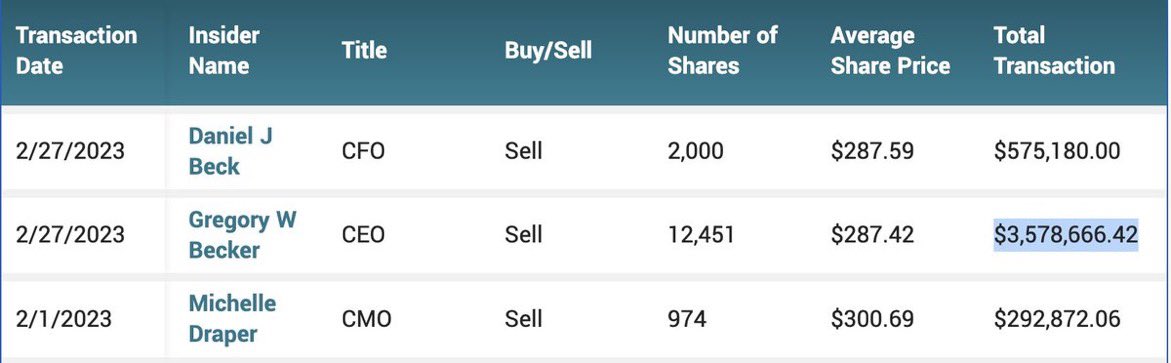
Tons of people and businesses will be completely screwed over. Who could have seen it coming? Silicon Valley Bank CEO, CFO, and CMO sold off millions in stock over the past two weeks. President and CEO Greg Becker sold 12,451 shares on February 27 for $3.6 million at $287.42 per share. Later that day, he purchased options for the same amount of shares at $105.18 a piece. He did the same thing in December 2021, as this is not an uncommon albeit unethical practice. Banks commonly trade against their own clients. Becker sold about $3.57 million worth of SVB stock over the past two weeks and is now making TV appearances saying he did not see this coming.

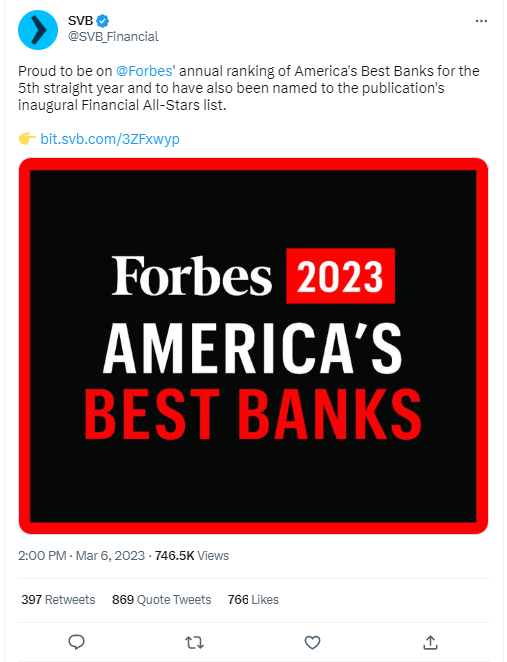
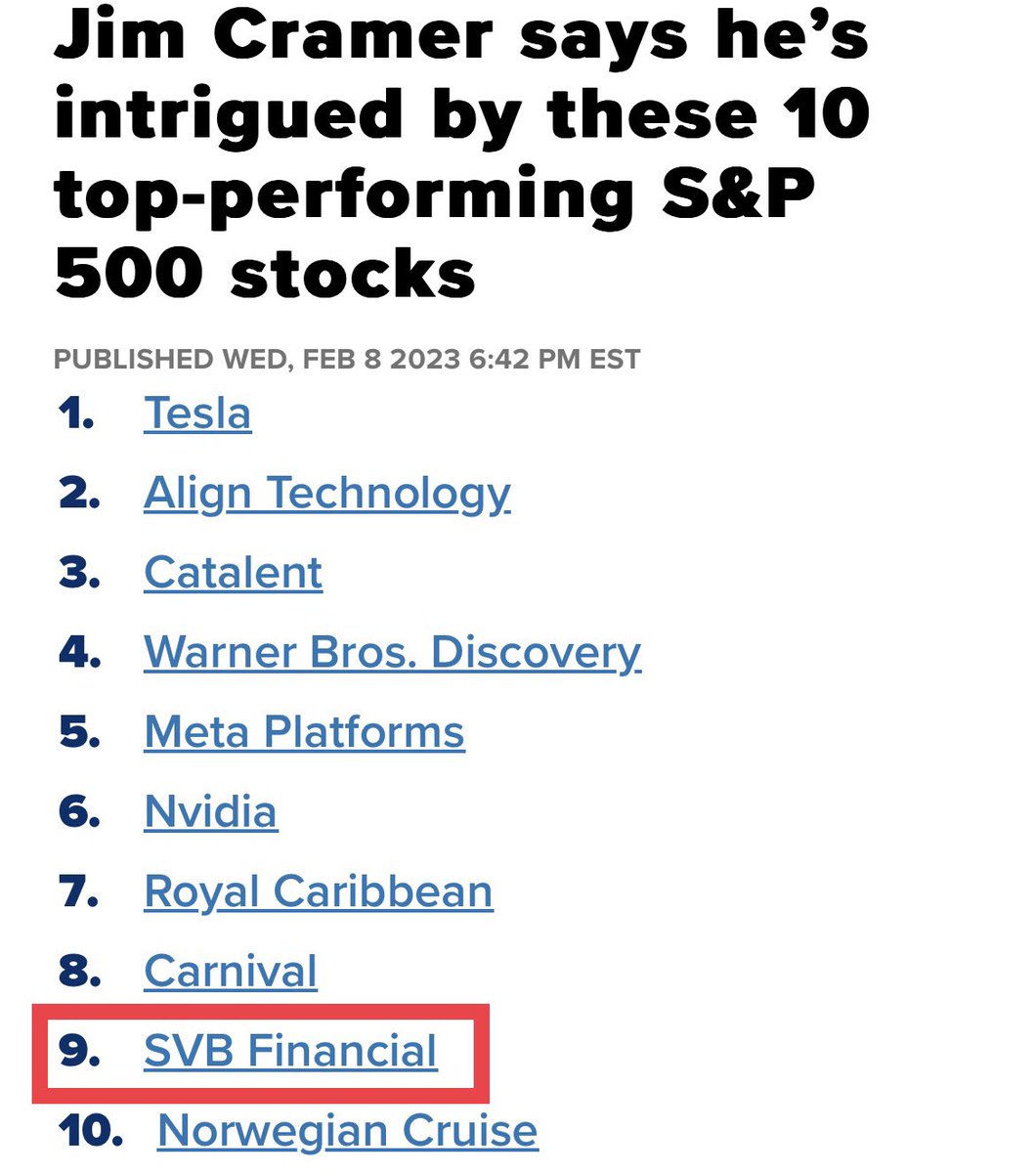
There were signs of trouble, but the talking heads said otherwise. Forbes even listed SVB Financial Group as #20 on its list of America’s Best Banks in an article published on February 14, 2023. Talking/screaming head Jim Cramer came out last month to say that SVB Financial would become one of the top performers on the S&P. This is why you cannot listen to information based on biased opinions. I hesitate to call this negligence technical analysis.

Companies are now at a complete loss, many cannot make payroll, and this situation will only worsen once the uninsured depositors realize their IOUs are worthless.

Fed Rates Up into 2024?


Armstrong Economics Blog/Interest Rates Re-Posted Mar 8, 2023 by Martin Armstrong

Federal Reserve Chairman Jerome Powell has made it clear that he sees higher interest rates ahead in his battle against inflation and their unrealistic 2% target. Many traders are now scrambling talking about how Powell said the Fed will probably raise rates more and possibly faster than previously anticipated. They are now taking that as a warning he may do a 50-bp hike this month. Our computer projected a Directional Change in 2022 and everything is on schedule for the rise into 2024.

Powell also restated his warnings to US banks about the risks of getting involved in the crypto industry. He expressed very clearly that lenders must take “great care” when engaging with cryptocurrencies. He added that the central bank didn’t want to prevent innovation, but it is not bullish on this industry and views it more like the DOT.COM Bubble.

Markets & War


Armstrong Economics Blog/Capital Flow Re-Posted Feb 24, 2023 by Martin Armstrong

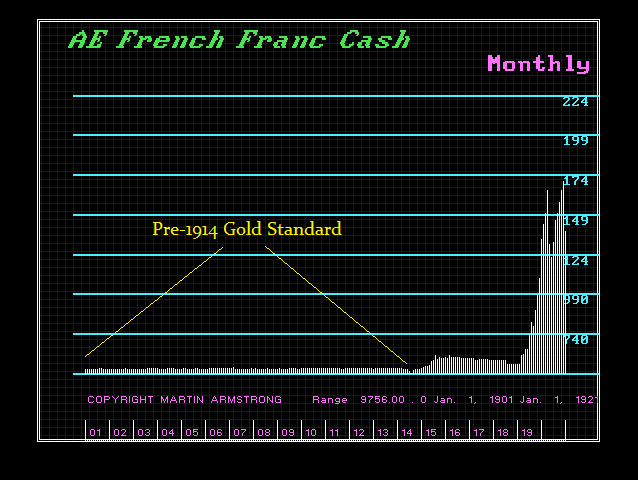
The financial markets had become integrated globally prior to World War I. It was the globalization and openness of world financial markets that became the problem and are important to understand for we will face the same problem today. The capital was free to flow from one country to another before World War I.  All the major countries of the world were on the Gold Standard at that point in time so exchange rates were not as volatile.

We can easily see that the currency market was very stable pre-1914 looking at the French Franc. Keep in mind that this was also a period of fiscal responsibility – pre-Socialism and Marx. Therefore, governments practiced balance budgets to retain confidence in their currencies. That enabled the gold standard to function. Furthermore, any differences in exchange rates were arbitraged. That is how the United States went into crisis in 1896 because the Democrats were inflating the system by overvaluing silver at 16:1 compared to 15:1 in Europe. That resulted in gold fleeing the United States and silver pouring in from international arbitrage.

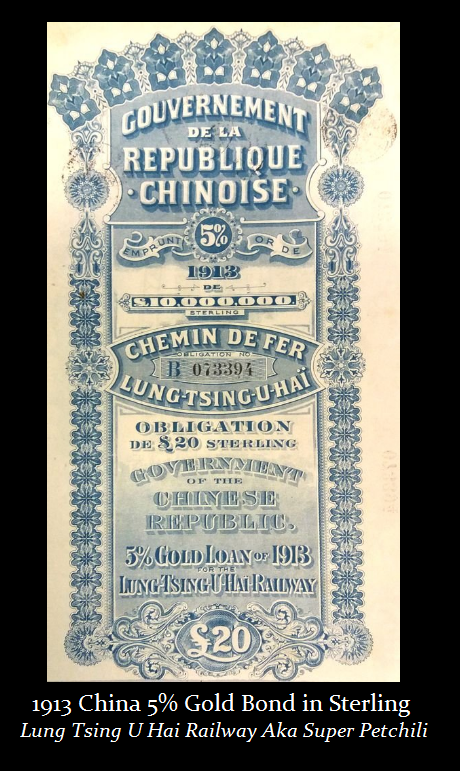
There was also a viable arbitrage that took place trading the spreads between international bonds listed on the various world stock exchanges. Many countries would issue bonds in British pounds just as they do in dollars today to sell more to the investors in the financial capital of the world, which was London at that point in time.

A country such as China or Russia would issue a bond that was listed on the stock exchanges in London, New York, Paris, Berlin, Amsterdam as well as St. Petersburg in Russia. Here is a Chinese bond issued in British pounds in 1913 paying 5%. The differences in exchange rates, which would still fluctuate marginally, would be arbitraged by buying and selling bonds in different markets.

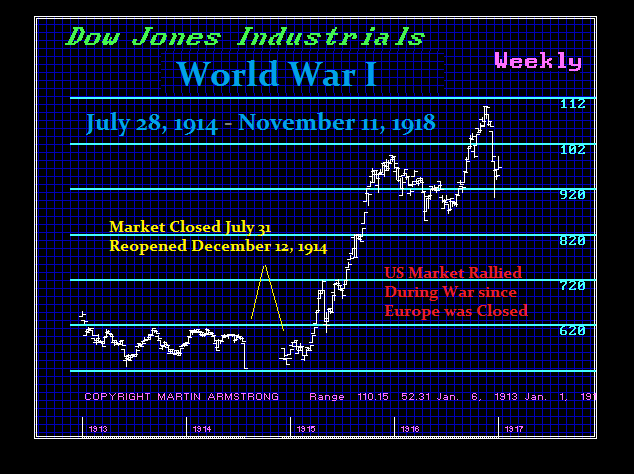
Consequently, during World War I, there was a global marketplace. In effect, this integration of markets presented a problem when the war hit. Capital could flee from one country to the next and thus the method to deal with the capital flows was to close the stock markets. The United States also closed the market in sympathy with Europe.

We will be taking a closer look at the various global markets. What you can count on is clearly CAPITAL CONTROLS. It would be best for those in Asia and Europe to have some capital tucked away in the United States. Once bullets start shooting, it will most likely be too late to move money.

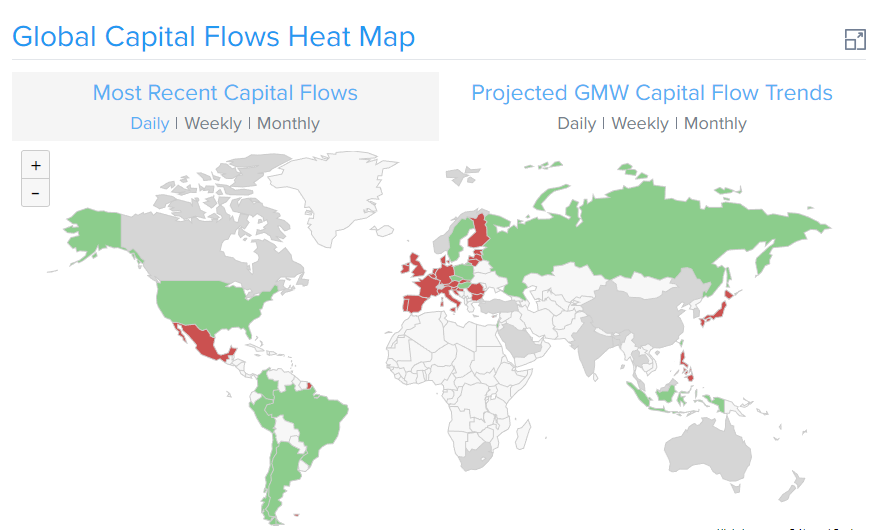
Keep an eye on our Capital Flow tracking. This may become very critical in the months ahead.

Minneapolis Fed President Neel Kashkari Admits Goal is to Shrink Economy to Meet Decreased Energy Supplies


Posted originally on the conservative tree house on February 19, 2023 | Sundance

This video interview segment was sent to me today along with a “wow, you were right” message.  Apparently, the interview took place a few weeks ago (it’s new to me), but the admissions within it are quite remarkable.

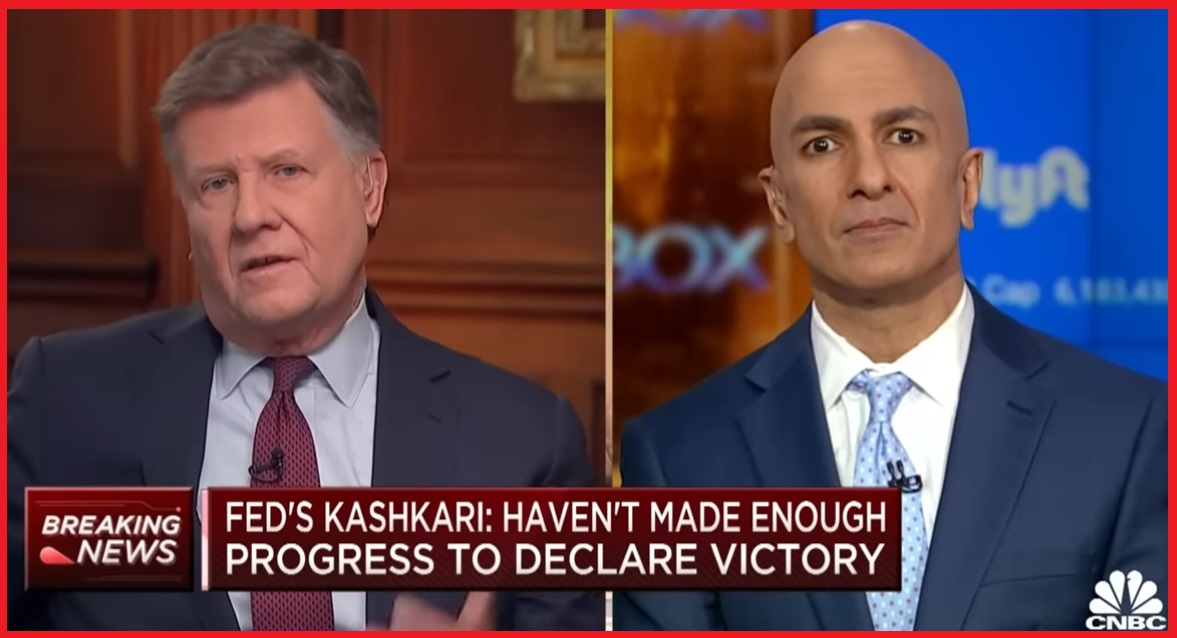
The CNBC discussion surrounds inflation and the federal reserve raising interest rates. Minneapolis Fed President Neel Kashkari is talking about the jobs report, inflation and the intention of the federal reserve to continue raising interest rates until they achieve 2% inflation, regardless of consequence.  Kashkari doesn’t hedge on the latter issue of consequence; he affirms with absolute guarantee the fed will keep raising rates until the economy shrinks enough such that 2% inflation is achieved.  However, watch what happens when Joe Kernan takes that outlook and overlays “supply side” energy policy.  WATCH (10:22 prompted):

The issue is quite simple, really.  When additional oil, coal and natural gas development is blocked as an outcome of policy, energy prices jump massively.  We are seeing 2022/2023 price increases in electricity, home heating, fuel, gasoline, natural gas and other total energy price outcomes in the 60%+ range.

As a direct outcome of energy policy, all of the downstream products and services have massive upward supply side price pressure.  When the input prices are driving upward of 60%, the downstream prices increase accordingly.  Farming costs, fertilizer, feeding, transportation costs, food at retail and wholesale, and just about every petroleum-based product, which is almost everything, increases in price accordingly.
If supply side energy price increases are pushing +60%, and the Fed will only accept a 2% inflation output result, the only method of achieving the desired result is to shrink energy demand.  This is the goal of the current Fed monetary policy.  In this interview Kashkari admits the dynamic for the first time in public.

Prior to this interview, the Fed was being too-cute-by-half as they talked about targeting the ‘demand side’ through increased rates.  The demand they were targeting is the energy demand, but people (mostly in the financial and business world) were not willing to accept that Federal Reserve monetary policy would intentionally try to shrink the economy.

When overall energy price increases are driving upward of 60%, it is going to take a major amount of economic contraction to drop energy demand to meet the diminished energy supply.  CTH has been warning about this ultimate objective for over two years.  It’s a simple economic situation.

+60% price on the supply side, with a goal of +2% on the downstream demand side, equals a major amount of activity needing to be removed. Essentially energy use needs to drop by half.

You can put everyone in an electric car and still not even come close to dropping energy demand 50%.  You cannot “energy efficient” your way to a 50% drop in demand; there just isn’t enough waste in the system, especially when people are already paying close attention to energy use because it costs so much.

This “transition to the new green economy” is a whole of society shift.

This “transition to the new green economy”, is a multi-generational shift.

The transition includes putting people in smaller houses, stopping their travel, stopping their purchasing of new goods, taking down entire industries and limiting human activity on a massive scale.

Something akin to the COVID-19 lockdown period would be needed, only this level of diminished economic activity would be permanent.

It makes you wonder if the COVID-19 lockdown was the test to see how much energy use would drop if everyone was stopped in place.  And yes, during the COVID lockdowns, human activity did stop, economic activity did stop, and energy use did drop by the nearly amount we are talking about.

When you accept what Minneapolis Fed President Neel Kashkari is openly admitting in that interview segment, particularly as he is asked about the massive supply side costs and how that overlays, then you realize how prescient the image is below.

This image is the exact future you see flowing from the “radical transformation,” or what is also called “managing the transition“…

At the end of the transition, you have two social societies.   One social system is a massive assembly of human activity all in close proximity. The alternative social system consists of those who do not wish to be jammed into Build Back Better cities yet forced to sustain themselves because the energy production and delivery resources in the larger geography have been stopped.

Now you know why I asked the question, “where would you live” over a decade ago.

Depression Scrip – Coming to a Region Near You


Armstrong Economics Blog/Cryptocurrency Re-Posted Feb 15, 2023 by Martin Armstrong

QUESTION: At the WEC, you said as the nation breaks apart, the most likely course of action will be the creation of local currencies. You also said you would post a catalog of Depression Scrip. I have not seen that. Can you post that, please?

Thank you for a great WEC. Always learning something new.

GJ

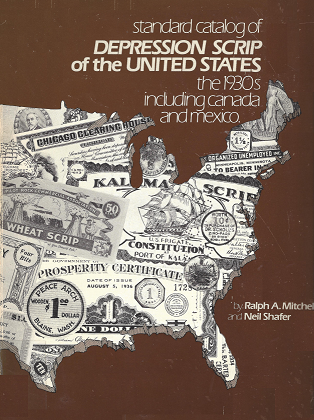
ANSWER: Sorry. I may have forgotten to publish that because I searched Amazon and could not find it. It was published back in 1984. Because Depression Scrip is not a huge field of collectors largely because most have never heard of the existence of private currency during the Great Depression, this book is quite rare. You may find some used copies that go for $125 or more.

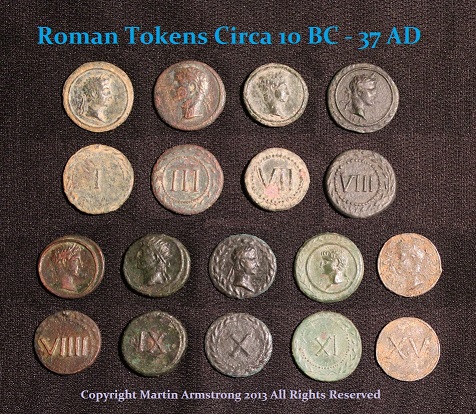
I have studied the subject from the standpoint of economics. During the reign of Tiberius (14-37AD), he was very frugal and as such there was a shortage of money which led to a Financial Panic in 33AD. During such periods, private money surfaces as a necessity. This is why history repeats because human nature never changes. It will always respond the same way.

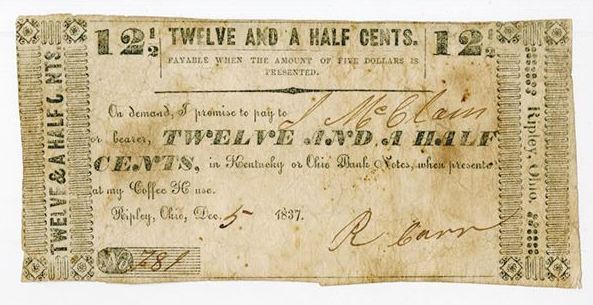
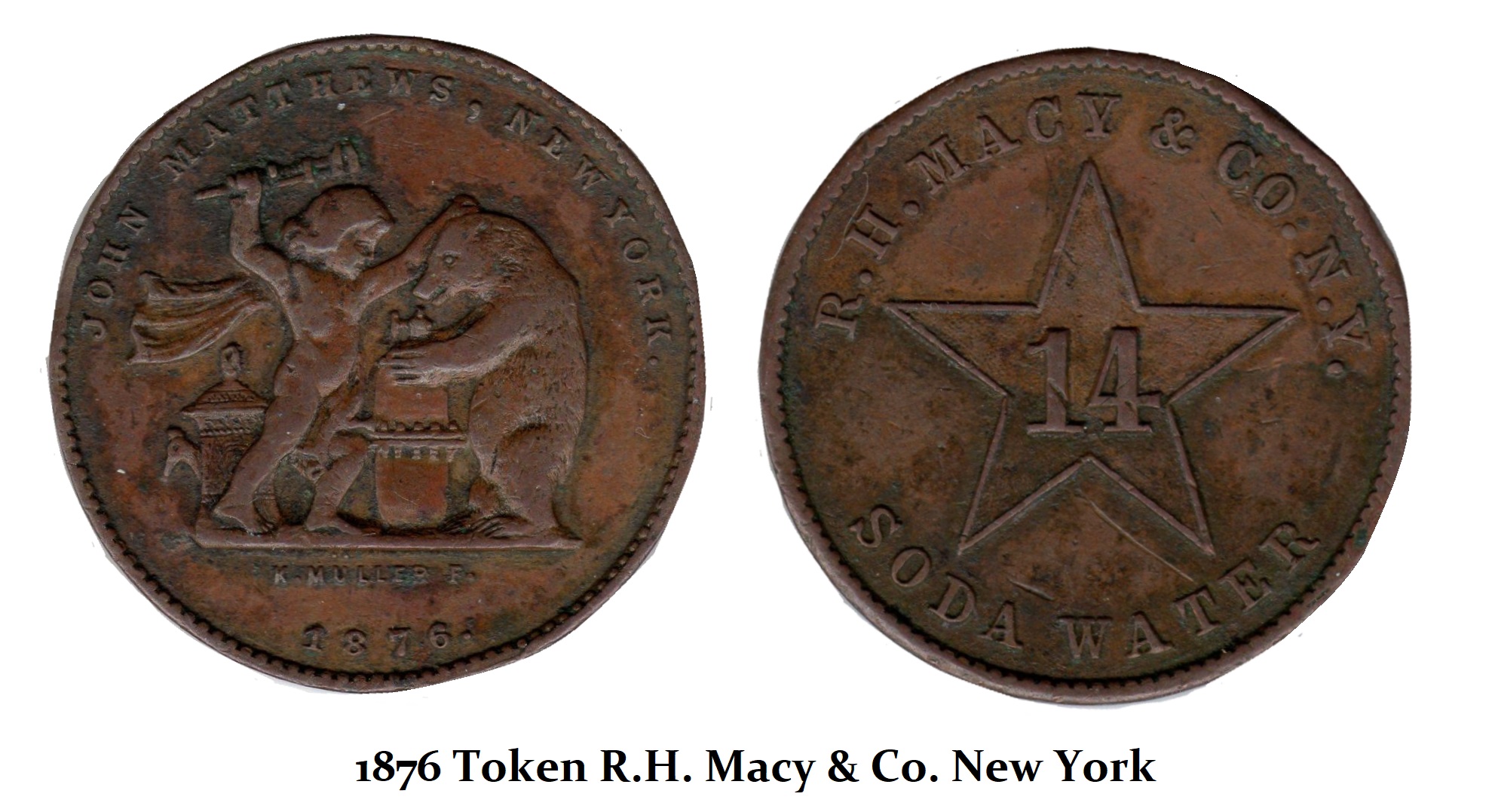
Here is private money from the Panic of 1837. The denomination reads 12 1/2 cents. This was issued by a Coffee House. Here is a half-penny issued by the New York store of Macy’s in 1876 following the Panic of 1873.

Throughout history, we see the very same reaction each and every time. I have collected a large number of private currencies covering the various financial waves of panic since Roman times. It has been a critical part of being able to forecast what takes place during these events. The common denominator is always humanity since we never change for thousands of years. We only progress in terms of technology – not our human emotions.

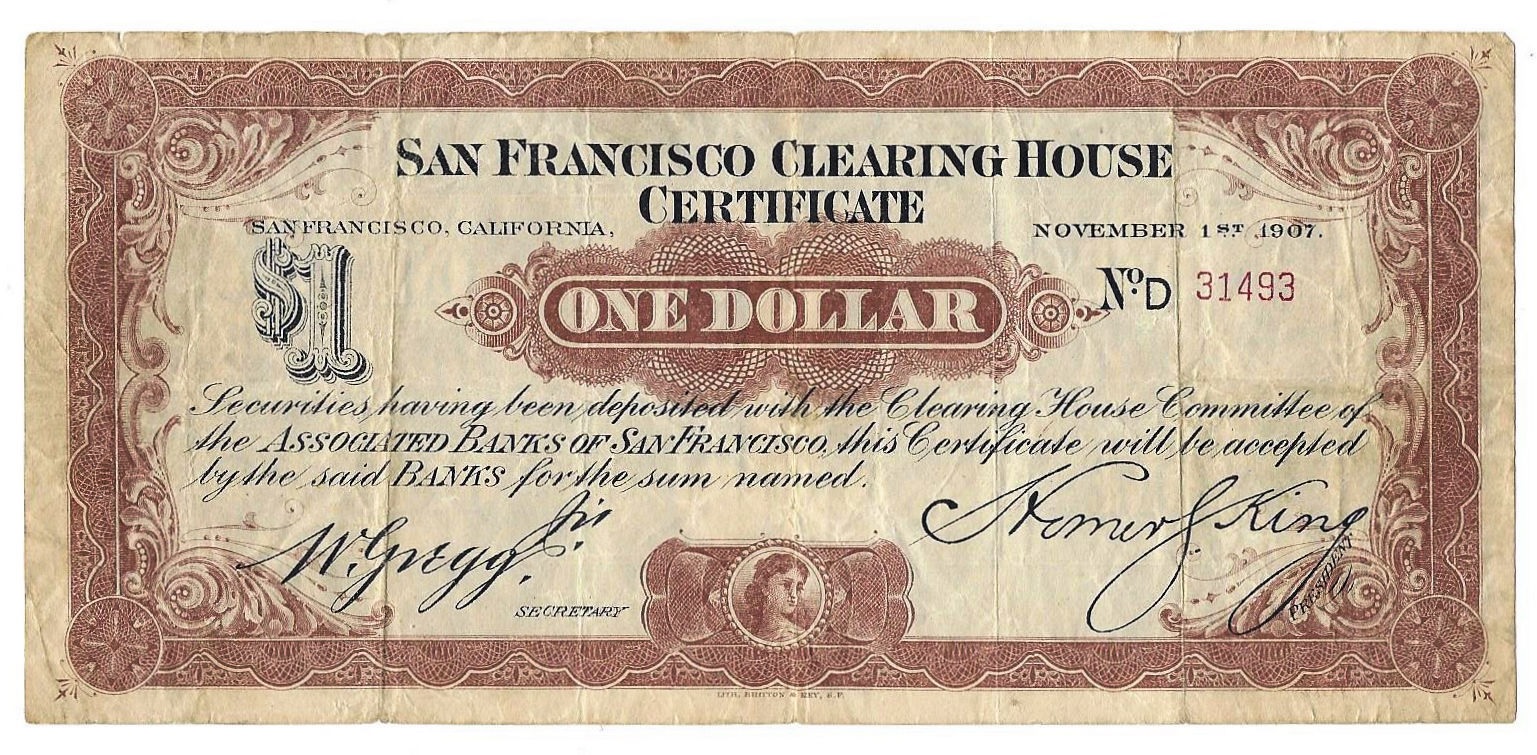
Here is private scrip issued by the San Francisco Clearing House where transactions were settled in the bond and stock markets. The backing was the private shares in companies. This was the Panic of 1907.

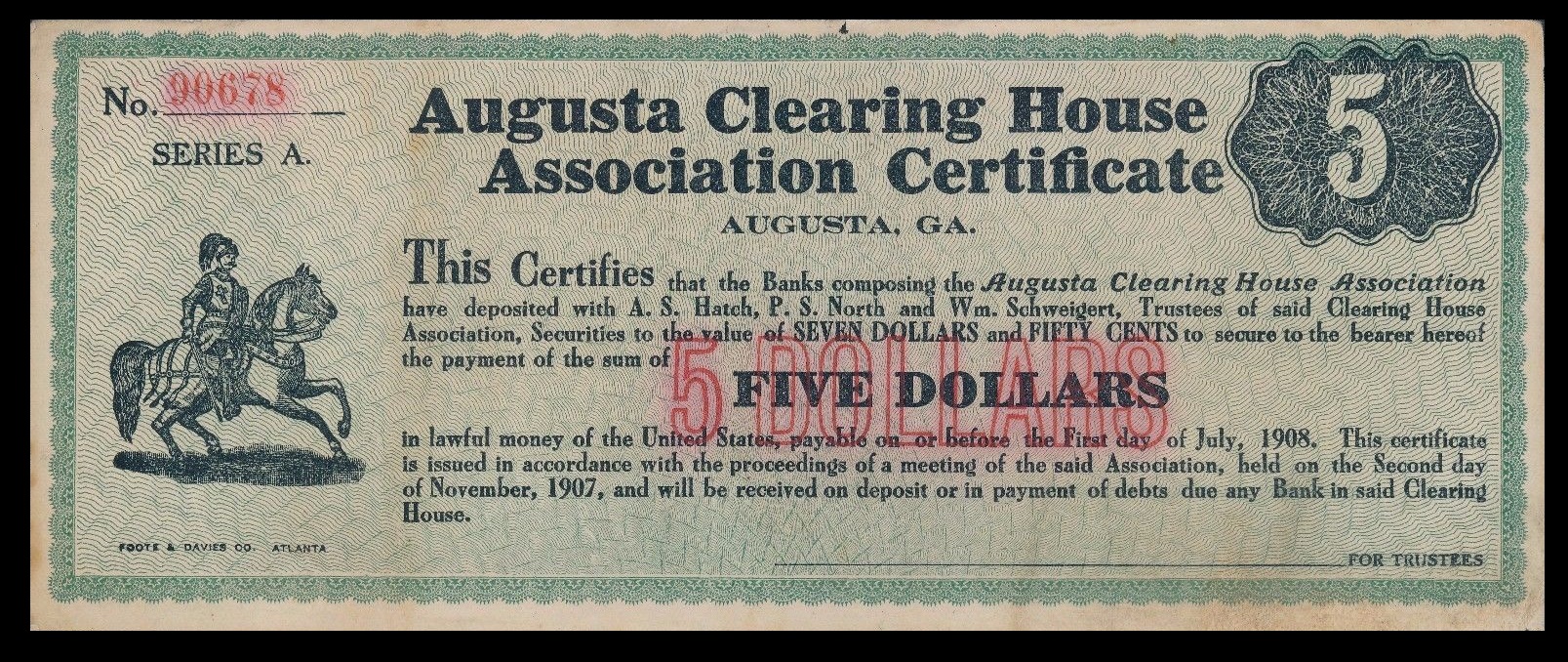
Here is another issued in 1908 in Augusta, Georgia. It was the Panic of 1907 that really we began to see widespread stock exchanges issuing money that began because if there was a shortage of cash, you could not conduct any business whatsoever since it was impossible to pay.

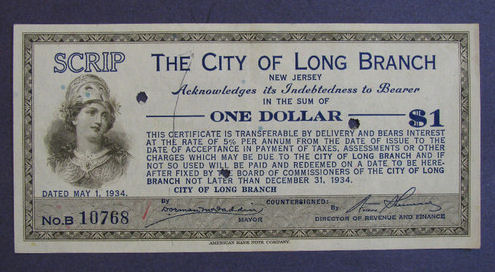
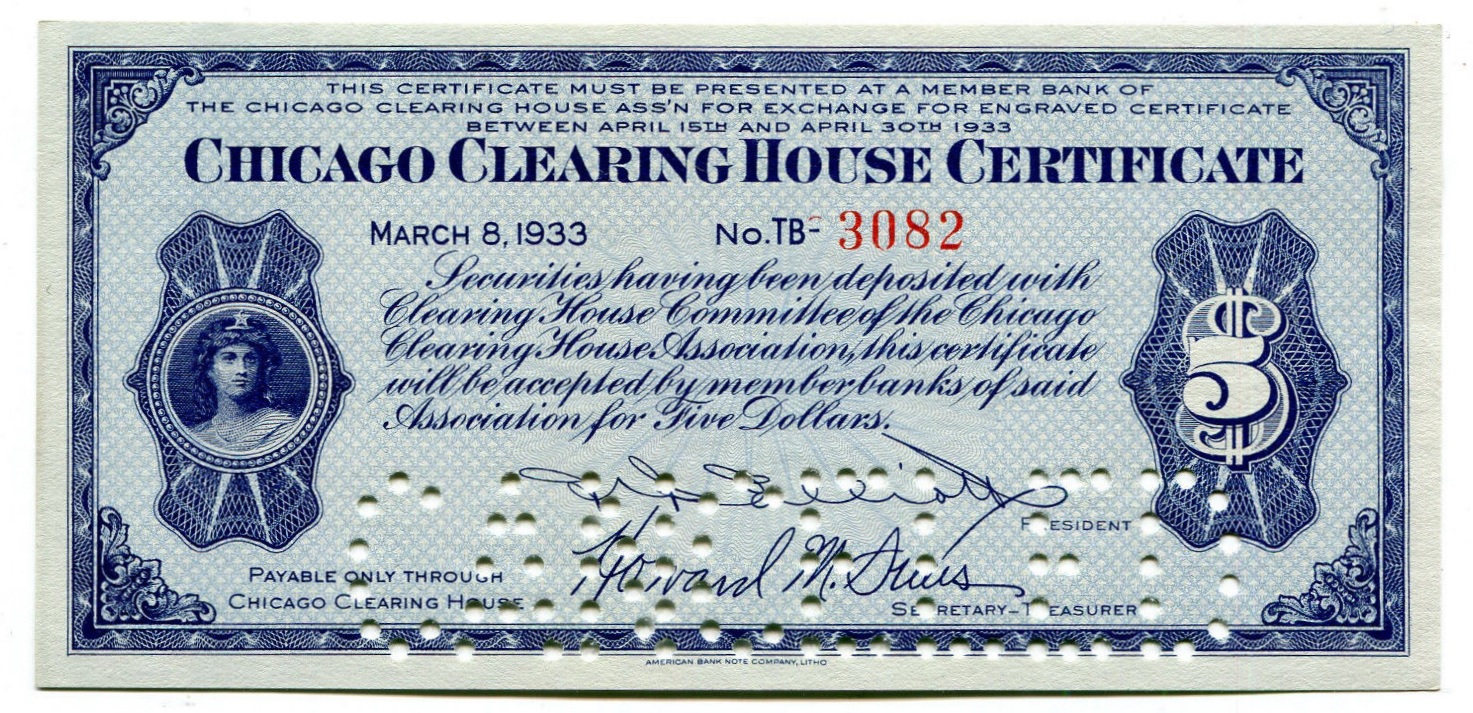
Here is the Chicago Clearing House which issued private money during the Great Depression in 1933. We find various stock exchanges issuing private currency in times when there was a shortage of money because people were hoarding their cash in times of uncertainty.

This was the very first Depression Scrip I ever saw and immediately purchased it. This opened the door in economics for me to understand how things function during a great crash. What took place during the Great Depression was that there was such a shortage of cash, over 200 cities began to issue their own currencies just to enable transactions to take place. Businesses could not hire people because there was no available cash to pay them

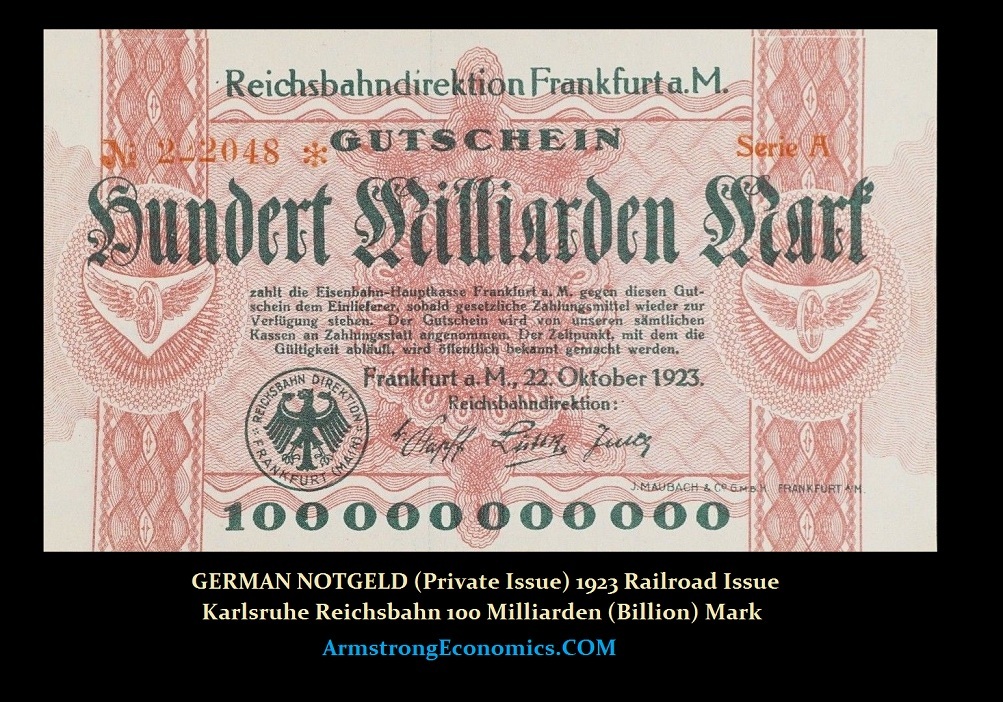
There are catalogs available in German concerning the NotGeld, private issues of currency, during the Hyperinflation of the 1920s. Once again, it does not matter what nation or culture. The same human response will unfold every time.

As the United States breaks up, as is the case in Europe, we will see currencies appears on a regional basis. This is how it will always work. I spent more than two decades investigating these trends and collecting scrip from all financial crises going back to ancient times. Without access to these examples, there is just no economic historical account that has ever tied all of this together. I had to explore this all on my own.