Posted originally on the conservative tree house on June 8, 2022 | Sundance
Brazilian President Jair Bolsonaro wasn’t just throwing shade at the 2020 election outcome for Joe Biden, Bolsonaro seemingly ponders the question about how many western leaders might be the result of WEF manipulated elections. All things considered; it is a valid question.
SAO PAULO, June 7 (Reuters) – Brazilian President Jair Bolsonaro on Tuesday cast doubt on the 2020 election victory of U.S. President Joe Biden, just two days before they are due to meet for the first time during the Summit of the Americas.
Bolsonaro, an outspoken admirer of former President Donald Trump, said in a TV interview that he still harbors suspicions about Biden’s victory and he again praised Trump’s government.
In 2020, the Brazilian leader voiced allegations of U.S. election fraud as he backed Trump. Bolsonaro was also one of the last world leaders to recognize Biden’s win.
“The American people are the ones who talk about it (election fraud). I will not discuss the sovereignty of another country. But Trump was doing really well,” Bolsonaro said. “We don’t want that to happen in Brazil,” he added. (read more)
With the totalitarian comfort we have seen from multiple western governments’, in both scale and scope, it does make you wonder just how far they would be willing to go to retain power. After all, there are trillions at stake.
Former Brazilian President Luiz Inácio Lula da Silva (r. 2003–2010) will run against President Jair Bolsonaro this October. The former president was recently cleared of corruption charges after being convicted of money laundering and corruption whereby he was sentenced to nine and a half years behind bars before it was later extended to 12 years. The former president, nicknamed Lula, was later declared innocent for his role in “Operation Car Wash,” and is now eligible to run against Bolsonaro.
Lula once enjoyed the title of Brazil’s most popular president with an approval rating surpassing 80%. The leftist leader has a rags to riches background and made promises to end hunger and boost social programs. “In his time in office, Lula pumped billions of dollars into social programmes [sic] and can reasonably claim to have helped reverse Brazil’s historic inequalities,” the BBC stated.
Early polls indicate that Lula may be a favorite over Jair Bolsonaro. Voting is required in Brazil, and the 2018 election turnout was close to 80% of the population. According to Polling Data, as reported by AS/COA Online, Lula is currently in the lead with 43% of respondents saying they would vote for him. Bolsonaro lagged behind with only 31% showing support, while the other candidates failed to reach double-digit figures.
Unfortunately for Bolsonaro, 62% of Brazilians believe their economy is on the wrong path, and only 35% approve of the Bolsonaro Administration. As of May, 68% of respondents said they already knew who they were voting for in the election. The race is likely to be close, but the Bolsonaro Administration will need to provide the people with faith in the future of the Brazilian economy if he plans to beat his popular opponent.
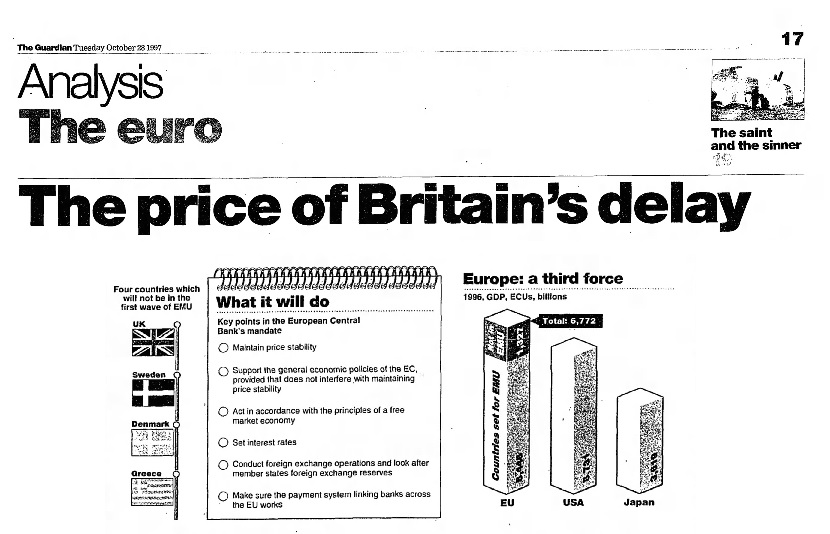
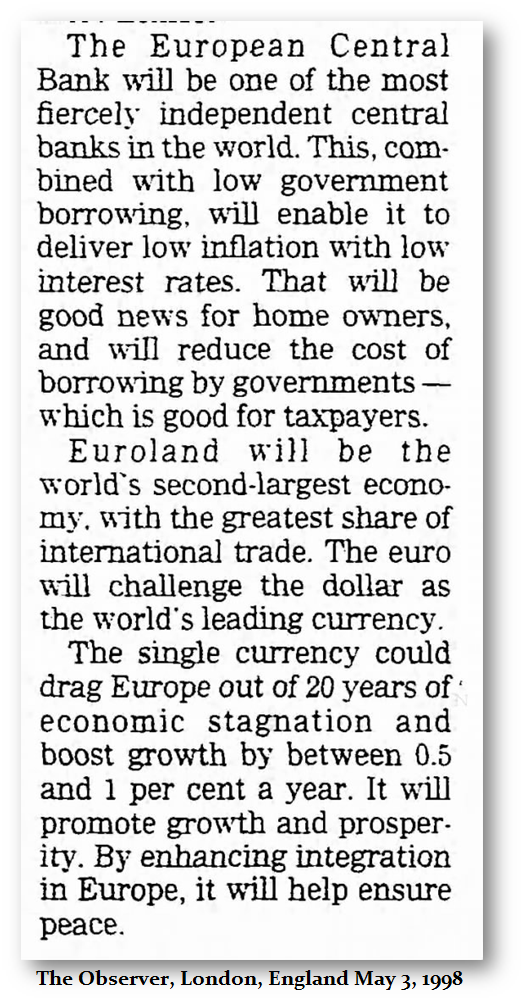
The European Union failed to consolidate debt when creating its European utopia. Policymakers are solely to blame for creating their debt crisis, and it is hard to believe that no one saw this coming. The creation of the euro and European Union was so poorly planned that it is another example of comedy writing itself.
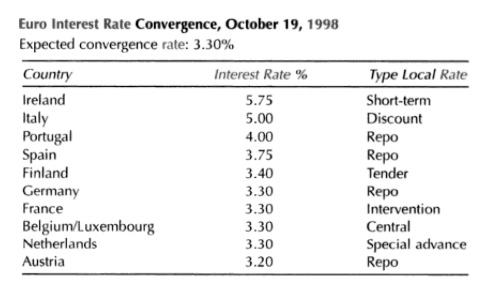
The European Central Bank (ECB) has a major crisis beginning. The free markets always win, and the spreads on the interest rates among the member of the EU are widening for Greece and Italy. Fools are telling Lagarde to use stronger language to signal that divergences among the member states will not be allowed to take place. The borrowing costs of more vulnerable countries such as Italy and Spain cannot be contained.
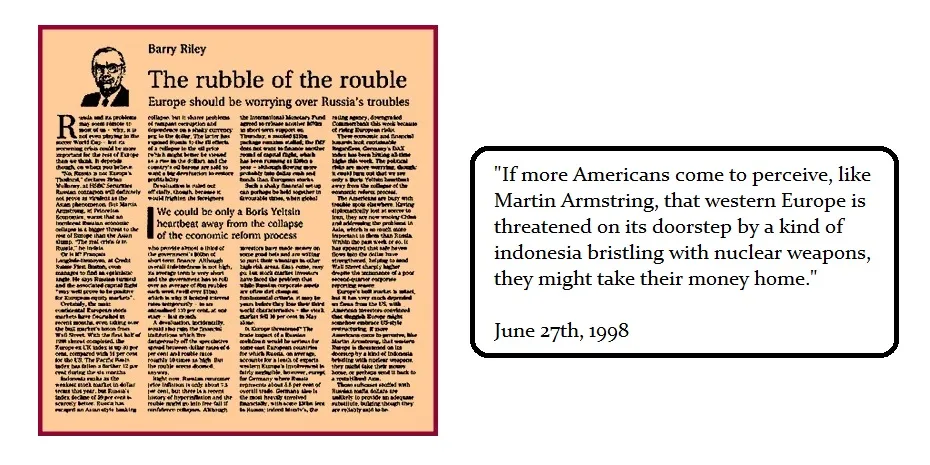
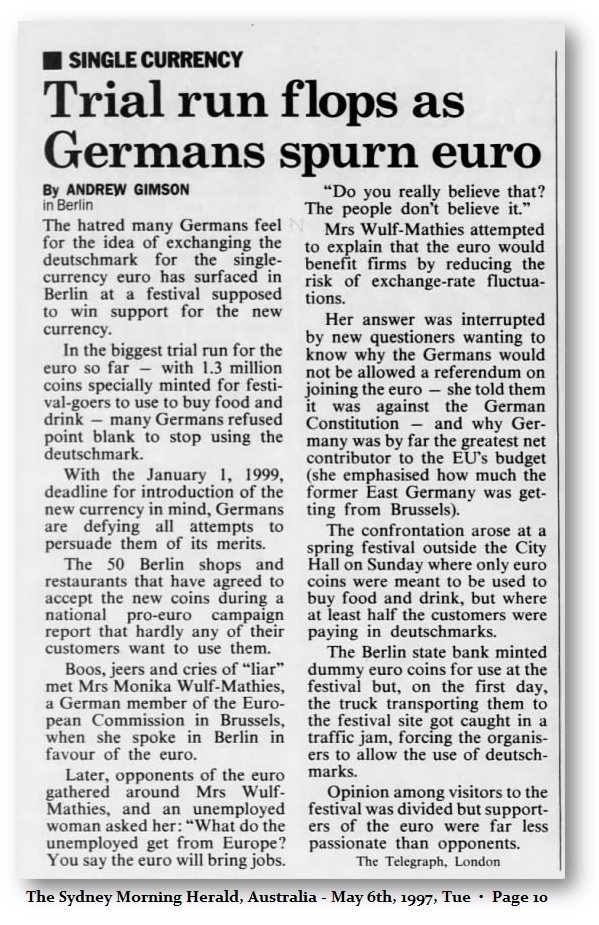
When they were creating the euro, the Commission attended our 1998 London Conference — the same one when I warned that Russia was about to collapse. It was then when I had a discussion with them, warning that a single currency WOULD NOT produce the same interest rate for all.
All the talk was that a single currency would set a single interest rate. I tried in vain to explain that would never happen. They were comparing it to the US federal government and I made it clear that they were not consolidating all the national debts and this meant that there could be no single interest rate and the difference in the currency would be transferred to the bonds instead. They simply refused to listen because that was one of the selling points to get the euro going.
It did not matter, they just wanted the euro at all costs. Now we see the widening of the spread and one central bank cannot impose a single interest rate any more than the Federal Reserve can control the interest rates all 50 states must pay to borrow money. In the United States, Massachusetts has the highest debt per capita in the country at about $11,130 with a AA rating while Tennesse has the lowest at about $875 and has a AAA rating.
The ECB knows it is facing a nightmare. The ONLY possible solution is to consolidate all the national debts of the member states and that would then become federal. Only then could it possibly be on the same footing with the dollar. Back then, the Bundesbank was against the euro. They were feeding us all the notes of the meetings because they really could not come out and speak. The Bundesbank understood the potential long-term crisis, and they opposed the merger of national debts.
So here we go again. COVID set off the fuse; Ukraine is the time bomb about to explode. As the soothsayer warned: Caesar beware!
Inflation does not discriminate based on income. According to a new Bloomberg report, over one-third of Americans earning at least $250,000 annually are living paycheck to paycheck. Only 5% of the nation earns over $250,000 per year, and this is who the politicians would call “the rich.” One in ten noted that they struggled to cover their household expenses in April.
This is especially true for Millennials who lack decades of savings and were forced to purchase housing and other big-ticket items at the historically high price levels. Among those earning $250,000 or more per year, 55.4% of Millennials reported living paycheck to paycheck compared to 26% of Boomers. In the $100,000 to $150,000 income range, 63% of Millennials reported an inability to save compared to 26% of Boomers.
Living paycheck to paycheck comes with the risk of slipping into debt. The Federal Reserve recently reported that 78% of Americans believed they were living comfortably financially, but they may be seeing the situation through rose-colored glasses. One in nine respondents from the same Fed survey admitted that they could not afford a mere $400 emergency expense. In this current economy, the wise are reassessing their spending as inflation is not expected to decline anytime soon.
The American view during the 70s was more concerned about gold rather than the value of the dollar against world currencies. Most Americans never traveled to Europe so their impression of currencies was the Canadian dollar which was about par with the dollar that Americans would encounter when visiting Niagra Falls. I remember as a kid the family would drive up there and we would cross the border for the best view from the Canadian side. That was probably my first experience with a foreign currency other than ancient Roman coins when I bought my first one for $10 when I was probably 10 years old.
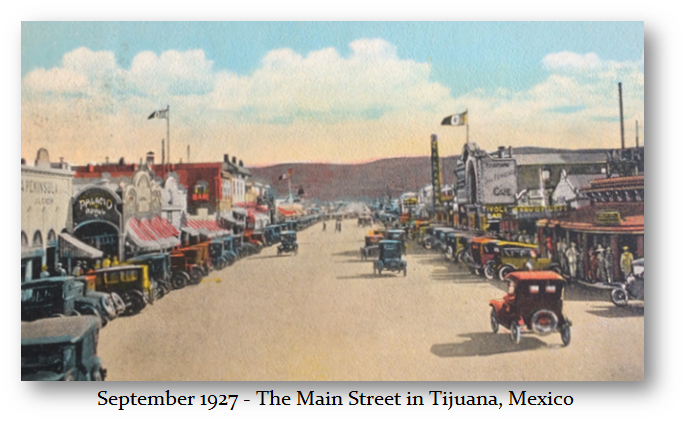
The other hot spot outside the United States was crossing the border to visit Tijuana in Mexico. That was a real hot spot largely promoted due to the Prohibition Days during the Roaring 20s. The Mexican peso was just this cheap thing that nobody really understood and they never understood how to count their change.
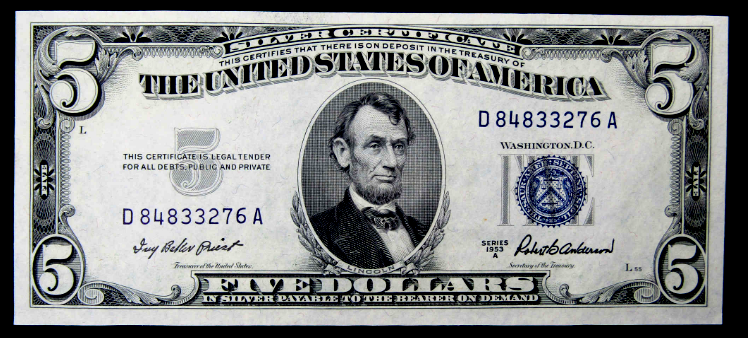
It was Roosevelt who confiscated gold from the banks and created a two-tier system whereby gold was used for international transactions, but silver was used for domestic currency backing until Kennedy ended the silver standard in 1965. Because gold was illegal to own except in coins dated 1947 or before, Americans really had little exposure to foreign currencies. They did not see the foreign exchange rate of the dollar during the 70s and 80s, it was all about gold. I even had a conversation with Paul Volcker who was focused not on the inflation rate as much as he too was obsessed with the rise in the price of gold from $35 in 1971 to $875 on January 21st, 1980 which he saw as the real inflation measurement.
As for the Europeans, they were focused on the dollar and the collapse of Bretton Woods. They were all buying gold after March 1968 when the first crack in Bretton Woods took place allowing a parallel free market in gold in Europe. That was the birth of a two-tier monetary system. Overall, the Europeans were pushing the price of gold up in terms of dollars.
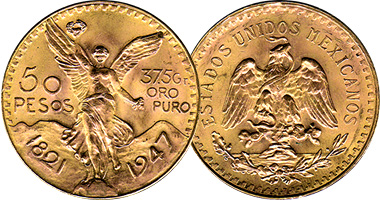
It was a wild time during the 70s. Because I was in New Jersey, the three major gold refineries were there. I was dealing with Englehard which ended up being Phibro post-1975 which took over Solomon Brothers. Before 1975, Americans could buy gold in coin form as long as it bore a date of 1947 and before. Austria, Hungary, and Mexico were the big sellers of gold. They were restricting coins with old dates so Americans could buy gold before 1975.
So I was in the thick of things back then insofar as trading was concerned. I had European clients in Gold and I dealt with all the Swiss banks at the time. By sheer fate, being a market maker in gold, taught me a lot. Gold was the first financial instrument for futures trading beyond currencies. The US bonds began trading in 1977 and S&P500 futures came in during 1985.
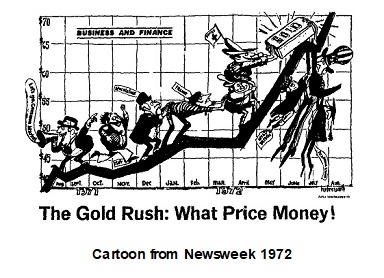
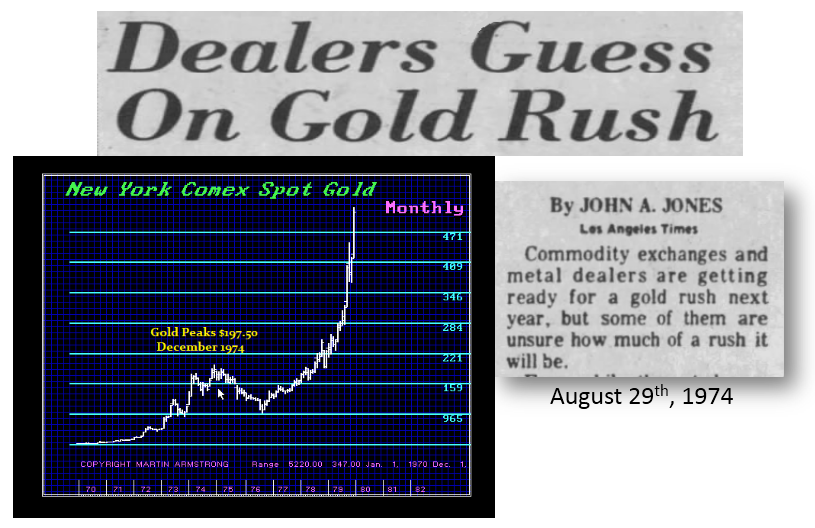
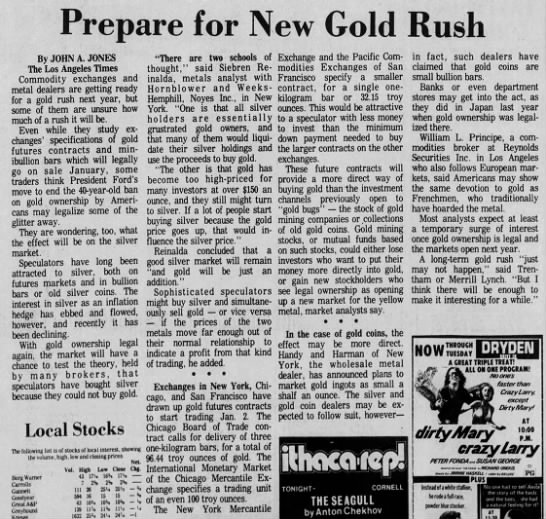
Gold rallied into 1974 on ANTICIPATION of Americans were going to run out and buy gold. They were expecting a gold rush. Being in the business, I never got one phone call about buying gold because it would be legal. Everyone who believed in gold had been buying gold coins all along.
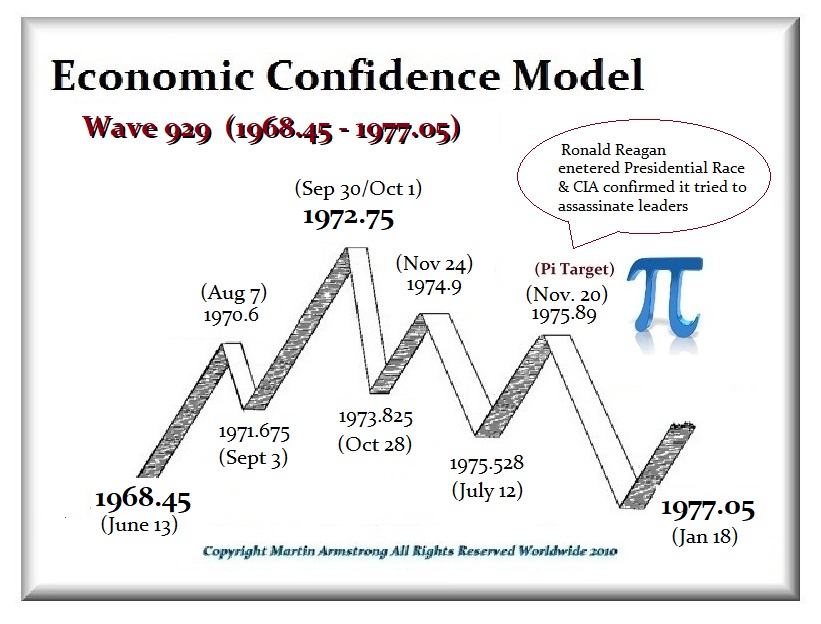
The talk of the town was that gold would go to $500 as soon as the Americans were allowed to buy on January 1st, 1975. I sold gold short at the top mainly on a fundamental basis. I did not see any new demand. My Economic Confidence Model said it was a high. But I traded based on my observations.
I watched gold collapse back down to about $100 going into 1976. This is when after watching the ECM for 6 years, I went with it. I opened a new store in the Quakerbride mall and I signed a 10-year lease with a personal guarantee and I got them to eliminate the CPI clause. After all, the talk then was about another depression.
I watched 1968 was the first crack in Bretton Woods and the birth of the two-tier monetary system. The Organization of the Petroleum Exporting Countries (OPEC) oil embargo was a decision to stop exporting oil to the United States. Then-president Richard Nixon appeared particularly concerned that Arab nations might impose a selective embargo on the United States for its pro-Israel policy. He was correct. Oct. 19, 1973, was the official start of the embargo when the Middle East countries announced a 5% production cut per month in response to the Yom Kippur war between Egypt and Israel. They saw Israel’s victory in that war, was because of aid from the United States. The embargoing nations then threatened that the cuts would be restored once Israel withdrew from Palestine and Jerusalem. Obviously, that never happened.
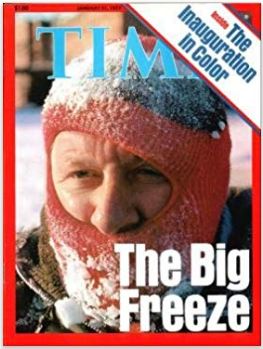
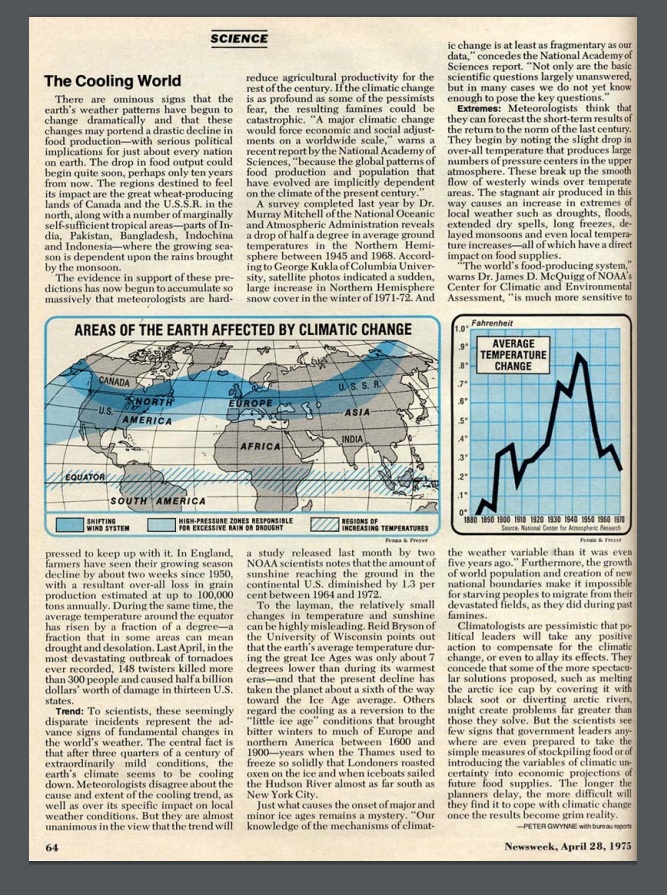
As always, we MUST look at the CONTEXT of the period. First, the climate consensus was that we were heading to a new Ice Age – not global warming. That meant there would be a higher demand for oil to stay warm in winter. In 1971 and 1972, fears began to grow in the developed world that if we were not already running out of energy supplies, we would soon as additional nations adopt western industrial structures.
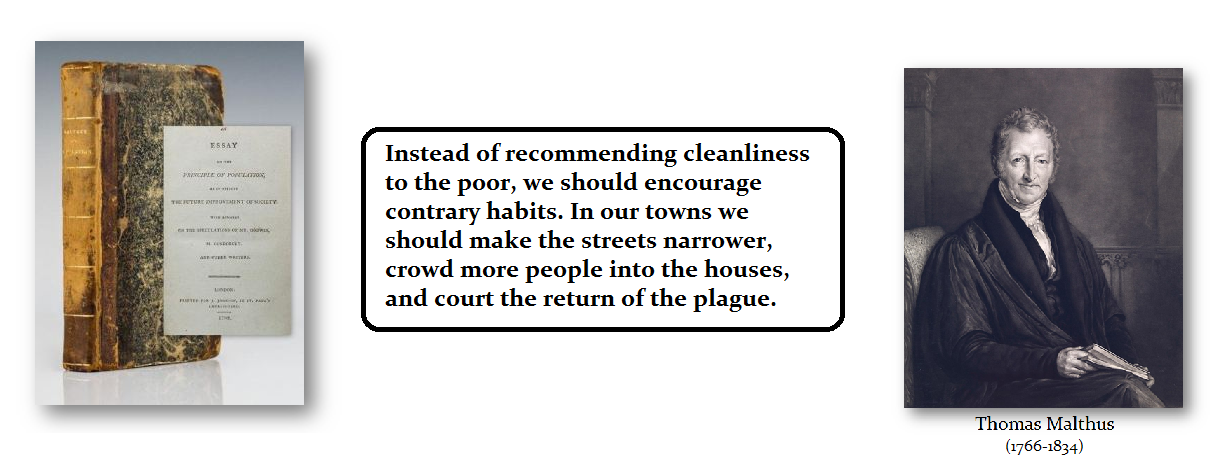
Thomas Malthus (1766-1834) warned the population would outgrow the food production so we needed to curtail the growth of the population and advocated deliberately creating a plague among the poor to reduce their number. If you ever really read Malthus, you can see the influence he has still had on people like Bill Gates, George Soros, and Klaus Schwab.
Thus, in 1976 I went with the ECM. That was the wild wave of inflation and the very top of the next wave turned out to be 1981.35 which was the day of the high in interest rates.
What I learned was that none of the fundamentals mattered in the end. Gold would decline with inflation at times and rally at other times. It was more complex than that. The final rally from the $400 level to $875 had nothing to do with inflation, that was the invasion of Russia into Afghanistan.
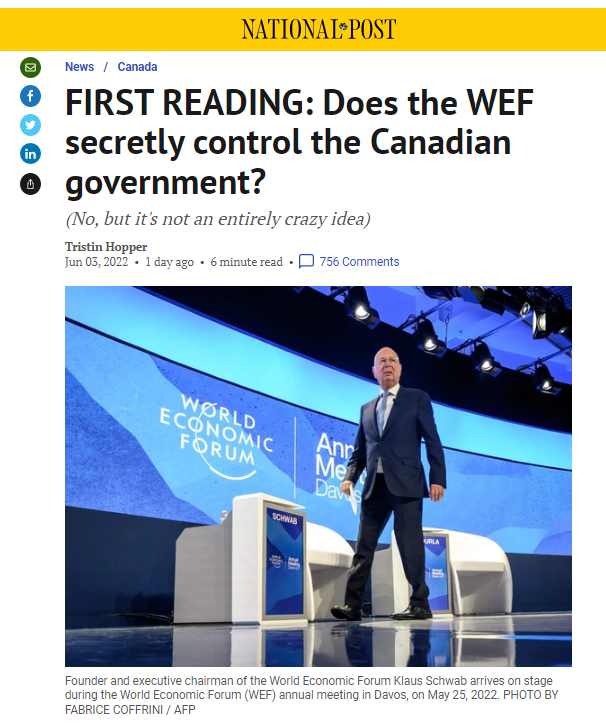
The Canadian National Post has reported on the rising concern that the World Economic Forum is making all the calls as to what the Canadian government should do. They admitted that this question has “gained remarkable currency among Canadian[s]” particularly since the events of the Freedom Convoy. While they concluded that the WEF is not controlling Canada, implying this insanity is all the brainchild of Trudeau, they admitted that “it’s not entirely crazy to jump to the conclusion that an international cabal of ultra-elitists is secretly pulling the strings on world affairs (particularly when they keep claiming as much).”
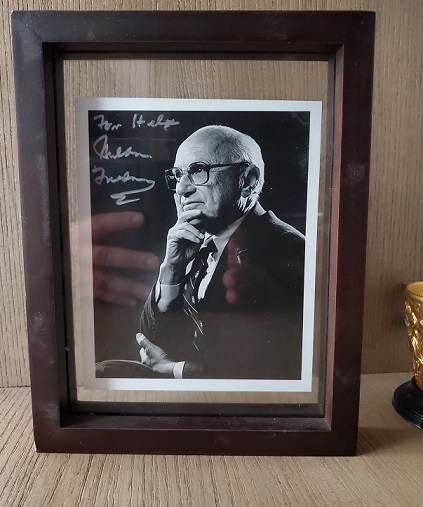
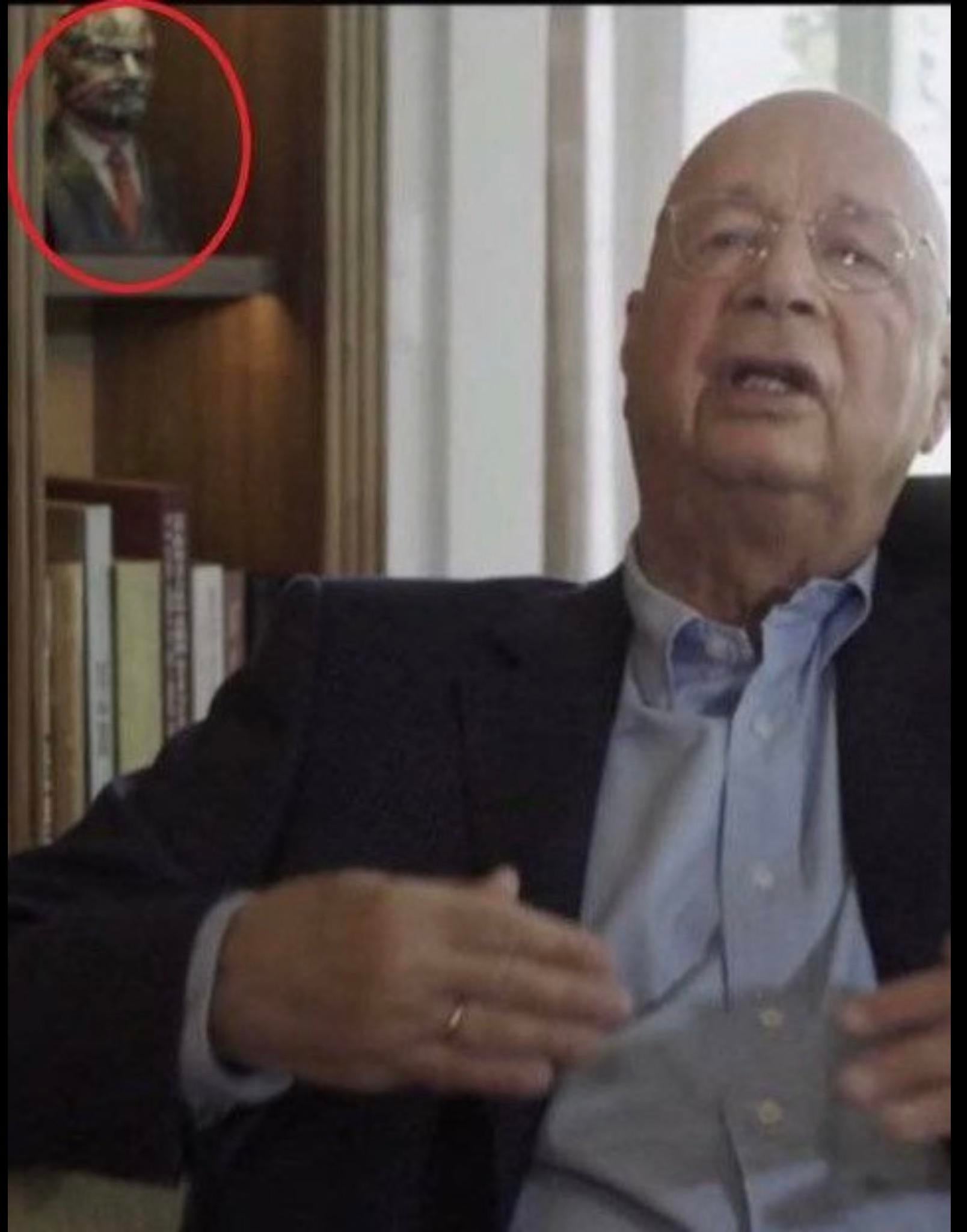
I recently finished another documentary where I was actually asked: “Would you debate Schwab?” I answered “Yes!” I explained that throughout my career, I have been butting heads with academics worldwide. The ONLY one I met who was actually interested in how the world functioned was Milton Friedman who I cherish his autographed photo I keep on my shelf – not a bust Lenin as is the case with Schwab, which really is on his shelf.
I was impressed with Milton Friedman who came to listen to me speak in Chicago. When I was finished, he came up and said: “Hello. I’m Milton Friedman. That was the best speech I ever heard.” I was probably the largest foreign exchange adviser in the world. That is what made my company so famous. I have told the story before that prior to 1985, I was in Geneva having lunch with the head of one of the major banks in Switzerland. I had prepared a list of names like European Advisers I was going to open an office in Europe. I asked his advice on what name to use. He told me to name one European analyst. I was embarrassed for I could not. I apologized and said I’m sure there must be, but I just did not know of any. He chuckled and said there were none.
He then explained to me how currency had become political so no analyst working for a bank would dare say that their currency would decline. That would have been a political statement against the government. After World War II, politicians used their rise in the currency as a political validation that their policy was correct and so vote for them.
He said to me, that the reason everyone uses you is that you “do not give a shit if the dollars goes up or down!” He explained to me why we had become so big on a global scale. As an American, saying the dollar would decline or rise was not a political assault upon the government. Nobody ran for office claiming the dollar was up against the Mexican Peso so vote for me! They would have e been laughed off the stage. It was another lesson in life that you cannot judge others by yourself.
As fate would have it, I had a client who was a senior VP at Franklin National Bank, which was once the United States’ 20th largest bank. Most people have no idea but in 1951, it was Franklin National Bank in Long Island, New York, that issued the first card that most resembles today’s general-use credit cards. For the first time, customers could purchase items and pay them off quickly or be charged interest if the debt carried over. Participating merchants had to pay a fee for each card purchase. By 1952, about 28,000 customers and 750 businesses had signed up for the card which eventually became the Mastercard. The concept started spreading that same year when a bank in Michigan licensed the charge card program from Franklin. The idea was so popular, that in 1958, American Express launched its first charge card.
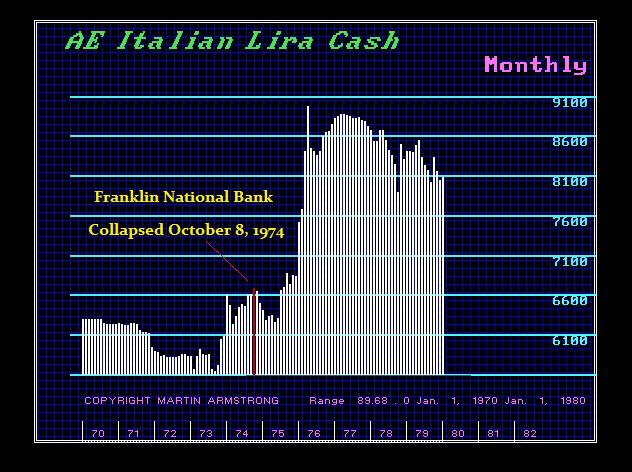
On October 8, 1974, it collapsed in obscure circumstances, involving connections to the Italian Michele Sindona who was alleged to be a Mafia banker. It was at the time the largest bank failure in the history of the country. Because I knew futures and international finance, I was asked to take a look at the problem the bank had. The bank failed on a 10% move in the Italian Lira. Nobody seemed to understand international finance back then. Currency futures began trading on May 16th, 1972 following failed negotiations to reestablish a fixed exchange rate system. Thus being a trader, my client Walter Zenergle, asked if I could take a look at the problem. it was clear, that nobody yet understood about hedging risks except those of use who were traders.
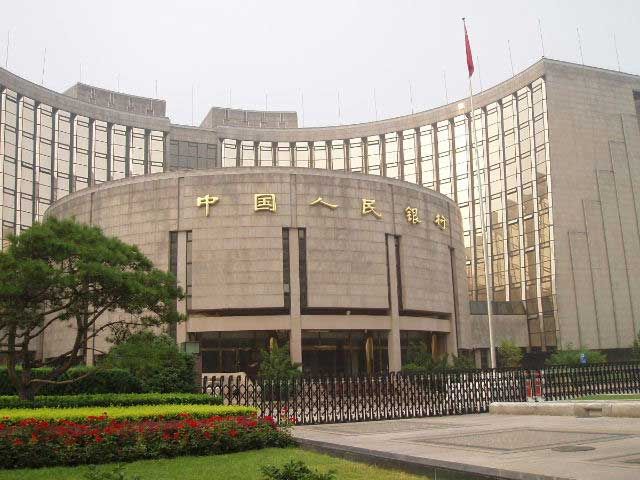
The academics dealt in theory. Traders had to learn from their mistakes. After the failure of Franklin National Bank, it seemed that whenever there was an issue with currency, I seemed to get the call. When the Asian Currency Crisis hit in 1997, I was asked to come to Bejing to meet with the central bank. I was surprised that they had not called in some academic from Harvard. But went I got there, I discovered they had sent their people to work around the world on trading desks. They then returned to run the central bank. When I was asked by guys in the Fed and the US Treasury what was my impression of the Chinese central bank, I responded: “I was impressed. They only hired people with experience.”
The problem with academia has always been that it is entirely theory without any real-world experience. That is what impressed me about Milton Friedman. He came to listen to me speak to LEARN what was happening in the real world. Milton had said to me also that day, that I was doing what he only dreamed about. In 1953, he proposed a floating exchange rate system whereby the free markets would impose checks and balances against the policies of the government. Nilton has been the ONLY academic I have ever met that bothered to investigate rather than theorize as did Marx and even Keynes and certainly Schwab.
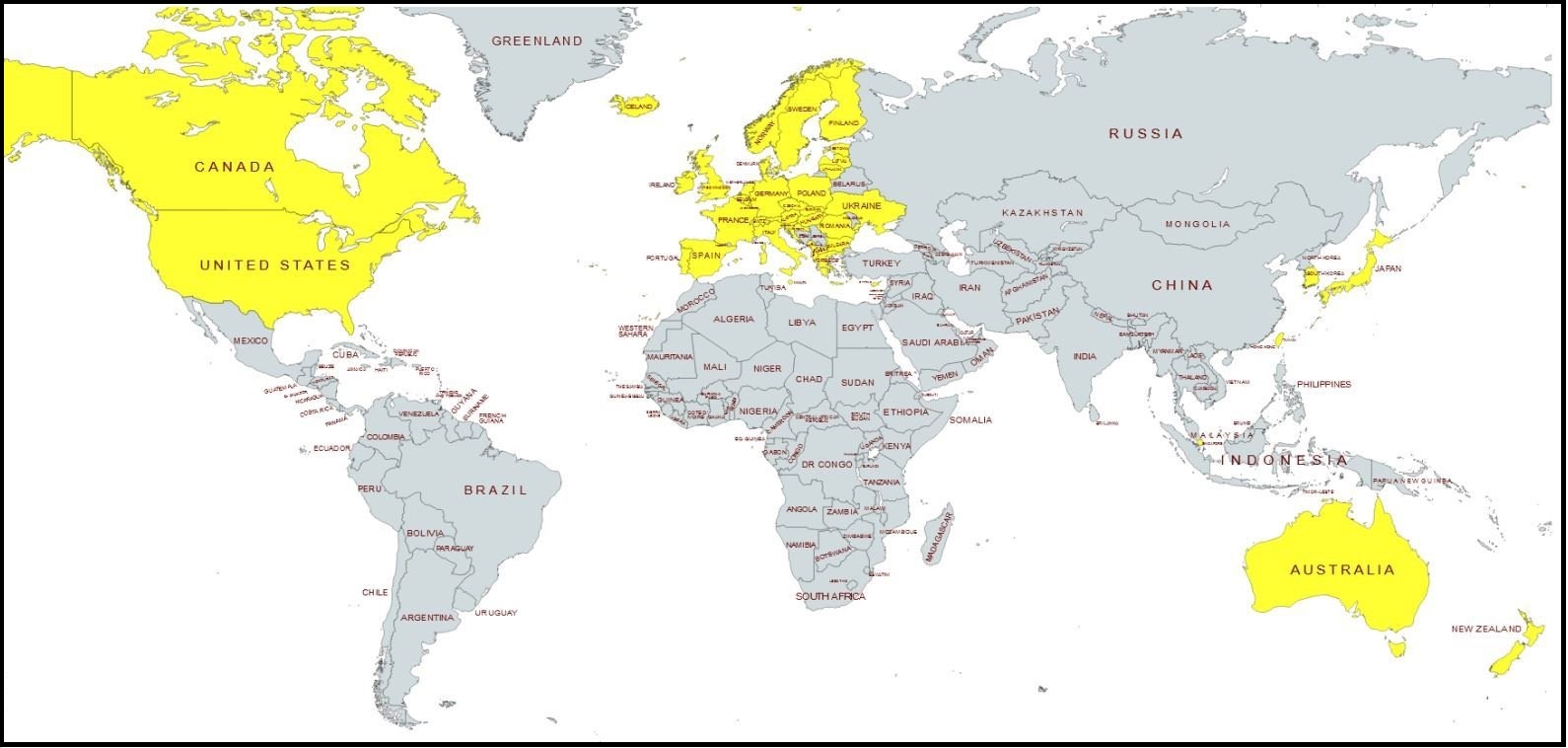
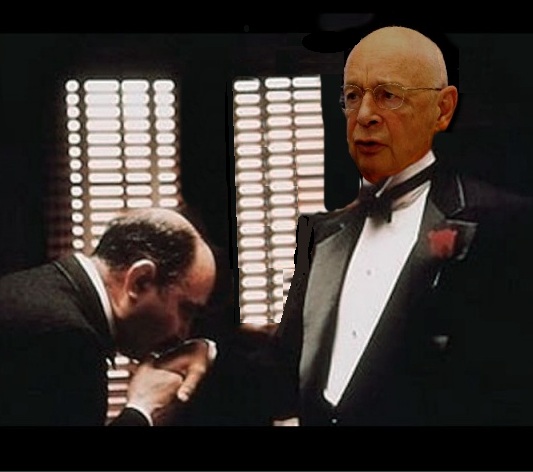
Unfortunately, Trudeau is listening to Schwab. Canada, Australia, and New Zealand as well as Europe are following the directive of Schwab. He is NOT in actual control. But the people running these political bodies are kissing his ring as if he is the godfather of economics.
President Biden on Friday declined to rule out Ukraine having to cede part of its territory to Russia in order to end this standoff with Moscow. Biden claims he won’t tell Ukraine what to do within their own borders but it’s OK to call for the assassination or overthrow of Putin inside Russia. This whole thing makes no sense. I have had personal friends in the Donbas and in Kyiv for more than 10 years. They are both friendly people but if you dared to bring a bottle of Russian Vodka to dinner in Kyiv, it’s an insult. Both sides will NEVER get along.
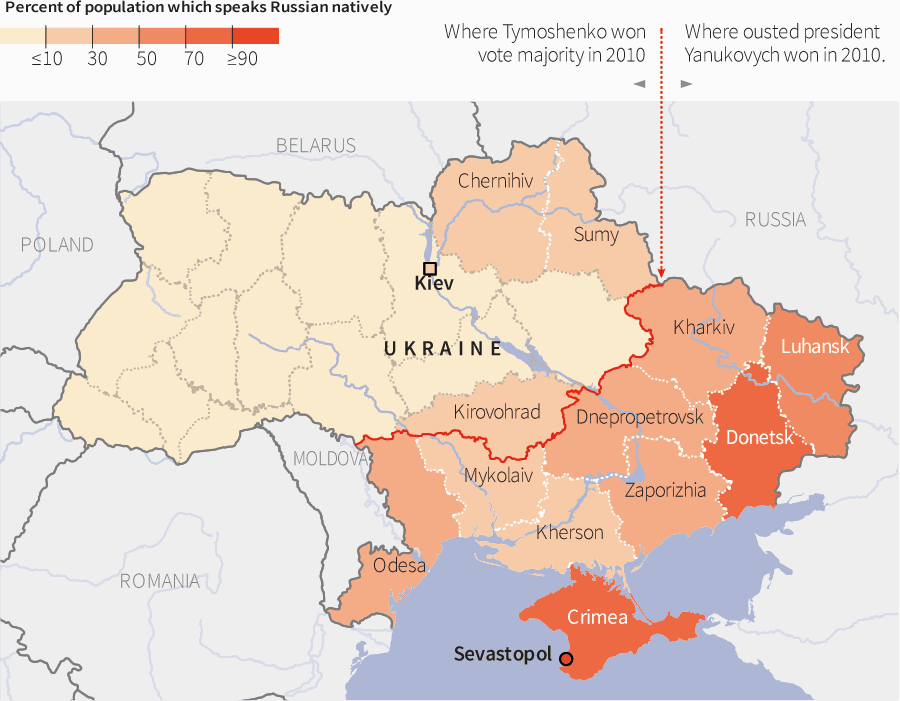
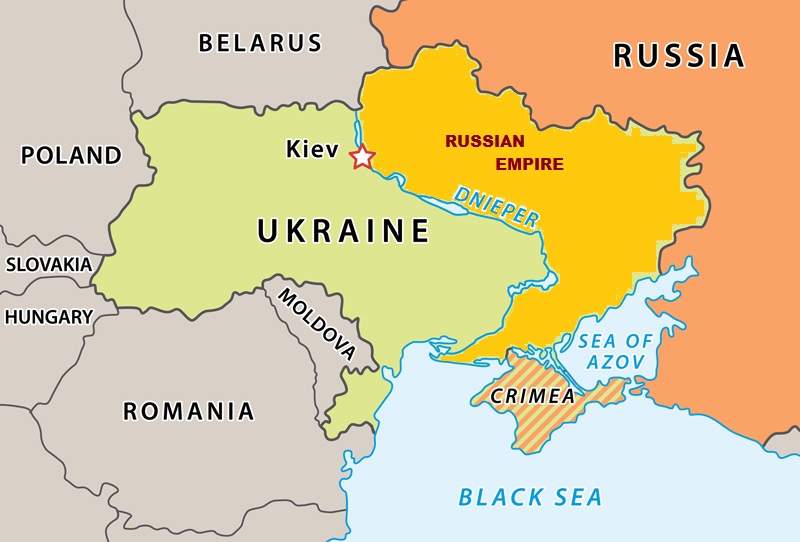
I warned back in 2013, that not only did our computer forecast that Ukraine would be the place when World War III began, but that the country should have been split along language lines. This conflict has been funded by the United States. John McCain, who never saw a country he did not want to invade, was there not just in Maidan cheering the revolution against Yanukovich, but there are plenty of photos of him meeting with the head of the Neo-Nazis and with their troops promising support against Russia to keep the civil war going.
While it may not be popular because of all the propaganda, the very word “Ukraine” means borderlands. It was not its own country before the USSR. There was yet another country that has vanished from the maps – Galicia, which was the geographic region spanning what is now southeastern Poland and western Ukraine. This is where they were following the Mongol Invasion. It covers much of such historic regions as Red Ruthenia and Lesser Poland. The name was first mentioned in Hungarian historical chronicles in the year 1206 as Galiciæ.
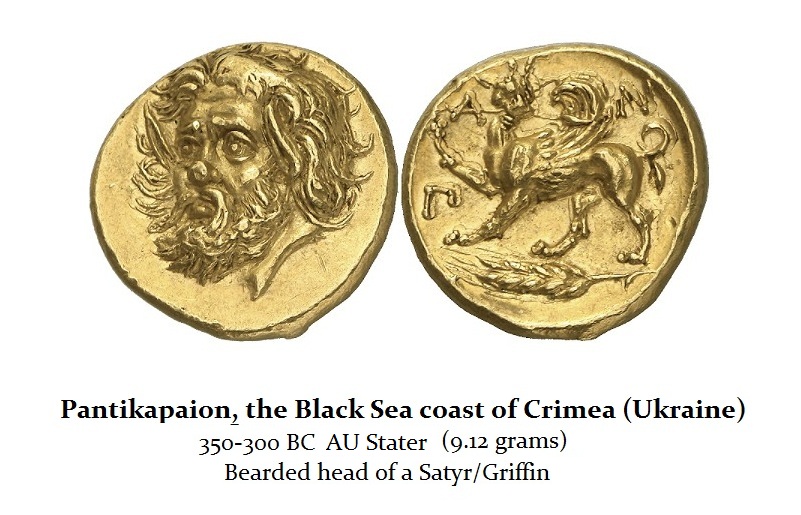
As far as Crimea is concerned, it is the oldest civilized place in the entire region. The people were known as Crimeans – hence the modern name Crimea. During the 14th century, this was a post occupied by Genoans (Italian, Genoa). They were invaded from the East and they brought the Black Plague with them. They catapulted the dead bodies into the fort and the Italians fled taking the Black Plague with them to Europe.
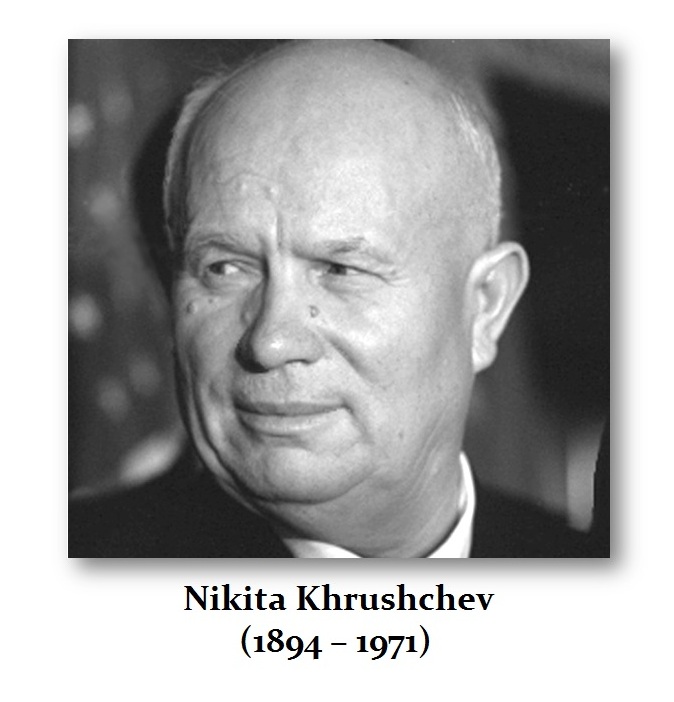
The head of Russia who instigated the Cuban Missile Crisis actually grew up in Ukraine in the Donbas. He was the political head of Ukraine and rebuilt the city after World War II. When he then rose to the head of Russia, he summarily gave Crimea to Ukraine to be administered in 1954. After his death, the Duma overruled that calling it illegal for he also loved to play with borders and caused disputes throughout the empire.
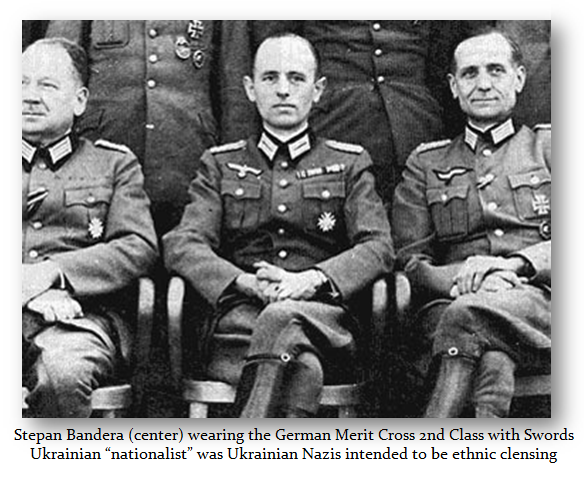
Ironically, DNA evidence shows there is no difference between Ukrainians and Russian and Putin is not crazy in saying they are their brothers. But Stepan Bandera was not much different from the head of the KKK. He ascribed to the ideas of Hitler and was even a German Nazi. It was his personal hatred that led the Ukrainian Nazis to exterminate ate in ethnic cleansing Jews, Polish, and Russians. He wanted, like Hitler, a pure-blood Ukraine.
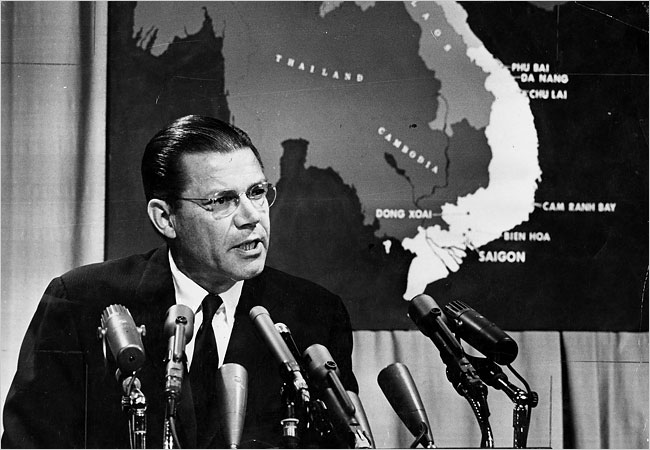
While Robert McNamara (1916 – 2009), who was a leading Neocon behind the Vietnam war, admitted that they misunderstood the Russians and that Vietnam was a civil war that they really should not have been engaged in, his apology before he died did not bring back more than 50,000 dead Americans.
Ukraine will be another lesson we learn only with blood and guts – it is no different than cheering the hatred of the KKK in a civil war. What if Russia pulled out? What then? Zelensky would order his troops to exterminate all Russian in the Donbas to realize the dream of Bandera?
Posted originally on the conservative tree house on June 4, 2022 | Sundance
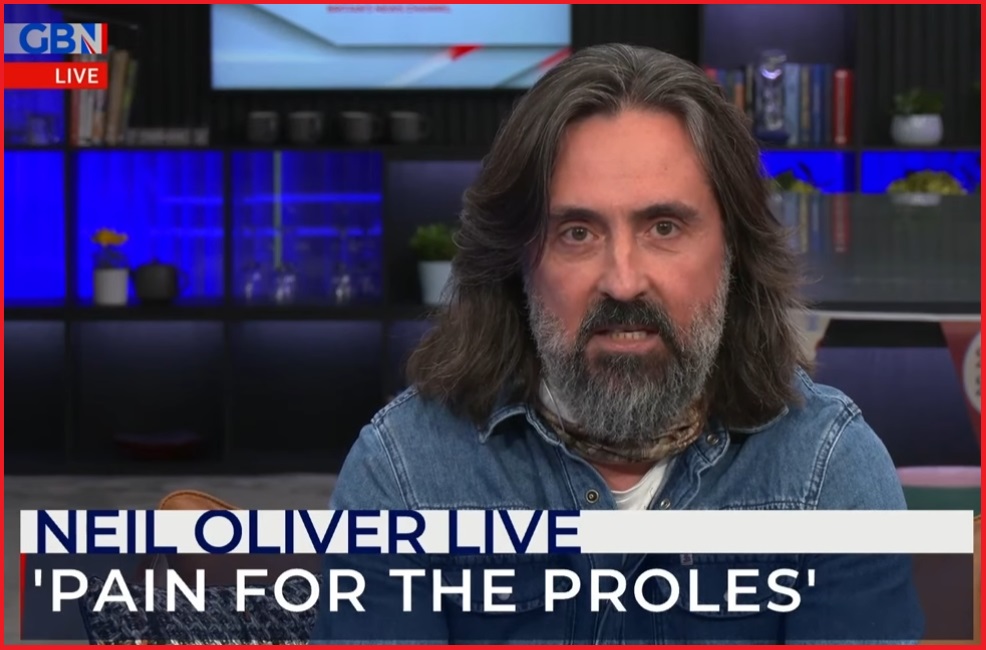
For his weekly monologue Neil Oliver hits on a subject very near and dear to the heart of CTH. Mr. Oliver is making his acceptance known today, CTH has been making our acceptance of the reality known for over ten years; hence, the name “The Last Refuge.” The bottom line, governments now represent corporate interests – not people. The policy makers now consider the interests of the state, not the interests of the people.
Anyone who is still pretending, particularly post-COVID examples, that any western government is applying a principle of citizen representation to their policy is lying. There are many people still pretending government is designed to represent the people; however, their pretense is based on their inability to cope with the alternative. All around us are the signs showing traditional, representative, western government has collapsed. We are in this weird place where we pretend it hasn’t. WATCH:
[Transcript] – “If you cannot – simply cannot – understand what’s happening in this country and in the world now, I might have the explanation.
You may, at least until recently, have been labouring under the misapprehension that the State has your back – that those in power have your best interests at heart. Let me make it clear that I use the word State deliberately. These words are not directed solely at the Government, or even just Parliament – but at the whole edifice of those in positions of power – elected and not.
If like me you no longer believe the State has your back, it’s at least likely that you know, indeed are surrounded by, many that still do. You, or those around you, may still believe that decisions are being taken, plans set in place, by those at the top of the food chain, with a view to securing and perpetuating the world your ancestors worked for, in some cases gave their lives for. You or they may have thought that the indigenous culture of these islands, nurtured for a thousand years, was still held dear by those occupying positions of power and responsibility.
But no, as far as I’m concerned, that is no longer the case and hasn’t been the case for a good long while. Understand and accept this much, at least, and the otherwise bewildering sense of confusion goes away at once. It is such a relief.
So much of what is happening now – crashing economy; livelihoods destroyed; dismal care of physical and mental health; educations compromised or worse; a so-called green agenda prioritised at all costs and regardless of harms done by subsidies on bills – those subsidies that are the only, absolutely the only reason any private company ever raised a wind turbine, or invested in solar panels for British skies; VAT on fuel; spiralling costs of food and essentials; deliberately destructive setting aside of farmland and discouragement of farmers and farming as an industry in a time of global food insecurity.
Domestic and international travel made so problematic as to be hardly worth the bother; the looming prospect of digital IDs; the rise of digital currencies instead of money – all of these troubling realities and more – all of it makes sense once you apply the “Keep It Simple” principle.
What we are witnessing is no longer a State working to serve us and to protect our shared heritage, institutions, culture and way of life. Rather we are watching their deliberate destruction and dismantling ready for replacement with something else.
Many of those in place in our institutions – in government, in parliament, civil service, academia, even the Church – evidently loathe this country. It’s that simple. They loathe what this country has been; what, to some extent at least, it still is. Furthermore, they despise those who value what has been and who wish to see all of that conserved and handed on to future generations.
These islands are presided over now by idealogues committed to the wholesale demolition of what has been Britain and British, and its replacement with the product of some parasitic ideology shaped in their own image.
In times such as these, there is often an appetite for and calls for revolution. I would advise against such means. Revolutions are for the birds, always a disaster in the end. Revolutions devour their children, as a wise man said.
The preferable solution is to maintain all that is good, all that has served us well. Maintain the foundations of the old house and as much of the structure above as is still sound. Root out the rot and treat the woodworm, repair and replace what is broken, but keep as much as possible of what has stood the test of time, what has worked.
The bitter irony is that it appears that a revolution is indeed being planned – in fact has been long in the planning and is now being rolled out. In the past it was kings and nation states that feared revolution by the common people, the slaves. Now it is the State itself that is fomenting revolution, from within. The rot is at the core, at the heart. By contrast it is the people, we the people, who want the country and the culture and the heritage saved and who must therefore resist the State-sponsored revolution with all the strength we have.
We are told, by them, that pain is coming – and that that pain must be endured. Suddenly they’re all saying it at once, all over the world, yet another script parroted in unison – like Build Back Better – only worse. But that pain is for us alone, we the proles. Those with the money and power will glide above it all in their private jets, leaving in their wake contrails of CO2 that might as well scribble on the sky the message:
“Suck it up, peasants”.
They’ll push burgers made of bugs at us – while they sit down to Cote de Boeuf. We’ll have real pain and they’ll have champagne. We’ll have nothing. And they’ll be happy. Or so they like to think.
Again and again, I turn to the Keep It Simple philosophy – what some call Occam’s Razor. If it seems to make no sense that 30 million petrol and diesel cars might be replaced with electric alternatives powered by a non-existent infrastructure … that’s because the simpler explanation is that almost none of us are meant to have cars at all – electric or otherwise. If you wonder why in the US and here in Britain we are turning our backs on fracking and other sources of power under our feet and beneath our surrounding seas, it is because the intention is that we in the troublesome West should have much, much less energy available to us as ordinary people than before. The intention is not to go green. The intention is that we should go without.
As part of their revolution, the State is laying plans to hinder any protest or dissent. The so-called Online Safety Bill is nothing less than a whole new way to ensure the censorship and silencing of any who would challenge the hobbling of our rights and freedoms, our herding like cattle towards a digital slavery in which our every financial transaction, every communication, every movement, every meeting, every word, might be monitored in real time and also judged against a code of behaviour drafted by people we do not see and cannot know. We stand to be judged against standards set to curtail every aspect of our being and whenever it suits the State, we will be found wanting and punished as a consequence.
This is the weekend of the Platinum Jubilee. Jubilee is a word with an interesting back story. It has deep roots in the Hebrew word Jobel, which is a ram – or more specifically a trumpet made from a ram’s horn. In ancient times, thousands of years ago, the Jobel was sounded to announce the Year of Atonement – a regular event when all debts were written off, unconditionally and completely, thus freeing those who had been enslaved to rich people because they owed them money.
US economist Michael Hudson has written that as long ago as the time of the Assyrians, 4,000 years ago, it was understood that economies always became unstable, and ultimately collapsed, when too many people simply could not settle their debts to the rich, and through no fault of their own. The solution, understood and applied for thousands of years, was that periodically all debts had to be cancelled – this was a jubilee.
Jesus Christ understood the need to write off debt to save society. The older, Greek version of the Lord’s Prayer says, “forgive us our debts, as we forgive our debtors”. Only much later, when the Church had made it a matter of craven morality to repay every debt, were the words debts and debtors replaced with trespasses and trespassers. By then, the church was in cahoots with the rich. In his first sermon in the synagogue Jesus told the congregation he had come to bring a clean slate debt cancellation – what he called the Year of the Lord. This, the cancelling of otherwise unpayable debt to Rome and the Romans, was the basis of his message of hope to the downtrodden.
The economic mess we’re in now is not the fault of we, the little people, but of the banks and their ruinous recklessness in pursuit of obscene profit. In 2008 they got to write off their mistakes, with the help of eye watering amounts of taxpayers’ money, to cancel their debts. Those same banks don’t want to do the same for us, though. Far from it. The bankers and the rest of the super-rich elite want to foreclose on those in debt. When that happens, the rich elite will own everything, and we will own nothing. Sound familiar?
In this year of Jubilee, I would say we have a lot to learn from ancient wisdom – to remember that our ancestors knew the fight that mattered was to prevent the population falling into bondage to the elite, who wanted to own everything. I very much doubt that a jubilee for the people, an unconditional cancelling of all debt, is quite the great reset those of the elite have in mind. They need us to owe them, so that they own us. Bankers always say debts must always be paid, or there will be chaos. They would say that, wouldn’t they?
I’ve said it before and I’ll say it again – just because you’re paranoid doesn’t mean they’re not out to get you. This is the time of waking up and understanding that the state is not to be trusted – not anymore and not for a long time.
All of this is the stuff they used to call Conspiracy Theory. Call it as much if it blows your skirt up. I no longer care. In my book, those they call Conspiracy Theorists are more accurately described as the ones who saw it all coming.” (link)
“A Paradigm Shift is needed – Urgently. It cannot be provided to you, you must develop it within your own mind – and you’d better do it quick; or you will lose.” ~ Sundance 2012
Posted originally on the conservative tree house on June 4, 2022 | sundance
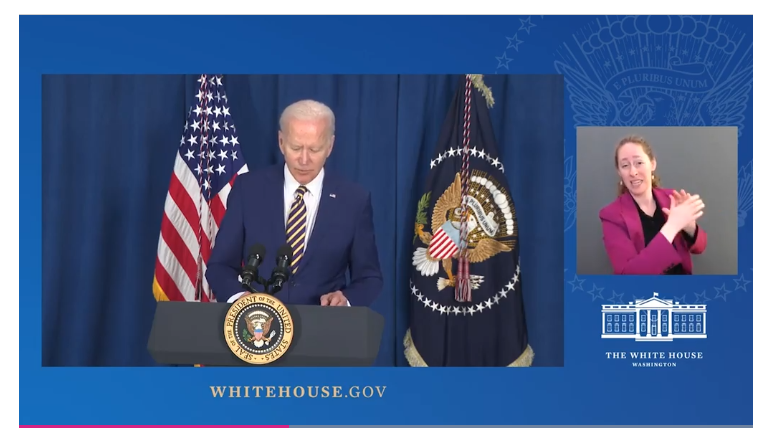
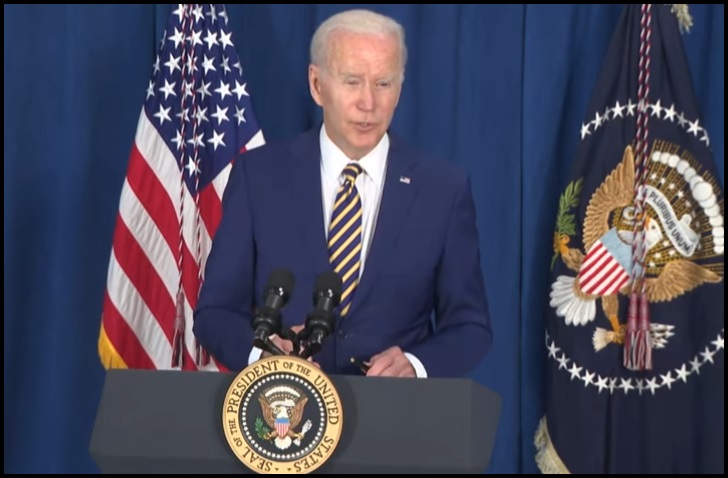
During press remarks yesterday, Joe Biden implied that Ukraine may need to cede territory in Eastern Ukraine to Russia as part of a “negotiated settlement.”
The statement came at the end of remarks centered around the May jobs report and Biden’s claim that U.S. consumers were in the best economic position of the past decade, therefore the government must begin increasing direct subsidies to offset energy costs and massive inflation pressure. When Biden was asked, “does Ukraine have to cede territory to achieve some peace?”he stated:
[Transcript] – [F]rom the beginning, I’ve said and I’ve been — not everyone has agreed with me — nothing about Ukraine without Ukraine. It’s their territory. I’m not going to tell them what they should and shouldn’t do.
But it appears to me that, at some point along the line, there’s going to have to be a negotiated settlement here. And what that entails, I don’t know. I don’t think anybody knows at the time.
But in the meantime, we’re going to continue to put the — the Ukrainians in a position where they can defend themselves. Thank you all so very much. (link)
It has been obvious from the outset that annexing Eastern Ukraine, the region containing a majority pro-Russia population, was always the intended objective of Russian aggression. With Biden making this admission public, it raises the question then why did we agree to send $40 billion?
Russia’s hold on the Eastern Ukraine Donbas region is now essentially complete. This is the area that had been in a state of civil war since 2008, and the Russian annexation would essentially bring that conflict to an end.
Any Ukraine-Russia negotiation would come down to Ukraine acquiescing to the territory already lost. It’s not like Russia is going to give it back. The “negotiated settlement” amounts to the Ukraine and western NATO alliance admitting Russia has accomplished its intended objective.
It seems doubtful that Joe Biden sought approval from the U.S. State Dept, CIA and Senate Foreign Relations Committee, specifically those who are conducting this proxy war, prior to this statement.
I have created this site to help people have fun in the kitchen. I write about enjoying life both in and out of my kitchen. Life is short! Make the most of it and enjoy!
This is a library of News Events not reported by the Main Stream Media documenting & connecting the dots on How the Obama Marxist Liberal agenda is destroying America



 Centinel2012