A bank failure of this proportion has not been seen since 2008 when Washington Mutual failed. The majority of deposits in Silicon Valley Bank (SVB) are uninsured, meaning the FDIC’s $250,000 protection does not apply. Uninsured depositors will be provided receivership certificates and should receive an advanced dividend this week. The FDIC must sell off the remaining assets of SVC to determine how much it can provide to those uninsured depositors. The FDIC is encouraging borrowers to continue paying their existing loans. The bank was said to host $209 billion in assets and $175.4 billion in deposits as of December 2022. Washington Mutual held around $307 billion in assets when it went down.
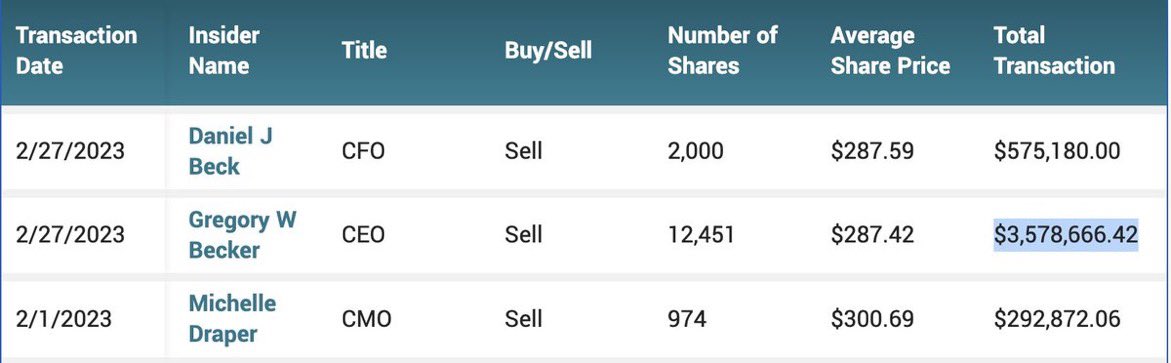
Tons of people and businesses will be completely screwed over. Who could have seen it coming? Silicon Valley Bank CEO, CFO, and CMO sold off millions in stock over the past two weeks. President and CEO Greg Becker sold 12,451 shares on February 27 for $3.6 million at $287.42 per share. Later that day, he purchased options for the same amount of shares at $105.18 a piece. He did the same thing in December 2021, as this is not an uncommon albeit unethical practice. Banks commonly trade against their own clients. Becker sold about $3.57 million worth of SVB stock over the past two weeks and is now making TV appearances saying he did not see this coming.
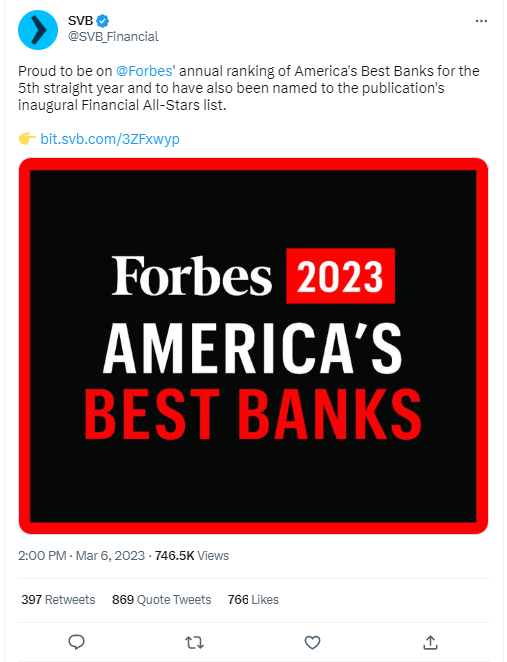
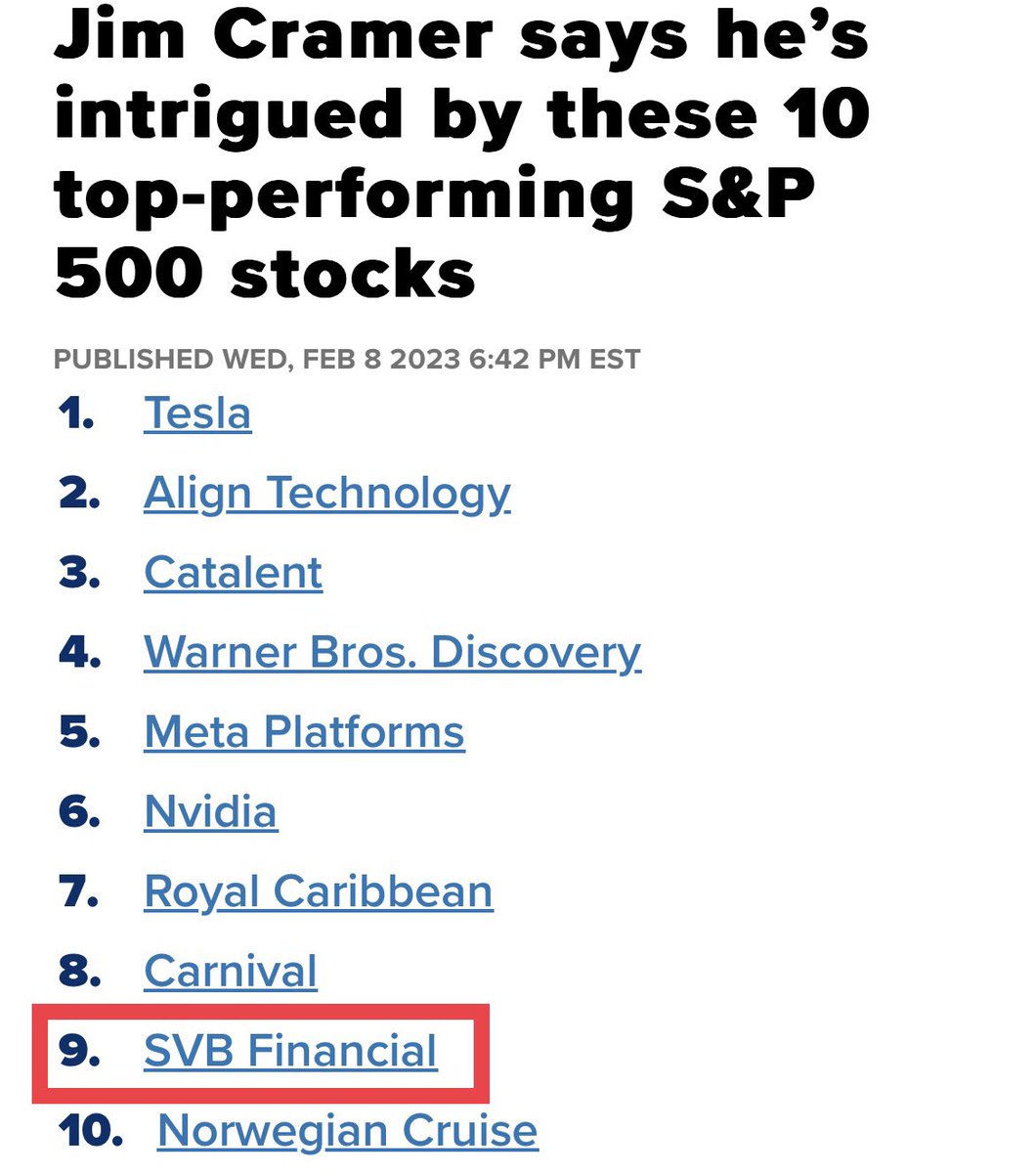
There were signs of trouble, but the talking heads said otherwise. Forbes even listed SVB Financial Group as #20 on its list of America’s Best Banks in an article published on February 14, 2023. Talking/screaming head Jim Cramer came out last month to say that SVB Financial would become one of the top performers on the S&P. This is why you cannot listen to information based on biased opinions. I hesitate to call this negligence technical analysis.
Companies are now at a complete loss, many cannot make payroll, and this situation will only worsen once the uninsured depositors realize their IOUs are worthless.
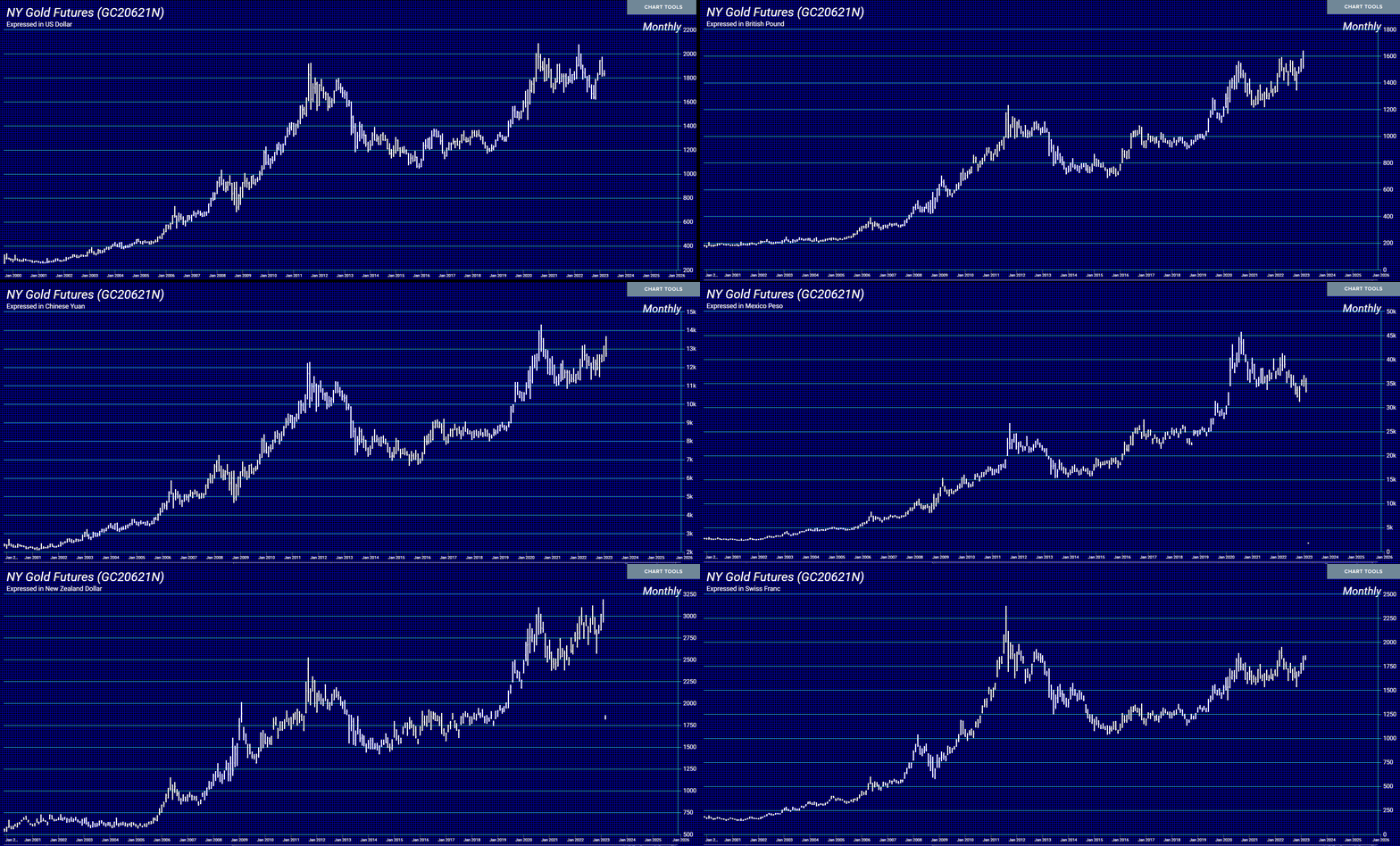
COMMENT: Marty; Two former Merrill Lynch traders were each sentenced to a year and a day in prison Thursday for manipulating the precious metals markets, the US Department of Justice announced. Of course, —- —–, which is forever bullish metals, claims they moved the metals in the “direction they wanted from 2008 to 2014.” It just seems that people claim it is always manipulation when they have been wrong. They only look at gold in dollars as you have said it’s a global market. They would have to manipulate all the currencies as well.
This latest affair of so-called manipulating trades during the day proves what you have been saying. They have always been gunning for stops during the day, but they cannot manipulate the trend between a bull or bear market. Do you think people will ever understand this is a global economy?
HD
ANSWER: I know. Unless people have actually been a trader, they will never understand the market. They will blame people like this to pretend they were not wrong. The problem is that this nonsense of manipulation is driving a stake through the heart of the market. Trading is like a poker game. Do you reveal your hand before everyone starts to bet? Sometimes you bluff, but the point is if you are bluffing, you have to stand behind your bet.
The mere fact that someone is blaming this type of “manipulation” for being the reason they have been wrong demonstrates that they know nothing about investing no less trading. The DOJ is now big on calling placing large “spoof” orders as manipulation. That is absurd and it is no more than bluffing in a poker game. This is the way all the markets have always functioned. Everyone would know where the stops were anyway. Sometimes they traded ahead of them using the stops as your risk point to exit the trade, and other times they would sell or buy to push the market through the stops when it was obvious that was even possible.
When I was trading in precious metals back in the ’90s, the biggest “local” dealer on the floor was Oni Morrison. He would do “spoof” orders all the time which I called “flash” bids or offers. The difference was he was good for it if hit. I was long one time in gold and I wanted out for the computer projected a crash was coming. But if you offer a thousand lots and the market was heading lower, everyone will read that and jump in front of you. That is how the Hunts went bankrupt. The Hunts did not know how to trade. Just as in poker, you cannot show your hand and expect to trade.
Oni would do “flash” bids or offers. I told my broker not to offer anything. I told him just to watch Oni and as soon as he would do a 1,000 flash to buy – say done! Sure enough, Oni was trying to push the market back up and he did one of his famous flash bids for 1,000 lots. My broker, Emerald Trading, instantly said “DONE!” Oni did it again, and they said “DONE!” Again he did a fash for 1,000 and again they said “DONE!” That was it. Oni was full and everyone began selling as the metals tumbled.
That is the way you have to trade SIZE. This is the very foundation of trading all markets for everything is just a poker game. To now call a “spoof” trade manipulation is just wrong. It is totally different when you do not have the backing. Now that would be a fraud and trying to manipulate the market for that moment – not changing the overall trend. But when you have the backing to honor your “spoof” it is just a “flash” bid or offer that you must stand behind when hit. That is just trading.
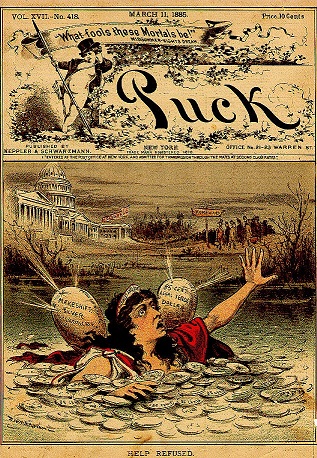
It is total BS to pretend that these guys manipulated the entire market. That is just absurd. Not even the central bank can manipulate the economy. You cannot “manipulate” a market against the trend for everything is connected. That caused the Panic of 1893 when the Silver Democrats overpriced silver. The Europeans hit the arbitrage and dumped silver in the US and took the gold back to Europe. That led J.P. Morgan to have to arrange a $100 million gold loan to bail out the treasury. That alone proved that you CANNOT manipulate ANY market against its trend for it will be arbitraged internationally – plain & simple.
Gold trading around the world in different exchanges is arbitraged. You cannot have gold $20 high in one market v another. It will be arbitraged instantly. Those who claim this as “proof” that the metals have been manipulated so that is why they have not rallied and why they have been wrong are fools who have been separated from the money. They will never understand the markets no less be able to see beyond the end of their nose. It will be instantly arbitraged.
The collapse of the Soloman Brothers was precisely that. They were putting in bids at the Treasury Auction using other people’s names to goose the market. They got caught and the firm was taken down. I know PhiBro from the ’70s and ’80s. They took over Solomon Brothers and brought that style of trading from the commodity pits to Wall Street.
This excuse by goldbugs that the metals were actually “manipulated” in their long-term trend, shows their hopeless ignorance of the markets and how they even trade. There is NOBODY who could possibly do such a thing for everything connected. As soon as the dollar would rise, the metals in terms of foreign currency would be so overvalued they would all sell and they will end up broke the same as the Silver Democrats bankrupted the country by overvaluing silver.
Trading internationally, with clients in all currencies, we have to look at each market in terms of their currency for that will determine if they made a profit or loss. Anyone who claims the metals have been manipulated and that is why they have not rallied is obviously oblivious to the world around them.
Gold does NOT rise with inflation – that is the sales pitch of a used car salesman. Gold rises in times of UNCERTAINTY with respect to the government. In times of war, it rises because it is NEUTRAL and you are not betting on who will win.
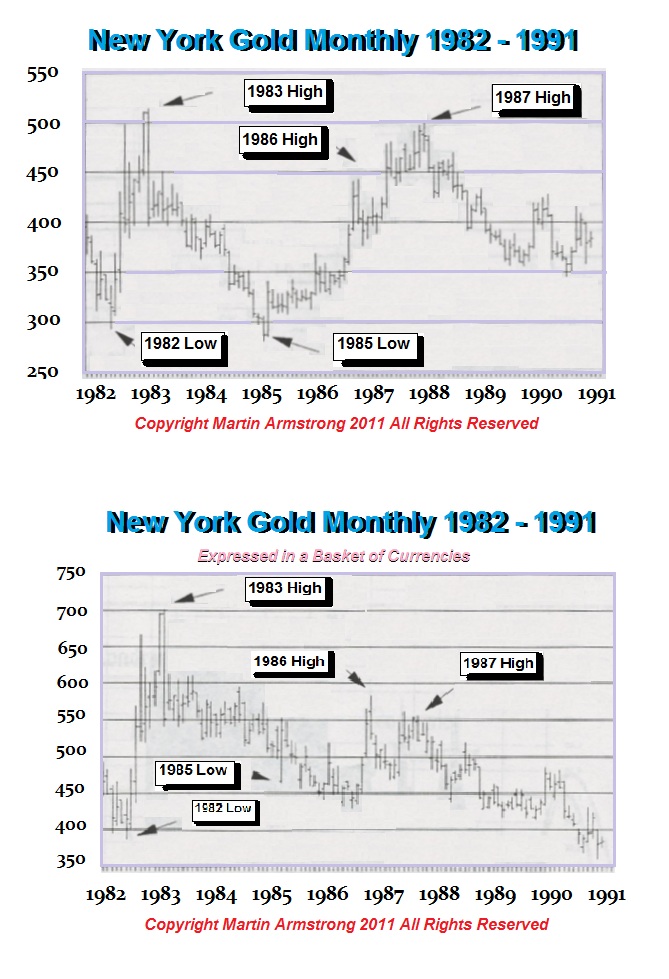
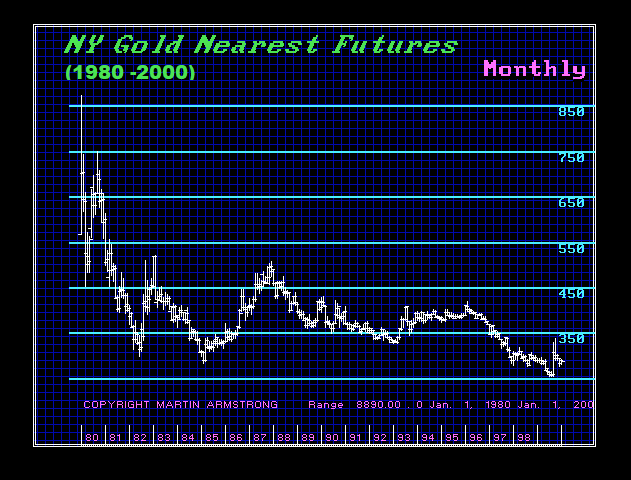
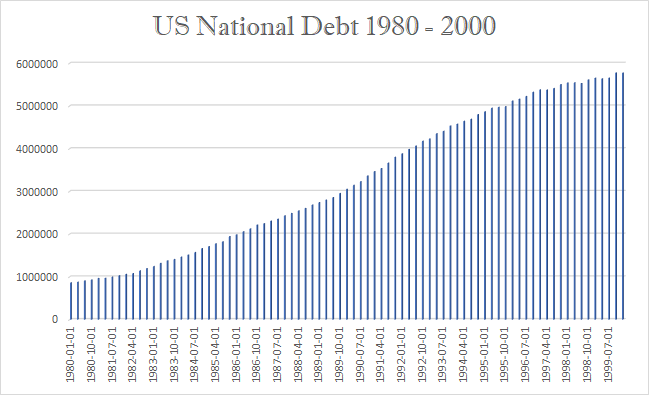
All we hear is that the debt is rising and therefore gold will explode. Once again, they offer no proof of their sophistry because there is no such proof. Gold declined for 19 years while the national debt climbed endlessly.
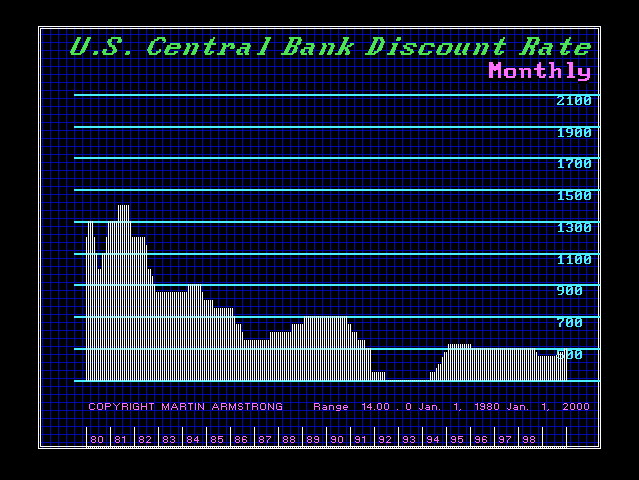
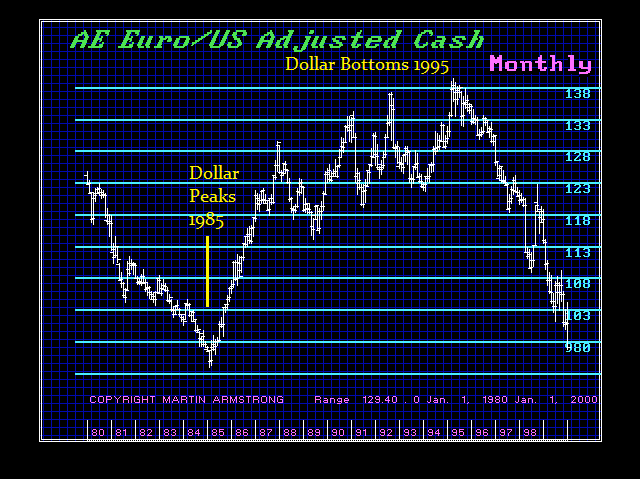
Then there is the myth about interest rates and gold that higher rates are bearish and lower rates are bullish. Well, interest rates peaked in 1981 and declined in 1994 before they began to rise marginally into 1995. Yet then contrast that myth with the performance of the dollar. There the greenback rose to a record high in 1985 but then declined for 10 years into 1995 all the while gold declined into 1999.
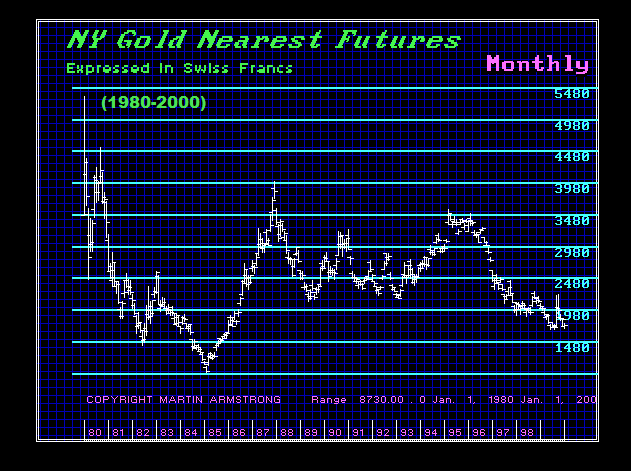
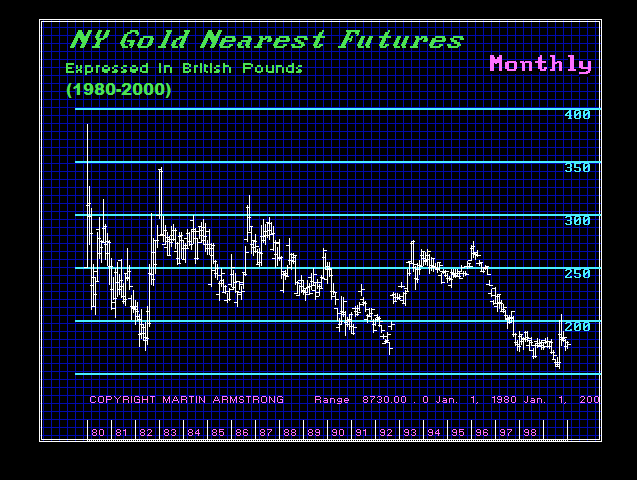
OK, so now let’s look at gold between 1980 and 200 in terms of Swiss francs and British pounds. We can instantly see that gold bottomed in 1985 in terms of the Swiss franc. In terms of British pounds, gold did not bottom until 1999.
People come up with theories all the time. However, they always try to reduce everything to a single cause and effect. They are doing that with climate change. They are telling the world it is CO2 that has changed the climate without ever addressing anything else.
The world we live in is not only complex, but it is also so dynamic it appears that no human can correctly forecast the future with an “I think” scenario. Sometimes they will be right, and others they will be wrong. Typically, they fail because they try to reduce the world to a single cause and effect.
Gold Rises with UNCERTAINTY with respect to the question of will the government survive its own madness.
The Biden Administration is responding to the panic phone calls that their Marxist philosophy will bring down the entire financial system. My ear is red as can be. I have had enough of the phone calls today to last the balance of the month. Trying just to do the right thing! Three banks have effectively gone down in the week of March 6th, which our computer was targeting. There have been Silicon Vally Bank, Signature Bank, and Silvergat Bank.
The Regulators perhaps saw the handwriting on the wall. This NO BAILOUT claiming that no taxpayer money will be used for a bailout of their hated rich, how about just using the taxpayer’s money you are throwing down the train in Ukraine? Depositors in Signature and SVB they are now saying would be made whole. If they do not cover ALL deposits, the monumental banking failure will be catastrophic.
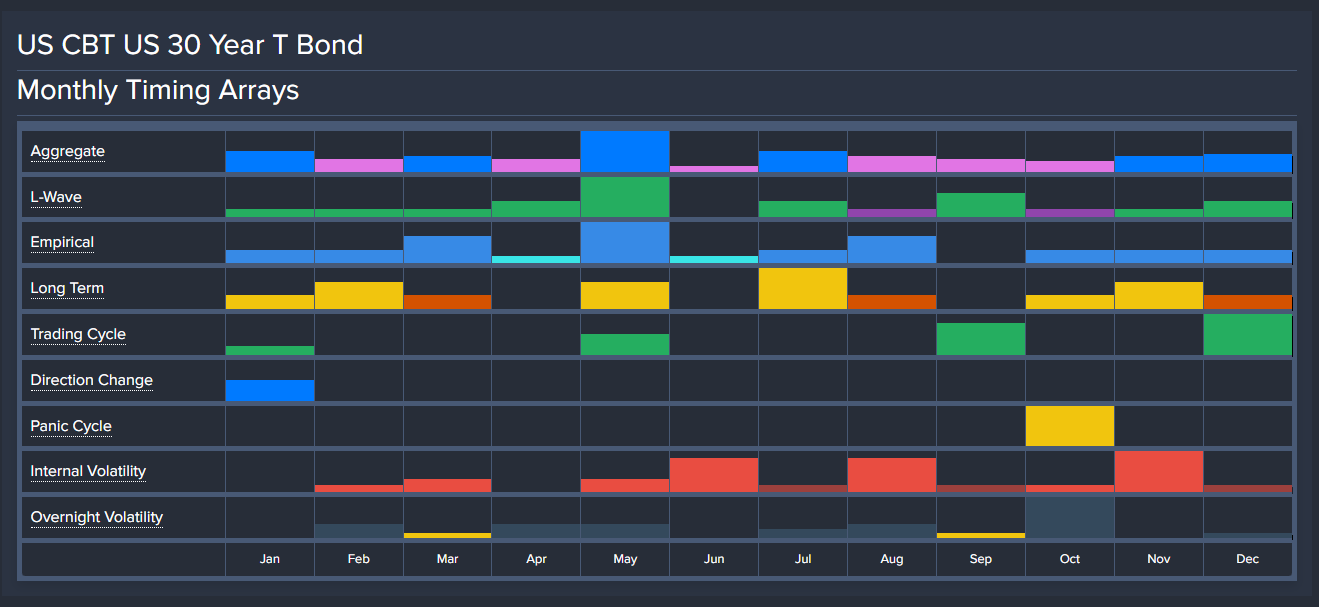
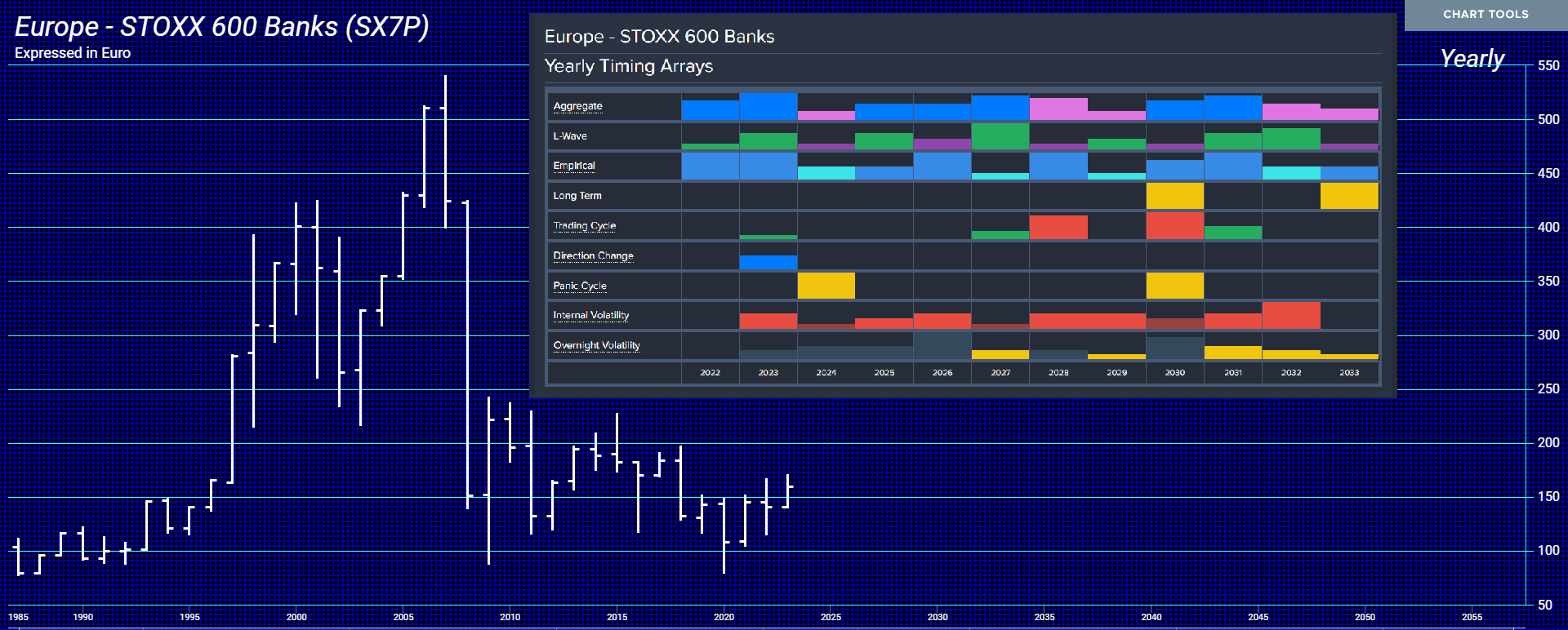
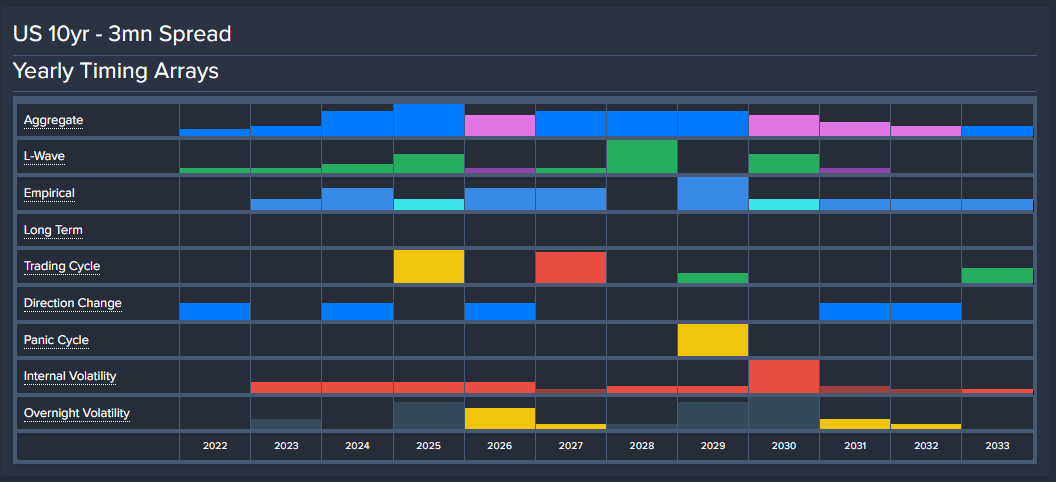
Our forecast for a Banking Crisis is by NO MEANS confined to the United States. It will be far worse in Europe. We can see our computer not only targeted 2023 for a key turning point with a Directional Change but a Panic Cycle next year in bank stocks, but interest rates will be rising higher as also the risk of banks and governments escalated especially when they insist on waging war against Russia.
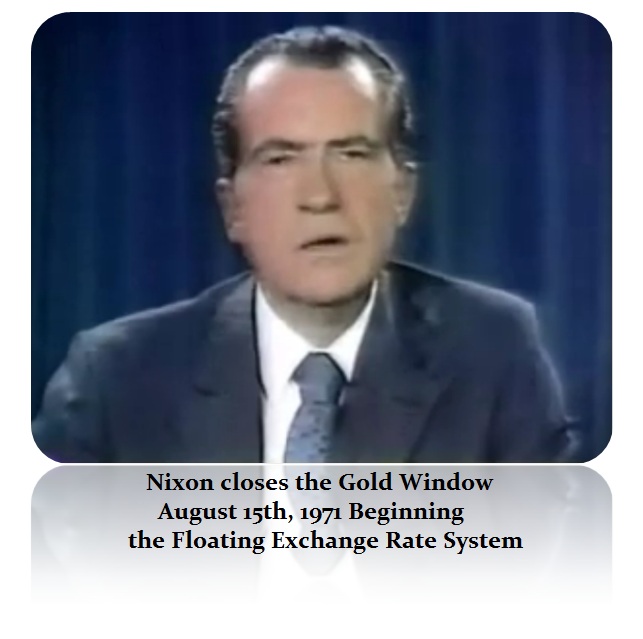
The yield curve is critical and we must understand that this insane war against Russia, even economically, will be a major financial disaster not much different from Vietnam which brought down Bretton Woods and forced Nixon to close the gold window on August 15th, 1971. It was that unrestrained spending directed by the Neocons. Then too, it was all about Russia they assumed was behind Vietnam.
Once more, the reckless spending on war promoted by the Neocons is undermining the entire economy. They have lost every war they have promoted – Vietnam, Afghanistan, Iraq, proposed Syria, Libya regime change, and now Ukraine. These people are never held accountable for all the devastation and the lives lost.
War is the primary driver of inflation and the central banks will not even address it for they do not want to “criticize” the Neocons. They might wake up with their dog’s head in the bed as in the Godfather. The central banks will NOT be able to contain this inflation or ever reach their 2% target regardless if the economy turns down just as what happened during Vietnam.
This is a warning to all small banks. Understand the REAL trend or you will NOT survive. Major capital is fleeing the long-term and rising into the short-term because they see rates are rising and any long-term bond investment during a period of war is going to be a major losing trade. Do not get trapped by the yield curve and understand that this trend is in play into 2025.
This Banking Crisis has been caused by Governments who artificially kept interest rates too low since 2008 and in the process, this banking crisis is unfolding because too many banks are UNSOPHISTICATED in forecasting and have been listening to the talking heads on TV and the desperate hope that inflation will decline while ignoring Ukraine entirely. Get that wrong – and you will NOT survive.
I strongly urge small banks to take our business services for access to real forecasting that is not biased or tarnished by human opinion with the two most dangerous words in forecasting:
QUESTION: The sales pitch seems to be that there is this $2 quadrillion in global debt that overhangs everything. Paper assets, therefore, will all implode! They seem to be saying that everything has risen due to this debt bubble and it was all created with Zero interest rates. Now that they are going up, the debt bubble will burst and everything will decline. The story seems to be that this decades-long Boom Bust cycle was created over and over by the Federal Reserve.
This seems to be like you have said, they try to reduce everything to a single cause and effect.
What really happens?
PCJ
ANSWER: These people seem to keep preaching the same story but have no historical understanding whatsoever of how the monetary system has ever worked. Their focus on the Federal Reserve shows that they are not looking at the world economy and they do not even comprehend how bad things really are outside the United States. They do not comprehend what is an interest rate. It is the compensation to a lender for his anticipation of inflation plus a profit. If I think the dollar will decline by 50%, why would I lend you dollars for a year if when you pay me back it buys half of what it did when I lent it to you?
Debt can be a performing asset. I advised many of the Takeover Boys during the 1980s. We would borrow in one currency to buy the asset in another using the computer to distinguish the long-term trends. I would not recommend that to someone just operating on a gut feeling.
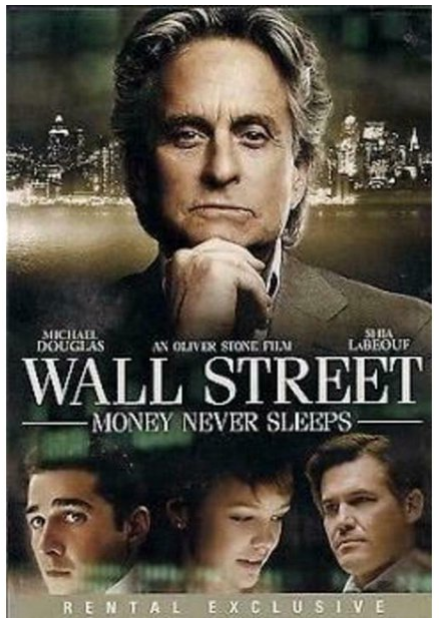
We were also advising on real values, which Hollywood distorted and based the movie Wall Street with Michael Douglas and his famous speech on greed. What they did not really understand was that after a Public Wave that peaked in 1981, stocks were suppressed and the full-faith in government created the broadly supported bond market. Hence – bonds were conservative and stocks were risky. There were two aspects that were behind the entire Takeover Boom.
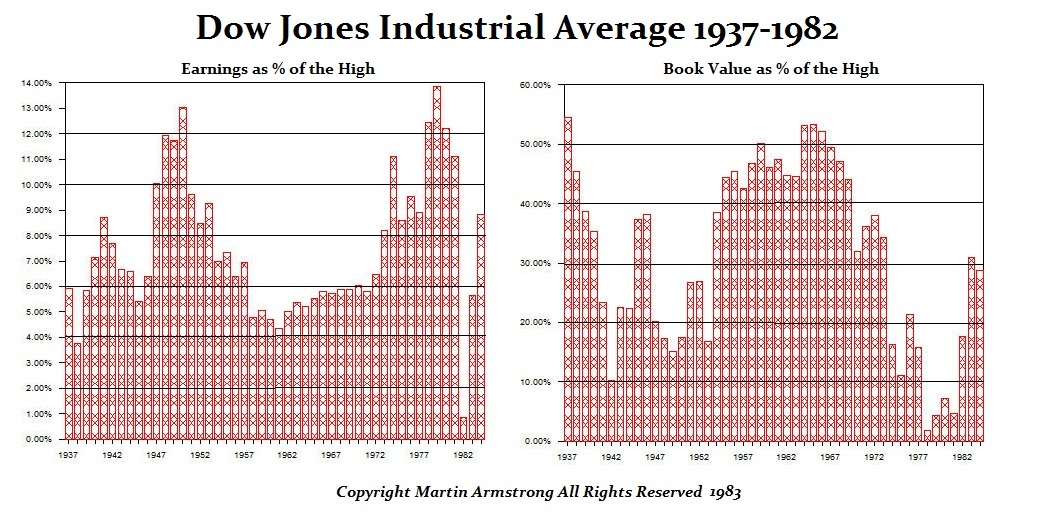
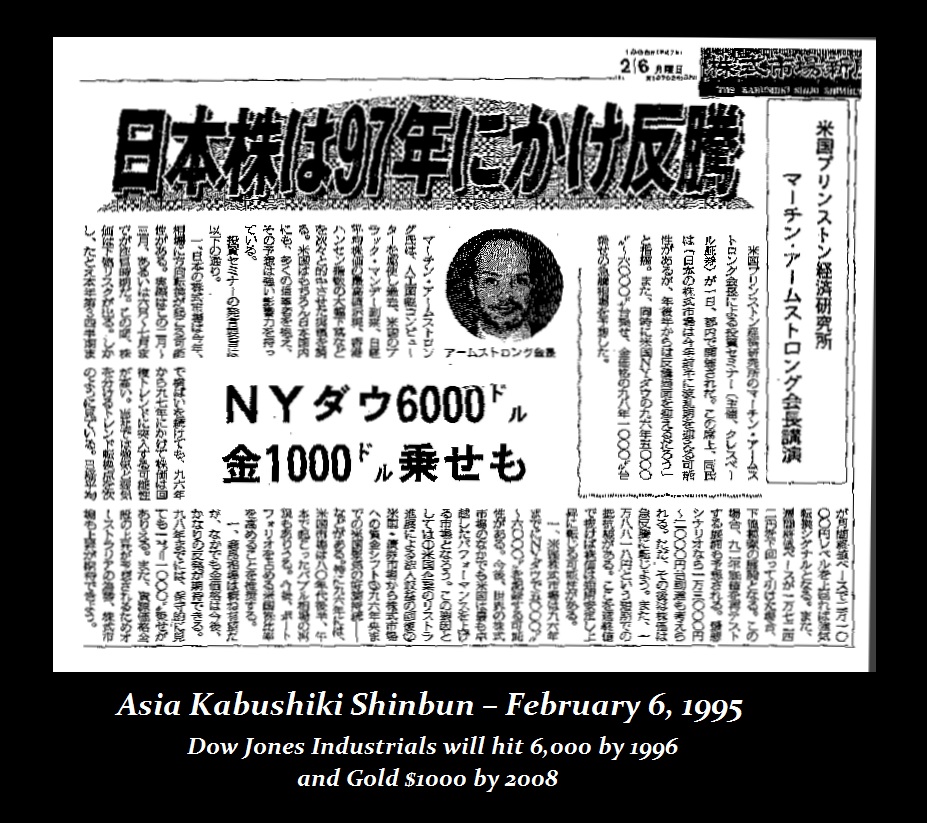
First, I was showing these charts and how in terms of book value, the Dow Jones bottomed in 1977. It was obvious that if you could buy a company, sell its assets, and double or triple your money, then the market was obviously not overpriced. We had forecast that the Dow was undervalued and that it would rise from the 1982 low of 769.98 and test the 2500 level in two years in 1985. Indeed, it reached 2695.47 by September 1987. We also projected that by the next decade, the Dow would test 6,000 on its next rally.
Even the press in Japan was shocked. We were also projected that Crude would fall below $10 in 1998. Indeed, that forecast was covered by Mark Pitman at Bloomberg News. It bottomed at $10.65 in 1998. In gold would forecast that it would drop to test $250 by 1999 completing a 19-year cycle low. Then gold would rally to test 1,000. Gold reached the $1,000 level by 2008. The Japanese press thought those forecasts were wild, to say the least.
The SECOND aspect of our advice to the takeover boys of the ’80s was something the press NEVER understood. We would advise borrowing in one currency for an asset in another. We were able to turn debt into a performing asset. We would make 20-40% profit on the currency alone. Often, the press would just look at the debt and not understand what we were even doing.
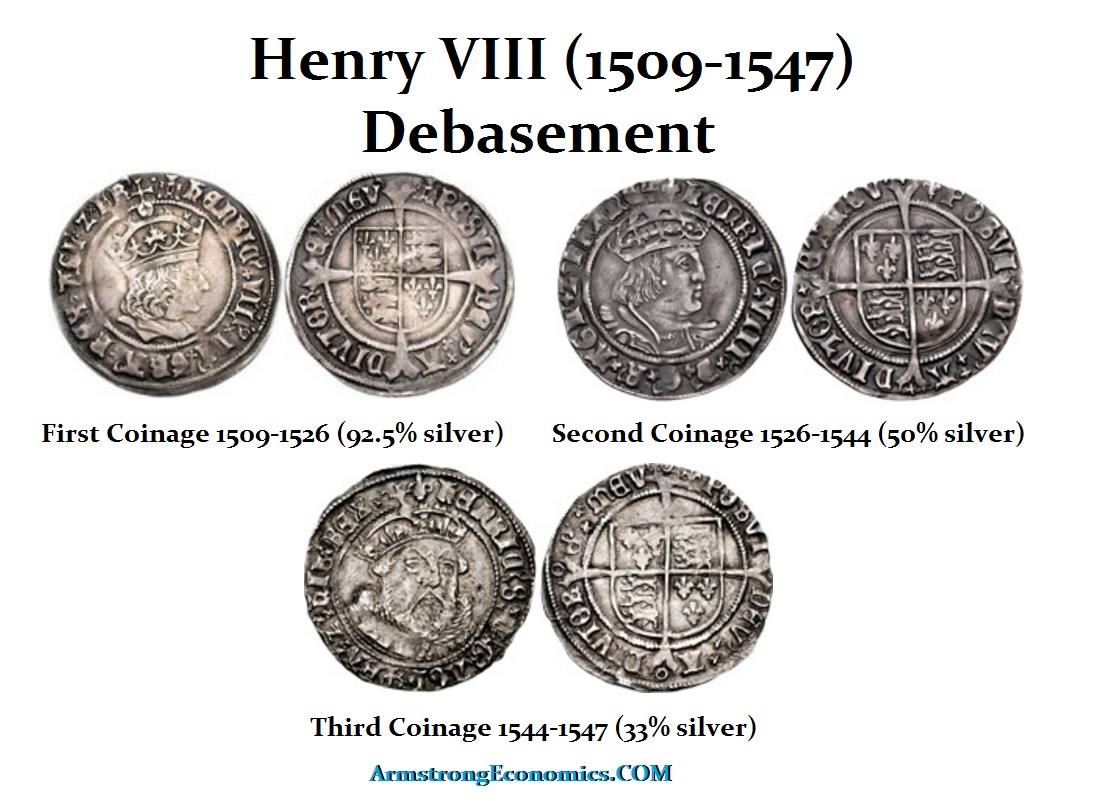
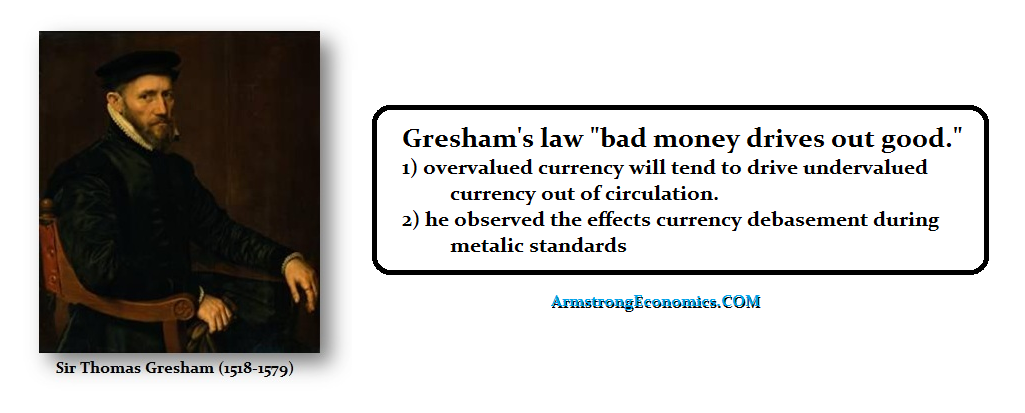
Most of this reasoning stems from Sir Tomas Gresham’s observations when he represented England at the Amsterdam exchange during the reign of Henry VI’s reign and debasement. As Henry debased the silver coinage as was taking place in Spain, the more they debased the coinage, the higher the inflation took place. His observation that bad money drives out the good has been grossly misunderstood. When I was growing up, they took the silver out of the coinage in 1965. People were culling out the silver showing that the debased new coinage of 1965 drove out of circulation the old silver coinage. The same thing has taken place with the copper pennings.
Because people hoard old coinage, the money supply shrinks. That then forces the government to issue far more debased coinage to compensate for the coinage that has been withdrawn from hoarding. Consequently, inflation unfolds for all tangible assets to rise in value as expressed in the newly debased coinage.
What these people always try to sell is the same old scenario that they cannot point to a single instance in history where everything collapses to dust but only gold survives. Such periods will typically result in revolution. When Caesar crossed the Rubicon, that was also all bout a debt crisis.
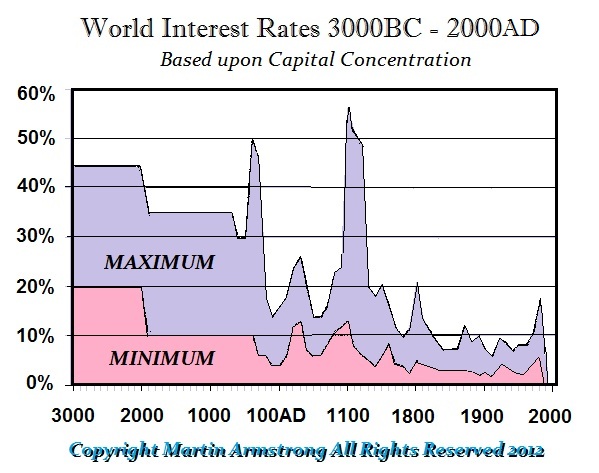
You must also understand that interest rates will be at their LOWEST internationally in the core economy of the Financial Capital of the World – which is the USA right now. The further you move from the center, the higher the interest rate will be. Hence, I have warned that the United States will be the LAST to fall – never the first. This is not based upon my opinion, this is simply historical fact.
The Bottom Line is very simple. There is just no such period as people describe where everything turns to dust and only gold survives. Even if that were true, they what good would the gold do if everything else is worth ZERO? Gold would have also ZERO value since nothing would have value.
The real issue is that as government defaults unfold, tangible assets will rise in value for the amount of money in debt always dwarfs that in even the stock market. We are in a Sovereign Debt Crisis and that is very different from a private debt crisis.
Posted originally on the CTH on February 28, 2023 | Sundance
It’s not just the United Kingdom, but as we await the latest figures from monthly U.S. data, the statistics from the U.K. are hitting the newswires. According to Reuters, food inflation in the U.K. is currently 17.1% The primary driver of the skyrocketing food costs is the energy cost associated with the fast turnover categories.
With prices increasing 17.1% yet net sales only increasing 8.1%, there is a substantial impact in unit food sales. British customers are buying much less to offset the fact they are paying much more. This trend is not just in the U.K. we have seen the same trend in U.S. data as families are being squeezed at the grocery store.
The prices on name branded products like Kraft and Heinz are leading the escalating food prices. Just last week I noticed 6oz Kraft Philadelphia cream cheese was $6.99, and a 24 oz. bottle of Heinz ketchup at over $8. Dairy products are leading the way with the most rapid increases in price. It appears that we are entering the fourth wave of food inflation currently.
LONDON, Feb 28 (Reuters) – British grocery inflation hit 17.1% in the four weeks to Feb. 19, another record high, dealing the latest blow to consumers struggling with a cost-of-living crisis, industry data showed on Tuesday.
Market researcher Kantar said prices are rising fastest in markets such as milk, eggs and margarine. It said UK households now face an additional 811 pounds ($978) on their annual shopping bills if they don’t change their behaviour to cut costs.
“This February marks a full year since monthly grocery inflation climbed above 4%. This is having a big impact on people’s lives,” Fraser McKevitt, head of retail and consumer insight at Kantar, said.
He said its research found that rising grocery prices are the second most important financial issue for the public behind energy costs. Also a quarter of people say they’re struggling financially, versus one in five this time last year.
[…] Kantar said that sales of own label products were up by 13.2% in February, well ahead of growth in branded products, which are generally more expensive, of 4.6%.
Kantar said UK grocery sales increased 8.1% over the 12 weeks to Feb. 19, masking a drop in volumes when accounting for inflation. (read more)
The last estimate for U.S. data (January ’23) is in the chart below. We should get the February data the first week in March.
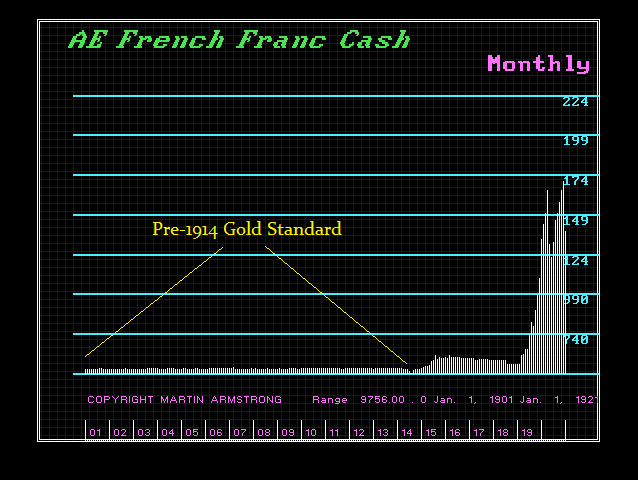
The financial markets had become integrated globally prior to World War I. It was the globalization and openness of world financial markets that became the problem and are important to understand for we will face the same problem today. The capital was free to flow from one country to another before World War I. All the major countries of the world were on the Gold Standard at that point in time so exchange rates were not as volatile.
We can easily see that the currency market was very stable pre-1914 looking at the French Franc. Keep in mind that this was also a period of fiscal responsibility – pre-Socialism and Marx. Therefore, governments practiced balance budgets to retain confidence in their currencies. That enabled the gold standard to function. Furthermore, any differences in exchange rates were arbitraged. That is how the United States went into crisis in 1896 because the Democrats were inflating the system by overvaluing silver at 16:1 compared to 15:1 in Europe. That resulted in gold fleeing the United States and silver pouring in from international arbitrage.
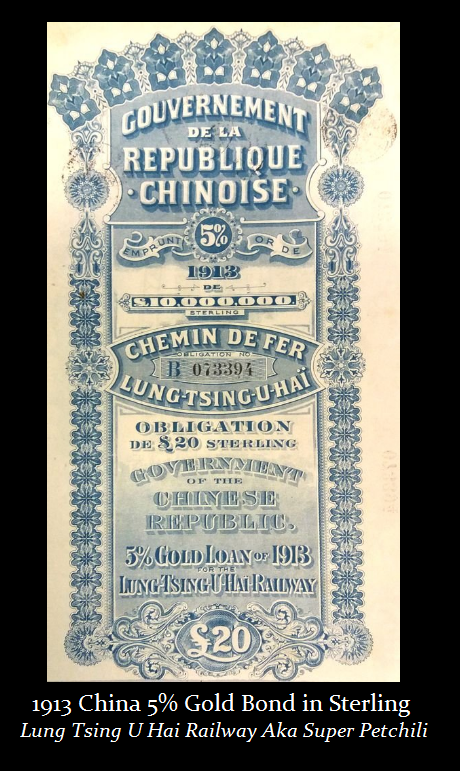
There was also a viable arbitrage that took place trading the spreads between international bonds listed on the various world stock exchanges. Many countries would issue bonds in British pounds just as they do in dollars today to sell more to the investors in the financial capital of the world, which was London at that point in time.
A country such as China or Russia would issue a bond that was listed on the stock exchanges in London, New York, Paris, Berlin, Amsterdam as well as St. Petersburg in Russia. Here is a Chinese bond issued in British pounds in 1913 paying 5%. The differences in exchange rates, which would still fluctuate marginally, would be arbitraged by buying and selling bonds in different markets.
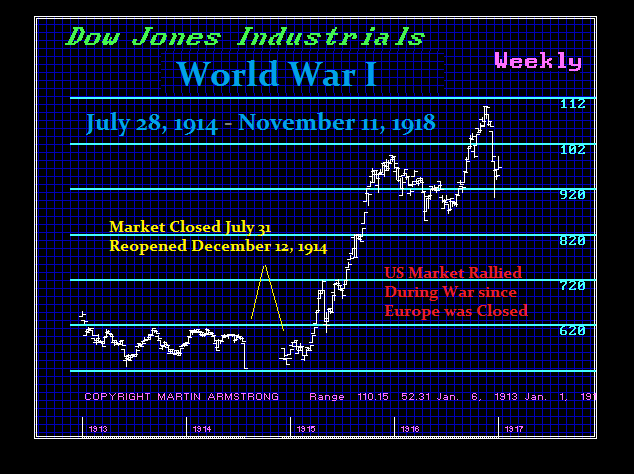
Consequently, during World War I, there was a global marketplace. In effect, this integration of markets presented a problem when the war hit. Capital could flee from one country to the next and thus the method to deal with the capital flows was to close the stock markets. The United States also closed the market in sympathy with Europe.
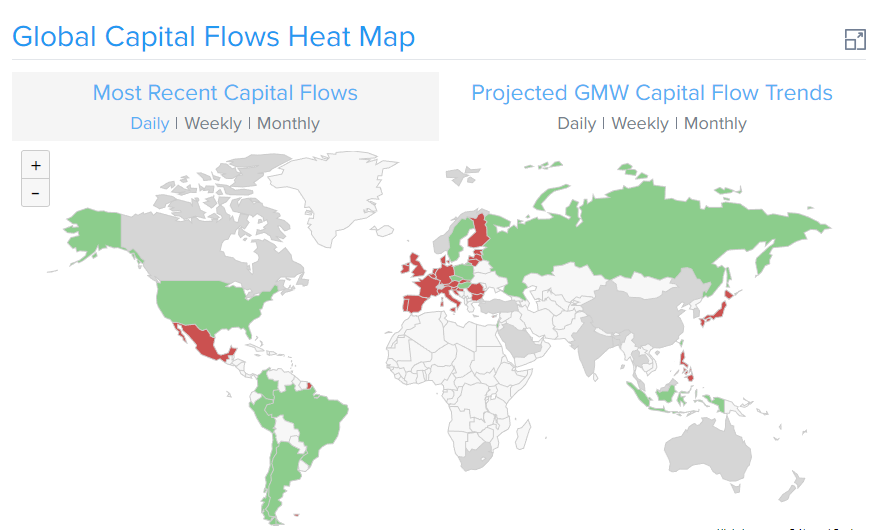
We will be taking a closer look at the various global markets. What you can count on is clearly CAPITAL CONTROLS. It would be best for those in Asia and Europe to have some capital tucked away in the United States. Once bullets start shooting, it will most likely be too late to move money.
Keep an eye on our Capital Flow tracking. This may become very critical in the months ahead.
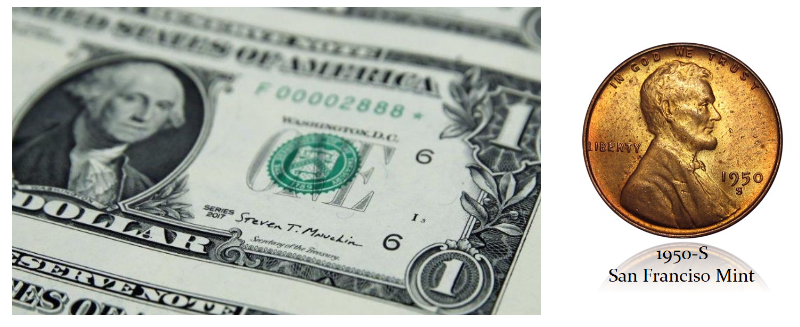
History repeats because human nature never changes. During the Roman Republic, the name of the moneyer would appear on the coinage just as today the Secretary of the Treasury’s signature appears on our paper currency – i.e. Steven T. Munchin. To this day, our coins are denoted by which mint produced them – Philadelphia, Denver, or San Francisco.
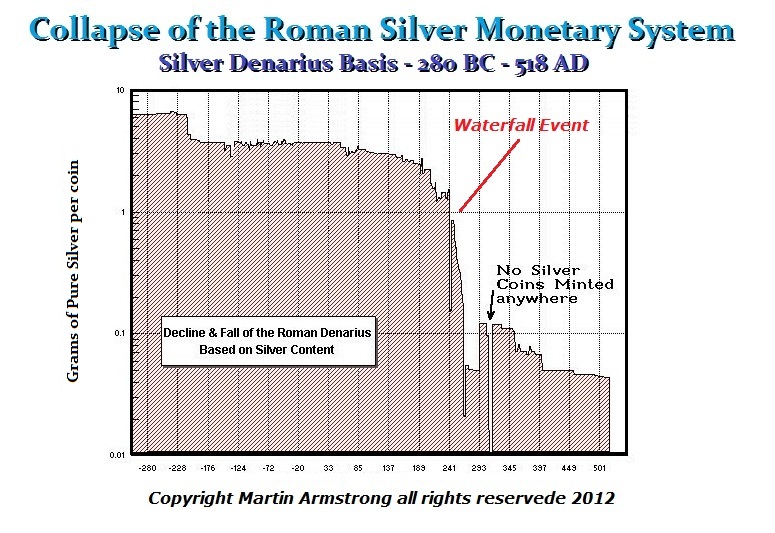
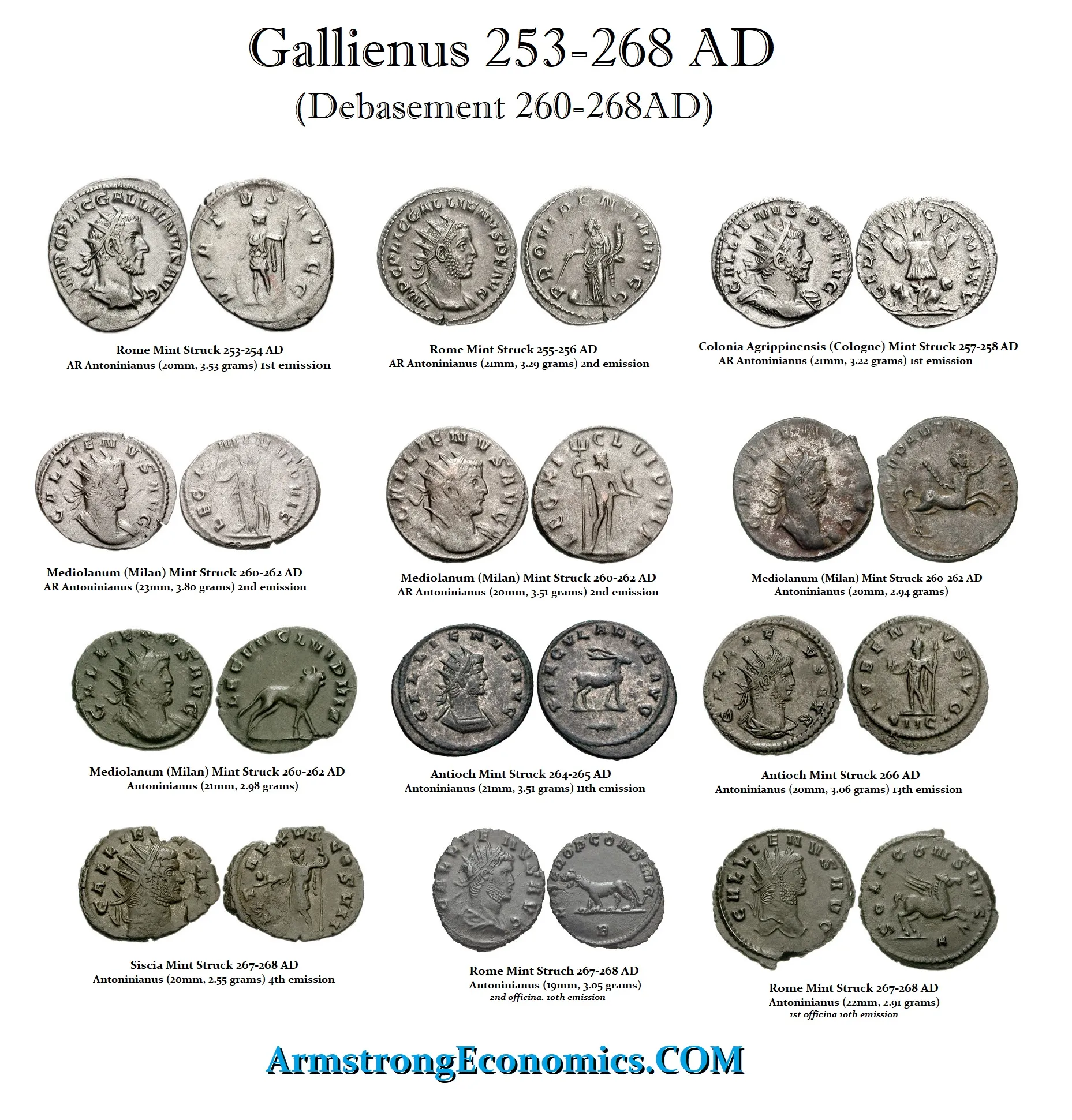
The collapse of the monetary system following the capture of Emperor Valerian I in 260AD by the Persians, set off a collapse in public confidence whereby the people suddenly saw Rome as vulnerable. What is fascinating is that the “hyperinflation” of Rome which took place in just 8.6 years, was aided by the corruption within the Deep State of the Roman Empire. This raises the question: We will see the same thing take place during our final 8.6 years into 2032 which begins by May 2024. The debasement of the coinage was NOT on the decree of the Emperor. This was the greed of those in the Deep State.
Following the assassination of Emperor Gallienus, that is when Claudius II came to power and the debasement reached it lowest point during his reign. The Goths invaded Rome and brought the plague with them from the East. Emperor Claudius II died of the plague. Claudius’s brother, Quintillus tried to succeed him, but Aurelian and his troops marched against him. His troops deserted him and he committed suicide.
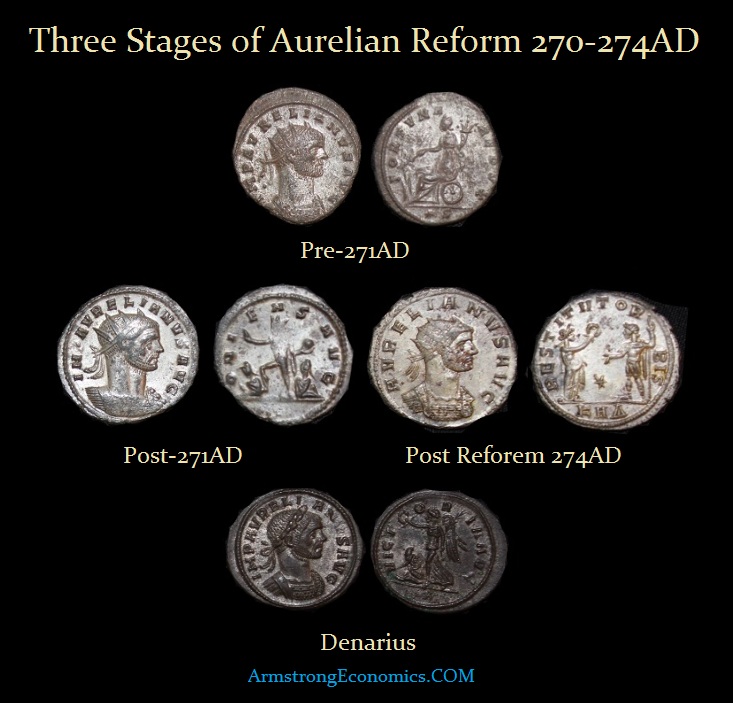
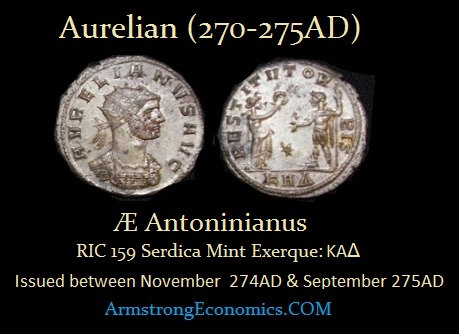
Therefore, Aurelian became emperor in 270 AD and he returned to Rome in 271 AD, where he had to pacify a terrified city. He immediately halted the rioting and restored order to the capital. The controller of the mint in Rome began a rebellion over the monetary reforms laid out by Aurelian. He ordered that all the debased currency be purchased back and replaced with a new currency of higher content in silver. The rebellion was led by Felicissimus. It appears that those who had been running the mint were embezzling the intended silver and issuing the debased coinage at least in part on their own authority.
Obviously, any reform to the monetary system that called for an increase in silver content would have been unprofitable for those running the mint for personal gain. In the rebellion, as many as 7,000 soldiers died when Aurelian was forced to trap and execute them and their allies, some of the senatorial ranks, in a terrible battle on the Caelian Hills. Thereafter, Aurelian then introduced mintmarks to identify if any mint was cheating the silver content.
When Diocletian (284-305AD) reorganized the coinage when he came to power as well as the political structure of the Roman Empire. With respect to politics, he divided the empire in two creating two emperors with their eventual successors given the rank of Caesar. This became the Tetrarchy.
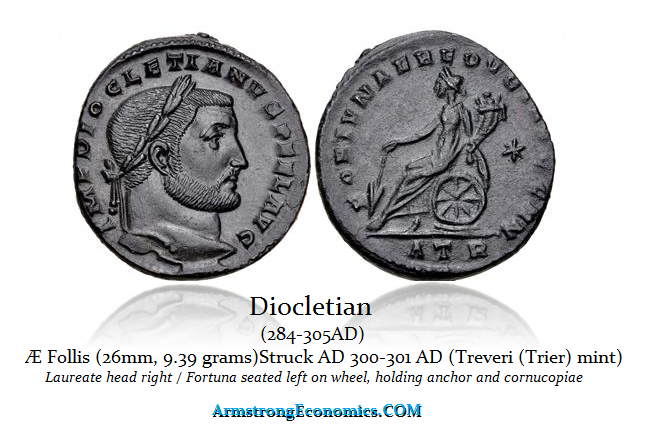
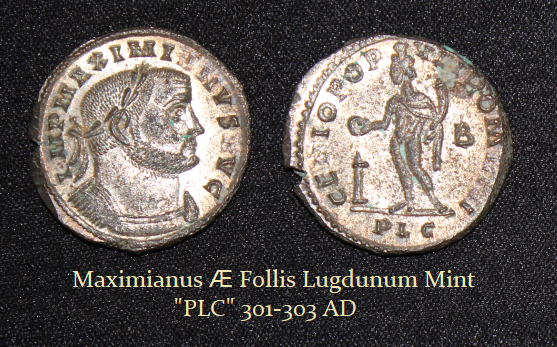
The monetary reform introduced the new bronze coinage silver plated known as the follis terminating the radiate antoninianus which had begun as a double denarius during the reign of Caracalla (198-217AD). Diocletian required each mint to engrave their coins with an identifiable mint mark, and also letters or marks to indicate the individual workshops (officina) within the mints. Thereby, any collusion to debase the coinage would be identifiable to a specific group within each mint.
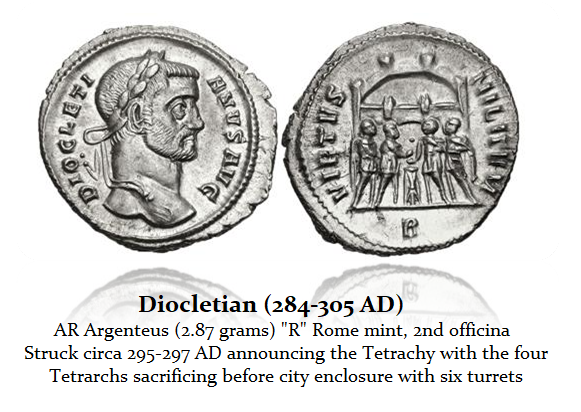
Each mint mark from Diocletian onwards consists of a group of letters identifying the mint (normally in the exergue) and usually (but not always) letter(s) and/or mark(s), sometimes in the exergue, sometimes in the field, These identified the individual workshop within the mint. In the West, workshops were numbered either in Latin numerals I, II, III or in the initial letters of Latin ordinals such as P(rimus), S(ecundus), T(ertius). The problem with Latin surfaced when trying to distinguish between S(ecunda) and S(exta) or between Q(uarta) and Q(uinta). They had to develop in the West a mixed system of Greek and Latin to give P(rima), B, T(ertia), Q(uarta), E, and S(exta) valid meanings. Western mints sometimes used the Greek system at varying times.
Here we can see a silver Argentius (2.87 grams) with the “R” Roman mint mark. Lugdunum used “PL” for their mint mark as illustrated by this follis of Maximianus – Diocletiuan’s co-emperor.
Posted originally on the CTH on February 21, 2023 | Sundance
Follow the bouncing ball of consequence….
(Via Daily Mail) Vegetable rationing could last for ‘weeks’, it was warned today, after Morrisons joined Asda to became the second major supermarket to limit sales of certain items.
Perishables like tomatoes, potatoes, cucumber and broccoli have been restricted to just two or three per customer in a host of stores up and down the country.
The crisis has developed in recent weeks due to soaring energy costs which have forced British farmers to switch off greenhouses as they desperately try to make ends meet – leaving a dearth of home-grown produce. (read more)
While it is prudent to remind everyone how fortunate we are to have Florida, California and Mexico for North American vegetable supplies, ie. no dramatic supply shortages, the energy price pressure being applied by Biden policy will lead to even higher consumer prices for all row crops.
18 months ago (Oct 2021), CTH first strongly recommended restarting victory gardens at home. The same recommendation only strengthens.
COMMENT: Martin, After several years of reading your blog, I have concluded that Socrates’ prognostications appear to be spot on. I also share your assertion that a study of history supplies an insight into future events due to the constancy of “human nature.” Where we appear to part ways is in the definition of “money.”
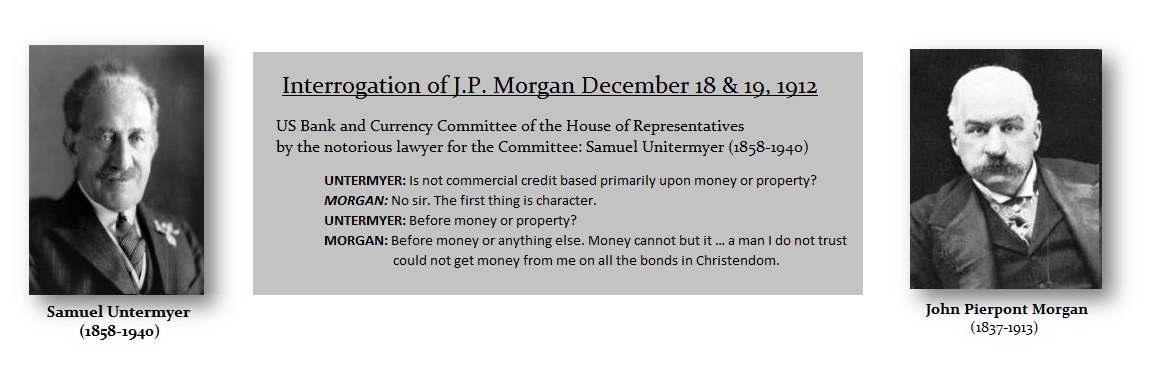
In the early 20th century J. P. Morgan said: “Gold is money; everything else [used as currency] is credit.” Hence, paper money, (and digital entries in an electronic ledger) when issued by a monopolist i.e. government, inevitably descends to its intrinsic value: zero.
AN
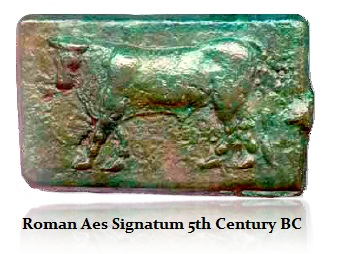
ANSWER: Human society has recorded our monetary history and you should not confuse irresponsible government with what is really money. I have a great deal of Respect for J.P. Morgan. If you asked the question of what is money in a Babylonian, it would be a silver shekel. Even the Bible spoke of weighing the silver and how Judas sold out Christ for a handful of silver coins. To a Greek from Anatolya (Turkey), he would have said it is a stater. To an Athenian, he would say a drachma. A Roman would have replied a denarius. But when Rome was first forming, money had been cattle which became thereafter bronze. Indeed, if you had asked before all of them, a Minoan, would have it was bronze. Money has been many things including sea shells, and cattle.
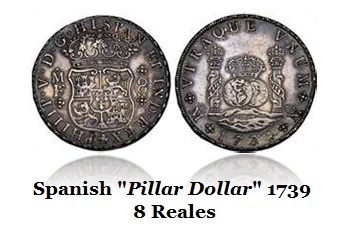
A Spanish during the 15th century would have said it was a one-ounce silver reale. The German would have said no – it’s the silver thaler. The British would disagree and said it was the pound sterling (.925 silver). The Americans, not wanting to be subservient to England, adopted the dollar, which was a version of the German thaler. In Asia, it was the cash, then the yen.
Saint Patrick in the 5th Century AD upon his arrival in Ireland, found that MONEY was expressed in human slave girls. He wrote in his Confession,“I think that I have given away to them no less than the price of fifteen humans.” This passage shows something very important. First, MONEY is not defined as the Medium of Exchange exclusively. It also serves the purpose of a Unit of Account. In fact, this becomes the true function of MONEY even more so than what it is. MONEY is a language of value.
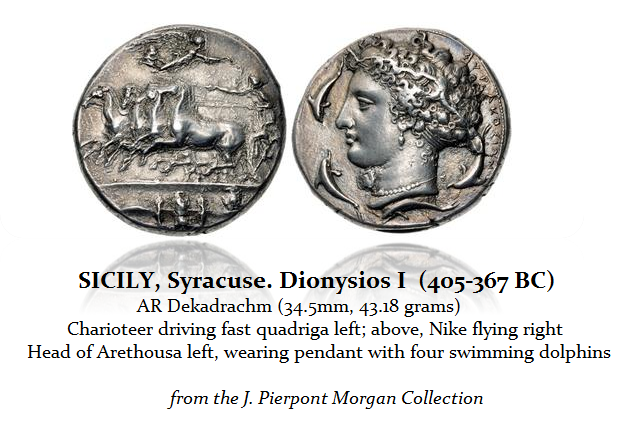
Many of the major bankers, kings, and heads of companies were ancient coin collectors including President Teddy Roosevelt. JP Morgan understood banking and credit – but not money. This was a Syracuse Dekadrachm of Dionysios I (405-367BC) was one of the coins from his collection that was eventually sold by the coin firm Stacks of New York in September 1983. You can download that catalog. People like Josiah K. Lilly Jr. and Paul A. Straub donated their collections to the Smithsonian.
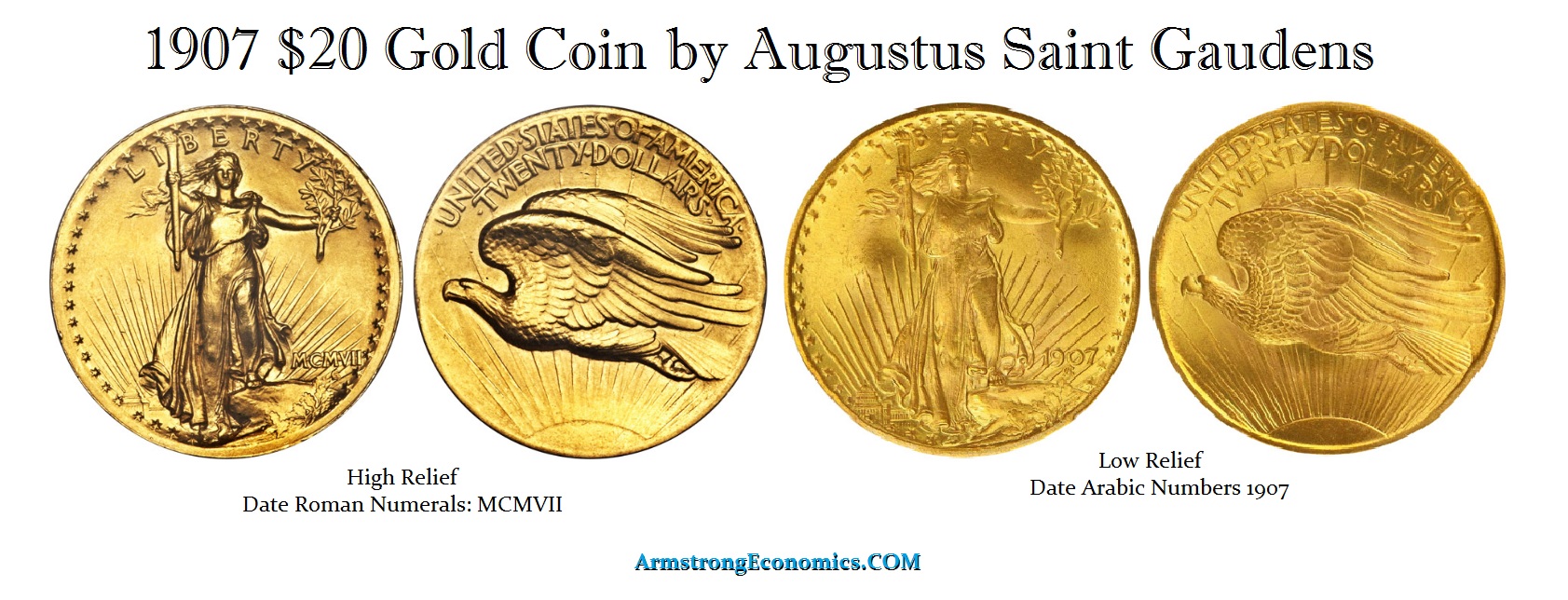
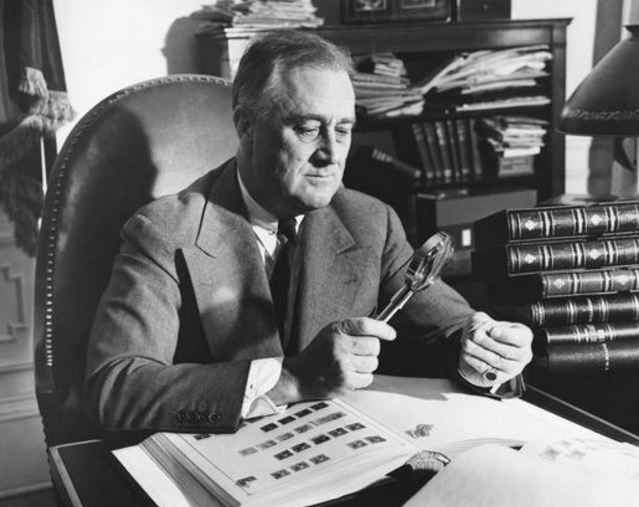
Teddy Roosevelt (1858-1919) loved the high relief of ancient Greek coins. When Teddy Roosevelt became president on September 14, 1901 – March 4, 1909, he commissioned the artist Augustus Saint-Gaudens (1848 –1907) to redesign the $20 gold coin and made it high relief as the ancient coins had been struck. The machines could not handle the high relief for the dies would break and they lacked the power of an individual stamping out coins. Thus, the new $20 gold coins had to be reduced in their relief. Nevertheless, we have ancient coins to thank for the limitation on the confiscation of gold in 1934. It was that very reason that his cousin FDR exempted ancient gold coins from confiscation when FDR was himself a stamp collector instead.
I would say the problem here is the definition of money and what predates coinage was the development of a weight standard to enable trade. That invention of weighing technology appears to emerge around 3100 to 3000 BC. This was the most significant turning point in monetary history for it marked the beginning of economic history itself.
It was private merchants during the Bronze Age that created the weight systems. Trade took place through informal networks, but it was clearly Mesopotamian merchants who established a standardized system of weights that later spread across the Western region and into Europe. This innovation enabled international trade across the continent. By the second millennium BC, merchants could potentially trade anywhere in Western Eurasia simply by knowing the conversion factors of a multitude of local weight units. What was emerging was the formation of weight systems that was the foundation for the booming commercial interaction of the Bronze Age world.
From the very beginning, MONEY has been a commodity – nothing more. It simply began a barter. I will give you these carrots for potatoes. When the Lydian King Kroisos (561-546BC) created the first bimetal monetary system, a gold stater was about 10.71 grams and the silver-gold ratio was 13.33:1 because gold was common in the Turkey. The inflation caused by war led to a gold weight reduction to 8.71 grams. Fiscal mismanagement existed from the very beginning. This would have been no different than FDR revaluing gold in 1934 from $20.67 to $35 per ounce.
There were competing standards from the very beginning. The Lydian/ Milesian standard began with an electrum stater at 14.2 grams. The stater as minted under the Euboic Standard was 17.2 grams of electrum. There was the Phokaic Standard placing the electrum stater at 16.1 grams. Obviously, foreign exchange dealers became necessary for international trade among the city states.
I can find no evidence of a single standard that dominates the nations at this time. By 530BC, the invention of coins spreads to Greece and now the first city state begins to strike a silver stater at 12.6 grams – the Isle of Aigina. In Greece, silver was common and gold was rare.
In Athens they established the Attic Standard based on a silver didrachm (2 drachms) of 8.6 grams, but as inflation emerged, the standard coin became the tetradrachms (4 drachms) at 17.2 grams. So you can see there may have been gold and silver used as MONEY, but by no means was there a unified standard agreement as to weight. In Corinth, they set their stater at 8.5 grams and divided it into three drachms. Standardization comes only with conquest as was the case with Napoleon. Athens dominated many city states and in 449BC issued its famous enigmatic “Coinage Decree” promulgated by Perikles that restricted other city states from striking coins making their coins a single currency. Perhaps it was just a power play. On the other hand, it was most likely just the profit earned over the raw metal cost known as seigniorage. In other words, the coins once minted purchased more in goods than the raw metal.
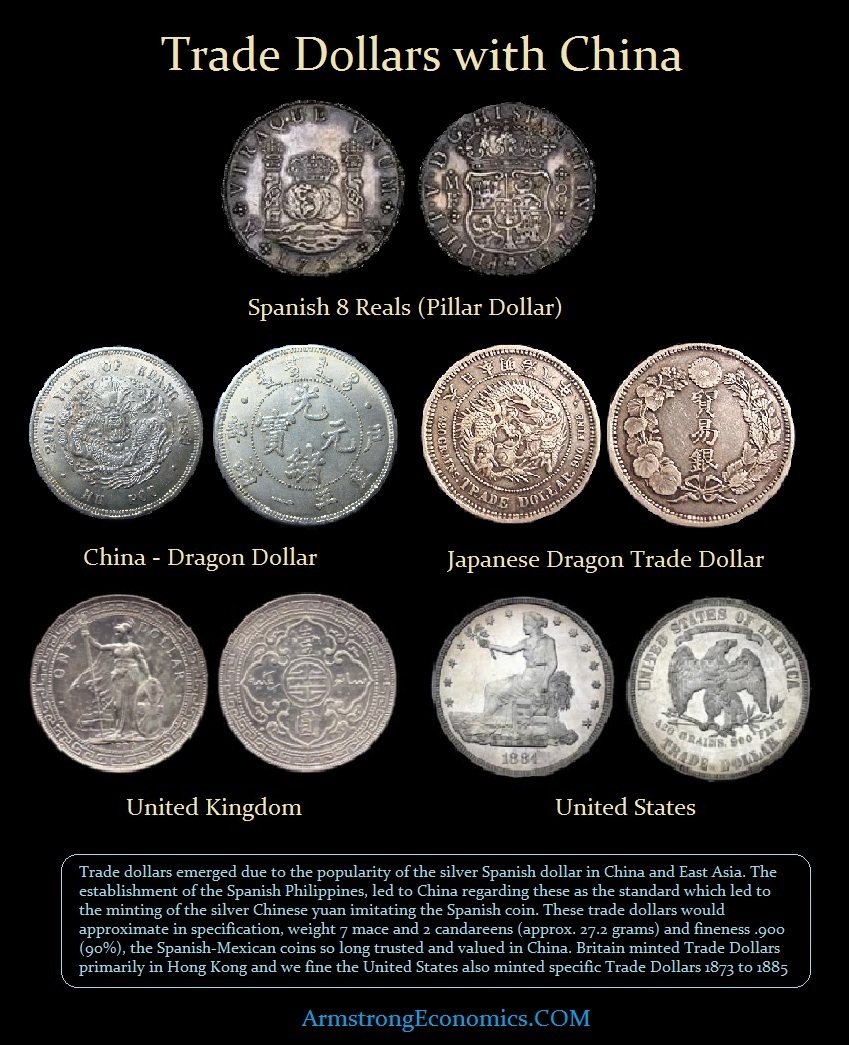
China did not use gold. They had a silver standard. The West had to create silver trade dollars set to their weight standard, which was heavier than the standard United States silver dollar. There have been different monetary systems throughout world history. They have not all been based on precious metals. What it always boils down to is the capacity of the people to produce. There are plenty of places with natural resources and the countries are barely even 3rd world. China, German, and Japan rose from the ashes without gold. Their people produced and they rose to the top of the list of economies despite others having gold.
The bottom line has always been that the wealth of a nation is nothing more than they total productivity of its people.
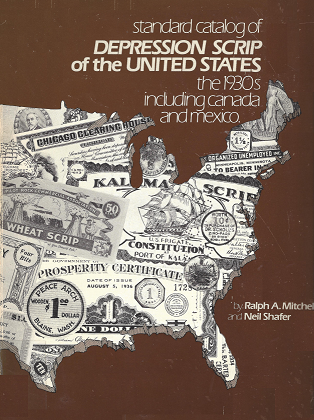
QUESTION: At the WEC, you said as the nation breaks apart, the most likely course of action will be the creation of local currencies. You also said you would post a catalog of Depression Scrip. I have not seen that. Can you post that, please?
Thank you for a great WEC. Always learning something new.
GJ
ANSWER: Sorry. I may have forgotten to publish that because I searched Amazon and could not find it. It was published back in 1984. Because Depression Scrip is not a huge field of collectors largely because most have never heard of the existence of private currency during the Great Depression, this book is quite rare. You may find some used copies that go for $125 or more.
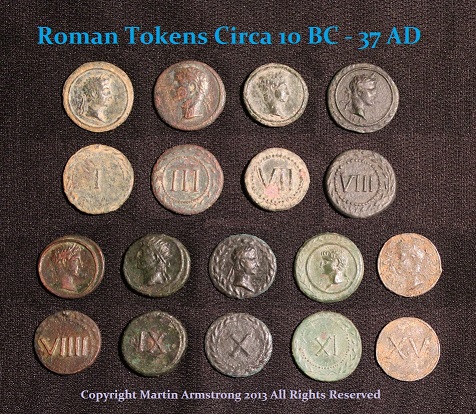
I have studied the subject from the standpoint of economics. During the reign of Tiberius (14-37AD), he was very frugal and as such there was a shortage of money which led to a Financial Panic in 33AD. During such periods, private money surfaces as a necessity. This is why history repeats because human nature never changes. It will always respond the same way.
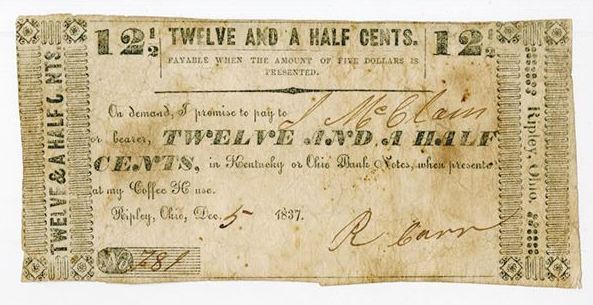
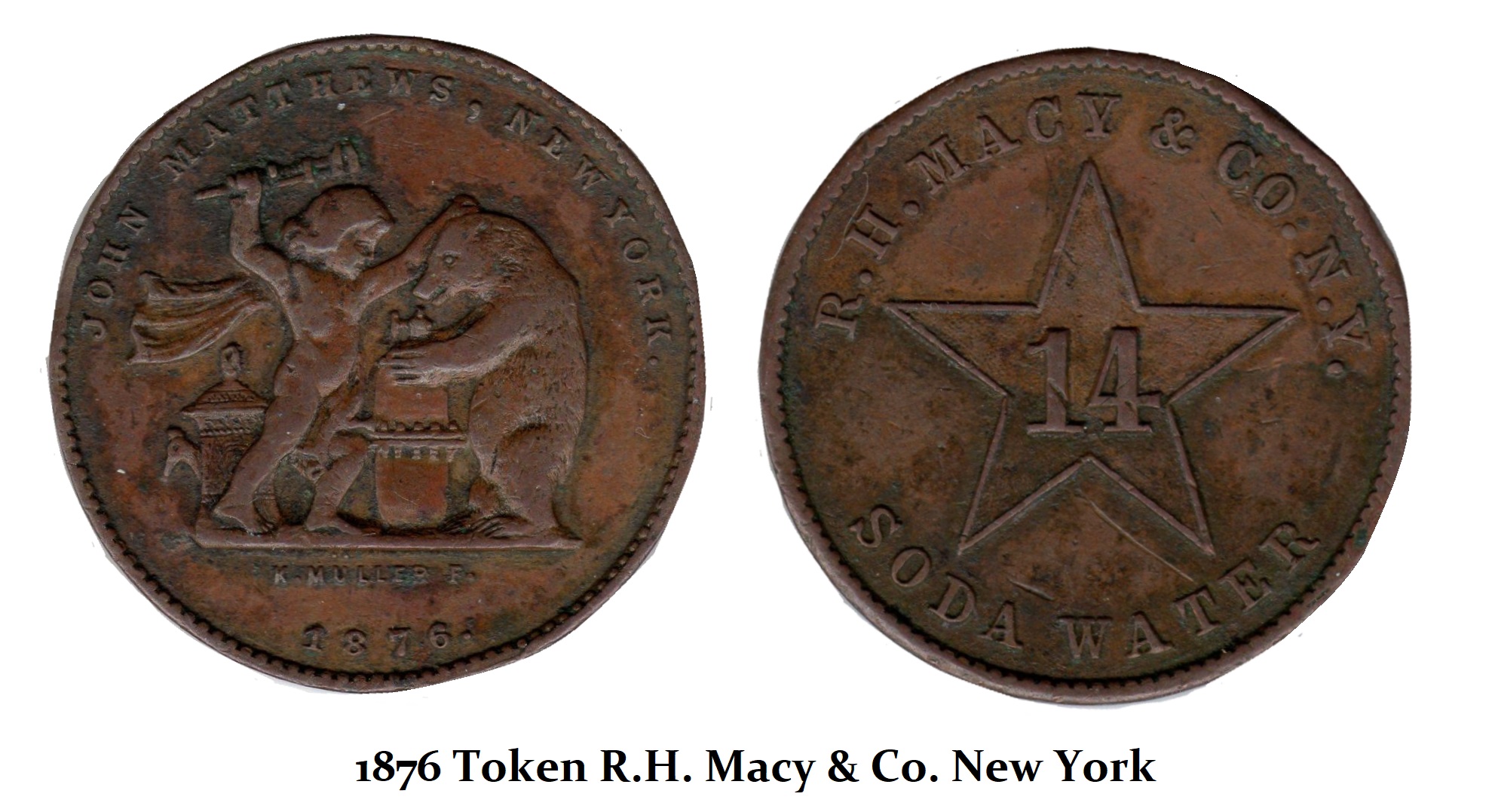
Here is private money from the Panic of 1837. The denomination reads 12 1/2 cents. This was issued by a Coffee House. Here is a half-penny issued by the New York store of Macy’s in 1876 following the Panic of 1873.
Throughout history, we see the very same reaction each and every time. I have collected a large number of private currencies covering the various financial waves of panic since Roman times. It has been a critical part of being able to forecast what takes place during these events. The common denominator is always humanity since we never change for thousands of years. We only progress in terms of technology – not our human emotions.
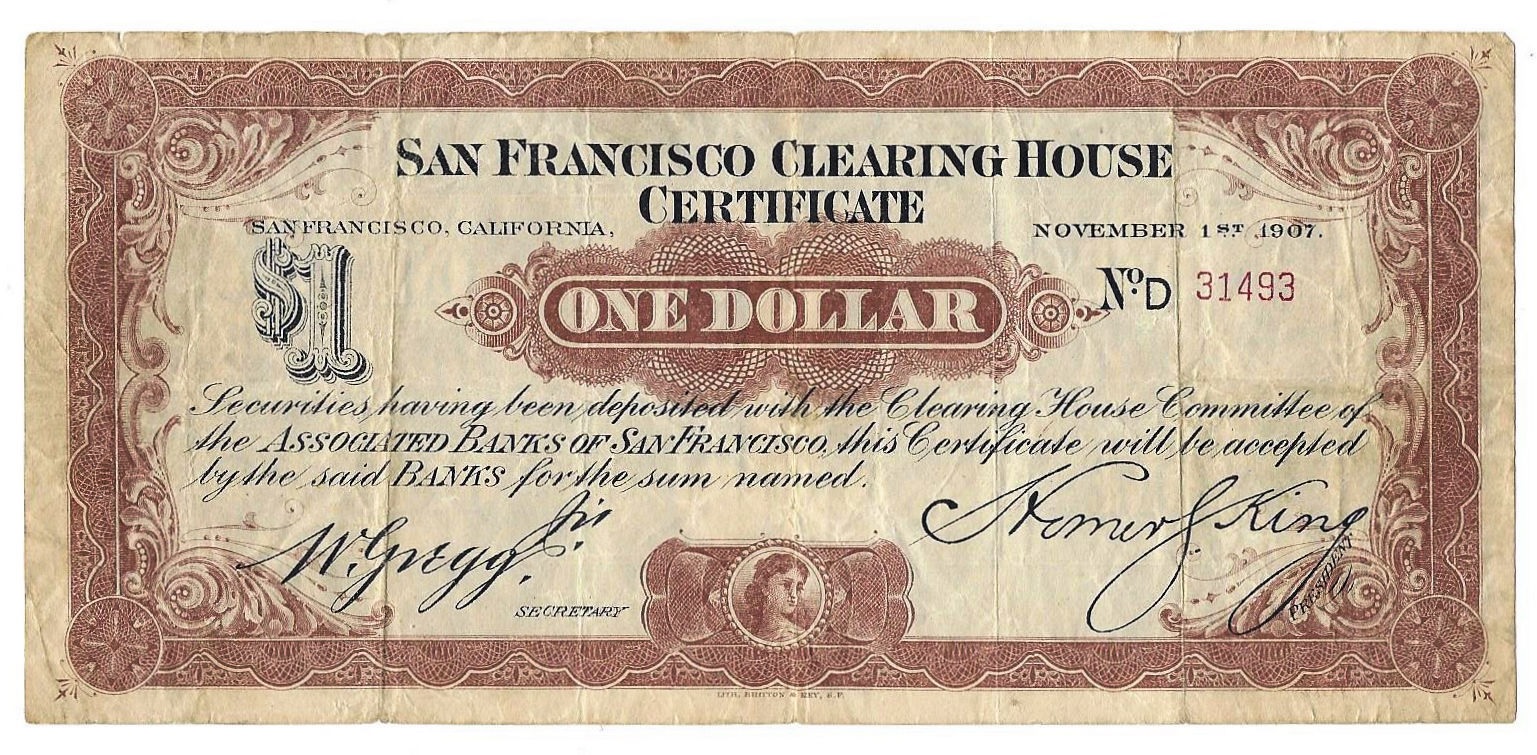
Here is private scrip issued by the San Francisco Clearing House where transactions were settled in the bond and stock markets. The backing was the private shares in companies. This was the Panic of 1907.
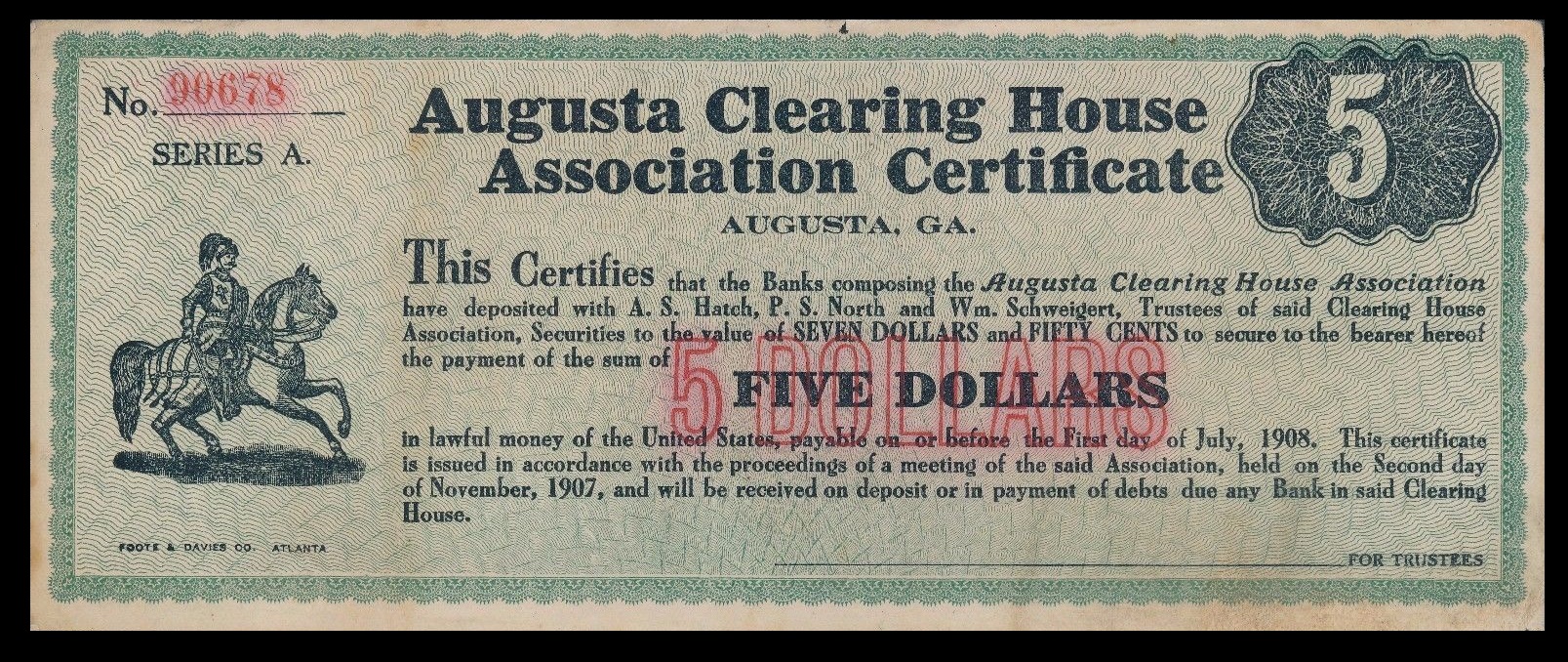
Here is another issued in 1908 in Augusta, Georgia. It was the Panic of 1907 that really we began to see widespread stock exchanges issuing money that began because if there was a shortage of cash, you could not conduct any business whatsoever since it was impossible to pay.
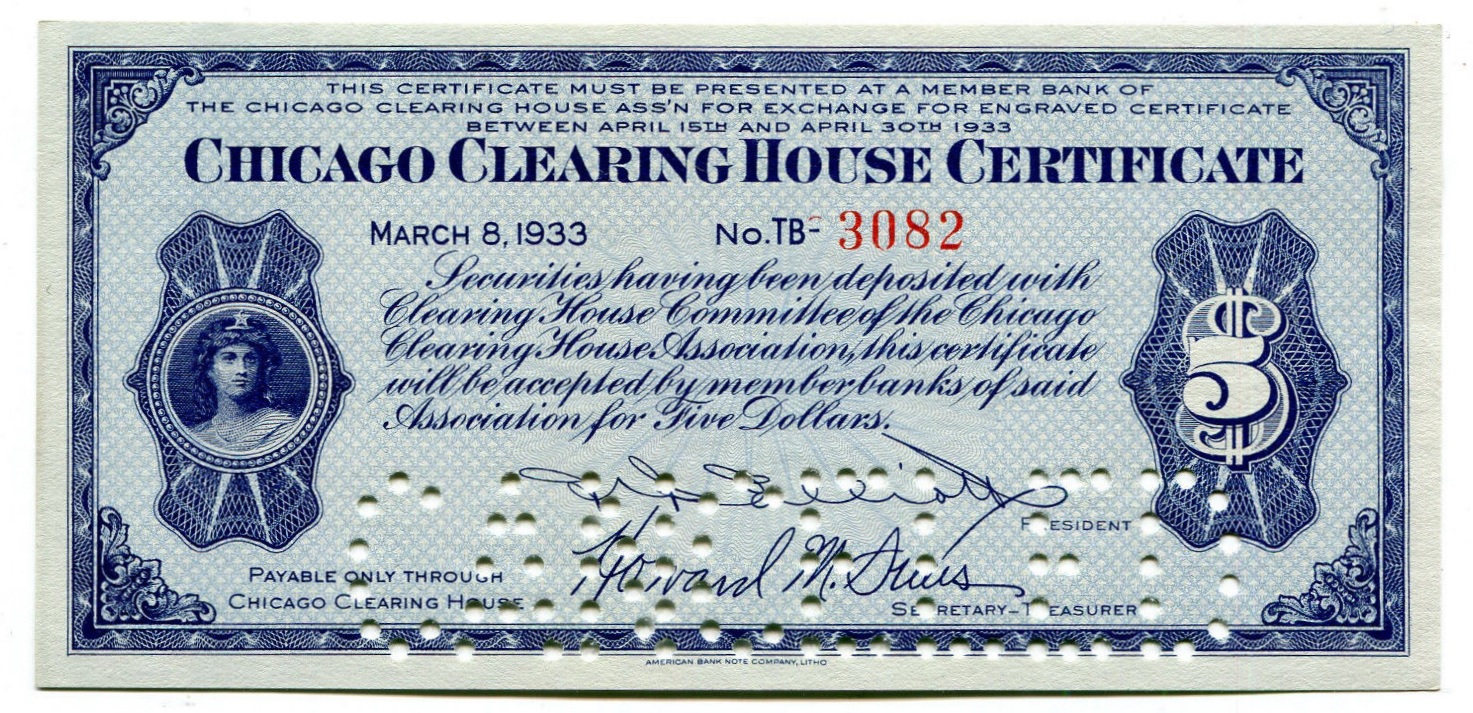
Here is the Chicago Clearing House which issued private money during the Great Depression in 1933. We find various stock exchanges issuing private currency in times when there was a shortage of money because people were hoarding their cash in times of uncertainty.
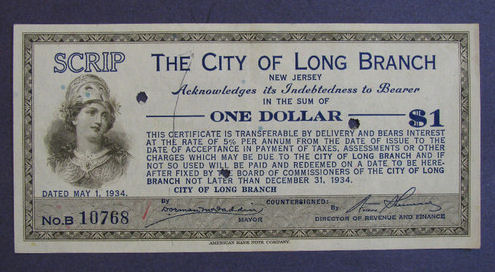
This was the very first Depression Scrip I ever saw and immediately purchased it. This opened the door in economics for me to understand how things function during a great crash. What took place during the Great Depression was that there was such a shortage of cash, over 200 cities began to issue their own currencies just to enable transactions to take place. Businesses could not hire people because there was no available cash to pay them
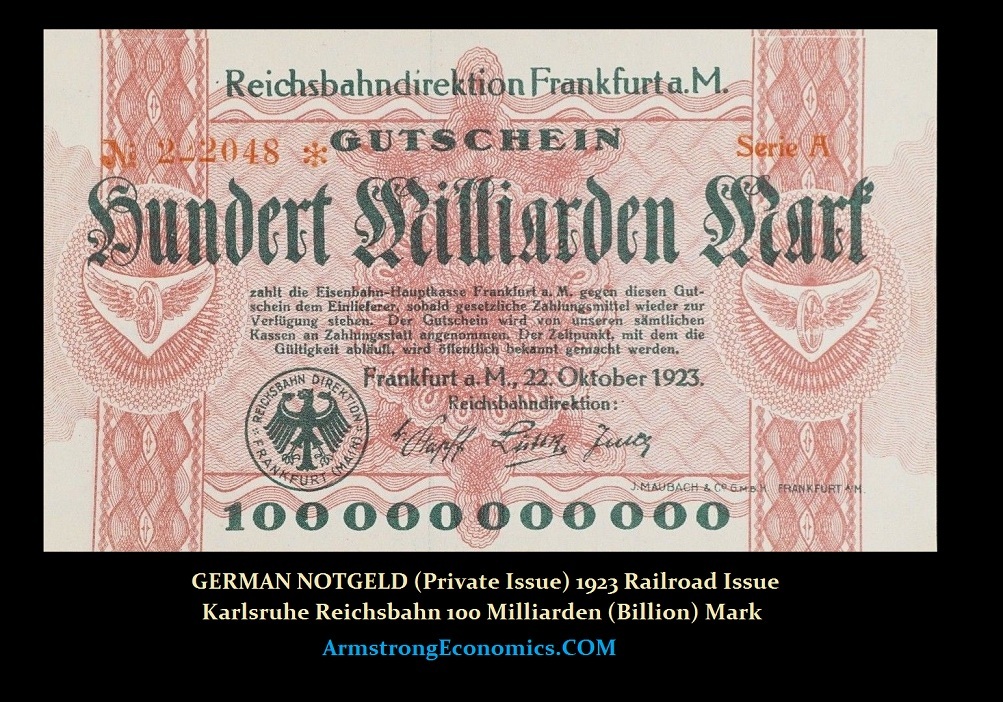
There are catalogs available in German concerning the NotGeld, private issues of currency, during the Hyperinflation of the 1920s. Once again, it does not matter what nation or culture. The same human response will unfold every time.
As the United States breaks up, as is the case in Europe, we will see currencies appears on a regional basis. This is how it will always work. I spent more than two decades investigating these trends and collecting scrip from all financial crises going back to ancient times. Without access to these examples, there is just no economic historical account that has ever tied all of this together. I had to explore this all on my own.
I have created this site to help people have fun in the kitchen. I write about enjoying life both in and out of my kitchen. Life is short! Make the most of it and enjoy!
This is a library of News Events not reported by the Main Stream Media documenting & connecting the dots on How the Obama Marxist Liberal agenda is destroying America












 Centinel2012