Posted originally on Jun 26, 2025 by Martin Armstrong
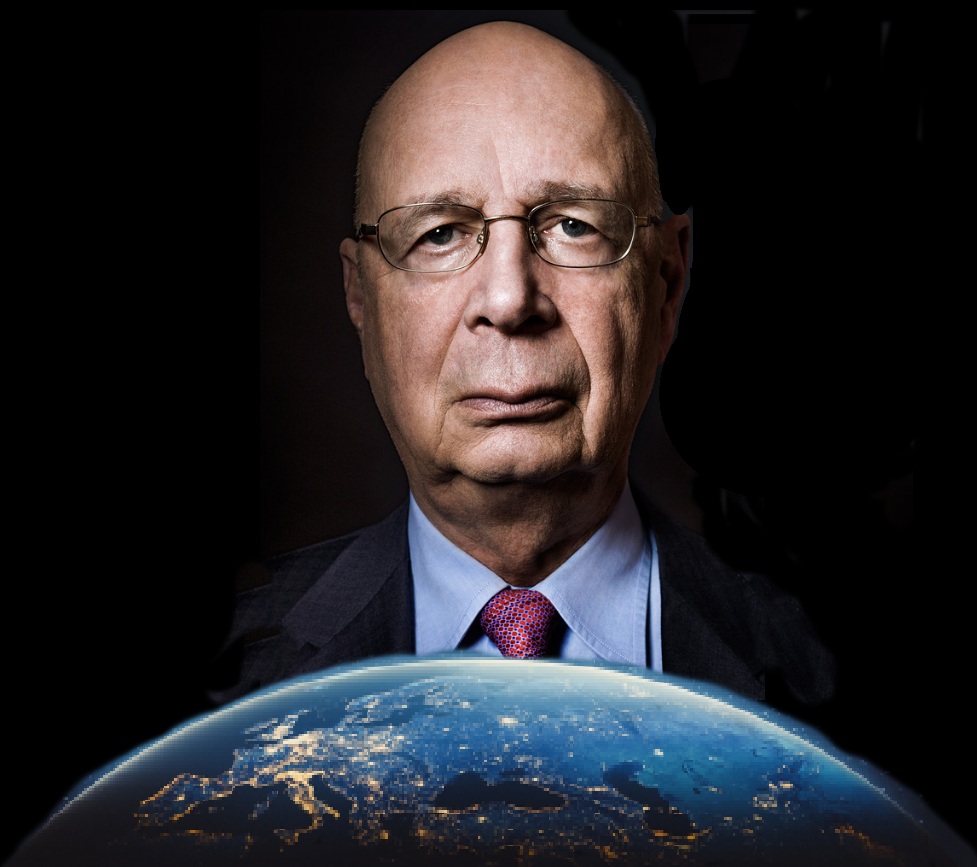
World Economic Forum founder Klaus Schwab stepped down from his chairman position at the organization on April 20, 2025, amid accusations of fraud. Our computer had forecast that the WEF would enter a declining trend with the 2024 ECM turning point. This staged coup happened about 37 years after the first Davos meeting (8.6 x 4.3). From our model’s perspective, this was right on time. Now, Schwab and the WEF are working to repair ties.
An anonymous whistleblower claimed that Klaus Schwab and his wife collaborated with USAID to steal tens of millions in funding. The whistleblower has always been anonymous, and it remains very suspicious that the very organization he created would turn on him after receiving an anonymous letter that they admitted may not have been credible. Something like this would never be acceptable in any court of law, especially if it’s anonymous. It would be the worst or the worst hearsay, where you cannot even point to who made the allegation.
Back in April, the WEF said its board unanimously supported the decision to initiate an independent investigation “following a whistleblower letter containing allegations against former Chairman Klaus Schwab. This decision was made after consultation with external legal counsel.”
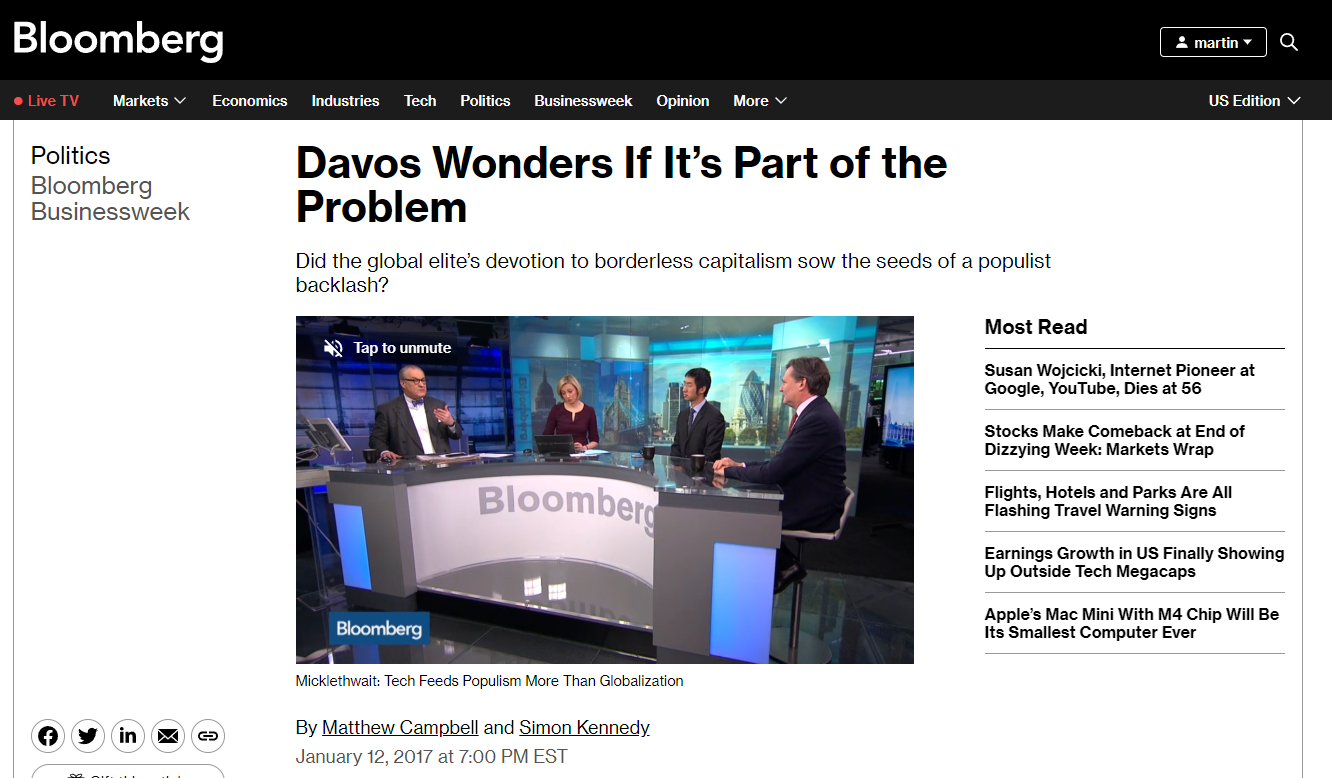
Now, the WEF is attempting to repair its relationship with its founder ahead of the next Davos meeting. Bloomberg reported that the WEF would like to “normalize their relationship [with Klaus Schwab] in order to safeguard the forum and the legacy of the founder.”
Peter Brabeck-Letmathe has replaced Schwab for the time being, but is less of a commanding force. Schwab’s sudden departure has caused instability in the organization and its ongoing mission. Board members are concerned that support for the organization will begin to decline as this situation remains unresolved.
The World Economic Forum’s annual revenue in 2024 was 440 million francs ($543 million), with the majority of proceeds coming from member companies and fees. Yet, the number of people registered to attend the 2025 Davos event is on par if not slightly exceeding the number of participants from the year prior.
Schwab’s departure has damaged the Davos brand. There is a possibility that the organization is attempted to rebrand after Agenda 2030 failed. The WEF attempted to move away from its zero tolerance stance on ESG initiatives after they became widely unpopular among the big industry players and shifting governments. The brand has attempted to integrate the importance of digital transformation and AI to remain relevant as the tech gurus grow in power and popularity. Those who are familiar with Klaus Schwab know the phrase, “You will own nothing and be happy.” These words have been widely unpopular and caused a type of sinister chaos to surround the brand that was once respected as the high-brow institution of globalist elites.
European Central Bank President Christine Lagarde was slated to replace Schwab in 2027 when her term ends, and all reports claimed that he was prepared to remain in the chairman role for an additional two years to ensure Lagarde could take his place. What changed seemingly overnight that would cause the organization to discard Schwab before he was due to retire?
Schwab denies any misconduct and filed lawsuits against the whistleblowers, calling the accusations “calumnious” and “unfounded.” He believes “character assassination” was the premise of the claims.
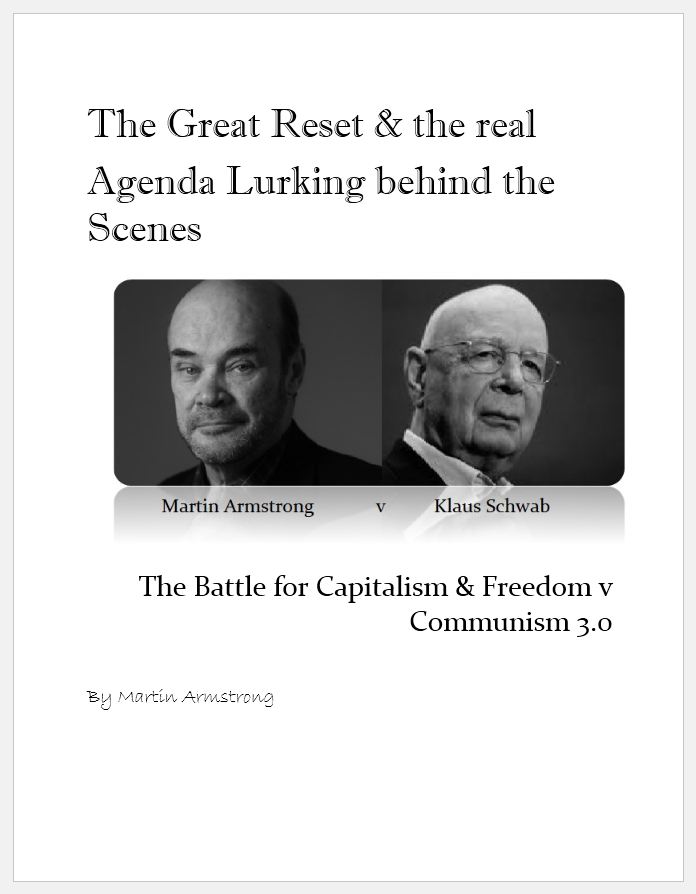
I am no fan of Klaus Schwab, as everyone knows. I disagree with his theories from start to finish. Nevertheless, something doesn’t smell right here. This appears to be an internal coup, perhaps to distract attention from the question of alleged funds for the WEF from USAID, or to try to salvage the failed Agenda 2030. Perhaps they will claim that no misconduct had occurred since DOGE did not raise concerns or there is a possibility that those behind the internal coup are concerned that Schwab’s counter lawsuit could uncover new corruption. The investigation into Schwab has not concluded, but after only three months, the WEF would like to wrap it up. It appears that the WEF does not want to welcome Schwab back; rather, they would like to ensure an amicable resolution to maintain both the brand’s reputation as well as the founder’s.
Posted originally on CTH on June 9, 2025 | Sundance
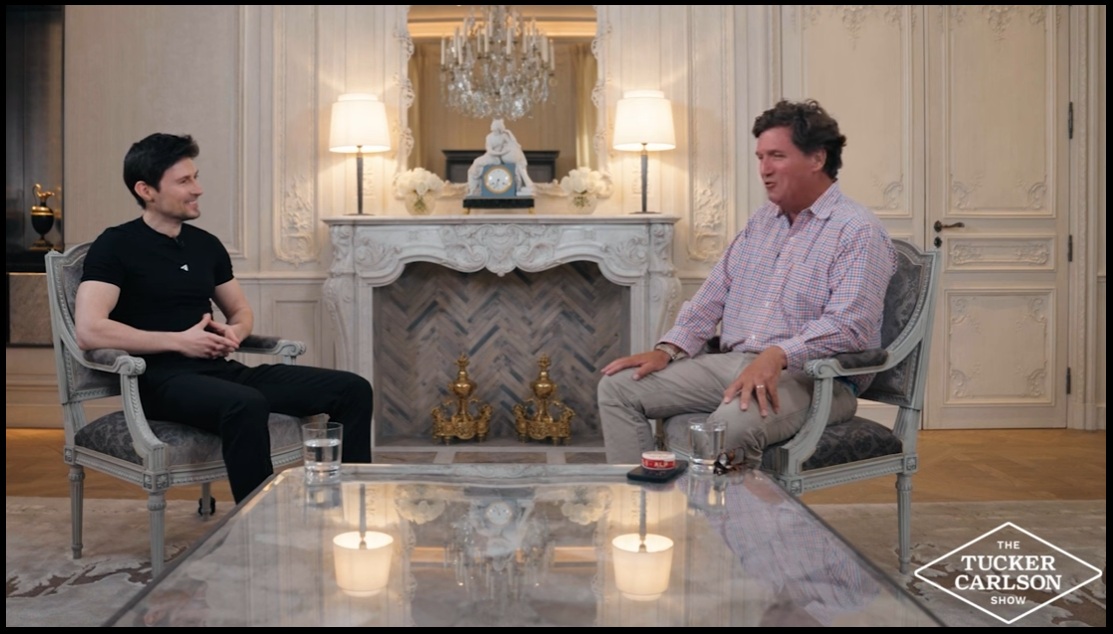
Tucker Carlson traveled to France in order to interview Telegram Founder and CEO Pavel Durov who remains in French detention as he awaits the judicial system to release him. Telegram is used as a messaging ap by over a billion users worldwide. Pavel Durov was accused of noncompliance with EU judicial demands and arrested during a holiday last year. He remains under quasi-detention confinement.
Many people have increasingly expressed annoyance at the change in Tucker Carlson’s interview style. The increased interruptions, wandering rambling that takes the point off subject, inappropriate -borderline annoying- laughter at the wrong moments, and increasing Hannityesque behavior has been a sidebar topic of conversation. However, this is the first interview in which I can say these distracting interview traits have become unbearable.
I really wanted to hear from Durov, but I could not survive the inappropriate timing of the interruptions, and increasingly odd mannerisms from Mr Carlson. From a mental strength, stability and intellectual perspective, Carlson is way over his head trying to interview Durov. Perhaps that explains the performative and seemingly odd behavior of Tucker in this interview. It gets worse as it progresses. See for yourself. WATCH:
.
Pavel Durov is a very deliberate man with an exceptionally stable disposition. He is one of the most important people in the world of information, communication and the free exchange of ideas. Yeah, I’m a little frustrated with this missed opportunity to go into important considerations in the world of information sharing.
Chapters: 0:00 Being Arrested in France 10:57 France’s Attempt to Humiliate and Tarnish Durov 15:54 Did the Russian Government Ever Try to Arrest Durov? 17:21 How Telegram Makes Money 20:04 Are They Attacking Durov Because He’s Russian? 21:19 Did Anyone Defend Durov? 24:23 What Did Durov Do in Jail? 25:17 Is Durov Allowed to Leave France? 30:37 The Real Reason They’re Attacking Durov 31:56 Europe’s Mission to Make Privacy Illegal 39:20 France’s Confiscation of Durov’s Phone 40:47 The Investigation Into Durov 56:52 How Telegram Stays Neutral in Global Politics 58:44 The Advancements of Encryption Technology 1:00:47 Is There Anything That Can Prevent a Government From Spying on You? 1:02:42 The Importance of Disconnecting 1:04:40 Durov’s Thoughts on Ross Ulbricht 1:06:54 Will Durov Stay in France After the Investigation?
Posted originally on Jun 4, 2025 by Martin Armstrong
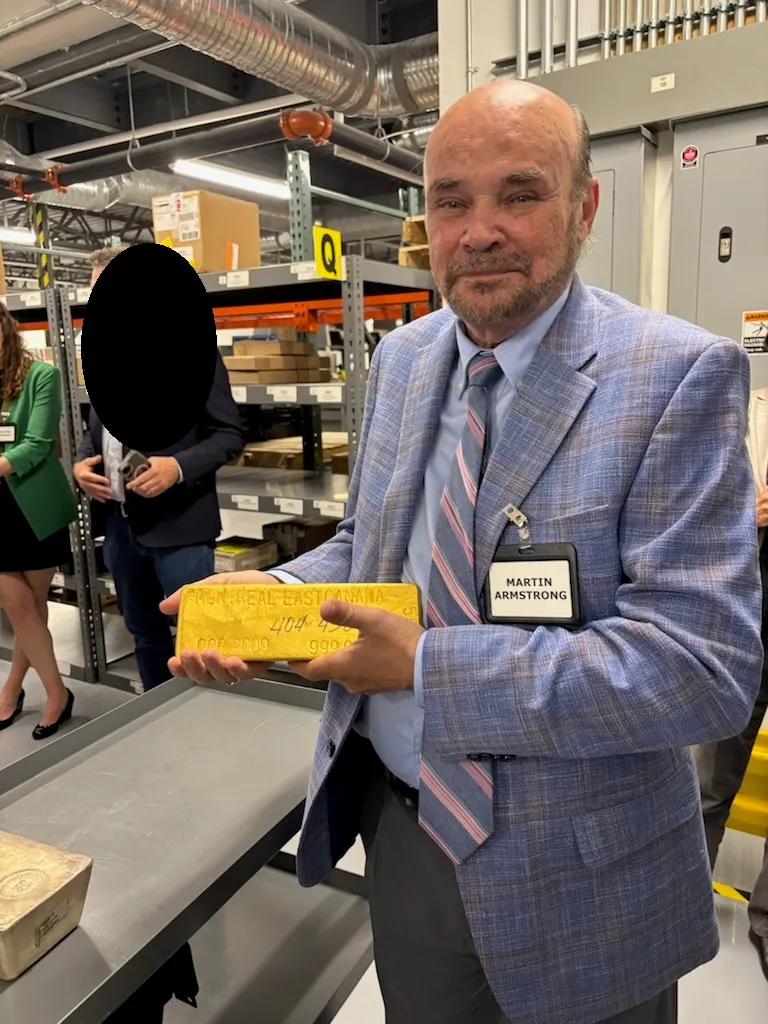
Holding a 400 oz Gold Bar – Central Bank Standard
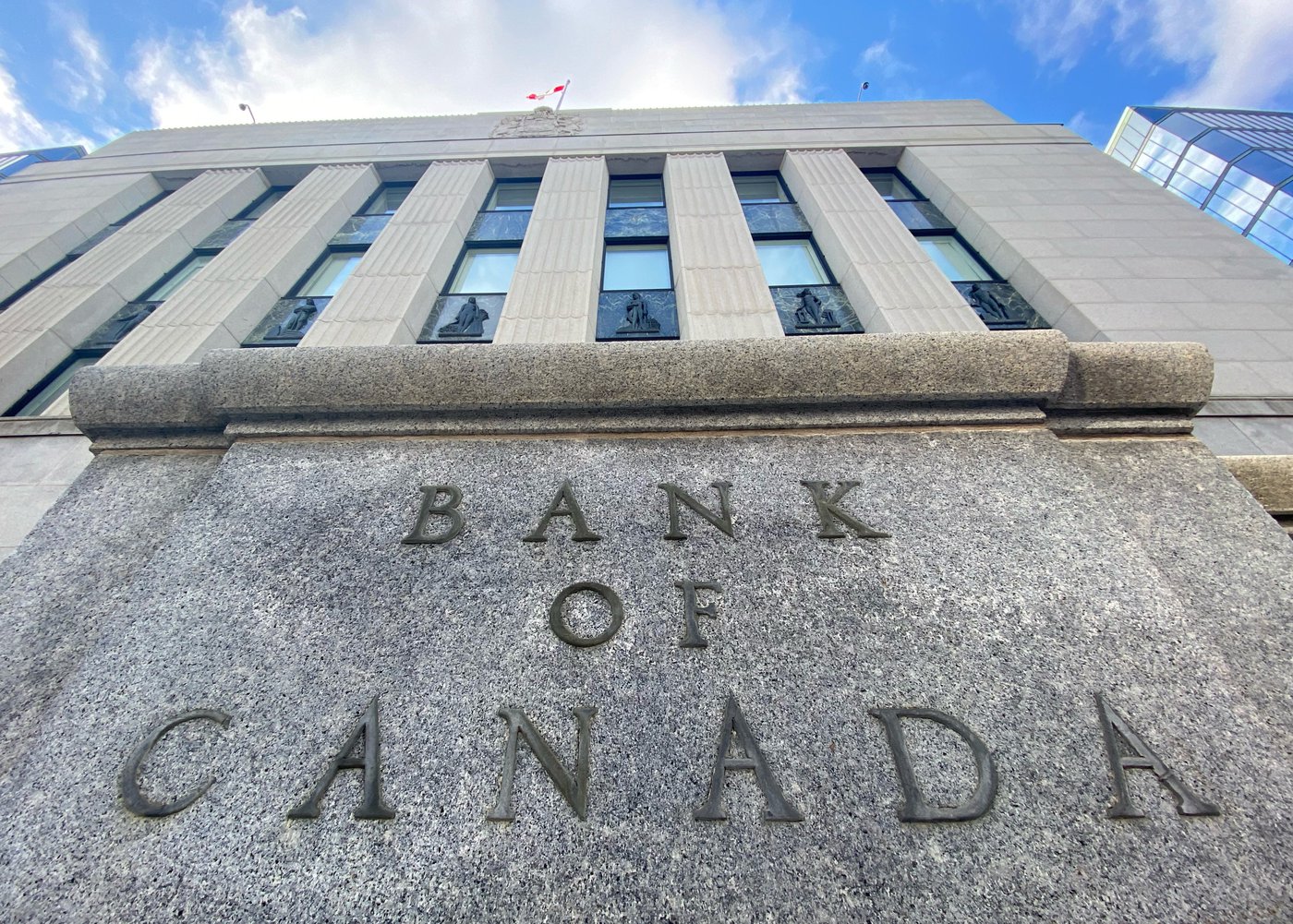
QUESTION: Hello Martin – Here in Canada, we have a vexing question – why no Gold Reserves at BofC? USA has a date with destiny aka Ft Knox Audit that Trump and Bessent seemed engaged on this file but are preoccupied lately with a litany of distractions, I’m 74 with health issues surfacing, which rearrange one’s priorities – many millions of Boomers in same boat – but that’s the price you knew was coming
jw
ANSWER: Canada’s lack of significant gold reserves is the result of a deliberate policy decision spanning several decades, primarily driven by the following reasons:
Opportunity Cost: Gold pays no interest or dividends. The Bank of Canada (BoC) decided it could achieve better returns by holding interest-bearing assets like foreign government bonds (US Treasuries, German Bunds, etc.) and deposits.
The Shift to More Liquid Assets: The BoC prioritized holding foreign exchange reserves (primarily US dollars, euros, yen, etc.), which are highly liquid and easily used for direct intervention in currency markets to stabilize the Canadian dollar (CAD).
Canada began the process of gradually selling off its gold in the 1980s, when gold rallied to $875 on January 21, 1980, and then began a 19-year decline to $250. Canada significantly accelerated its gold sales during the 1990s and early 2000s under the leadership of Finance Minister Paul Martin and Governor Gordon Thiessen, aiming to optimize reserve asset management. By 2016, Canada sold its last significant holdings. As of today, Canada’s official gold reserves are reported as zero tonnes (or negligible amounts – e.g., 77 ounces reported in 2022, worth a trivial sum relative to total reserves). In essence, Canada decided that the costs and lack of yield associated with holding large gold reserves outweighed the traditional benefits. They opted instead to hold foreign currencies and bonds that are easier to use for market intervention and generate income, relying on the strength of the Canadian economy itself to support the value of its currency.
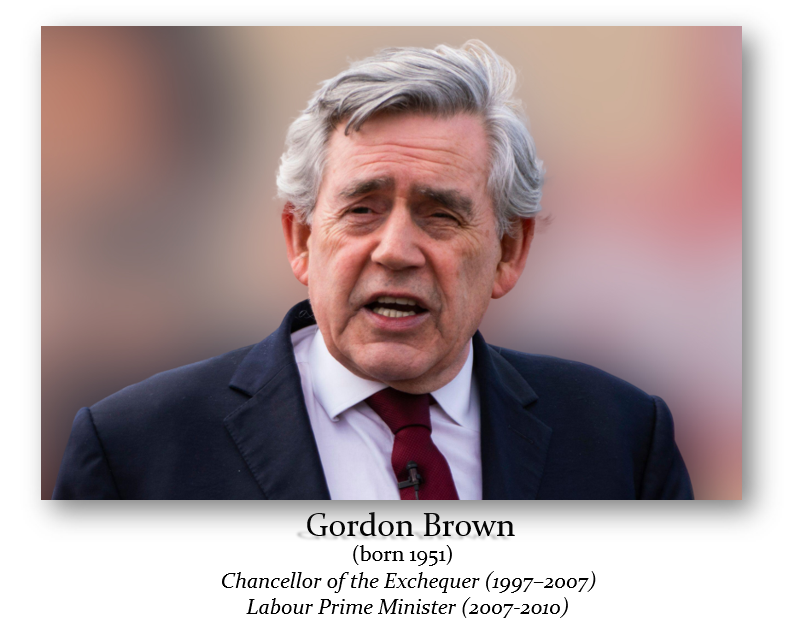
Gordon Brown, as Labour Chancellor of the Exchequer (1997-2007), authorized the sale of a very significant portion (roughly half) of the UK’s gold reserves. He was a member of the Labour Party, which viewed gold as a rich man’s toy. He sold approximately 395 tonnes of gold. The sales took place between July 1999 and March 2002. This represented about 58% of the UK’s total gold reserves at the time (which were around 715 tonnes before the sales). After the sales, the UK’s reserves stood at about 310 tonnes, where they remain today. The sales occurred during a period when the gold price was near a 20-year low, averaging around $275 per ounce. Shortly after the sales concluded, the gold price began a historic bull run, rising dramatically over the next decade to peak over $1,900 per ounce in 2011. This timing led to massive criticism that the UK sold at the absolute bottom of the market, potentially losing billions of pounds in potential value. The period is often referred to as the “Brown Bottom” in financial circles. Brown was ignorant of how markets function. He announced in advance the strategy to sell its gold reserves, so the market held back, anticipating a greater supply. The proceeds were invested in foreign currency and government bonds. While these assets generated interest income, the capital appreciation of gold vastly outstripped the returns on those bonds over the following years.
The head of the Bank of Canada during the main phase of Canada’s gold reserve sell-off (mid-to-late 1990s) was Gordon Thiessen (born 1938). He served as Governor from February 1, 1994, to January 31, 2001. Thiessen spent his entire career within the Bank of Canada, joining in 1963. However, it was his predecessor, John Crow (1987-1994), who began reducing its gold reserves significantly in the 1980s. While the Bank of Canada managed the sales operationally, the ultimate decision to sell the gold rested with the Government of Canada (specifically, the Minister of Finance and the Department of Finance). The Bank acted as the government’s agent in this matter.
I have created this site to help people have fun in the kitchen. I write about enjoying life both in and out of my kitchen. Life is short! Make the most of it and enjoy!
This is a library of News Events not reported by the Main Stream Media documenting & connecting the dots on How the Obama Marxist Liberal agenda is destroying America









 Centinel2012